Travel Planning Hub
Start here to plan your trip, compare options, and explore every TLGA planning guide.
Packing & Gear Guide
What to pack, what to skip, and how to build a lighter travel setup that works.

Last updated: April 2026 by Corey Gasman
From the Editor:
Argentina is massive. It is not an easy country to “wing,” and treating it like a standard European backpacking loop is the fastest way to ruin your trip. Distances here are staggering. Every region feels completely different, and the logistics require intentional planning.
Melissa and I built our first trip around Buenos Aires, Iguazu Falls, Mendoza, and Patagonia. What we found was a country of intense contrasts: world-class food in the capital, raw natural power at the falls, and completely untouched landscapes in the deep south.
We learned quickly that less is more. Trying to see the entire country in two weeks means spending half your trip inside airports. You have to pick your bases carefully and understand that Buenos Aires is still the main domestic flight hub, and many popular routes connect through it, though some seasonal or point-to-point routes do exist. Always check actual schedules before building a loop.
This guide is built to help you navigate the 2026 reality of Argentina. Things change fast here, especially regarding currency and transit. We will break down exactly how to route your trip, where to spend your time, and how to embrace the distinctly late-night, relaxed rhythm of Argentine life.
The 2026 Money Update:
Older Argentina advice focused heavily on cash and the blue rate. In 2026, foreign Visa and Mastercard payments are much easier because they generally access the tourist/MEP mechanism, but carrying some cash still makes sense for small purchases and less-connected areas.
Argentina is not a single trip. It is multiple completely different trips inside one country.
Most countries do one or two of these things well. Argentina does all of them, but only if you plan your route correctly.
TLGA Rule: Do not try to drive between major regions. The map lies. Book domestic flights well in advance and use Buenos Aires as your hub.
Start here: Buenos Aires Travel Hub
Mount Fitz Roy is the undisputed crown jewel of Argentine Patagonia, rewarding those who make the long trek down south.
Argentina requires a mental shift. In North America or Europe, you can easily hop a train and be in a new climate in two hours. In Argentina, a bus ride to the next province can take 20 hours. You must rely on flights, and you must plan your route carefully.
Once you accept the logistics, the country opens up. You will find a culture fiercely proud of its food, deeply attached to late-night socializing, and surrounded by some of the most dramatic geography on the planet. Things operate slower here, and dinner before 9:00 PM is almost unheard of.
Local Guide Tip: Embrace the “merienda.” Because dinner is so late, locals stop for coffee and pastries around 5:00 PM. It is the perfect way to recharge between afternoon exploring and a late steak dinner.
Neighborhoods like Palermo Soho blend European architecture with South American energy, making Buenos Aires an incredibly livable city.
This guide is for travelers who want range. Argentina is not a simple beach holiday or a quick city break. It is an investment of time and energy.
Pick your regions carefully to minimize time spent inside airports.
If you get this decision wrong, you will spend your trip in airports. If you get it right, Argentina becomes one of the best trips you will ever take.
This is the biggest decision for your trip. Successful itinerary planners agree that you must narrow down the country instead of pretending you can do it all in one go.
The culture shock in Argentina usually centers around the clock and the sheer size of the country.
No matter how much research you do, certain things about Argentina will still catch you off guard when you land.
The days of carrying massive stacks of physical pesos are mostly behind us thanks to modern payment updates.
If you are reading advice from a few years ago, it is likely stale. The logistics of traveling here have shifted significantly.
Card payments are much more traveler friendly now because of the tourist MEP mechanism for foreign cards, especially Visa and Mastercard. Additionally, Buenos Aires public transport is much easier than older guides suggest because the Subte and CABA buses now support broader contactless payment options.
However, flight routing remains a major planning issue. Many routes still connect through Buenos Aires even if a few exceptions exist, meaning you cannot assume direct flights between regional hubs.
Buenos Aires is more than just a transit hub. It is a city of incredible architecture, deep history, and luxury moments.
Do not treat Buenos Aires as just a layover. It deserves to be a real editorial anchor for your trip. Start with a history walking tour downtown to understand the country’s complex past, then wander through the stunning architecture of Recoleta Cemetery.
The city’s food scene is a paradox of incredible steak, pizza, and pasta, driven by massive Italian immigration. You can spend the evening at an old tango bar, sip a classic Fernet and Coke, or experience the intense local soccer culture firsthand.
For a taste of the rooftop hotel and luxury angle, treat yourself to Sunday brunch at the Four Seasons in downtown Buenos Aires. On our honeymoon trip, we did exactly this and ended up casually running into Slash from Guns N’ Roses. It perfectly sums up the unexpected energy of the city.
Planning your flight routes early is the single most important step for an Argentina trip.
If you are overwhelmed by the size of the country, use this baseline framework to start narrowing things down.
With only a week, do not attempt Patagonia. Spend five days deeply exploring Buenos Aires, and take a two-day trip to Iguazu Falls or a short ferry over to Colonia del Sacramento in Uruguay.
This allows you to link Buenos Aires, Iguazu Falls, and Mendoza. You get the city, the jungle, and the wine country. It requires two internal flights but provides a perfect snapshot of the north.
Two weeks is the minimum required to comfortably include Patagonia. A strong route is Buenos Aires to El Calafate (glaciers), up to Mendoza (wine), and back to the capital.
Pro Tip: Aerolineas Argentinas is the main domestic carrier. Book these flights months in advance, as routes to places like Ushuaia or El Calafate sell out quickly in peak season.
Deciding where to spend your time in South America often comes down to these three heavyweights. They offer entirely different cultural paces.
| Category | Argentina | Chile | Brazil |
|---|---|---|---|
| Overall Vibe | European influence, proud, nostalgic | Modern, efficient, nature-focused | Vibrant, musical, beach-centric |
| Best For | Steak, wine, culture, varied geography | Extreme landscapes, stargazing, hiking | Beaches, wildlife, high-energy cities |
| Pace | Late starts, very late nights | Standard schedule, reliable | Fluid, relaxed, socially driven |
Yerba mate is more than a drink. It is a daily social ritual that defines the afternoon rhythm of the entire country.
You cannot force an American or European schedule onto Argentina. If you show up to a restaurant at 7:00 PM, you will either find it closed or you will be eating alone.
Mornings start slow with a simple coffee and medialunas (sweet croissants). The real energy of the day begins in the late afternoon. In the provinces, the siesta is still heavily respected. Shops will close from 1:00 PM to 5:00 PM, and the towns go completely quiet.
Dinner starts at 9:00 PM at the earliest, with locals often arriving at 10:30 PM. Lean into this. Take an afternoon nap, enjoy the merienda, and stay out late.
Autumn in Mendoza (March to May) brings the harvest festivals and perfect weather for long outdoor wine tastings.
Because Argentina is in the Southern Hemisphere, the seasons are reversed. The country is so long that the “best time” entirely depends on where you are going.
The recent upgrade to digital payments on the Buenos Aires transit network makes getting around the capital seamless.
Do not underestimate the map. Driving from Buenos Aires to Bariloche takes over 18 hours. Flying is the only practical way to link major regions.
Aerolineas Argentinas and low-cost carrier Flybondi handle the domestic routes. Most flights operate out of Jorge Newbery Airpark (AEP) in Buenos Aires, which is centrally located, unlike the massive Ezeiza (EZE) international airport.
In Buenos Aires, the Subte now accepts contactless card, NFC device, and QR payment at all stations, and CABA bus lines also support broader contactless payment, though some metro-area and rail services still require SUBE.
Domestic flights here feel different. This is not a highly polished, business-class-heavy system like in the US or Europe. It is more relaxed, more local, and very much part of everyday life.
On a regular flight from Buenos Aires to Mendoza, we found ourselves flying with the Club Atlético Huracán soccer team. Players in bright red tracksuits were walking through the same gate as everyone else, taking photos with fans and casually boarding a standard commercial flight. It was a striking contrast to how major sports teams travel in the US.
This is also a reminder of how important these flights are. Argentina is simply too large to travel overland between major regions. Flights are not optional here, they are the backbone of your itinerary. Book early, expect some delays, and build buffer time into your trip.
Do not treat domestic flights as simple transfers. In Argentina, they are part of the experience and one of the biggest factors in whether your trip feels smooth or stressful.
Spending a night at a traditional estancia outside the city offers a quiet, luxurious look into Argentina’s gaucho history.
Argentina offers unique lodging options that you should prioritize over standard international hotel chains.
In Buenos Aires, look for boutique hotels in Palermo Soho or Recoleta. In Mendoza, budget for at least two nights at a “lodge” directly on a vineyard. Waking up surrounded by Malbec vines with the Andes in the distance is worth the premium.
If you have extra time near Buenos Aires or Cordoba, book a night at an Estancia (a traditional ranch). These often include horseback riding, massive outdoor BBQ lunches, and a deep dive into gaucho culture.
Each region of Argentina requires a completely different travel approach and mindset.
Argentina is too big to see it all. Pick your regions based on what actually excites you.
Local Guide Tip: If you only add one region to Buenos Aires, make it Iguazu Falls. It only takes a two-day detour and delivers maximum visual impact.
Dining at 11:00 PM is not just for adults. Entire families gather late into the night to share meals and socialize.
Argentina is a carnivore’s dream, but to eat well here, you have to completely reset your internal clock. If you try to walk into a restaurant at 7:00 PM, you will either find the doors locked or you will be eating completely alone while the staff preps tables around you.
The culinary rhythm starts late. Kitchens rarely open before 8:30 PM, and the dining rooms do not truly fill up until 10:00 PM or later. It is completely normal to see entire families, including toddlers, sitting down for a massive steak and Malbec dinner at midnight. To survive this schedule, lean into the merienda. Around 5:00 PM, the whole country stops for coffee and pastries to bridge the long gap between lunch and late-night dinners.
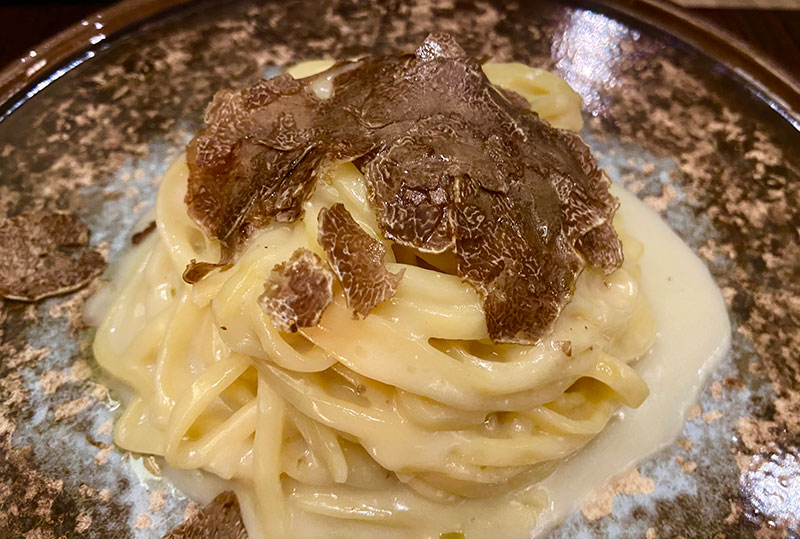
One of the biggest surprises is how strong the Italian influence is. Argentina has one of the largest Italian immigrant populations in the world, and it shows up everywhere. Some of the best meals of the trip were not just steak, but fresh pasta, classic pizzas, and neighborhood spots that have been operating for decades.
When you finally sit down, the parrilla (steakhouse) culture is found on every corner. Order a bife de chorizo (sirloin) or ojo de bife (ribeye), served simply with a side of chimichurri. Beyond steak, the Italian influence is massive, meaning you will find incredible fresh pasta, pizza, and gelato everywhere.
The 2026 economic shifts mean your foreign credit card is now the easiest and most efficient way to pay.
This is the most critical update for recent travelers. Older guides will tell you to bring thousands in US cash to exchange on the unofficial market. As of 2026, that advice is completely outdated.
The gap between the official exchange rate and the unofficial “blue dollar” has largely closed. More importantly, foreign Visa and Mastercard payments are much easier because they generally access the tourist/MEP mechanism, which gives you excellent value automatically. You can now tap your card for hotels, meals, and transit without losing large chunks of your money to poor bank rates.
You still need some cash for rural areas, small tips, and street stalls. Western Union remains a solid backup for pulling local currency, but you no longer need to arrive with a money belt full of hundreds.
Pro Tip: Always choose to pay in local Argentine Pesos (ARS) when a credit card terminal asks. If you choose your home currency, you will get hit with a terrible conversion rate.
Booking your domestic flights early ensures you don’t miss out on remote wonders like the Perito Moreno glacier.
Argentina demands advance booking for two specific things: domestic flights and top-tier dining.
Aerolineas Argentinas flights to Patagonia or Iguazu will double in price or sell out completely if you wait until the last month. Lock your major flight routes down before you book your hotels.
In Buenos Aires, the culinary scene is highly competitive. If you want to eat at famous spots like Don Julio, Mishiguene, or top closed-door restaurants (puertas cerradas), you need to make reservations weeks in advance.
Argentina can be incredibly affordable or incredibly luxurious, depending entirely on your travel style. While inflation causes local peso prices to change daily, the cost relative to foreign currency remains fairly stable.
| Expense Category | Budget / Casual | Comfort / Luxury |
|---|---|---|
| Hotel (per night) | $50 to $90 | $150 to $350+ |
| Lunch (Empanadas/Cafe) | $5 to $10 | $15 to $25 |
| Steak Dinner for Two | $30 to $50 | $80 to $150+ |
| Bottle of Malbec | $6 to $12 | $25 to $60 |
| Domestic Flight | $80 to $120 | $150 to $250 |
WhatsApp is absolutely mandatory in Argentina for communicating with guides, restaurants, and hotels.
Do not rely on international roaming plans. Get an eSIM via Airalo or Holafly before you land. The coverage in Buenos Aires and Mendoza is excellent, though expect dead zones in the deep south of Patagonia.
You must download WhatsApp. Like most of South America, traditional texting does not exist here. You will use WhatsApp to confirm tour pickups, message your Airbnb host, make restaurant reservations, and arrange airport transfers.
Cabify and Uber are both highly reliable in Buenos Aires and are much easier than hailing street taxis.
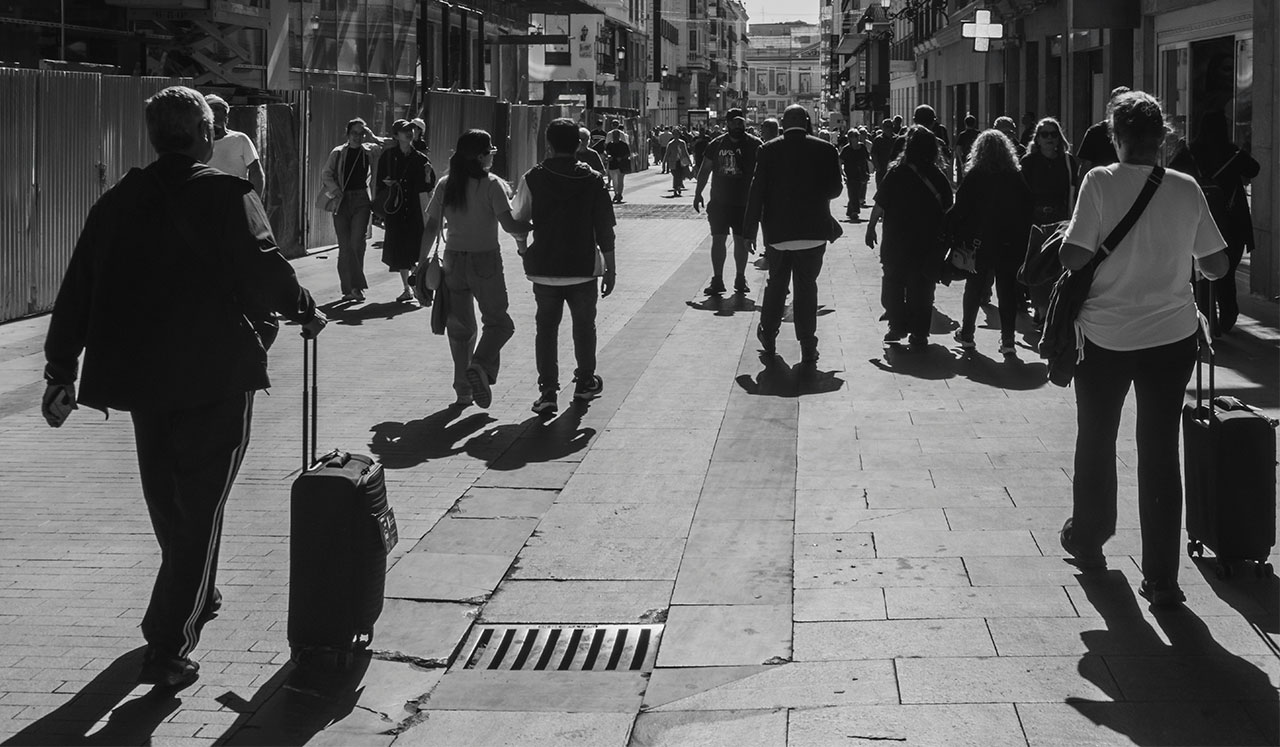
Crowded pedestrian areas like Calle Florida are perfectly safe, but require basic awareness of your belongings.
Argentina is generally very safe for tourists, but petty theft in Buenos Aires is common if you are not paying attention.
The most common issues are phone snatchings. Do not stand near the open doors of the Subte looking at your phone, and do not leave your phone resting on the table at an outdoor cafe. Thieves on motorcycles or bicycles are quick.
Resist the urge to check off every box. Build your trip around manageable flight routes.
Spend four nights in Buenos Aires. Fly to Iguazu Falls for two nights. Fly from Iguazú to Mendoza, likely with a connection, and avoid assuming it will be nonstop when you build the route. Spend three nights in Mendoza, then fly back to Buenos Aires for your final night before heading home. This hits the major contrasting highlights.
Spend three nights in Buenos Aires to recover from the long haul flight. Fly south to El Calafate for three nights to see the glaciers. Take the bus to El Chalten for four nights of hiking. Fly back to Buenos Aires and add a short trip to Uruguay to finish the trip.
Local Guide Tip: Always put a buffer night in Buenos Aires at the end of your trip. Domestic flights in Argentina are frequently delayed. You do not want to risk missing your international flight home because you were stuck in Patagonia.
Reality Check: Argentina rewards fewer destinations done well. Trying to hit Buenos Aires, Iguazu, Mendoza, and Patagonia in one short trip will leave you exhausted. Pick two or three regions and experience them fully.
While English is common in tourist areas of Buenos Aires and high-end hotels, it is not widely spoken in the provinces or in taxis. Knowing basic Spanish phrases will significantly improve your trip.
In Buenos Aires and Patagonia, the tap water is safe to drink. In the northern regions like Salta or Iguazu, it is best to stick to bottled water.
Ten to fourteen days is the minimum if you want to leave Buenos Aires and see another major region without spending your whole trip in transit.
Only in specific regions like Mendoza for winery hopping or Salta for exploring the high deserts. Otherwise, rely on domestic flights and apps like Cabify.