Home » Food & Drink » Eating Abroad – Tips & Advice for Travelers

Last updated: March 2026 by Corey Gasman

Food is the fastest way to understand a place.

Eating abroad is one of the most rewarding parts of travel. Food connects you to local culture, daily life, and small traditions you would never notice otherwise.

At the same time, it can feel intimidating at first. Language barriers, unfamiliar customs, dietary concerns, and food safety questions can make people default to “safe” choices.

This guide gives you practical, no-drama tips so you can eat well, avoid common mistakes, and actually enjoy the experience.

TLGA Travel Truth
You do not need to be fearless to eat well abroad. You just need a simple system.
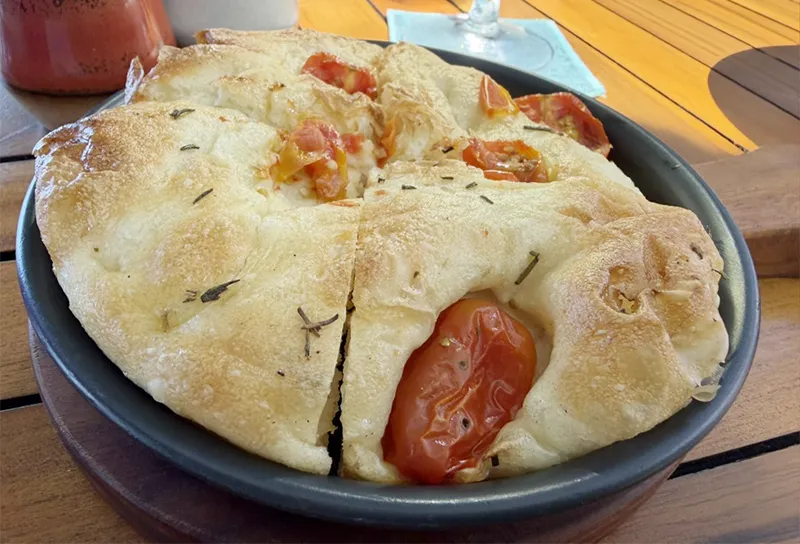
Pro Tip: Your best meals usually happen just off the main tourist corridor.
A close-up of a vibrant market stall filled with containers of small pears and strawberries, with two vendors working in the blurred background.

To truly understand a destination, start at the local market. Observing how residents shop and seeing which fruits and vegetables are in season offers the best insight into the region’s culinary identity. Many urban walking tours now include a market visit as a key highlight of the experience.


Understanding Local Food Culture

Every country has its own rhythm and rules around meals. You do not need to master them. You just need enough awareness to avoid awkward moments and enjoy the flow.

Learn basic dining customs

  • Typical meal times and portion sizes
  • Whether tipping is expected or included
  • Table manners and etiquette
  • How food is ordered and served

Respecting local customs usually leads to warmer interactions and better service.

Pro Tip: Don’t wait for the bill. In much of Europe and South America, a server bringing the check without being asked can read as rude. When you’re ready, catch their eye and use the universal “writing in the air” gesture.

Be open to new experiences

Start with familiar flavors if you want, then branch out. The goal is curiosity, not bravery points.

A close-up shot of a person holding a dark gray ceramic bowl filled with thick pasta topped with a rich meat ragù. The dish is garnished with freshly grated cheese and a sprig of fresh green herbs. The lighting highlights the glossy texture of the sauce and the steam coming off the warm meal.

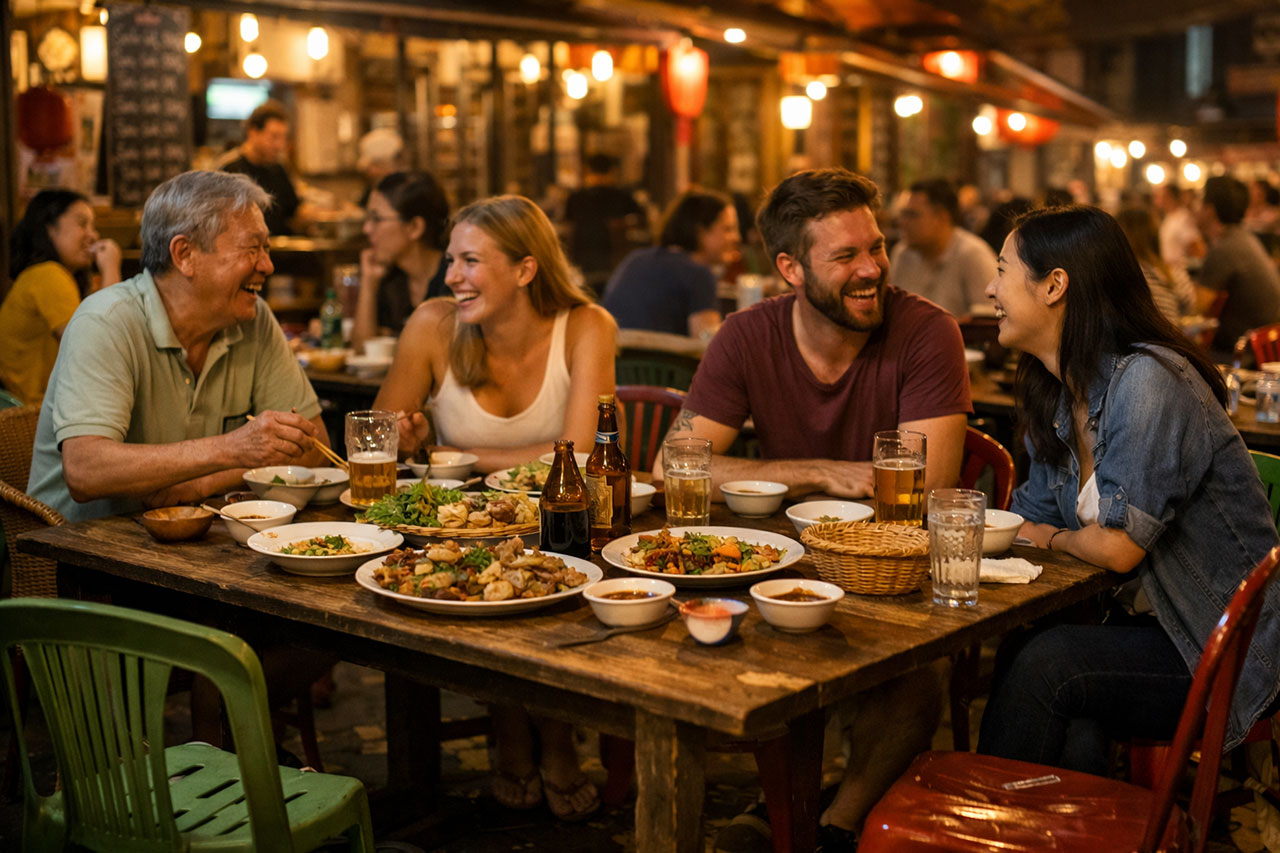
The best travel meals rarely happen by accident. When hunting for unforgettable food overseas, skip the restaurants right next to major tourist landmarks. Walk a few blocks away and look for the spots filled with locals. That is where you will find truly authentic dishes with rich, local flavors.


Choosing Where to Eat

Eat where locals eat

Restaurants filled with locals are often a good sign of quality, authenticity, and fair pricing. Busy places usually mean fresh food and good value.

Avoid places that aggressively advertise to tourists or have huge photo menus in multiple languages right next to major attractions.

Local Guide Tip: When in doubt, move beyond the main tourist street. Prices drop and quality often jumps.

Street food vs. restaurants

Street food can be amazing when chosen carefully. Use simple signals:

  • Choose stalls with long lines and high turnover
  • Watch food being cooked fresh
  • Avoid food that has been sitting out

Restaurants are better when you want a slower experience, regional specialties, or help with dietary needs.

A Thai woman in an orange apron stirs a large wok of noodles at a vibrant street food stall in a busy Bangkok market at dusk.

The heart of local flavor: Watching a street food master at work in Bangkok, where the freshest ingredients and decades of tradition create the perfect Pad Thai.

Food Safety While Traveling

Basic food safety tips

  • Eat food that is freshly cooked and served hot
  • Avoid unpasteurized dairy products
  • Wash or sanitize hands before eating
  • Peel fruits yourself when possible

If you are unsure, pick cooked dishes over raw items.

Water safety

  • Drink bottled or filtered water if recommended
  • Avoid ice if water quality is questionable
  • Use bottled water to brush your teeth if necessary
Pro Tip: If you are worried about water safety, skip the ice and stick to sealed bottles. For extra precaution in higher-risk destinations, use bottled water to brush your teeth.
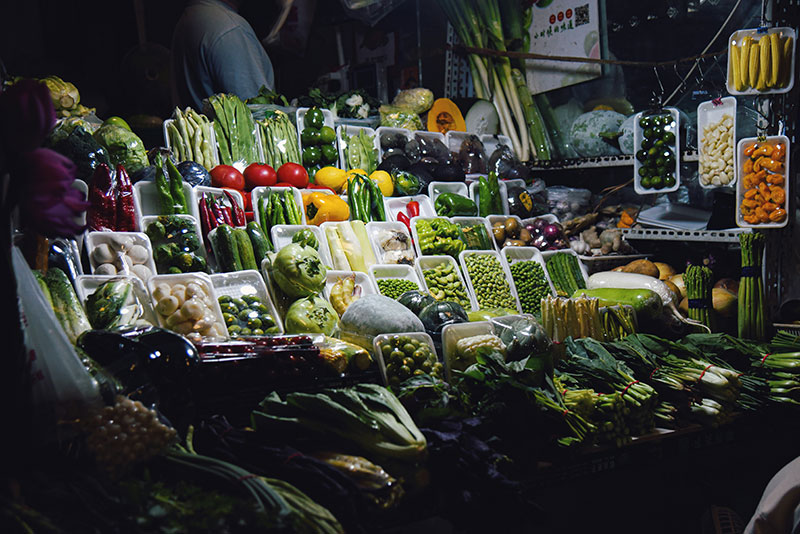
A vibrant night market stall displays rows of fresh vegetables, including peppers, greens, and corn, individually wrapped in trays.

The best way to ensure a great vegetarian or vegan meal while traveling is to visit local markets. You can identify seasonal produce and even pick up fresh ingredients to supplement your dining out.


Dietary Restrictions and Special Needs

Communicating dietary requirements

If you have allergies or restrictions, prep is everything. Learn the key phrase in the local language or carry a translation card.

  • Vegetarian or vegan preferences
  • Food allergies and intolerances
  • Religious or medical dietary requirements
Local Guide Tip: Save a screenshot that states your allergy clearly in the local language. Show it before ordering, even if you think they understand.

Research ahead of time

Reading menus online and saving a short list of “safe” places reduces stress once you land.

Person holding a dark gray bowl of thick spaghetti with rich meat ragù, cheese, and fresh herbs.

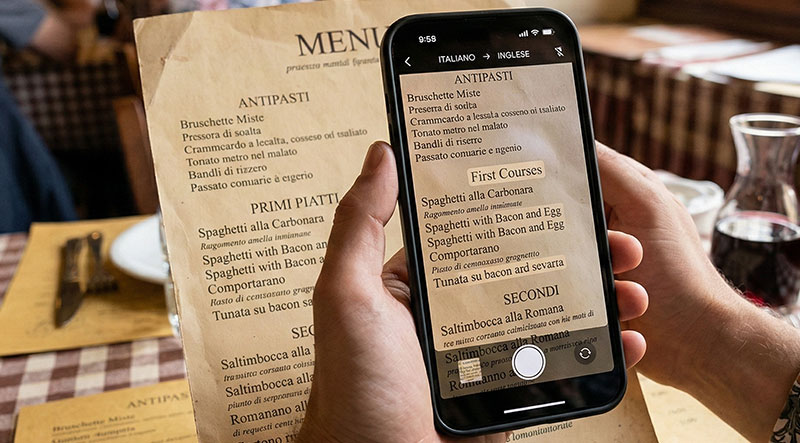
Modern magic for travelers: Using Google Translate camera mode to instantly decode a foreign menu, making your first meal in a new country feel easy.


Ordering Food With Confidence

Understanding menus

Menus are not always translated and dish names can be confusing. Use translation apps, ask for house specialties, or point to a dish on another table.

Ask for recommendations

Staff are often happy to recommend the most popular dish or house specialty. You will usually eat better by asking than by guessing.
Pro Tip: Use Google Translate camera mode for menus. It is one of those small tools that makes day one feel easy.
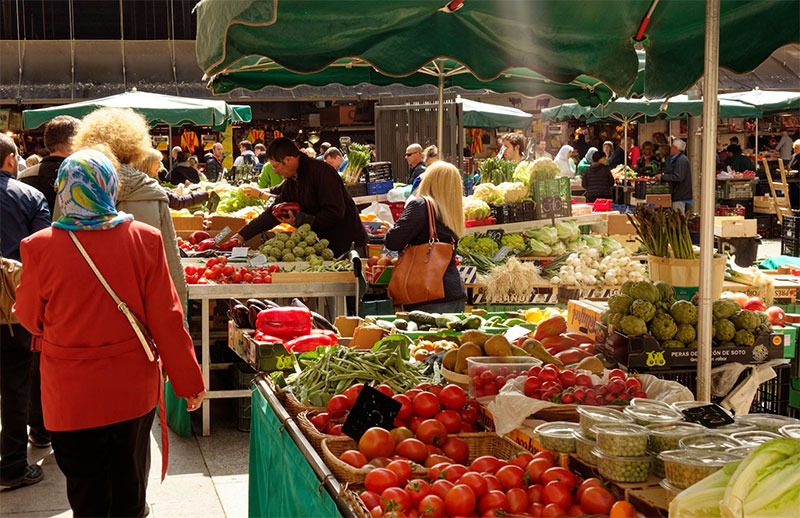
A busy outdoor European market with crowds of people browsing stalls overflowing with fresh red tomatoes, artichokes, and green vegetables under green awnings.

One of the easiest ways to save money on meals is to shop like a local at outdoor markets. Picking up fresh, seasonal ingredients for a picnic or a simple breakfast allows you to stretch your travel budget much further without sacrificing quality.


Budgeting for Food Abroad

Plan a food budget

Food costs vary wildly based on where you eat and how often you sit down. Build in room for a few memorable meals, then keep the rest simple.

Saving money on meals

  • Shop at local markets and bakeries: Grab fresh bread, fruit, and cheese for a cheap, high-quality meal.
  • Eat larger meals at lunch: Many countries offer a “menu del día” at lunch for a fraction of the dinner price.
  • Use street food: It is often the best value and the most authentic experience.
Local Guide Tip: The Splurge & Save Balance

One of our favorite parts of a trip is sitting down for a truly special dinner. The way we make that work without blowing the budget is by keeping the rest of the day simple.

If we’re staying in an Airbnb, we’ll make our own breakfast or grab a pastry from a nearby cafe. For lunch, we’ll hit a local stall for street tacos. That balance is the key: eat cheap where it makes sense so you can save for that one unforgettable meal.

An Aperol Spritz cocktail with an orange slice alongside a basket of tapas and a small bowl of green olives on an outdoor cafe table.

Skip the tourist traps and embrace the local social hour like a seasoned traveler. In the early evening, residents across Europe head to neighborhood outdoor cafes to unwind with a refreshing drink and a spread of light bites.


Drinking Abroad: Local Traditions & Drinks Worth Trying

Drinking abroad is less about getting tipsy and more about understanding local culture. Every country has its own rituals, rules, and signature drinks, and learning them is part of the fun.

Every place drinks differently

In Italy, wine is casual and often enjoyed with meals. In Spain, drinks are social and paired with small plates. In Germany, beer halls are communal and lively. In Mexico, tequila and mezcal are sipped slowly, not shot. And in Japan, drinking is often tied to work culture and respect, with clear etiquette around pouring for others.

The key is to observe first. Watch how locals order, when they drink, and what they pair it with. You’ll almost always have a better experience by following the local rhythm instead of importing habits from home.

Try the local specialty

One of the easiest ways to connect with a place is to try what it’s known for. That might be:

  • House wine in Italy or France
  • Aperol spritz before dinner
  • Local craft beer or pilsner
  • Mezcal or tequila in Mexico
  • Sake with a meal in Japan

You do not need to try everything. One thoughtfully chosen local drink often tells you more about a place than a dozen generic cocktails.

Understand the social rules

Alcohol laws and customs vary widely. Some countries allow public drinking, others do not. Some cultures expect you to linger over one drink, while others are more fast-paced. In many places, being loud or visibly drunk is frowned upon.

Enjoy it, don’t overdo it

Travel fatigue, heat, altitude, and jet lag all make alcohol hit harder than expected. Pace yourself, drink water, eat food, and remember that you’re still navigating a new place.

Never leave drinks unattended, know how you’re getting home, and keep safety in mind. A relaxed drink enjoyed the local way is far more memorable than pushing your limits.

A chef in a white uniform stands behind a wooden kitchen island while three students in gray aprons applaud during a cooking class.

Experience the culture by joining a local cooking class. It is the perfect way to learn authentic techniques and bring the flavors of your travels back to your own kitchen.


Food as a Cultural Experience

If you want to understand a place fast, follow what people eat and where they buy it. Food is culture in real time. You do not need to be a “foodie” to get value out of it. You just need curiosity.

Take a food tour or cooking class

Food tours and cooking classes are a shortcut to the good stuff. You get local context, hidden spots you would not find on your own, and the “why” behind the dishes.

Pro Tip: Book your food tour for day one or day two. Then use the guide’s recommendations as your hit list for the rest of the trip.

Visit local markets

Markets are the best window into everyday life. You see what locals actually buy, what is seasonal, and what people snack on between meals. They are also a great place for affordable, casual food.

  • Do not just look, taste: If a vendor offers a sample of fruit, cheese, or a local specialty, take it.
  • Go in the morning: For the most authentic energy, show up while chefs are buying supplies, usually before 10:00 AM.

The grocery store safari

One of the most underrated cultural experiences is walking through a local supermarket. It sounds basic, but it is revealing. You learn what people actually eat at home, what flavors are popular, and what “normal” looks like.

  • Start with the snack aisle for flavors you will never see at home.
  • Look for easy food souvenirs like honey, spices, sauces, or tinned fish at local prices.

The picnic strategy

Grab a few things from a bakery, a cheese stall, and a fruit vendor, then head to the nearest park, plaza, or riverwalk. In cities like Paris, Tokyo, or Mexico City, a picnic is a front-row seat to local life and often one of the most enjoyable meals of the whole trip.

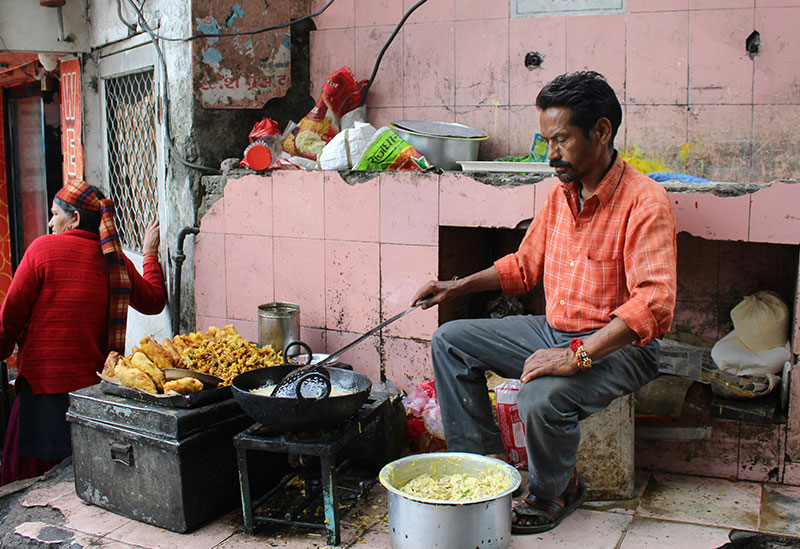
A street food vendor in an orange shirt sits by a large wok of hot oil, frying traditional snacks at a pink-tiled stall in India.

Street food is a highlight of traveling, but “Delhi Belly” can ruin a trip. To stay healthy, always choose stalls with a high turnover where you can see the food being cooked fresh at high temperatures right in front of you.


When Your Stomach Declares Independence

At some point, almost every traveler meets their digestive nemesis. In Mexico and Central America it’s called Montezuma’s Revenge. In India and parts of Asia, Delhi Belly. In Egypt, Pharaoh’s Revenge. In Indonesia, Bali Belly. And across Latin America, the classic catch-all: Turista.

Different names, same message: your stomach is adjusting to new bacteria, new water, new spices, and sometimes making its feelings very clear.

Be prepared (not panicked)

Even if you eat smart, things can happen. The goal is not fear, it’s damage control. A little preparation can turn a trip-ruining disaster into a half-day inconvenience.

  • Anti-diarrheal medication (do not leave home without it)
  • Rehydration salts or electrolyte packets
  • Basic pain relievers

If something hits, slow down. Drink fluids. Stick to simple foods like rice, bananas, toast, or soup. This is not the moment for a spicy street-food double down.
Local Guide Tip: If you are getting dehydrated, dizzy, or cannot keep fluids down, that is the line where you stop “toughing it out” and take it seriously. Hydration first, pride later.

The good news is most cases pass quickly, and they rarely ruin a whole trip. The even better news is the best meals you had before, and after, are usually still worth it.

Two sushi chefs in white uniforms and traditional hats prepare fresh nigiri at a wooden counter in a dimly lit Tokyo restaurant.

Don’t be afraid to sit at the counter. Watching the masters work is the best way to appreciate the local craft and get the freshest recommendations from the chef.


Eat Like You Traveled for This

If you ask chefs, home cooks, food writers, or anyone who truly loves food why they travel, the answer is rarely “to see monuments.” It’s to taste something they cannot get at home. A sauce made by someone’s grandmother. A recipe shaped by climate, history, and necessity.

Food is not a side activity of travel. It is the culture itself. It tells you how people live, how they gather, what they celebrate, and what they value.

Balance awareness, not fear

Yes, be smart. Eat fresh food. Trust places that are busy. Wash your hands. But do not let anxiety turn every meal into a calculation. The goal is awareness, not avoidance.

Follow what locals actually do

If locals line up, join the line. If a market is buzzing at 9:00 AM, be there. If dinner starts late, adjust your watch. Eat when they eat. Order what they order.

And if you do not recognize something on the menu, that is not a problem. That is the point.

The real payoff

Years from now, you probably will not remember the hotel room number or the exact route you walked. You will remember the flavors. The laughter at the table. The moment you tried something new and realized the world tastes bigger than you thought.

Meal Times and Tipping: A Global Cheat Sheet

One of the easiest ways to feel like a local is to align your internal clock with the country you’re visiting. Showing up for dinner at 6:00 PM in a city that doesn’t start cooking until 9:00 PM is a quick way to end up in an empty tourist trap.

Region Peak Dinner Time Tipping Norms
Western Europe 7:00 PM to 8:30 PM Rounding up or 5 to 10%
Spain & Italy 8:30 PM to 10:30 PM Small change; coperto often included
Southeast Asia 6:00 PM to 8:00 PM Not expected, but appreciated
Japan 6:00 PM to 8:30 PM No tipping (can be offensive)
Mexico / LatAm 7:30 PM to 9:30 PM 10 to 15% is standard
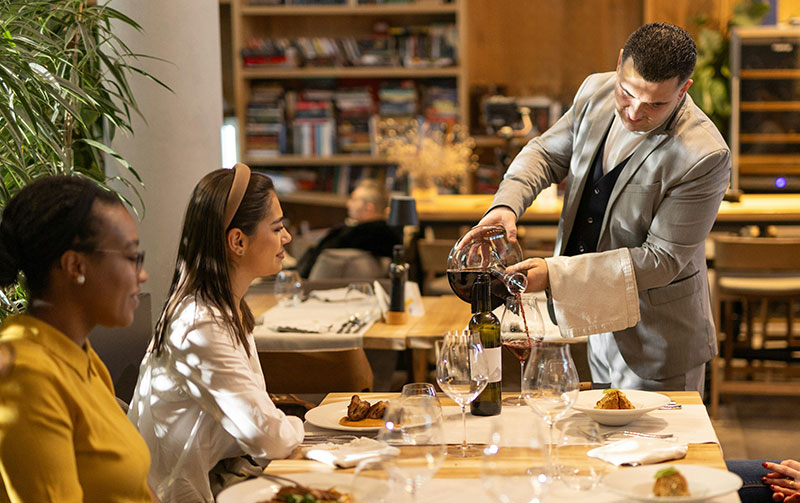
A sommelier in a grey suit pours red wine from a decanter for two women seated at a restaurant table.

High-end service often comes with different expectations. When dining at fine establishments globally, check if a “service compris” is noted on the bill to avoid tipping twice or missing the mark.


Global Tipping Guide: Rules by Country

While tipping is a personal choice, following local norms ensures you aren’t overpaying or accidentally causing offense. Here is a quick reference for restaurant tipping in major travel destinations.

Region Country Restaurant Tip Key Context
North America USA & Canada 18% to 25% Standard expectation; built into the service economy.
Mexico 10% to 15% Check for “propina” on the bill before adding more.
Central America & Caribbean Costa Rica 0% to 10% 10% service charge is legally included. Extra is for great service.
Dominican Republic 5% to 10% 10% is often included, but waiters rarely see it. Tip extra in cash.
South America Brazil 10% Usually included as a “serviço” fee on the bill.
Peru & Argentina 10% Standard for good service. Cash is king for tips.
Europe UK, Germany, Greece 5% to 10% Often rounded up. In the UK, check for “service charge.”
France, Italy, Spain Round up or €1 to €2 Service is included by law. Leave small change on the table.
Middle East & Africa UAE (Dubai) 10% to 15% Many bills include a fee; cash tips often reach staff more directly.
Turkey 5% to 10% Expect to tip in cash even if paying by card.
Egypt & Morocco 10% to 15% Small tips are common for many services.
South Africa 10% to 15% Similar to US/UK culture; expected in restaurants.
Asia & Pacific Japan 0% Can be seen as an insult. Exceptional service is the baseline.
China 0% Not expected except in very high-end Western hotels.
Thailand & Vietnam Round up or $1 Not required, but leaving small change is common in tourist areas.
India 7% to 10% Check for “service charge.” If not there, 10% is standard.
Australia 0% to 10% Not expected; only for high-end dining or great service.
Local Guide Tip: The Cash Rule

Even if you pay with a card, try to tip in local cash. In many countries, tips added to a card machine can go to the owner or be pooled. Small bills or coins in local currency help your appreciation reach the person who earned it.

A close-up of rosé wine being poured into a glass at a dinner table with blurred plates of food in the background.

Tipping customs vary wildly across Europe. In many countries, a service charge is already included, but rounding up the bill or leaving a few extra Euros is a great way to thank your server for a wonderful meal.


Practical Advice for Americans: When “Good Service” Doesn’t Mean 25%

As Americans, we are conditioned to feel guilty if we leave anything less than 20%. Abroad, that same percentage can be confusing, boastful, or simply unnecessary. Here is how to handle tipping when the service is truly exceptional.

Muzzle the American-style tip

In much of Europe and Asia, service staff are paid a living wage. A tip is a thank you, not a subsidy. For truly great service in most of the world, 10% is considered very generous. In many places, rounding up is the local way to show you were happy.

Look for the included terms

Before you reach for your wallet, scan the bill for these terms which often mean the tip is already handled:

  • Service compris / service inclus: (France/Belgium) Tip included in pricing.
  • Coperto / servizio: (Italy) Cover charge or service fee is added per person.
  • Propina: (Mexico/Latin America) Sometimes included or suggested.
  • Serviço: (Brazil) Often a 10% fee added to the bill.

When to stick closer to US-style (15 to 20%)

Some regions rely heavily on tourism. In parts of the Caribbean, Mexico (tourist zones), and many safari contexts, higher tipping norms can be common.

The Golden Rule: If you are unsure, watch the tables around you. If locals leave a few coins and walk away, follow their lead.

FAQs: Eating Abroad

Is street food safe while traveling?

It can be, if you choose wisely. Look for long lines, high turnover, and food cooked fresh and served hot. Avoid items sitting out.

Walk beyond the busiest landmark zones. Look for places filled with locals and smaller menus. Avoid aggressive greeters and oversized photo menus near major attractions.

Carry a translation card or a screenshot in the local language and show it before ordering. When in doubt, keep meals simple and avoid sauces you cannot identify.

It depends on the destination. Research ahead. If water quality is questionable, stick to sealed bottles and avoid ice.

Use Google Translate camera mode, ask for house specialties, or point to a dish you see at another table. Staff suggestions are often the best choice.