
Travel Planning Hub
Start here to plan your trip, compare options, and explore every TLGA planning guide.
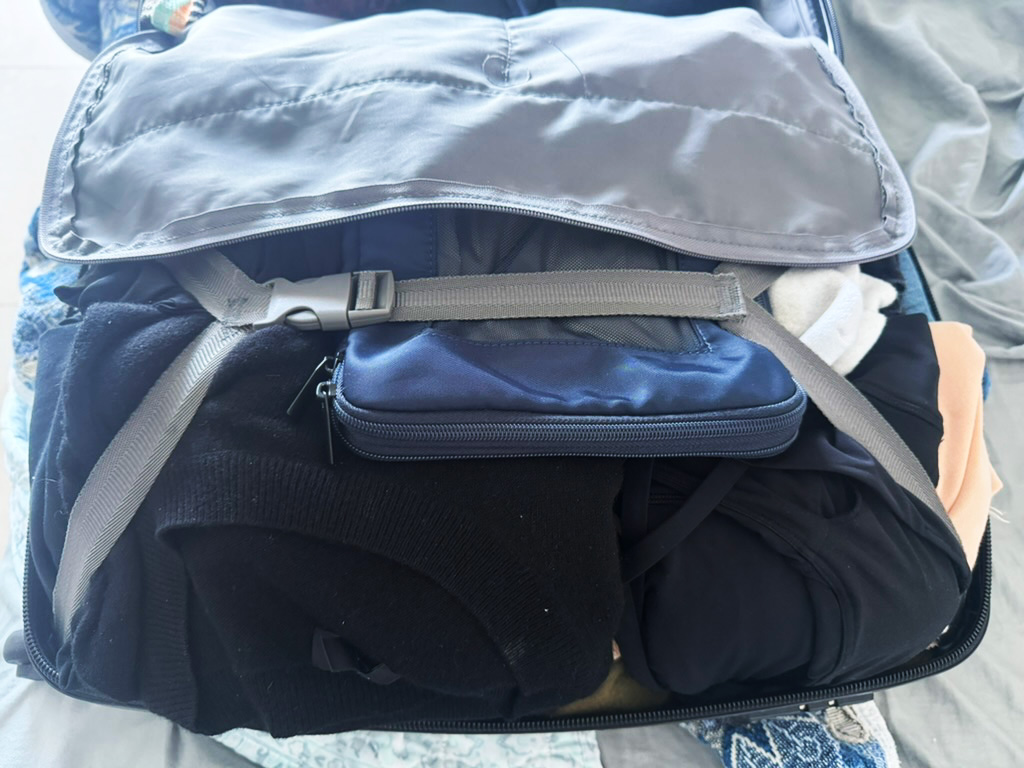
Packing & Gear Guide
What to pack, what to skip, and how to build a lighter travel setup that works.
Last updated: October 2026 by Corey Gasman
From the Editor:
First-time international travel feels bigger than it is. The planning phase can make it seem like one mistake will ruin the trip, but that is rarely true. Most first trips go well when you keep the route simple, handle the key logistics early, and leave yourself enough margin for the normal surprises of travel.
This guide is built for real beginners. The goal is not to turn you into a full-time backpacker. It is to help you book smarter, avoid the most common mistakes, and land in a new country feeling prepared instead of overwhelmed.
There is a specific moment before your first international trip where the excitement and the overwhelm collide. You want to go, but the deeper you dive into passports, entry rules, and insurance, the more it feels like there are a hundred ways to mess it up.
Here is the truth: every confident traveler you have ever met started exactly where you are. Nobody is born knowing how to navigate immigration or decode a foreign menu. Those skills come from experience, not fearlessness.
This guide is a practical, experience-based roadmap to get you from “I want to go” to “I’m on the plane” with real confidence. You will learn how to pick better dates, avoid passport mistakes, handle money safely, and arrive with a plan instead of stress.
TLGA Rule: Keep your first trip simpler than your dream version of it. Fewer moves, better timing, and a strong first base will make the whole experience better.
Start here: Planning Your Trip
Read: Packing & Gear Guide
“Traveling abroad” is too vague to plan around. Before you start opening flight tabs, get clear on what you want this first experience to feel like.
Your answers shape everything. A relaxed week in one city is a very different trip than bouncing between five countries. The goal of your first international trip is to build confidence, not just collect highlights.

The reward of a shoulder season sweet spot: a peaceful October afternoon at St. James’s Gate Brewery in Dublin, where skipping peak crowds makes the city feel more livable and accessible.
When possible, avoid peak travel seasons. Prices rise, crowds increase, and small problems feel bigger.
Shoulder seasons usually offer the best balance of weather, cost, and sanity. If peak season is unavoidable, booking earlier and slowing your pace helps a lot.
I almost always start by looking at non-peak travel times, especially for Europe. Shoulder seasons are where travel starts to feel easier, cheaper, and more enjoyable.
Coming from Minneapolis, October has been a consistent sweet spot. Flexibility has led to some excellent deals and much calmer trips overall.
If you are traveling with kids and summer is the only option, that is fine. Just plan with realistic expectations and a slower pace.
Winter can also be a feature. Escaping Minnesota cold for Mexico, the Caribbean, or parts of South America can be an incredible reset.
This is the least exciting part of international travel and the easiest way to accidentally derail a trip.
Start with the official source:
U.S. State Department passport site
Expedited options exist if you are late, including in-person appointments in some cases.
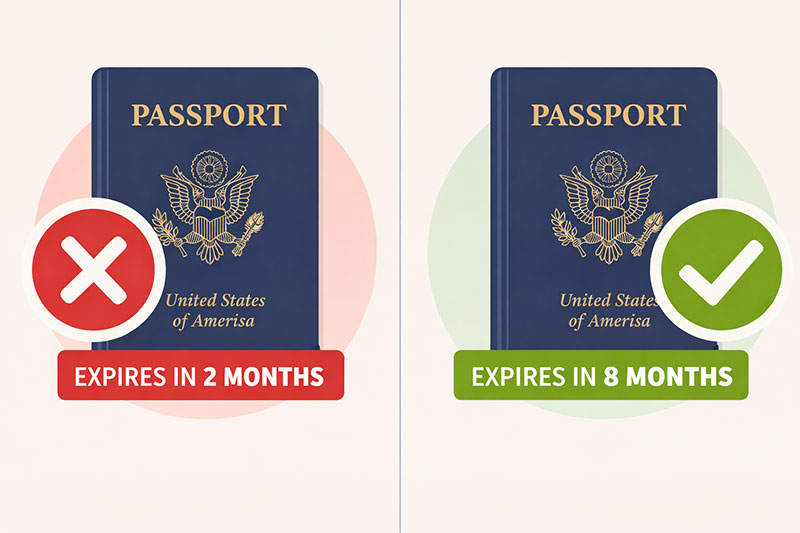
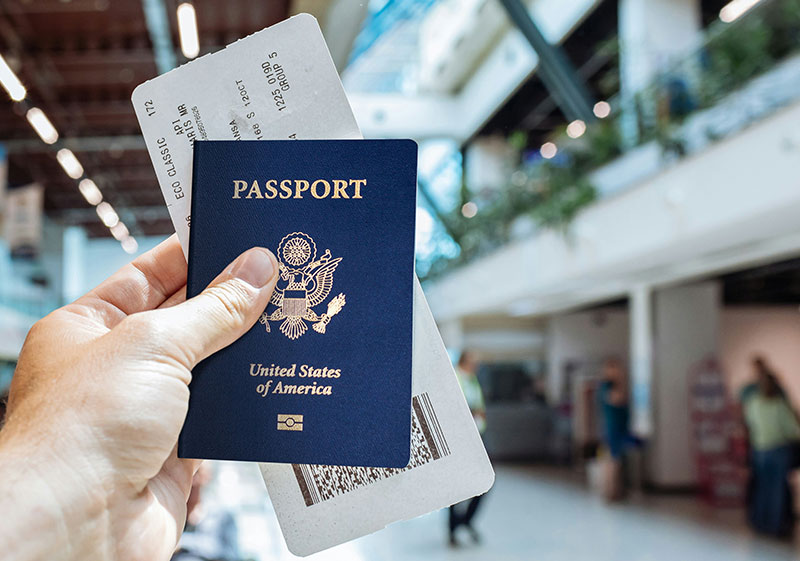
Check the expiration date early. A passport that looks “fine” at home can still cause problems at check-in if it falls inside a destination’s validity window.
Many countries require your passport to be valid at least six months beyond your return date.
My father-in-law learned this the hard way. He had only a few months left on his passport and was flying to Malaysia. He made it to Los Angeles, then was denied boarding on the international leg.
A passport identifies you. A visa or travel authorization grants entry.
Some countries also require proof of onward travel, accommodations, or additional documentation. Keep confirmations accessible and always verify requirements through official government sources before departure.
Europe’s entry systems have evolved. The biometric Entry/Exit System (EES) is now live, and the ETIAS travel authorization is rolling out next. Treat this as a verify-before-you-fly item. Apply only through official government or EU portals and ignore look-alike sites. If you see unusually high fees, back out and confirm you are on the real site.
For Europe trips, check the official EU travel authorization site before you book:
Official EU ETIAS travel authorization site
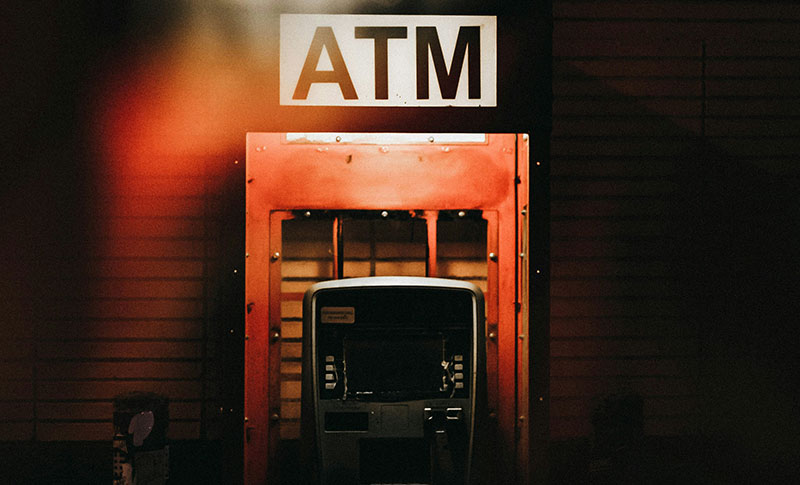
A smoother arrival starts with a simple plan: know where to get cash, where official transportation is located, and how you are getting to your first hotel or apartment.
Travel rewards flexibility. Where you go often matters more than how much you spend, which we cover in depth in the Money & Travel Budgeting Guide.
Choosing alternatives just outside major tourist hubs can cut costs dramatically.
I usually bring a small amount of backup U.S. cash in crisp bills, but I avoid airport exchange counters whenever possible.
Check real exchange rates at:
XE Currency Converter
When you land, ignore anyone offering rides before you reach the official taxi stand or rideshare pickup zone. Unofficial drivers can be unsafe or overpriced. For ATMs, use machines inside major bank branches when possible. Avoid standalone street ATMs in tourist areas. If an ATM asks you to accept its conversion rate, decline it. Let your bank handle the conversion for a much better rate.
Many destinations charge a small per-night city tax, eco-fee, or tourist fee that is not always included in your online booking total. These are sometimes collected at check-in, so having a little local currency helps keep your budget calm.
I will often pay more for walkability rather than save a little money and spend the trip commuting. Google Maps is invaluable for checking restaurants, transit, and actual distances.
Before landing, I always know how I am getting from the airport to my hotel or Airbnb.
I check if Uber works in the city, what the official taxi setup looks like, and whether the hotel can recommend a pickup if needed. A little prep here removes a lot of arrival stress.
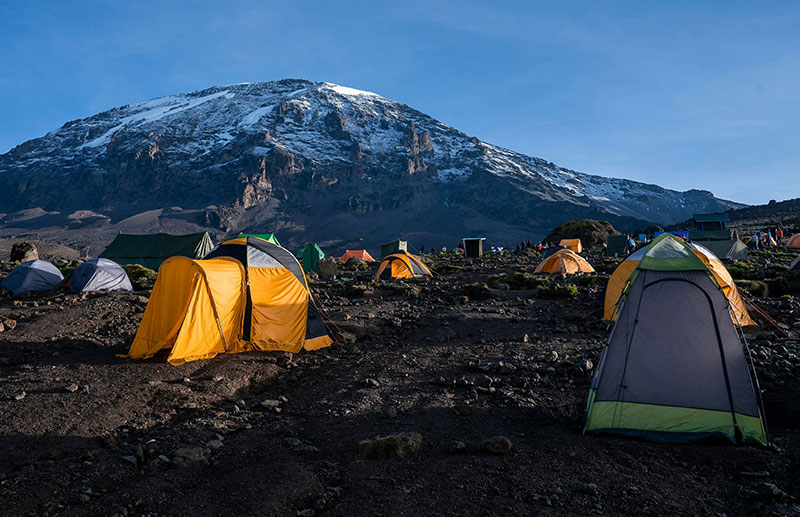
Some trips are simple. Others involve enough cost, altitude, weather, or activity risk that insurance becomes less of an extra and more of a smart backup plan.
I do not buy travel insurance for every trip. We travel often, keep costs reasonable, and have never filed a claim.
On my around-the-world trip, insurance was non-negotiable. I climbed Kilimanjaro, trekked in the Himalayas, and rafted the Zambezi.
Call your health insurance provider and ask how coverage works overseas. Then decide based on your trip and your own risk tolerance.
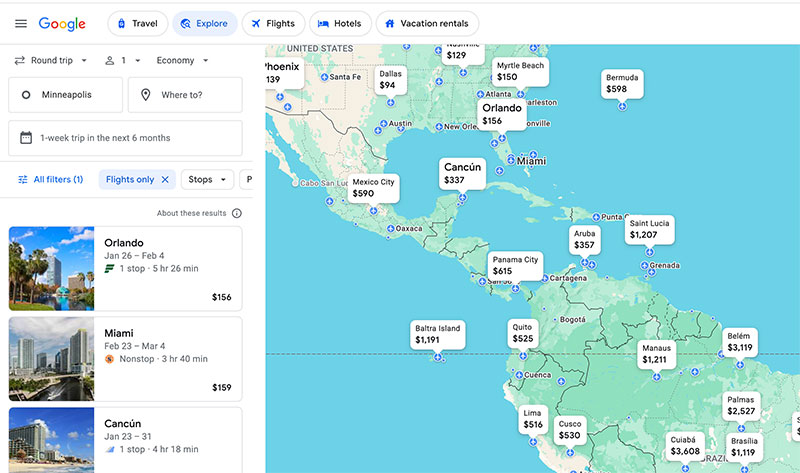
Good first trips are built around easy flight timing, a manageable arrival, and a neighborhood that makes your daily routine simpler from day one.
I rely heavily on Google Flights. The Explore map is one of the best tools for finding options when your dates or destination are flexible, which we cover fully in the Cheap Flights Guide.
I usually start with Google Flights, then sanity-check prices using:
You do not always need to fly the same airline both ways. Mixing airlines can sometimes improve timing and value.
I compare prices on Expedia, TripAdvisor, Kayak, and Google Hotels. I also research neighborhoods before booking.
For a first trip, I would rather stay in a more walkable, better-located area than save a little money and add confusion every day.
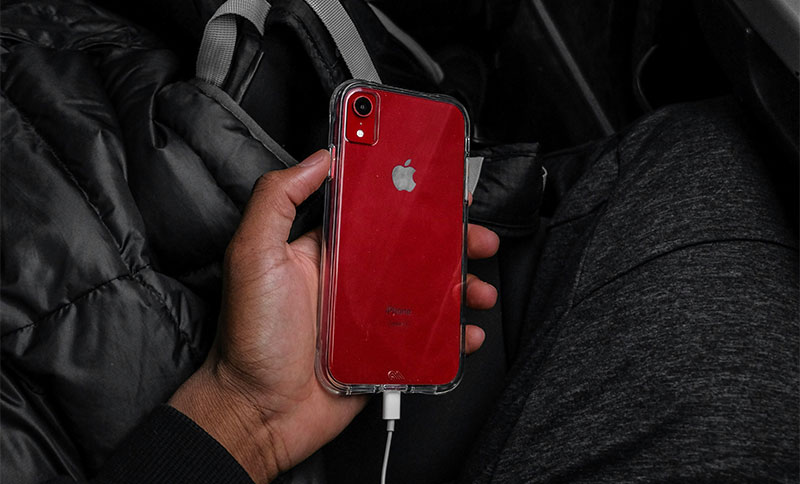
Do not let the last details overwhelm you. A few simple systems for health, phone service, and backups make the whole first trip feel more manageable.
Check vaccine requirements and any destination-specific health considerations if applicable. Travel clinics can usually advise quickly.
Your best setup depends on your trip length and your carrier. For some travelers, adding international coverage through their existing provider is easiest. For others, an eSIM is a cheaper short-trip solution.
Two popular eSIM options are Airalo and Holafly.
When I land, I usually restart my phone and sometimes toggle roaming, data, and Wi-Fi on and off to help it grab the new network. It is a quick reset that often saves frustration.
Before every trip, I take photos of my passport, IDs, and important documents. I store everything in the cloud and keep reservations and confirmation codes in a folder I can access from anywhere. You can view the entire system in our Digital Travel Security Guide.
This matters more than people think. I actually lost my passport in Norway on my world trip. I had a photocopy, and the U.S. embassy told me that copy helped speed things up. It still took a couple of days, but it absolutely helped.
If you are traveling with a spouse or friend, share copies with each other and keep them in separate bags. When Melissa and I travel, we split our physical backups. If one of our Cotopaxi 35L bags ever goes missing, the other still has everything we need to keep the trip moving.
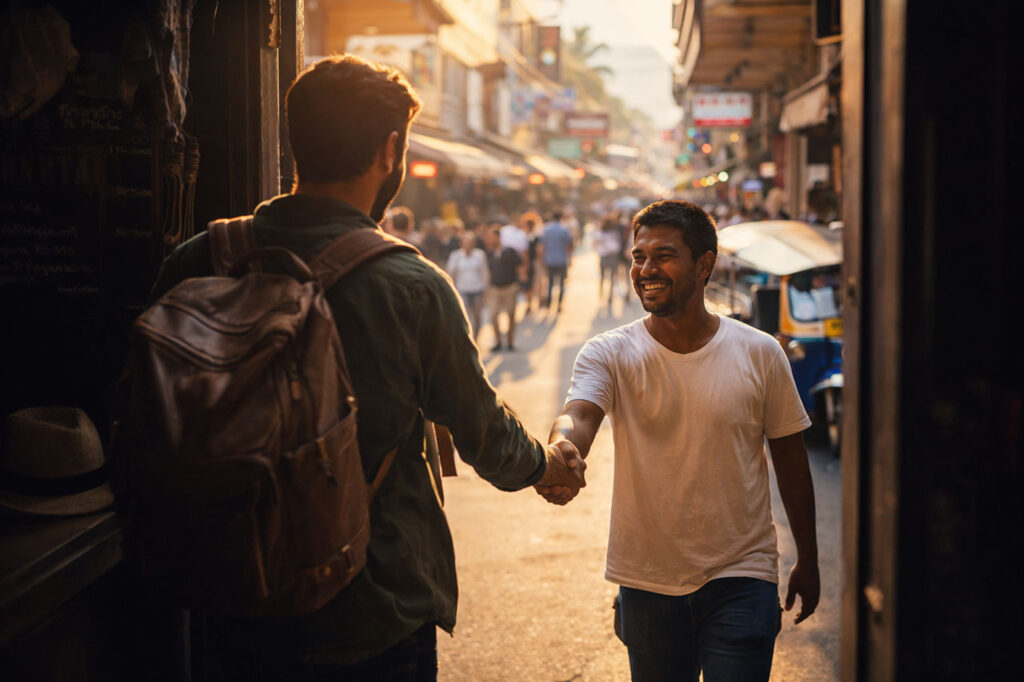
Do not let a headline define a whole country. Most people you meet abroad are friendly, curious, and proud to share their culture.
I might be dating myself, but when I started traveling internationally, there were internet cafés and no smartphones. Booking hotels was harder. Sometimes you were on a payphone in another country trying to figure out your next reservation.
And what I learned then is still true. You can just go. If your passport is ready, you can still plan a trip fairly quickly, find a decent flight, lock in a good base, and make it happen.
International travel is incredibly rewarding. And I truly believe this: most people in the world are friendly. They want you to enjoy their country, try their food, and understand their culture. If you go in with an open mind, you will come back changed.
One more thing people get wrong: do not let headlines from one city define an entire country. Think about how often your own local news focuses on crime, chaos, or worst-case scenarios, and how little that reflects daily life where you live. Travel helps replace fear with context.
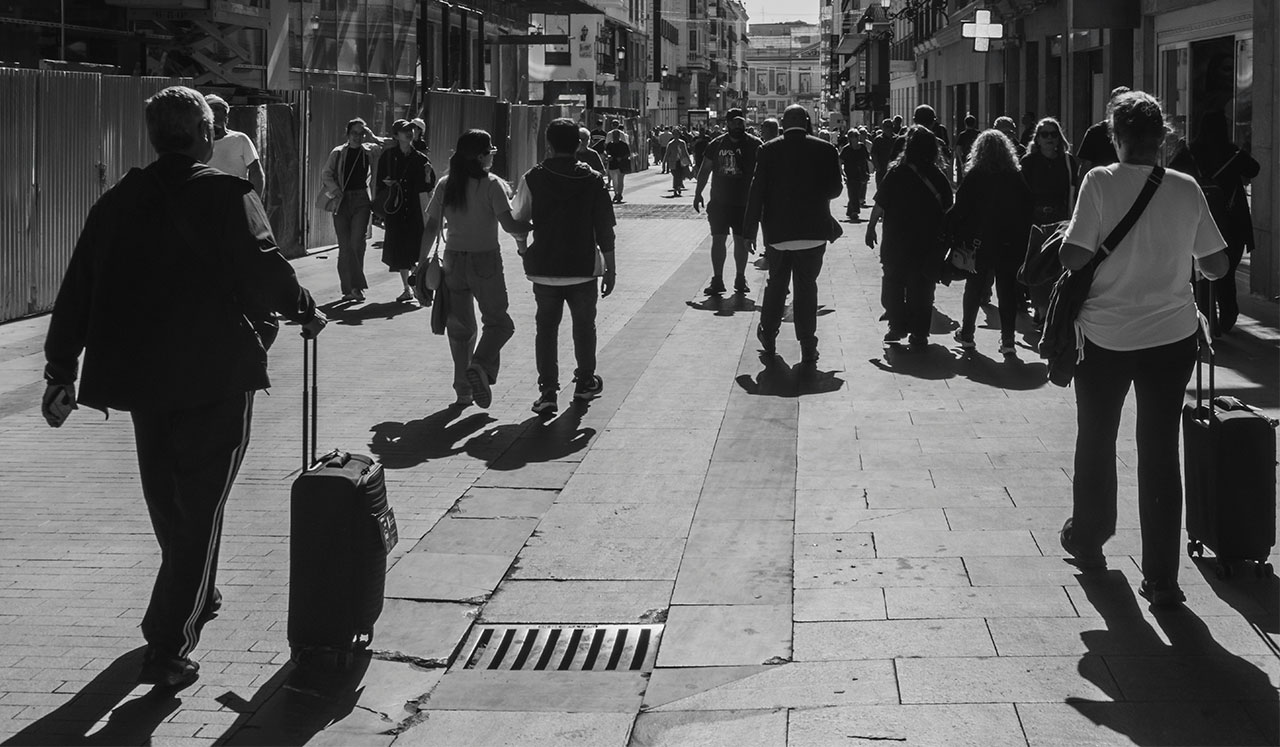
If you are going abroad for the first time and expecting it to feel exactly like the U.S., you are going to have a hard time. Not because it is bad, but because it is different.
In Rome, for example, it is often cheaper to stand and drink your coffee. If you sit at a table, you may pay more. That is not a scam. That is simply how it works there.
Restaurants can be the same way. In many places, dining is slower. You often need to ask for the check.
One of the first things I try to learn in a new country is how to ask for the bill. And yes, the universal writing-in-the-air gesture works in a pinch.
Bottom line: be curious. Try to adapt to the local rhythm. Do not compare everything to home. If you approach it that way, your first international trip is going to be a blast.
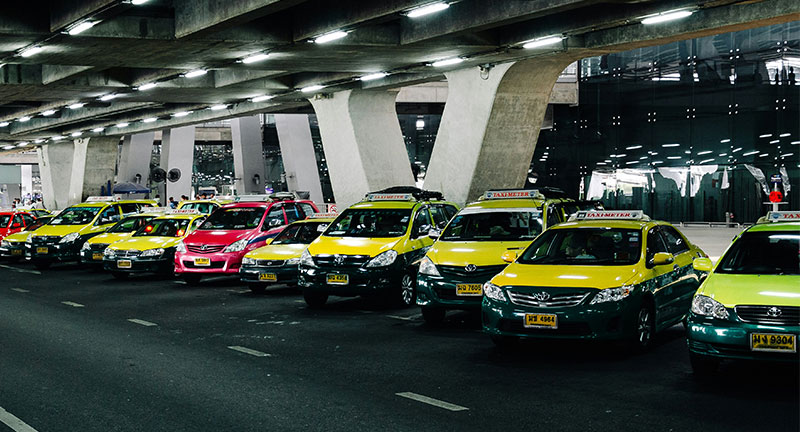
Arrive with a plan: know where the official transport zone is and what your first ride should roughly cost before you walk out of the airport.
The moment you step off the plane is when the travel fog hits. Use this checklist to stay on track and avoid the most common first-day mistakes.
Download the one-page checklist with checkboxes (PDF)
Local Guide Tip
After a long flight, focus on a quick reset instead of jumping straight into plans. Start by hydrating. Travel fog is often just dehydration.
If you are still feeling overwhelmed, find a familiar global coffee chain. It is a reliable Wi-Fi safe zone where you can sit, breathe, and map out your next few steps before diving back in.
If you already have a valid passport, you can plan a simple first trip in a few weeks. If you need a passport or renewal, start as early as you can and build your timeline around that.
Many countries require your passport to be valid at least six months beyond your return date. Always check entry requirements for your destination, and if you are close to that window, renew early.
Usually, no. Airport exchange counters are rarely a good deal. A better approach is using a bank-affiliated ATM at or near your destination and using a card with no foreign transaction fees.
Use ATMs inside major bank branches when you can. Avoid standalone street ATMs in tourist areas. If an ATM asks you to accept its conversion rate, decline it and let your bank handle the conversion.
Not always, but it can be worth it for first-time travelers, families, trips with significant prepaid costs, or trips with higher-risk activities. A good first step is calling your health insurance provider and asking how overseas coverage works.
For a first trip, walkability often beats saving a little money. A well-located place can reduce stress and help you enjoy the trip more, especially when you are learning how a new city works.
Either can work. If your carrier’s international option is expensive per day, an eSIM can be a cheaper option for short trips. Make sure your phone is compatible and set things up before you land.
Use airport Wi-Fi, get local cash from a bank-affiliated ATM in the terminal, confirm your transportation plan, and save your lodging address to your phone. The “First 3 Hours” section above walks you through it step by step.
Keep it simple: you initiate the interaction. If someone approaches you offering help you did not ask for, be polite, say no, and keep moving.
Practical guides on planning, packing, safety, budgeting, and travel lifestyle so your trip runs smoother from the start.

START HERE
Build a smarter trip from the start with a practical framework for timing, logistics, and decision-making.
Read More
FLIGHTS & LOGISTICS
Learn how to search smarter, compare options, and book flights that fit your trip without overpaying.
Read More PACKING & GEAR
Pack lighter, bring what actually matters, and avoid the gear and clothing mistakes that slow trips down.
Read More
MONEY & COSTS
Plan real costs, avoid budget-killing mistakes, and make smarter money decisions before and during your trip.
Read More STAYING SAFE
Practical habits that help you stay alert, organized, and more confident when navigating unfamiliar places.
Read More
TRAVEL LIFESTYLE
Explore different ways to travel, from retirement and slow travel to nomad life and long-term living abroad.
Read More