Travel Planning Hub
Start here to plan your trip, compare options, and explore every TLGA planning guide.
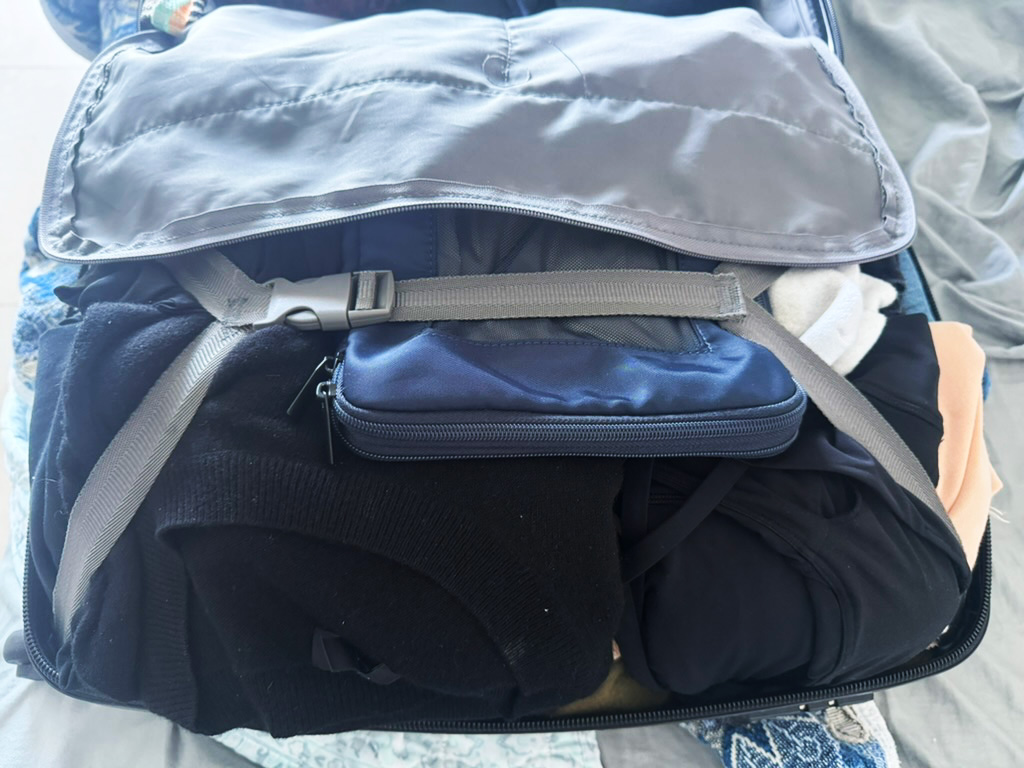
Packing & Gear Guide
What to pack, what to skip, and how to build a lighter travel setup that works.


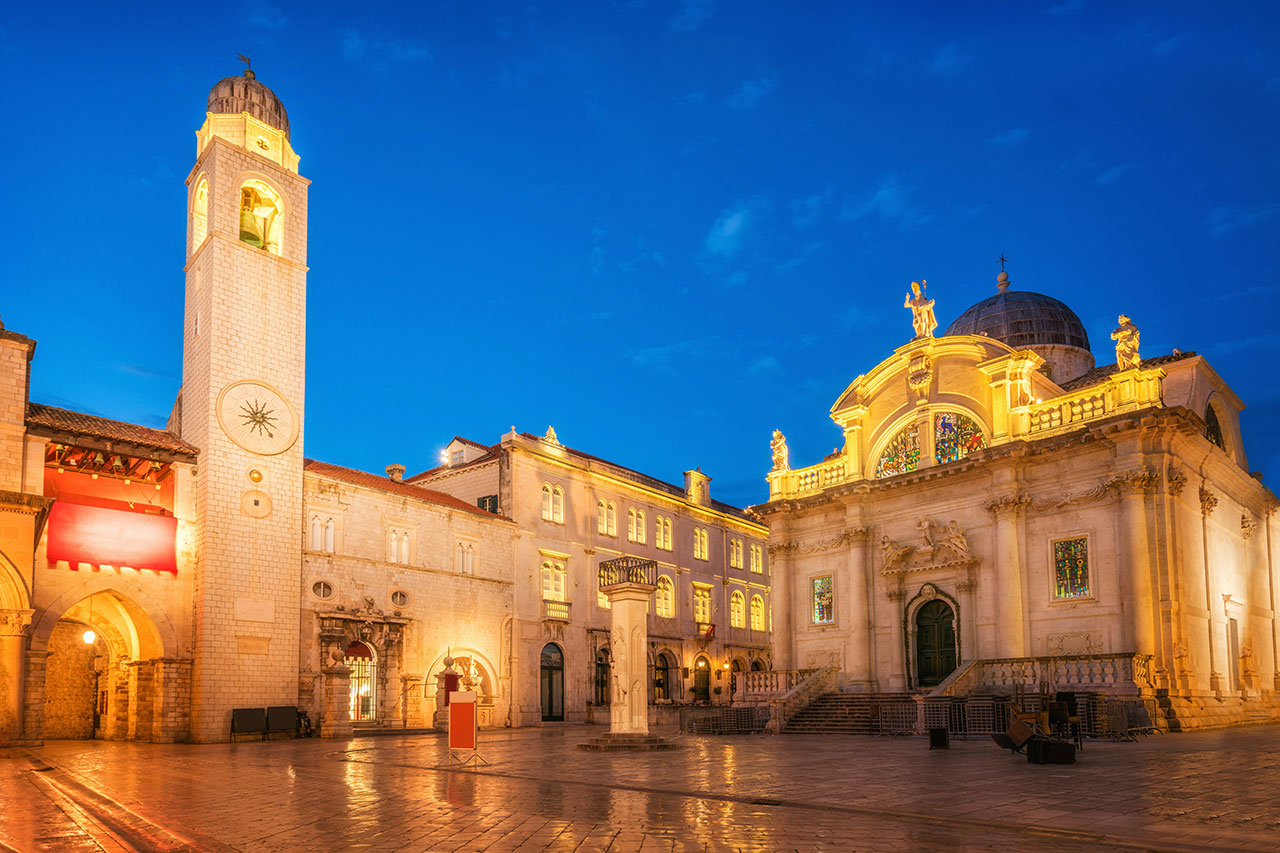
Dubrovnik is an iconic headline city. Manage the crowds by planning one main old-town block per day and spending the rest of your time enjoying the view.
Last updated: March 2026 by Corey Gasman
From the Editor:
Croatia is one of the most “high reward” travel countries in Europe, but only if you plan around pace and crowds. The coast is cinematic. The old towns are stunning. The islands are dreamy. And then summer hits and people try to do everything in five days.
The best Croatia trips are built like this: fewer bases, smarter ferry days, earlier mornings in the hottest towns, and long slow evenings that feel like the Mediterranean is supposed to feel.
Croatia rewards travelers who plan around logistics, not just highlights. If you treat ferry days like travel days, pick one island (not four), and schedule your old towns early or late, Croatia becomes effortless.
For 2026, the biggest planning friction is not “what to see.” It is timing: peak season crowds in Dubrovnik, summer heat, and ferry capacity on popular routes.
A Croatia rule that saves trips:
Do not stack a ferry day, a long drive, and a timed old-town plan on the same day. In Croatia, the “simple day” is the best day: one move, one big plan, and the rest is walking, swimming, and eating well.
The takeaway: Treat transfer days like logistics days. Save your best walking and exploring for the days you sleep in the same bed.
⭐️ The Golden Rule: Pick two bases on the coast and one island. Croatia gets better the moment you stop moving.
Start here: Getting Around Abroad (plan transportation like a system)
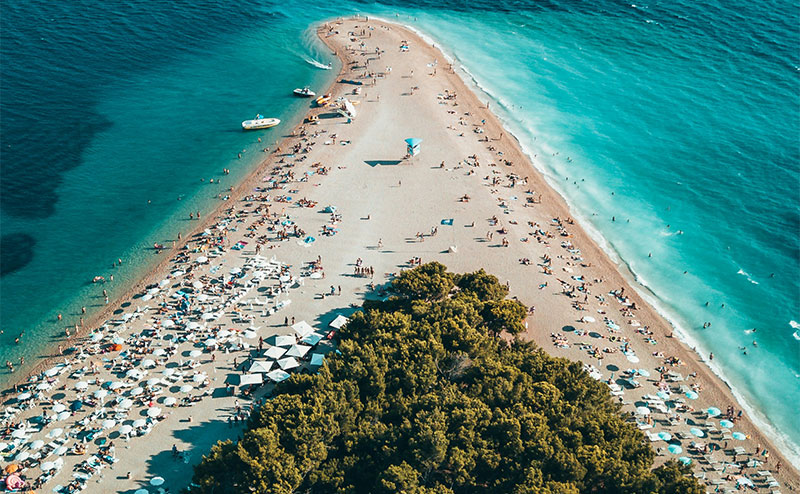
Croatia is highly season-sensitive. Late summer brings iconic beach days but also the heaviest crowds.
Croatia has not gotten harder, but the busiest places do require more planning now. The good news is that almost every friction point is solved the same way: book the high-demand pieces early and build your itinerary with buffer time.
Dubrovnik is still worth it, but it is a timing game. Cruise ship timing, peak tour blocks, and limited old-town lodging inventory create the “why is this so intense?” feeling. The fix is simple: stay just outside the hottest streets, walk early/late, and plan one main old-town block per day.
In summer, popular ferry routes can fill up, and schedules can shape your day more than you expect. Treat ferry departures like a flight. Arrive early, keep your essentials accessible, and do not plan a high-stakes timed event immediately after.
Croatia is fully in the Schengen Zone. If you are arriving from Italy, France, or Germany, there are generally no routine internal border checks. If you are arriving from the US, UK, or another non-Schengen country, you will clear immigration on entry. Official EU guidance says ETIAS is not live yet and is expected to start in the last quarter of 2026. Croatia joined Schengen on January 1, 2023.
If your trip is 7 to 10 days, do Split + one island + Dubrovnik. If you have 10 to 14 days, add Istria or Plitvice, not two extra islands.
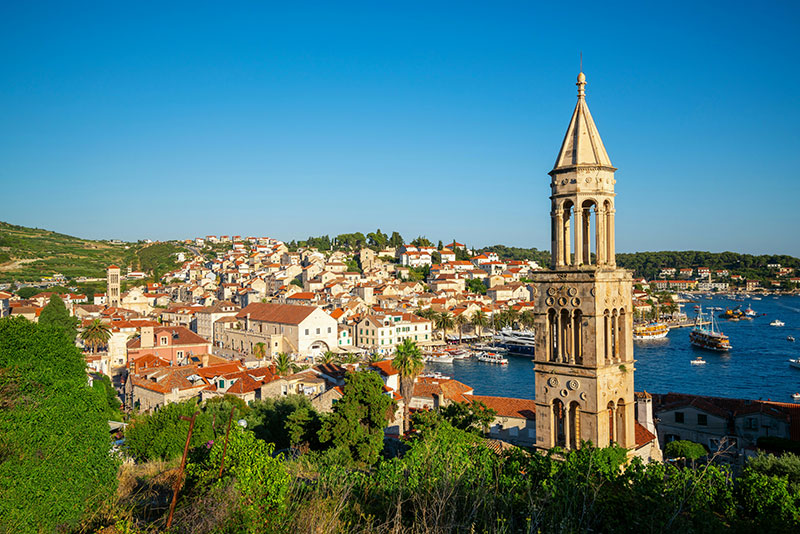
Croatia is extremely season-sensitive. Pick the right month and it feels effortless. Pick the wrong month and you plan your day around heat and crowds.
Your Croatia experience depends heavily on the month. Weather matters, but crowd density and heat matter more. The same waterfront can feel dreamy in May and punishing in late July.
May, early June, September are the sweet spot for most travelers. Great swimming weather (especially in June and September), long days, and fewer crowds than peak summer.
Late June through August brings the biggest crowds and the hottest days, especially on the Dalmatian Coast and islands. It can be perfect if you want full summer energy, but you need stronger planning: earlier bookings, early starts, and midday shade strategy.
October through April can be excellent for cities, food travel, and calmer old towns. Some island and coastal services become more seasonal, and swimming becomes less consistent.
Decide what your best days look like, then pick bases that support those days. Croatia has multiple “Croatias,” and the right one depends on how you like to travel.
If this is your first Croatia trip, keep it clean. Split + one island + Dubrovnik is the classic lane. Add one inland day trip, not three.
If your priority is beach time and water, pick one island and go deep. Island hopping looks fun on paper, but ferry schedules can steal your best hours.
If your dream trip is historic cores, fortress walls, and architecture, plan your walking blocks early or late and build shade into your day.
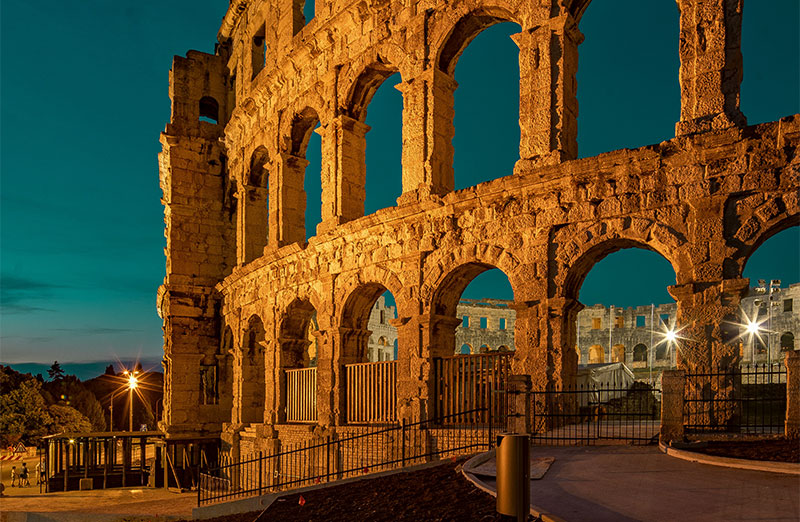
If you have 10 to 14 days, skip adding extra islands and head inland to Istria for history and food culture.
Use this section to pick bases that keep you from over-moving and help you build clean daily walking loops.
Split is the best first-timer base on the Dalmatian Coast because it is a day trip and ferry machine. You get a real city rhythm plus easy island access.
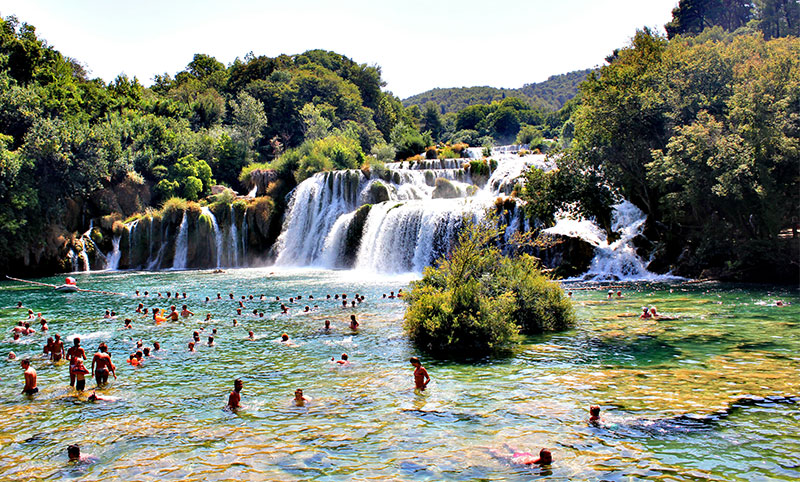
Krka National Park is one of the easiest and most popular day trips from a Split home base.
Dubrovnik is iconic, but it is high-demand. It is best when you plan one main old-town block per day and spend the rest doing calm things: viewpoints, swims, and long dinners.
Hvar is famous for a reason: beautiful water, good towns, and strong food. It can be busy in peak summer, but it is still a great “one island” choice.
Korčula is a strong alternative if you want a calmer island vibe and a beautiful historic core.
Vis is for travelers who want fewer crowds and more “coves and water” energy.
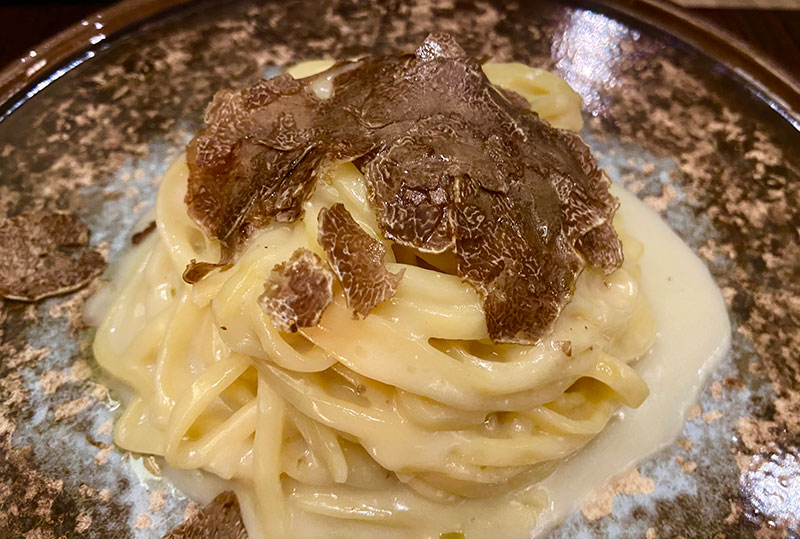
Istria is a different Croatia: truffles, wine, hill towns, and a more Italian-adjacent food lane. Great for shoulder season.
Plitvice is spectacular, but it is a logistics and timing destination. Start early, avoid peak midday, and treat it like your one big nature day. It is inland, about halfway between Zagreb and the coast.
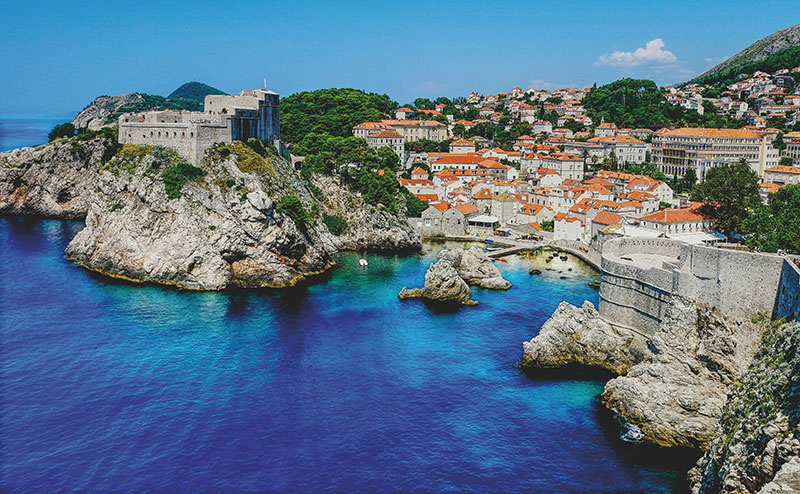
Where you stay determines your daily ease. Croatia rewards neighborhoods with good walking loops, shade options, and easy access to water.
Pick neighborhoods like you are designing a daily loop: morning coffee, shade access, easy transit, and dinner streets that are fun but not under your window at 2:00am.
Split is extremely walkable. Your choice is about vibe and noise.
| Area | Vibe | Stay Here If… |
|---|---|---|
| Old Town (Diocletian area) | Historic, lively | You want to be in the center and do not mind some noise |
| Veli Varoš | Charming, local | You want a quieter feel close to the core |
| Bacvice | Beach-adjacent | You want swim access and an easy beach loop |
| Meje / Marjan edge | Green, calm | You want a quieter base near parks and walking trails |
Dubrovnik is compact, but choosing the right zone can make the trip feel calmer instantly.
| Area | Vibe | Stay Here If… |
|---|---|---|
| Old Town (inside walls) | Iconic, intense | You want the full experience and accept higher prices and crowds |
| Ploče | Views, close access | You want amazing views and quick Old Town entry |
| Lapad | Beachy, calmer | You want a more relaxed base with beach access |
| Gruž | Practical, local | You want value, ferry access, and less tourist pressure |
Choose walkability to one great loop plus access to water. Croatia is better when swimming is easy.
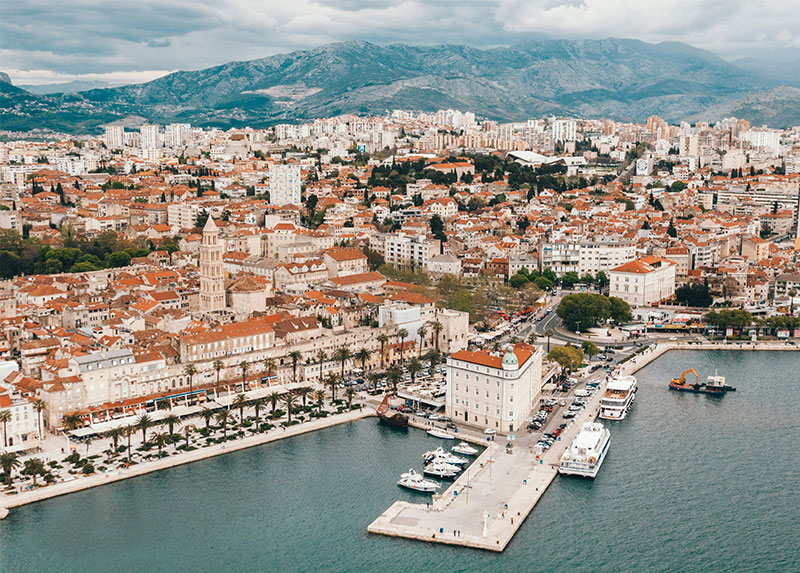
Split is the backbone of coastal travel. Its bustling port is your primary hub for ferries connecting the mainland to the islands.
Croatia is straightforward once you accept the core truth: coast travel runs on ferries, and inland travel runs on driving and buses. Plan around schedules, not wishful thinking.
Treat them like flight days: arrive early, pack essentials accessible, and do not stack high-stakes plans right after arrival.
For some routes, buses are easier than you expect, especially for inland links and certain coast-to-coast legs.
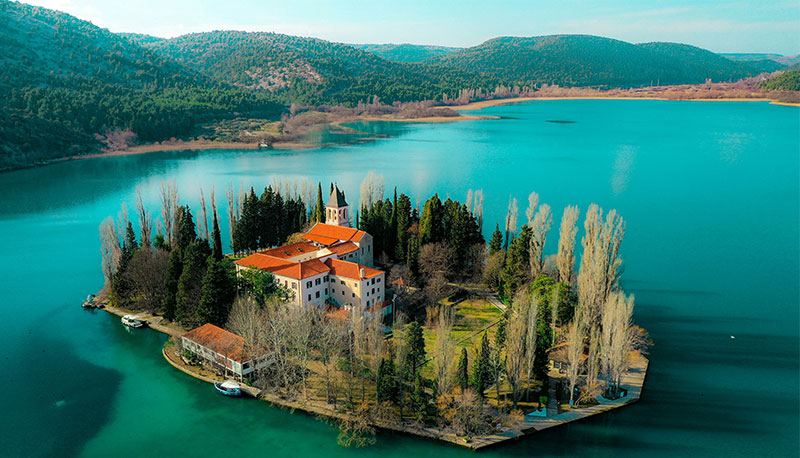
Croatia is generally safe. The main risks are petty theft in crowded zones, heat/sun mistakes, and cliff-and-water overconfidence.
Croatia is safe, but it is also a country grappling with popularity in a handful of hotspots. In 2026, the best way to travel is with “good guest” energy: respect locals, keep noise down in residential areas, and leave beaches cleaner than you found them.
How to be a “Good Guest” in Croatia:
The main risks are pickpocketing in the busiest areas and basic tourist-zone overpricing.
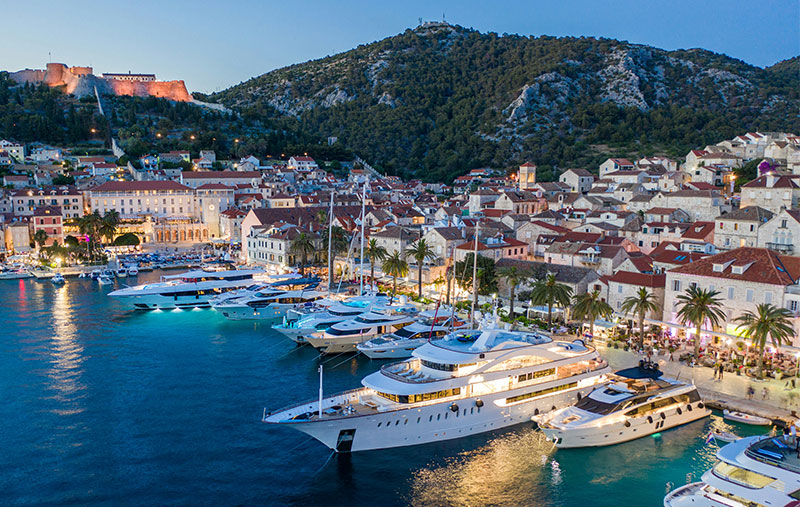
Island hopping looks great on paper, but picking one base like Hvar lets you settle into a slower travel rhythm.
Croatia lodging is usually straightforward, but your comfort comes down to three things: location, noise, and stairs. Old towns are beautiful, but they can be loud and vertical.
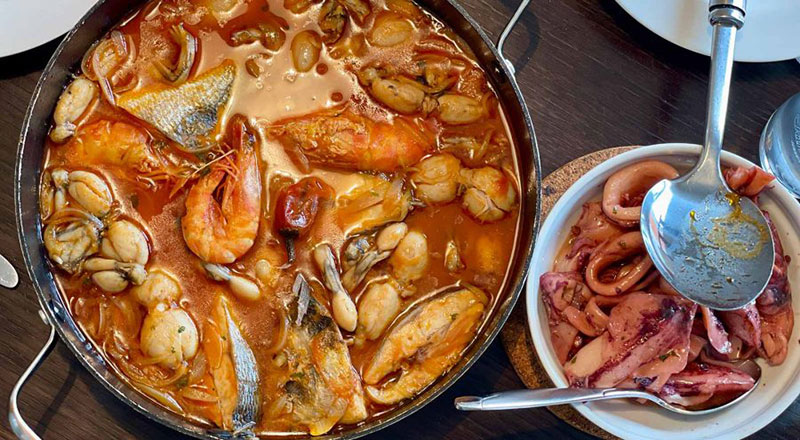
Croatian food culture revolves around the sea. A slow dinner at a local konoba featuring fresh seafood is a staple of the coastal experience.
Croatia food is not just dishes. It is timing and setting: slow dinners, sea views, and choosing places with locals, not only menus aimed at passing crowds.
| Breakfast | Often light. Coffee and a pastry, then a swim or walk. |
| Lunch | A great time for seafood, markets, and calmer prices than dinner. |
| Dinner | Long and social. Reservations help in peak season. |
If you want truffles, wine, and hill towns, add an Istria leg. It is one of Croatia’s smartest “second region” choices.
Croatia is controllable. Spend on location and the experiences that change your day (boat day, a great island stay). Save on the parts that do not improve your trip. The biggest money leaks are last-minute island inventory and last-minute transfers.
Read: Travel Finance Guide
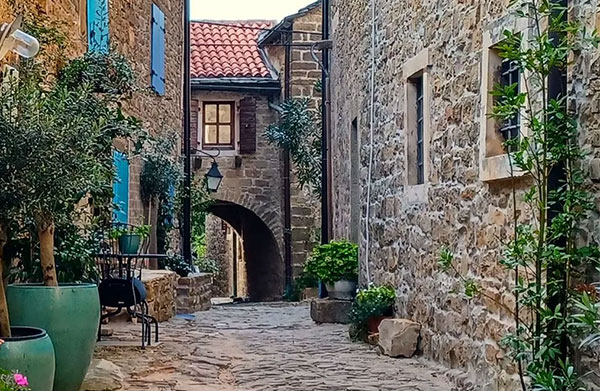
Old towns are active places. Walk respectfully and keep your volume down in tight residential lanes.
Croatia runs on Mediterranean rhythm: slower meals, later evenings in summer, and a strong “go with the day” flow. Your trip improves fast when you plan around heat and old-town timing.
Summer Survival Guide (The Packing Rule):
You absolutely need water shoes (sea shoes). Croatian beaches are mostly pebble or rock, not sand. You will be miserable without them. Buy them before you go or at any seaside shop day one.
7 to 10 days is a strong first trip window for Split + one island + Dubrovnik. 10 to 14 days is ideal if you want to add Istria or Plitvice without rushing.
Not always. On the coast, you can do a lot with ferries and buses. A car is most useful for Istria, Plitvice, and inland exploration. Many travelers do coast without a car, then rent one for an inland leg.
Pick one. Hvar is the classic. Korčula is charming and a bit calmer. Vis is quieter and more swim-forward. Your best choice is the one that matches your pace, not the one with the most hype.
Yes, but it is a timing destination. Walk the old town early or late, plan around peak crowd blocks, and consider staying outside the walls for calmer nights.
Over-moving and stacking transfer days. Every ferry and hotel change costs time and energy. Fewer bases create a dramatically better trip.