Travel Planning Hub
Start here to plan your trip, compare options, and explore every TLGA planning guide.
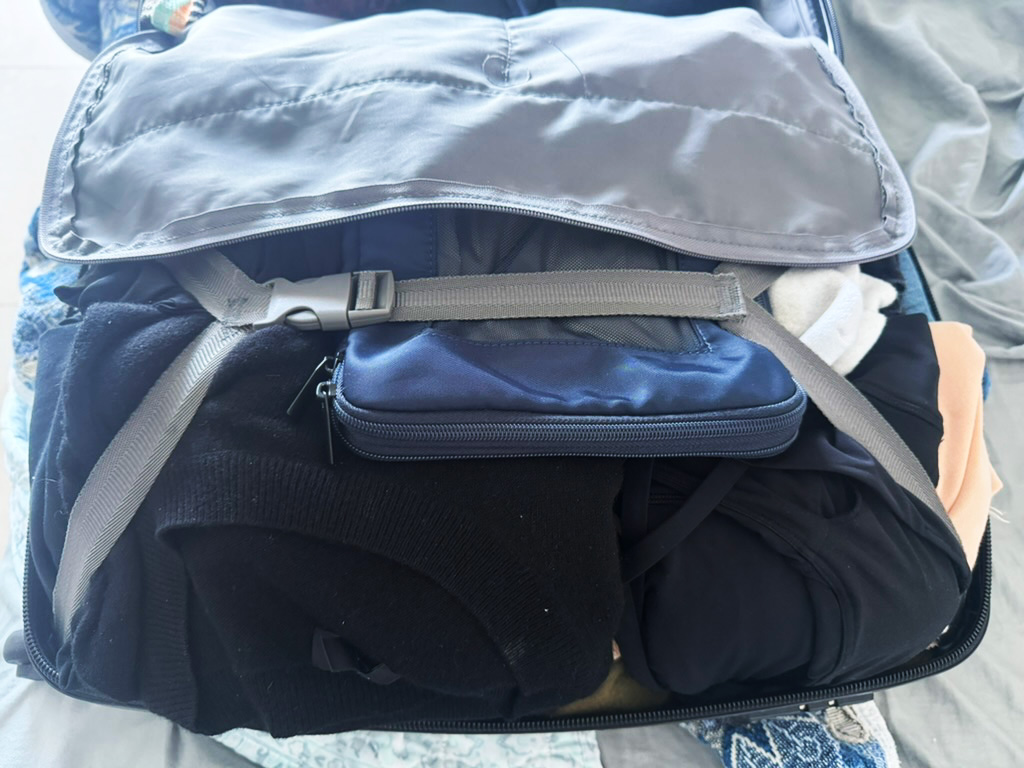
Packing & Gear Guide
What to pack, what to skip, and how to build a lighter travel setup that works.
Last updated: March 2026 by Corey Gasman
From the Editor:
I’ve been fortunate to visit Italy a few times now, and it still delivers that same feeling every time. Few places match this combination of history, food, beauty, and daily life in such a compact and accessible country.
For a kid growing up in Minnesota, it still feels surreal that you can board a flight, cross the Atlantic overnight, and suddenly find yourself standing inside the Colosseum or staring up at Renaissance art you grew up seeing only in books and movies. Italy has that rare ability to feel both world-famous and deeply human at the same time.
This guide is built to help you avoid the classic mistakes: too many stops, the wrong neighborhood, rushed logistics, and itineraries that look good on paper but feel exhausting in real life.
The 2026 EES & ETIAS Requirements:
Europe is updating its borders this year. The new biometric EES system is replacing physical passport stamps. By late 2026, U.S. travelers will also need an ETIAS authorization before boarding a flight.
It is not a full visa. Think of it as a quick, inexpensive electronic pre-screening tied to your passport. Put it on your pre-trip checklist and handle it online once the portal goes live.
Italy is one of the best first big Europe trips for a reason. It has world-famous landmarks, easy train connections, iconic food, and enough variety that almost every traveler can find their version of a great trip here. The mistake is assuming that means you should try to see all of it at once.
The best Italy trips are not built around maximum coverage. They are built around rhythm. Clean routing. Better neighborhoods. Clear train legs. Enough breathing room to enjoy the walk between lunch and dinner instead of dragging luggage every other morning.
Quick Italy Plan:
7 days → Rome + Florence
10 days → Rome + Florence + Venice
14 days → Add one slower region (Tuscany, the coast, or Sicily)
If you only remember one thing: less movement almost always means a better trip.
TLGA Rule: A 10-day Italy trip does not need Rome, Florence, Venice, Amalfi, and Cinque Terre. Pick fewer places and do them better.
Start here: Travel Planning Playbook
Read: Getting Around Abroad
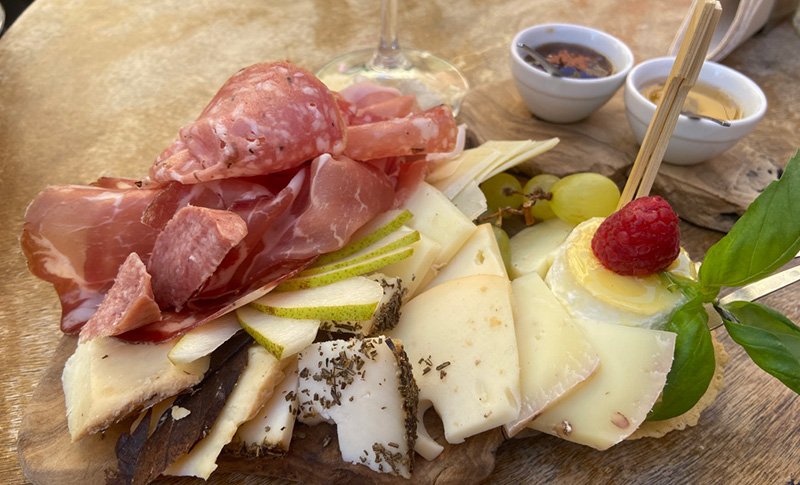
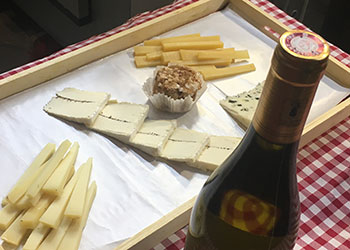
Aperitivo in Italy is rarely complicated. A good board, a drink, and a table outside is enough to turn late afternoon into one of the best parts of the day.
This guide is built for travelers who want a trip that actually flows instead of one that turns into a transportation project.
Local Guide Tip: Italy is easy to visit, but harder to do well. The difference is not money. It is how you structure your time.
If you only have one week, the move is usually Rome + Florence or Florence + Venice. That gives you contrast without turning the trip into constant transit.
Ten days is enough for Rome + Florence + Venice if you keep expectations realistic. You can also do Rome + Florence + one countryside or coast add-on if you want a little more breathing room.
Two weeks is where Italy starts to open up. You can combine classic city stops with one region that slows everything down, like Tuscany, the Amalfi Coast, Sicily, Puglia, or the Dolomites.
Pro Tip: Think in bases, not stops. Every hotel change costs you time, energy, and part of a day.
If you want the full framework, start with the Travel Planning Playbook.
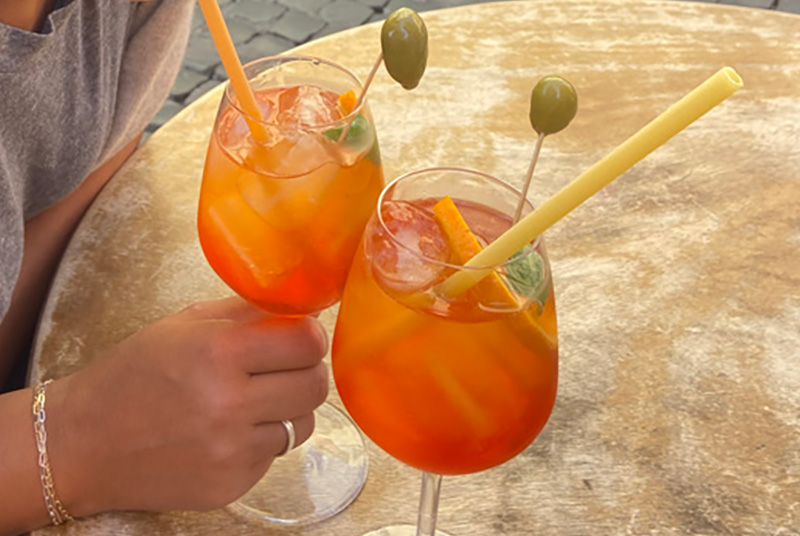
Few things signal the start of a European evening like the bright orange glow of an Aperol Spritz, the unofficial symbol of Italy’s aperitivo hour.
The best hour in Europe is that stretch between late afternoon and early evening when the pace softens and the day shifts into something slower.
While the ritual is famously Italian, the spritz lifestyle has a way of following you across the continent. In Italy, it is a focused pre-dinner transition. In Paris, you will see them lining the café terraces of the Marais as the workday ends, while in Barcelona, the spritz often competes with vermut for space on a crowded tapas table.
The common thread is timing. Whether you are in a Roman piazza or a Parisian bistro, that golden window between 5:00 p.m. and 7:00 p.m. is when the rhythm of the city shifts from the rush of the day to the ease of the evening.
That same shift in rhythm is part of what makes each country feel different once you are actually there.
If you are choosing your first major Europe trip, this is often the real decision. All three are incredible, but they create very different kinds of days.
| Category | Italy | France | Spain |
|---|---|---|---|
| Overall Feel | Historic, emotional, energetic, a little chaotic | Refined, structured, slower rhythm | Social, lively, later nights, more relaxed |
| Food Style | Regional, bold, simple ingredients done well | Technique-driven, subtle, ingredient-focused | Tapas culture, shareable plates, late dining |
| Travel Pace | Easy to over-schedule | Rewards slowing down | Flexible and social |
| Best For | First Europe trips, iconic landmarks, food and history | Lifestyle travel, wine, atmosphere, long lunches | Nightlife, energy, social trips, beach-city mix |
If this is your first Europe trip, Italy usually delivers the easiest immediate wow factor. France tends to win on rhythm and atmosphere over time. Spain is the most social and flexible. If you want landmarks, beauty, and that classic “this is Europe” feeling all in one trip, Italy is hard to beat.
Local Guide Tip: Italy is the easiest country to fall in love with fast. Just do not confuse that with trying to cram in the whole map.
It is easy to get caught up in the excitement of booking and accidentally build a trip that feels like a deployment. Avoid these standard traps:
Local Guide Tip: The best trips leave room for the unexpected. If every hour is scheduled, a delayed train or a sudden rainstorm ruins the whole day instead of just changing the plan.
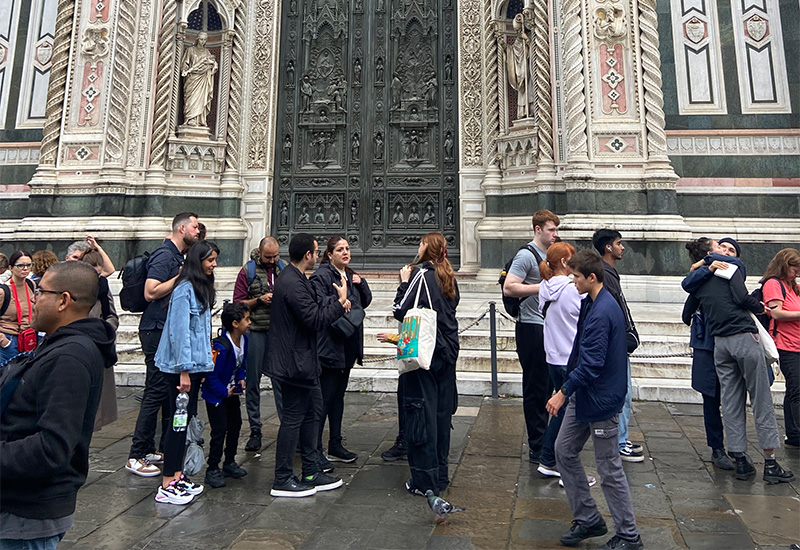
The line for the Florence Duomo wraps around the building by mid-morning. Book a skip-the-line ticket for the dome climb early in the day to avoid spending your afternoon standing on the pavement.
Italy has not become impossible. It has just become less forgiving of casual planning. Popular routes are crowded, timed-entry attractions sell out, and major cities feel dramatically different depending on what time you arrive and how early you start.
The good news is that most Italy travel problems are solvable. The answer is almost never a secret hack. It is better timing, fewer hotel changes, and knowing which parts of the trip actually need reservations.
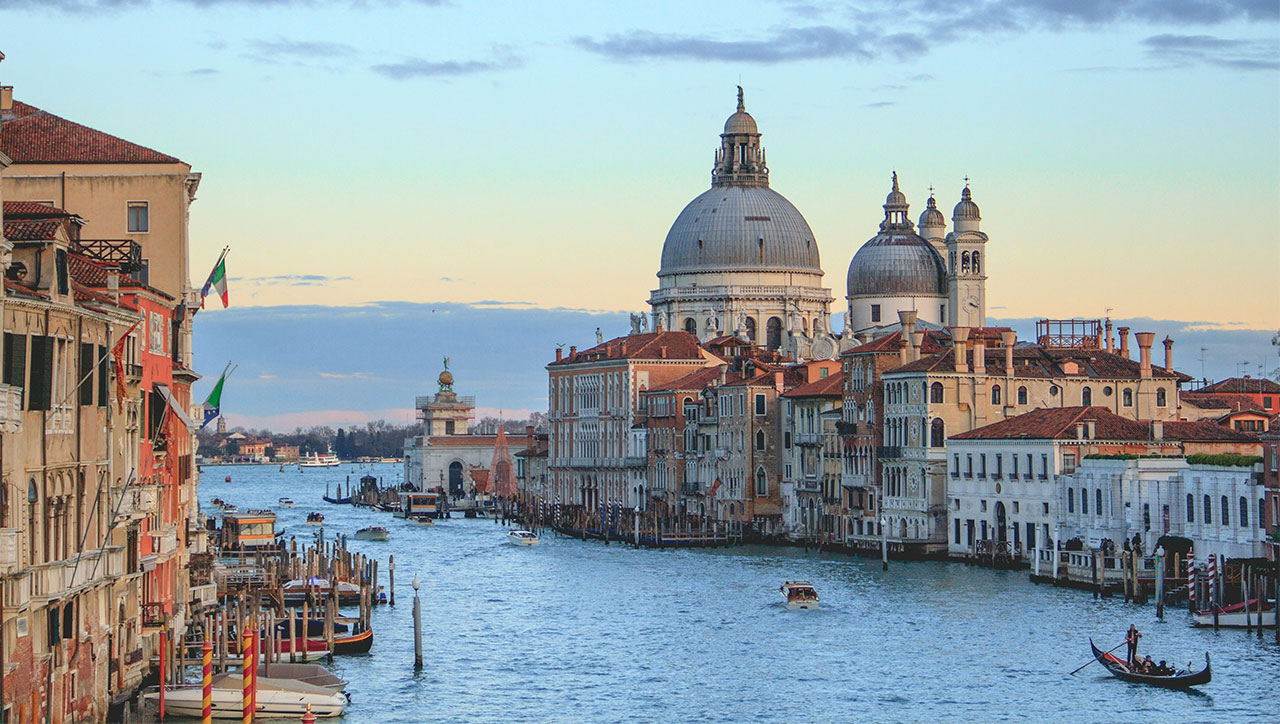
Venice still has the power to feel magical, but it works best early in the morning and late in the evening when the day-trippers thin out. If you can stay overnight, even for one night, the experience gets dramatically better.
The problem is not that Italy is crowded. It is that many people all move through it the same way. The travelers who do best are the ones who stay longer in fewer places, start early, and use strong neighborhoods as their base instead of bouncing around all day.
Local Guide Tip: The best Italy days often look boring on paper: one neighborhood, one major sight, one long lunch, one sunset walk. That is exactly why they work.
A good trip to Italy is not a list of monuments. It is a specific rhythm. If you fight this rhythm, the country feels chaotic. If you lean into it, everything makes sense.
Morning starts fast. It is a quick, standing espresso and a pastry at the local bar. Midday is for movement and museums, peaking with a proper sit-down lunch around 1:00 p.m. Afternoon is when the country traditionally rests, making it the perfect time to wander quiet streets or retreat to your hotel. Evening begins with the aperitivo transition around 6:00 p.m., setting the stage for a long, social dinner that rarely starts before 8:00 p.m.
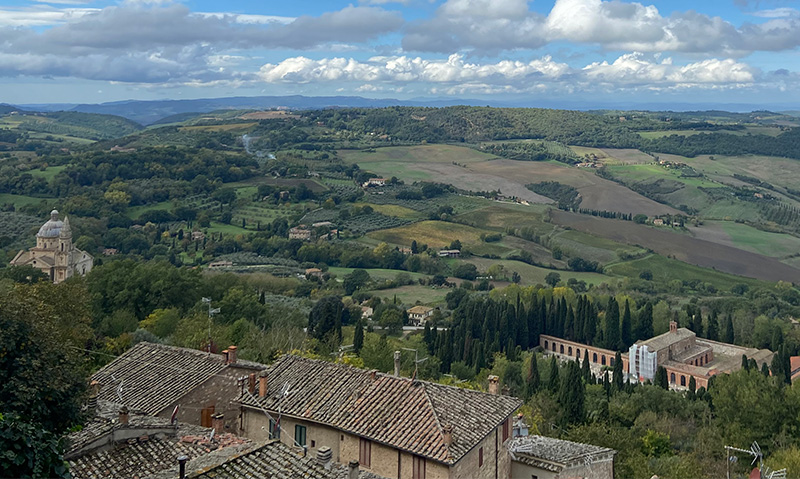
This is why you rent a car for Tuscany. The trains are great for connecting major cities, but the only way to explore these hilltop towns and deep valleys on your own schedule is behind the wheel.
Your month matters in Italy. Weather matters, but crowd density often matters more. The exact same square can feel cinematic in October and exhausting in August.
May, June, September, and October are the sweet spot for most travelers. You get long days, good walking weather, and fully open seasonal services without the peak-summer intensity.
July and August bring heat, crowds, and higher prices. If your priority is coastal time, beach clubs, and late nights, that can be great. If your priority is Rome museums and midday walking, it can be rough.
November through March gives you easier museum days, better hotel value, and more breathing room. The tradeoff is shorter daylight and reduced seasonal services in some coastal destinations.
Pro Tip: Do the big cities in shoulder or low season. Save peak heat for the coast or islands if that is the trip you want.
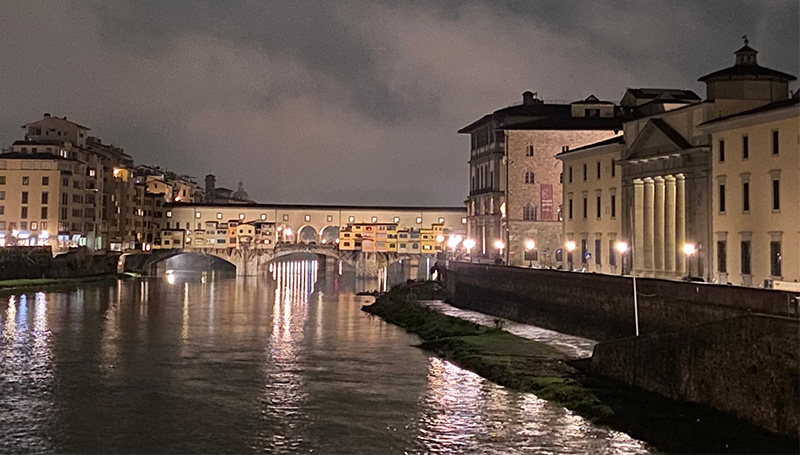
The Arno River at night feels like an entirely different city. The aggressive midday heat fades, the crowds thin out, and the Ponte Vecchio lights up exactly the way it has for centuries.
Italy planning gets easier the second you stop asking what you are supposed to see and start asking what kind of trip you actually want.
For most first-timers, Rome + Florence is the easiest win. It is train-friendly, visually iconic, and full of the experiences people imagine when they picture Italy.
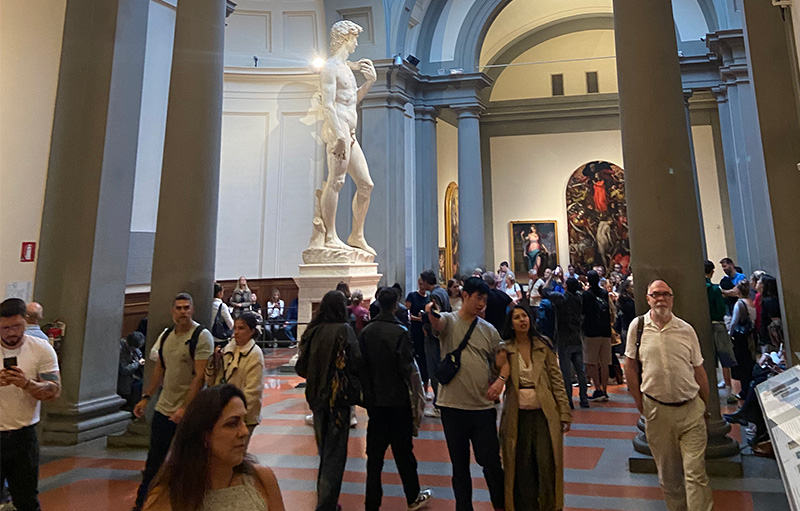
Seeing David in person completely ruins you for other sculptures. The sheer scale and anatomical detail Michelangelo pulled from a flawed block of marble makes fighting the Accademia crowds entirely worth it.
If your best travel days revolve around markets, wine bars, neighborhoods, and meals that are better than the photos suggest, build around lived-in bases with strong daily rhythm.
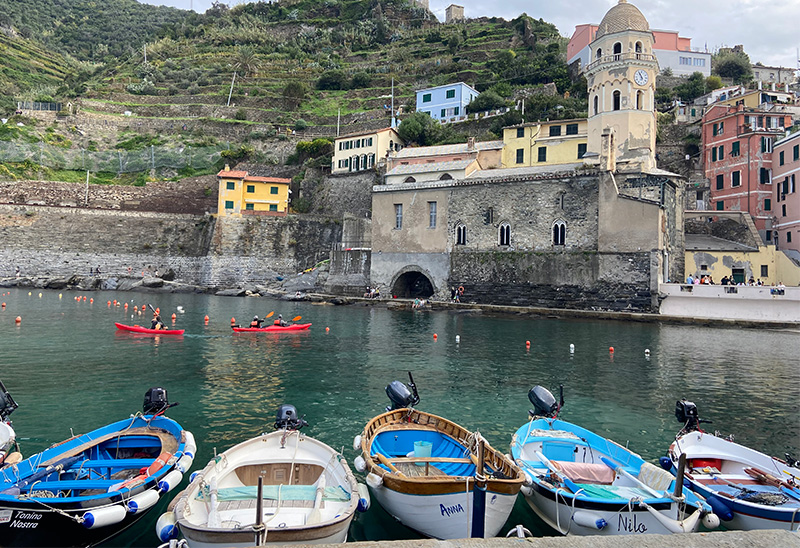
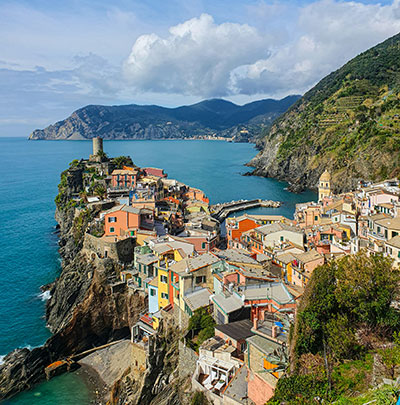
Vernazza still looks like a postcard, but the reality is that the Cinque Terre gets crushed by day-trippers. Stay overnight if you want to experience the village when it actually feels like a village.
If your dream trip includes water, long dinners, and boat days, the coast is where Italy really starts to slow down. Just remember that coastal logistics move slower too.
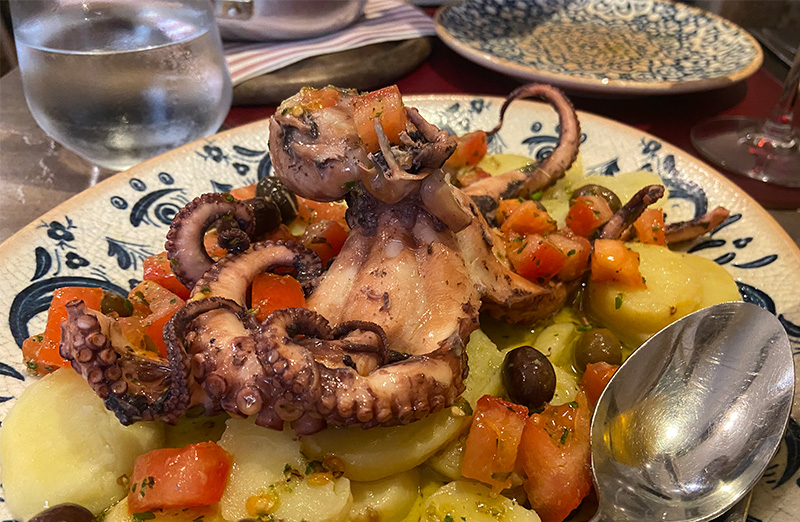
Coastal Italian seafood relies entirely on restraint. When an octopus is pulled fresh from the Mediterranean and grilled perfectly, it needs nothing more than olive oil, sea salt, and a few tomatoes to be the best thing you eat all week.
If you want mountains, lakes, or scenic drives, commit to the region properly. Nature-heavy Italy is worth it, but it works best when it is the point of the trip, not a rushed add-on.
Local Guide Tip: If you want the Dolomites, commit. Two nights is rarely enough once you factor travel time.
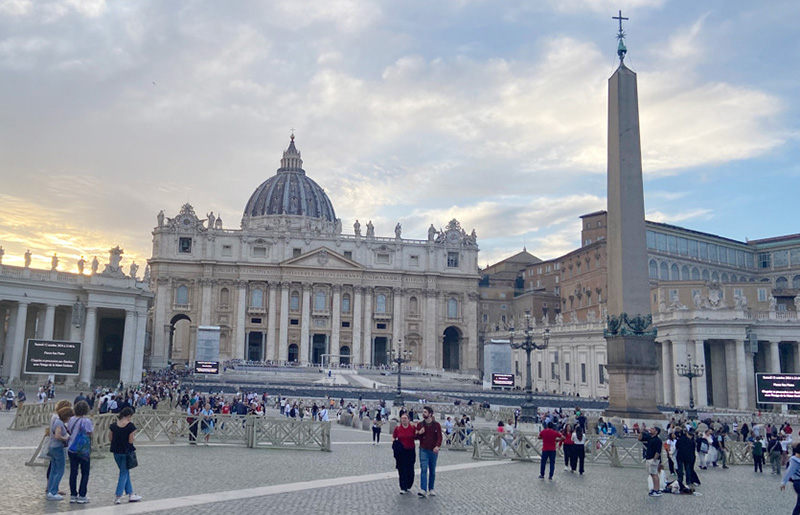
St. Peter’s Square is impressive at any hour, but arriving late in the afternoon means the security lines are shorter and the sunlight hits the basilica facade perfectly.
Italy is regional in a way that surprises a lot of first-timers. Food changes. Pace changes. Daily life changes. The smartest move is picking bases that reduce friction and fit the kind of trip you want.
Rome is not a city to rush through. The best moments often happen between the landmarks, on quiet side streets, in smaller churches, and over lunches that reset your feet.
Florence is one of the easiest train bases in Europe, while the Tuscan countryside is best when you actually slow down and sleep there. Treat them as two different experiences.
Venice is one of the most unique cities on earth, but it is also one of the easiest to ruin with bad timing. Sleep there if you can. That is when the city starts feeling real again.
This region brings elite food, dramatic views, and high energy. Naples is thrilling and intense. Sorrento is calmer and easier for many first-timers.
Bologna is one of the most underrated bases in Italy. It is walkable, lived-in, less performative than the bigger tourist cities, and one of the best food cities in the country.
Pro Tip: In 10 days, two bases feels calm. Three can work. Four usually means you are spending the trip in transit.
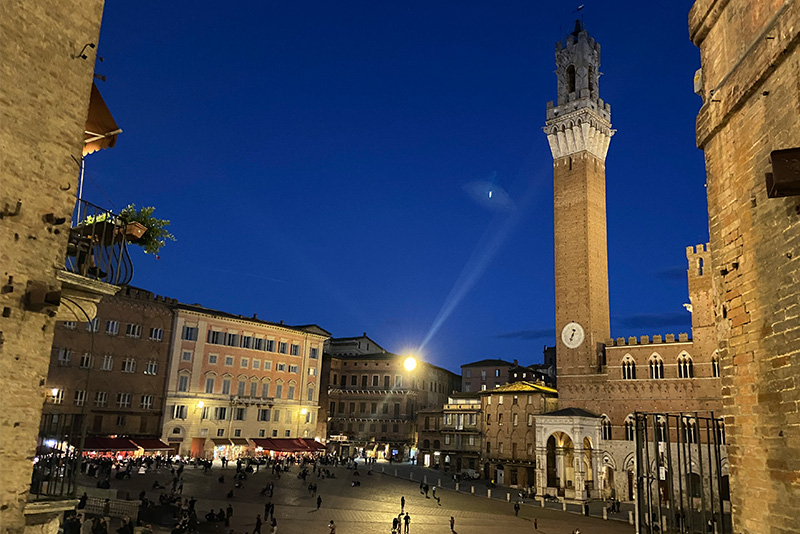
Siena empties out dramatically once the afternoon tour buses depart. Sitting on the warm brick of the Piazza del Campo as the twilight settles over the medieval towers is when the city finally reveals its quiet, lasting magic.
Where you stay shapes the entire trip. In Italy, the wrong neighborhood creates noise, tourist pricing, and wasted walking. The right one puts you inside your daily loop.
In Rome, the question is rarely central versus not central. It is usually energy versus breathing room.
| Neighborhood | Vibe | Best For |
|---|---|---|
| Centro Storico | Iconic, busy, packed with sights | First-timers who want to walk everywhere |
| Trastevere | Beautiful, lively, nightlife-heavy | Food and evening energy |
| Monti | Stylish, central, neighborhood feel | Couples and younger city vibe |
| Prati | Calmer, cleaner, more residential | Sleep quality and Vatican access |
Florence is compact, which helps. The decision is less about distance and more about atmosphere.
Local Guide Tip: In Rome, being near your daily walking loop matters more than being near the metro.
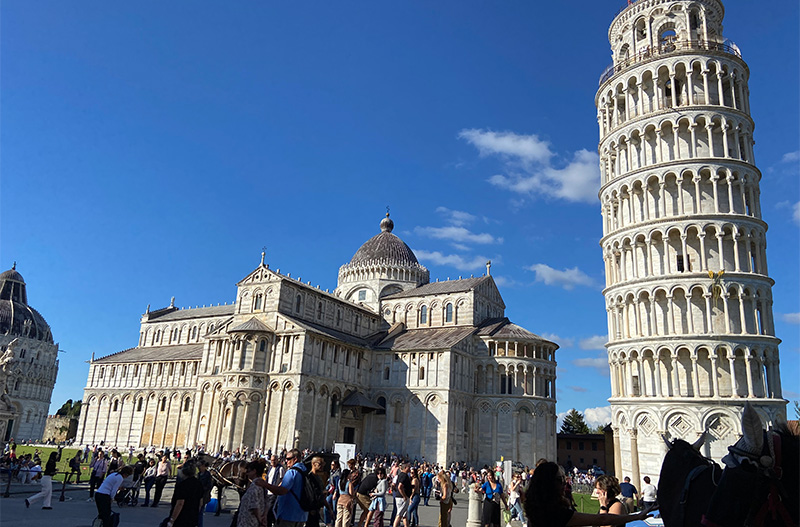
Pisa is an easy half-day train stop between Rome and Florence. Stash your luggage at the station, walk to the Field of Miracles, and get back on the rail network before the afternoon crowds peak.
Italy is a train country first. The smartest trips use trains between major cities, regional rail for day trips, and a car only when it adds real freedom.
Think of high-speed rail the way you think about airfare. The earlier you book, the better the price usually is. Wait too long and you lose both savings and flexibility.
Regional trains are one of the best parts of traveling Italy well. They unlock smaller towns and easy day trips without the stress of parking or driving into old city centers.
A car is for the countryside, mountain regions, islands, and slow-road destinations. It is not for historic city centers.
Pro Tip: If you have a flight, wedding, or timed reservation, take the earlier train. Italy is incredible, but delays happen.
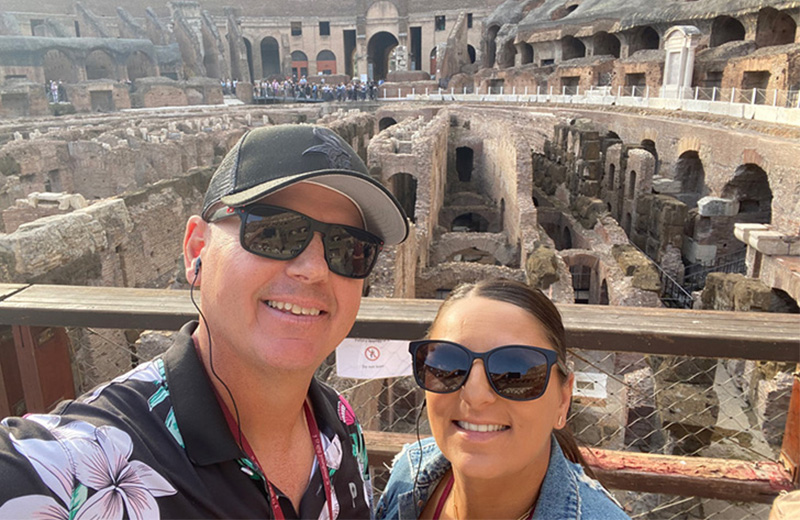
Booking an underground tour of the Colosseum gives you a completely different perspective on how the arena actually operated, and it keeps you away from the heaviest crowds on the main concourse.
Old backpacker logic does not work for a lot of Italy anymore if you care about the headline experiences. You do not need to overbook your whole trip, but you should absolutely lock in the things you would be disappointed to miss.
Pro Tip: Book the moments you would regret missing. Leave the rest of the trip open enough to wander.
Before you book those flights, map out your actual daily costs: Travel Budget Guide
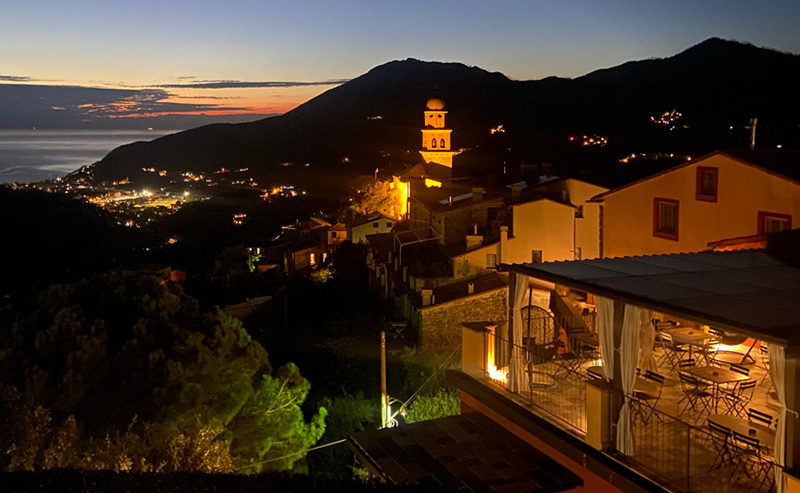
The lights of Levanto begin to glow as dusk settles over the Italian Riviera, offering a quieter, local alternative to the nearby villages of the Cinque Terre.
Where you stay controls your daily stress level. Walkability, realistic noise levels, and simple logistics matter more than a glamorous listing with bad positioning.
Hotels usually win for shorter city stays. Apartments become more useful once you are staying longer and want space, laundry, or a kitchen.
Pro Tip: On shorter stays, pay more for location. On longer stays, you can save by sitting just outside the busiest core.
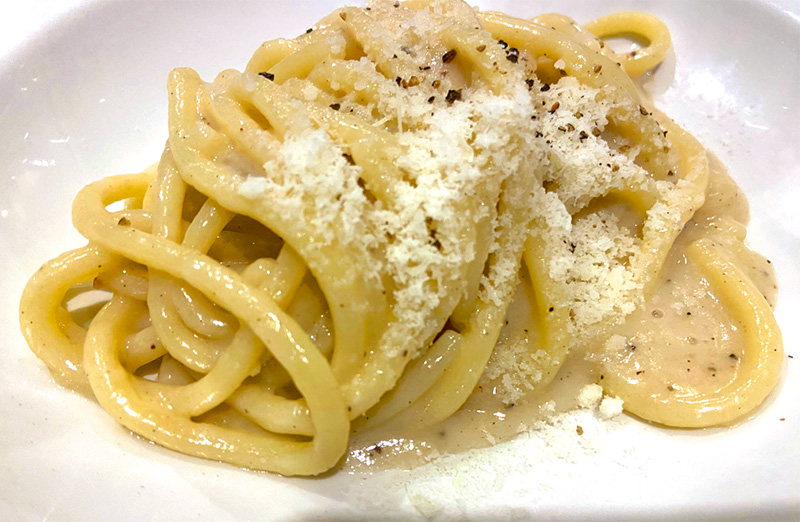
Cacio e pepe is proof that technique matters more than a long ingredient list. It is just starchy pasta water, Pecorino Romano, and cracked black pepper emulsified into something brilliant.
Italian food is not just about dishes. It is about timing, rhythm, and understanding how meals fit into the day. If you work with that rhythm, you eat better and your days feel smoother.
| Breakfast | Quick and sweet. Espresso or cappuccino plus a pastry at the bar. |
| Lunch | A real meal in many places, or a strong panino and espresso if you are on the move. |
| Dinner | Later and more social. Often after 8:00 p.m. in larger cities. |
Local Guide Tip: Stand at the bar for coffee. It is usually cheaper, faster, and more local than table service.
Read the complete guide to ordering, timing, and finding the best meals: Eat Like a Local in Italy
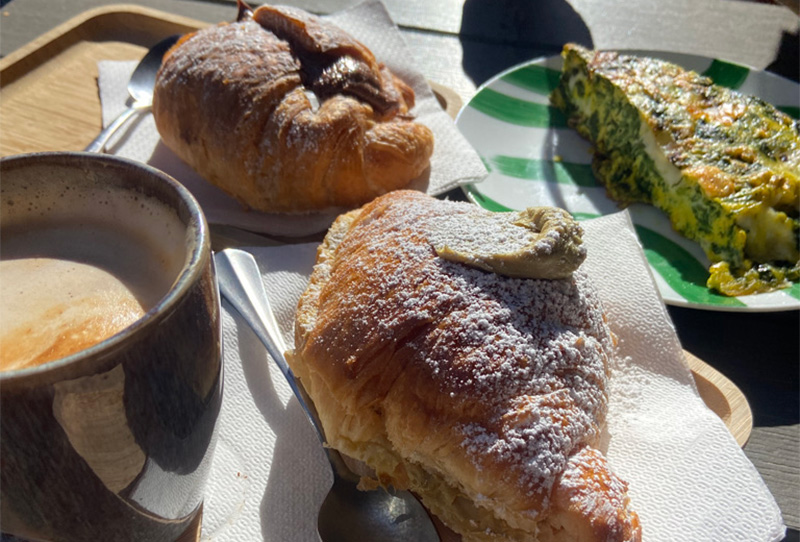
The Italian breakfast rhythm is fast, sweet, and strictly built around coffee. Stand at the bar, take your espresso in two sips, and grab a warm cornetto to start the day.
Italy is not a cheap destination, but it is a controllable one. Spend on location, key tickets, and train legs when they matter. Save on the things that do not really improve the experience.
Pro Tip: The biggest money leak is last-minute planning: late train bookings, late hotels, and eating next to landmarks because you ran out of energy.
Want the deeper numbers? Read the Italy Trip Cost Breakdown and the broader Travel Budget Guide.
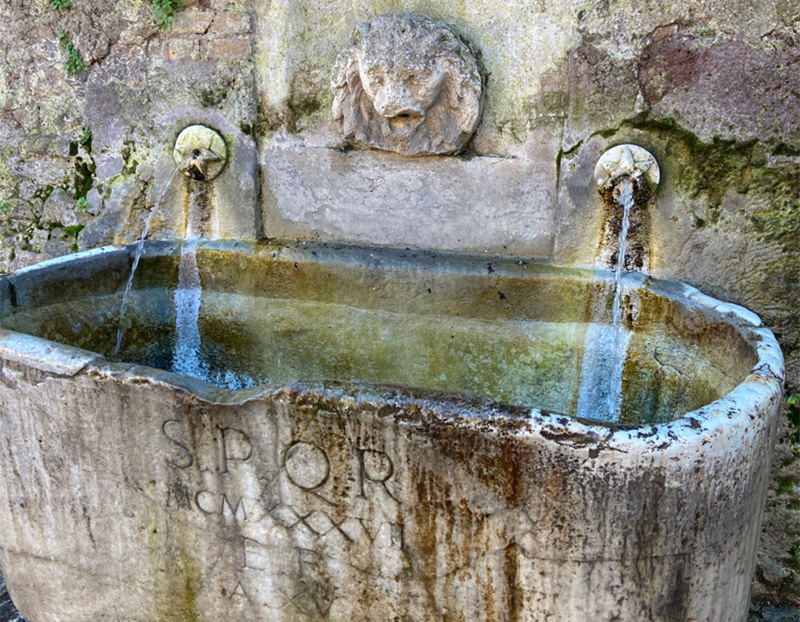
Rome runs on these public nasoni fountains. The water is cold, safe to drink, and constantly running, so stop paying for plastic bottles and just carry a refillable one.
Italy has daily habits and unwritten rules that are easy to miss if you arrive expecting everything to work like home. You do not need to become local. You just need to understand the basics.
Churches in Italy are not just attractions. Many are still active religious spaces, and dress expectations are usually simple and easy to manage.
Local Guide Tip: Stop buying plastic water bottles all day. Carry a reusable bottle and use public fountains where safe local drinking water is available.
These are worth setting up before departure, not after you land.
Use the official train apps for tickets, changes, delays, and digital boarding workflows.
This is the default communication tool for many hosts, drivers, tour contacts, and local businesses.
Download the Italian language pack for offline use. The camera feature is a lifesaver on menus and signs.
Pro Tip: A travel eSIM is the easiest setup for most travelers. Get it installed before the flight so your phone works the minute you land.
Italy is generally safe. Most traveler problems are petty theft, distraction scams, or transit-zone carelessness. The fix is not paranoia. It is habits.
Local Guide Tip: When approached, a quick “No, grazie” while continuing to walk solves most problems.
For the broader mindset and habits, read the Travel Safety Guide.
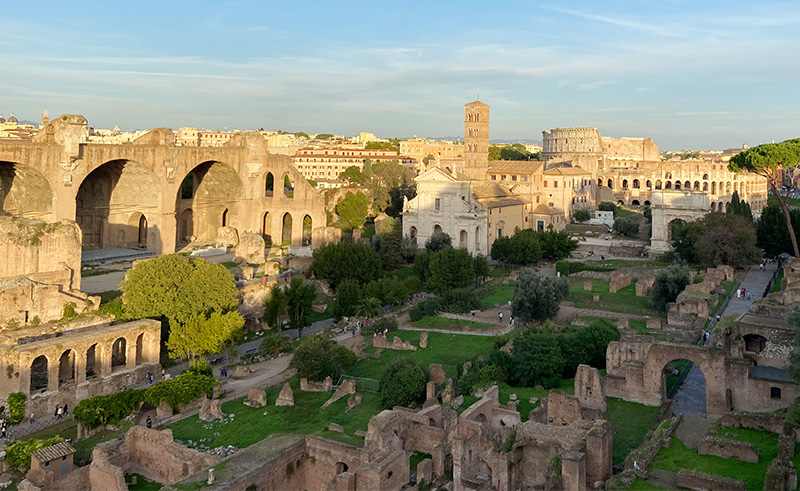
Looking down at the Roman Forum from Palatine Hill gives you the actual scale of the ancient empire. Go late in the afternoon when the light softens and the tour groups finally head to dinner.
Most Italy planning problems start when people build routes around maximum coverage instead of how travel days actually feel. The secret to a memorable trip is less movement and more time actually being there. Use these as realistic starting points.
The strongest first-timer route if you want history, food, art, and easy rail logistics without overextending yourself.
The classic Italy loop. It works well if you keep expectations realistic and do not try to force too many side trips.
Use the extra time to add the coast, Tuscany countryside, Sicily, Puglia, or the Dolomites rather than cramming in more cities.
Local Guide Tip: End in your departure city when possible. It makes your final 24 hours dramatically less stressful.
Explore Italy through practical planning guides, food posts, and iconic cities.
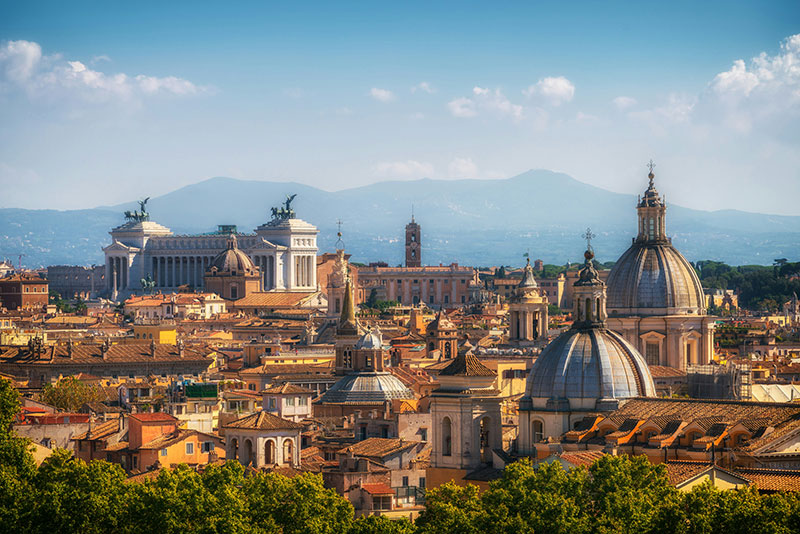
CLASSIC ROUTE
Map out a classic first trip through Rome, Florence, and Venice without turning the whole thing into a rush.
Read More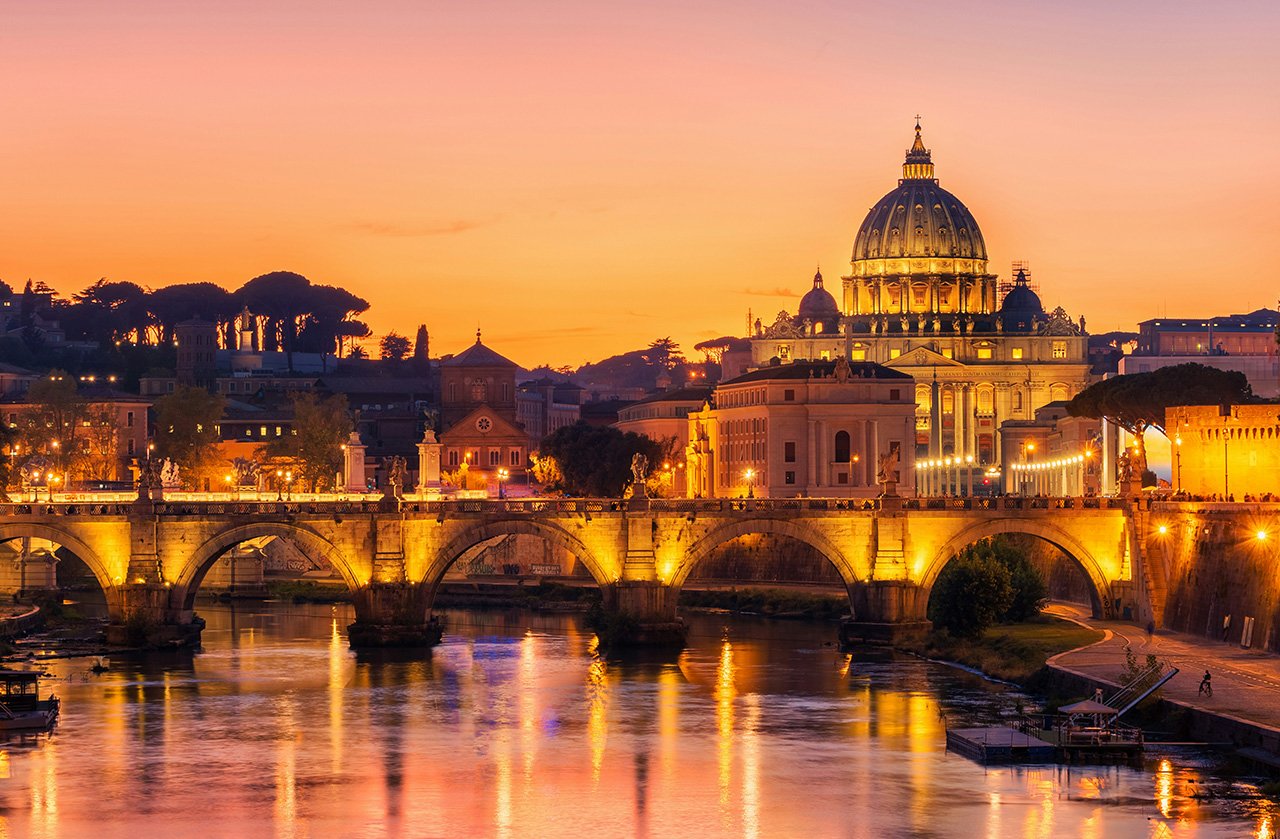
ROME ESSENTIALS
Where to stay, what to book early, and how to actually experience Rome beyond the checklist.
Read More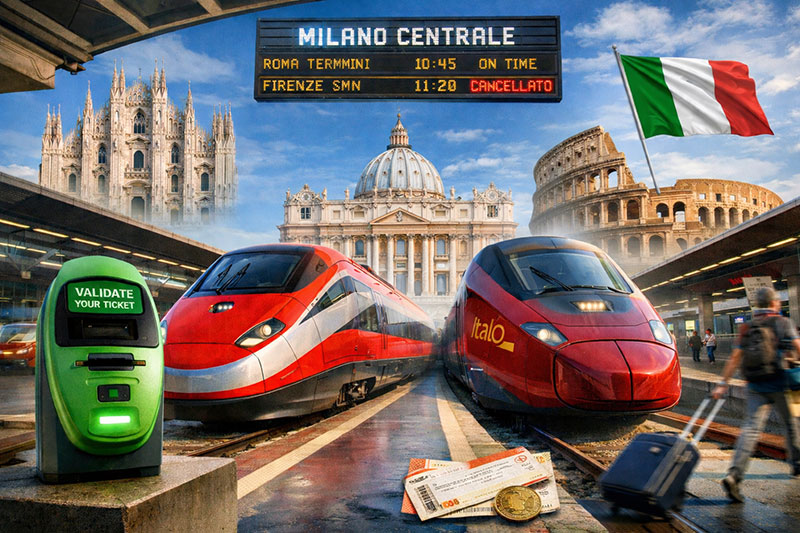
GET AROUND
Figure out booking, validation rules, and when rail travel makes more sense than renting a car.
Read More
FIRST TIMERS
Get the key cultural, logistics, and planning basics right before you lock in trains and hotels.
Read More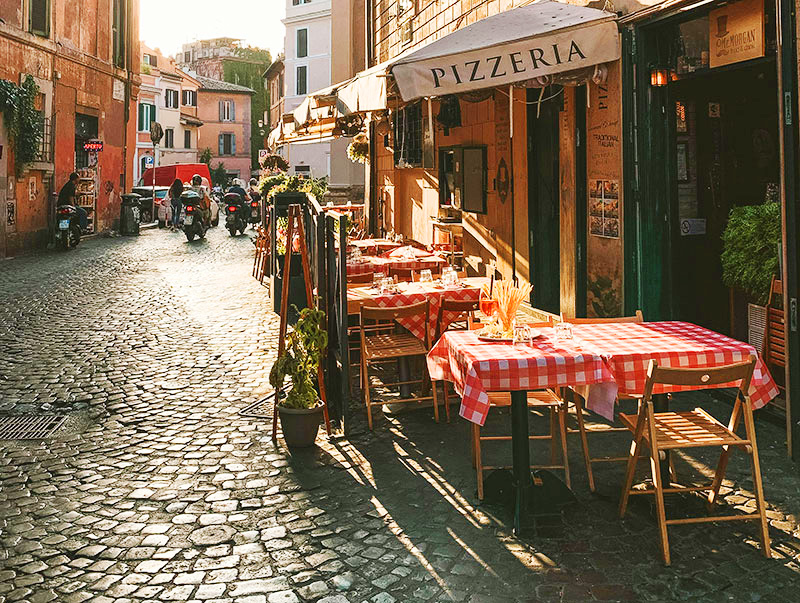
WHERE TO STAY
Compare smart home bases so you can choose convenience, character, or quieter nights.
Read More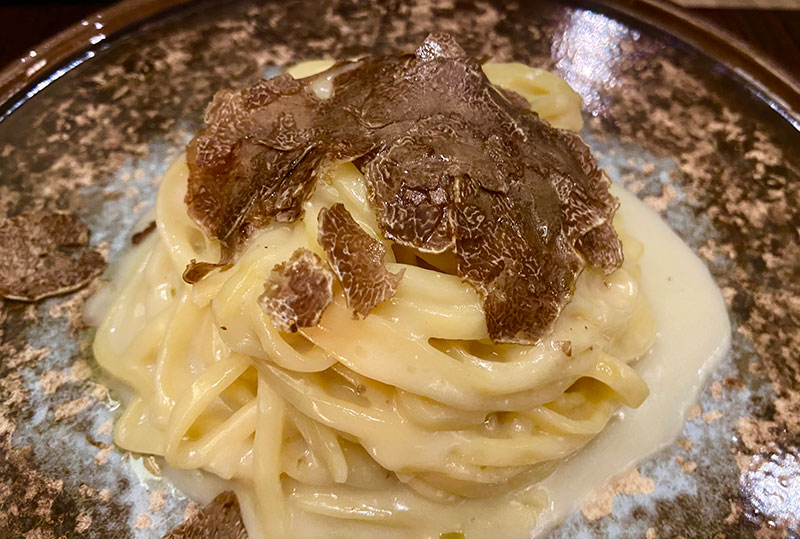
FOOD CULTURE
Learn the dishes, timing, and dining habits that help meals feel more local and less like tourist autopilot.
Read More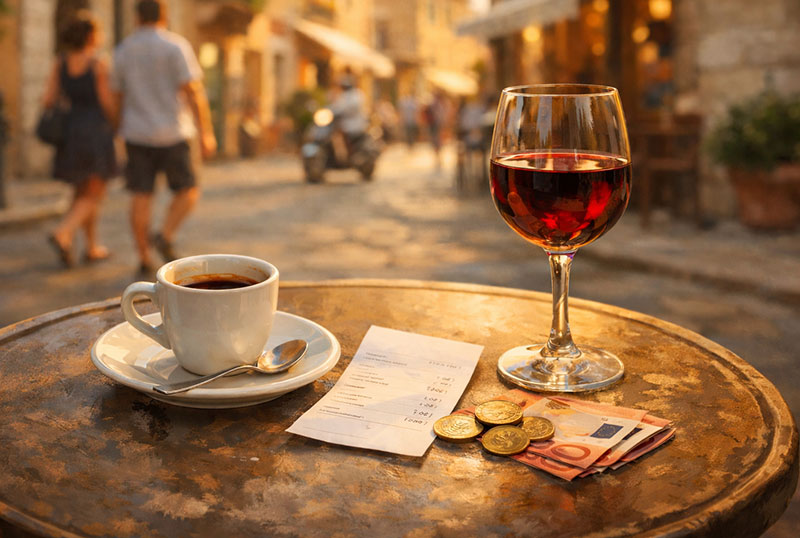
BUDGET BASICS
See what a trip to Italy can really cost once you factor in transport, meals, hotels, and daily spending.
Read More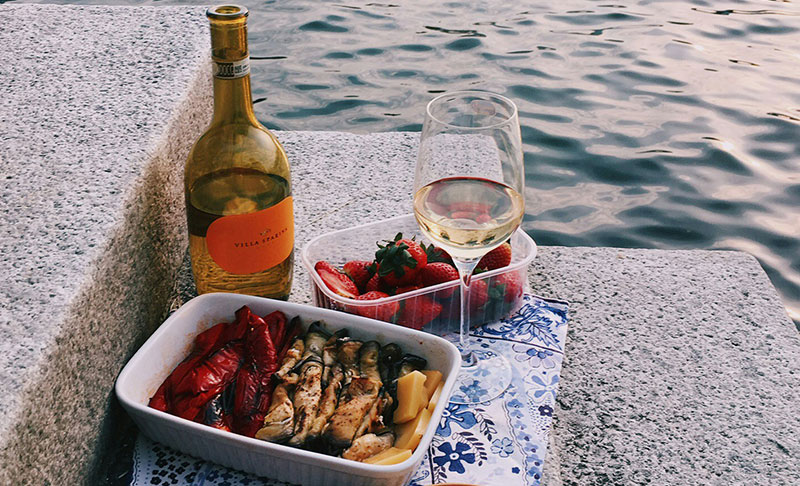
TABLE RULES
Understand meal timing, ordering rhythm, and the small habits that shape daily eating.
Read More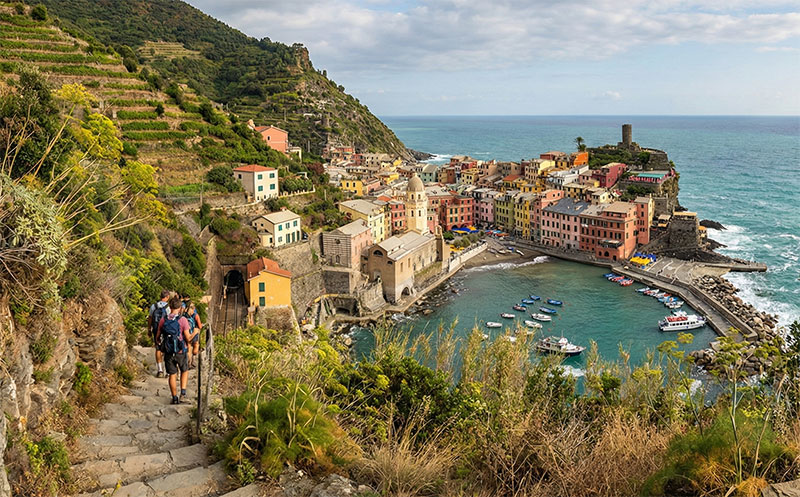
COASTAL CLASSIC
Plan a visit around hiking, village hopping, and the reasons this stretch of coast still feels iconic.
Read MoreSeven to ten days is enough for a strong first trip if you keep it to two or three major stops. Two weeks is ideal if you want to add a slower region like the coast, countryside, or mountains.
Usually no for the classic city route. Trains are the best default for Rome, Florence, Venice, Milan, and Naples. Rent a car only when it adds real freedom in places like Tuscany countryside, Sicily, Puglia, or the Dolomites.
For major high-speed routes, yes. Earlier booking usually means better prices and more options. Regional trains are often easier to keep flexible.
Yes in most major tourist areas, hotels, and restaurants. That said, a basic “Buongiorno” and “Grazie” goes a long way and usually improves the interaction immediately.
Trying to do too much. Too many bases, too many timed attractions, and too much transit kills the rhythm that makes Italy feel special in the first place.