Travel Planning Hub
Start here to plan your trip, compare options, and explore every TLGA planning guide.
Packing & Gear Guide
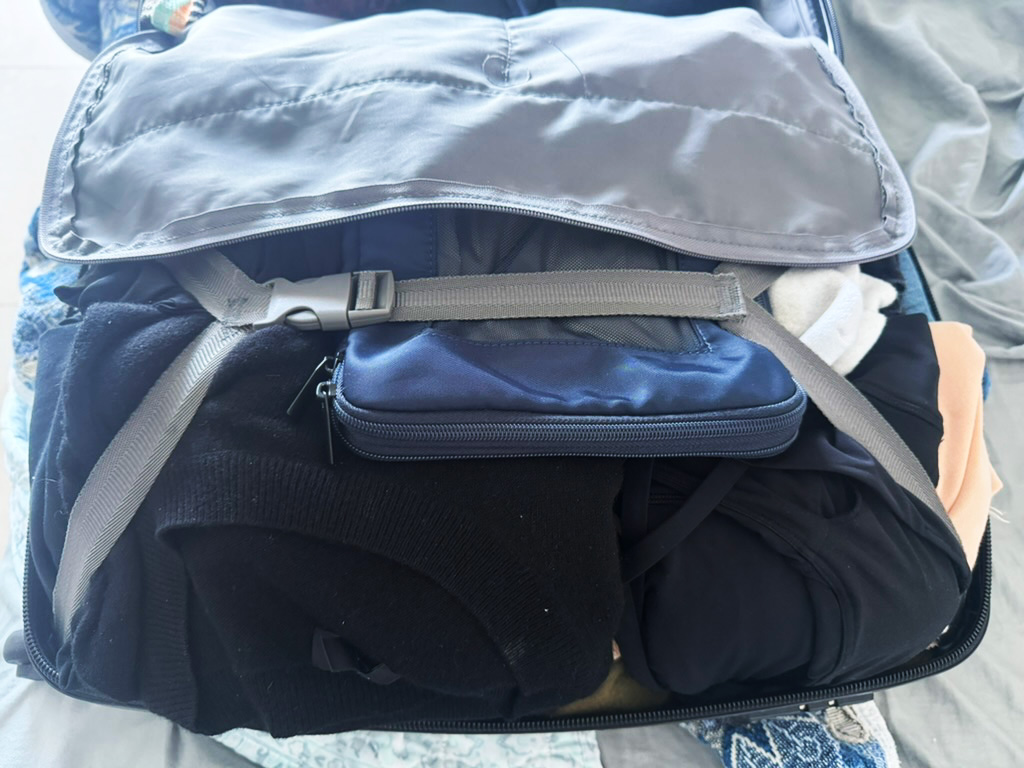
What to pack, what to skip, and how to build a lighter travel setup that works.

Planning a trip to Italy usually starts with excitement and ends with one big question: how much is an Italy trip actually going to cost? Between high-speed rail, boutique hotels, and those irresistible dinners, your 2026 budget can vary wildly depending on your travel style.
This guide breaks down real Italy travel costs for 2026, including daily averages, hidden fees most people miss, and realistic budgets for solo travelers, couples, and families. Think of it as your money reality check before you start booking.
Local Guide Tip: Italy Rewards Planning
Italy is not a cheap destination if you wing it, but it can be very affordable if you plan. Small decisions like booking Frecciarossa trains 90 days out or choosing a base like Bologna over Florence can save you hundreds without sacrificing the experience.
Planning note: Prices vary by city. Rome, Florence, and Venice are the “Big Three” for a reason because they command a premium. Consider a food-focused base like Naples or Bologna to make your Euro go further.
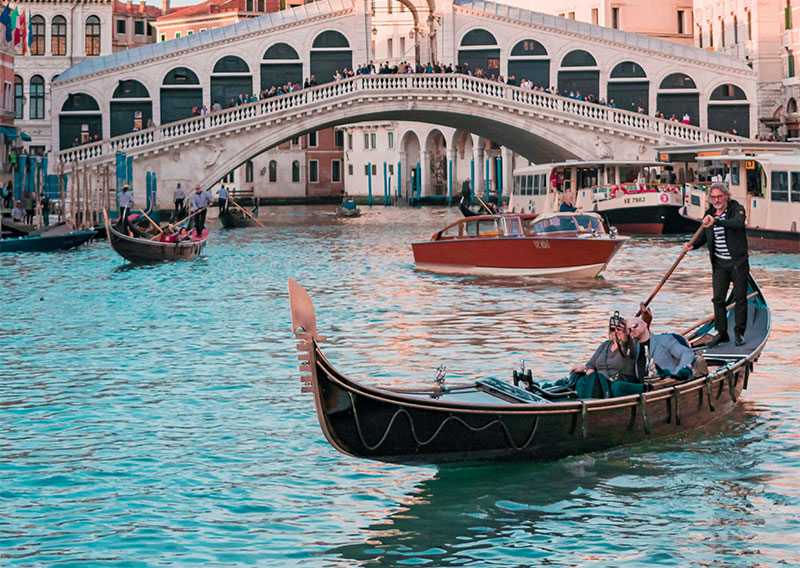
While iconic, a private gondola ride in Venice is a splurge expense that can quickly shift a daily budget from mid-range to luxury.
These are realistic per-person daily averages in Italy for 2026, excluding international flights. All prices are in USD for easier planning.
| Travel Style | Daily Budget | What This Includes |
|---|---|---|
| Backpacker | $85 per day | Hostels, street food like pizza al taglio, regional trains, and free walking tours |
| Mid-Range | $220 per day | 3-star hotels or Airbnbs, sit-down trattoria meals, high-speed rail, and 1 major museum per day |
| Luxury | $550+ per day | 5-star boutique stays, private guided tours, private transfers, and fine dining |
Where you sleep will usually be your biggest expense. In 2026, demand is still high in the most popular Italian cities, so booking early and looking at refundable rates is often the smartest move.
One of the biggest modern travel hacks in Italy is staying in an Airbnb just outside the most expensive tourist core. On one Rome trip, staying in the Trastevere neighborhood changed the whole math of the trip. We had a nice apartment, walked local streets, shopped at neighborhood grocery stores and markets, had breakfast at home, sometimes even lunch, and then still went out for a great dinner at night. That kind of setup can stretch your budget in a way a hotel rarely does.
Local Guide Tip: Do not automatically pay for the hotel breakfast. Many are overpriced. A local pasticceria breakfast with a cornetto and cappuccino is often better and cheaper, and an apartment stay gives you the option to stock up on fruit, snacks, and wine for low-key meals at home.
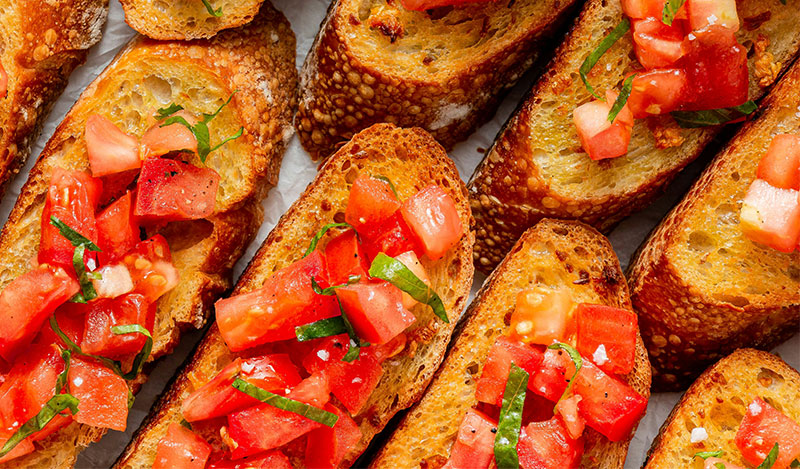
Classic tomato bruschetta is a staple of the Italian aperitivo hour.
The cost of food in Italy is surprisingly consistent if you avoid the tourist menu trap. In 2026, expect these averages:
High-speed trains like Trenitalia’s Frecciarossa and Italo are the backbone of Italian travel. They are efficient, comfortable, and often much better than renting a car between major cities.
Local Guide Tip: For short regional trips like Florence to Lucca or Rome to Ostia Antica, use Regionale trains. Prices are fixed, so there is no real reason to book far in advance.
If you are traveling as a couple in 2026, here is what a realistic 10-day comfortable trip can look like:
If you swap a few hotel nights for a well-located Airbnb and cook some breakfasts or lunches, that same trip can often come down by several hundred dollars without feeling like a budget trip.
Generally, yes. Venice often carries a premium on both hotels and dining because of its limited space and higher logistics costs. Budget a bit more there than you would for Rome or Florence.
Italy is much more card-friendly now, especially in cities. Still, it is smart to carry €20 to €50 in cash for smaller purchases, market stops, city taxes, or old-school spots that are slower to modernize.
Yes, especially for couples, families, or longer stays. A good Airbnb can save money on breakfast, snacks, wine, and even a few simple meals, while also giving you more space and a more local neighborhood experience.
For shorter routes, regional trains are often the cheapest choice. For longer intercity routes, booking high-speed trains early usually offers the best balance of cost, comfort, and time savings.
A mid-range couple should expect to spend around $3,000 to $3,800 total for one week in Italy in 2026, excluding international flights. That usually covers comfortable lodging, train travel, sightseeing, and good meals each day.