Travel Planning Hub
Start here to plan your trip, compare options, and explore every TLGA planning guide.
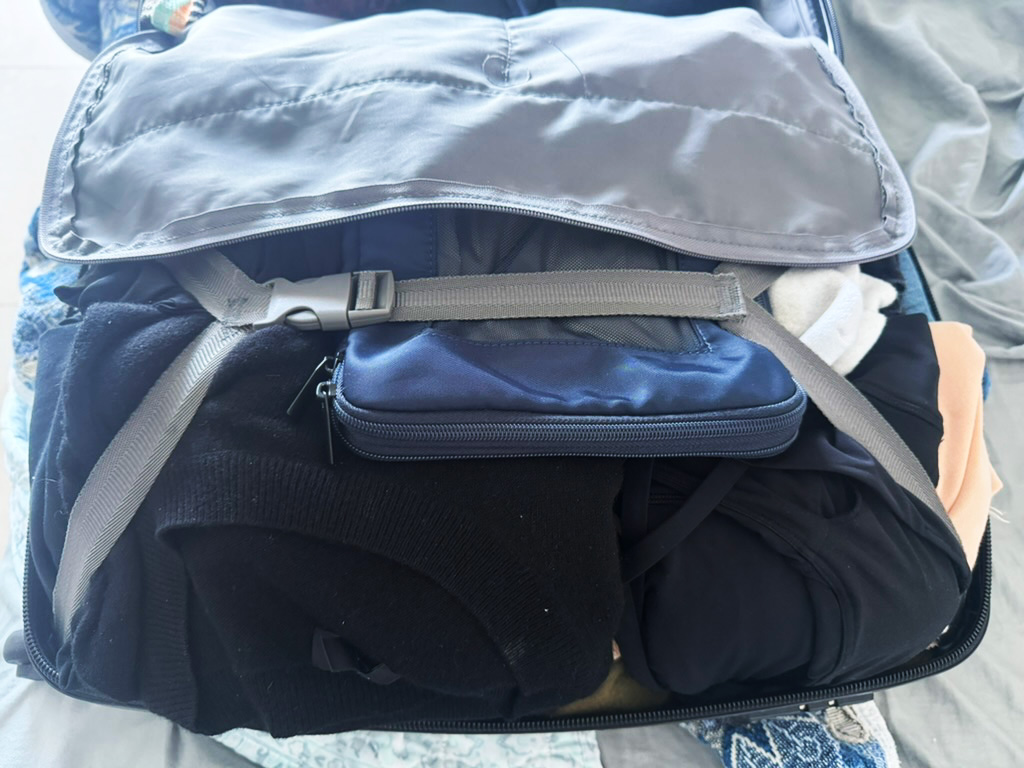
Packing & Gear Guide
What to pack, what to skip, and how to build a lighter travel setup that works.


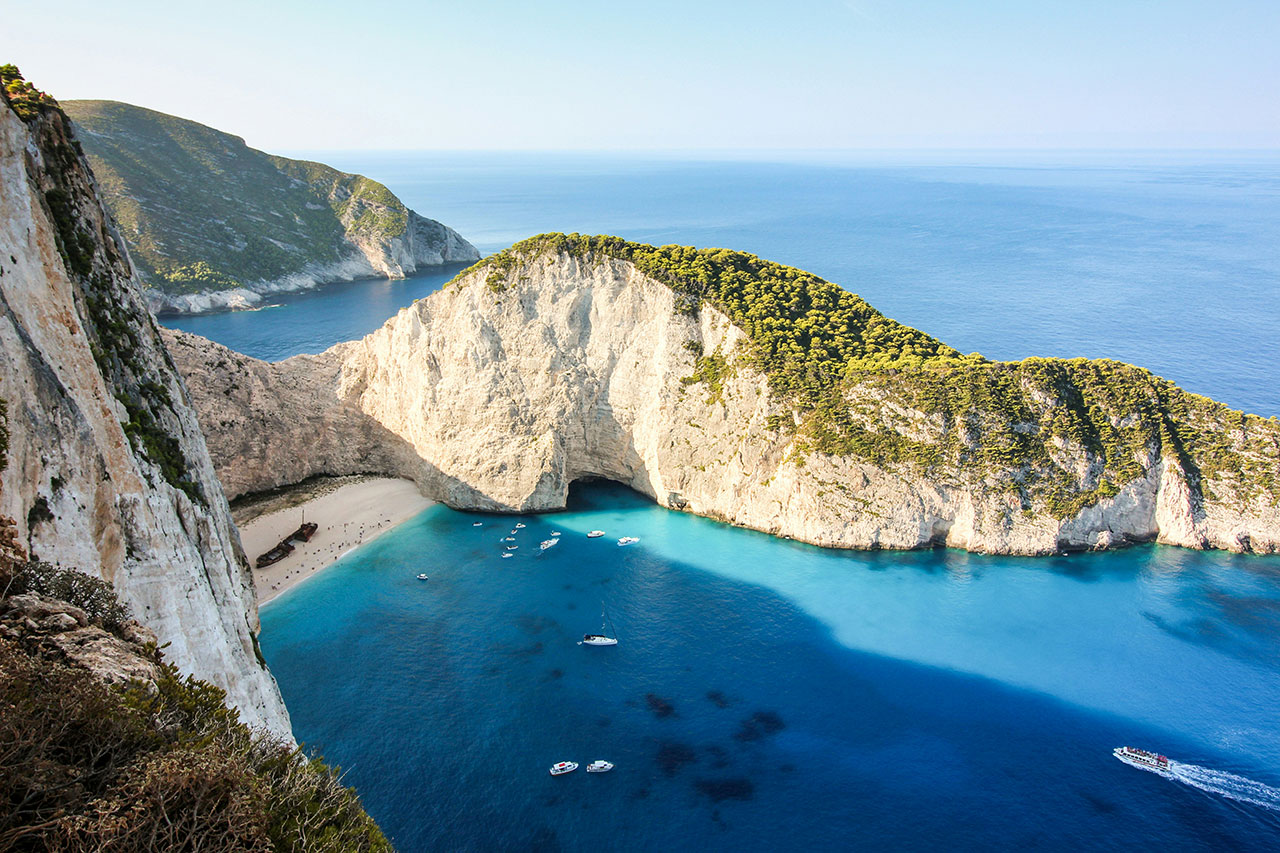
Navagio Beach on Zakynthos. This famous view is not a promise of beach access: landslide-related restrictions prohibit beach landings and swimming in the cove during the 2026 season. Check current local restrictions before booking an excursion.
Last reviewed: October 10, 2026 by Corey Gasman
From the Editor:
Greece is easy to romanticize and surprisingly easy to overplan. The highlights are real, but the pacing makes the trip. Move too often and your days become ferry tickets, luggage, and check-in times. Stay longer and there is room for a second swim, a village lunch, and a restaurant you return to because you liked it.
My planning advice: choose the kind of days you want before choosing islands. Athens plus Naxos is a different vacation from a Crete road trip or a week in the Peloponnese. None needs to include every famous stop to feel complete.
For a first visit, allow roughly 10 to 14 days for Athens and one or two islands. With only a week, choose Athens and one island, or focus on one region. Crete can easily fill the entire trip.
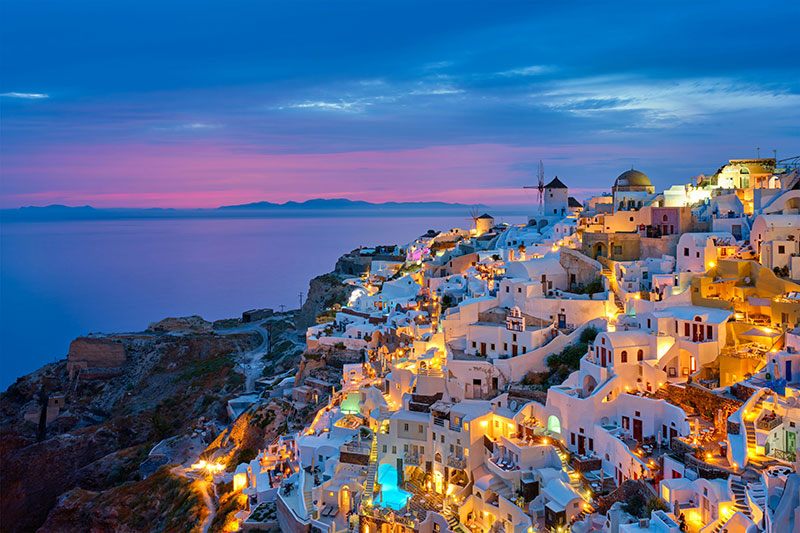
Oia, Santorini. Early morning is often a more relaxed time for photographs than the crowded sunset period.
The standard adult Acropolis ticket is currently €30. Reserve a timed entry through Hellenic Heritage and read the admission conditions for your ticket. The Acropolis Museum requires separate admission. Older advice about the €30 multi-site archaeological combination ticket is outdated.
Choose an early slot in hot weather, bring water, and wear shoes with grip on polished stone. Advance booking avoids the ticket-purchase queue, but it does not guarantee an empty entrance or eliminate security checks.
The EU reports that the Entry/Exit System, or EES, became fully operational on April 10, 2026. It records entry and exit information for covered non-EU short-stay travelers and can involve biometric registration at the external Schengen border.
At this review, the official ETIAS website says ETIAS is not yet operating and applications are not being collected. Do not rely on older articles promising a fixed launch date. Check the official EU ETIAS website and EES guidance before departure, alongside the entry requirements for your nationality.
Do not plan a beach day on Zakynthos around landing at Shipwreck Beach. The 2026 restrictions cover beach access and swimming because of landslide risk. Sightseeing boats and viewpoints are subject to local operating restrictions; an excursion advertised as a Navagio visit does not necessarily include going ashore. A restriction end date is not a guaranteed reopening date.
Greece’s Climate Crisis Resilience Fee varies by season and accommodation category. It is charged per room or rental unit per night, rather than per guest. It may be collected separately by the property. See the fee table below before comparing hotels and apartments.
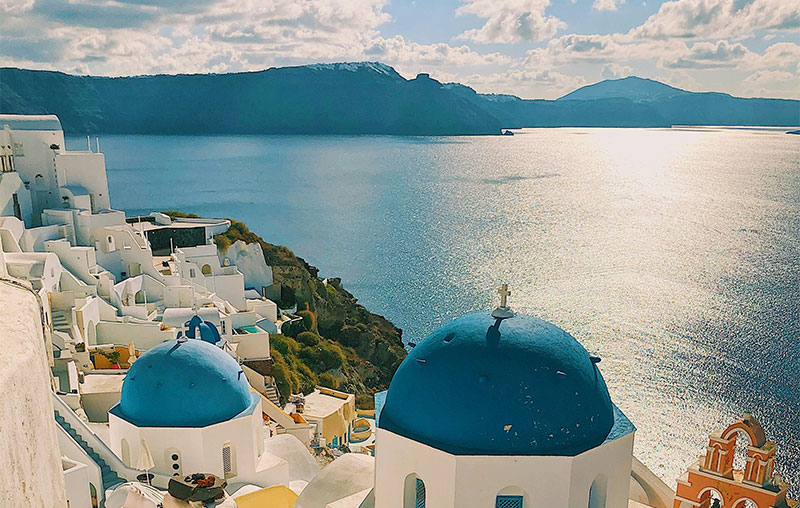
Season changes the experience: spring favors walking, late summer favors warm water, and autumn brings quieter days with less predictable weather.
| Season | Best reason to go | Trade-off |
|---|---|---|
| April to May | Wildflowers, archaeological sites, village walks, and mainland road trips. | Sea temperatures can be cool. Island businesses and ferry routes open on different schedules. |
| June | A strong compromise for beaches, longer evenings, and active sightseeing. | Popular places are already busy, and heatwaves are possible. |
| July to August | Full summer services, beach clubs, nightlife, and swimming. | Higher prices, heat, crowds, and strong Aegean winds. Book early. |
| September | Warm seas and a good balance of beach time and exploring. | It is still a popular travel month, especially on Santorini and other famous islands. |
| October | Athens, the Peloponnese, and flexible trips to Crete or other southern islands. | Shorter days, possible rain, fewer sailings, and seasonal closures. Swimming weather is not guaranteed. |
| November to March | City museums, food, mountain villages, and a different side of Greece. | Many island resorts close. Expect wet or cold weather, with snow possible in the mountains. |
My pick: September for a first beach-and-culture trip; May for a mainland route. For October travel, choose a functioning town as your base and confirm restaurants, transport, and tours directly.
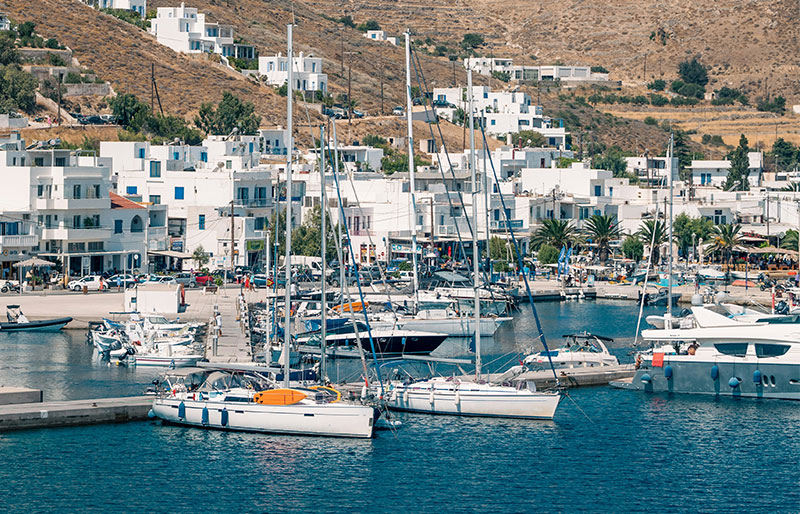
A harbor base can put ferry arrivals, restaurants, and evening walks within easy reach, but check the distance to your preferred beaches.
| Destination | Choose it for | Know before booking |
|---|---|---|
| Athens | Ancient sites, museums, markets, and neighborhood dining. | Allow 2 to 3 nights, or longer for day trips. |
| Naxos | Sandy beaches, inland villages, local cheese, and an easy first island. | Town and beach bases offer different experiences. A car helps for inland exploring. |
| Paros | Harbor towns, beaches, restaurants, and evenings out. | Naoussa can be busy and expensive. Parikia is often more practical for ferries. |
| Santorini | Caldera scenery, wine, and a special hotel stay. | Choose it for the landscape rather than a classic sandy-beach vacation. |
| Crete | A full vacation of beaches, food, archaeology, and mountain scenery. | Distances are substantial. Focus on one end with a week, or split bases on a longer trip. |
| Sifnos or Syros | Sifnos for food and village walks; Syros for a substantial town and architecture. | Choose the island that fits your actual ferry route. Quiet does not mean undiscovered. |
| Peloponnese | Ancient sites, coastal towns, and road trips without ferry logistics. | A car makes a multi-stop route much easier. |
| Thessaloniki and northern Greece | Food, Byzantine history, mountains, and mainland beaches. | Build a separate regional trip rather than adding it to an already busy island itinerary. |
These routes count nights explicitly. Arrival and departure days can be partial days, so adjust them to your flights. The final Athens night is particularly useful when an island connection and international flight are on separate bookings.
| Trip length | Suggested overnight plan | How it works |
|---|---|---|
| 7 days / 6 nights | Athens 2 + Naxos 3 + Athens 1 | A short introduction. Fly or ferry according to the best available schedule. |
| 10 days / 9 nights | Athens 3 + Naxos or Paros 5 + Athens 1 | The relaxed first-trip option, with beach days and time inland. |
| 14 days / 13 nights | Athens 3 + Naxos 5 + Santorini 4 + Athens 1 | Two distinct islands, with enough Santorini time for villages and wine beyond the sunset. |
| 10 days / 9 nights, mainland | Athens 3 + Nafplio 5 + Athens 1 | Use Nafplio for Mycenae, Epidaurus, coastal time, and a slower pace. |
For a Crete-focused trip, consider flying into Chania and out of Heraklion if the flights work. Do not build a daily commute across the island simply because both cities appear close on a country map.
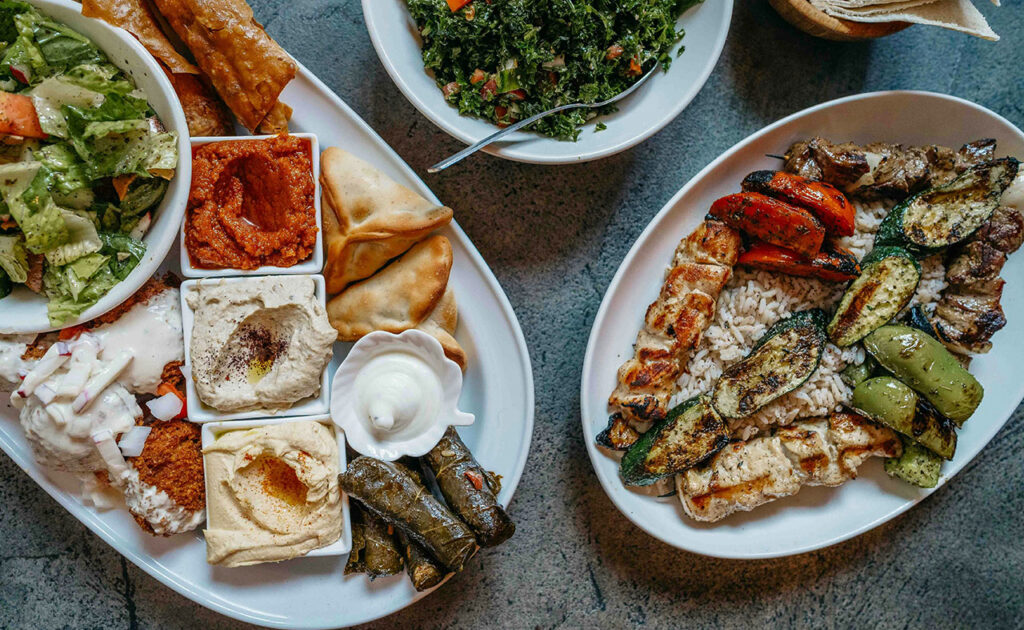
Athens deserves time for food and neighborhood walks as well as its headline archaeological sites.
Pair an early Acropolis visit with the Acropolis Museum, then give another part of the trip to the Ancient Agora and a walk through Monastiraki and Psirri. Plaka and Anafiotika are atmospheric, but they are also residential places: keep doorways clear and respect private terraces.
For a less monument-heavy day, explore the central market area, browse shops, and take a longer lunch. Cape Sounion is an option for the Temple of Poseidon and coastal scenery. Delphi is a much longer outing; an overnight stay makes more sense if you want a relaxed visit.
On Naxos, combine the Kastro lanes and Portara with Agios Georgios, Agios Prokopios, or Plaka Beach. Spend a separate day inland around Halki and Apeiranthos. This is where the island becomes more than a strip of sand: villages, local products, and mountain scenery give your trip variety.
On Paros, compare Parikia’s practical port location with Naoussa’s restaurant and nightlife appeal. Add Lefkes for an inland change of pace. Neither island requires a different beach every morning; choose the coast that suits the wind and settle in.
Fira works for bus connections and restaurants; Imerovigli suits travelers prioritizing a caldera setting. Oia delivers the famous architecture, with prices and crowds to match. Add Pyrgos, the archaeological site at Akrotiri, or a winery visit to move beyond the main viewpoints.
The Fira-to-Oia walking route is exposed and uneven in places. Treat it as a proper walk, with water, suitable shoes, and an early start in warm weather. Arrange a ride back if you do not want to walk both directions.
Chania is a strong western base for old-town evenings and excursions toward Falassarna or Elafonissi. These are excursions, not beaches immediately outside the city. Heraklion is the more logical base for Knossos and its archaeological museum. Rethymno offers another historic town between the two.
For a longer trip, split the island into two bases. Keep mountain drives and major hikes on their own days, and verify gorge access and weather locally. A beach photo does not tell you how long its approach road or boat transfer takes.
Start with Nafplio’s old town and Palamidi, then visit Mycenae and the ancient theater at Epidaurus on separate outings if you can. On a longer route, consider Monemvasia, the Mani peninsula, or Ancient Messene. Choose a few stops that fit together geographically instead of trying to circle the entire peninsula in three days.
Meteora deserves an overnight stay, ideally two nights, for its monasteries and rock formations. Kastraki and Kalambaka are the main bases. Check individual monastery visiting days and dress requirements before planning your route.
For mountains, look at Ioannina and the stone villages of Zagori. For a city-and-coast trip, combine Thessaloniki with Halkidiki. These options are particularly useful if another Cycladic beach vacation is not what you want.
Corfu, Kefalonia, and Zakynthos belong to a different geographic circuit from the Cyclades. Their greener landscapes and coastal scenery can be wonderful, but they are not convenient add-ons to every Athens-Naxos-Santorini route. Choose one island or a workable regional pairing, and check real transport connections before booking accommodation.
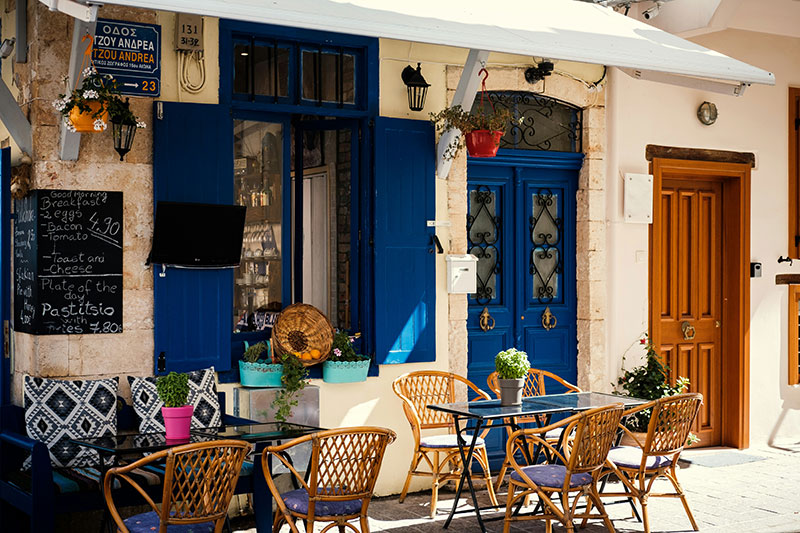
Chania’s Venetian harbor is an atmospheric base for western Crete. Exploring the rest of the island requires more time than a single day trip.
| Base | Why choose it? | Check carefully |
|---|---|---|
| Koukaki, Athens | Convenient for the Acropolis Museum and neighborhood meals. | Main-road noise and the exact walk to a metro station. |
| Plaka or Syntagma, Athens | Central sightseeing; Syntagma is useful for airport transport. | Room size, street noise, and whether the view shown belongs to your room category. |
| Psirri, Athens | Restaurants, bars, and active evenings. | Late-night noise. A courtyard room can be a different experience from a street-facing one. |
| Naxos Town / Agios Georgios | Town dining with a beach nearby. | Actual walking distance from your property to the port and beach. |
| Parikia / Naoussa, Paros | Parikia for arrivals; Naoussa for harbor atmosphere and evenings out. | Naoussa requires a transfer from the main ferry port. |
| Fira / Imerovigli, Santorini | Fira for connections; Imerovigli for a caldera-focused stay. | Steps, luggage access, and transport after dinner. |
| Chania old town, Crete | Walkable dinners and harbor scenery. | Parking outside pedestrian streets and carrying bags to the hotel. |
| Nafplio old town | A walkable base for a history-focused mainland trip. | Parking and stairs in historic guesthouses. |
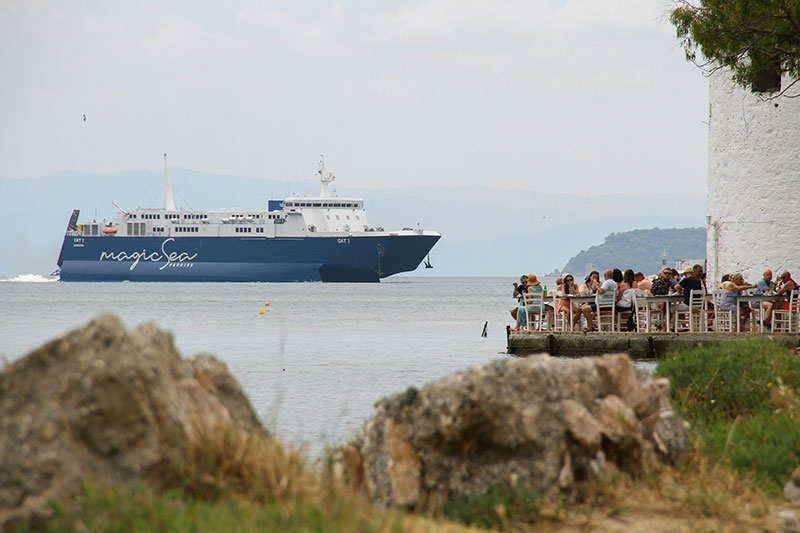
Treat ferry days as travel days. The sailing time is only one part of the journey.
Look up your exact date before committing to hotels. Nearby islands do not always have a convenient direct connection, and a summer timetable may not operate in October. Check the departure port, arrival port, luggage conditions, and change policy on every booking.
Conventional ferries often offer a steadier ride and more room to move than smaller fast craft, but compare the actual vessel. Strong winds can affect any service. The summer Meltemi is especially relevant in the Aegean, and larger ships are not cancellation-proof.
Current standard full fares include €1.20 for a 90-minute urban ticket, €9 for the airport metro, and €5.50 for an airport express bus. The ordinary urban ticket does not cover an airport journey. See OASA’s fare information for conditions and available products.
Contactless bank-card payment is available for supported full-fare journeys. Use the same physical card or device consistently and follow validation instructions. Keep a backup payment method, particularly if relying on a newly issued or foreign card.
Skip a car in central Athens. Rent one for the days it adds value, such as inland Naxos, Crete, or a Peloponnese route. Confirm license requirements with the rental company for your nationality and vehicle class, reserve an automatic early if needed, and obtain permission before taking a rental vehicle on a ferry.
Choose luggage you can lift yourself. A backpack works well for stairs, but a manageable wheeled bag is also fine. The important point is weight and handling, not buying a particular brand. Scooters and ATVs require appropriate licensing and experience; they should not be a first-time experiment on unfamiliar island roads.
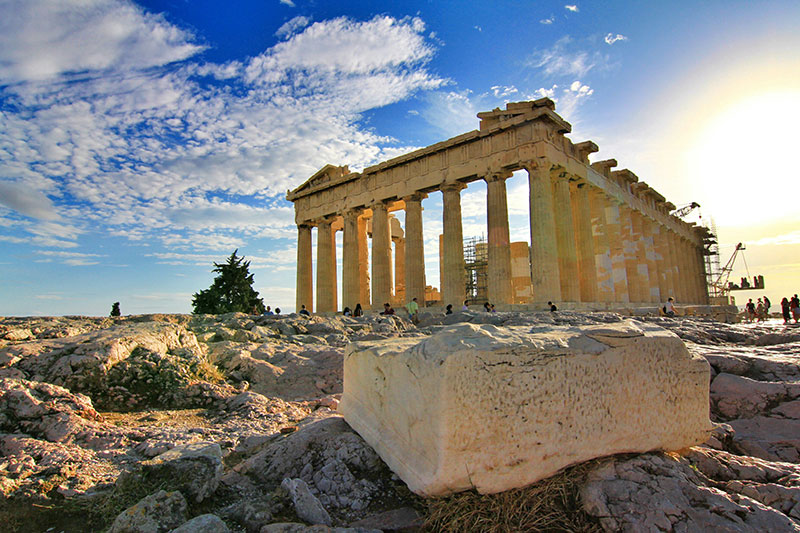
The Acropolis rewards an early visit, but shade is limited and the stone surfaces can be slippery.
Plan around heat, weather, and the terrain rather than treating them as minor inconveniences. Archaeological sites and hiking routes can close temporarily. Carry water, avoid exposed midday walks during extreme heat, and follow local instructions.
112 is the emergency number. Greece also uses 112 alerts for urgent public warnings. Keep your phone able to receive alerts and follow evacuation instructions. For outdoor plans, consult Greek Civil Protection and current local guidance.
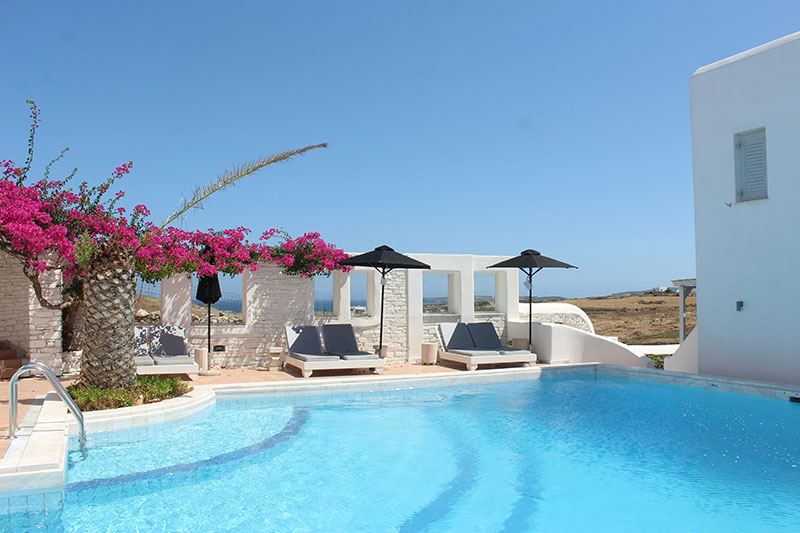
An island hotel should fit your daily routine. Check the walk to dinner, transport options, and the room’s actual outdoor space before booking.
These are researched options to compare, not a claim of personal stays. Rates vary considerably by room and season. Compare the final total, cancellation terms, breakfast, and accommodation fee.
| Property | Why consider it? | Best fit |
|---|---|---|
| Ergon House Athens | A food-focused hotel on Mitropoleos, with its market and dining concept downstairs. | A central city stay where food is part of the experience. Confirm you are booking this location, as the brand has several Athens properties. |
| Niche Hotel Athens | A boutique option near the Acropolis Museum with a rooftop restaurant. | Sightseeing convenience. Ask about room outlook and road noise. |
| Nissaki Beach Hotel, Naxos | An Agios Georgios beach location close to town. | Travelers who want beach access and town dinners in the same stay. |
| Kavos Boutique Hotel, Naxos | Sea views, gardens, and an on-site restaurant in the Stelida area. | A quieter setting, with a transport plan for town visits. |
| Casa Delfino, Chania | A historic boutique property in the old town. | A characterful splurge. Check luggage access and room-specific stairs. |
For better value, compare family-run studios around Agios Georgios on Naxos or a guesthouse near the edge of Nafplio’s old town. A kitchen, laundry access, and a good location can be more useful than a pool you rarely use. On Santorini, verify that “sea view” means the caldera view you actually want.
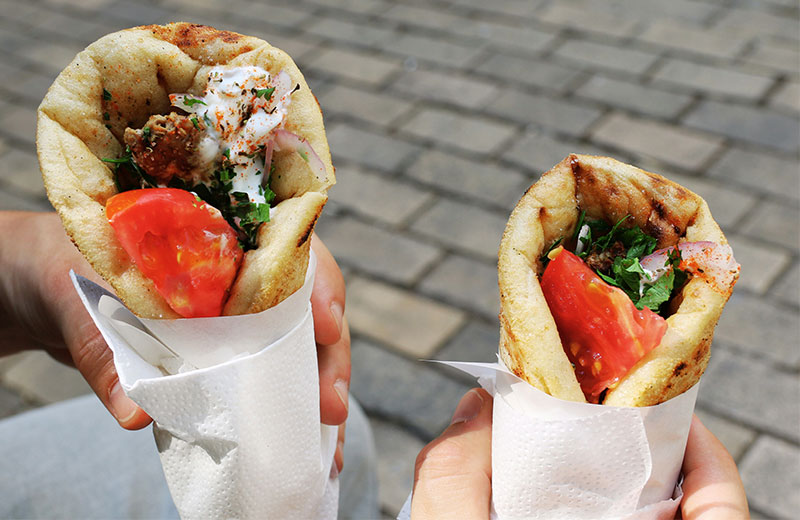
A gyro pita is a practical quick meal, but regional dishes are part of what makes traveling around Greece rewarding.
Greek food becomes more interesting when you order for the region. Ask what is cooked that day, what is local, and whether a dish is intended to share. A familiar-looking menu is not automatically bad, and waterfront restaurants are not automatically tourist traps. Judge the food, prices, and recent feedback rather than the presence of photographs on a menu.
Check current opening days and reserve popular dinners, especially on islands with short seasons. These suggestions are a starting list, not a reason to schedule every meal before leaving home.
| Place | What to try | Why it adds to the trip |
|---|---|---|
| Naxos | Local potatoes, graviera cheese, and kitron liqueur. | A reminder that the island has a farming identity as well as beaches. |
| Santorini | Fava, tomato fritters, and Assyrtiko wine. | A different meal from the standard gyro-and-salad routine. |
| Crete | Dakos, seasonal greens, local cheeses, and slow-cooked dishes. | The island’s food deserves as much attention as its famous beaches. |
| Across Greece | Gemista, bean dishes, vegetable pies, and seasonal produce. | Vegetarian eating can be varied. Ask about meat fillings, stocks, and dairy if relevant. |
Seafood tip: whole fish may be priced by weight. Confirm the price, approximate weight, and total before it is cooked. Also ask about bread or bottled water charges if you are budgeting closely.
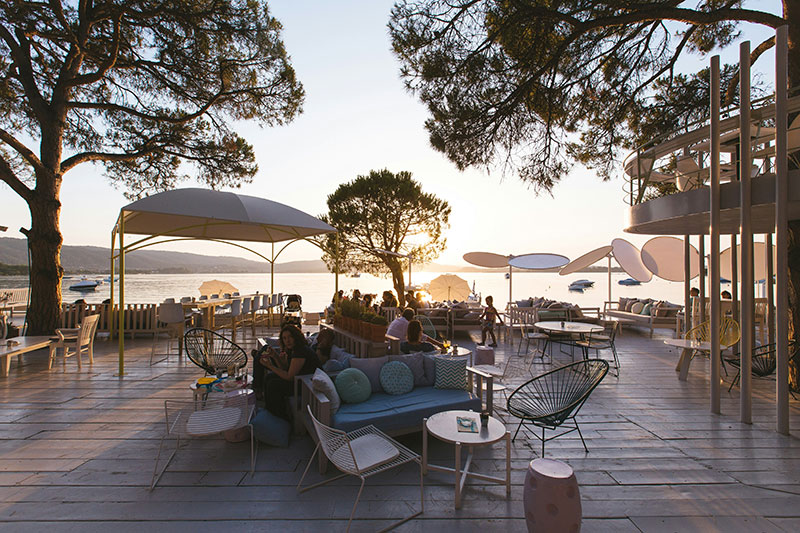
A design-focused hotel can be a worthwhile splurge. Balance the room rate against location, transport, meals, and seasonal accommodation fees.
The following are planning estimates, not live quotes. They work best for comparing trip styles. Santorini caldera rooms, Mykonos, peak August dates, premium beach clubs, and last-minute bookings can cost substantially more.
| Expense | Indicative allowance | Unit and assumptions |
|---|---|---|
| Bakery breakfast and coffee | €6 to €12 | Per person, simple order. |
| Quick pita meal and drink | €7 to €12 | Per person, takeaway or casual setting. |
| Taverna meal | €20 to €35 | Per person sharing some dishes, with modest drinks; premium fish excluded. |
| Simple private room or studio | €70 to €130 | Per room per night, often more achievable outside peak dates. |
| Comfortable midrange hotel | €130 to €250 | Per room per night; famous islands can exceed this range. |
| Boutique or view-focused splurge | €250 to €500+ | Per room per night; premium suites may be far higher. |
For two people sharing a room, a comfortable independent trip might start around €120 to €200 per person per day for lodging, food, routine local transport, and some sightseeing. Budget separately for international flights, inter-island travel, car rental, substantial tours, and accommodation fees. Solo travelers lose the shared-room saving.
The main hotel rates below are per room per night. Apartments do not all fall into the same legal category, so ask the host which rate applies rather than assuming every apartment is an ordinary short-term rental.
| Accommodation category | April to October | November to March |
|---|---|---|
| 1 or 2-star hotel | €2 | €0.50 |
| 3-star hotel | €5 | €1.50 |
| 4-star hotel | €10 | €3 |
| 5-star hotel | €15 | €4 |
| Ordinary short-term rental | €8 | €2 |
| Short-term rental detached house over 80 m² | €15 | €4 |
This is a summary of common categories, not every accommodation classification. Confirm your property’s rate and whether it is already included in the quoted total. A seven-night October stay in a four-star hotel adds €70 per room. See AADE’s official fee information.
Cards are widely useful, but carry some cash. When a terminal or ATM offers conversion into your home currency, compare carefully; paying in euros avoids the merchant’s dynamic currency conversion. Your own bank may still charge fees. Use a bank-operated ATM where practical and read the withdrawal charge before accepting.
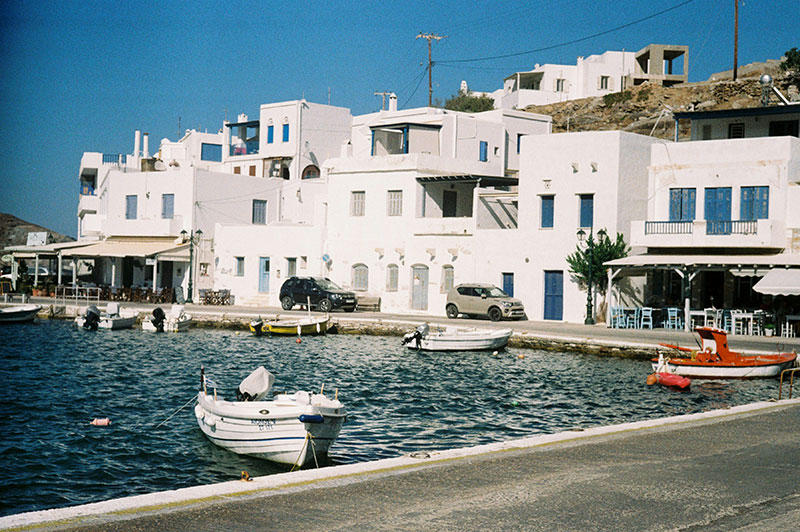
Leave room for the unplanned part of Greece: a harbor walk, a slow coffee, or another night in a place you enjoy.
Dinner often runs later than in northern Europe or North America, especially in summer, but you do not need to wait until 10 p.m. to eat. Meal times and service styles vary. Ask for the bill when you are ready rather than assuming it will arrive as soon as you finish.
| English | Greek transliteration | Use |
|---|---|---|
| Hello | Yia sas | A polite greeting. |
| Good morning | Kaliméra | Morning greeting. |
| Good evening | Kalispéra | Afternoon or evening greeting. |
| Please / You’re welcome | Parakaló | Requests or replying to thanks. |
| Thank you | Efcharistó | A useful word throughout the trip. |
For about a week, choose Athens and one island. For 10 to 14 days, one or two islands usually gives a better balance than changing hotels every other night. Crete can fill the whole vacation.
Choose Naxos for sandy beaches, inland villages, and local food. Choose Paros if attractive harbor towns and a livelier evening scene are priorities. Both can work without a car if you choose your base carefully and check bus schedules.
Three or four nights gives you time for the caldera, villages, archaeology, and a winery visit without rushing. Two nights can work for a brief stop, but it may leave only one full day. The right answer depends on why you are going.
It may be possible, but a ferry delay can put a separately booked flight at risk. Returning to the mainland the previous day is the more forgiving plan. Leave more time when a missed connection would be especially costly.
It can be, especially earlier in the month and farther south, but it is not guaranteed summer weather. Confirm seasonal openings and ferries, and choose a town with year-round life. Athens and mainland cultural routes are less dependent on beach weather.
At the October 10, 2026 review, the official EU website says ETIAS is not yet operating and applications are not open. Check the official site before departure because implementation details can change. EES is a separate border-registration system.
No. The Climate Crisis Resilience Fee is charged per room or rental unit per night, with the amount depending on category and season. Confirm the applicable rate with your property.
Do not plan on it. Beach landings and swimming in the cove are restricted for the 2026 season because of landslide risk. Ask about current permitted viewing options and follow local restrictions.
Build a practical route and a realistic budget before booking the individual pieces.
Think through connections, transfers, and travel days so your route works as a whole.
Plan for accommodation, everyday spending, transport, and the costs that are easy to overlook.