
Travel Planning Hub
Start here to plan your trip, compare options, and explore every TLGA planning guide.
Packing & Gear Guide
What to pack, what to skip, and how to build a lighter travel setup that works.

Home » Travel Planning »
Last updated: October 2026 by Corey Gasman
From the Editor:
A realistic travel budget is not about taking the cheapest trip possible. It is about knowing what your trip will cost, deciding where the money matters most, and avoiding the little fees that quietly eat into great meals, experiences, and extra days on the road.
This guide helps you estimate a trip’s total cost, create a practical daily travel budget, book smarter, manage cards and cash overseas, and leave enough of a buffer for the unexpected. If you are still building your itinerary, start with the Travel Planning Playbook first. Your destination, season, trip length, and travel style shape the budget more than any single “cheap travel” trick.
For strong value without sacrificing food, culture, scenery, or memorable experiences, I keep coming back to Southeast Asia, Mexico, Colombia, and parts of Southern Europe in the shoulder season. The key is to spend intentionally, not anxiously.
Travel prices, entry rules, exchange rates, and card terms change often. Use this page to plan your framework, then verify destination-specific details before you book.
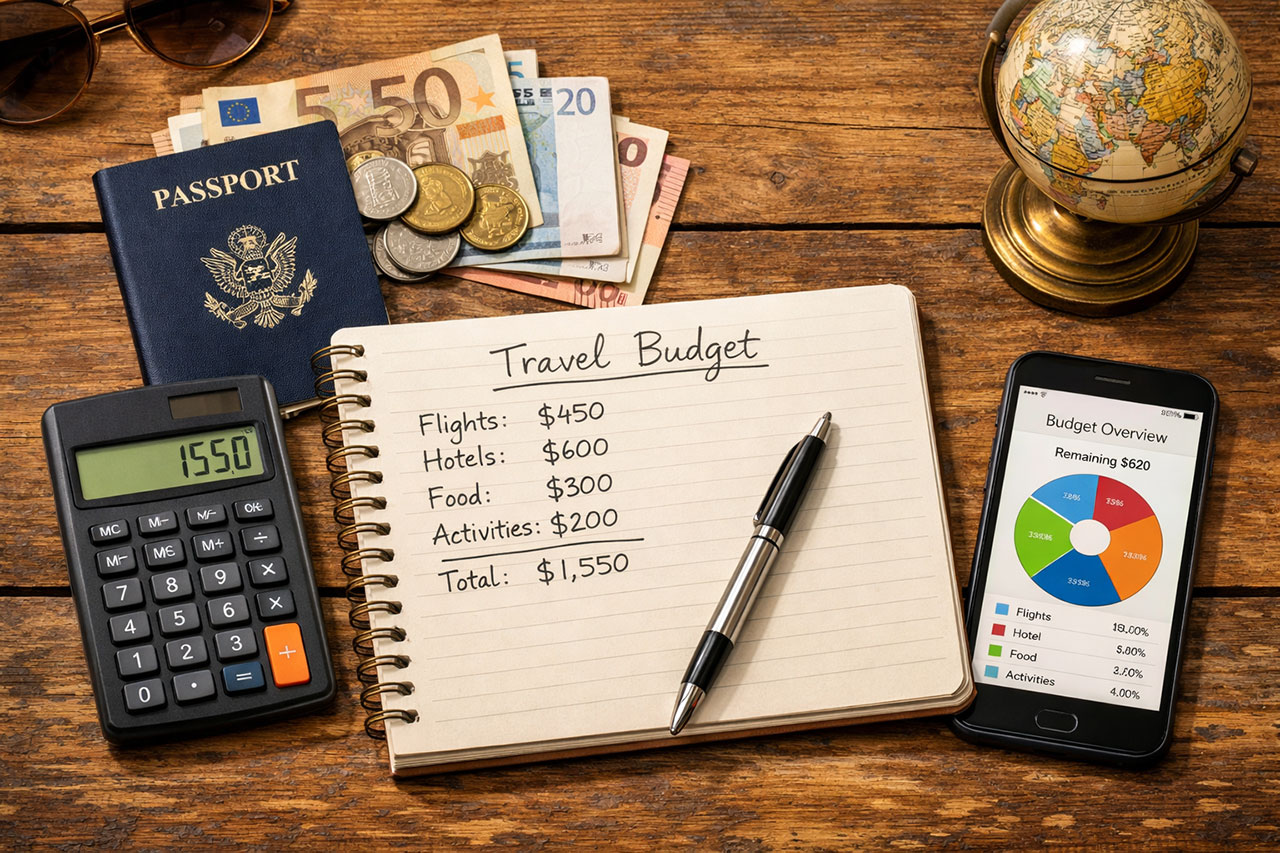
Most travelers underestimate a trip because they price the flight and hotel, then treat everything else as a vague daily number. A better travel budget separates costs you book before departure from costs that change day to day.
| Budget bucket | What to include | When to price it |
|---|---|---|
| Trip setup | Passport renewal, visas or entry authorizations, vaccinations, insurance, airport transfers, eSIM | Before booking nonrefundable travel |
| Big fixed costs | Flights, accommodation, rail passes, rental car, checked bags, reserved tours | Before you commit |
| Daily variable costs | Food and drinks, local transit, rideshares, attractions, tips, laundry, small purchases | Per day, with a flexible range |
| Contingency | Flight disruption, medical needs, a last-minute hotel, lost luggage, one great unplanned experience | Reserve separately |
Simple travel budget formula: flights + lodging + long-distance transport + daily spending + activities + insurance + entry fees + connectivity + contingency = your real trip total.
Some expenses are fixed, while food, drinks, transport, and entertainment can flex once you arrive. That is useful. It tells you where you can adjust if a hotel comes in high or you decide a bucket-list dinner is worth it.
I almost never sacrifice location. I would rather stay in a slightly smaller, well-reviewed hotel or apartment in a great neighborhood than save a little money by commuting through a city every day. Saving $25 to $50 a night can be meaningful, but so can being able to walk home after dinner.
Passport Rule: Check your passport expiration date as soon as you start planning. Entry rules vary, and many destinations expect several months of remaining validity. Confirm the official requirements for every country on your itinerary, including transit stops.

Planning for high-cost destinations like Iceland requires a strategic approach to booking and a clear understanding of local pricing to keep your budget on track.
Start with the amount you are genuinely comfortable spending, then work backward. A travel budget should feel exciting, not like a bill that follows you home. Consider current savings, income, upcoming obligations, and whether you want to keep a separate emergency cushion untouched.
Next, price a real version of the trip. Search your actual dates, not a random month. Pull a few hotels in neighborhoods you would truly stay in, check the cost of getting from the airport, and look up two or three activities you would be disappointed to miss. This turns a fantasy number into a useful plan.
When I am traveling abroad, I look at the price of a beer, coffee, or casual local lunch as a fast reality check on daily costs. Compare a few familiar things, not just one, and you will quickly feel whether a destination is a splurge, a value, or somewhere in the middle.
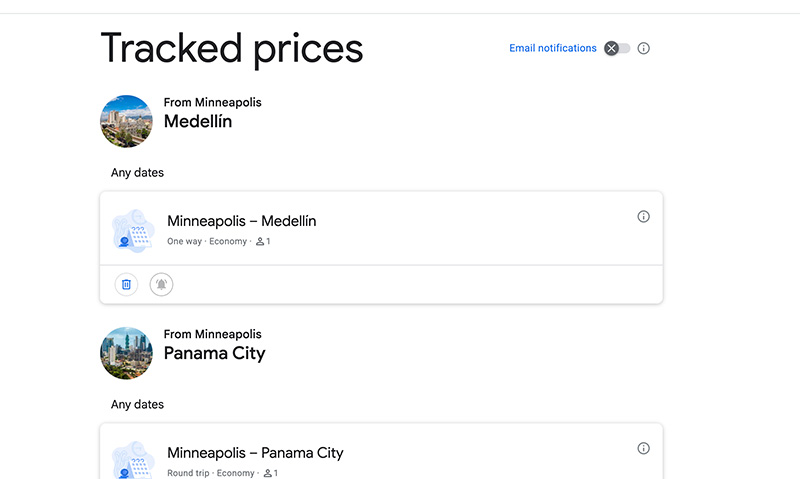
Using price alerts and flexible-date tools can help you make a better decision on one of your biggest trip costs.
Flights are often the biggest single expense, but there is no magic Tuesday, Wednesday, or weekend rule that reliably beats airline pricing. Fares move constantly based on route, season, demand, inventory, and competition. The smarter move is to track the exact trip you want and know your buy price.
Use Google Flights to compare dates, nearby airports, and flight lengths, then turn on price tracking for your specific dates or flexible dates. Skyscanner can be useful for broad comparisons too. When you find an itinerary you want, always compare the fare directly with the airline before booking through a third party.
For multi-city trips, price an open-jaw ticket before assuming two round trips are cheaper. Flying into one city and home from another can save you time, backtracking, and an extra transport day.
The earlier you begin saving, the more choices you have when it is time to book. A dedicated travel account and an automatic weekly or monthly transfer turn travel from a vague goal into a real line item in your life.
Look for savings that you can keep without making everyday life miserable. Redirect a few restaurant meals, unused subscriptions, impulse shopping, or part of a tax refund. If you get paid irregularly, move a percentage of each payment instead of relying on a fixed dollar amount.
| Saving habit | What it looks like | Why it works |
|---|---|---|
| Automatic transfer | Move money to travel savings every payday | The decision is made before you can spend it elsewhere |
| Round-up or windfall rule | Send spare change, bonuses, or a percentage of side income to the trip | Travel savings grow without a major lifestyle reset |
| One temporary tradeoff | Pause a habit for one month and move the savings | You can see a direct link between a small choice and a future experience |
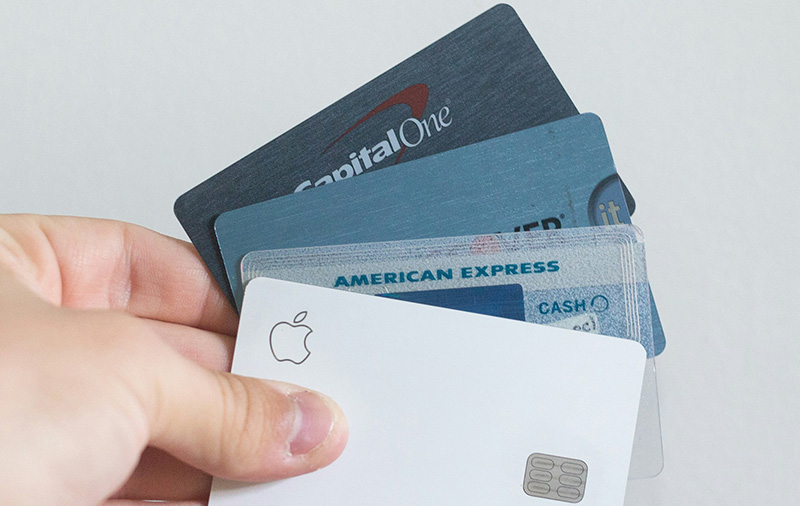
The right mix of cards, cash, and backup access matters more than chasing a complicated points strategy.
Most trips go more smoothly with a simple payment setup: one primary credit card with no foreign transaction fee, one backup card from a different bank, a debit card for cash, and a small amount of local currency when your destination is cash-heavy. Bring the cards you will actually use, not every card in your wallet.
Points and welcome bonuses can reduce a flight or hotel cost, but they are only a win if you pay the card in full and understand the annual fee, redemption rules, and insurance exclusions. Never spend more or carry expensive debt just to earn travel rewards.
| What to carry | Best use | Check before departure |
|---|---|---|
| No-foreign-transaction-fee credit card | Hotels, restaurants, attractions, larger purchases | Foreign transaction fee, payment network acceptance, card controls, PIN needs |
| Backup card from another issuer | A lost card, fraud alert, or bank outage | Online access, emergency contact number, and a separate place to carry it |
| Debit card for ATM cash | Local currency for transit, markets, tips, and small cash-only purchases | ATM fees, daily withdrawal limit, lock or unlock controls, international use settings |
| Small emergency cash reserve | First arrival, a card outage, or an emergency | Keep it separate from your day-to-day wallet and use a sensible amount for the destination |
Add your cards to Apple Pay or Google Pay before you leave, but do not rely on a phone alone. A dead battery, a lost phone, or a merchant with an older terminal is exactly why a physical card and a backup card still matter.

A bank-affiliated ATM and the right currency choice can protect your budget from unnecessary conversion markups.
Use a currency converter such as XE Currency Converter to learn the approximate rate before you go. You do not need to memorize it. Know a few easy mental shortcuts so you can spot an absurdly expensive taxi, exchange counter, or restaurant bill.
For most travelers, a bank-affiliated ATM is a better starting point than an airport exchange counter. Use machines in a bank branch or a well-lit, reputable location when possible. Withdraw a reasonable amount for the next few days, not your whole trip budget.
When a card terminal or ATM asks whether you want to pay in U.S. dollars or local currency, normally choose local currency. The offer to convert to your home currency is called dynamic currency conversion, and it can include a weaker exchange rate or an extra markup. Your card issuer may still charge its own foreign transaction fee, which is why the card you bring matters.
Never use a credit card for an ATM cash advance unless it is a true emergency. Cash advances can trigger separate fees and interest rules. Use a debit card for cash withdrawals and a credit card for purchases.
Accommodation is often the largest cost after flights. Focus on value, not the lowest nightly rate. A cheaper property far from the action can add daily transit costs, longer travel days, and fewer spontaneous meals or drinks in the neighborhoods you came to experience.
When comparing hotels, hostels, guesthouses, and vacation rentals, check the final price after taxes, cleaning fees, resort fees, parking, breakfast, and cancellation terms. For short stays, a hotel can beat a rental once extra fees are added. For longer stays, a kitchen, laundry, and walkable location may save real money.
Budget ground transportation separately: airport transfer, intercity trains or flights, rental-car fuel and tolls, local transit passes, taxis, and rideshares. Booking popular long-distance trains and ferries early can help, but do not buy a rail pass until you compare it with individual tickets for your actual route.
Ignore anyone offering rides before you reach the official taxi stand or rideshare pickup zone. Use the licensed taxi queue, a reputable app, or your hotel’s recommendation, and confirm the fare or meter policy before you get in.
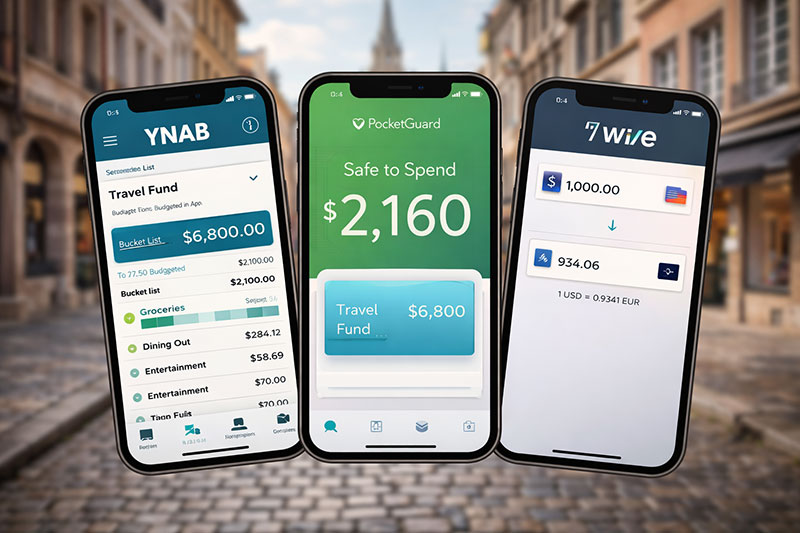
A quick daily check-in keeps a travel budget useful without making the trip feel like homework.
Dividing the flexible portion of your budget into a daily amount prevents a great first weekend from quietly blowing up the rest of the trip. Do not make it a hard cap. Build in a range because a museum day, a beach day, and a big dinner day should not cost the same.
Use whatever you will actually stick with: a budgeting app, a shared spreadsheet, a note on your phone, or a five-minute review each evening. Track only a few buckets: food and drinks, local transportation, activities, shopping, and group expenses. If you are running high, adjust tomorrow instead of feeling guilty about yesterday.
Keep a short “worth it” list. A great meal, local guide, show, or hotel upgrade can be exactly why you traveled. Cut the forgettable expenses first, not the experiences you will talk about for years.
Traveling with friends or family requires a budget conversation before anyone books. Mismatched expectations, not the actual number, are what create friction. One traveler may want boutique hotels and wine bars, while another is happy with a hostel and street food. Neither is wrong, but the plan has to be clear.
Talk through the big choices early: accommodation level, room-sharing, flights, pace, paid activities, dinners, and how much free time people can take without offending the group. Agree on a rough daily range and identify the one or two splurges that matter most.
For shared costs, use an app such as Splitwise or Tricount, and settle up once or twice during a longer trip instead of waiting until everyone is tired and heading to the airport.
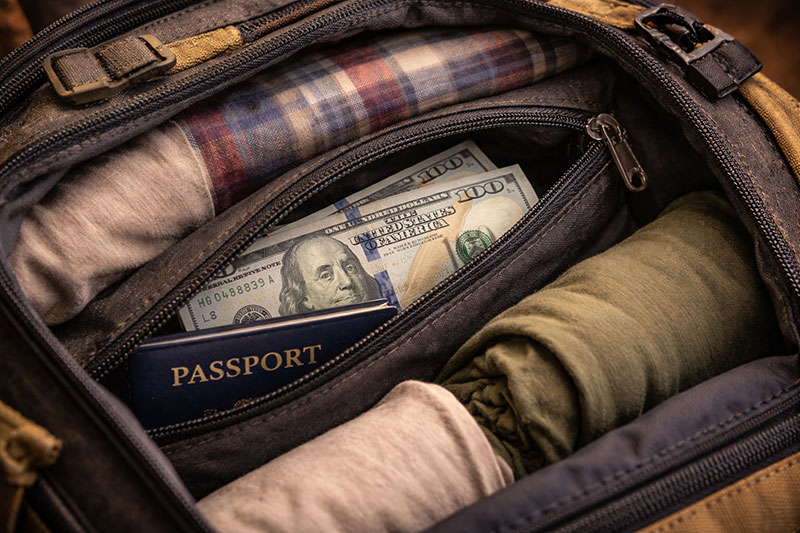
Travel insurance and an emergency reserve are the boring line items that protect the fun parts of the trip.
Travel insurance is not one thing. A policy may cover trip cancellation, interruption, medical care, baggage, rental cars, or emergency evacuation, and each can have different limits and exclusions. Your regular health insurance, Medicare, credit card benefits, and airline protections may not cover the same risks.
Before buying a policy, check whether it covers the destinations and activities on your trip, pre-existing medical conditions, emergency medical care, evacuation, trip delay, and the things you have already paid for. The U.S. Department of State’s travel insurance guidance is a good reminder to verify medical and evacuation coverage, not just cancellation benefits.
Keep a separate emergency reserve that you do not treat as spending money. The amount depends on your trip, but it should cover a surprise hotel night, a changed flight, a medical deductible, or getting to a safer location. Make sure a trusted person at home can help if you lose access to your accounts.
Keep a small emergency cash reserve separate from your wallet, plus digital copies of your passport, insurance policy, cards, and emergency contacts in a secure location you can access if your phone is lost.
A solid budget can disappear quickly through small scams, bad exchange rates, and pressure purchases. Common issues include unmetered taxis, a “helpful” stranger steering you to an expensive shop, fake ticket sellers, card skimmers, menu prices that change at the table, and supposedly free gifts that turn into demands for payment.
Agree on the price before accepting a ride or service, use official ticket desks or the attraction’s website, and read the menu price before sitting down in a tourist-heavy area. Keep your card in sight when possible, cover the keypad, and turn on transaction alerts before leaving home.
If a taxi driver says the meter is broken, politely leave and find another cab. The same goes for an ATM or card terminal that feels off. Your discomfort is usually enough information to walk away.
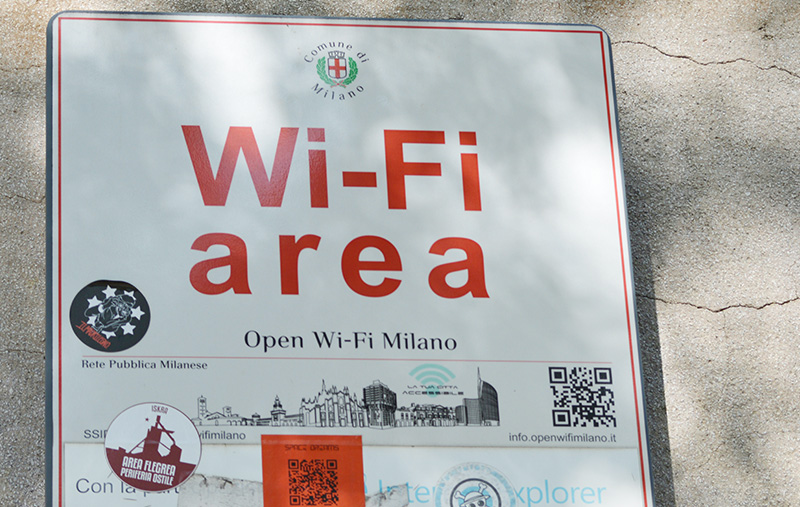
Local data can be a better value than paying a daily international-roaming charge, but read the activation rules before you install an eSIM.
Phone data is a travel cost that is easy to forget until the bill arrives. Compare your carrier’s international plan with a local SIM or travel eSIM before departure. The right option depends on your destination, trip length, phone compatibility, how much data you use, and whether you need a local phone number.
If you use an eSIM, make sure your phone is unlocked and compatible. Download it over reliable Wi-Fi before leaving if the provider allows it, but read the activation rules carefully. Some plans start their clock at installation, while others begin only when they first connect to a supported network.
Download offline maps, boarding passes, translation packs, and the addresses of your first hotel and airport-transfer option before you fly. That gives you a backup even if the eSIM takes a few minutes to connect after landing.
Use Wi-Fi for large uploads and video calls, turn off background data for apps that do not need it, and keep a small data buffer for your last travel day. You will want maps, a rideshare, and airline updates when plans change.
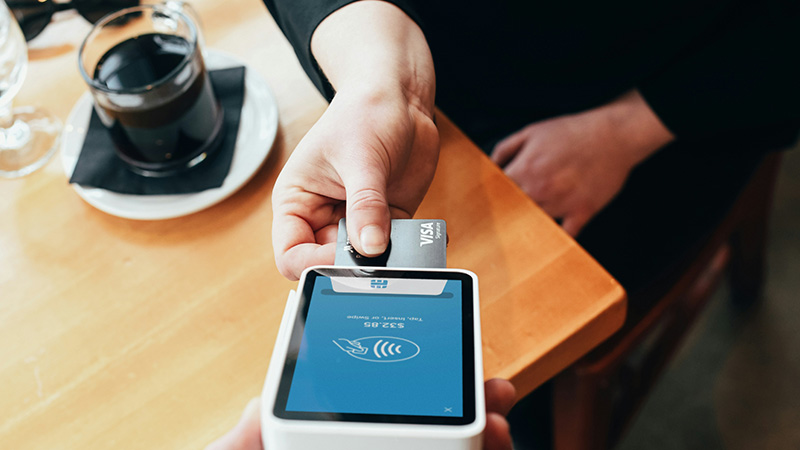
Tipping expectations vary by country, city, and type of service, so a quick destination-specific check helps you budget accurately.
Tipping is one of the easiest ways to accidentally overspend abroad. United States expectations do not apply everywhere. In many destinations, service is included, rounding up is normal, or a modest tip is appreciated only for certain services.
Research your specific destination before you go, then look at the bill when you arrive. Terms such as service charge, coperto, couvert, or gratuity can mean a fee has already been added, though the details vary. Hotels, guides, taxis, and restaurants may have very different local norms.
Build tips into your daily budget, but do not feel pressure to apply American percentages automatically. A few minutes of destination research will help you be generous when it is appropriate and avoid paying twice when service is already included.

Eating a few blocks away from major landmarks is a simple way to find better value and a more local experience.
Traveling on a budget does not mean making every choice based on price. The best savings tend to come from a few high-impact decisions: travel outside the busiest dates, stay longer in fewer places, use public transportation, mix paid attractions with free wandering, and eat where the city actually eats.
In high-traffic destinations, walk three to five blocks away from the big landmark before choosing a restaurant. You will often find better value, better meals, and a more interesting room. If a place has someone outside working hard to pull you in, keep walking.
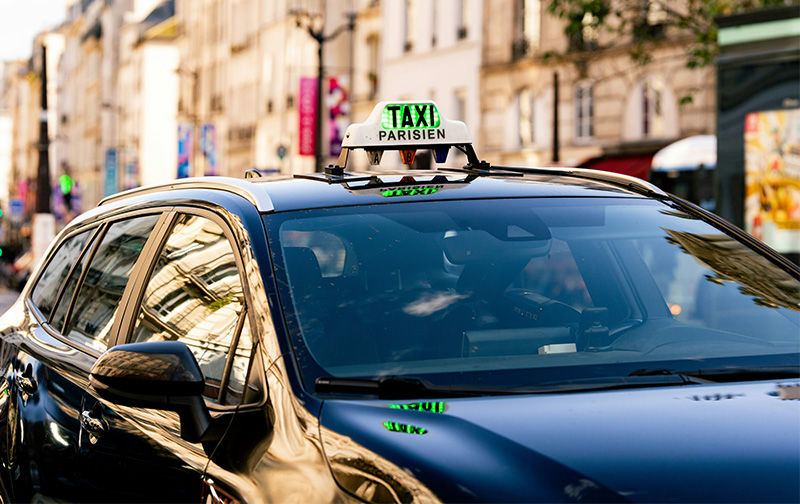
A small fund for arrival-day transport, connectivity, local taxes, and cash-only purchases prevents unexpected costs from throwing off the plan.
These are the small but real expenses that travelers often miss when they build a budget from flights and hotel rates alone. Price them before you book, especially for a multi-country itinerary.
These are planning ranges for an independent traveler, per person, per day, in U.S. dollars. They assume a shared mid-range room, local meals, normal city transportation, and a basic paid activity or two. They do not include international flights, and prices climb during festivals, school holidays, major events, or peak beach and ski season.
Use this as a starting point, then replace it with real prices for your travel dates and preferred neighborhood. A solo hotel room, luxury stay, frequent cocktails, private transfers, or a very short itinerary can push any destination well above the range.
| Region | Practical daily planning range | Best-value approach |
|---|---|---|
| Southeast Asia | $55 to $130 | Vietnam or Thailand for food and city value, with more room for Bali islands and resort areas |
| Mexico, Central America & Colombia | $75 to $170 | Travel outside major resort weeks and use local buses or ride apps where practical |
| Southern Europe | $135 to $260 | Shoulder season, fewer city changes, and a mix of markets, cafés, and standout dinners |
| Japan | $145 to $275 | Book hotels early, use local transit, and compare individual train tickets with passes |
| Scandinavia | $220 to $400+ | Prioritize location, plan restaurant meals, and build in more self-catered breakfasts or lunches |
| United States & Canada | $220 to $425+ | Stay longer in fewer places, book centrally, and watch parking, resort, and rental-car fees |
Street food and market meals can be both a great value and a great part of the trip. Look for busy stalls with local customers, food cooked to order, and sensible hygiene. The goal is not simply cheap food, it is food you are excited to eat.

Setting aside money regularly makes travel more achievable, turning a dream trip into a date on the calendar.
If a big travel fund feels overwhelming, choose one recurring convenience cost for one month, such as a daily coffee, delivery order, or unused subscription. Move that exact amount to a dedicated travel account instead.
The point is not to eliminate every small pleasure. It is to make your travel goal visible. A consistent $6 a day becomes $180 in a month and $2,190 in a year, enough to meaningfully change your airfare, hotel choices, or time on the road.
Give the account a name that makes the trip feel real, not generic. “Japan 2027” or “Three Weeks in Mexico” is a lot harder to raid for random spending than “Savings.”
The best travel budget gives you freedom. It tells you what you can comfortably spend, protects you when plans shift, and lets you say yes to the experiences that make a place memorable. Plan the big costs, watch the hidden fees, carry a smart payment setup, and leave enough room for a little spontaneity.
Practical guides on planning, packing, safety, budgeting, and travel lifestyle so your trip runs smoother from the start.

START HERE
Build a smarter trip from the start with a practical framework for timing, logistics, and decision-making.
Read More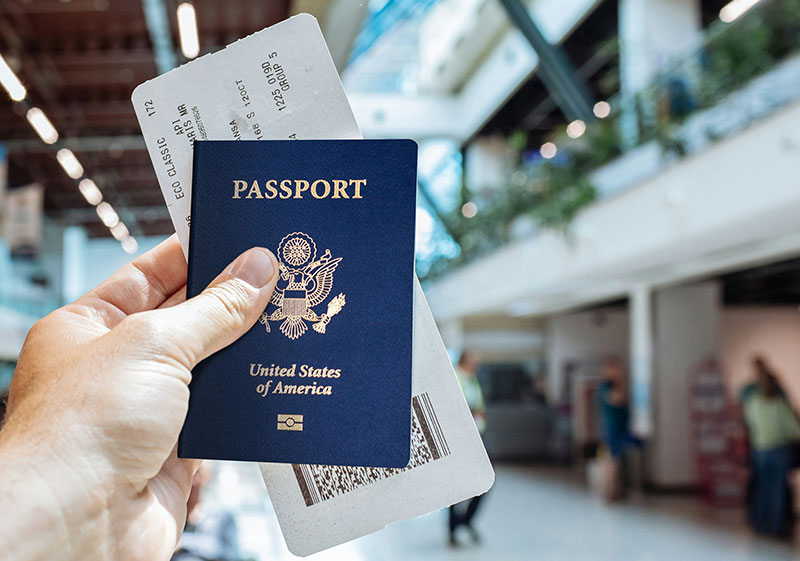
FIRST TIME ABROAD
A practical starting point for passports, logistics, money, and landing abroad with less stress.
Read More PACKING & GEAR
Pack lighter, bring what actually matters, and avoid the gear and clothing mistakes that slow trips down.
Read More STAYING SAFE
Practical habits that help you stay alert, organized, and more confident when navigating unfamiliar places.
Read More
TRAVEL LIFESTYLE
Explore different ways to travel, from retirement and slow travel to nomad life and long-term living abroad.
Read MoreAdd every fixed cost first: flights, accommodation, insurance, entry fees, and reserved transportation. Then estimate daily spending for food, local transit, activities, and tips. Add a 10 to 20 percent contingency buffer, depending on the length and complexity of the trip.
It depends on destination, season, whether you share a room, and how you like to travel. Use the regional guide above as a starting range, then price a real hotel, meals, airport transfer, and two activities for your dates before setting a final number.
Use both. A no-foreign-transaction-fee credit card is usually useful for larger purchases, while a debit card lets you withdraw local cash for places that do not take cards. Bring a backup card from another bank and keep a small emergency reserve separately.
Normally choose local currency. If an ATM or terminal offers to convert the purchase to U.S. dollars, it may be adding a markup through dynamic currency conversion. Check the screen and let your card issuer handle the conversion instead.
Review coverage as soon as you make your first nonrefundable payment. Buying early may matter for certain benefits, but policies vary widely. Check medical coverage, evacuation, trip interruption, pre-existing-condition rules, and the activities and countries you plan to visit.
Common misses include entry authorizations, tourist taxes, checked-bag fees, airport transfers, eSIMs, laundry, tips, foreign transaction fees, ATM charges, travel insurance, and a buffer for a changed flight or surprise hotel night.