
Travel Planning Hub
Start here to plan your trip, compare options, and explore every TLGA planning guide.
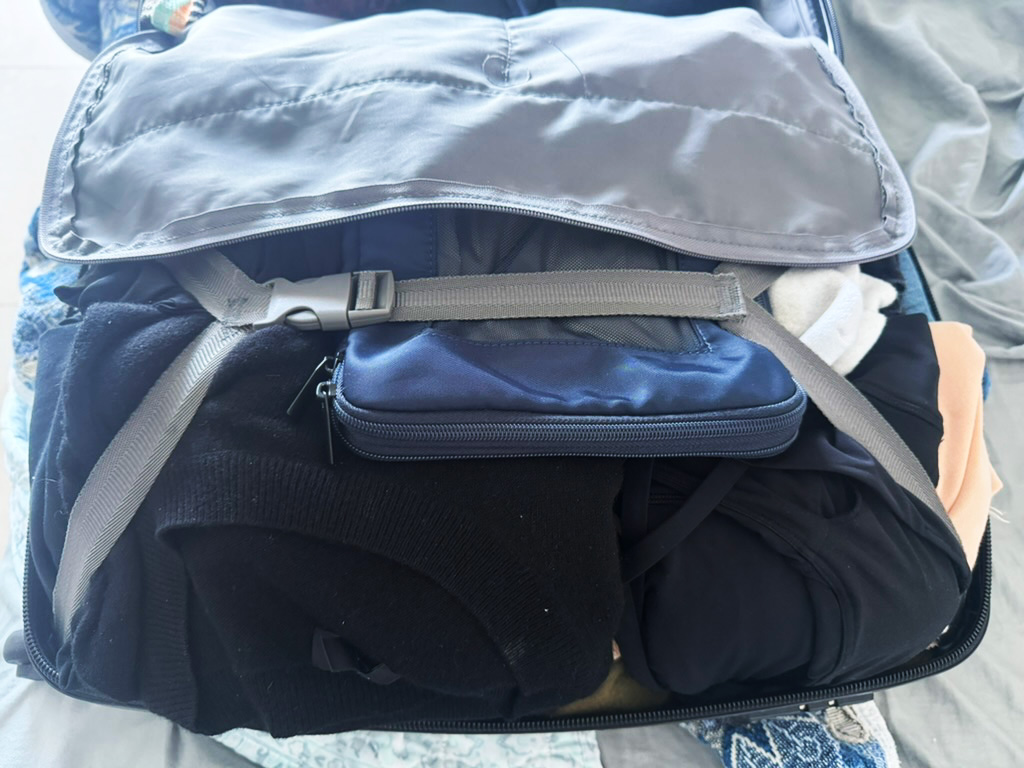
Packing & Gear Guide
What to pack, what to skip, and how to build a lighter travel setup that works.



Last updated: October 2026 by Corey Gasman
From the Editor:
In 2004-05, I left a job I liked, bought a round-the-world ticket with my friend Rob, and spent a year living out of a backpack through Europe, Africa, Asia, and Oceania. That trip taught me that you do not need a perfect itinerary to go far, but you do need a few smart systems.
This guide is built to help you plan the big pieces well: timeline, route strategy, budget, flights, visas, insurance, tech, health, packing, and the checklists that matter once the trip becomes real.
You will not find a rigid day-by-day plan here. Long trips rarely work that way. Flights change, energy changes, budgets change, and sometimes a place is so good you stay longer than planned.
Simple rule: Plan the essentials. Leave space for the life-changing part.
Around-the-world travel sounds massive, but the planning gets easier when you stop trying to solve the entire year at once. Start with your first region, your first week, your budget range, your documents, and the basic tools that keep the trip moving.
The goal is not to control every detail. The goal is to build enough structure that the trip can flex without falling apart.
Planning first? Start with the broader Travel Planning Hub or the Travel Planning Playbook.
TLGA Rule: A long trip does not need a perfect country list. It needs a realistic pace, a money plan, and room to adjust.
Read: Travel Packing Guide

Long-term travel works best when you plan the essentials and stop trying to lock in every detail at once.
Most people get stuck because they try to solve everything up front: the perfect route, the perfect season, the perfect budget, and the perfect bag. That is not how long trips work.
A better approach is to plan in layers so the trip has shape, but still has enough flexibility to survive real life.
Start with a few broad regions that fit your budget, weather preferences, and travel style. That gives you structure without forcing you to decide every border crossing months in advance.
Local Guide Tip: Long-term travel is less about hacks and more about having repeatable habits for money, documents, health, packing, and decision-making.

The best long trips are planned with structure up front and flexibility built into the middle.
This timeline works whether you are leaving in a year or pulling everything together much faster. If your departure is soon, compress it. If you have more time, spread it out and reduce the stress.
Pro Tip: If your trip starts smoothly, the whole first month feels easier. Book the first flight, first stay, and first airport transfer before worrying about month eight.
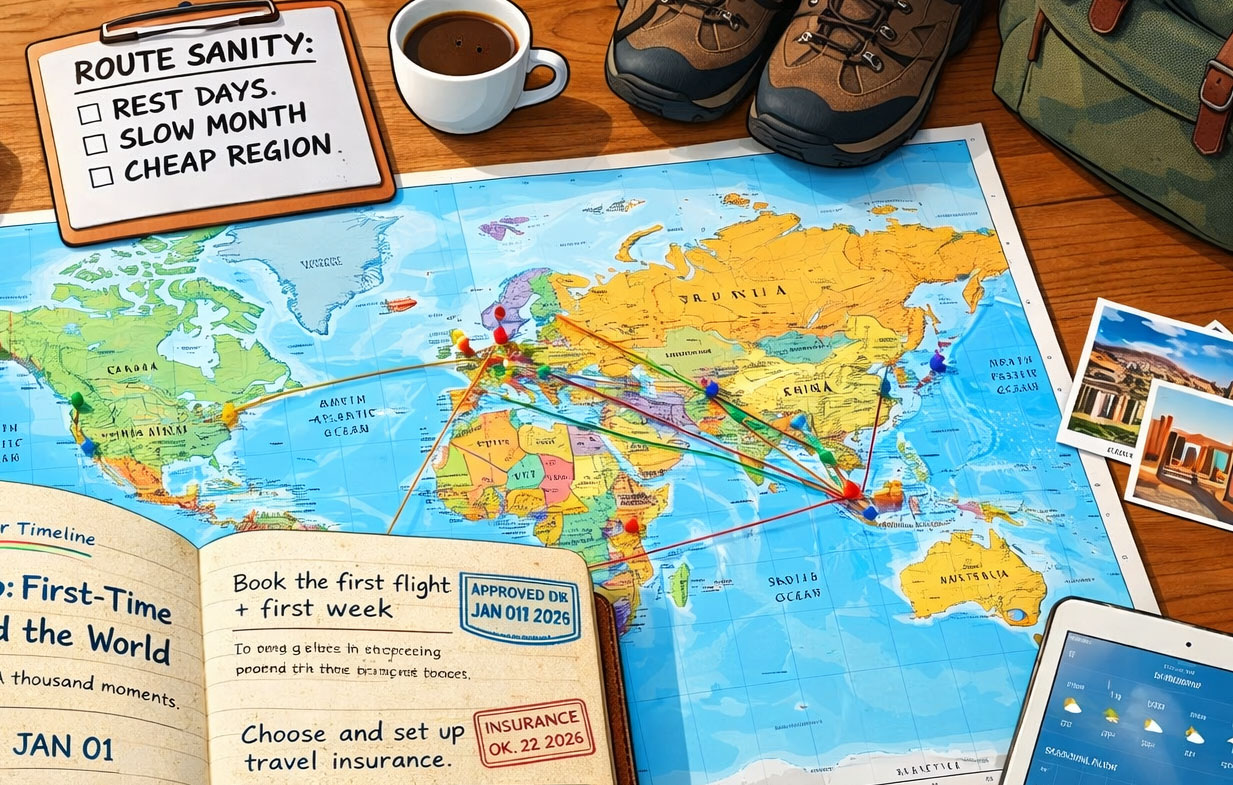
Route planning gets easier when you focus on seasons, pace, and energy instead of chasing the longest possible country list.
This is where many first-time long-term travelers spiral. They try to answer every route question before the trip even starts.
A better question is this: what do you want this year to do for you?
Move with the weather instead of fighting it. Warm winters, shoulder seasons in expensive regions, and slower base months in affordable places usually make the trip better and cheaper.
Route sanity checklist
My pacing rule: If you are exhausted, slow down. That is not failure. That is long-term travel.
Around-the-world budgets vary wildly based on comfort, pace, and destination mix. Instead of chasing one magic number, build a monthly plan that can flex as the trip changes.
Carry at least two cards that work internationally, ideally from different issuers, and keep them in different places. Assume one will get lost, locked, or compromised at some point.
Pro Tip: Fast travel costs more than most people expect. Every move day creates extra spending, extra stress, and extra opportunities for fatigue.
For the full money breakdown, read the Travel Budget Guide.
For official U.S. traveler information, check the U.S. Department of State travel site.
For destination-specific health guidance, check the CDC Travelers’ Health site.
Keep this simple: smooth arrivals matter more than perfect deals. Book the first landing well, know how you are getting from the airport, and have your first nights easy.
For transportation planning, read Getting Around Abroad. For flight planning, read How to Find Great Flights.
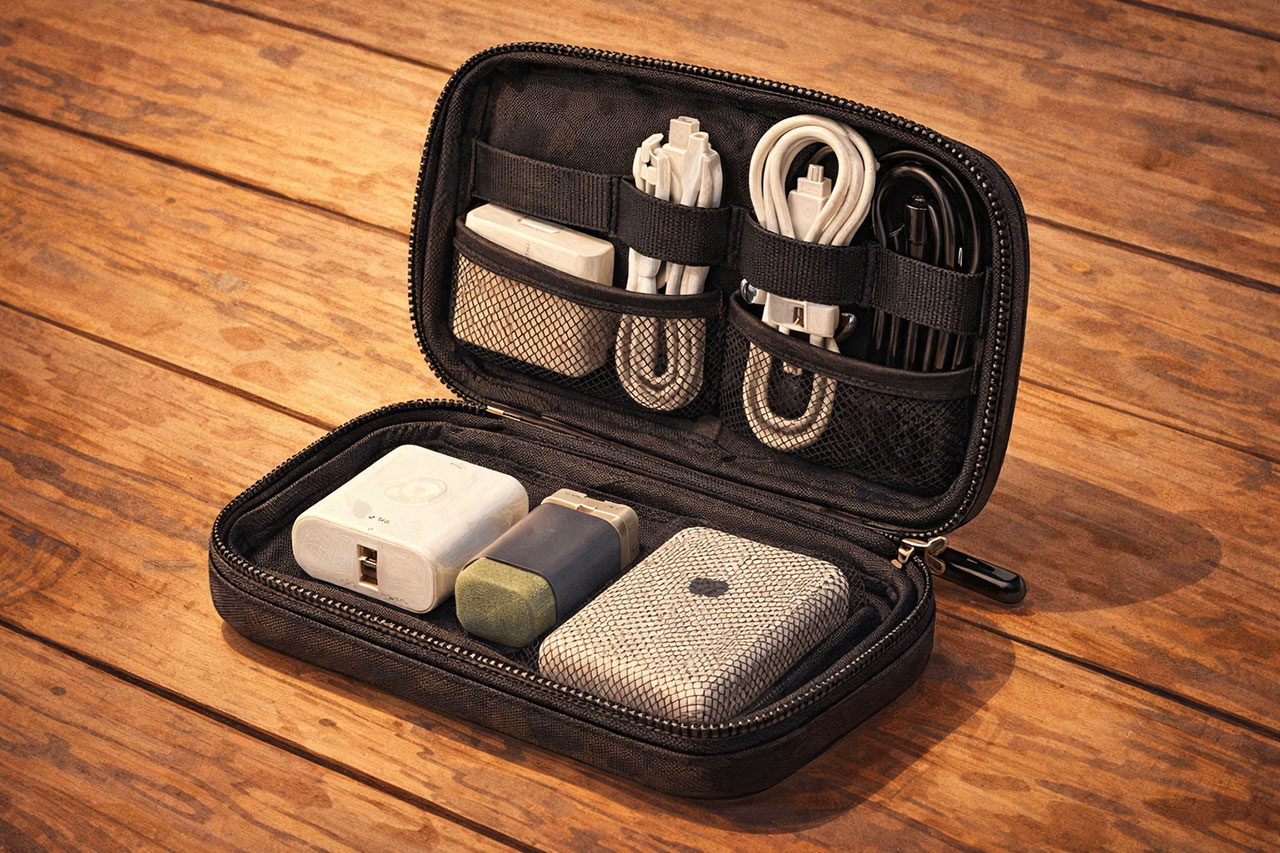
A modular tech setup makes airport days, work sessions, and constant charging much easier on a long trip.
Your tech is not just gear. It is your map, boarding pass, camera, bank access, communication tool, and backup brain. Keep it organized and easy to reach.
Local Guide Tip: Think in layers: one small pouch for transit, one larger kit for longer stays. That keeps airports easy and apartments organized.
For more help building a clean setup, read the Best Tech Organizers guide and the Best Travel Chargers guide.

A pre-trip health plan matters more on a long trip because small issues become much harder when you are constantly moving.
For a long trip, your health plan is not only about vaccines. It is about reducing preventable problems and making sure you can handle routine issues while far from home.
Pro Tip: A long trip gets easier when you treat health like part of trip planning instead of a last-minute task. The basics matter more than most travelers think.
Overpacking is one of the fastest ways to make a dream trip feel heavier than it needs to. Your goal is not to bring everything. Your goal is to stay adaptable, comfortable, and mobile.
Carry-on vs checked bag
If you can do carry-on only, life gets easier. If you need a checked bag, build your setup around that reality and keep essentials with you.
Best test: live out of your packed bag at home for a week before departure.
For more packing help, read the Travel Packing Guide, One Bag Travel Guide, and What to Pack for Every Trip.
If you have been dreaming about a long trip for a long time, here is the truth: it will probably never feel perfectly ready. The travelers who go are usually the ones who book the first step and figure out the rest with a little structure and a lot of adjustment along the way.
Start with the first region, the first week, and the routines that keep the rest of the year manageable.
Everything you need to plan smarter, pack better, stay safer, and travel with more confidence.
These are the main starting points for planning a better trip, packing lighter, and staying safer abroad.
ALL GUIDES
Browse the full collection of travel planning guides covering timing, packing, budgeting, safety, and smarter decisions before you go.
Read More
STEP-BY-STEP GUIDE
A practical, step-by-step approach to planning a smoother, smarter trip from start to finish.
Read More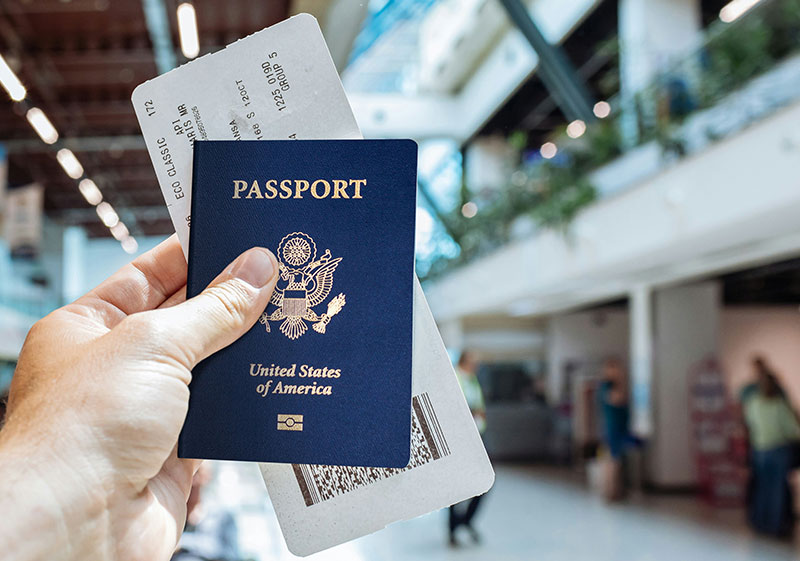
NEW TO INTERNATIONAL TRAVEL
A clear, beginner-friendly guide to passports, flights, money, and what to expect when traveling abroad.
Read More STAY SAFE
Practical habits that help you stay alert, organized, and more confident in unfamiliar places.
Read MoreBook the first flight and the first stay so you land smoothly. After that, flexibility usually beats locking in too much too early.
Not always. Some travelers love them, but many people do better booking major region jumps and staying flexible inside each region.
Slow down on purpose. Stay longer, build base months, and stop treating every day like it needs to be productive or exciting.
Moving too fast. It costs more, creates more fatigue, and usually makes the trip blur together.
There is no perfect number. Fewer places with more depth often create a better experience than chasing the biggest count possible.
It can be, especially when you build smart habits for money, documents, health, communication, and recovery. Start with the Travel Safety Guide before you go.