Travel Planning Hub
Start here to plan your trip, compare options, and explore every TLGA planning guide.
Packing & Gear Guide
What to pack, what to skip, and how to build a lighter travel setup that works.

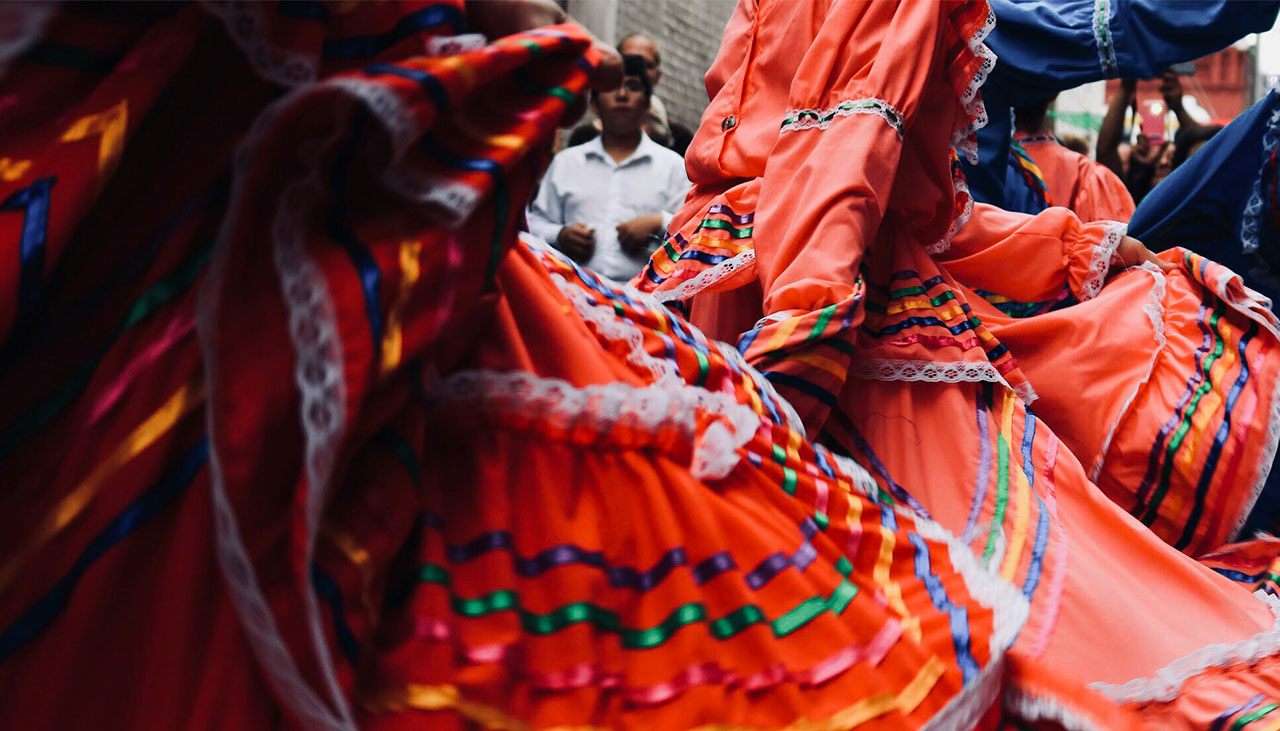
The heartbeat of Mexico is found in its traditions. Watching a Ballet Folklórico performance, where every swirl of a colorful dress tells a story of regional pride and history.
Last updated: January 2026 by Corey Gasman
From the Editor:
Mexico is my most frequent escape. Whether it is a month-long stay in Mazatlán for the winter, a quick trip down to Puerto Vallarta, or diving into the street food scene, this country rewards travelers who explore beyond the resort buffets.
Mexico is not one destination, it is many. Beach towns, big cities, quiet long-stay communities, and food regions that could be their own travel plans. A week in the wrong neighborhood can feel frustrating, while a month in the right one can feel effortless. Use this guide to build a trip that actually fits how you like to travel.
Mexico feels vibrant, lived-in, and dynamic. It can be easy and comfortable when you plan around local systems, and it can feel chaotic when you expect every place to run like a resort zone. Flexibility goes a long way here.
A quick arrival-day lesson from the road:
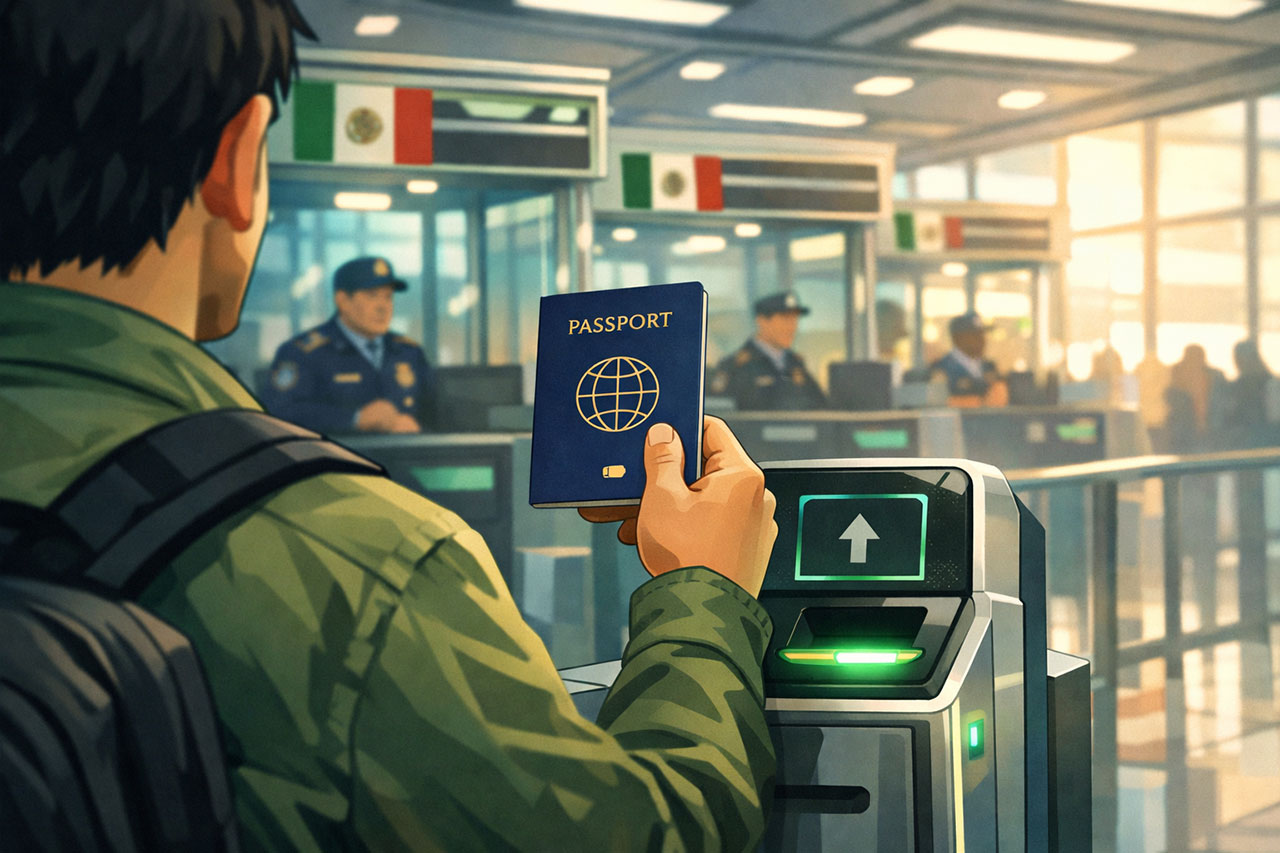
When you land at major hubs like Cancún or CDMX, patience is your best tool. New digital immigration kiosks are speeding up entry, but lines can still swell.
The takeaway: Always pre-book your airport transport. Do not wing it at the taxi stands. Pre-arranging a transfer removes the biggest stress point of day one.
TLGA Rule: Mexico rewards intention. The experience you have depends far more on where and how you travel than how long you stay. Pick a travel style first, then a destination.
Start here: Where to Stay in Mexico (Destinations Guide)
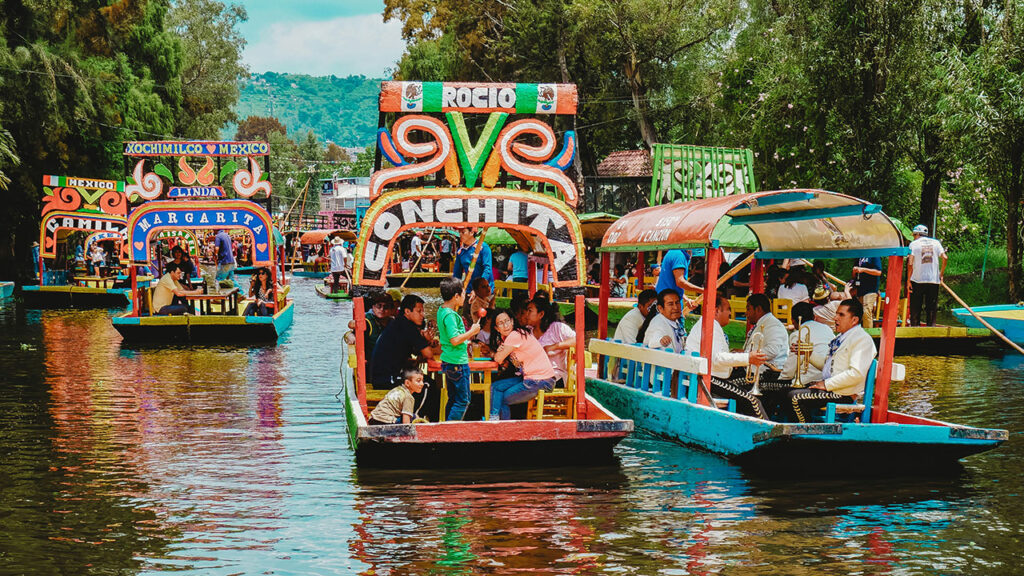
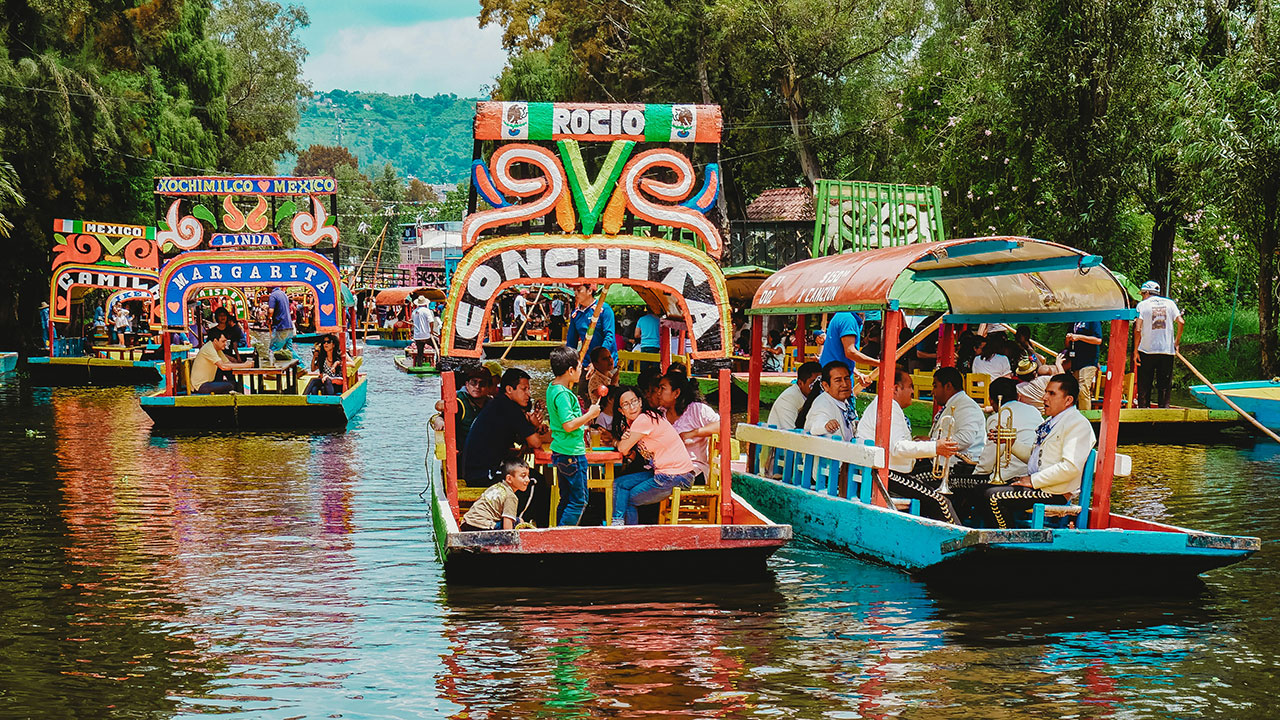
The floating gardens of Xochimilco are a UNESCO World Heritage site and a popular weekend destination for locals and tourists alike.
Mexico is a strong fit for travelers who want culture, exceptional food, solid infrastructure, and good value, especially for longer stays. It rewards curiosity and repeat visits more than checklist tourism.
The Tren Maya now connects major archaeological sites (including Chichén Itzá and Palenque) with beach towns like Tulum and Playa del Carmen across multiple southeastern states. On longer routes, select services include onboard dining, and sleeper-style cars have begun operating on extended segments.
Mexico is a host nation for the 2026 FIFA World Cup. Expect ongoing infrastructure projects, increased demand, and higher hotel prices in host cities including Mexico City, Guadalajara, and Monterrey, particularly around match dates.
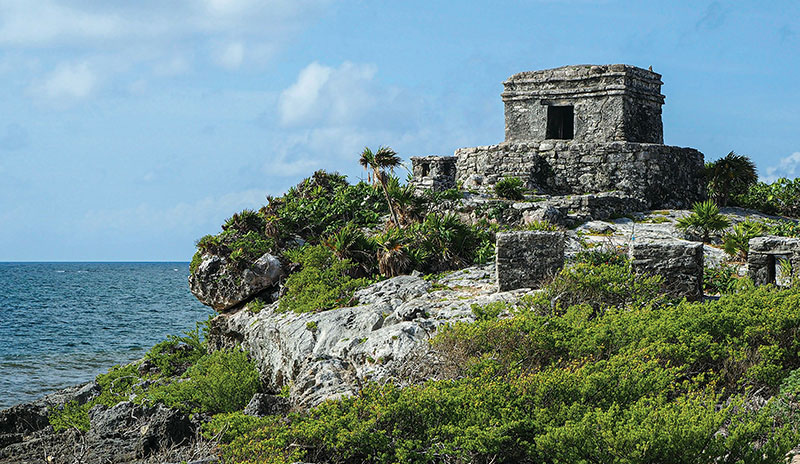
Ancient history meets Caribbean paradise at the Tulum ruins, where 13th-century Mayan structures overlook the turquoise waters of the Riviera Maya.
Decide what your best days look like, then pick bases that support those days.

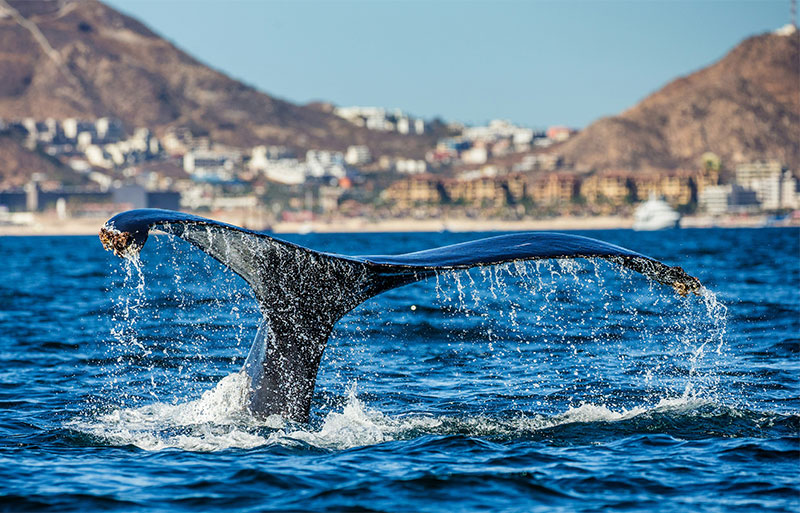
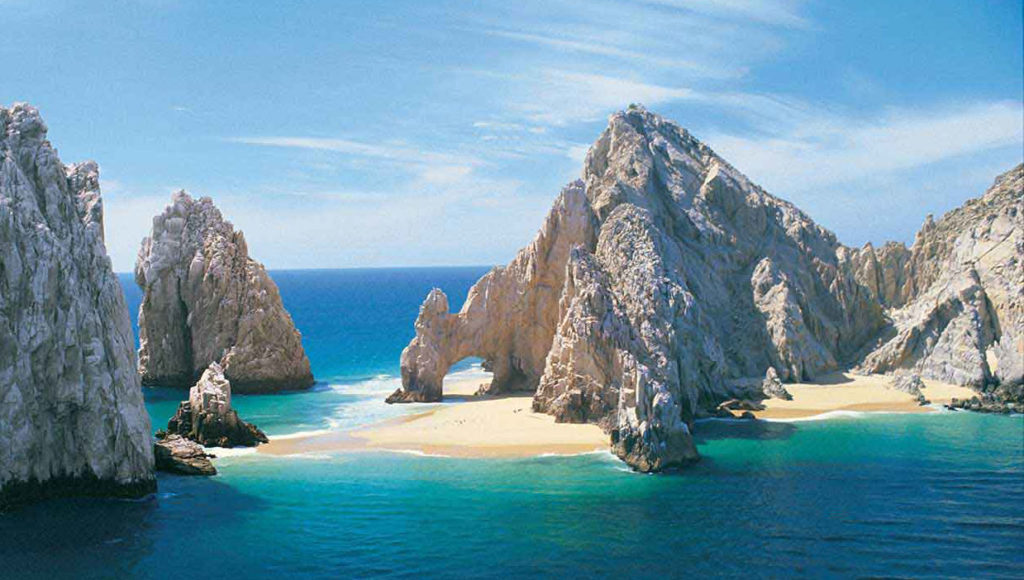
Witnessing the giants of the deep. Whale watching season in Cabo San Lucas offers a front-row seat to humpback and gray whales as they migrate through the warm waters where the Sea of Cortez meets the Pacific.
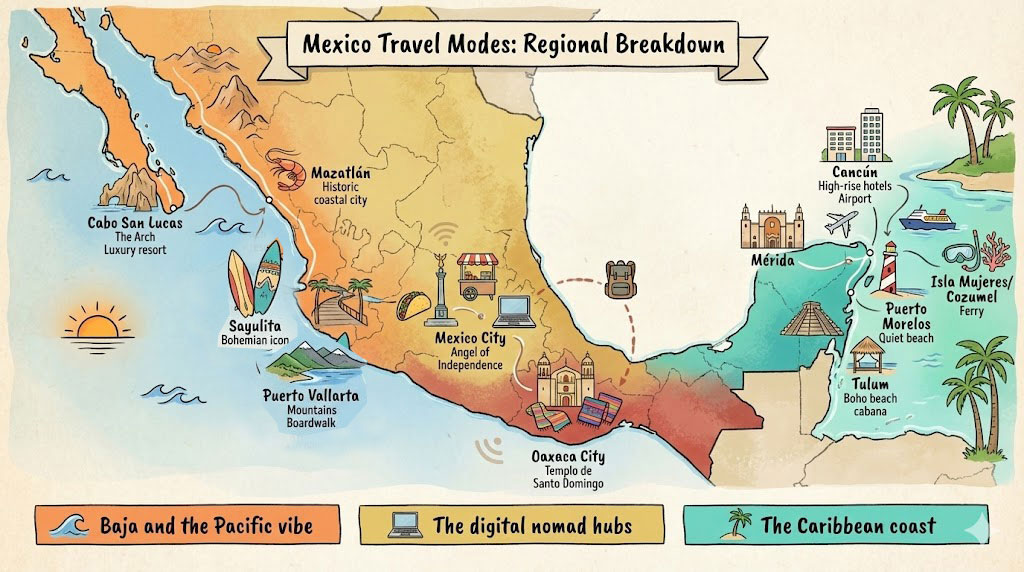
Instead of one long list, here are the main Mexico modes most travelers actually choose.
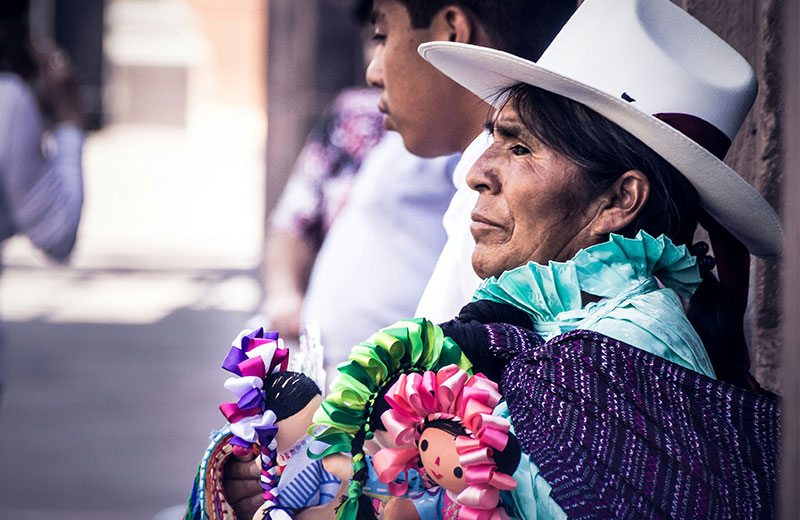
A woman in traditional attire reflects the deep-rooted indigenous heritage and vibrant cultural history of Mexico.
Beyond the beaches and ruins, the real magic of Mexico is its people. Understanding the rhythm of daily life here will change your trip from a simple vacation to a real connection.
Mexicans are incredibly warm and hospitable, but they also value politeness (ser educado). Greetings matter here. A simple “Buenos días” to a shopkeeper or “Provecho” to someone eating nearby opens doors that silence keeps closed.
You will see a side of Mexico that is resilient and tirelessly hard-working. From the early-morning juice vendors to the late-night city professionals, there is a deep dignity in labor here. The “lazy” stereotype is a myth; the hustle is real.
Mexico is not just a holiday destination; it is a cultural powerhouse. People are fiercely proud of their roots. Showing interest in their history or traditions is the fastest way to make a local friend.
Eating isn’t just fuel; it’s a social ritual. Whether it’s standing around a taco cart or sitting for a long family lunch (sobremesa), food is how people connect. Don’t be afraid to eat where the locals eat.
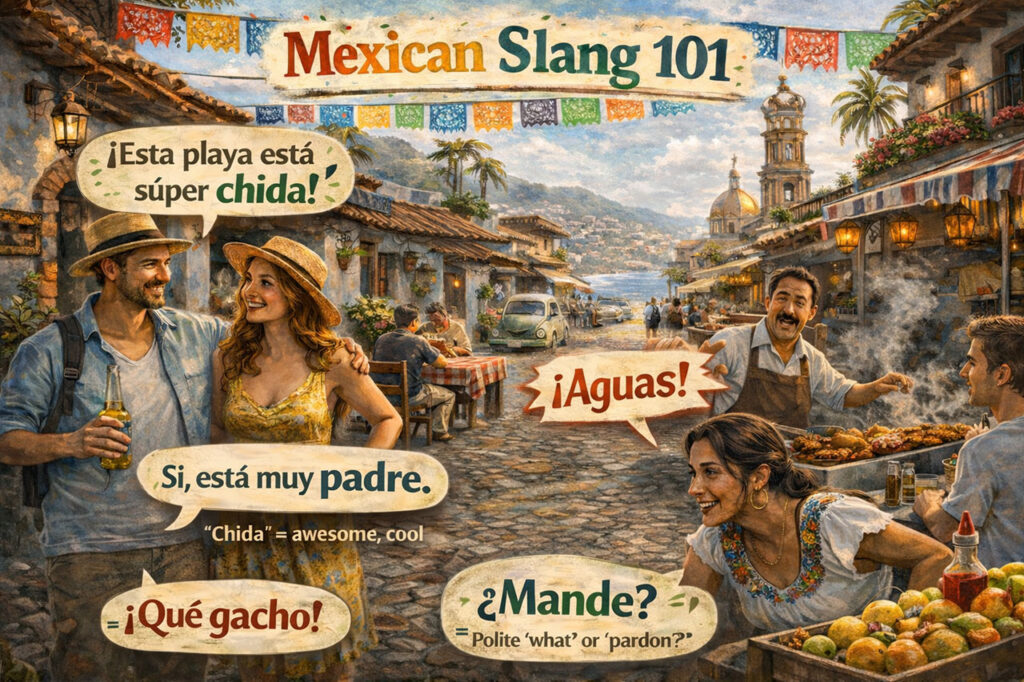
Learning just a few local phrases completely changes how people interact with you.
Textbook Spanish works, but if you want to make friends (or just understand what’s happening), you need these essential words in your back pocket.
Translation: Cool / Awesome.
“This beach is super chido.” Use “Padre” the same way. If something is bad, it’s “gacho.”
Translation: Watch out!
Literally “Waters!”, but it means “Be careful!” If you hear this on the street, stop walking and look around immediately.
Translation: What? / Pardon?
Mexicans rarely say “Qué?” because it can sound rude. “Mande” is the polite, uniquely Mexican way to ask someone to repeat themselves.
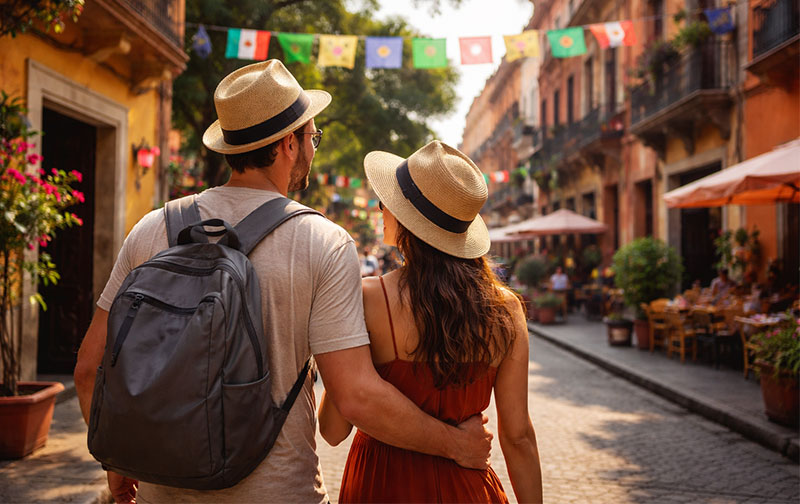
Safety varies by state and neighborhood. Most traveler issues are petty scams. Plan your transportation like a system.
Read more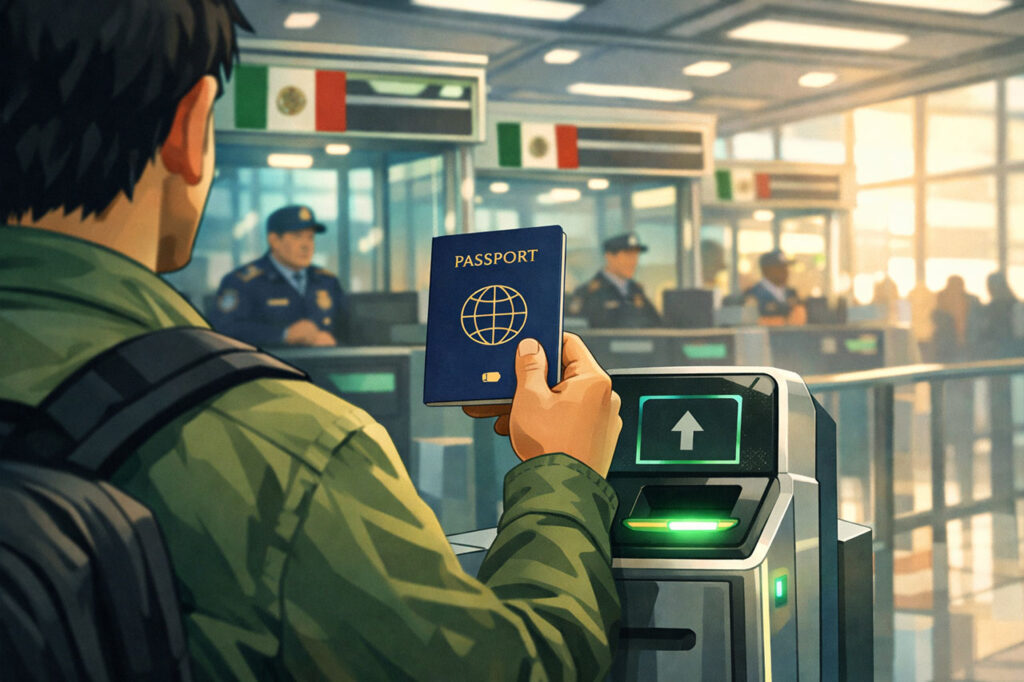
Navigating the digital FMM kiosks, tourist permits, and what you can legally bring across the border in 2026.
Read more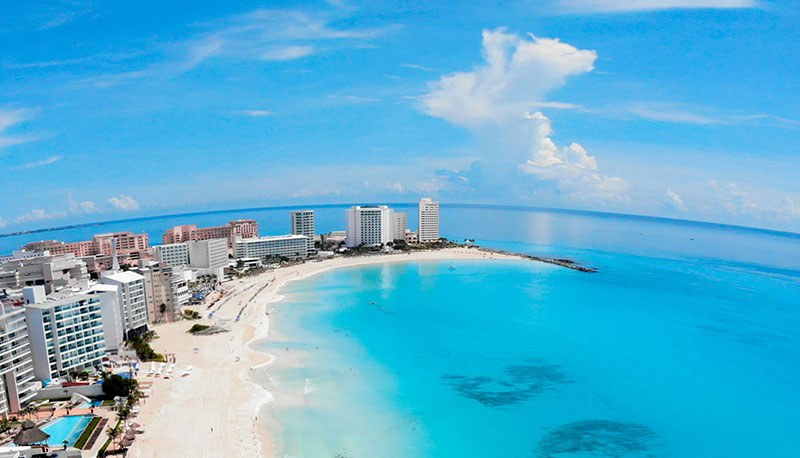
Hotels vs Airbnbs, how to avoid noisy streets, and picking the right neighborhood for your travel style.
Read moreConnectivity Pro Tip:
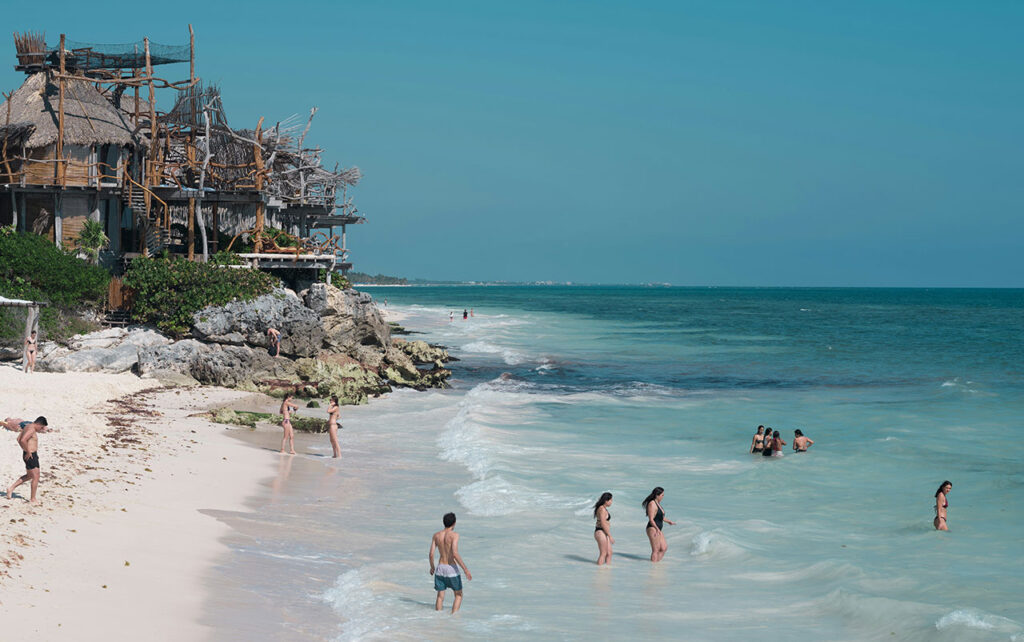
Mexico budget reality check, comparing major destinations side by side.
Prices are in USD per person/day (except lodging which is per room).
| Category | Cancún / Riviera | Cabo San Lucas | Puerto Vallarta | Mexico City |
|---|---|---|---|---|
| Vibe | Caribbean Resort | Desert Luxury | Authentic Town | Cosmopolitan |
| Overall Cost | High | Highest (US prices) | Moderate | Best Value |
| Lodging | $120–$250 | $180–$350 | $80–$180 | $70–$150 |
| Street Food | $5–$10 | $8–$12 | $3–$6 | $2–$5 |
| Dinner | $30–$80 | $50–$100+ | $20–$50 | $15–$40 |
| Beer | $4–$7 | $5–$9 | $2–$4 | $2–$4 |
| Cocktail | $12–$18 | $15–$22 | $8–$12 | $8–$14 |
Hidden Costs to Watch:
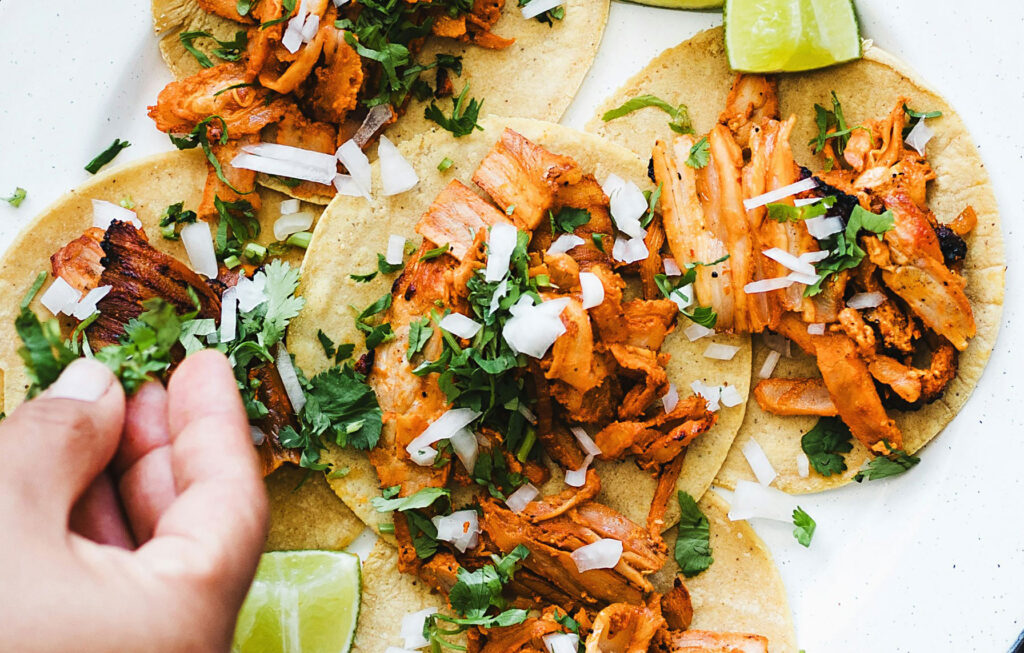
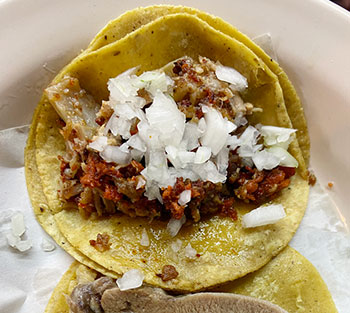
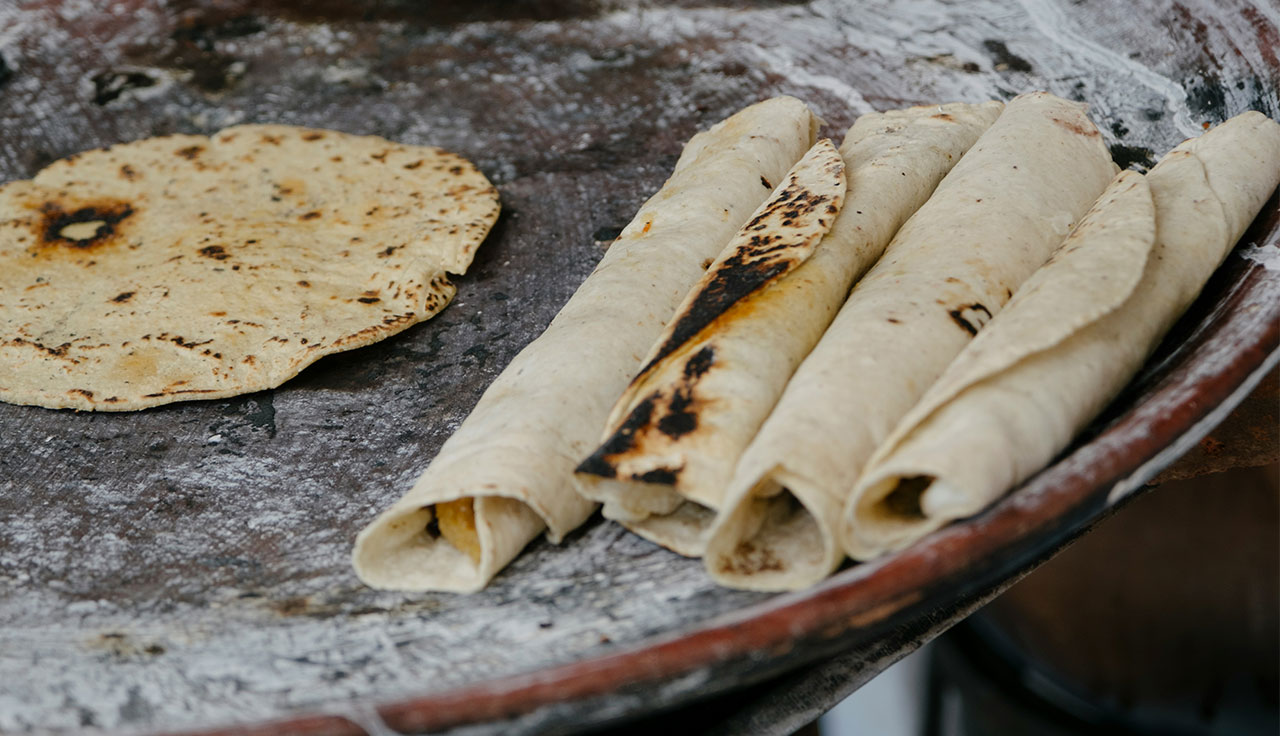
The heart of Mexican flavor: fresh, authentic street tacos topped with cilantro and onion, perfectly finished with a squeeze of fresh lime.
Mexico is formally positioning gastronomy as a primary tourism driver this year. Beyond street tacos, high-end dining is exploding across the country.
If there is a crowd around a brightly lit cart at night, get in line. Look for spots catering to locals, not empty spots on the main tourist strip. Al pastor and carnitas are essentials.
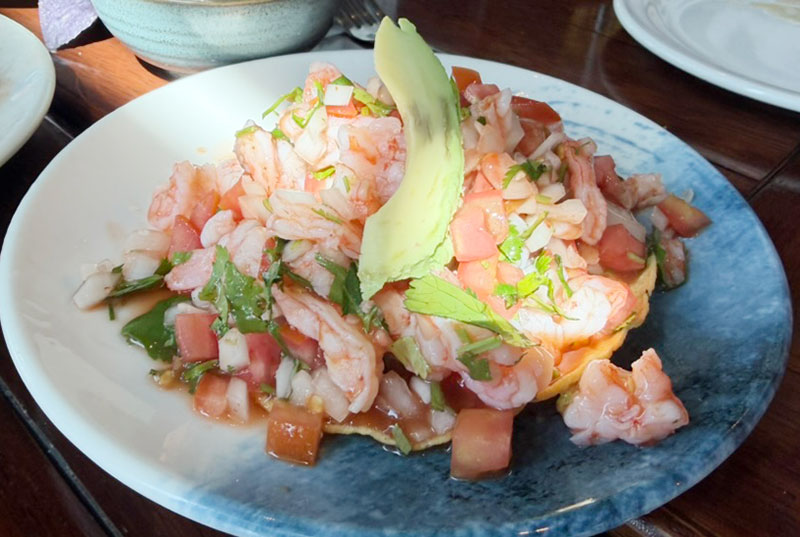
Coastal cities like Mazatlán and Puerto Vallarta are famous for their seafood. Skip heavy dishes and order aguachile or ceviche for lunch. It is the perfect hot weather meal.
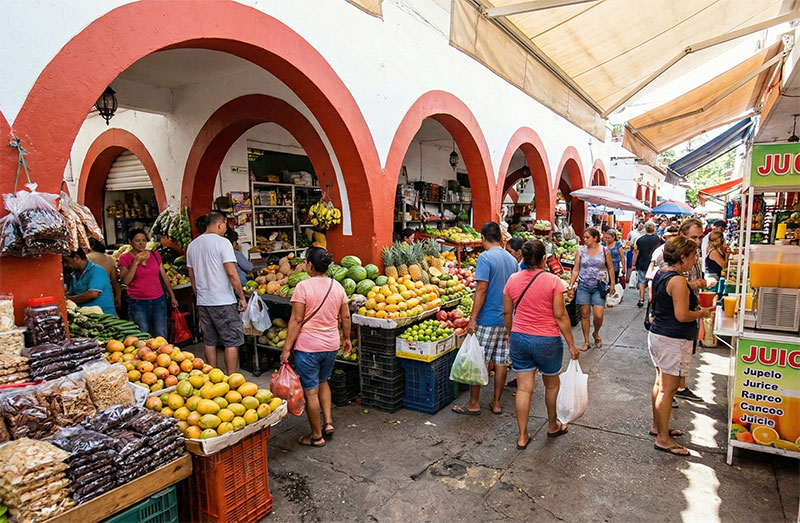
Skip the hotel breakfast at least once. Hit a local mercado for fresh fruit and chilaquiles, or visit a panadería to pick out fresh pan dulce (sweet bread) and coffee.
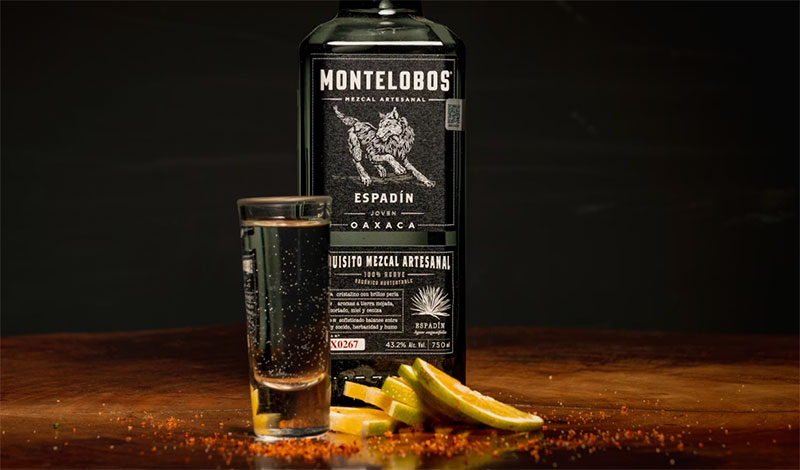
Mezcal hits different. Its signature smoky profile creates a perfect balance with tart citrus or sweet tropical fruits. Swap your tequila for mezcal in a classic Paloma or a Pineapple Margarita to add a complex, artisanal edge to your favorite cocktail.
Forget the yellow beer with the lime wedge for a moment. Mexico’s drinking culture is ancient, complex, and incredibly refreshing.
Tequila: Made specifically from Blue Weber Agave, usually steamed in ovens. The flavor is cleaner, sharper, or oaky (if aged in barrels).
Mezcal: The smoky, rebellious older brother. Made from various wild agaves that are roasted in underground earthen pits. It is artisanal and complex.
The Paloma: While tourists order Margaritas, locals often drink Palomas. Tequila (or mezcal), fresh lime juice, and grapefruit soda (usually Squirt).
Aguas Frescas: Essential for balancing spicy food. Jamaica (hibiscus tea) is tart and deep red. Horchata is creamy rice-based perfection. Tamarindo is tangy and earthy.
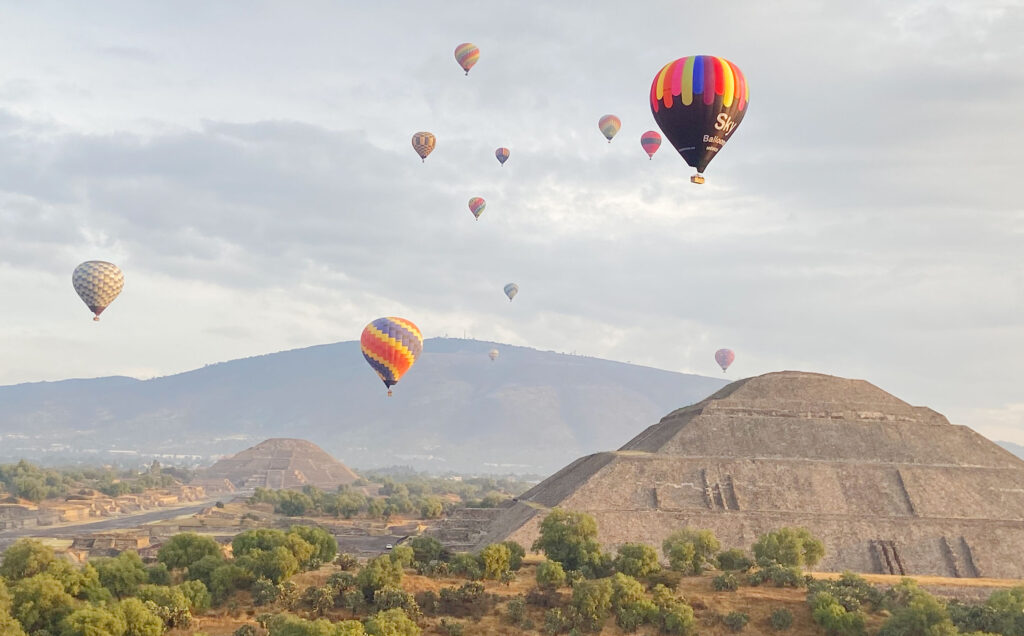
Rise above the ancient ‘City of Gods’ for a breathtaking sunrise perspective of the Teotihuacán pyramids, a true bucket-list adventure just outside Mexico City.
Beyond the beach clubs and resorts, Mexico is a world-class playground for high-altitude climbing, deep-sea diving, and rugged off-road expeditions.
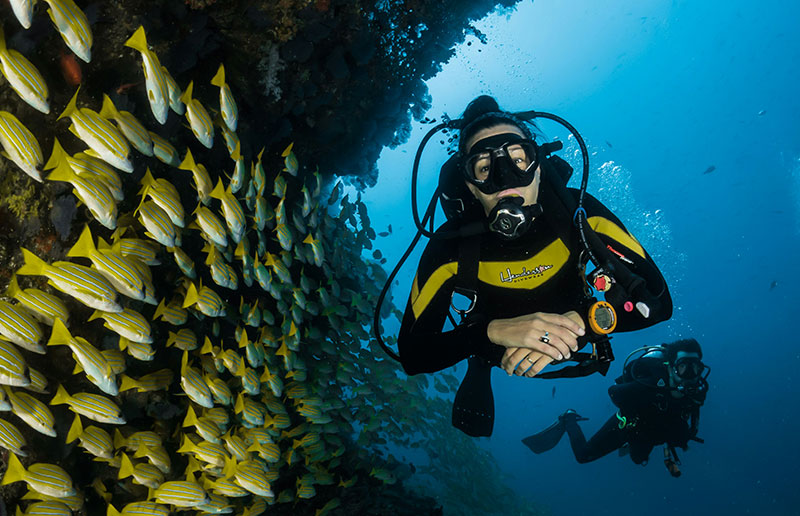
Known for its legendary drift diving and the Mesoamerican Reef, offers crystal-clear 100ft visibility and diverse marine life.
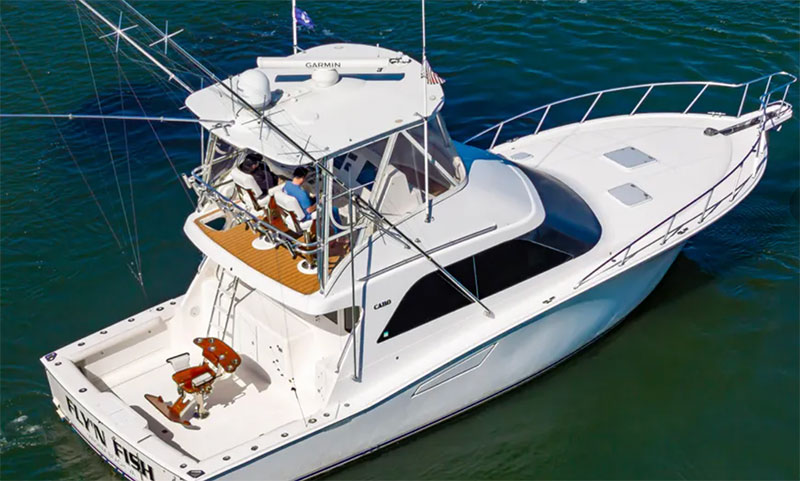
The “Marlin Capital of the World.” Cabo San Lucas hosts elite tournaments and offers year-round deep-sea action.
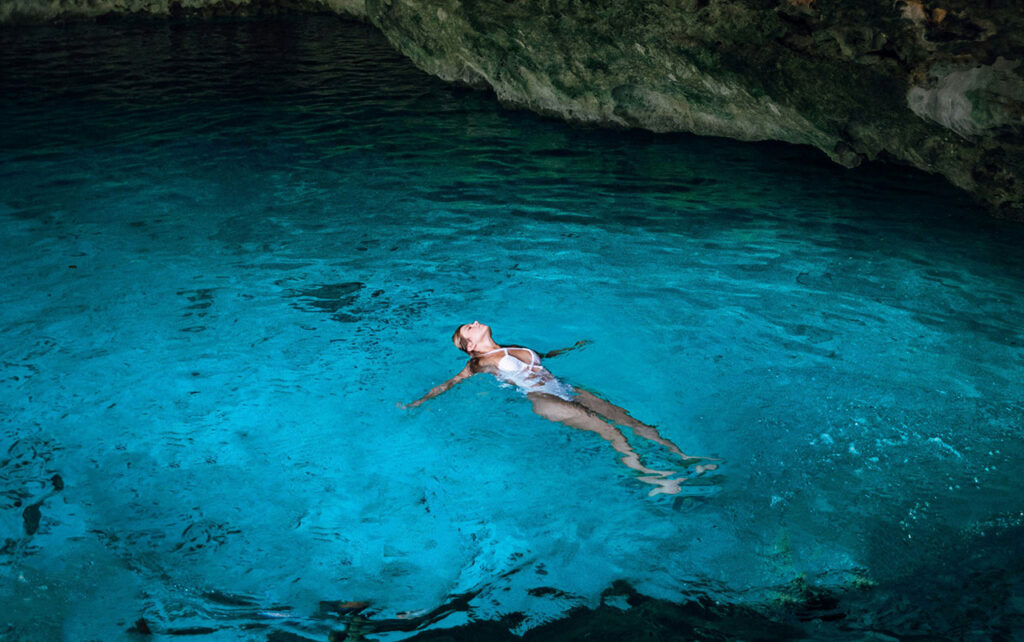
Dive into the Mayan underworld. The cenotes near Playa del Carmen are flooded cave systems offering a surreal experience.
Generally yes on the main tourist corridors, and security presence is strong on many segments. Reliability and service types can vary by route and season, so check the current timetable and plan daylight connections when possible.
Yes, especially if you choose a destination with simpler logistics. Focus on one base, plan your airport arrival, and keep your first days easy.
Start with quieter bases like Puerto Morelos, Isla Mujeres, or parts of San José del Cabo. In 2026, look at Loreto or Huatulco for calm.
Not required in tourist zones, but it improves everything. Even a few phrases help with prices, friendliness, and confidence.
Over-scheduling. Mexico rewards slower travel. Choose one base and explore outward.
City hubs, beach regions, food guides, and planning tips for Mexico travel.
DINING DEEP DIVE
Where it matters, how to use it, and what to book.
Read More