Travel Planning Hub
Start here to plan your trip, compare options, and explore every TLGA planning guide.
Packing & Gear Guide
What to pack, what to skip, and how to build a lighter travel setup that works.
Last updated: May 2026 by Corey Gasman
From the Editor:
Mexico has always been one of the best food countries on the planet. I have eaten $2 street tacos in CDMX and multi-course resort tastings in the Riviera Maya that rival anything in Europe. Now, the Michelin Guide is finally catching up to what travelers who eat seriously in Mexico already knew.
This guide is built to help you understand what Michelin means in Mexico, where the guide actually goes, what changed for 2026, and how to use the list without turning your trip into a reservation trophy hunt.
Michelin Guide Mexico 2026 Update:
The Michelin Guide Mexico 2026 ceremony is scheduled for May 20, 2026, in Jalisco. The 2026 guide is also expanding into Jalisco, Puebla, and Yucatán, which means Guadalajara, Puebla City, Mérida, and nearby food regions should be watched closely this year.
Until the new list is announced, the 2025 Michelin-starred restaurants remain the current restaurants defending their stars.
The arrival of the Michelin Guide in Mexico completely changed how many international travelers view Mexican gastronomy. For decades, Mexican food was often flattened into one easy idea: tacos, margaritas, guacamole, beach resorts, and casual street food.
That version was always too small. Mexico’s food culture is regional, technical, ancient, modern, humble, expensive, street-level, and deeply tied to place. The Michelin Guide helps international travelers see that a Mexico food trip can include a world-class tasting menu in Mexico City, a taco stand with one perfect specialty, a seafood lunch in Baja, a mole-focused meal in Oaxaca, and a polished resort restaurant in the Riviera Maya.
It also proves something travelers should understand before they go: Mexico’s best food is not limited to white tablecloth restaurants. Michelin matters, but it should be treated as one tool, not the whole map.
Quick Mexico Michelin Plan:
First serious food trip → Mexico City
Luxury resort dining → Riviera Maya or Los Cabos
Traditional food culture → Oaxaca or Puebla
Wine and farm-to-table → Valle de Guadalupe
2026 watchlist → Guadalajara and Mérida
If you only remember one thing: use Michelin for anchor meals, not every meal.
TLGA Rule: Do not build a Mexico food trip around stars alone. The magic is the mix: one serious reservation, one market morning, one taco crawl, one casual seafood lunch, and one place you found by talking to someone local.
Start here: Mexico Travel Hub
Read: Mexico City Travel Guide
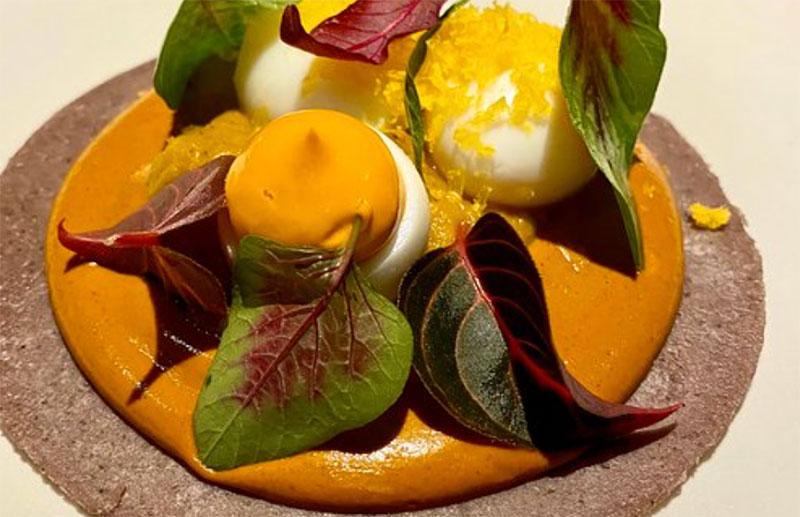
Pujol in Mexico City remains one of the headline restaurants for travelers planning a Michelin-focused Mexico food trip.
Michelin arriving in Mexico was not just another restaurant list. It was a global signal that Mexico’s dining culture deserves to be discussed alongside Paris, Tokyo, New York, Lima, and Copenhagen.
The real value is not just the stars. It is the range. Mexico’s guide includes polished tasting menus, hotel restaurants, wine country dining, neighborhood restaurants, and even a taco stand. That matters because Mexico’s food identity has never fit neatly into a single category.
For travelers, the guide creates a useful starting point. It tells you where inspectors found exceptional cooking, strong value, and sustainability. But the smartest Mexico food trips still leave space for places that may never appear in Michelin at all.
Local Guide Tip: Michelin is most useful when you use it to pick a few anchor meals. Do not let it crowd out the markets, taquerias, bakeries, seafood stands, mezcalerias, and neighborhood restaurants that make Mexico so good.
The Michelin Guide Mexico 2026 ceremony is scheduled for May 20, 2026, in Jalisco. This is a big shift because the ceremony itself is moving beyond Mexico City, and the guide is expanding into three additional states: Jalisco, Puebla, and Yucatán.
That expansion gives the 2026 guide a wider view of Mexico’s food culture. Jalisco brings Guadalajara, tequila country, birria, seafood, and a strong modern dining scene. Puebla brings mole, convent sweets, markets, and one of the deepest culinary histories in the country. Yucatán brings Mayan roots, citrus, smoke, recados, cochinita pibil, and one of Mexico’s most distinctive regional cuisines.
Until the 2026 announcement, the current Michelin-starred restaurants from the 2025 guide remain the restaurants to watch. Michelin’s live Mexico restaurant page currently shows 2 Two-Star restaurants, 21 One-Star restaurants, 50 Bib Gourmand restaurants, and 104 Selected restaurants.
Pro Tip: If you are traveling before the May 20, 2026 announcement, book around the current 2025 list. If you are traveling after the announcement, re-check the official Michelin Mexico page before locking dining reservations.
The Michelin Guide does not cover every state in Mexico. Inspectors focus on specific culinary regions, and for 2026, that footprint is getting bigger. If you want to plan a Michelin-focused Mexico trip, these are the regions to know.
| Region | The Culinary Vibe | What to Expect |
|---|---|---|
| Mexico City | The undisputed heavyweight | Two-Star legends like Pujol and Quintonil, one-star restaurants, Bib Gourmands, taco stands, markets, bakeries, and one of the best dining scenes in the world. |
| Quintana Roo | Resort luxury meets high-concept dining | Riviera Maya tasting menus, hotel restaurants, beach-region dining, and polished destination meals built around travelers. |
| Oaxaca | Ancestral roots, masa, mezcal, and mole | Traditional cooking methods, deep regional ingredients, market culture, and some of the most important food heritage in Mexico. |
| Baja California | Seafood, wine, fire, and farm-to-table | Valle de Guadalupe wineries, coastal seafood, open-air restaurants, and produce-driven dining. |
| Baja California Sur | Luxury coastal dining | Los Cabos resort restaurants, seafood, farms, and high-end dining built around the destination travel market. |
| Nuevo León | Northern fire, meat, and modern Mexican dining | Monterrey restaurants with a strong grilling culture, polished service, and serious regional identity. |
| Jalisco | Tequila country, Guadalajara dining, and regional depth | One of the biggest 2026 watch regions, with Guadalajara and the tequila corridor likely to get serious attention. |
| Puebla | Mole, history, and one of Mexico’s deepest food traditions | A major 2026 addition for travelers who want heritage cooking, markets, and regional Mexican cuisine beyond CDMX. |
| Yucatán | Mayan roots, citrus, smoke, recados, and slow-cooked classics | Mérida and the broader Yucatán food scene could become one of the most exciting additions to the Mexico guide. |
While we wait for the 2026 announcement, these are the Michelin-starred restaurants currently defending their status from the 2025 guide. This is the list to use if you are planning a Mexico food trip before the May 20, 2026 ceremony.
Exceptional cuisine, worth a detour.
High-quality cooking, worth a stop.
Pro Tip: Do not wait for the 2026 stars to be announced before booking your tables. The current winners already book out months in advance, especially in Mexico City, Los Cabos, and the Riviera Maya.
Beyond traditional stars, the Michelin Guide also recognizes Bib Gourmand restaurants for strong value and Green Star restaurants for notable sustainability practices. For travelers, these categories are often just as useful as the stars because they can point you toward excellent meals that are easier to book, less formal, and sometimes more connected to everyday food culture.
The current Michelin Green Star restaurants in Mexico include:
Local Guide Tip: Bib Gourmand restaurants are often the sweet spot for travelers. You still get a Michelin-vetted meal, but usually with better value, more casual energy, and fewer reservation headaches.
The best way to use the Michelin Guide in Mexico is not to treat it like a checklist. Mexico’s food culture is too big, too regional, and too street-level for that. Use the stars for anchor meals, then build the rest of the trip around markets, taquerias, seafood spots, mezcalerias, bakeries, casual local restaurants, and neighborhoods where people actually eat.
For most travelers, one or two Michelin meals are enough. After that, the better trip is usually a mix: one serious tasting menu, one Bib Gourmand, one market morning, one taco crawl, one seafood lunch, and one restaurant you found because you talked to someone who lives there.
| Trip Style | Best Base | Why It Works |
|---|---|---|
| First-time Michelin trip | Mexico City | The easiest place to combine two-star tasting menus, one-star restaurants, Bib Gourmands, taco stands, markets, museums, and walkable neighborhoods. |
| Luxury resort dining | Riviera Maya or Los Cabos | Best for travelers who want Michelin-level dining inside or near high-end resorts. |
| Traditional Mexican cuisine | Oaxaca or Puebla | Better for travelers who care about moles, markets, masa, regional cooking, and food history. |
| Wine and farm-to-table | Valle de Guadalupe | A strong fit for travelers who want wineries, seafood, open-air dining, and Baja’s farm-to-table scene. |
| Emerging 2026 food scene | Guadalajara or Mérida | Both are worth watching closely now that Jalisco and Yucatán are part of the 2026 guide expansion. |
For Mexico City’s biggest names, start looking as soon as you know your travel dates. Pujol, Quintonil, Rosetta, and other high-demand restaurants can be difficult to book during peak travel periods, holidays, and major events. Resort restaurants in the Riviera Maya and Los Cabos can also book quickly because guests often reserve through hotel concierge teams before the trip.
If you are traveling with a flexible schedule, try for lunch, weekday reservations, or earlier seatings. If the restaurant has a cancellation list, use it. Mexico City is also one of the best places in the world to recover from a missed reservation because the casual food scene is so deep.
Pro Tip: Book the few meals you would regret missing. Leave enough open space for taco stands, markets, late-night food, and places you hear about once you are already on the ground.
No. That is probably the most important thing to understand. Michelin is useful, but it is not the final word on Mexico’s food culture. Some of the best meals in Mexico happen at a market stall, a seafood stand, a neighborhood taqueria, a roadside fonda, or a family-run restaurant that will never care about stars.
Use Michelin when it helps. Ignore it when it gets in the way. The goal is not to collect trophies. The goal is to eat well, understand where you are, and leave with a better sense of the country.
Local Guide Tip: If you are planning a Mexico City food trip, do not make every meal fancy. Save room for street tacos, bakeries, markets, coffee shops, and late-night casual meals. That contrast is what makes CDMX one of the great food cities.
If you are planning a food-focused trip, use the Michelin list as a starting point, then cross-check restaurant websites, hotel concierge recommendations, reservation platforms, and recent local coverage before you book.
City hubs, beach regions, food guides, and planning tips for Mexico travel.
CITY HUB
Neighborhoods, food finds, and what to book for a stronger CDMX trip.
Read More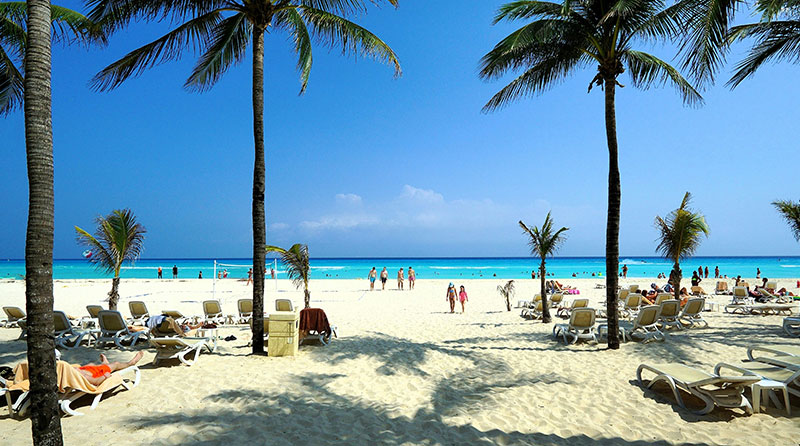
BEACH REGION
Cenotes, beach towns, resort zones, and day-trip ideas along Mexico’s Caribbean coast.
Read More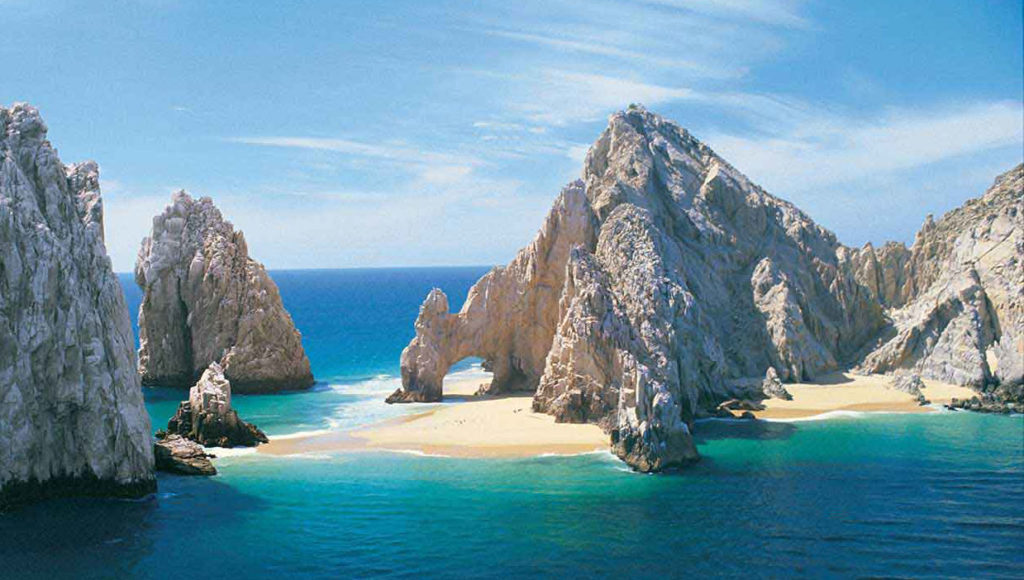
DESTINATION GUIDE
Where to stay, what to do, and beach logistics for a Los Cabos trip.
Read More
CITY GUIDE
Food, markets, mezcal, and culture-packed days in one of Mexico’s great food cities.
Read More
INSPIRATION
Less obvious places, local wins, and trip ideas beyond the default routes.
Read More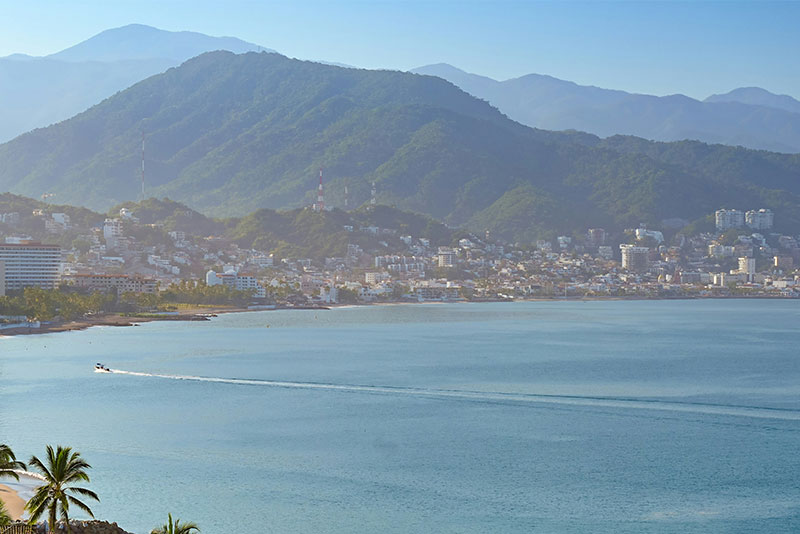
WHERE TO STAY
Fast picks by destination, trip style, and the kind of travel experience you want.
Read More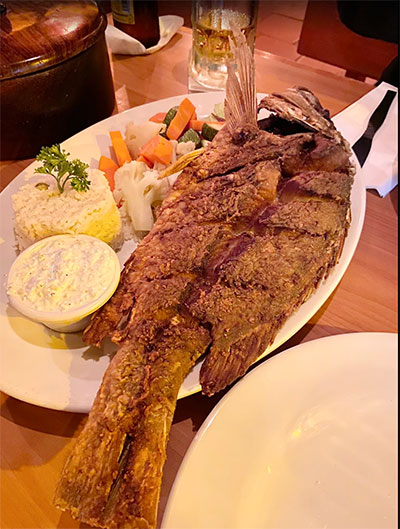
FOOD & DRINK
The best places to eat, from seafood to tacos, in one of Mexico’s great coastal food cities.
Read More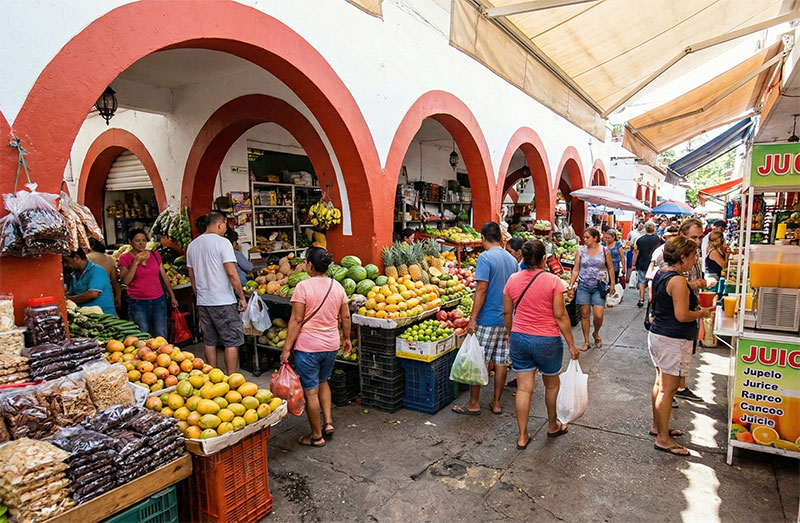
FOOD NEIGHBORHOOD
Zona Romántica picks for dinner, drinks, and the kind of places that make a night work.
Read More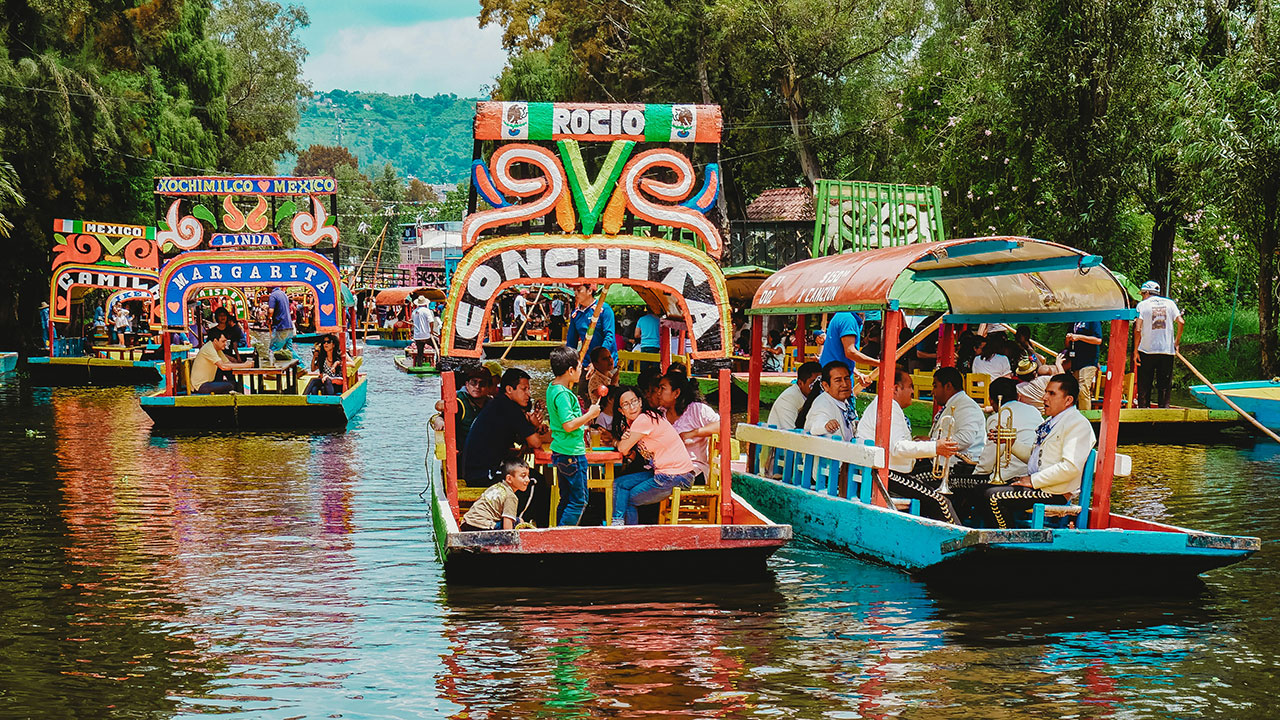
MEXICO HUB
All Mexico guides, regions, food posts, and planning resources in one place.
Read More
TRAVEL PLANNING
How to plan smart, where to be extra aware, and what to think through before booking.
Read More
ARRIVAL TIPS
Entry basics, forms, airport flow, and what to expect when arriving in Mexico.
Read More TRAVEL PLANNING
Start here for flights, hotels, packing, safety, and building a trip that actually works.
Read MoreYes. Mexico received its first Michelin Guide in 2024, and the 2025 guide includes Two-Star, One-Star, Bib Gourmand, Green Star, and Selected restaurants across several major food regions. Mexico City is currently the strongest Michelin dining base, but Baja California, Baja California Sur, Oaxaca, Nuevo León, Quintana Roo, and other regions are also part of the guide.
The Michelin Guide Mexico 2026 ceremony is scheduled for May 20, 2026, in Jalisco. Until that announcement, the current Michelin-starred restaurants from the 2025 guide remain the key restaurants to watch.
For 2026, Michelin is expanding the Mexico guide to include Jalisco, Puebla, and Yucatán. That makes Guadalajara, Puebla City, Mérida, and nearby regional dining scenes especially important to watch.
As of the 2025 Michelin Guide Mexico selection, Pujol and Quintonil in Mexico City remain the country’s two Two-Star restaurants. They are still the biggest names for travelers planning a serious Michelin dining trip to Mexico City.
Yes. Taquería El Califa de León in Mexico City earned a Michelin star, which is part of what makes the Mexico guide so interesting. The guide is not only about luxury tasting menus. It can also recognize simple, focused restaurants that do one thing extremely well.
A Michelin Star recognizes high-quality cooking. A Bib Gourmand highlights good food at a good value. A Green Star recognizes restaurants with notable sustainability practices. For travelers, Bib Gourmand restaurants are often the most useful category because they are usually easier to book, more affordable, and closer to how locals actually eat.
It is a helpful tool, but it should not be your only source. Some of Mexico’s best meals come from markets, taquerias, seafood stands, bakeries, neighborhood restaurants, and casual family-run places. Use Michelin for anchor meals, then let the rest of the trip stay loose.