Travel Planning Hub
Start here to plan your trip, compare options, and explore every TLGA planning guide.
Packing & Gear Guide
What to pack, what to skip, and how to build a lighter travel setup that works.
Last updated: March 2026 by Corey Gasman
From the Editor:
This page is the reason this travel blog exists. Before I was building destination hubs and city guides, I was already documenting meals, restaurants, markets, and food experiences everywhere I went. My Google Maps photos have generated millions of views, and some of my restaurant reviews have taken off in a way that made one thing very clear: people care deeply about where they eat when they travel.
That has always made sense to me. Food is not a side quest. It is often the point. Some of the best days on the road are built around one reservation, one market, one wine tasting, one taco stand, or one local recommendation that turns into the meal you remember years later.
A little background on why this page matters so much to me:
I spent years working around restaurants from the creative and marketing side, including directing chef photo shoots, helping shape food-focused editorial content, and working on a massive Twin Cities restaurant guide. Long before TLGA, I was already obsessed with how food, photography, design, and storytelling come together.
That background still shapes how I travel now. My wife and I often plan our days around where we want to eat, what markets we want to explore, and which places feel worth booking well in advance. Then we leave enough room for local tips, happy accidents, and the kind of street food lunch you never could have planned perfectly from home.
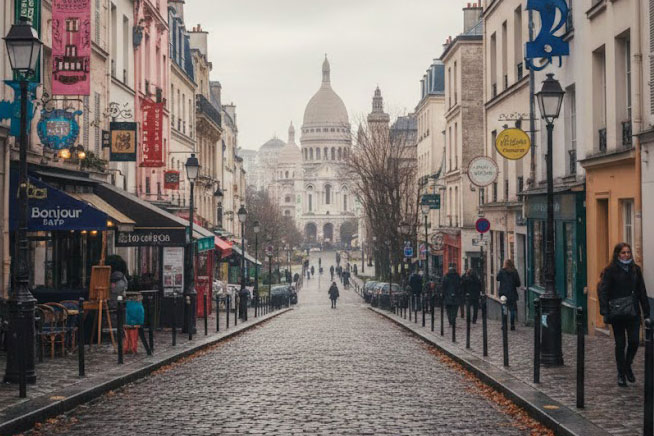
TLGA Rule: The best meal in a city is rarely sitting directly on the main tourist square. Walk a little farther.
Start here: How to Plan a Trip
Food is one of the fastest ways to understand a destination. It tells you what grows locally, what people celebrate, how neighborhoods gather, how long a meal is meant to last, and what a place values enough to keep making well for generations.
That is why I do not think of food as a filler between attractions. In many cities, food is the attraction. A long lunch in Spain, a market crawl in Mexico, a tiny wine bar in France, a seafood counter in Portugal, or a late-night noodle spot in Asia can teach you more about a place than another hour in a queue ever will.
My goal with this hub is simple: help you eat better while traveling. That means avoiding tourist-trap meals, spotting the good signs before you sit down, learning how locals actually use cafés and bars, and understanding when a market lunch is smarter than another overpriced dinner reservation.
Some of the best travel days begin with a market, stretch into a long lunch, and end with a local drink you would never have ordered back home.
You can walk through a city and see it. Or you can sit down and taste it.
Food gives away the rhythm of everyday life. It shows you whether a culture values speed or lingering, whether meals are built around family, ritual, seasonality, hospitality, convenience, or celebration. In one place, coffee is a two-minute stop at the bar. In another, it is an excuse to sit outside for an hour and watch the world move past you.
That is why some of the most memorable travel moments do not happen at famous landmarks. They happen at a table, on a stool, at a counter, in a food hall, or next to a grill on a narrow street where the person cooking has been making the same thing for twenty years.
Great food planning is not about over-scheduling every meal. It is about knowing what is worth booking, what is worth wandering into, and where to leave room for discovery.
Most of my trips start with food research before anything else. Not just a random list of restaurants, but a real sense of what meals are worth structuring the trip around. Sometimes that means a special dinner reservation. Sometimes it means staying near a market, a wine region, or a neighborhood with enough depth that you can eat well for three days without crisscrossing a city.
My wife and I naturally build a lot of travel around food. We will make reservations in advance when a place feels worth it, then balance that with casual lunches, local cafés, happy-hour drinks, and market stops. The ideal trip has both intention and flexibility.
| Step | What I Do | Why It Matters |
|---|---|---|
| Save the priorities | Pick 10 to 15 restaurants, bars, cafés, or markets before the trip. | This gives structure without turning the trip into homework. |
| Mix the meal types | Blend one or two higher-end reservations with casual local spots. | Every meal should not cost the same or ask for the same energy. |
| Map one market | Find at least one market, food hall, or local food street. | Markets are one of the fastest ways to taste a place broadly. |
| Leave room | Keep one lunch and one dinner open for a spontaneous find. | Some of the best meals happen because you stayed flexible. |
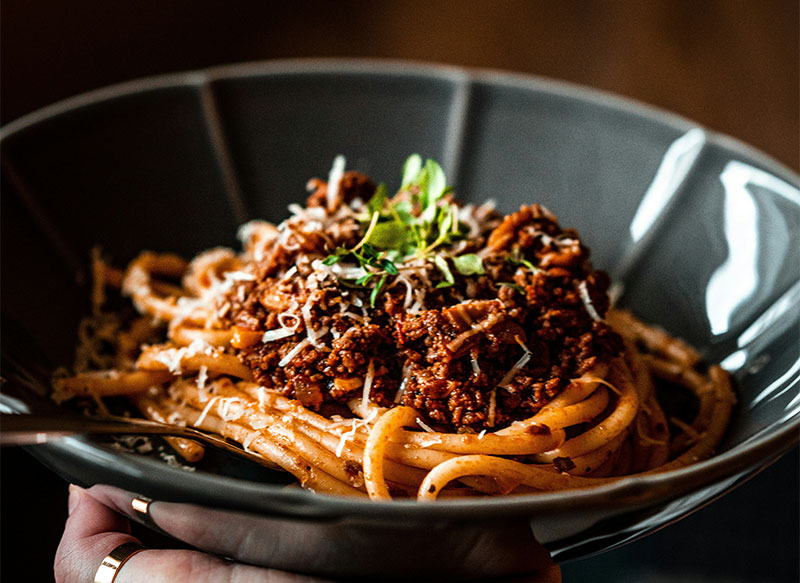
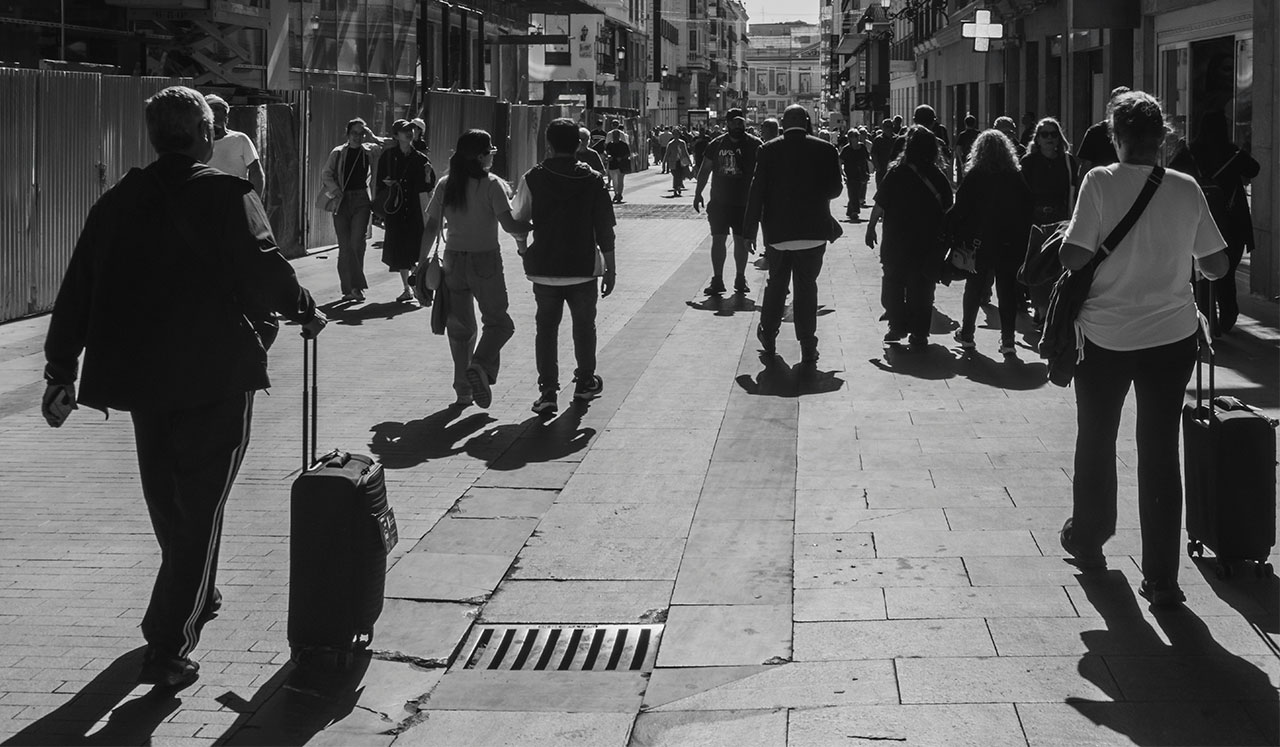
The best meals often happen just outside the main tourist zones, where restaurants still have to win repeat business from locals.
One of the simplest rules I come back to again and again is what I think of as the three-block rule. Restaurants directly facing a major square, landmark, or heavily trafficked tourist corridor are often paying for location first. That cost has to be made up somewhere, and too often it shows up in watered-down menus, inflated prices, and one-time-customer energy.
Walk a few blocks away and the economics change. Suddenly the place needs returning customers from the neighborhood. The menu gets more focused. The service gets more natural. The room sounds more local. This is not a perfect rule every time, but it is one of the most reliable ways to improve your odds fast.
Street food is usually at its best when the turnover is fast, the menu is tight, and the line is full of locals who already know what to order.
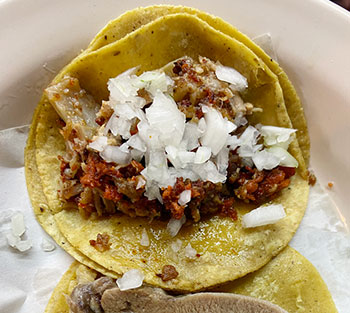
Some of the most memorable meals on a trip do not happen at a white-tablecloth restaurant. They happen at a market stall, a taco stand, a small takeaway counter, a noodle shop, or a place doing one dish so well that there is no reason to order anything else.
Street food is often where a city feels most alive, but it helps to have a simple system. I am looking for turnover, focus, and visibility. If the line keeps moving, the menu is short, and you can see the food being cooked fresh, your odds are usually pretty good.
| Vetting Metric | What to Look For |
|---|---|
| The Crowd | Locals in line, especially workers, families, or people clearly on a routine stop. |
| Menu Scope | A tight menu. Places doing one thing well usually do it better than places doing twenty things. |
| Visibility | You can see the heat source, prep area, or active cooking process clearly. |
| Turnover | Food is moving constantly instead of sitting out waiting for tourists. |
There is absolutely a place for higher-end dining when you travel. Some cities deserve a splurge meal, and some restaurants really are worth the reservation, the anticipation, and the extra budget. But I still think the key question is the same at every level: what exactly are you paying for?
I love finding institutions. These are the places that may not be trendy anymore, but they have survived because they are consistent, respected, and tied to the identity of the neighborhood or city. The room has history. The staff knows what they are doing. The menu feels like it belongs there.
Some of my best meals over the years have come from spots that never would have made a flashy social-media list. They were simply places with staying power, strong fundamentals, and local trust.
Markets, food halls, and neighborhood vendors often reveal more about a destination than another polished restaurant ever could.
Markets are one of my favorite ways to get oriented in a destination. You can learn a lot very quickly by seeing what people buy, what vendors specialize in, what is seasonal, what is cheap, and what gets all the traffic. It is also one of the easiest ways to sample more than one thing without committing to a huge meal.
This is where travel gets especially fun. A market morning can turn into lunch. A food tour can unlock a whole neighborhood. A conversation with a vendor or local guide can lead to a dinner recommendation you never would have found on your own.
Learning how locals drink, whether that means espresso at the bar, house wine with lunch, or mezcal at night, changes the whole feel of a trip.
Food and drink are inseparable. In some places the right glass of wine makes the meal make more sense. In others, the local aperitif, beer, coffee ritual, or spirit tells you just as much about the region as the food itself.
I have always been drawn to that side of travel too. From Napa Valley to South African wineries to the Champagne region and wine-focused corners of Europe, I love understanding what a place produces, how it is served, and what locals reach for without overthinking it.
The same is true with cocktails and spirits. If I am in Mexico, I want to learn more about mezcal. If I am somewhere known for amaro, vermouth, cider, sherry, or rum, I would much rather start there than default to a generic brand I can order anywhere.
You do not need a huge budget to eat well while traveling. In fact, one of the smartest things you can do is stop treating every meal like it needs to carry the whole trip. Some meals should be memorable because of the setting, the skill, or the tradition. Others just need to be fresh, local, and satisfying.
I like balancing splurge meals with lighter market lunches, neighborhood cafés, bakeries, grocery-store picnic supplies, and one-dish specialists. That mix keeps the trip feeling fun instead of financially exhausting.
| Strategy | The Benefit |
|---|---|
| The lunch pivot | Lunch tasting menus, menu del día deals, and midday specials often give you the same kitchen for far less money. |
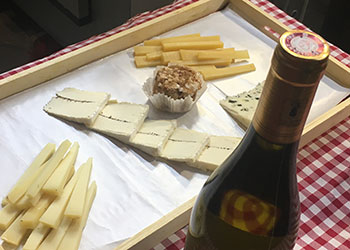
| Market picnics | Bread, cheese, fruit, snacks, and drinks from a local market can be one of the best low-cost meals of the trip. |
| Save the splurge | Use your higher-end budget on the place that is truly special, not just the first attractive restaurant near your hotel. |
| Drink with intention | A local house wine or regional beer is often a better value than imported brands or flashy cocktail orders. |
This section will grow over time as I publish more full restaurant reviews, market guides, winery write-ups, and destination-specific food coverage across TLGA. Some places are worth a quick mention in a city guide. Others deserve their own page.
The goal here is not to chase trendy openings just because they are new. It is to feature places that deliver a memorable experience, teach you something about a destination, or genuinely help you plan a better trip.
At the end of the day, food is one of the easiest ways people connect. It is memory, hospitality, culture, routine, celebration, comfort, and curiosity all in one. That is why so many of the best travel stories start with a meal.
Use these guides to plan smarter, travel deeper, and eat better on the road.
FOOD GUIDE
A practical guide to avoiding tourist traps and finding meals that feel more authentic.
Read More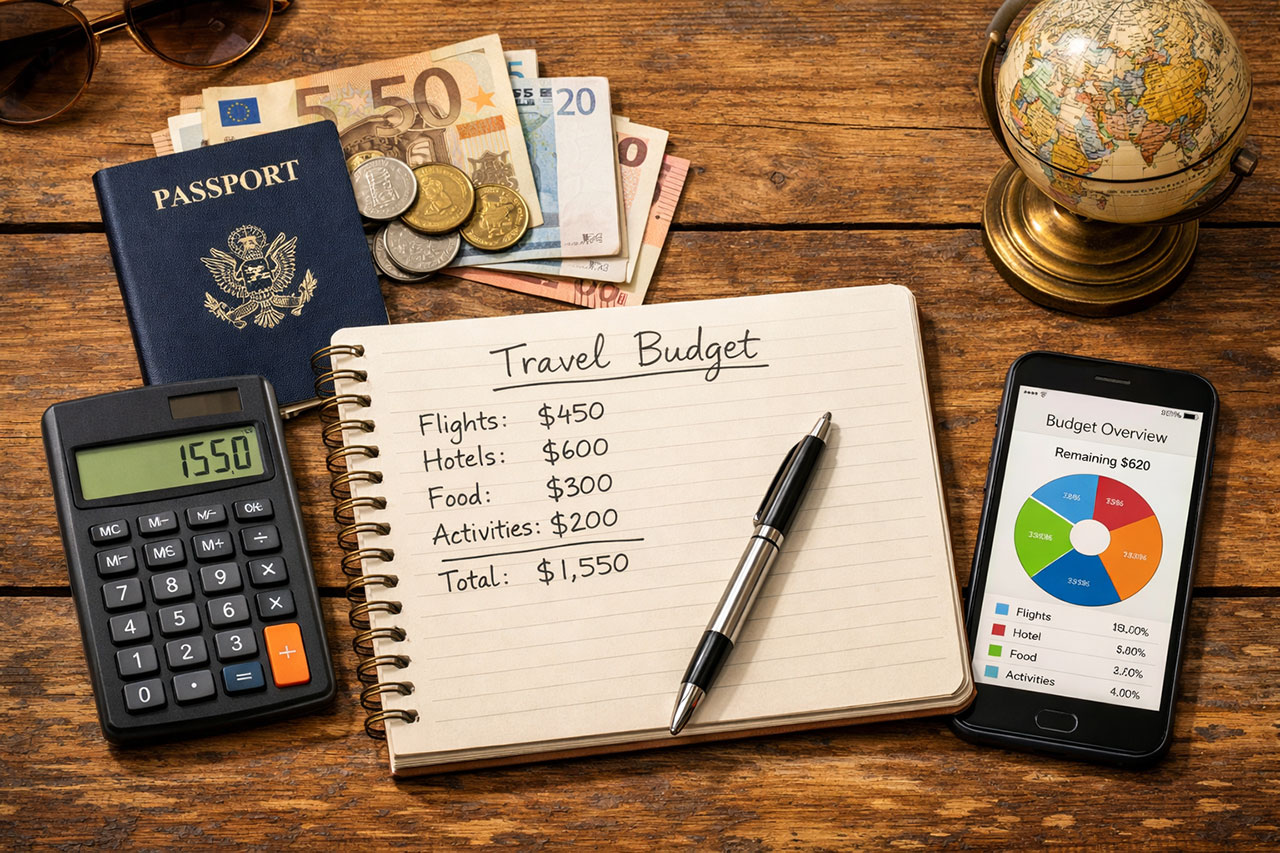
TRAVEL PLANNING
How to spend smarter without ruining the trip or skipping the experiences that matter.
Read More
START HERE
The broader planning system for building a better trip from flights to logistics to daily flow.
Read MoreThe easiest way is to walk a few blocks away from major landmarks and avoid places with oversized menus, aggressive hosts, and photo-heavy signage. I rely on what I call the Three-Block Rule. Restaurants just outside the main tourist zone usually depend on repeat local customers, which leads to better food and more honest pricing.
In most places, yes, if you follow a few simple rules. Look for busy stalls with high turnover, a short focused menu, and food being cooked fresh in front of you. If locals are lining up, that is usually a good sign. Avoid empty stalls where food is sitting out.
For popular or high-end restaurants, yes. I usually book one or two key meals in advance and leave the rest flexible. That balance gives you something to look forward to while still allowing room for local recommendations and spontaneous finds.
I start by saving a mix of restaurants, markets, and local spots before the trip. Then I structure a few key meals and let the rest of the days fill in naturally. The best trips are a mix of planned experiences and unexpected discoveries.