
Travel Planning Hub
Start here to plan your trip, compare options, and explore every TLGA planning guide.
Packing & Gear Guide
What to pack, what to skip, and how to build a lighter travel setup that works.



Last updated: October 2026 by Corey Gasman
This is the exact playbook I use to plan trips that are smoother, more flexible, and more enjoyable. If you follow this structure, you will avoid most of the mistakes that create stressful travel.
Good planning saves money and reduces friction before you ever leave home. This guide walks through the entire process, from vision and budgeting to booking, packing, and mindset. It is built to scale, meaning it works just as well for a long weekend in California as it does for a highly varied trip linking Ireland, London, and Tenerife.
If this is your very first time flying overseas and you are nervous about passports, airports, and getting around, start with the beginner guide. Once you have the basics down, come back here for the full playbook.
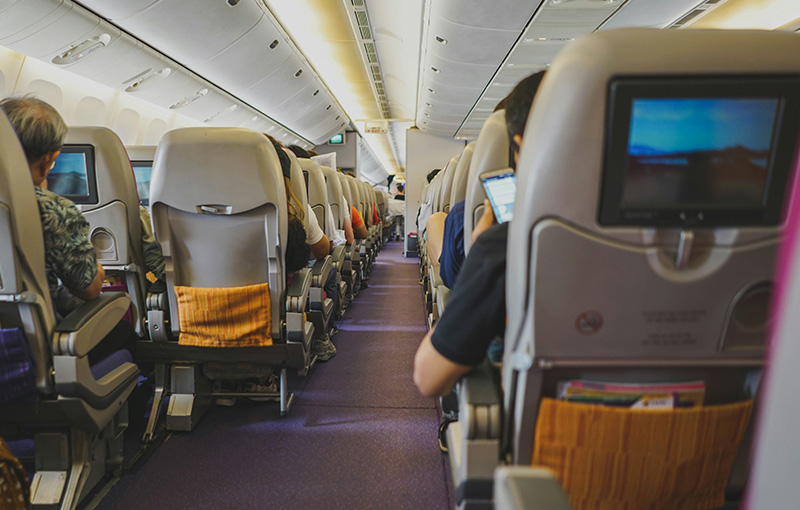
Looking at flight maps with an open mind often reveals incredible destinations that you might not have considered otherwise.
One of the best travel moves is simply staying flexible. Knowing what kind of experience you want shapes your decisions, but keeping your destination and dates open can open up much better prices and routing options.
I rely heavily on Google Flights to see whether an unexpectedly good route changes the conversation. On one flexible Tuesday departure, we found a $400 round-trip Delta fare from Minneapolis to Dublin instead of flying over a weekend. Once you have a good anchor flight, you can build out the rest of the vision. For more help comparing routes and dates, use my guide to finding great flights.
Before locking anything in, ask yourself what experience you actually want:

Researching neighborhood layouts and transit options is the key to spending your trip exploring rather than commuting.
Having the best of both worlds on one trip is entirely possible if you route it intelligently. You do not have to choose between a city break and a beach vacation if you use regional flights to your advantage.
We recently built a trip that linked the Old World history of Ireland, the big city energy of London, and a beach vacation in Tenerife. We booked the cheap flight to Dublin, then added low-cost hops from Dublin to London, and London to the Canary Islands. We mapped out some great restaurants in London and Dublin, did a lot of walking tours, and still had plenty of time to relax on the beach.
Start with your must-see experiences, then group them geographically. Leave plenty of space for meals, rest, and wandering. Overplanning kills your ability to adapt when you find a neighborhood you want to spend more time in.
Once your route and comfort level are clear, lock in the decisions that shape the rest of the trip. Start with the main flight or long-distance transport, then book your first nights and the accommodations that would be hardest to replace. After that, sort out regional trains, flights, or car rentals, then reserve only the experiences you would genuinely regret missing.

Knowing your daily spend limits ahead of time allows you to enjoy meals and activities without constantly checking your bank account.
Budgeting is not about being cheap. It is about spending intentionally so you can afford the things that matter most to your travel style. For a deeper look at building the numbers, use my Money & Travel Budgeting Guide.
Think through the major buckets first. Knowing your comfort range early helps you avoid stress and last-minute compromises.
| Expense Category | Planning Strategy |
|---|---|
| Transportation | Compare dates, look for shoulder season flights, and factor in regional trains. |
| Accommodation | Balance cost with location. A cheap hotel far from the center costs you time and transit money. |
| Food and drinks | Mix casual street food or grocery stops with your mapped out dining reservations. |
| Activities | Book major walking tours or museum passes in advance to lock in the price. |

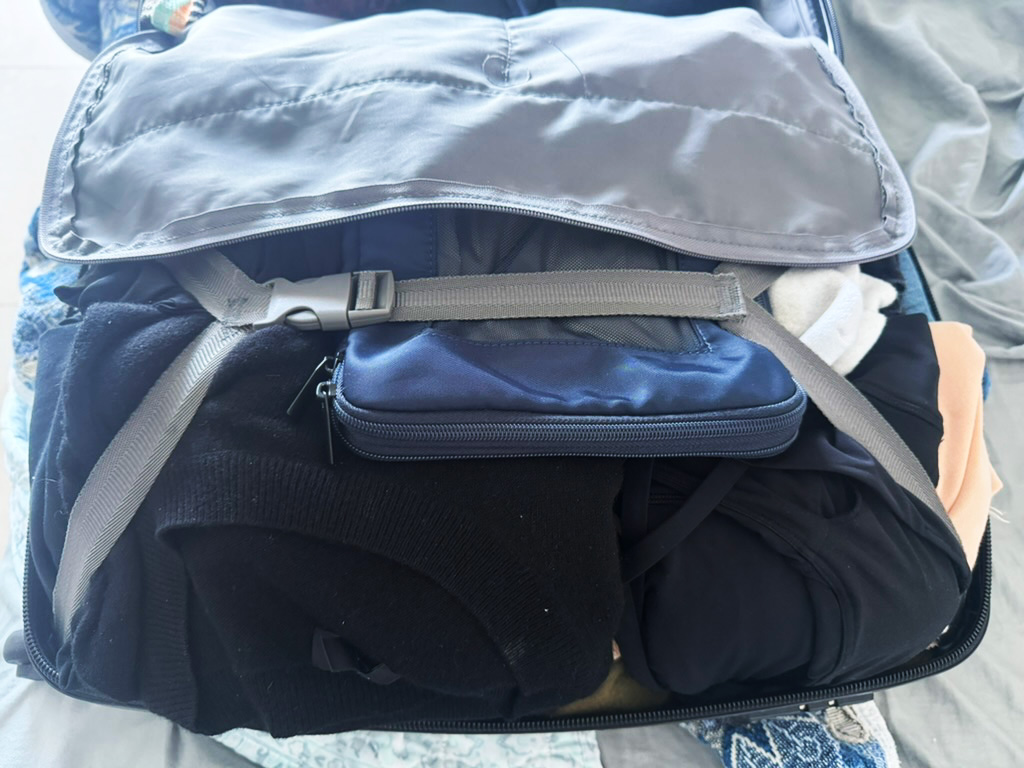
Traveling with just a carry-on forces you to pack versatile clothing and skip the items you rarely end up wearing.
When you link multiple countries and use low-cost regional airlines, packing light stops being a preference and becomes essential. Checking bags on multiple short flights adds up quickly in fees and lost time.
We only do carry-ons for our international trips. We take one main overhead bag each, plus our smaller day bags that fit under the airport seats. A lighter bag makes every transit day easier, especially when navigating cobblestone streets or crowded train stations.
Choose versatile clothing and plan around layers. Use packing cubes to compress items and keep clean clothes separate from dirty ones. My Travel Packing & Gear Guide goes deeper on building a setup that actually works.

Having your digital documents organized and offline maps downloaded reduces friction when you arrive in a new city.
Technology should reduce friction, not add complexity. Take time before you leave to organize your digital life so you are not scrambling at the customs desk.
For U.S. travelers, check passport, visa, and entry requirements directly through the U.S. Department of State country information pages before you book and again shortly before departure. Rules can change, and passport-validity requirements vary by destination.
Keep your passport photo page, insurance details, and key confirmations in a secure cloud folder you can reach from another device. Download offline maps for the cities you are visiting, and make sure your airline and ground-transport apps are set up before you leave. Do not rely on only one phone, one inbox, or one payment card.
Travel rarely goes exactly as planned. Delays, changes, and surprises are normal. Approaching travel with patience and flexibility makes the entire experience better. Some of the best travel moments are the ones you never planned for.
This is the point where good planning turns into an easier travel day. Keep it simple and focus on the things that are hard to fix once you are already at the airport.
For many international trips, start planning 3 to 6 months out. For domestic trips, 1 to 3 months is often enough. Busy seasons, popular destinations, major events, and award flights can push those timelines to 6 to 10 months or more.
A mix is best. Lock in the big pieces like flights, first nights, and must-do reservations, then keep your daily schedule lighter so you can adapt once you are there.
Trying to do too much. Over-scheduling leads to stress, rushed meals, and constant transit. A slower pace usually creates a better trip.
If you are traveling internationally or booking expensive flights or stays, travel insurance is often worth considering. Compare medical, evacuation, cancellation, and delay coverage, then read the exclusions carefully. Start with my Travel Insurance Explained guide and understand what coverage you may already have through credit cards or existing policies.
If you want to go deeper, start with the First International Trip Guide if you are new to planning, or explore different approaches in the travel lifestyle guide to shape how you want your trip to feel. From there, the guides below will help you dial in the details.
Practical guides on planning, packing, safety, budgeting, and travel lifestyle so your trip runs smoother from the start.

FLIGHTS
Save money and avoid bad routes with smarter flight search strategies, timing, and booking tactics.
Read More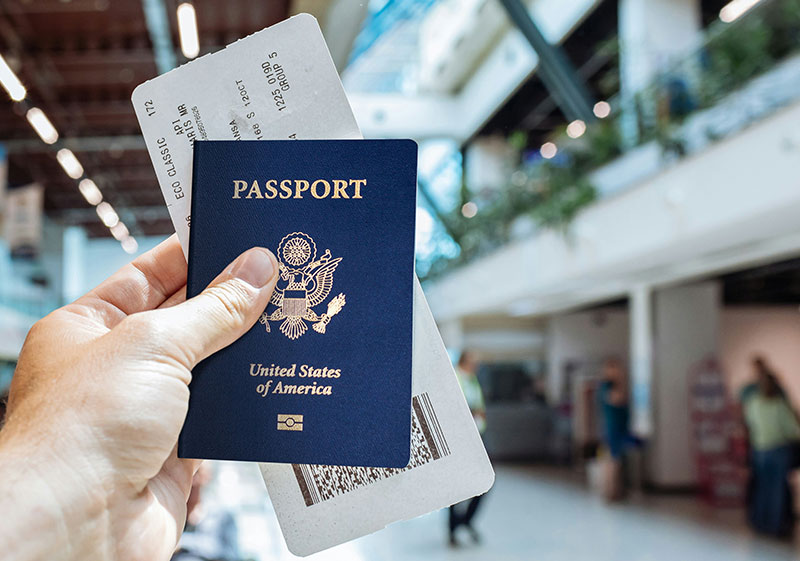
FIRST TIME ABROAD
A practical starting point for passports, logistics, money, and landing abroad with less stress.
Read More PACKING & GEAR
Pack lighter, bring what actually matters, and avoid the gear and clothing mistakes that slow trips down.
Read More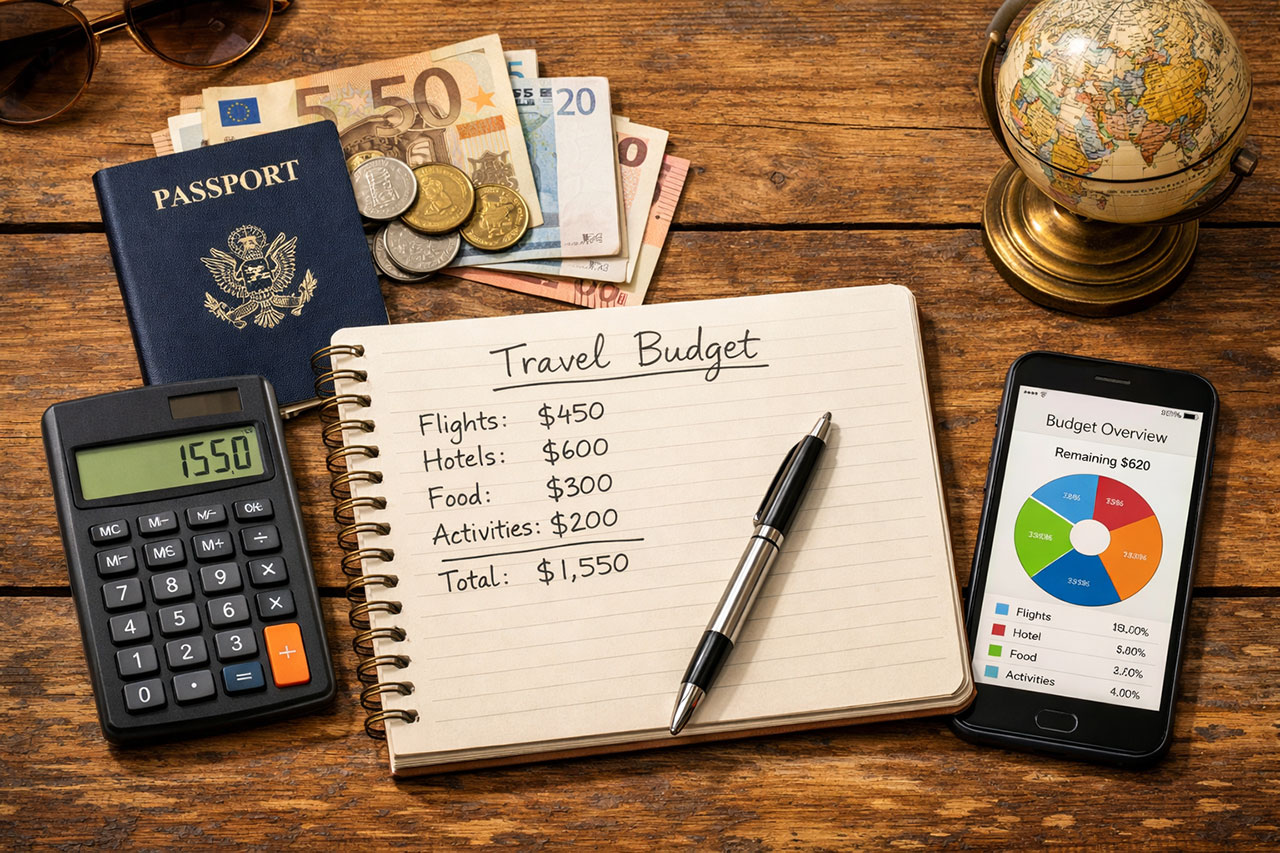
MONEY & COSTS
Plan real costs, avoid budget-killing mistakes, and make smarter money decisions before and during your trip.
Read More STAYING SAFE
Practical habits that help you stay alert, organized, and more confident when navigating unfamiliar places.
Read More
TRAVEL LIFESTYLE
Explore different ways to travel, from retirement and slow travel to nomad life and long-term living abroad.
Read More