Travel Planning Hub
Start here to plan your trip, compare options, and explore every TLGA planning guide.
Packing & Gear Guide
What to pack, what to skip, and how to build a lighter travel setup that works.
Last updated: October 2026 by Corey Gasman
From the Editor:
Melissa and I spent a full month living in Cartagena. We stayed in Bocagrande and walked into the Walled City almost every night for dinner. The biggest surprise of the entire trip was the sheer quality and value of the culinary scene.
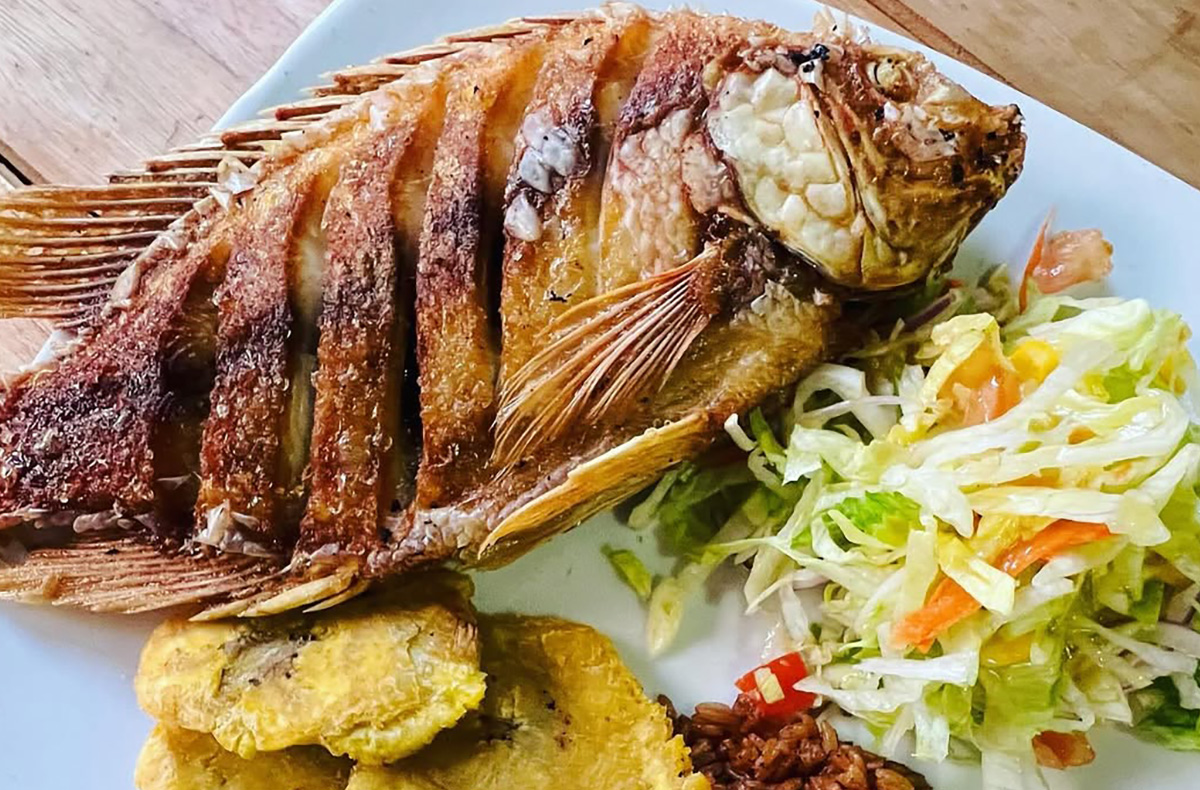
Cartagena is surprisingly international. You can find incredible wood-fired pizzas, high-end sushi, Mediterranean cafes, and traditional whole fried snapper with coconut rice all within a ten-minute radius. If you go to the top restaurants in the Walled City and order imported wine, prices can hit U.S. levels and easily cross the hundred-dollar mark. But step outside the heaviest tourist zones, and you find a vibrant, affordable food culture that is hard to beat.
This guide breaks down exactly where to eat, from romantic splurges to the street carts where locals actually grab their lunch. It is based on our month in Cartagena, with restaurant details rechecked in October 2026.
TLGA Travel Truth:
Cartagena’s food scene splits into three distinct worlds. The Centro Histórico and Getsemaní are where you plan standout, romantic dinners. Bocagrande is where you eat daily and keep things easy. The streets and markets are where the real flavor lives. The best trips hit all three.
Planning the rest? Check out our full Cartagena Travel Guide.
What’s New for 2026:
Cartagena’s food scene got a major new addition with the opening of Four Seasons Hotel Cartagena, now a full food-and-drink destination in Getsemaní with eight restaurants and bars. The Grand Grill is the headline, a steakhouse from chef Mario Carbone, but there are also pizza, coffee, rooftop cocktails, and a hidden speakeasy-style bar.
For an easier daytime update inside the Walled City, add Nía Bakery to your list. It has become one of the city’s most polished stops for specialty coffee, great pastries, breakfast, brunch, and cocktails later in the day.
TLGA Rule: A suggested 10% propina is common at sit-down restaurants and may appear on the bill, but it is voluntary. You can accept it, decline it, or adjust it. There is no need to double tip unless the service really blew you away.
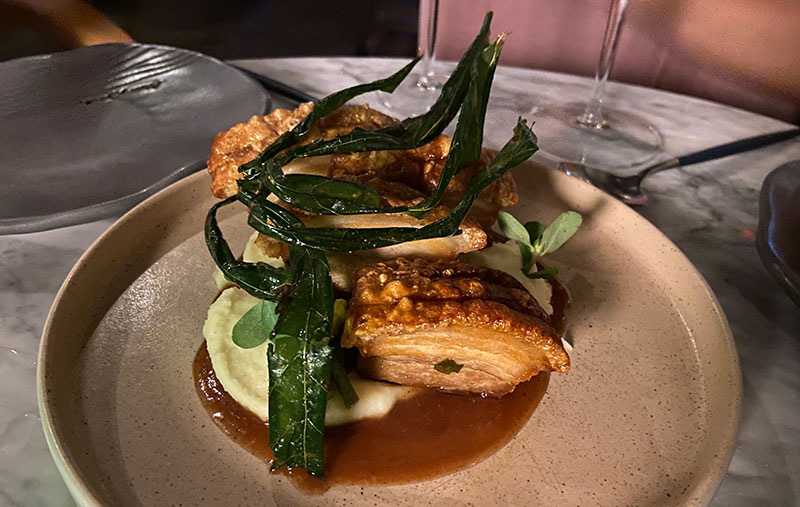
The Walled City is built for long dinners. We spent many nights catching up with friends over slow meals and excellent wine in the Centro Histórico. Mar y Zielo is famous for elevating traditional Colombian flavors. Their Chicharrón de Cerdo, a crispy pork belly over a yam purée with a tamarind reduction, proves they are a serious dinner destination, not just a great rooftop.
Cartagena rewards a mix. Do not make the mistake of eating every meal inside the Walled City just because it is the prettiest part of town. That is where you plan your big romantic dinner, not where you need to eat breakfast, lunch, and late-night snacks every day.
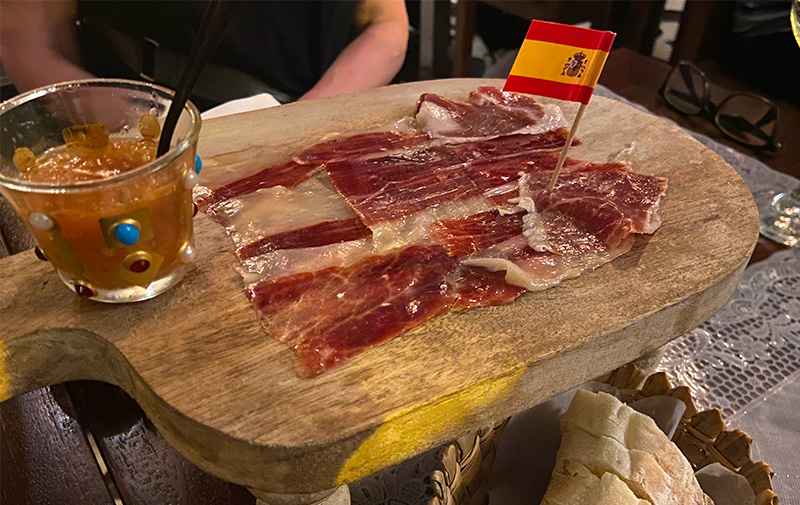
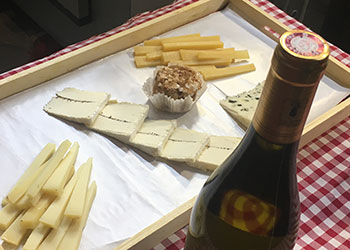
Taking a break from coastal cooking. Doña Lola delivers excellent Spanish tapas, and their Jamón Serrano is the perfect, simple start to a long dinner.
The Centro Histórico and Getsemaní are where you go for colonial ambiance, high-end service, and celebrated chefs. If you are looking for a romantic dinner in an open-air courtyard, this is your neighborhood. You will pay a premium here, but the experience can be world-class.
Prices below are per person for a typical meal without going heavy on alcohol. Think of them as planning ranges, since menus and exchange rates change.
| Restaurant | Why Go | What to Order | Price Range (USD) |
|---|---|---|---|
| Celele | One of Latin America’s best restaurants, modern Caribbean | A la carte menu, local fish, creative plates | $70 to $120 |
| Carmen Cartagena | Upscale but approachable, romantic courtyard | Tuna tartare, short rib, tasting menu | $40 to $80 |
| El Gobernador | Refined Colombian cooking in Bastión Luxury Hotel | Lionfish, local ingredients, cocktails | $60 to $110 |
| Moshi | Pan-Asian cuisine with Colombian seafood | Sushi, Asian-Caribbean fusion plates | $40 to $80 |
| Alma Restaurante | Inside Casa San Agustin, refined classics | Seafood rice, lobster, cocktails | $40 to $90 |
| Harry’s Restaurant | Chef Harry Sasson, gorgeous courtyard setting | Wood-fired meats, seafood appetizers | $40 to $80 |
| Donjuán Cartagena | Classic bistro meets Caribbean kitchen | Seafood, pork dishes, wine | $50 to $90 |
| Candé | Traditional food, music, and cultural show | Caribbean sampler, posta negra, fried fish | $35 to $65 |
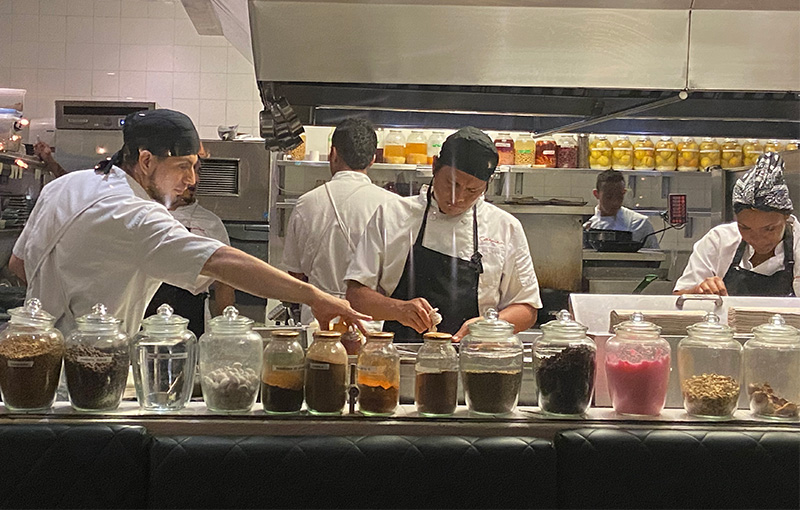
Restaurante Carmen focuses heavily on ingredient-driven cuisine that showcases Colombia’s biodiversity. Watching the chefs work in the open kitchen proves the level of technique they bring to the tasting menu.
Restaurante Celele: Celele is now the headline reservation in Cartagena. Chef Jaime Rodríguez has built a deeply Caribbean menu around ingredients, producers, and cooking traditions from Colombia’s coast. It is not just another polished tasting-menu restaurant. It is a real culinary deep dive into Caribbean flavors and one of the best meals you can have in the city.
Restaurante Carmen: Located in the heart of downtown historical Cartagena, Carmen focuses on ingredient-driven cuisine showcasing Colombia’s biodiversity. We chose the seven-course tasting menu with wine pairing, and it was a very strong choice for a special-occasion dinner.
Restaurante El Gobernador: Located on the first floor of the Bastión Luxury Hotel, this spot offers refined contemporary cooking that brings Colombian ingredients into a more formal, polished setting. It is a good choice for a quieter upscale dinner.
Donjuán Cartagena: Chef Juan Felipe Camacho combines the gastronomic approach of a classic bistro with the traditional flavors of a Caribbean kitchen. It is polished but not overly stiff.
Harry’s Restaurant: Set in the beautiful interior courtyard of the glamorous Hotel Charleston Santa Teresa, this is the only restaurant from renowned Colombian chef Harry Sasson located outside the capital. We stopped here for an excellent lunch.
Moshi: An ode to pan-Asian cuisine interpreted with Colombian ingredients and local seafood. A great pivot if you want vibrant Asian flavors.
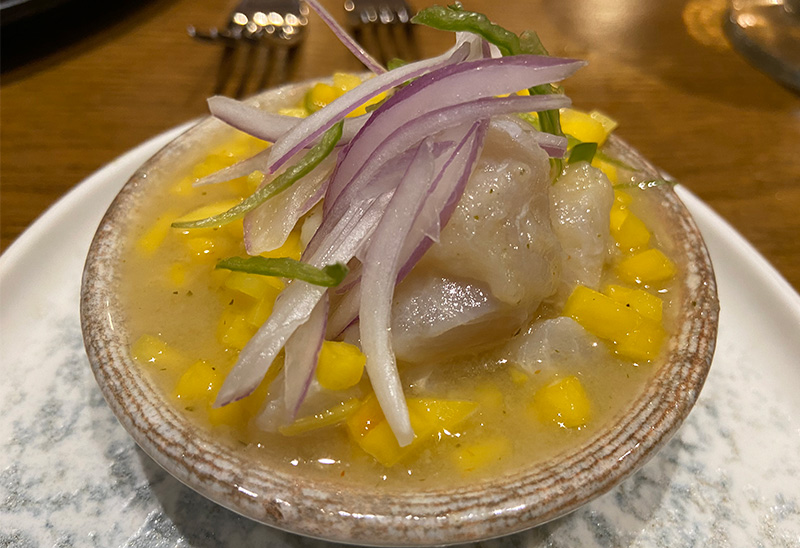
Candé focuses strictly on traditional Cartagena recipes. Their fresh fish ceviche, topped with yellow mango, is bright, acidic, and a perfect starter.
Restaurante Candé: Candé was one of those meals that quietly reminded us why Cartagena’s food scene shines when it leans into tradition. The chicharrón cartagenero was perfectly crisp, and the live traditional dance entertainment makes it a full experience. It has also become a stronger sustainability-minded choice, while still delivering the music, energy, and classic Cartagena dishes that make it fun for visitors.
La Cevichería: This spot is an absolute icon. Casual, energetic, and consistently busy. Expect a wait, but the coconut milk ceviche is worth the time. It is a classic do-once Cartagena lunch, not necessarily the place you need to return to every day.
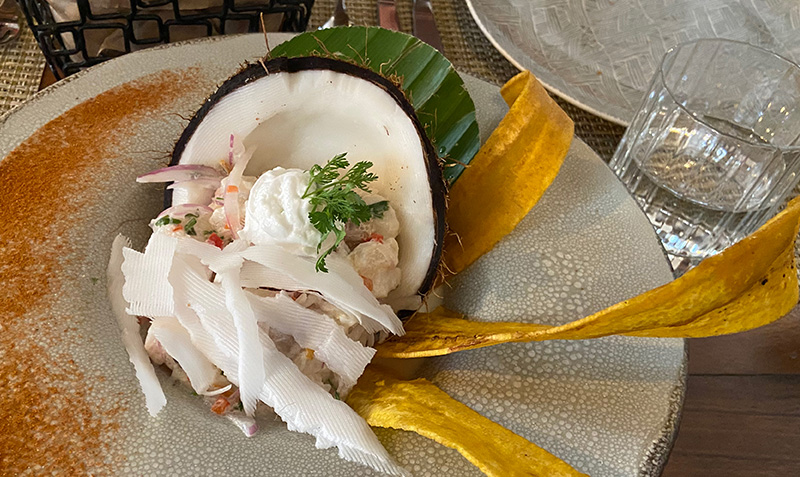
Lunch in the stunning courtyard at ALMA Restaurante. Their coconut shrimp ceviche, served right in the shell with long plantain chips, is exactly what you want on a hot Cartagena afternoon.
ALMA Restaurante: We had an excellent lunch here. It is located inside Casa San Agustin and features one of the most beautiful courtyards in the city. It is a fantastic, upscale escape from the midday heat.
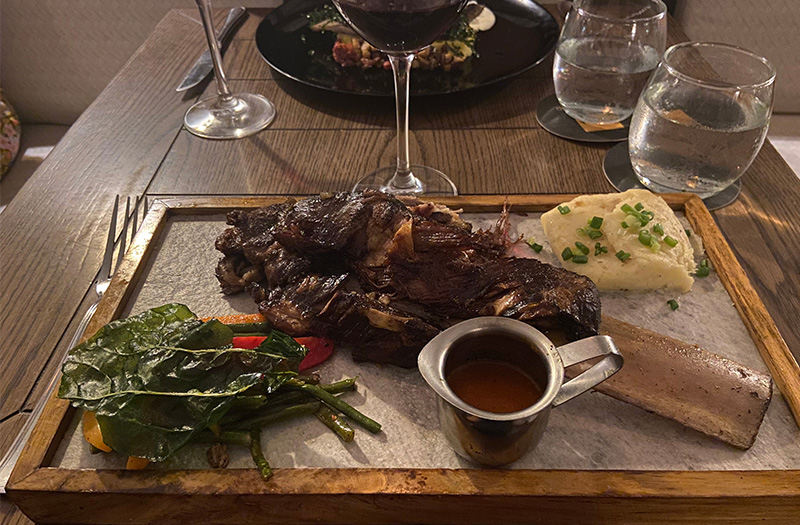
Taking a break from Caribbean seafood. Massive bone-in cuts and an excellent wine list make El Burlador Gastrobar a perfect, moody date-night option.
El Burlador Mediterráneo-Caribe: Formerly best known as El Burlador de Sevilla, this restaurant has evolved beyond the classic Spanish gastrobar concept. It now brings together Iberian favorites, Caribbean seafood, cocktails, and live music. If you want a complete reset from fish and plantains, it is still a great date-night option for jamón, tapas, a steak, and wine.
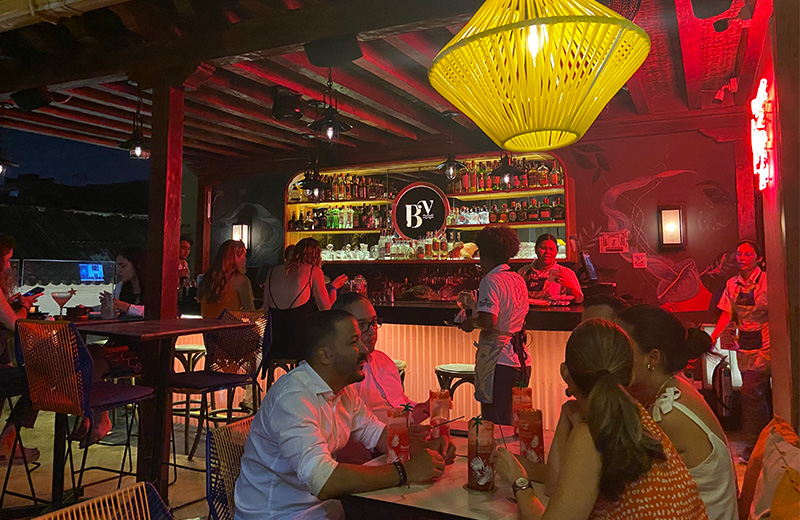
Because the city is so hot during the day, the dining scene moves vertically at night. Rooftop bars like Buena Vida Marisquería are the best way to catch the ocean breeze and a great cocktail.
Do not stay at street level after the sun goes down. Cartagena has a booming rooftop and craft cocktail scene.
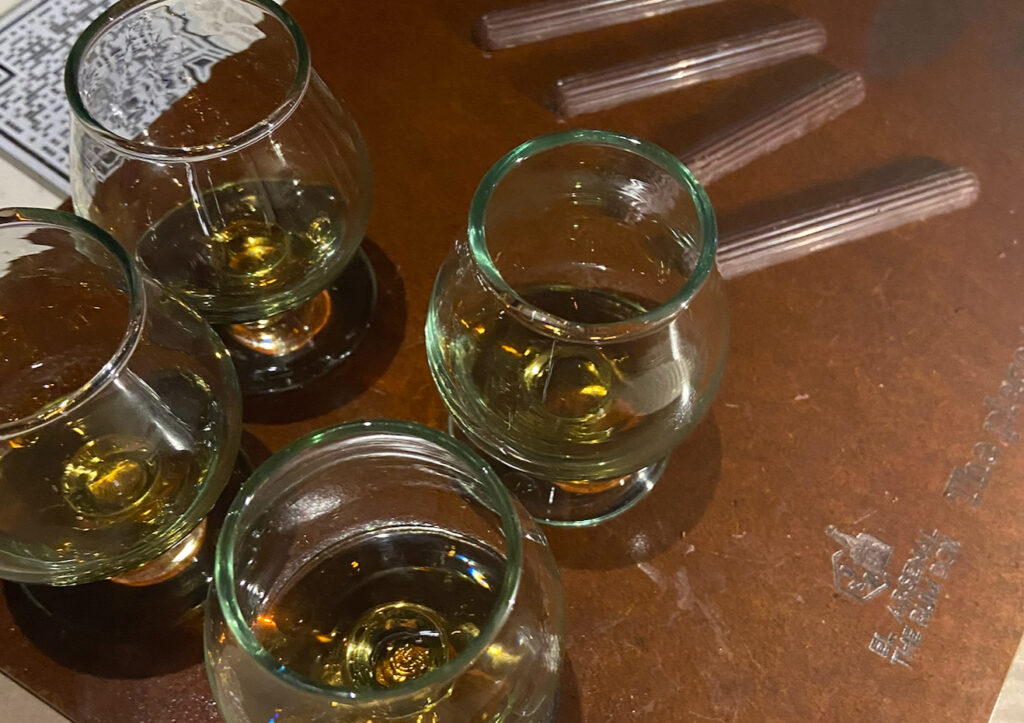
Pairing Colombian rum with local chocolate at El Arsenal: The Rum Box in Getsemaní. This is one of the best interactive food and drink experiences you can book in the city.
If you want to do something a little more interactive than a traditional sit-down dinner, head to El Arsenal: The Rum Box in Getsemaní.
While they serve a full, highly rated dinner menu, what really sets them apart is their guided rum tasting. Colombia produces some incredible, complex rums and high-quality cacao. The staff walks you through the history and flavor profiles, pairing specific aged rums with different percentages of local chocolate. It is a fantastic way to spend an hour before heading out to a late dinner, or the perfect nightcap.
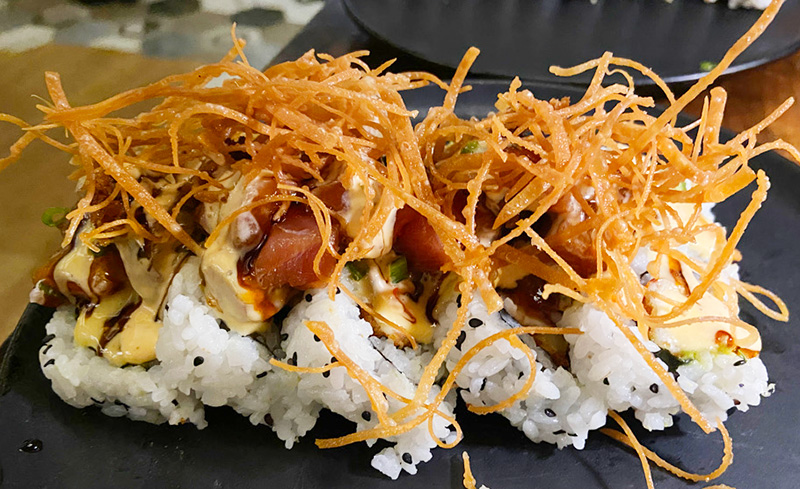
Cartagena is highly international. Hamachi in Bocagrande serves up high-quality sushi that holds its own against anything in the States when you need a break from traditional food.
Bocagrande is where you eat when you are staying longer. It is not as charming as the historic center, but it is consistent, highly international, and much easier for repeat meals, air conditioning, delivery, and a break from the intensity of the Walled City. It is not always cheap, especially near the larger hotels, but it is practical.
| Restaurant | Why Go | What to Order | Price Range (USD) |
|---|---|---|---|
| Persepolis Gastrobar | Persian-inspired food, unique flavors, occasional entertainment | Pastry-covered stews, hummus, kebabs | $20 to $45 |
| Hamachi | High-end, fresh Japanese fusion | Specialty sushi rolls, sashimi | $25 to $50 |
| Soho Pizza | Comfort food, sports, strong A/C | Wood-fired pizza, cold beer | $15 to $25 |
| Leña y Carbón Restaurante | Easy steakhouse-style dinner with music | Grilled meats, shared sides, cocktails | $20 to $45 |
| Ely Café | Reliable breakfast, coffee, and casual daytime meals | Breakfast plates, pastries, coffee | $6 to $18 |
Persepolis Gastrobar: This was one of the biggest surprises of our trip. Finding incredibly flavorful Persian-inspired food in Colombia was amazing. They do a phenomenal job with stews and meats baked under fresh pastry crusts. Highly recommended.
Hamachi: The sushi is incredibly fresh, and the presentation is top-tier. It is a modern, clean space and a fantastic change of pace.
Frisby: This represents the everyday side of eating in Colombia. It is a highly popular, affordable fried chicken chain that hits the spot perfectly after a long beach day.
La Mulata: This is not in Bocagrande. It is in the Walled City and belongs in your value-food rotation when you want approachable Caribbean and Colombian cooking without committing to a fine-dining bill.
Zistaki Cocina: Zistaki is in Crespo, closer to the airport than Bocagrande. It is a nice Mediterranean and Middle Eastern option if you are staying in that part of town or want something different from coastal food.
Rancho Parrilla: This is a destination restaurant north of the city on the road toward Barranquilla, not a quick Bocagrande dinner. Go only if you are already heading up the coast and want a more relaxed grilled-meat stop.
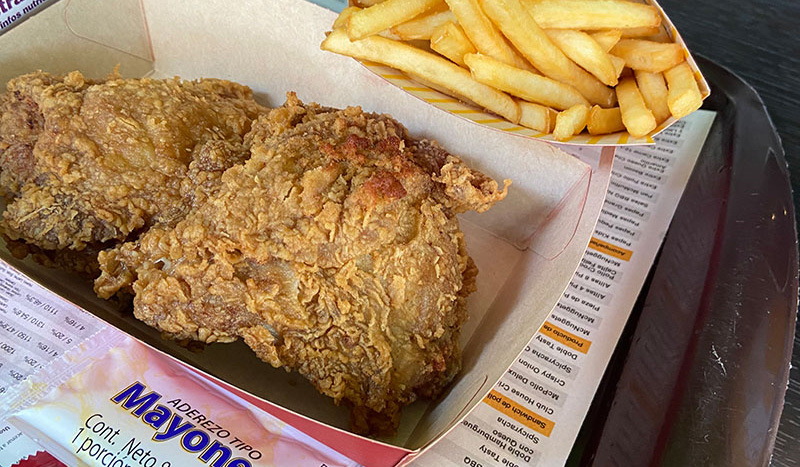
Getting that golden crunch in Cartagena! Nothing beats a classic Frisby fix. If you are looking for a budget-friendly fast-food option, or if you are eating out with kids, their Bocagrande location is an absolute lifesaver. Grab a box, ask for the honey packets, and enjoy a true Colombian fast-food staple.
If you are working remotely, or just need a great breakfast and strong coffee before a tour, Cartagena delivers. The cafe culture here is excellent, featuring some of the best coffee in the world.
For a reliable all-day cafe, Ely Café in Bocagrande became our go-to for multiple breakfasts. Ely has since expanded into the Walled City as well, which makes it an even easier choice for visitors staying near the action.
For a quick morning stop in the Walled City, Época Espresso Bar has world-class coffee, while Café San Alberto serves highly awarded Colombian roasts. Over in Getsemaní, Cafe Stepping Stone is a favorite for hearty breakfasts, strong Wi-Fi, and its social-enterprise mission.
Nía Bakery is the polished newer addition. Go for specialty coffee, serious pastries, breakfast, brunch, or a later cocktail in a much more design-forward space than the average coffee stop.
Best for working: Cafe Stepping Stone
Best for coffee quality: Café San Alberto or Época Espresso Bar
Best for atmosphere: Ábaco Libros y Café
Best bakery and brunch: Nía Bakery
Best all-around breakfast stop: Ely Café
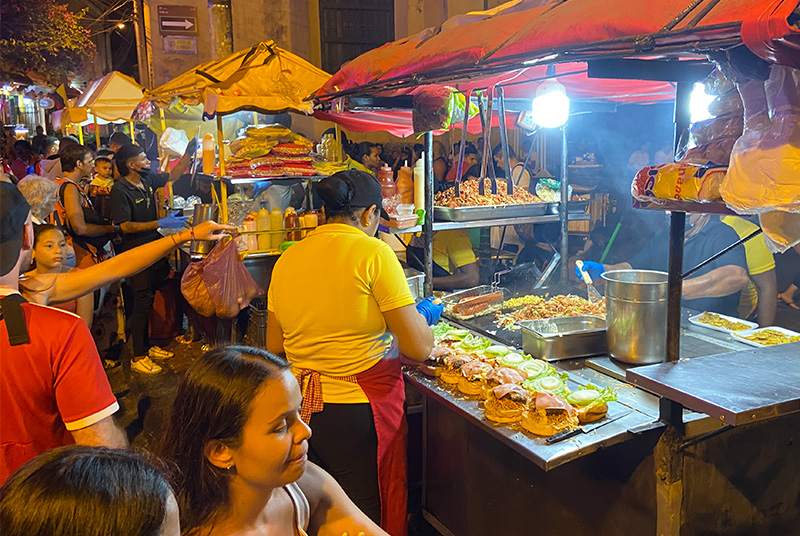
Plaza de la Trinidad in Getsemaní is the undisputed center of Cartagena’s late-night street food scene. These carts churn out everything from loaded Colombian-style burgers to grilled skewers.
If you only eat in sit-down restaurants, you are missing one of the best parts of Cartagena. The real food scene is in the markets, on the streets, and in small family-run spots. This was one of my favorite parts of Cartagena. It felt less polished, more spontaneous, and far more local than another formal dinner.
One of the best ways to understand Cartagena street food is to do exactly what we did and take a walking food tour. It gave us context that you do not get by just wandering past a cart. We sampled tropical fruits that you rarely see in the U.S., learned what vendors were actually selling, stopped for street ceviche, and tried grilled sausages, chorizo, and little cups of hot coffee sold by roaming vendors out of coolers and thermoses. That kind of experience is what makes the whole city click.
What stood out most to me was how much of Cartagena’s street-food scene revolves around quick, satisfying, everyday staples. Arepas de huevo and carimañolas are the obvious must-tries, but do not skip the sausage vendors, fruit carts, or the simple little cups of tinto coffee either. The fruit alone is worth your attention. Mango biche, guanábana, maracuyá, sapote, and whatever else is in season all taste fresher and more intense here than what most Americans are used to.
Street-food prices are part of the appeal. A lot of the simple fritos and snacks are cheap enough that you can try several things without overthinking it. Fruit cups, coffees, ceviche cups, and fried snacks usually make more sense as a snack crawl than a single meal, which is exactly why this section of the city is so fun to explore on foot.
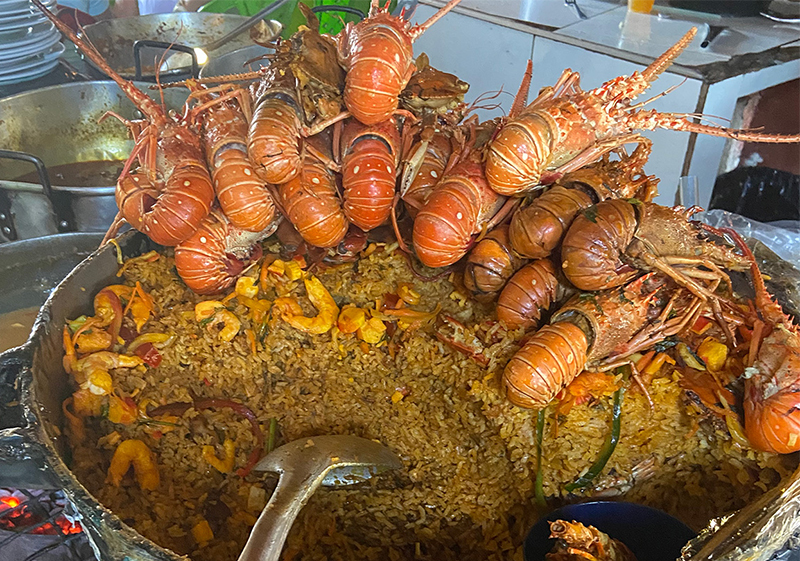
Coastal cooking at its finest. Massive woks of rice piled high with fresh Caribbean lobster are a common sight in the local markets and along the beaches. Read my guide about Bazurto Market Cartagena: Local Food & Street Eats.
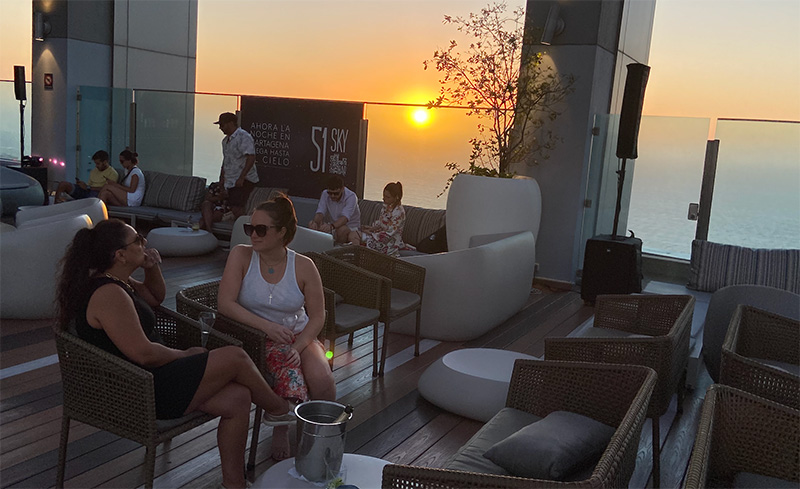
Cartagena nights are built around movement. Dinner in the Walled City, drinks on a rooftop, then drifting into Getsemaní for street food or late-night bars. Enjoying the sunset at 51 Sky Bar with Melissa and Raeanne. The panoramic views of the Bocagrande peninsula are unmatched.
If you are only in Cartagena for a few days, the biggest mistake is staying in one lane. The best trips mix upscale dinners, rooftops, and street food across different neighborhoods. Here is exactly how I would structure it.
Start strong in the historic center with a proper dinner. If you want a lively, cultural night out, book Candé for traditional food, music, and dancing. If you are looking for a more refined, high-end experience, go with Carmen Cartagena. If you can score the reservation and food is the main reason you came to Cartagena, make it Celele.
After dinner, do not call it a night. Head upstairs. Cartagena is a rooftop city after dark. Grab cocktails at Alquímico, Townhouse Rooftop, or Buena Vida and let the night stretch out a bit.
This is your more casual, high-energy night. Head into Getsemaní and spend time around Plaza de la Trinidad. You can either grab a relaxed dinner nearby or just piece together a meal from street vendors.
Think grilled sausages, empanadas, patacones, and a ceviche cup from a street cart. Grab a cheap beer from a corner store or a tiny green bottle of Costeñita, find a seat on the steps, and just hang out. This is one of the most fun, unfiltered experiences in Cartagena.
If you want to keep it going, this is also the best area for a loose bar crawl. There are plenty of small bars, live music spots, and places to bounce between without a plan.
By night three, a reset is nice. Head to Bocagrande for a more relaxed, modern dinner. This is where you go for consistency, air conditioning, and a break from the intensity of the historic center.
Start with drinks at Sky 51 for a clean, elevated rooftop view, then head to dinner at one of your go-to spots like Persepolis and order the Kabob Persepolis, served under a dough crust that keeps the meat incredibly moist and flavorful. You could also go with Hamachi or Leña y Carbón Restaurante for solid food, good service, and live music. It is not as atmospheric as the Walled City, but it is an easy, comfortable night.
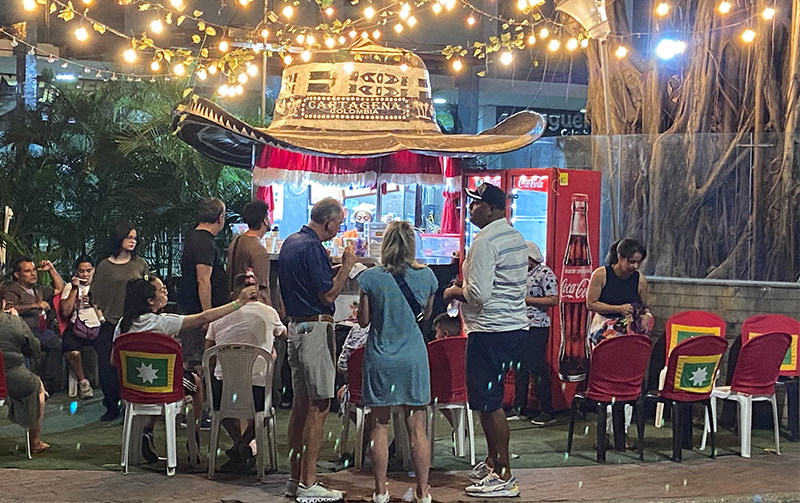
You cannot miss El Sombrerón. It is a street-food cart topped with a massive traditional Colombian sombrero in La Matuna, just outside the Walled City. This is the spot to grab a cheap, refreshing cup of local Cartagena-style ceviche or shrimp cocktail loaded with garlic and lime. Grab a plastic chair and mix it up with the locals.
We did not build this guide from one long weekend. We lived in Cartagena for a month, so this is where our real eating pattern landed. Some places were special-occasion meals. Some were practical repeat spots. That mix is the point.
| Restaurant | Type of Meal | Would We Go Back? | Quick Take |
|---|---|---|---|
| Carmen Cartagena | Special occasion dinner | Yes | One of the strongest full dining experiences we had in Cartagena |
| Candé | Traditional dinner | Yes | Fun, flavorful, and a strong pick if you want a classic night out |
| Harry’s Restaurant | Courtyard lunch | Yes | Beautiful setting and fantastic wood-fired options |
| El Burlador Mediterráneo-Caribe | Date night / steak and wine | Yes | A great reset when you want a break from coastal dishes |
| Persepolis Gastrobar | Repeat dinner spot | Absolutely | One of the biggest surprises of the trip with incredible Persian-inspired food |
| Ely Café | Breakfast | Yes (multiple times) | Reliable, delicious all-day cafe perfect for mornings in Bocagrande |
| La Cevichería | Tourist-famous seafood lunch | Yes, once | More of a do-it-once classic than a repeat habit |
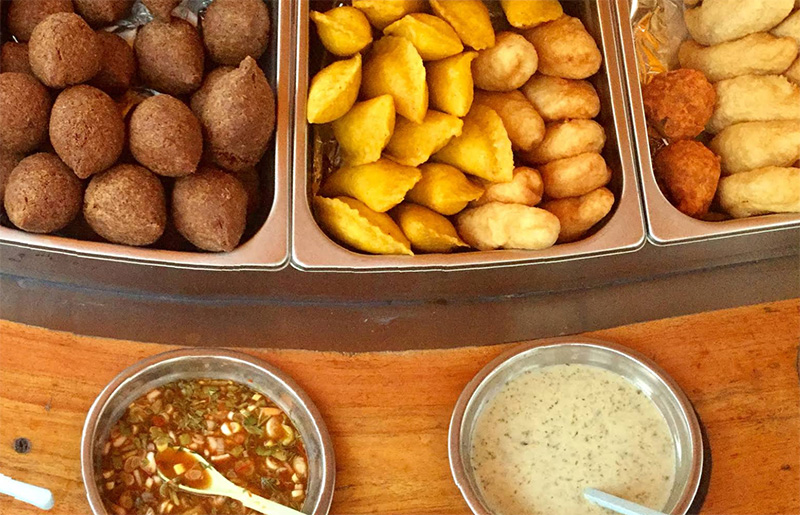
Los Fritos de Dora in Plaza de San Diego is a local institution. Their trays are constantly refilled with fresh arepas de huevo and carimañolas, making it the perfect spot for an authentic Cartagena snack crawl.
If you only have 8 to 10 hours in the city from a cruise ship, do not waste time trying to sit down for a three-hour fine-dining lunch. Keep it moving, and leave yourself enough time to get back through port security.
Start your morning grabbing a coffee at Época inside the Walled City. Walk the historic walls and grab an arepa de huevo or traditional fritos from Los Fritos de Dora in Plaza de San Diego. For lunch, put your name in early at La Cevichería for fresh, fast seafood or grab a table in the courtyard at ALMA. Spend your afternoon wandering the colorful streets of Getsemaní, and finish your day grabbing a sunset cocktail at the Townhouse Rooftop or Café del Mar before heading back to the port.
Plan the full Colombia experience with city guides, Cartagena neighborhood tips, island escapes, food spots, and practical ideas for longer stays.
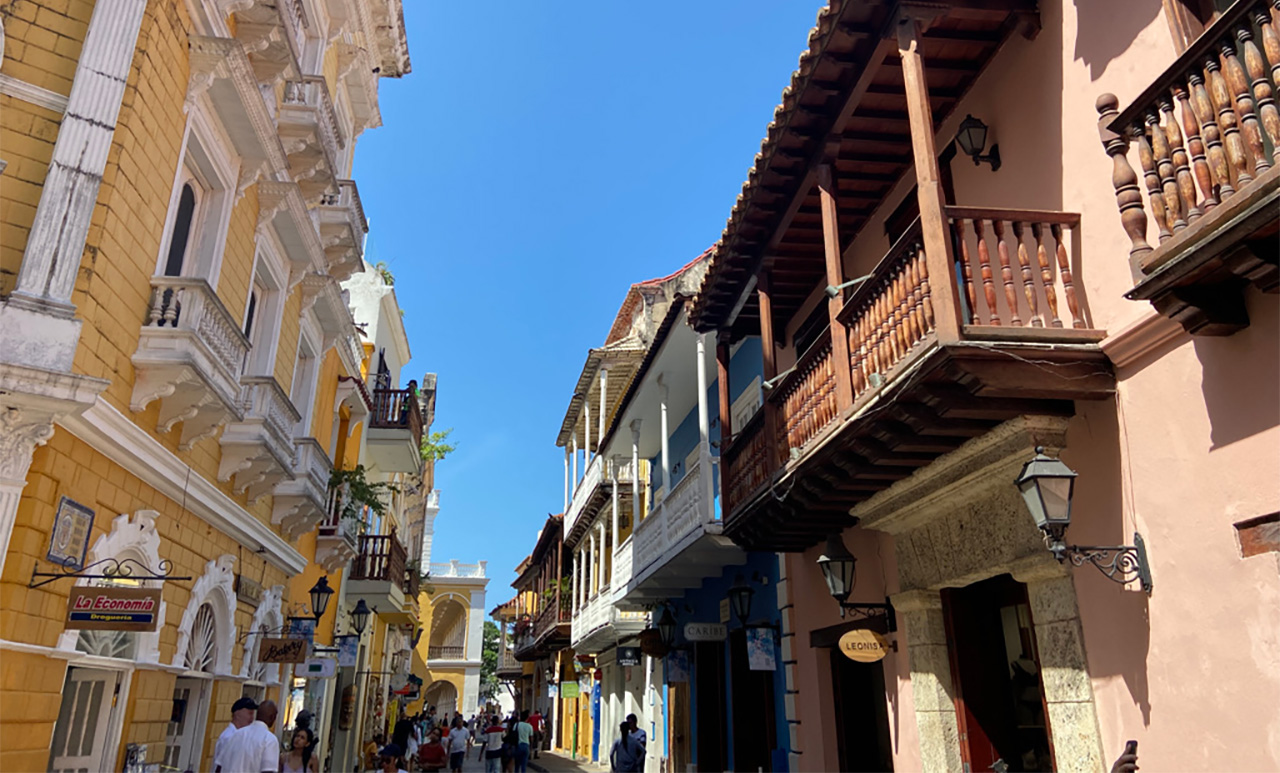
CARIBBEAN BASE
See what it’s like to live slower in Cartagena with neighborhood tips, local rhythm, and ideas for a longer stay.
Read More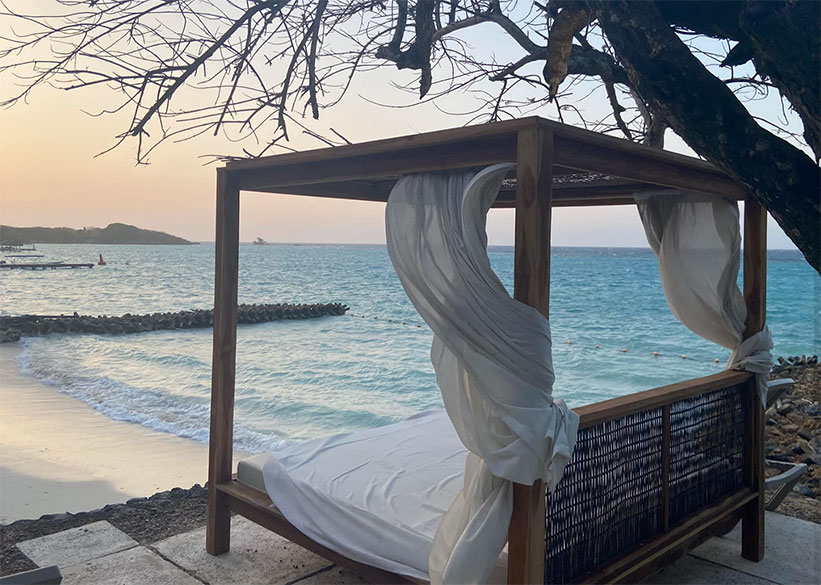
ISLAND ESCAPE
Trade the city for clear water and slower island time with a practical look at Isla Grande and Hotel Majagua.
Read More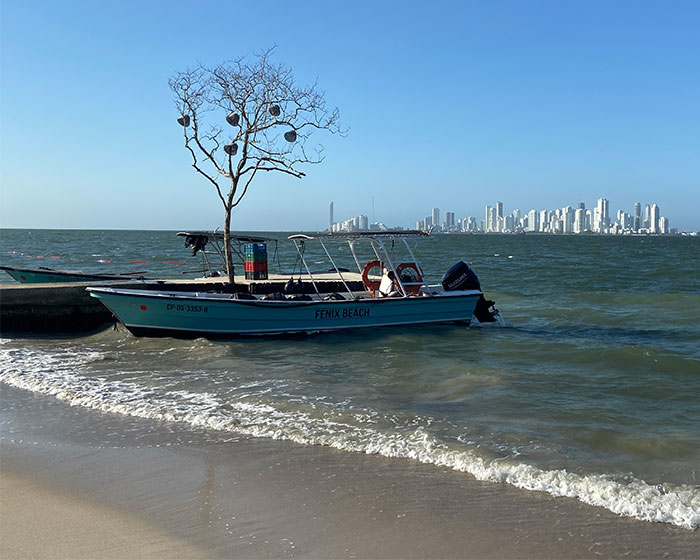
BEACH DAY
Plan an easy beach-club day from Cartagena with practical tips on where to go, what to expect, and whether it’s worth it.
Read MoreIt depends where and how you eat. The very top restaurants in the Centro Histórico can hit U.S. pricing, especially with imported wine. But Cartagena overall still offers excellent value. You can find local lunches, fritos, fruit, coffee, and casual neighborhood meals for a fraction of a special-occasion dinner.
For popular spots such as Celele, Carmen, Candé, or Donjuán, yes, especially on weekends, holidays, and during the dry season from December through March. For casual neighborhood spots outside the historic center or in Getsemaní, you can often walk right in.
Start with hot food that is cooked fresh in front of you, such as empanadas, arepas, carimañolas, and grilled meats. Look for busy stalls with high turnover. Be more careful with seafood, mayonnaise-heavy dishes, ice, and anything that has been sitting out in the heat. If your stomach is sensitive, keep street seafood to a minimum and stick to a reputable sit-down restaurant for ceviche.
Absolutely. While coastal seafood dominates, Cartagena is highly international. You will find steakhouses, Persian-inspired food, Mediterranean cooking, sushi, wood-fired pizza, bakeries, brunch spots, and reliable comfort food spread throughout the city.
If your dates line up, the Festival del Frito is usually held around late January and early February during the Candelaria celebrations. The Festival del Dulce takes place around Holy Week, while the Posta Challenge has recently brought restaurants together around Cartagena’s signature posta negra dish in June. Check current dates before planning around any festival.