Travel Planning Hub
Start here to plan your trip, compare options, and explore every TLGA planning guide.
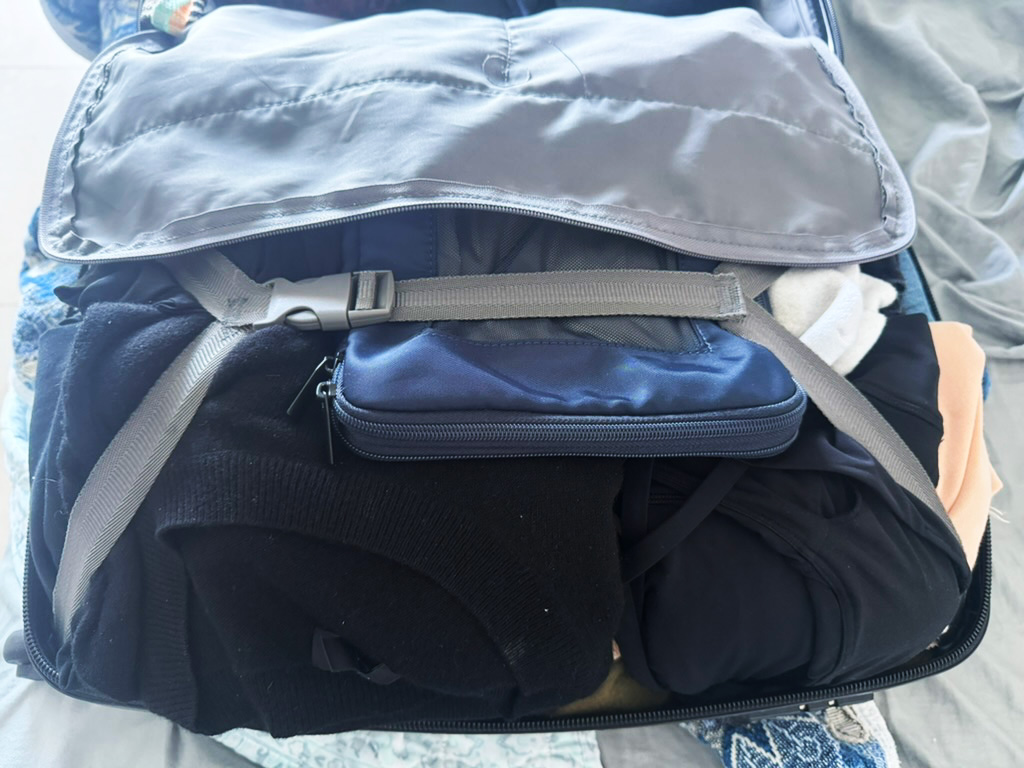
Packing & Gear Guide
What to pack, what to skip, and how to build a lighter travel setup that works.



The ultimate San Francisco moment: watching the sunset over the Golden Gate Bridge. For the best views without the crowds, head to Marshall’s Beach or the Marin Headlands as the light dips below the horizon.
Last updated: January 2026 by Corey Gasman
From the Editor:
The United States is not “one trip.” It is a travel system: huge distances, wildly different climates, and experiences that can feel like separate countries. The most common mistake is planning the USA like Europe: too many stops, too much driving, and not enough time to actually live in a place.
The best USA trips are built with regions and bases. Pick a region, choose 1 to 2 anchor cities or hubs, add a few day trips, and leave room for spontaneity. That is how a trip starts feeling like a real story instead of a checklist.
USA planning gets dramatically easier when you accept two truths: distances are real and lodging is the main budget variable. If you plan around those, everything else gets smoother.
For 2026, your biggest planning decisions are usually not about the USA itself. They are about how you move (drive vs fly), what season you travel in, and how many bases you try to cram into the trip.
The USA pacing rule that saves trips:
If your itinerary has you driving more than 3 to 4 hours most days, you are not “seeing more,” you are just moving more. The best trips usually have 2 to 3 big moves total, then a bunch of small loops.
The takeaway: build the trip around bases and day trips, not hotel changes.
TLGA Rule: Pick one region per trip. The USA is not the place to cross the whole map in 10 days.
Start here: Getting Around Abroad (how to plan transportation like a system)

To understand the scale of the United States, start with the vertical scale of New York. The view from the top of the Empire State Building reveals a city that feels infinite, a reminder that in the USA, distances are real and every region is its own world.
The United States is easy to travel, but it is easy to travel badly. The most common mistake is treating it like a small country. It is not. It is a set of regions with very different climates, driving times, and costs.
To understand the scale, look at a map overlay. Driving from New York to Los Angeles is roughly the same distance as driving from Lisbon, Portugal to Moscow, Russia.
Hotels in major cities and popular national parks can be expensive, especially in peak season. The easiest win is staying just outside the hottest zone while keeping a walkable or drivable loop.
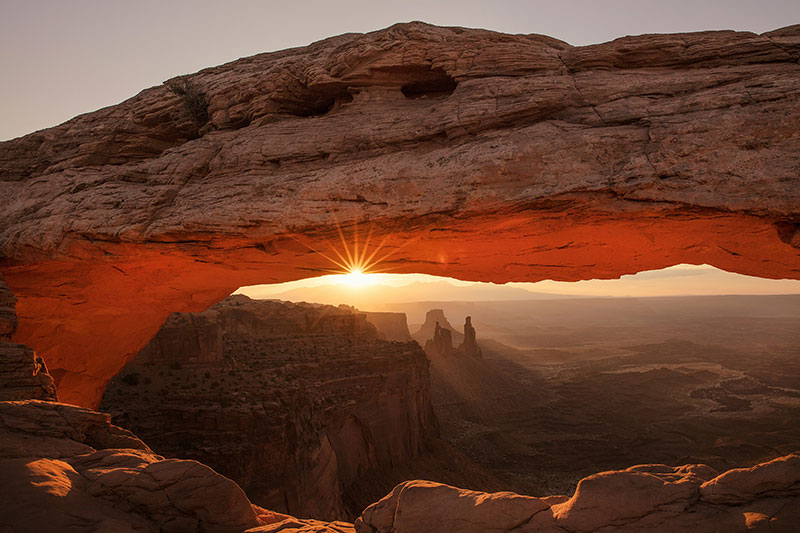
To experience Moab, Utah at its best, aim for the shoulder seasons of late spring and early fall. You’ll avoid the intense 100°F+ summer heat and winter road closures, giving you ideal conditions for hiking and exploring canyon country.
The best time to visit depends on the region, not the country. Use this as a planning shortcut to avoid heat, storms, and peak crowd pressure.
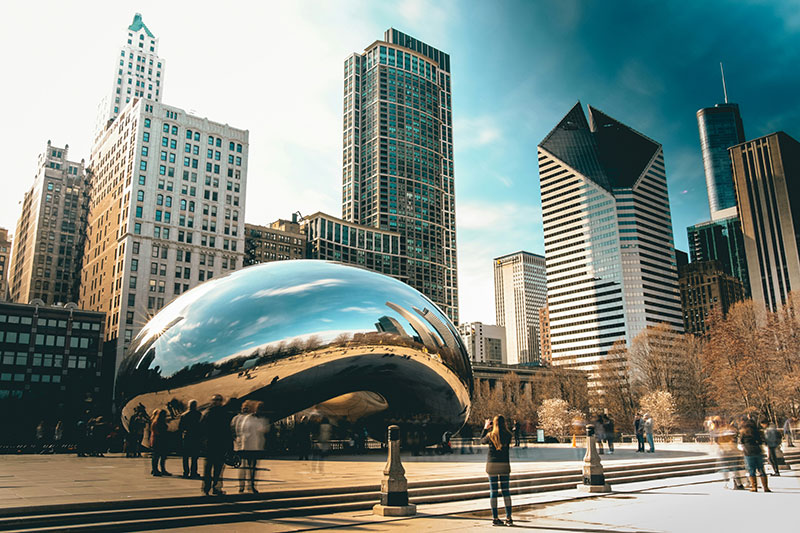
The heart of the Midwest: Chicago is the ultimate urban anchor for a Great Lakes trip. For a quieter moment at Millennium Park, visit Cloud Gate just after sunrise to see the skyline reflected in “The Bean” without the midday crowds.
Pick the kind of days you want, then choose regions that deliver those days. The USA is at its best when you travel with a clear lane.
If you are new to US travel, start with one region and two bases.
Build around one park cluster, not a scattered map. The best parks trips are regional.
Road trips are the USA superpower. Keep drives realistic and build your trip around a few big moves, not daily long-hauls.

Catching a game at Fenway Park, the oldest ballpark in Major League Baseball, is a bucket-list Boston experience. Even if you’re not a die-hard fan, the history of the Green Monster and the energy around Kenmore Square on game day are essential pieces of the city’s culture.
This is the simplest USA planning framework: choose a region, choose 1 to 2 anchor bases, then build day-trip loops.
If you want the quintessential American experience, these are proven routes that deliver highlights without burnout:
If you are debating between two regions, pick the one that matches your month. Season alignment beats hype.
Whether you are looking for the classic American bucket list or the fastest-growing spots for this year, these are the locations drawing the most attention right now. Choose your lane and dive into our dedicated city guides.
These cities consistently deliver the iconic experiences travelers look for when planning a major trip.
Looking for something different? These regions are seeing massive spikes in interest for upcoming travel.
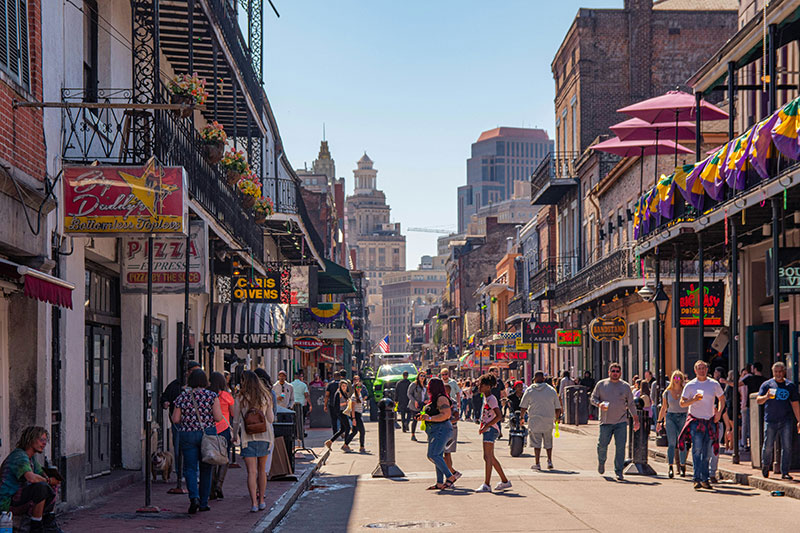
Beyond the neon of Bourbon Street: For a more authentic New Orleans experience, look to the Garden District or Marigny. These neighborhoods offer stunning historic architecture and a quieter, local rhythm while still being just a short streetcar ride away from the French Quarter’s energy.
The USA is not always a “stay downtown” destination. Your best base is the one that fits your day plan: walking loops in cities, easy parking near parks, and calm lodging when you want rest.
| Base type | Best for | Choose it if… |
|---|---|---|
| Walkable core | Short trips | You want to do a lot without a car. |
| Neighborhood base | Food + local vibe | You want cafés, parks, and a calmer loop. |
| Edge base | Value + parking | You want lower costs and easier logistics. |
| Base type | Best for | Choose it if… |
|---|---|---|
| Inside the park | Maximum access | You want sunrise access and less driving. |
| Gateway town | Balance | You want restaurants and easier lodging options. |
| Second-ring town | Budget | You want value and accept longer drives. |
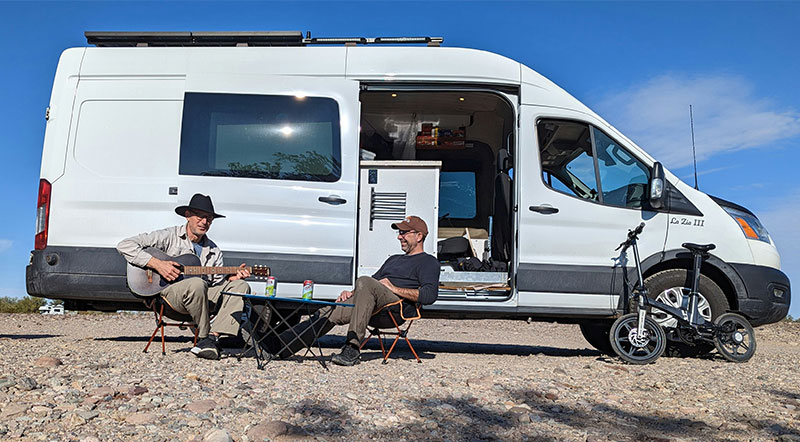
Quartzsite, Arizona, is a rite of passage for van life travelers. Whether you’re stopping for the famous gem shows or looking for open BLM land to park overnight, this desert hub captures the spirit of the American road trip.
Transportation is the core USA decision. Most trips come down to this: drive within a region, fly between regions.
If the drive is more than 6 to 7 hours, strongly consider flying. You are buying back a vacation day.
Trains (Amtrak) are great in the Northeast Corridor (DC to Boston) but are not a primary mode of transport in most of the country.
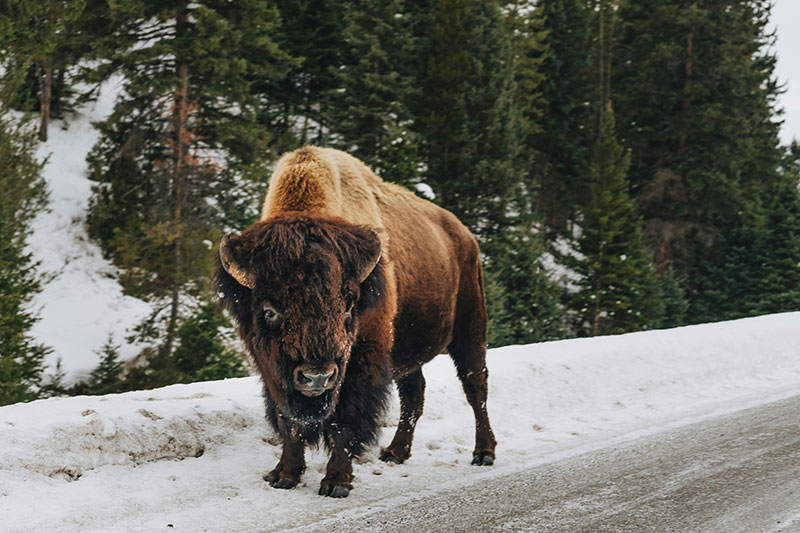
In winter, wildlife like bison often share the road. Always give animals plenty of space. In Yellowstone, they always have the right of way.
The USA is safe for travelers in most contexts, but it is huge and varied. The best safety strategy is basic: awareness, weather respect, and not pushing driving when tired. In an emergency, dial 911.
Good guest basics in the USA:
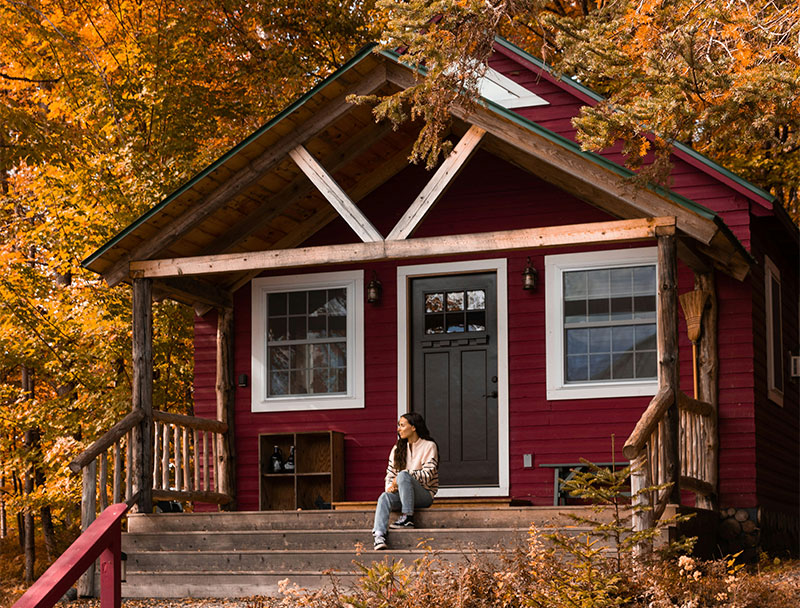
Renting a cabin is one of the best ways to experience the scale of the U.S. wilderness. Whether in the Blue Ridge Mountains or the Pacific Northwest, choosing a remote base lets you trade city noise for forest quiet. For value, look for “dry cabins” or older A-frames just outside major national park boundaries.
In the USA, lodging is often your biggest expense. Choose the format that reduces friction for your trip leg.

A classic burger and fries is part of the American road trip ritual. From historic roadside diners to neighborhood favorites, it is a universal language of the U.S. food scene.
Eating well in the USA is about neighborhoods and timing. One block off the main strip is often the “real city” lane, and it is usually better value.
| BBQ + comfort food | Great in multiple regions. Pick one food city and go deep. |
| Seafood coasts | Best when you align with season and avoid peak tourist traps. |
| Immigrant food cities | One of the USA superpowers: incredible variety in major metros. |
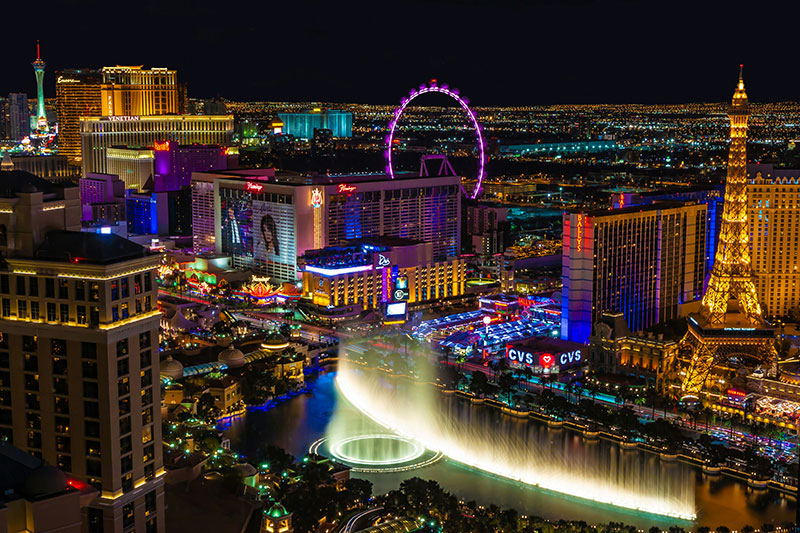
Las Vegas is a city built on spectacle. The Strip is best experienced after dark, when the lights, shows, and sheer scale of the resorts come alive.
The USA is controllable if you plan around the big levers. The biggest shocks for international visitors are usually sales tax and tipping, which are almost never included in the displayed price.
Read: Travel Finance Guide
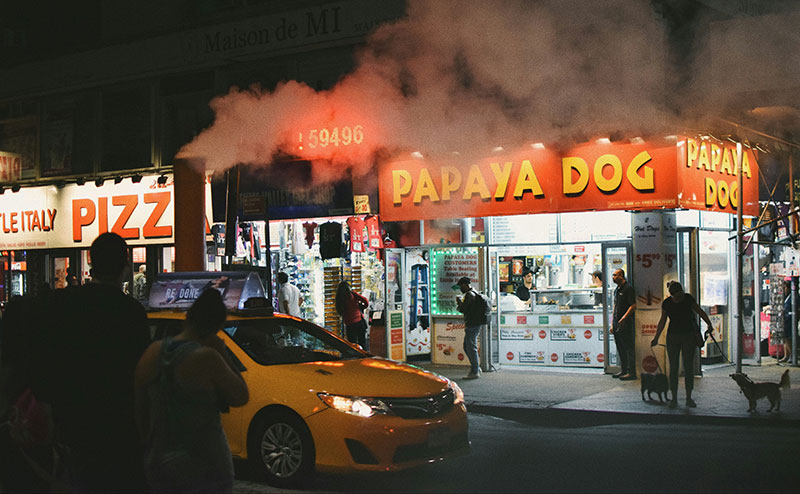
A classic NYC budget move: a slice and a soda, or a street hot dog. While Manhattan dining can get expensive, leaning into grab-and-go food culture is the best way to keep daily spending under control. Anthony Bourdain famously loved Papaya King.
The USA is easy culturally, but a few norms and “hidden fee” realities surprise travelers. Knowing them makes your trip smoother.
The tipping reality (2026 standards):
Dining: 18-22% is standard for table service.
Bars: $1-$2 per drink or about 20% of the tab.
Service is not included: many tipped workers depend on gratuity as part of their wage.
For most travelers, 7 to 10 days is best for one region. If you have 10 to 14 days, you can add a second region if you fly and keep bases tight.
Drive within a region and fly between regions. If a drive is more than 6 to 7 hours, flying usually buys back a vacation day.
Not hard, but they are popular. Start early, plan lodging first, and check for any timed-entry or reservation requirements in peak season.
Over-moving. Too many hotel changes and too much driving turns a trip into logistics. Pick a strong base and build day-trip loops.
It can be, but it is controllable. Lodging is usually the biggest variable. Your biggest savings come from traveling in shoulder season, staying slightly outside the hottest zone, and limiting moves.