Travel Planning Hub
Start here to plan your trip, compare options, and explore every TLGA planning guide.
Packing & Gear Guide
What to pack, what to skip, and how to build a lighter travel setup that works.
Home » Travel Planning »
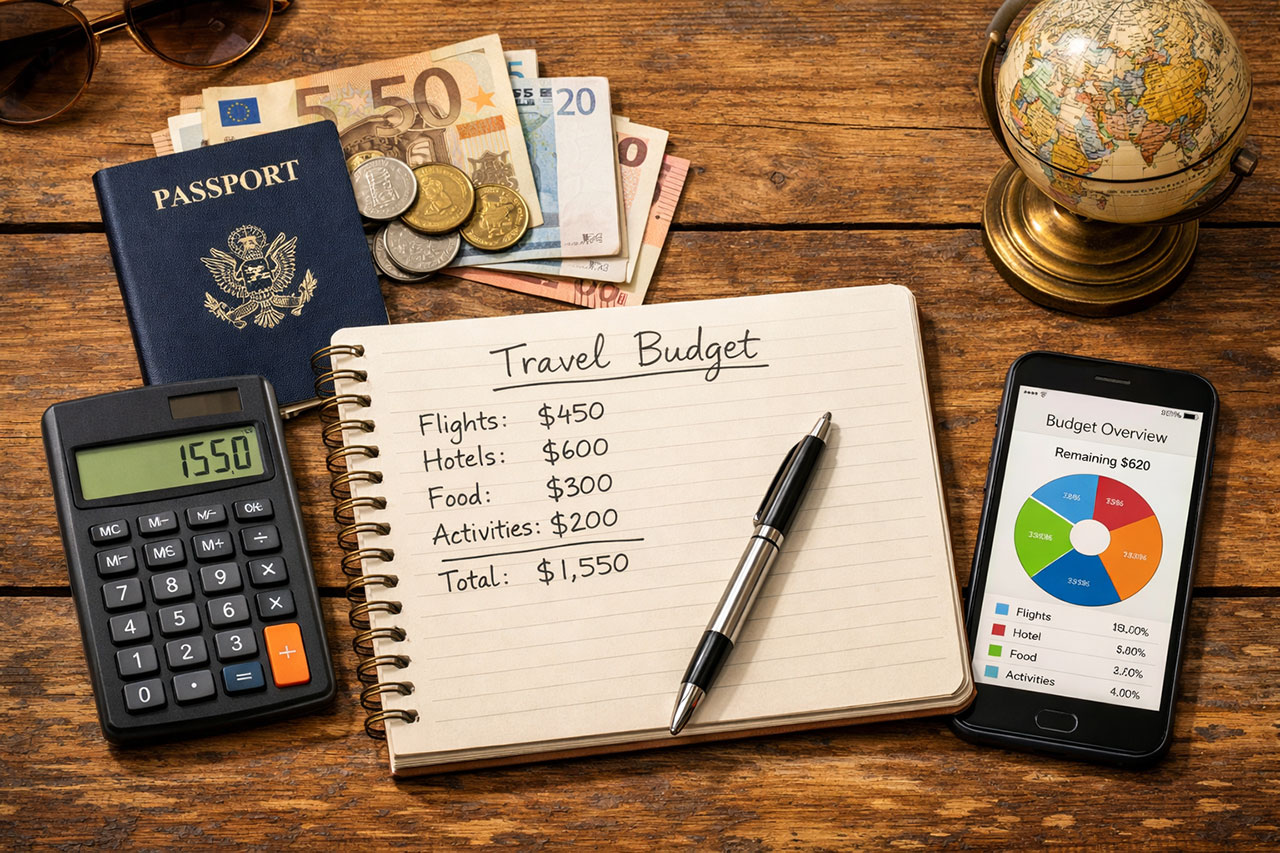
This travel budgeting guide is one of the most important resources for planning a successful trip. A realistic budget helps you decide where to go, how long to stay, where to spend, and where to save without feeling like every decision is about money.
If you are still mapping out your full trip, start with the Travel Planning Playbook to build your itinerary, timing, and logistics first. For the best overall value, I consistently recommend looking at regions like Southeast Asia, where your money often goes further without sacrificing food, culture, scenery, or memorable travel experiences.
This guide breaks down exactly how to plan costs, manage money abroad, and avoid the most common financial mistakes travelers make.
This guide is built to help you travel better, not just cheaper.
Before building a budget, it helps to understand where your money will go. Most travel expenses fall into a few main categories: transportation, accommodation, food and drinks, activities, insurance, and visas.
Some travel expenses are fixed, such as flights and accommodation, while others vary daily, such as food, transportation, and entertainment. Knowing which costs are flexible helps you adjust your spending during the trip if needed.
Travel budgeting becomes much easier when you break these categories down before you book anything, rather than trying to adjust on the fly. Even a rough estimate gives you a clearer picture of where you can splurge and where you need to stay disciplined.
I almost never sacrifice location, but I am happy to give up a bit of comfort for a slightly cheaper, still well-reviewed hotel or Airbnb. Saving even $25 to $50 per night can turn into a memorable local dinner or a great bottle of wine.
TLGA Rule: Always check your passport expiration date as soon as you start planning.
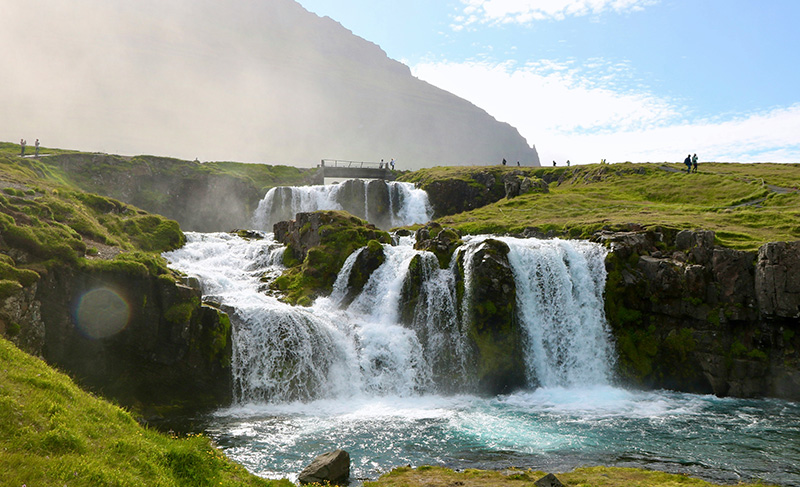
Planning for high-cost destinations like Iceland requires a strategic approach to booking and a clear understanding of local pricing to keep your budget on track.
Start by determining how much money you are comfortable spending on your trip. Consider your savings, income, and any upcoming financial obligations. Your travel budget should feel exciting but not stressful.
Research average daily costs in your destination. Look at accommodation prices, meal costs, local transportation, and entrance fees. This prevents underestimating expenses and running out of money mid-trip.
When I am traveling abroad, I look at the price of a pint of beer as a quick reality check on local costs. Comparing something familiar gives you a fast feel for how expensive or affordable a country might be overall.
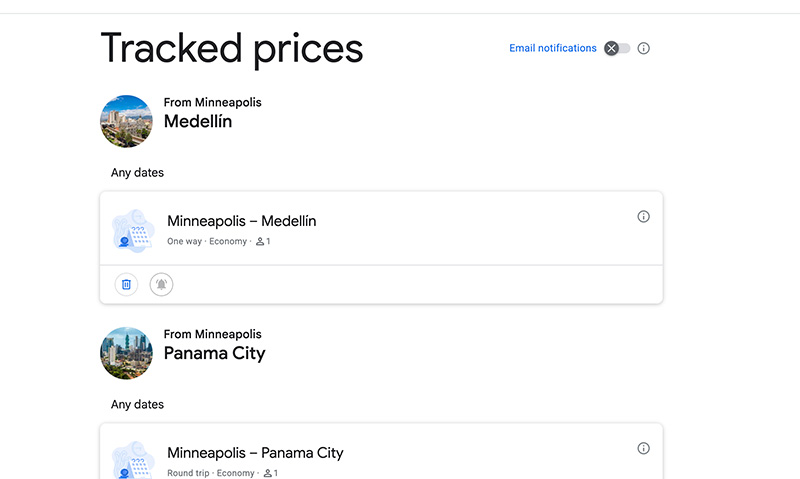
Using automated tools to track flight prices can save you hundreds of dollars on your biggest fixed expense.
Flights are often the single largest expense of any trip, and airline pricing is frustratingly dynamic. If you have not locked in your broader itinerary yet, review this step-by-step travel planning guide to avoid booking flights at the wrong time.
You can protect your budget by avoiding the temptation to book the first flight you see. Instead, use tools like Google Flights or Skyscanner to set up price tracking alerts for your route. Let the algorithms do the work and notify you when the price drops below average.
Never book international flights on a weekend. Historical data consistently shows that flights are cheaper to book in the middle of the week, with Tuesday and Wednesday offering the best pricing trends.
The earlier you start saving, the more flexibility you will have when planning your trip. Setting aside money regularly makes travel more achievable. Create a dedicated travel savings account and set up automatic monthly transfers.
Saving for travel does not always mean major sacrifices. Look for small, strategic ways to reduce spending, like dining out less or canceling unused subscriptions. Redirecting those savings toward travel can increase your budget fast.
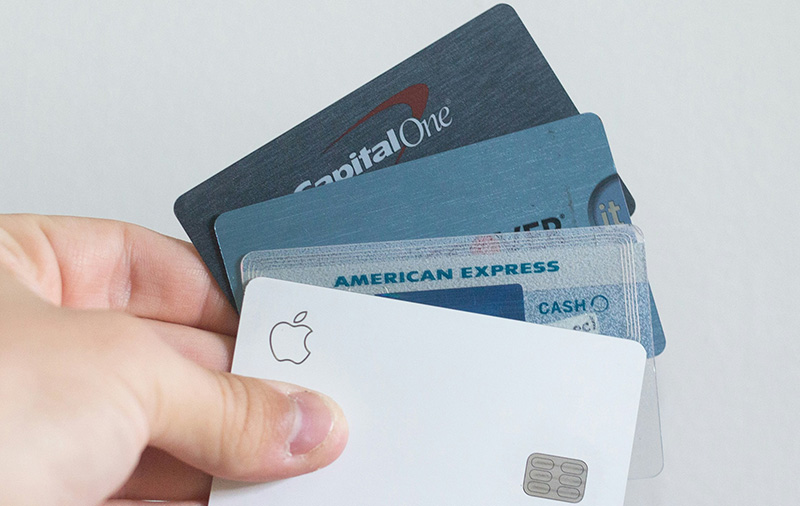
Finding cards with no foreign transaction fees keeps more money in your pocket.
Most destinations accept a combination of cash and cards. If this is your first time navigating money abroad, this First International Trip Guide breaks down exactly what to expect when it comes to payments, ATMs, and avoiding common mistakes.
This is where travel hacking comes into play. By strategically opening a premium travel credit card, you can use sign-up bonuses and point multipliers to completely cover the cost of flights or hotel stays. At the very least, you must travel with cards that charge zero foreign transaction fees, or you will lose a percentage of every purchase you make abroad.
| Card Name | Type | Key Perk | Fees |
|---|---|---|---|
| Charles Schwab Debit | Debit | Unlimited worldwide ATM fee rebates | $0 fee / no FTF |
| Capital One Venture X | Credit | Premium lounge access & 2X to 10X miles | $395 / no FTF |
| Chase Sapphire Preferred | Credit | Strong mid-tier for point transfers | $95 / no FTF |
| Wise (Multi-Currency) | Debit | Real-time mid-market exchange rates | $0 monthly / no FTF |
Carry at least two different types of credit cards from separate banks in case a network goes down. Prioritize Apple Pay or Google Pay whenever possible, as tokenized payments add a meaningful layer of protection.
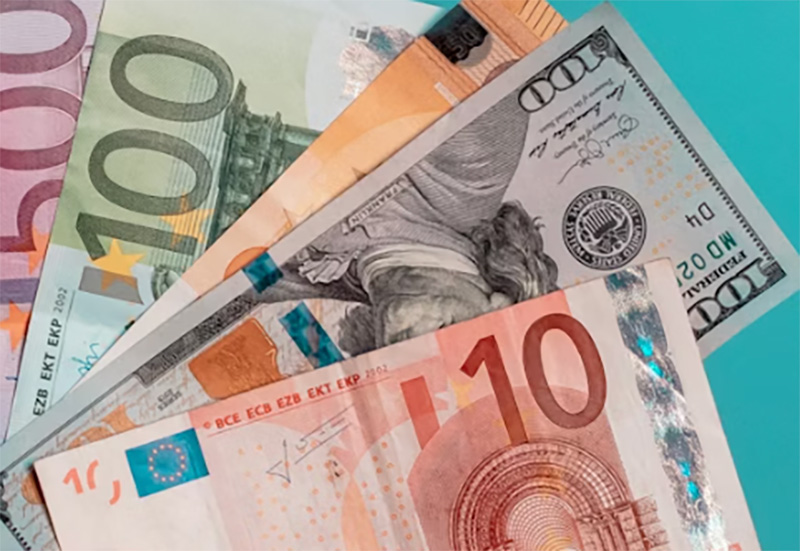
ATMs at reputable banks usually offer better exchange rates than currency exchange counters.
Knowing the exchange rate helps you understand the true cost of purchases. Tools like XE Currency Converter make it easy to check real-time rates before and during your trip.
ATMs at reputable banks usually offer better exchange rates than currency exchange counters. Withdraw moderate amounts to minimize fees while reducing the risk of carrying too much cash. Notify your bank before traveling if your bank still requires travel notices.
If an ATM asks you to accept its conversion rate, decline it. Let your bank handle the conversion for a much better rate.
Accommodation is often one of the biggest travel expenses. Options range from hostels and guesthouses to hotels and vacation rentals. Balancing comfort, location, and price helps you get the best value.
Transportation costs include flights, trains, buses, and local transit. Booking in advance often results in better prices for long-distance routes. Using public transportation instead of taxis can reduce daily expenses dramatically.
Ignore anyone offering rides before you reach the official taxi stand or rideshare pickup zone. Unofficial drivers can be unsafe or overcharge you.
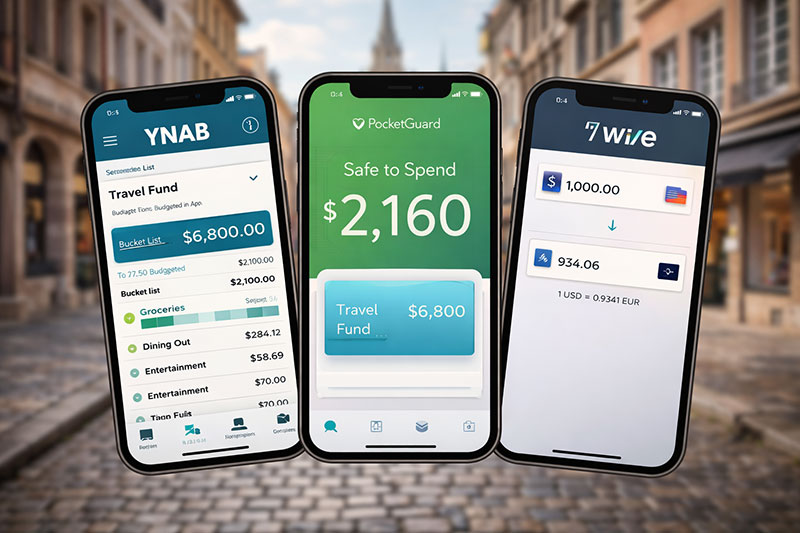
Turning travel goals into reality, one tap at a time. Master your spending with top-rated budgeting apps.
Dividing your total budget into a daily spending limit helps prevent overspending early in the trip. Some days cost more than others, so build in flexibility.
Tracking expenses helps you stay aware of spending patterns. Awareness is one of the most effective budgeting tools. Use a budgeting app, keep simple daily notes, and review your spending every few days.
Traveling with friends or family requires a different approach to budgeting. Mismatched financial expectations are the fastest way to ruin a group trip.
Before booking anything, have an honest conversation about budgets. Decide upfront if the group prefers luxury hotels or budget Airbnbs, and whether dinners will be casual street food or high-end dining. Finding a middle ground early prevents frustration later.
When traveling with groups, use the app Splitwise to track shared expenses. It completely removes awkward money conversations and calculates exactly who owes what at the end of the trip.
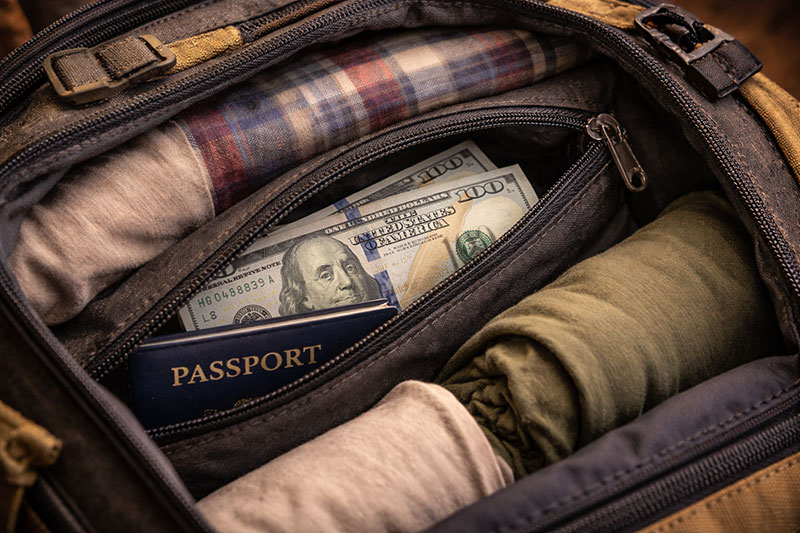
Travel insurance and emergency funds are the boring line items that protect the fun parts of the trip.
Travel insurance protects you from unexpected expenses like medical emergencies, trip cancellations, or lost luggage. Including insurance in your budget can save you significant money in the event of an emergency.
Set aside extra funds for emergencies. Unexpected costs can arise anytime, and having a buffer provides peace of mind. Keep your emergency fund accessible and separate from daily spending money.
Keep a stash of $100 USD hidden in a separate place from your wallet. This is your “get to the embassy” fund if your wallet is lost or stolen.
A well-planned budget can quickly drain if you fall victim to common tourist scams. Overcharging is the most frequent issue, often happening through unmetered taxis, hidden restaurant fees, or “free” gifts from street vendors that suddenly require payment.
Always agree on a price before accepting a service. In restaurants located in heavy tourist zones, verify that the menu has clear prices listed before you sit down. If a stranger approaches you with an overly friendly or urgent demeanor, politely decline and keep walking.
If a taxi driver tells you their meter is broken, simply get out and find another cab. The meter is almost never actually broken.
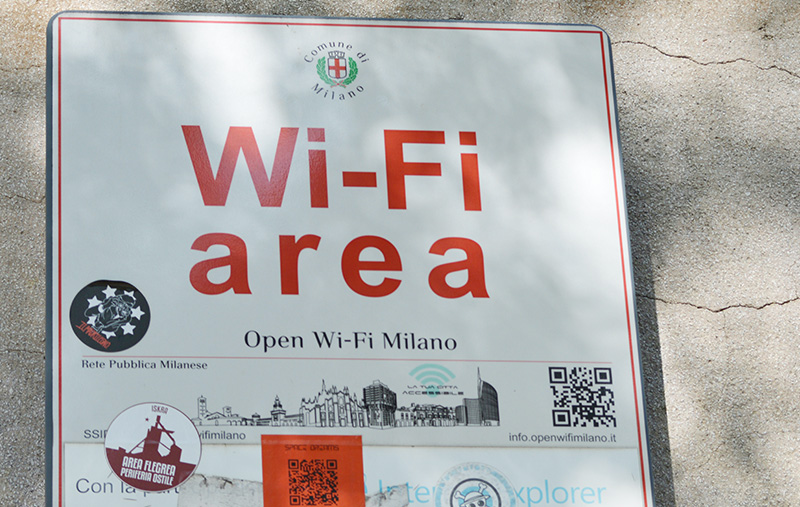
Relying on local data packages rather than carrier roaming plans can save you significantly.
International roaming fees from your home carrier can be incredibly expensive, often charging $10 or more per day just to access your own data plan.
If you have an unlocked phone, the smartest financial move is to use an eSIM. This is one of several small planning details that can make a big difference, and you can find more setup tips in this Travel Packing & Gear Guide.
Download your eSIM over your home Wi-Fi the day before you fly. You can activate it the moment your plane lands, ensuring you have data to call a rideshare immediately.
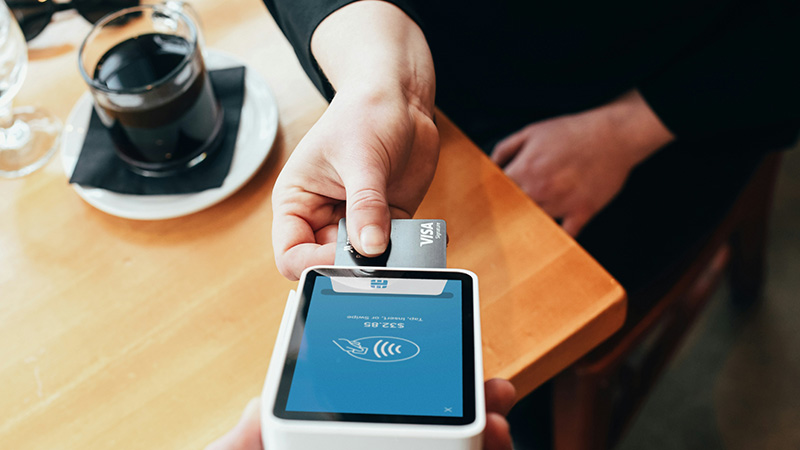
Tipping expectations vary wildly depending on the country you are visiting.
Tipping is one of the most confusing aspects of travel budgeting. If you apply United States tipping standards everywhere you go, you will end up overspending dramatically.
In many parts of Europe, Asia, and South America, a service charge is already included in the bill. In these cases, simply rounding up the bill or leaving a few small coins is customary. Take ten minutes before your trip to research the specific tipping culture of your destination.

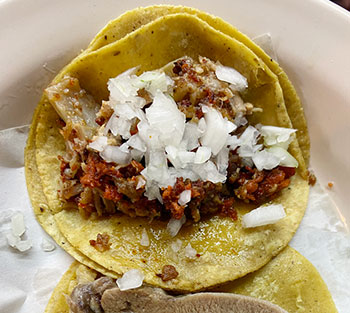
Eating away from main tourist zones is an easy way to stretch your daily budget.
Traveling on a budget does not mean sacrificing quality. Smart choices can reduce costs while keeping the trip memorable. Travel during off-peak seasons, take advantage of free attractions, and use public transportation to get around.
In high-traffic destinations, avoid restaurants right next to major landmarks. Walk three to five blocks away and you will usually find better value, better meals, and more locals. If a restaurant is actively recruiting customers, keep walking.
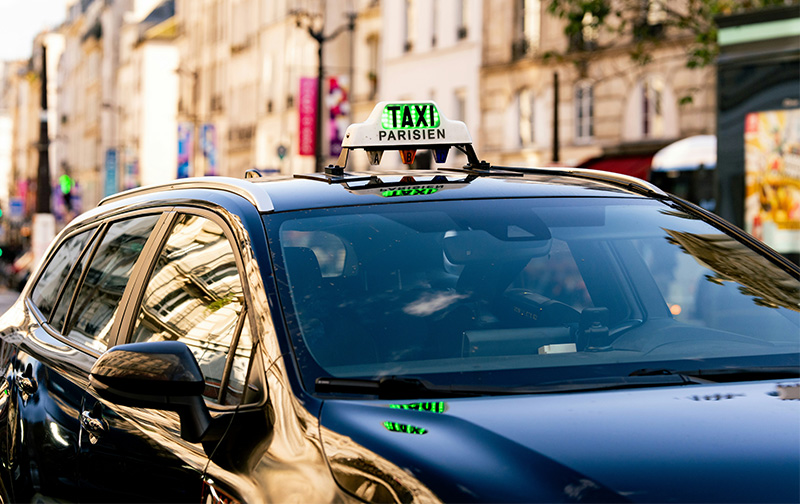
Researching local transit options and setting aside a specific fund for taxis helps you navigate new cities without unexpected costs.
Use this checklist to account for the silent costs of international travel. Planning ahead for these fees prevents a surprise budget drain at the end of your trip.
Daily costs vary by region. These estimates include mid-range accommodation, three local meals, and basic daily sightseeing.
Thailand and Vietnam: You can eat exceptionally well day-to-day. A freshly cooked plate of pad Thai or a bowl of pho is often under $3. Transportation between cities is inexpensive and straightforward.
Laos and Bali: Laos is slower, quieter, and very budget-friendly. Outside high-end resort areas, Bali offers strong value where a local warung meal might run $2.50 to $5.50.
| Region | Daily Budget | Value Pick |
|---|---|---|
| Southeast Asia | $35 to $65 | Thailand, Vietnam, Laos, Bali |
| Southern Europe | $90 to $160 | Portugal or Albania |
| North America | $180 to $350 | Mexico (outside resort zones) |
| Scandinavia / Japan | $200 to $400+ | Kyoto (with rail passes) |
Street food in Southeast Asia is how locals eat every day. High turnover means food is cooked constantly, and eating where locals line up is often safer than tourist-focused restaurants.
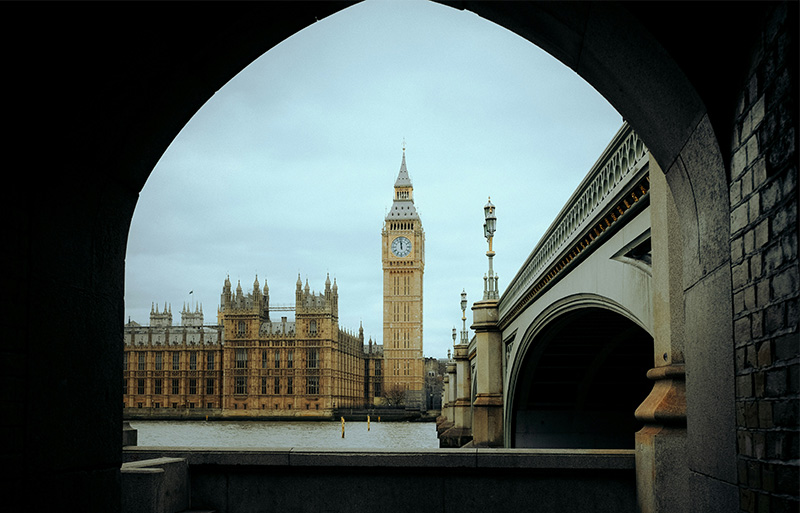
Setting aside money regularly makes travel more achievable, bringing iconic landmarks like London’s Big Ben within reach.
If saving for a big trip feels overwhelming, try this: for one month, cut just one recurring convenience cost (like a daily coffee or an unused streaming subscription) and move it into a dedicated travel fund.
Good travel budgeting is about balance. Planning ahead gives you control, while mindful spending helps you enjoy experiences without guilt or stress. Money is a tool that supports your travel goals, not a limitation.
By saving $6 a day, you will have $2,190 in your fund by this time next year, which is enough for a week in the Albanian Riviera or two weeks in Vietnam.
Practical guides on planning, packing, safety, budgeting, and travel lifestyle so your trip runs smoother from the start.

START HERE
Build a smarter trip from the start with a practical framework for timing, logistics, and decision-making.
Read More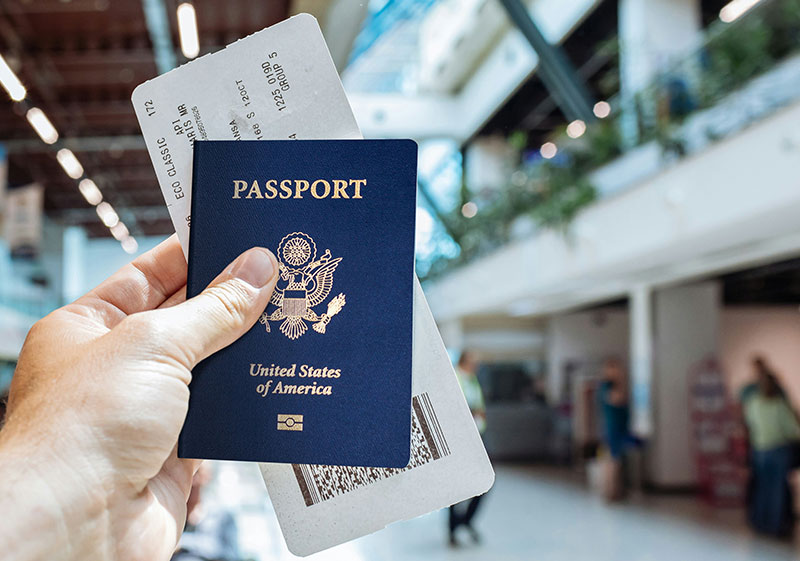
FIRST TIME ABROAD
A practical starting point for passports, logistics, money, and landing abroad with less stress.
Read More PACKING & GEAR
Pack lighter, bring what actually matters, and avoid the gear and clothing mistakes that slow trips down.
Read More STAYING SAFE
Practical habits that help you stay alert, organized, and more confident when navigating unfamiliar places.
Read More
TRAVEL LIFESTYLE
Explore different ways to travel, from retirement and slow travel to nomad life and long-term living abroad.
Read MoreAim for a 10% contingency buffer in your total budget, plus at least $100 hidden in physical cash separately from your wallet.
YNAB is great for proactive planning, PocketGuard gives a quick spending snapshot, and Wise is helpful for real-time exchange rates.
Enroll as soon as you make your first non-refundable deposit. Buying early can unlock stronger options, depending on your provider.
ATMs at reputable banks usually offer better rates than airport or tourist exchange counters. Make sure to decline the ATM’s conversion rate.