
Travel Planning Hub
Start here to plan your trip, compare options, and explore every TLGA planning guide.
Packing & Gear Guide
What to pack, what to skip, and how to build a lighter travel setup that works.

Last updated: October 2026 by Corey Gasman
From the Editor:
I spent a year traveling the world with everything I needed in one backpack. I went that whole year without wearing jeans, relying on the same few outfits over and over. It’s become a running joke that I seem to wear the same clothes in every travel photo. But they work.
These days, my wife and I still travel carry-on-only, even for trips lasting a month or longer. For me, that’s usually a lightweight carry-on. I roll my clothes, use packing cubes, and bring pieces that work in several situations rather than packing an outfit for every day.
If you’re moving between cities in Europe or Southeast Asia, you’ll appreciate that lighter bag every time you catch a train, climb hotel stairs, or squeeze into a taxi. After years of traveling, one lesson sticks with me: the less you have to carry, the more you’ll enjoy the trip.
Think about where you’re going, how often you’ll change hotels, and what you expect to do most days. A long weekend visiting friends, two weeks moving around Europe, and a month near the beach call for different packing choices. None automatically requires a large suitcase.
My starting point is simple: comfortable shoes, clothes I can wear more than once, a layer for the weather, and a small bag for the things I need in transit. Laundry along the way is usually easier than carrying two or three weeks of clothes.
If you’re still figuring out the itinerary, start with our Travel Planning Playbook. Otherwise, use the sections below to choose a bag and decide what belongs in it.
Start with our First International Trip Guide for passports, flights, arrival logistics, and other essentials.
Start with the bag you can comfortably manage, then choose what deserves space inside it.
This page is the overview. For exact packing lists, specific bags, clothing, and chargers, these guides go deeper:
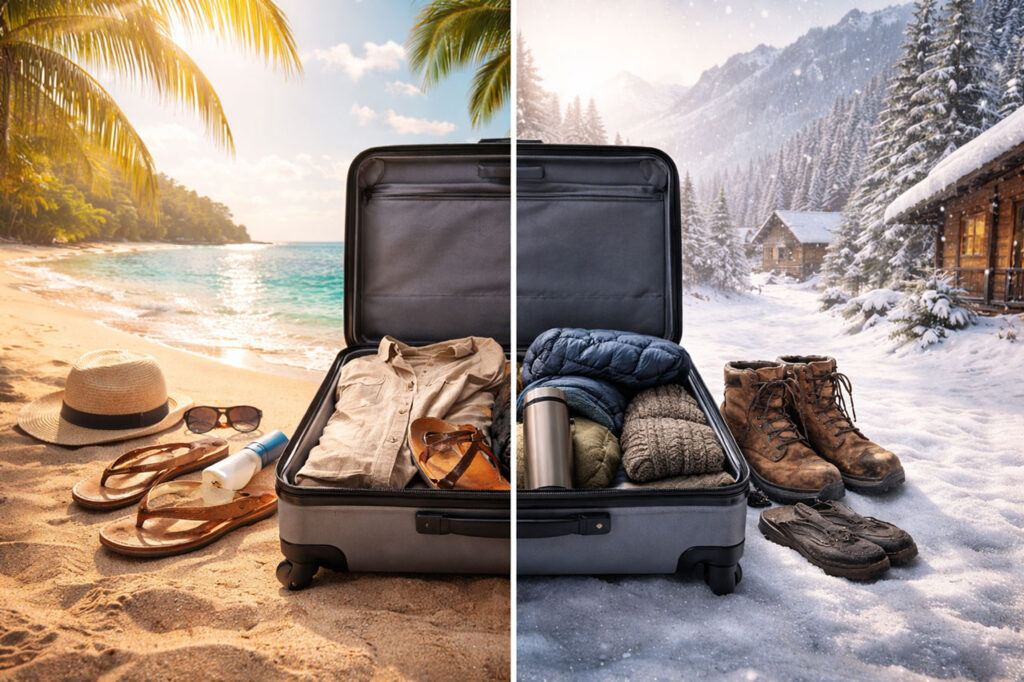
Destination, forecast, activities, and hotel changes matter more than a generic packing list.
Check the weather close to departure, including each stop if you’re visiting more than one climate. Think about how much walking you’ll do, whether you need dressier clothes, and when you can do laundry. Then choose the bag, not the other way around.
I keep the decision pretty simple:
Those aren’t hard rules for medication, travel documents, or specialized gear. Bring what you genuinely need, especially when replacement would be difficult.
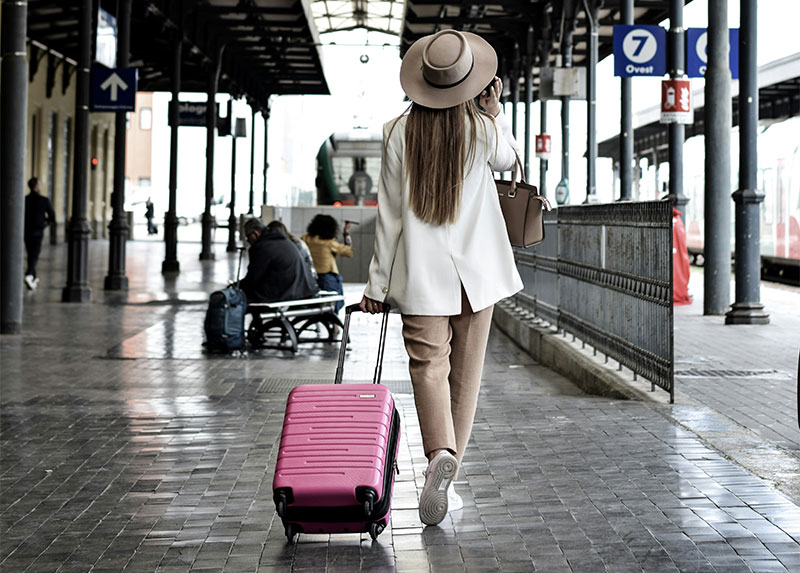
The right luggage depends on the trip and the airline. Check every flight, including short regional connections.
A bag advertised as a carry-on isn’t automatically allowed on every airline. Smaller aircraft, budget carriers, fare types, and international weight limits can change what you’re permitted to bring. Use the most restrictive flight on your itinerary as the starting point.
| What to check | Why it matters |
|---|---|
| Carry-on dimensions | Sizes vary, especially on regional and budget airlines. |
| Weight allowance | Some carriers weigh cabin bags, even when they fit. |
| Personal-item rules | Your daypack or duffel must fit the airline’s allowance, often under the seat. |
| Fare and cabin | Basic fares may include fewer bags than other ticket types. |
| Gate-check risk | Full flights and small planes may send larger cabin bags into the hold. Keep valuables, medications, and power banks easy to remove. |
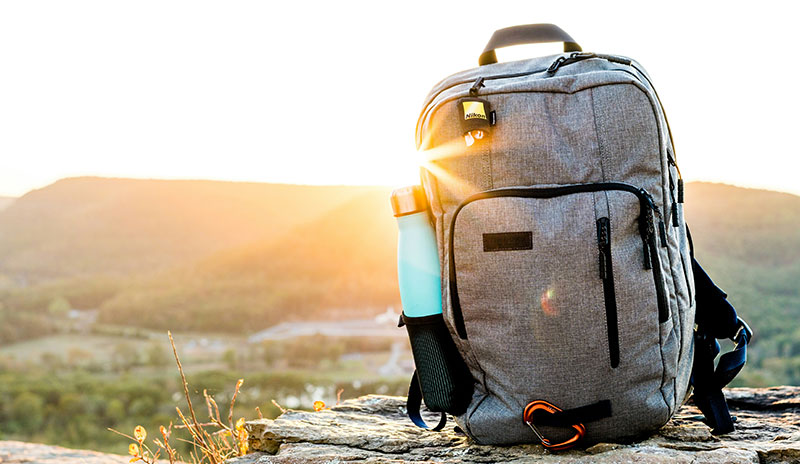
A few nights away and a month overseas don’t require the same amount of luggage, but both can work without checking a bag.
These are the setups that have worked for us. Think of them as starting points, not rules everyone has to follow.
| Trip | My usual approach | What makes it work |
|---|---|---|
| 2 to 3 nights | Small daypack or duffel, sometimes personal-item-only. | On short trips I wear my jeans, shoes, and heaviest layers, and pack a few changes of basics. |
| About a week | Carry-on roller or clamshell travel backpack. | A small wardrobe and no pile of backup outfits. |
| 2 weeks, several cities | Carry-on plus a personal daypack. | Comfortable transfers, flexible layers, and laundry when needed. |
| A month or longer | Often that same carry-on setup. | Repeat outfits and plan regular laundry rather than packing for every day. |
| Work and travel | Main carry-on plus an accessible laptop-ready daypack. | Keep devices, charging gear, and travel-day essentials together. |
Obviously, scuba gear, winter sports, formal events, or a specialized adventure can change this. But bag size doesn’t have to grow just because the trip gets longer.
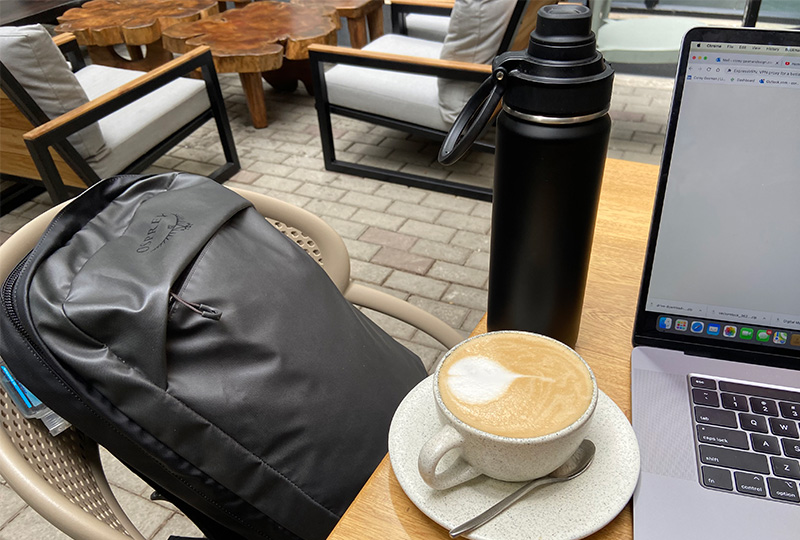
Three nights in Medellín, Colombia, with nothing more than my everyday Osprey daypack. I left my larger carry-on at our Airbnb in Cartagena and packed just my laptop, toiletries, a couple of shirts, and the essentials.
During our 40-day trip in Colombia, we had an Airbnb in Cartagena and booked three nights in Medellín. I left my main carry-on at the Airbnb and took only my regular Osprey daypack. For those three nights, I got by with my laptop, toiletries, a couple of T-shirts, extra underwear, and a few small essentials. I wore the jeans, shoes, and layers I needed for the weekend.
I’ve done similar two- and three-night trips straight from home with nothing more than a small backpack or duffel. It’s a great way to travel for a football weekend, a visit with friends, or a short city break, provided your bag fits the airline’s personal-item rules.
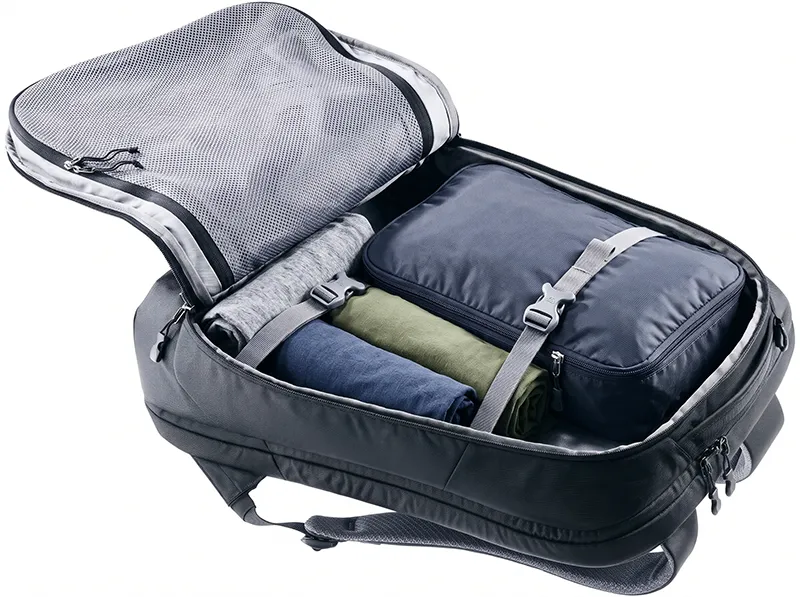
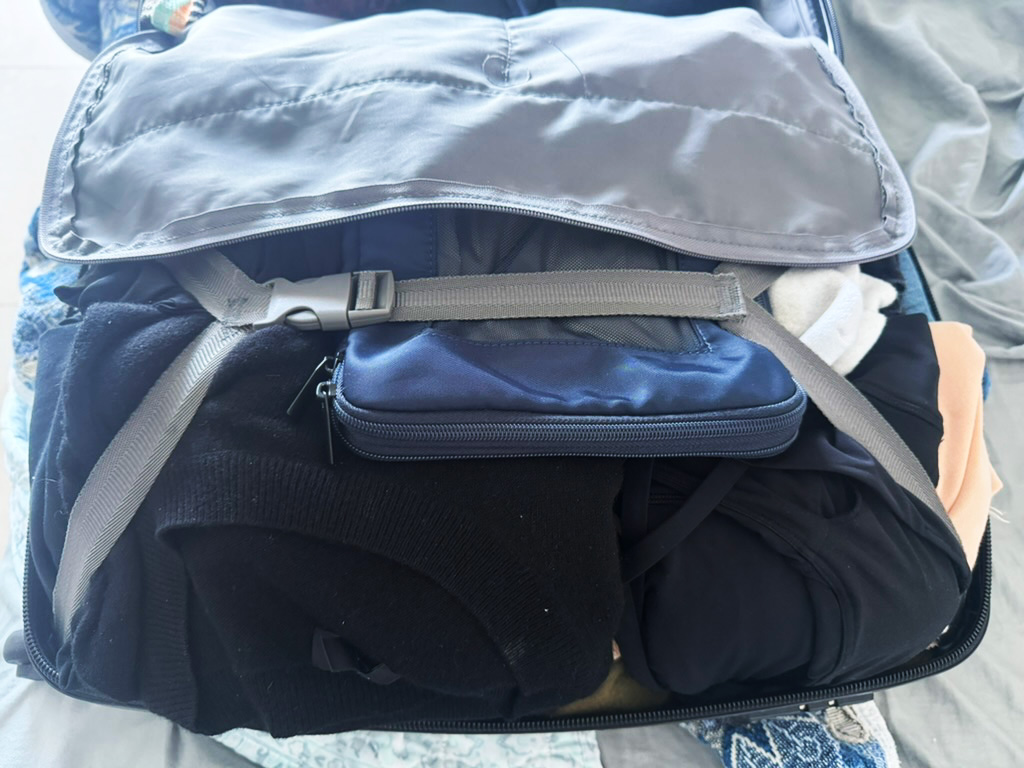
A clamshell travel backpack opens like a suitcase, making clothes easier to organize and reach than in a traditional top-loading backpack.
My wife and I have taken month-long trips with only carry-on bags. Some trips I bring my Osprey clamshell backpack, which opens like a suitcase so clothes are easy to reach. On others, a small roller makes more sense. Either works. What matters is that I can handle my own luggage without turning every transfer into a chore.
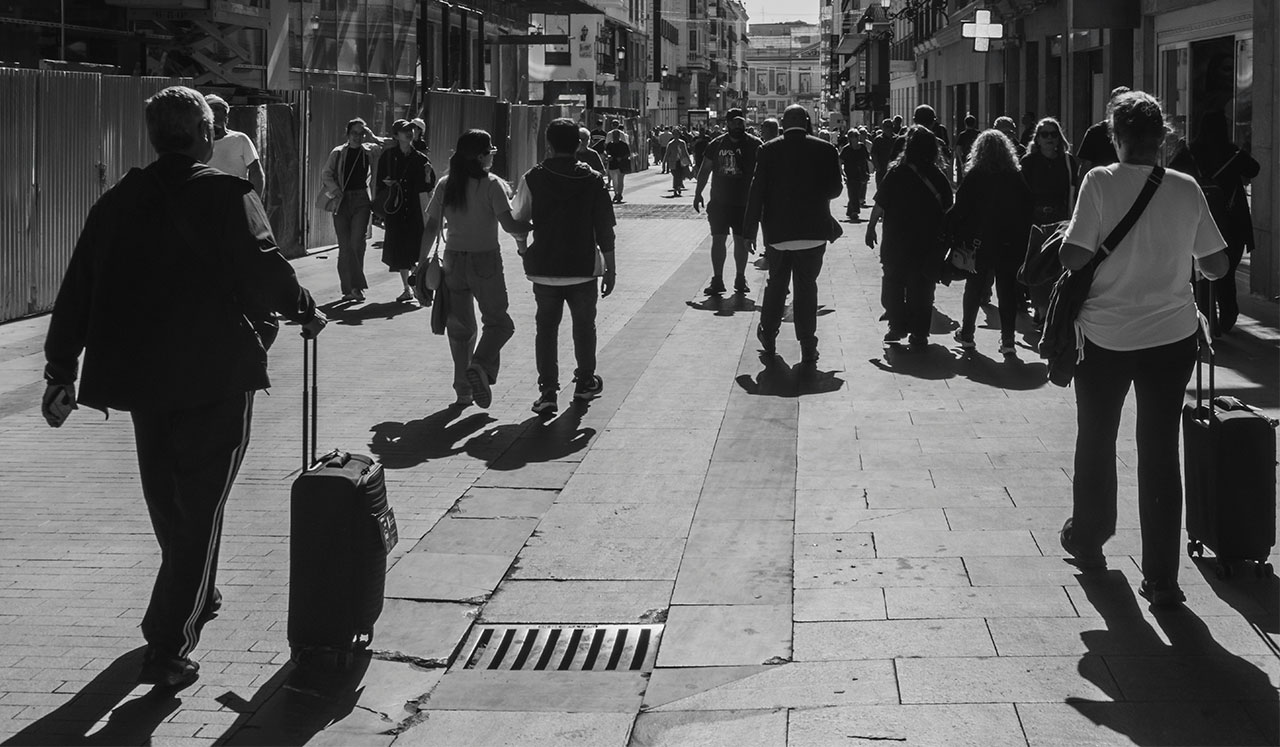
You notice it most when you’re changing stops. There’s no baggage carousel to wait at, the bag fits in a taxi or on a train, and narrow hotel stairs stop being a dread. A carry-on also leaves less room for things you won’t use.
I split my gear between two bags. The main bag holds clothes, extra shoes, and anything I won’t need during the flight. A smaller daypack stays with me on the plane with my laptop, medications, and charging gear. Check both bags’ dimensions and weight against your airline’s rules.
For the detailed setup, read the Carry-On Packing Guide, the One-Bag Travel Guide, and the backpack comparison.

A handful of tops and bottoms that work together beats a different outfit for every day.
During my year traveling around the world, I had a pair of lightweight black travel pants that worked for almost everything. I hardly needed jeans. Today, I have black Vuori travel pants that serve a similar purpose: comfortable for a flight, easy to wash, presentable enough for dinner, and with a zippered pocket for a card or cash.
That’s the kind of item I like. It doesn’t need to be a particular brand. If a pair of pants or a shirt works for sightseeing, travel days, and going out for dinner, it deserves more room in the bag than something I might wear once.
For a week or two with laundry available, this is a reasonable place to start. Change it for the weather, planned activities, and how often you want to wash clothes.
| Item | Starting point | What I look for |
|---|---|---|
| Tops | 4 to 5 | Comfortable, easy to repeat, and good with the same bottoms. |
| Pants and shorts | 2 bottoms, plus shorts if needed | At least one pair that works in several settings. |
| Underwear and socks | About 5 to 7 days | Enough to make laundry manageable, not a set for every trip day. |
| Warm or rain layers | 1 lightweight warm layer and a shell when needed | Pieces you can wear together without a bulky coat. |
| Specialty items | Only for planned activities | Swimwear, workout clothing, or something dressier if the trip calls for it. |
If you want specific outfit combinations and fabric suggestions, our Travel Capsule Wardrobe Guide goes into more detail.
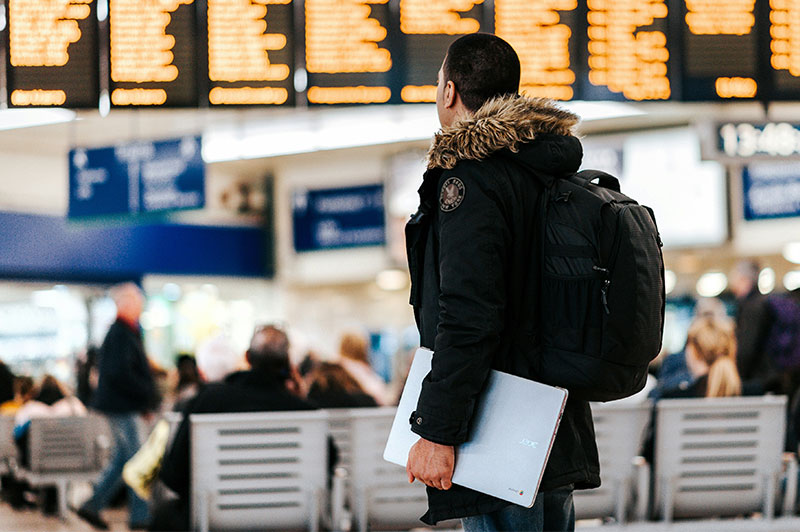
You might need heavier outerwear in genuine winter conditions, but for most mixed-weather trips, pack layers that work together rather than one big coat.
One trip took us from Ireland to London and then the Canary Islands. We had beach weather at one end and cold rain with winds around 70 mph in Ireland at the other, with a temperature swing of nearly 50 degrees. That could have been an excuse to bring two wardrobes.
Instead, layering made the difference. A T-shirt, long-sleeve shirt, lightweight zip-up, and waterproof Marmot rain shell covered a wide range of conditions without a huge winter jacket taking up half the bag. Of course, if you’re going somewhere truly cold, pack proper cold-weather gear. But for many mixed-climate trips, layers are the better answer.
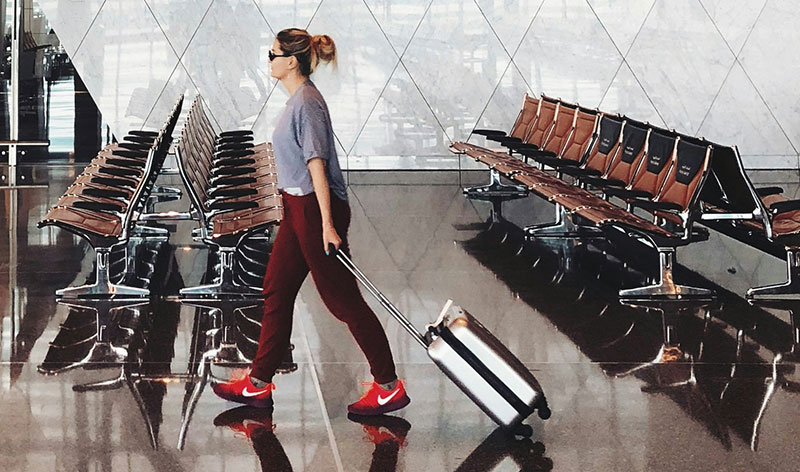
The best travel shoes are the ones you’ve already worn comfortably for a full day, not the brand-new pair you bought before departure.
Shoes take up space fast. I start with one comfortable walking or running shoe that can handle long days in a city and the activities I have planned. Then I decide whether to bring a lightweight second pair, sandals, or both.
Two pairs can cover many trips. On this trip, I also brought OOahh sandals because we planned plenty of beach and pool time, alongside my HOKA walking shoes and lightweight, packable OluKai shoes. Let your planned activities and the space in your bag guide the decision.
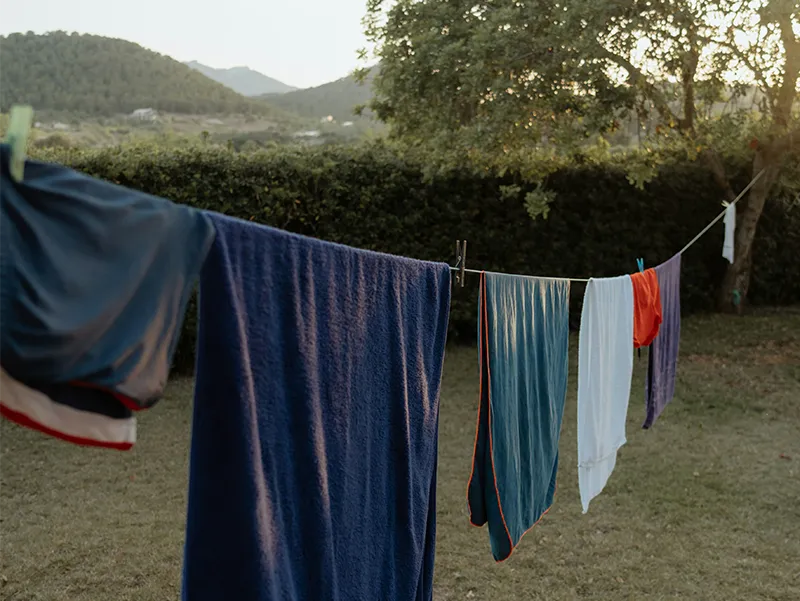
Pack clothes you know you can wash and wear again.
For us, the packing difference between a week away and a month away is surprisingly small. We bring clothes we like wearing and plan to wash them. An Airbnb washer, hotel laundry service, local wash-and-fold shop, or occasional sink wash can all do the job.
Quick-drying underwear, socks, and shirts make that easier, but you don’t have to buy an entirely new wardrobe. Test a few pieces at home and stick with things you already know fit well and dry reasonably quickly.
We don’t pack 30 outfits for a 30-day stay. We wear things again, do laundry, and get on with the trip.
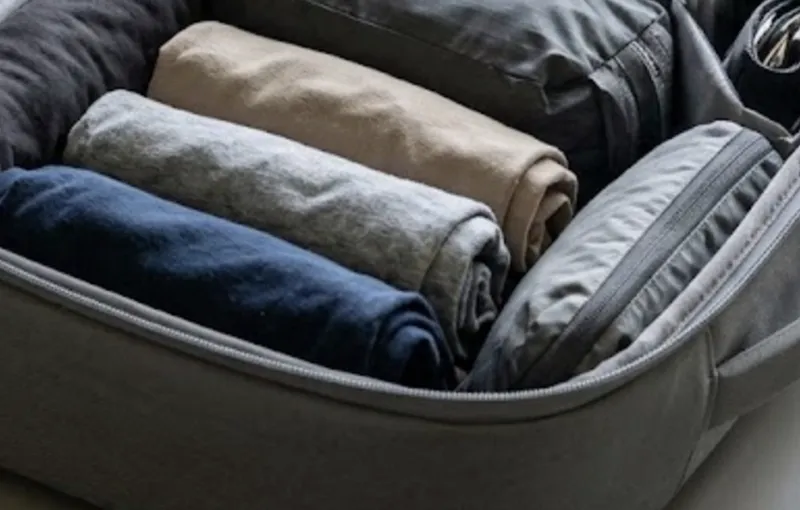
Rolling clothes into packing cubes keeps similar items together so you can find a shirt or fresh underwear without unpacking everything.
I roll my clothes and use packing cubes. They help me separate shirts, underwear, and other clothing and keep the bag manageable when we’re changing hotels. Having everything grouped together makes it easier to find what I need without unpacking the whole bag.
I also keep a dedicated toiletry bag and a small tech organizer. I like knowing exactly where my charging cable or toothbrush is rather than digging through the whole backpack. What goes in each bag is covered in the airport-day section below.
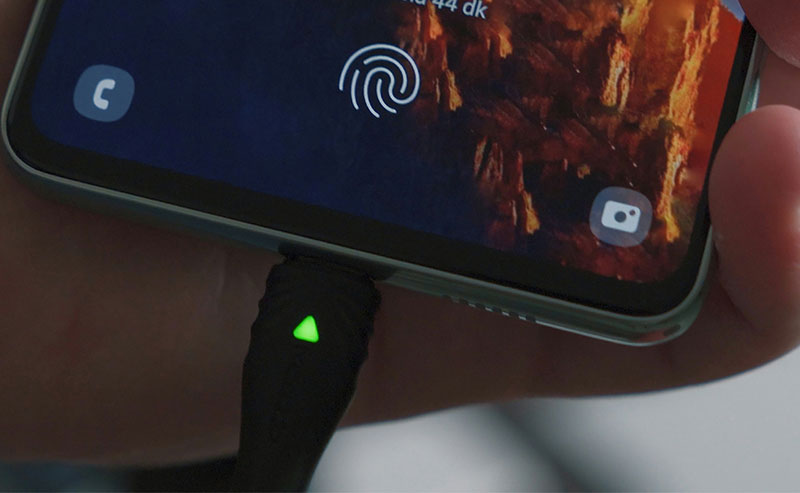
A few small organizers work better than a collection of loose cables, toiletries, and odds and ends.
None is especially glamorous, but I use these far more often than elaborate travel gadgets.
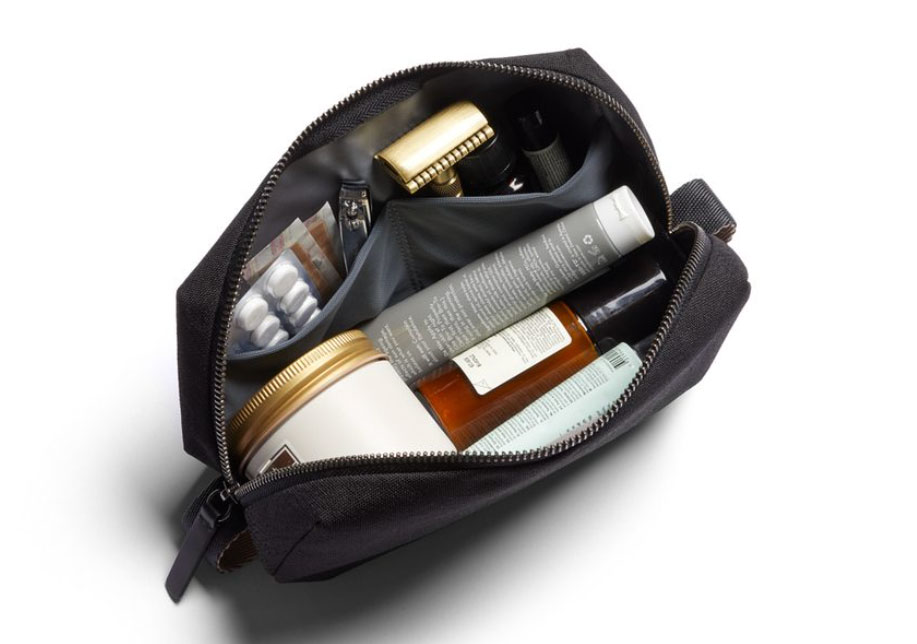
Keep toiletries small and easy to reach. Most everyday replacements can be bought along the way.
My toiletry bag has what I need to get started, not full-size backups of everything. Toothpaste, shampoo, and other ordinary supplies are usually easy to replace in cities and resort towns.
For U.S. airport security, the standard carry-on liquid rule generally means containers of 3.4 ounces (100 mL) or less in a single quart-size bag. Medically necessary liquids can have exceptions and may require separate screening. Check the TSA liquids guidance and your departure airport’s requirements, especially outside the United States.
Keep prescriptions and other essential medication with you, with appropriate documentation when needed. Don’t assume that a restricted prescription drug will be available at your destination.
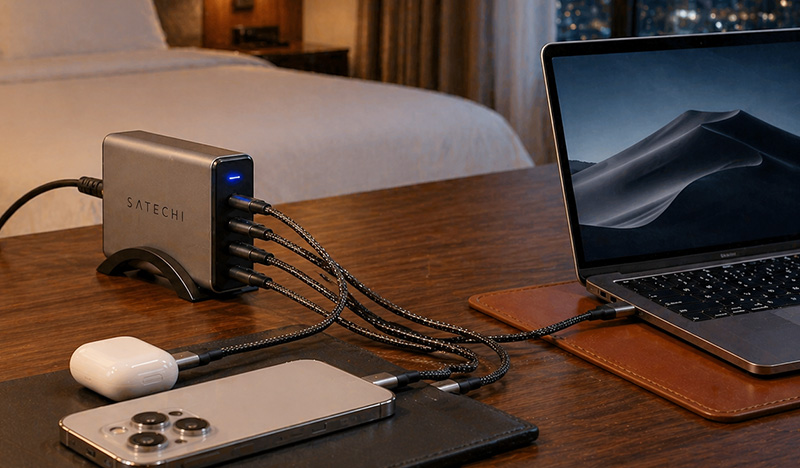
My daypack keeps my laptop and charging equipment close at hand, especially when a flight, layover, or travel day runs long.
I travel with my laptop, phone, headphones, a compact charger, the cables I need, and a small organizer. A plug adapter matters internationally, but a plug adapter doesn’t convert voltage. Check the label on devices before using them abroad; many modern phone and laptop chargers support 100-240V.
There’s a detailed breakdown in our Best Travel Chargers Guide. Here, the most important thing is keeping your essential tech accessible and knowing the battery rules.
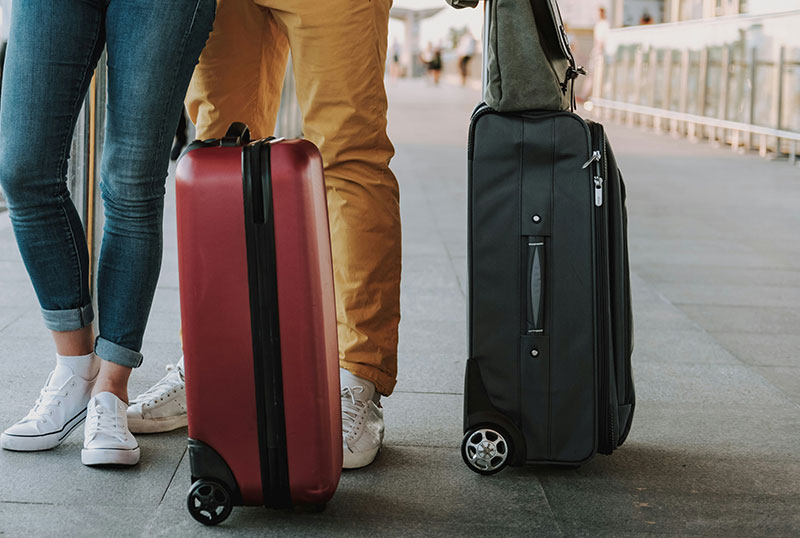
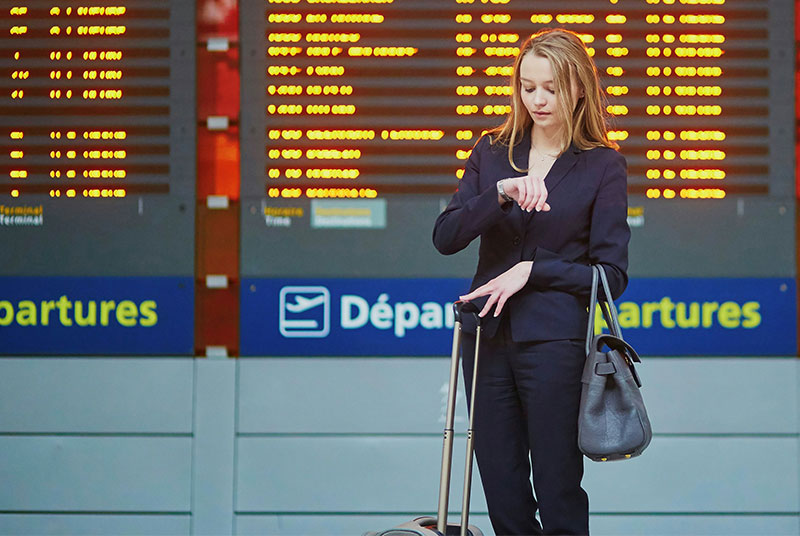
A good airport-day setup keeps your documents, phone, charging gear, and medication accessible without opening the whole suitcase.
Think about what you’ll need between leaving home and getting into your hotel room. Your passport, wallet, and phone should be secure and accessible. Your daypack should hold what you can’t afford to have sent to the luggage hold.
| Where | What I keep there |
|---|---|
| On me / secure pocket | Passport, wallet, and phone, with the passport in a zipped inside pocket when practical. |
| Personal daypack | Boarding details, backup copies of key documents, medications, glasses or contacts, headphones, laptop, power bank, charger, snacks, and an empty water bottle to refill after security. |
| Main carry-on | Packing cubes with clothing, extra shoes, and items I won’t need until we arrive. |
Screening procedures vary, so keep your laptop and liquids reachable if asked to remove them. And if the overhead bag has to be gate-checked, you already have the important things with you.
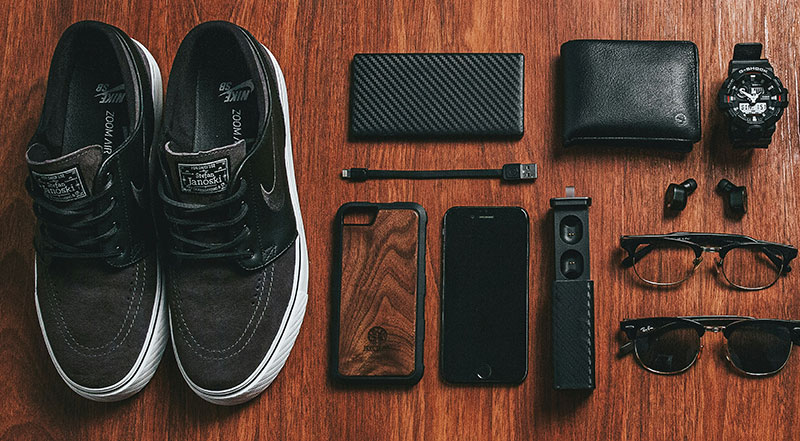
Lay things out once before you pack. It’s easier to spot duplicate outfits and items you probably won’t use.
One thing years of travel have taught me is that you aren’t stuck with whatever you brought from home. On a typical city or beach vacation, you can usually buy an extra pair of socks, a hat, toothpaste, or even a jacket if the weather changes unexpectedly.
Take an hour, find a store, and get the one thing you need. That’s often easier than carrying a suitcase full of backup clothes for two weeks. And before I zip the bag, I look for duplicate outfits, extra chargers, bulky sweatshirts, and things I only packed because I thought I might need them.
This doesn’t apply in the same way to remote hiking, the Amazon, technical adventures, or places where supplies aren’t easy to find. Bring essential medication, travel documents, and specialized equipment from home. But for ordinary trips built around cities, restaurants, sightseeing, and beaches, there’s usually room to adjust along the way.
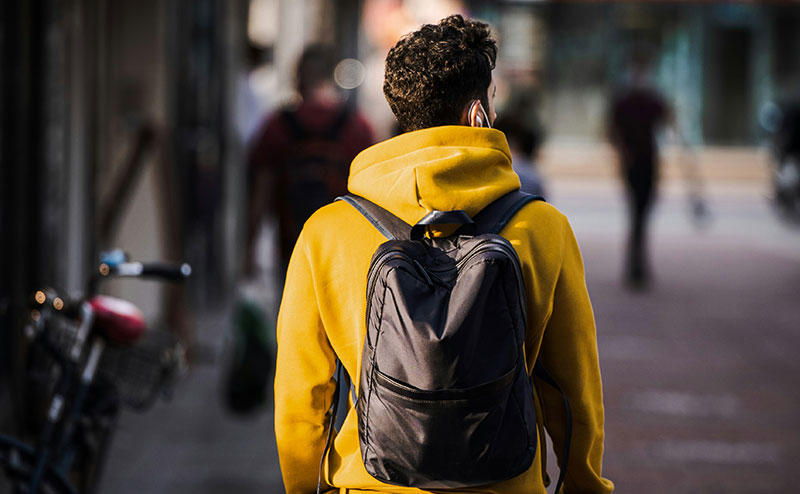
Before departure, test the fully packed bag. After the trip, remember what never got used.
Put on your packed backpack and walk around the neighborhood for 20 minutes. Try a few stairs. If it’s already uncomfortable, leave something behind or reconsider the fit. If you’re using a roller, test how it handles uneven pavement and whether you can lift it when you need to.
That’s really my final advice. Bring clothes you like wearing, shoes you can walk in all day, and the few things that make travel more comfortable. Don’t pack for every imaginable problem. A light, organized bag leaves you more energy for the trip itself.
Here’s an example of my packing setup from one trip. I used my Travelpro Platinum Elite carry-on spinner instead of my usual clamshell travel backpack, with an Osprey Axis 24L as my day bag. The tables below show some of what came along.
This isn’t a complete packing checklist or a list of things everyone needs to buy. It’s a look at my own setup: the bags, clothing, and smaller items that came along.
| What I brought | How I use it |
|---|---|
| Travelpro Platinum Elite Carry-On Spinner | My main roller bag for this trip, in place of my clamshell travel backpack. |
| Osprey Axis 24L Pack | My day bag for the trip. |
| Eagle Creek Pack-It Reveal Cube Set | Keeps clothing organized inside my main bag. |
| Eagle Creek Pack-It Reveal Hanging Toiletry Kit | Keeps my toiletries together in a kit I can hang up. |
| Bellroy tech kit | A separate place for charging gear and small tech accessories. |
| What I brought | Where it fits in my setup |
|---|---|
| Vuori Meta Twill Pant in classic black | My travel pants. |
| Merino wool T-shirt | Part of my small rotation of tops. |
| Under Armour Performance Tech underwear | Everyday basics. |
| Marmot PreCip Eco Rain Jacket | My rain layer. |
| Adidas track jacket with zip pockets | An extra layer for cooler conditions. |
| HOKA shoes | My main shoes for walking and hiking. |
| OluKai shoes | A lightweight second pair that packs down easily and takes up little room in my bag. |
| OOahh sandals | For the beach and pool time we had planned. |
| Melin Hydro hat | My baseball-style hat. |
| Oakley sunglasses | My everyday sunglasses. |
For this trip, I brought HOKA shoes for walking and hiking, lightweight OluKai shoes that pack down easily, and OOahh sandals because we planned plenty of beach and pool time. Each had a purpose, and the OluKai took up little room in my bag.
| What I brought | Where it fits in my setup |
|---|---|
| Sony WH-1000XM5 headphones | Wireless noise-cancelling headphones for travel. |
| AirFly Pro 2 | Connects compatible Bluetooth headphones to a headphone jack, such as those on airplane entertainment systems. |
| Eagle Creek Sandman Sleep Mask | Helps block out light when I want to sleep. |
| Earplugs | A small addition to my sleep kit. |
| Global travel adapter | Part of my international charging setup. |
| Takeya Actives 24-ounce Water Bottle with Spout Lid | My reusable water bottle. |
Practical help for planning the trip, getting overseas, and making your travel budget work.

START HERE
A practical approach to timing, itineraries, and getting the details right without overplanning.
Read More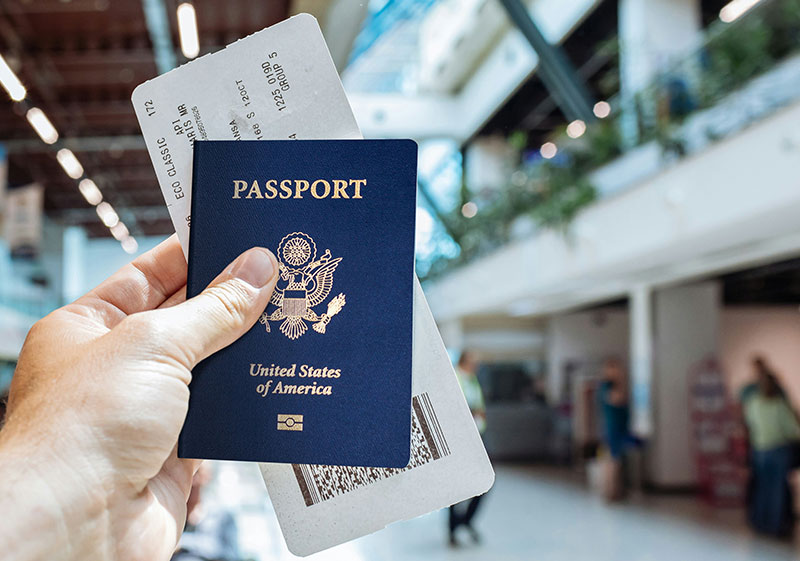
FIRST TIME ABROAD
Passports, flights, arrival logistics, and the other basics worth handling before departure.
Read More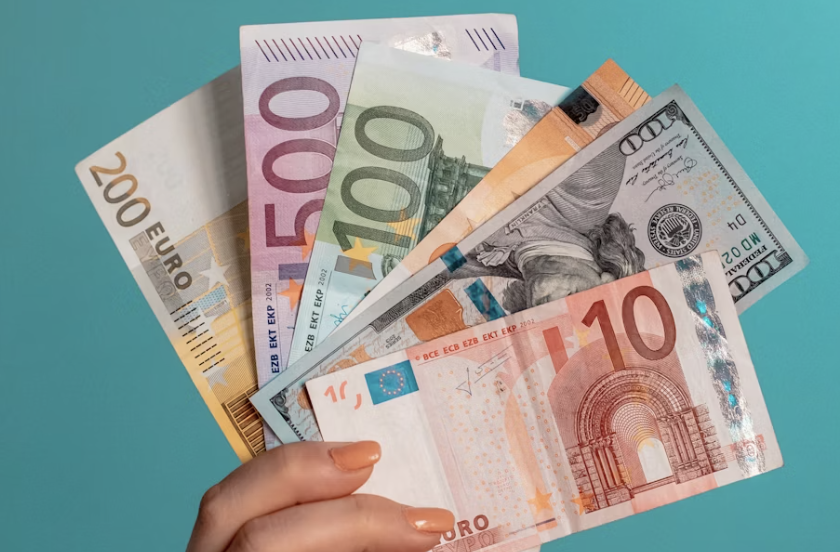
MONEY & COSTS
Plan realistic costs and avoid the expenses that can throw off an otherwise great trip.
Read MoreYes. The key is a small, versatile wardrobe and regular laundry. Your needs may differ if you’re carrying special equipment or traveling in extreme weather.
Absolutely. I’ve done three-night trips with my regular daypack, wearing the main clothes and shoes I need and packing only a few extras. Check your airline’s personal-item dimensions before assuming the bag flies free.
Start with one comfortable walking shoe and a lightweight second option. Two pairs can cover many trips, but I sometimes bring both packable shoes and sandals alongside my main walking shoes. Choose based on your activities and how much room the footwear takes up. Bring specialized footwear when you need it.
No. Compression cubes can reduce clothing bulk, but they don’t reduce weight. Packing cubes help keep things organized; either way, you still need to check airline limits and make sure the full bag is comfortable to carry.
No. Power banks and spare lithium batteries must stay in carry-on baggage, including if your main cabin bag is gate-checked. Check current airline rules for battery size, number of power banks, and in-flight use.
In most cities and popular vacation destinations, ordinary items like socks, toiletries, and a rain layer are usually easy to buy. That doesn’t replace planning for medications, passports, remote travel, or specialized gear.