Travel Planning Hub
Start here to plan your trip, compare options, and explore every TLGA planning guide.
Packing & Gear Guide
What to pack, what to skip, and how to build a lighter travel setup that works.
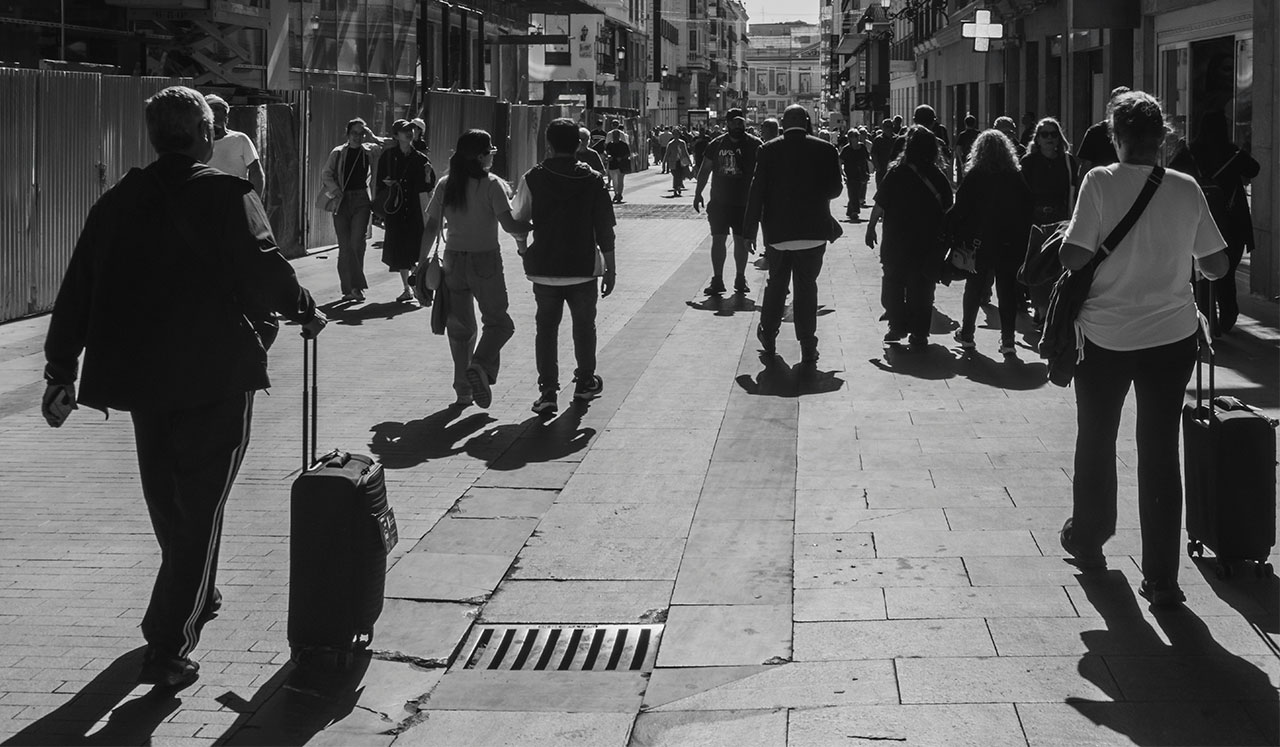
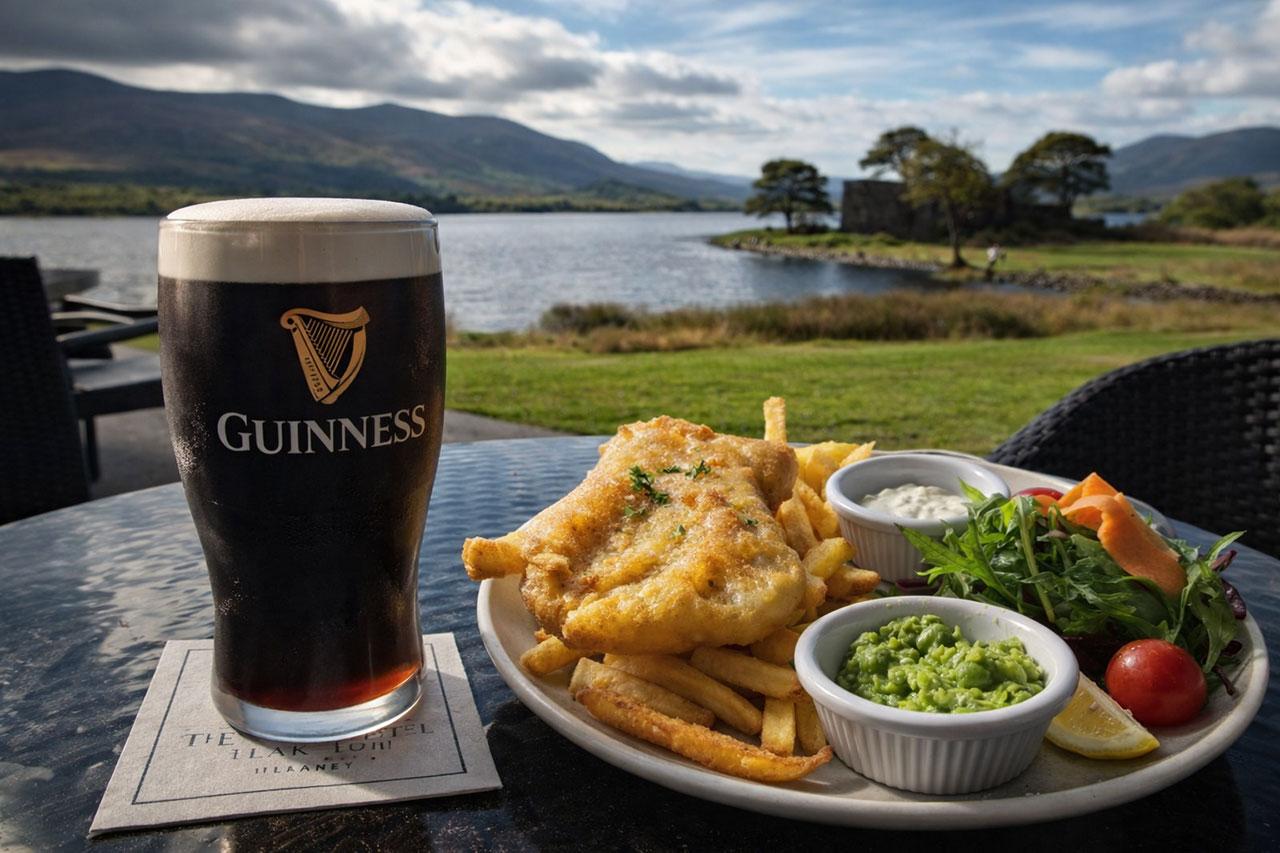
This page is my travel playbook. It is how I plan trips that eat well, move smoothly, and stay flexible once I am actually on the ground.
Over the past two decades, I have explored 45+ countries, including a full year traveling around the world living out of a backpack. My Google travel photos and reviews have earned 9+ million views because I focus on the practical details that make a trip feel good.
If you like smart neighborhoods, great meals, and a plan that still leaves room for spontaneity, you will feel at home here.
Three things drive almost every good trip I have ever taken: the right neighborhood, flexibility, and food that pulls you into real life.
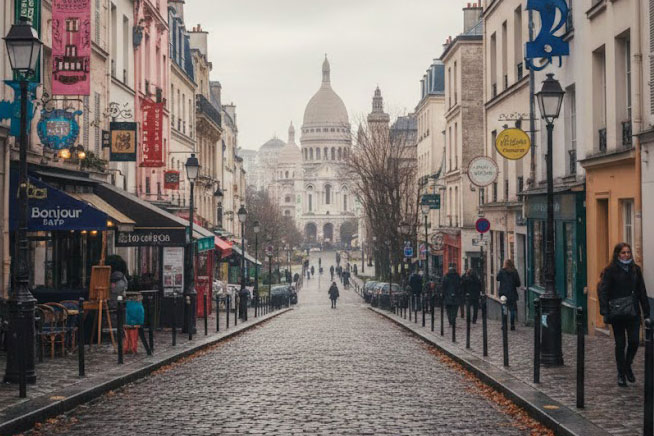
I choose a home base based on walkability, transit, and where I want to eat. A great neighborhood makes the whole trip easier.
I do not lock in every detail. I leave room to adjust once I understand the rhythm of a place and what actually feels worth it.
Meals, markets, and simple routines lead you into real neighborhoods instead of tourist lanes. Food is how I learn a place fast.
If you want better prices and a better experience abroad, shoulder season is the cheat code. Pair that with the right neighborhood and your whole trip gets easier.
When a trip allows it, I book the first couple nights, then decide the rest once I know the city or country better. Sometimes I plan the next day the night before. It keeps the itinerary open without feeling chaotic.
Everything else stays loose and gets decided as I go.
Food is not just a checklist. It is the fastest way to understand a place. Pair it with a little cultural effort and the whole experience changes.
Markets solve breakfast, snacks, and casual lunches. They also teach you what locals actually eat and they are budget friendly on longer trips.
I look for busy places in real neighborhoods. If it feels like it exists only for tourists, I skip it.
Hello, please, thank you, and a couple food words. People feel the effort, and it changes how the day goes.
A couple local specialties, a house wine or beer, and dessert if it looks good. You learn more by repeating the basics well.
Eat at local times, take the slower pace seriously, and do not force your home routine onto a new place.
Dress appropriately, respect neighborhoods, and tip where it is expected. Travel feels better when you show respect.
I keep a loose structure so the day feels smooth. Then I fill it with one neighborhood, one priority, and a short list of great places to eat.
Most nights I take 15 minutes to map the next day: one area, a few food options, and one thing I really care about seeing. It keeps the trip open but still organized.
Tools stay simple: Google Maps lists plus a short notes list. That is it.
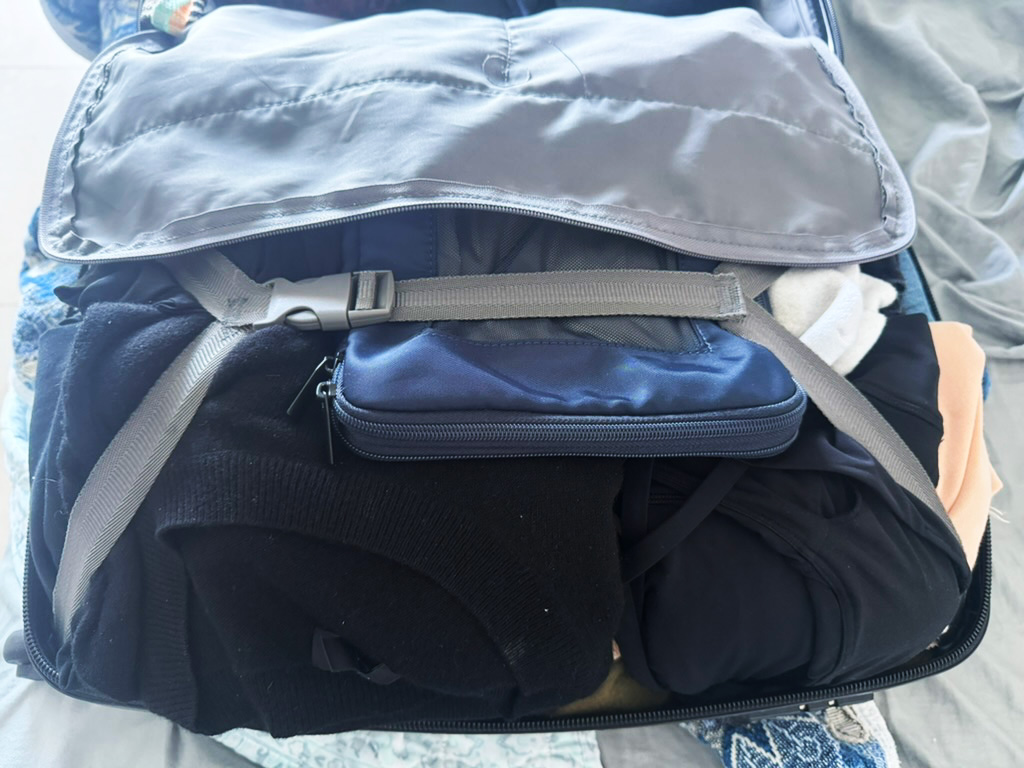
I travel carry-on only, even for a month. It makes everything easier.
Trains, stairs, cobblestones, quick transfers, and small taxis are easier when your bag is light.
No baggage claim, fewer lines, fewer delays, and fewer “where is my stuff” problems.
A repeatable wardrobe, one nicer outfit, and a plan to do laundry. That is the whole secret.
If you already know where you are going, start with Destinations. If you want practical planning and travel advice, start with Travel Guides.
Quick answers to the questions I get most.
No. I plan enough to remove friction, then I stay flexible. Often I book the first couple nights and plan the next day the night before.
I choose a neighborhood first. Walkability, transit, and food nearby matter more than a fancy room.
I aim for shoulder season, travel light, and stay in neighborhoods where I can walk. Less commuting and fewer peak-season prices add up fast.
I eat in real neighborhoods, use markets, and avoid areas that feel built only for visitors. If it is all souvenir shops and big tour groups, I move on.
A repeatable wardrobe, layers, and doing laundry. You need less than you think, and the trip feels easier when you are not hauling a heavy bag.