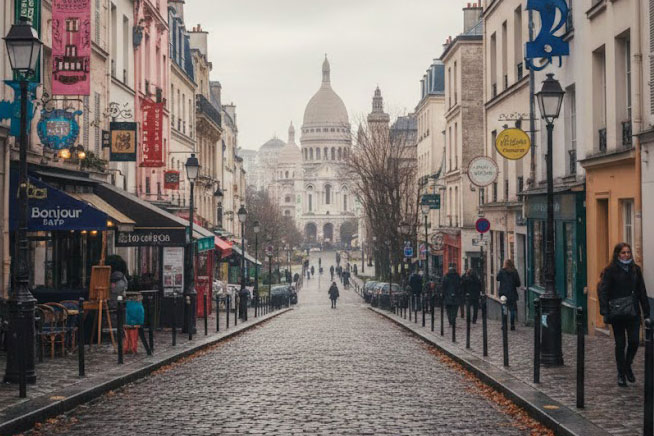
Home » Destinations » Spain

Last updated: January 2026 by Corey Gasman

From the Editor:

Spain is the country I recommend when someone wants Europe to feel fun again. The pace is social, the food is built for wandering, and the “best day” is often just a perfect loop: a great neighborhood, a market, a long lunch, and a sunset paseo.

It also has one of the widest travel ranges in Europe. You can do art-and-city life in Madrid, beach-and-late nights in Barcelona, wine-and-pintxos in the Basque Country, flamenco-and-history in Southern Spain, or volcanic island life in the Canaries.

Start Here: Planning for 2026

Spain is easy to love, but it rewards travelers who plan around rhythm instead of highlights. Fewer bases, better neighborhoods, and building your days around heat and late dinners is the difference between “we did Spain” and “we lived Spain.”

For 2026, the biggest planning changes are not about Spain itself. They are about how you enter the Schengen Area, plus a handful of city-level rules, water restrictions in the south, and evolving costs in high-demand places like Barcelona.

A quick arrival-day lesson from the road:

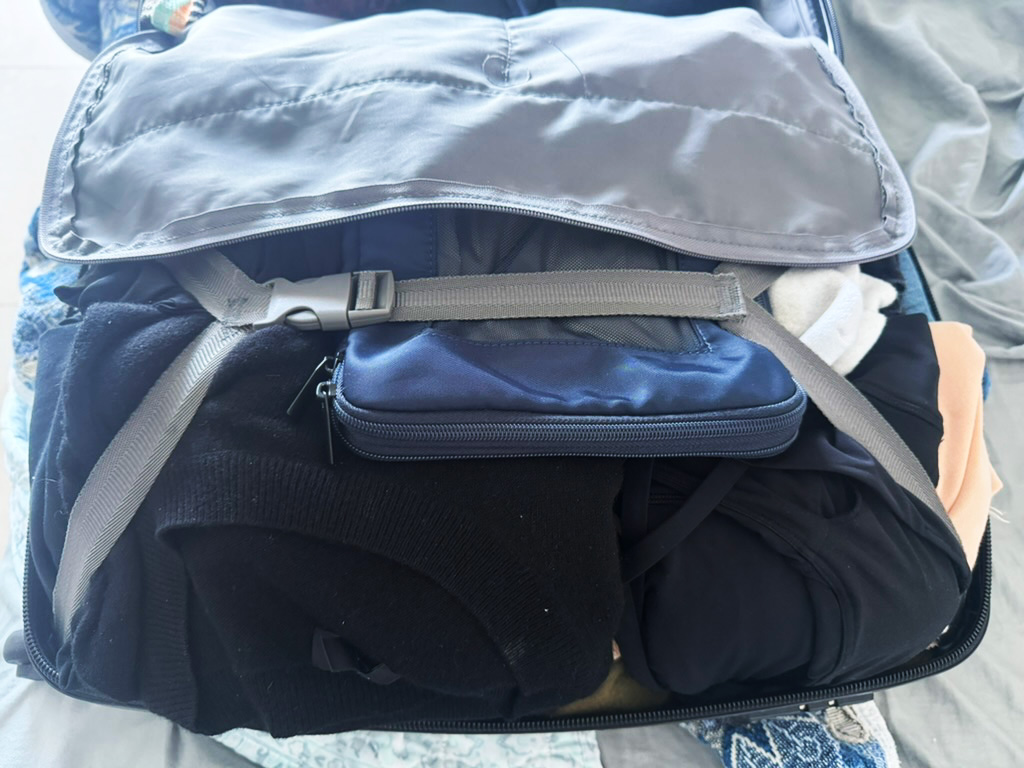
When I kicked off my first round-the-world trip, Spain was our entry point into Europe. Somewhere between connections, my backpack did not make it. It showed up at our hotel about 24 hours later, but that first day was a reminder that arrival days are not for rushing plans.

The takeaway: Build buffer into arrival days, keep essentials in your personal item, and treat major transit hubs with patience and awareness.

TLGA Rule: Do not try to “do Spain” with a new hotel every two nights. Pick two regions and go deep. Spain is at its best when you stop moving.

Before you book anything

Start here: Getting Around Abroad (how to plan transportation like a system)
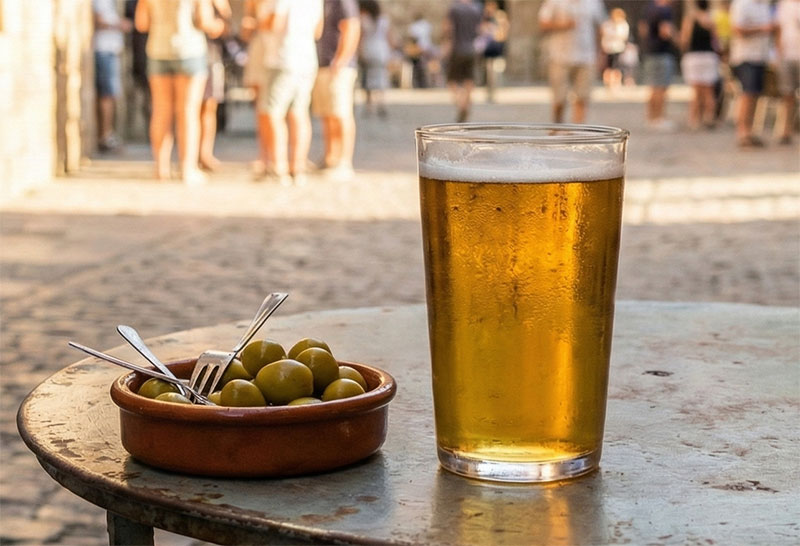
Green olives and beer in plaza in Spain

Spain has a way of turning simple moments into core memories. A plaza at golden hour. A cold beer and olives. A slow walk home after dinner while the city stays awake.


The Reality Check: 2026 Specifics

Spain has not gotten harder, but it has gotten more structured. The good news is that almost every friction point is solved the same way: book the high-demand pieces early and build your itinerary with buffer time.

Local Guide Tip: Spain is managing serious water conservation efforts in parts of Catalonia and Southern Spain. Check with your host about pool availability, and be mindful of water use during your stay. It is a small gesture that goes a long way with locals.

Border changes (EES and ETIAS)

If you are traveling from the US, Canada, UK, Australia, or other visa-exempt countries, Schengen entry is evolving in two steps. The practical takeaway is simple: build extra time for arrival, keep your documents easy to access, and treat day one like a transition day.

  • EES (Entry/Exit System): expect passport scans plus biometric capture at first entry. Longer queues are most likely at major airports like Madrid-Barajas and Barcelona El Prat.
  • ETIAS (Travel Authorization): a pre-authorization you apply for online before travel. It is not a visa, but it becomes mandatory once active. Rollout timing can shift, so verify status before your trip.
Pro Tip: Treat your arrival day like a logistics day. Do not schedule a timed tour the afternoon you land. If you do, you are paying to be stressed.

Barcelona costs and crowd control

Barcelona is still worth it. Just plan it like a high-demand city. In 2026, the “surprise costs” are most often tourism taxes and high-demand ticketing (Sagrada Família, Park Güell, popular museums). Also expect stronger crowd pressure in peak months, which usually means more sold-out time slots and higher rates.

Overtourism is real (and solvable)

Spain is busy in the obvious places. That does not mean your trip has to feel busy. The solution is not secret spots. It is timing and strategy: early starts for major sights, better neighborhoods, and staying longer in fewer places.

Local Guide Tip: The best Spain days look “small” on paper. One neighborhood, one anchor sight, one long lunch, and a sunset paseo. That is how the country actually lives.

Read next: build the trip around a real route

Spain Itinerary: 10 Days to 2 Weeks (Barcelona, Madrid, and Southern Spain)
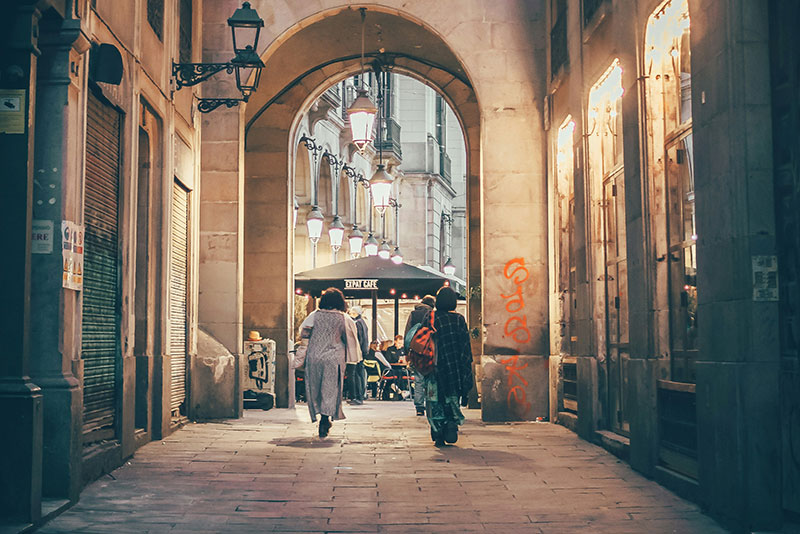
Street view in the Gothic Quarter of Barcelona, looking through an archway, with two people walking away under old stone buildings.

Spain is one of the most season-sensitive countries in Europe. Pick the right month and it feels effortless. Pick the wrong month and you plan your day around heat, crowds, and sold-out tickets.


Best time to visit Spain

Your Spain experience depends heavily on the month. Weather matters, but crowd density and heat matter more. The same plaza can feel dreamy in May and punishing in August.

Shoulder season (best overall)

April, May, early June, September, October are the sweet spot for most travelers. Great walking weather, long days, and everything is open without the peak-season squeeze.

Peak season (only if you want peak season)

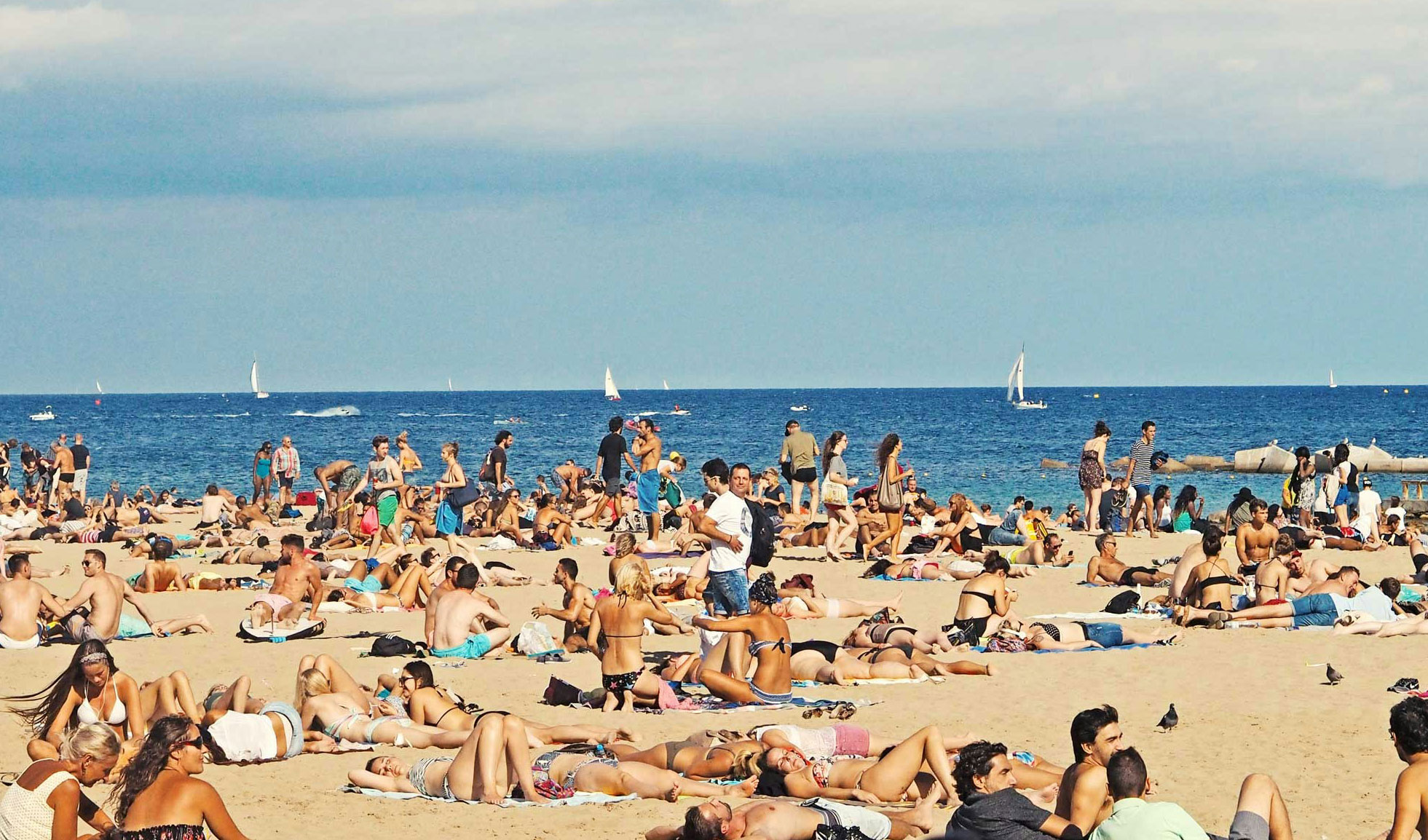
July and August bring heat and crowds, especially in Madrid, Sevilla, and Barcelona. This can be perfect for beach-first trips (Costa del Sol, Balearics, northern coast), but it is rough for city sightseeing midday.

Low season (value and breathing room)

November to March is excellent for Madrid and Barcelona city travel, museums, and day trips. Coastal areas can be quieter or partially seasonal, but you get better pricing and easier bookings.
Pro Tip: If you only remember one rule: do Southern Spain and inland cities in spring or fall, and save the islands and beaches for late spring through early fall.
Local Guide Tip: In summer, Spain becomes a “morning and night” country. Do your big stuff early, then build in a long break, then come back out after 7:30pm.

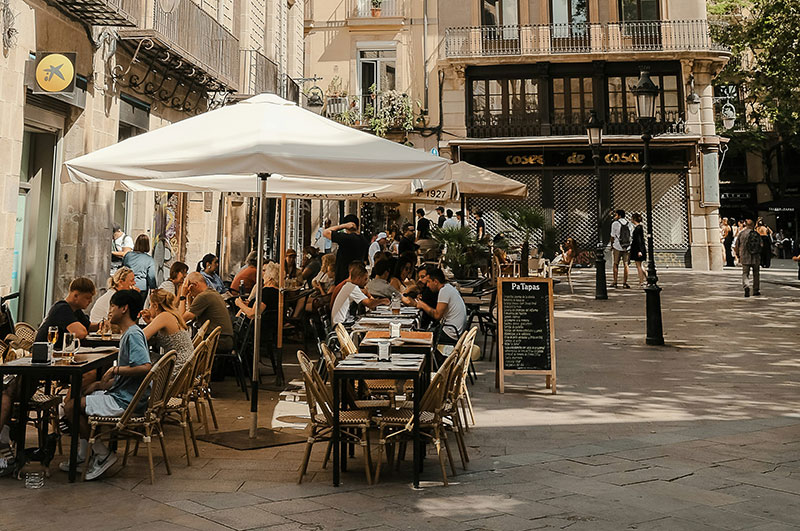
Outdoor cafe in Barcelona with people seated at tables under white umbrellas on a sunny day.

Spain planning gets dramatically easier when you match destinations to your travel style instead of chasing a highlight reel.


Best fit by travel style

Decide what your best days look like, then pick bases that support those days. Spain has multiple “Spains,” and the right one depends on how you like to travel.

First trip, classic cities

If this is your first Spain trip, keep it clean. Madrid + Barcelona is the classic pairing. Add one short regional add-on, not three.

  • Best bases: Madrid + Barcelona
  • Best add-ons: Sevilla or San Sebastián or Valencia
Pro Tip: If you only have 7 to 8 days, do two bases. Three bases is where “Spain” becomes “train stations.”

Choose your city lane

Food and late-night city life

If your priority is eating and social energy, pick places that reward wandering: markets, tapas streets, and neighborhoods where locals actually go out.

  • Best bases: Madrid, Sevilla, San Sebastián, Valencia
  • Best for: markets, tapas, pintxos, late dinners, bar-hopping
Local Guide Tip: Two blocks off the main tourist corridor is usually the pricing reset.

Go full food travel

Culture, history, and architecture

If your dream trip is art, palaces, and old cities, build your itinerary around Madrid’s museums and Southern Spain’s Moorish architecture.

  • Best bases: Madrid, Sevilla, Granada, Córdoba
  • Best for: museums, cathedrals, palaces, historic cores
Pro Tip: In Granada and Seville, book your headline attractions early. Do not assume you can wing it in peak season.

Art-forward Spain

Spain Art Guide (a 7-day itinerary with Picasso, Dalí, and Gaudí)
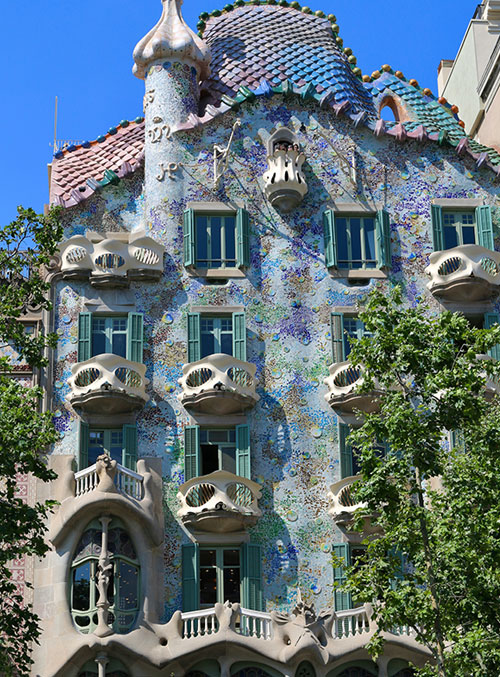
The vibrant facade of Antoni Gaudi's Casa Batlló on Passeig de Gràcia, Barcelona, with its distinctive balconies and mosaic work.

Casa Batlló, a masterpiece of modernist architecture by Gaudí in Barcelona.
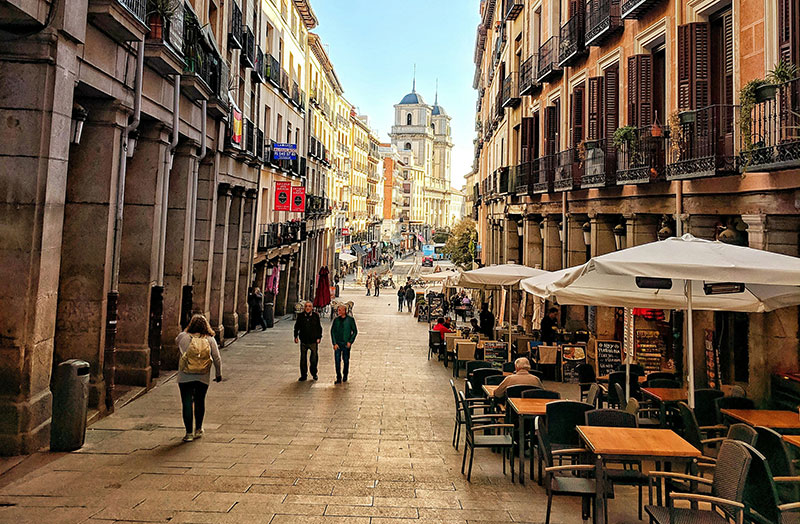
A street near Plaza Mayor in Madrid, lined with buildings and outdoor cafe seating, with pedestrians.

Spain is regional. Food changes, accents change, schedules change. The trick is choosing bases that reduce friction and let you settle in.


Regions & Best Bases

Spain is not one trip. It is multiple trips. Use this section to pick bases that keep you from over-moving and help you build a clean daily walking loop.

Madrid (the hub)

Madrid is Spain’s most underrated first-timer base because it is central and it is a day trip machine. It also has the best “normal city” rhythm: markets, parks, neighborhoods, and late dinners that feel effortless.

  • Best for: museums, neighborhoods, day trips
  • Base strategy: 3 to 4 nights minimum for a first trip
  • Day trips: Toledo, Segovia, El Escorial, Ávila (pick 1 or 2)

Barcelona & Catalonia

Barcelona is high-demand, high-reward. It is best when you plan one major sight per day and spend the rest living in neighborhoods: coffee, markets, beach, and long nights.

  • Best for: architecture, design, beach-city mix
  • Base strategy: 3 to 4 nights to avoid rushing
  • Reality note: book top attractions earlier than you think

Southern Spain (Sevilla, Granada, Córdoba)

Southern Spain is Spain at full volume: Moorish architecture, tiled courtyards, flamenco energy, and nights that stretch. It can be brutal in summer, so plan it for spring or fall if possible.

  • Best for: history, architecture, food, culture
  • Base strategy: pick 2 cities, not all 3, unless you have 10+ days
  • Reality note: summer heat changes your whole schedule

The Islands (Balearics & Canaries)

The islands are distinct ecosystems. The Balearics (Mallorca, Ibiza, Menorca) are Mediterranean gems best in summer and shoulder season. The Canaries (Tenerife, Gran Canaria, Lanzarote) are year-round “eternal spring” destinations.

  • Best for: slow travel, beaches, hiking, winter sun (Canaries)
  • Base strategy: do not combine with a heavy city itinerary; treat them as their own trip or a dedicated relaxation leg

Basque Country (San Sebastián + Bilbao)

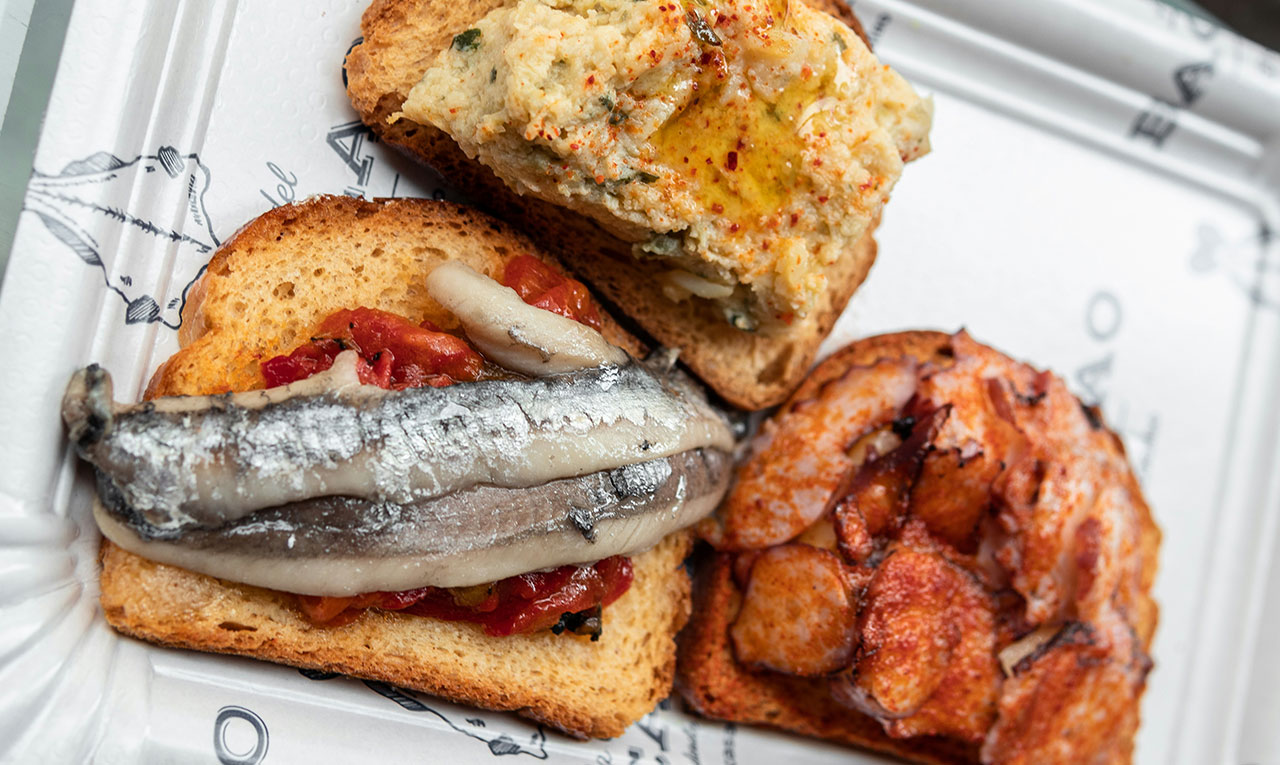
This is Spain’s food powerhouse. Pintxos culture, cooler temps, and an easy coastal vibe.

  • Best for: food travel, coastal vibes, cooler summers
  • Base strategy: 3 nights minimum if food is the point

Valencia (the smart middle)

Valencia is the “why is this not more popular?” city: beaches, architecture, parks, great food, and less crush than Barcelona.
  • Best for: beach-city balance, value, food
  • Base strategy: 2 to 3 nights as a Barcelona alternative or add-on
Pro Tip: When building an itinerary, count your hotel changes. Two bases in 10 days is calm. Three is workable. Four is chaos.

Two region shortcuts that work

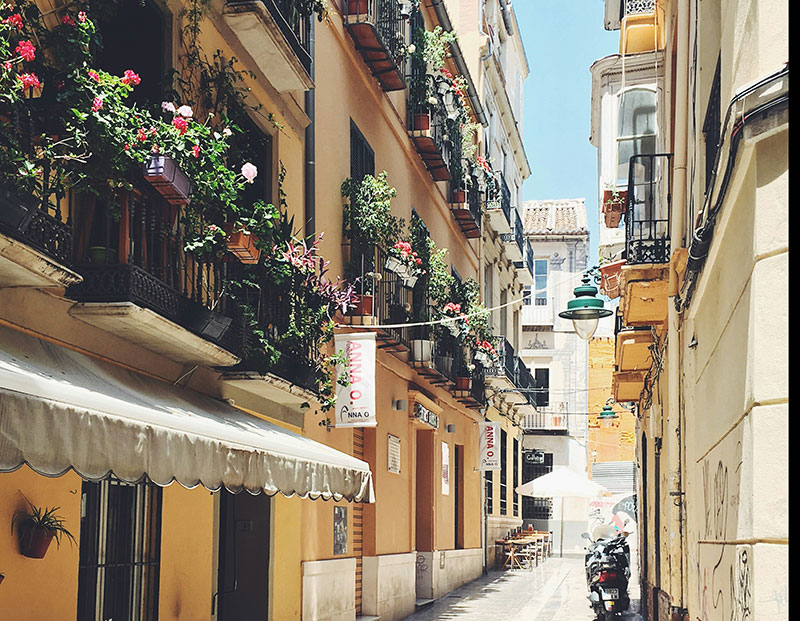
Narrow European street with balconies full of flowers, looking down the alleyway with buildings on both sides and a scooter parked.

Where you stay determines your daily ease. Spain rewards neighborhoods with good walking loops, easy transit, and better sleep.


Neighborhood Overviews

Pick neighborhoods like you are designing a daily loop: morning coffee, a market or park, easy transit, and dinner streets that are fun but not under your window at 2:00am.

Madrid neighborhoods

Madrid is extremely livable. This table helps you match vibe to the trip you want.

Neighborhood Vibe Stay Here If…
Malasaña Creative, lively You want nightlife and vintage shops
La Latina Classic, tapas-heavy You prioritize food and Sundays
Salamanca Upscale, calm You want luxury and quiet sleep
Retiro Green, relaxed You want park access and calm
Local Guide Tip: In Madrid, “central” matters less than being walkable to one great neighborhood loop plus a nearby metro stop.

Barcelona neighborhoods

Barcelona is compact, but neighborhood choice matters because it affects crowd density, noise, and daily ease.

Neighborhood Vibe Stay Here If…
Eixample Beautiful grid, calmer It is your first trip and you want easy transit
El Born Historic, lively You like narrow streets and bars
Gràcia Local, village-like You want a more local feeling
Poblenou Modern, beach-adjacent You want newer hotels and beach access
Pro Tip: In Barcelona, the wrong street can be loud all night. Read reviews for noise and choose one block off the hottest nightlife lanes.

Neighborhood deep dives

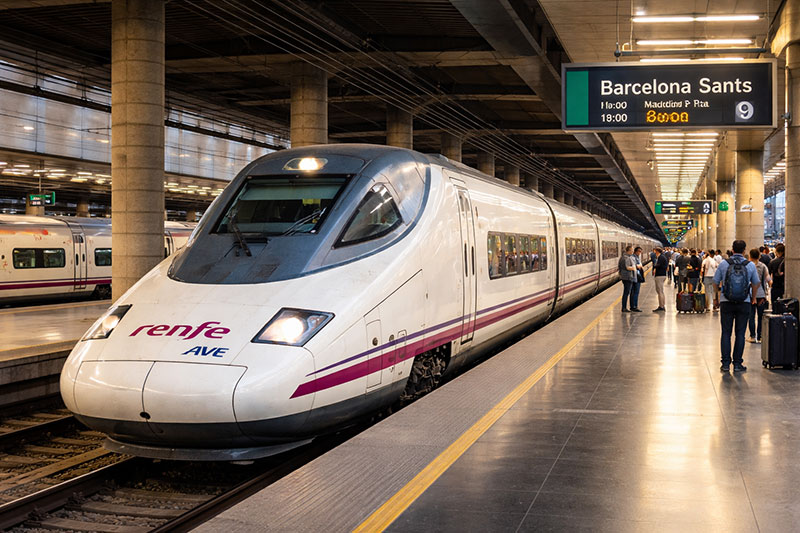
Renfe AVE high-speed train stopped at Barcelona Sants station with passengers boarding on the platform

A traveler checking train details at Barcelona Sants. Spain is one of Europe’s best rail countries, and high-speed trains are often faster and calmer than flying.


Transportation & Trains

Spain is a train country for the big lanes, and a car country for rural and coastal exploration. Use each tool where it shines: high-speed trains between major cities, regional trains for day trips, and a car only when you want countryside freedom.

Build the whole route around rail

Spain Itinerary: 10 Days to 2 Weeks

High-speed trains (AVE and competitors)

Spain’s high-speed network is excellent. Book early for better pricing, especially on weekends.

  • Best for: Madrid, Barcelona, Sevilla, Málaga, Valencia
  • Pricing: earlier is usually cheaper, last-minute is usually expensive
  • Planning: book critical legs in advance if timing matters

Regional trains and day trips

For day trips, regional trains reduce driving stress and parking friction, especially around historic cores.

  • Great for: Toledo, Segovia, Girona, Córdoba
  • Reality note: some routes sell out at peak times, especially weekends

Driving and city centers

A car is great in rural Spain and parts of the coast. In major cities, it is mostly friction: traffic and parking. Pick up your car outside the core if you can.
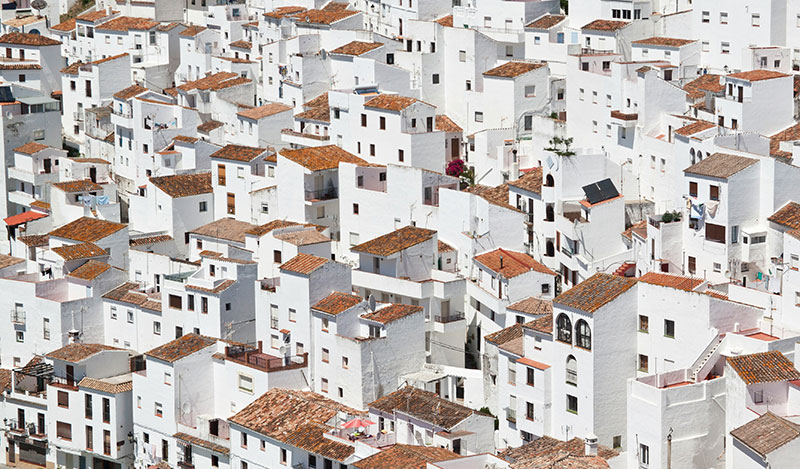
  • Rent a car for: Southern Spain countryside, white villages, Galicia coast
  • Avoid driving for: central Madrid and central Barcelona
  • Parking: plan it first, it is the real challenge
Pro Tip: If you have a flight or timed event, take an earlier train than you think you need.
Local Guide Tip: Contactless payments are common in major cities, and many buses and metro gates support tap-to-pay. If a specific station or gate does not, just use a reloadable transit card (available at stations) and keep moving.

Build the whole route around rail

Spain Itinerary: 10 Days to 2 Weeks

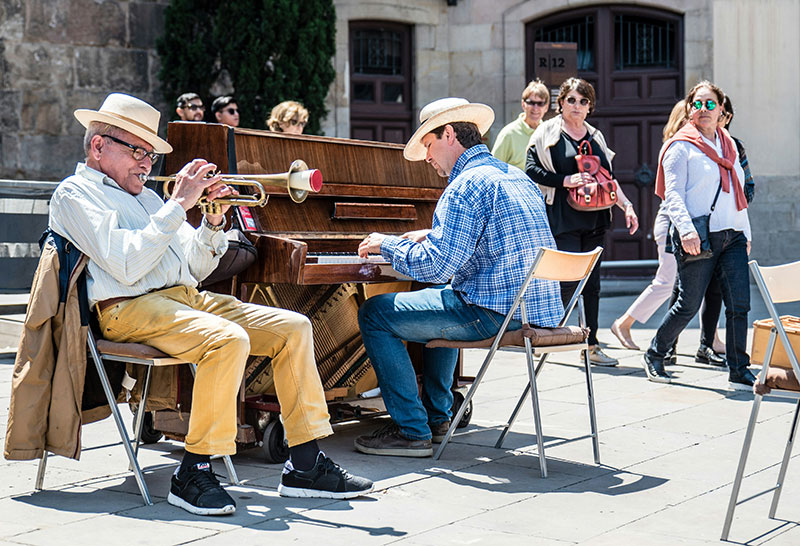
Street musicians playing trumpet and piano in a cathedral square, with pedestrians walking past.

Spain is generally safe. The main risks are petty theft in crowded tourist zones and transit hubs. The fix is habits, not paranoia.


Respectful Travel & Safety

Spain is safe, but it is also a country grappling with its own popularity. In 2026, the best way to travel is with “good guest” energy: respecting local rhythms, water resources, and neighborhoods.

How to be a “Good Guest” in 2026:

  • Water Wise: In drought-affected regions (Southern Spain, parts of Catalonia), keep showers short and respect pool closures if they happen.
  • Noise Control: Historic buildings have thin walls. If you are in an apartment, remember your neighbors are locals trying to sleep.
  • Support Local: Skip the global chains. Buying coffee, bread, and wine from neighborhood shops keeps money in the community.

Safety & Scams

The main risks are pickpocketing and tourist-targeted distraction scams in the busiest areas.
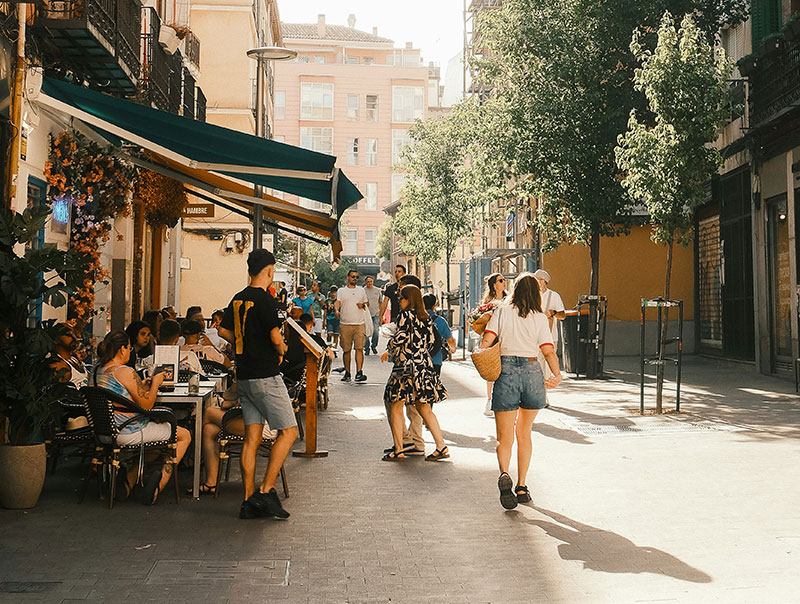
  • Where pickpockets target: transit hubs, busy metros, and landmark crowds.
  • Common scams: distraction teams (spilling something on you, asking for directions) and “petition” signers.
Local Guide Tip: When approached by a stranger with a clipboard or random question, keep moving. A polite “No, gracias” plus walking is the entire solution.
Pro Tip: Your phone is the real target. Use a crossbody bag or keep it out of easy pockets in crowds.

People enjoying an outdoor cafe and walking on a sunlit street in Madrid.

Where you stay controls your stress level. Prioritize walkability, noise reality, and simple transit access.


Where to stay

Spain lodging is usually straightforward, but your comfort comes down to three things: location, noise, and building reality. Central can be amazing, but it can also be loud late into the night.

Where to stay by traveler type

  • First-timers (easy wins): prioritize a walkable “loop” neighborhood with quick metro access. In Madrid, look at Salamanca or Retiro. In Barcelona, Eixample or Poblenou.
  • Food + nightlife: stay close enough to the action to walk home, but not directly on the loudest bar street. Madrid: La Latina or Malasaña. Barcelona: El Born (read noise reviews carefully) or Gràcia for a calmer vibe.
  • Quiet + sleep-focused: pay for calm streets and solid windows. Madrid: Salamanca or Retiro edges. Barcelona: Eixample (quieter blocks) or Poblenou.
  • Long stays (4+ nights): choose an apartment in a local-feeling zone (Gràcia, Poblenou, Retiro area) with a grocery store nearby and easy transit, then live your daily rhythm.

Hotels vs apartments

Use hotels for short stays and apartments for longer stays. The best choice is the one that reduces friction for your trip leg.
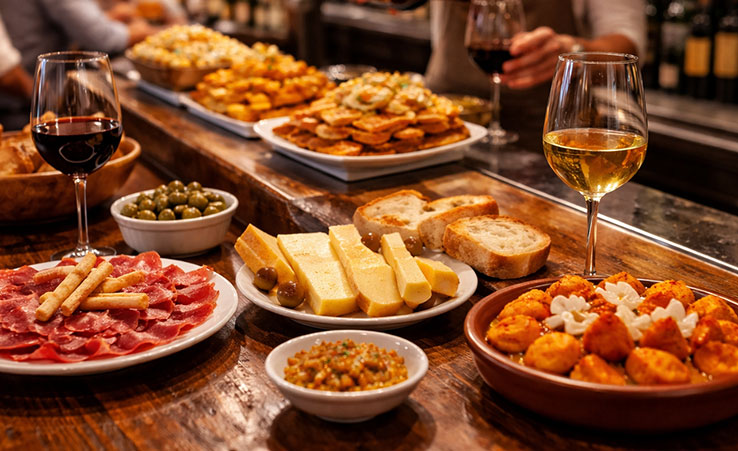
  • Hotels: easiest for short stays, front desk help, luggage storage
  • Apartments: best for 4+ nights, laundry, kitchen access

Spain lodging reality checks

  • Old-town charm can mean stairs, smaller rooms, and street noise
  • “Central” can mean late-night crowds, especially Barcelona and Sevilla
  • AC matters in summer in Southern Spain and inland cities, verify it if traveling June through September
Pro Tip: Pay more for location when your stay is short. Save money by going slightly outside the core when your stay is longer.
Local Guide Tip: If you want better sleep, choose one block off the nightlife lane, not directly on it.

A variety of authentic Spanish tapas, including cured meats, cheeses, olives, and bread, displayed on a bar counter with glasses of wine.

Spain’s food culture is a daily rhythm. If you follow the rhythm, you eat better, pay less, and your days flow smoother.


Eat Like a Local

Spanish food is not just dishes. It is timing and social rules. If you follow the rhythm, you eat better and your day feels natural.

The daily rhythm

Breakfast Light: coffee plus toast or pastry. Add churros con chocolate when you want a real moment.
Lunch Often the main meal. Look for menú del día for great value.
Dinner Late. Many places get busy after 8:30pm, and even later in summer.

What locals eat, by style

  • Menú del día: weekday lunch set menu, often the best value meal
  • Tapas: small plates, order a few rounds
  • Pintxos: bar snacks, graze and move
  • Market food: a great way to eat well without a full sit-down
  • Vermut hour: pre-lunch drinks plus a small bite, especially in Madrid
  • Raciones: larger share plates for groups
Local Guide Tip: Order less than you think, then add one more round. Spain is a pacing game.

Must-know regional hits

  • Madrid: bocadillo de calamares, tortilla, vermut culture
  • Barcelona/Catalonia: pan con tomate, seafood, cava culture
  • Valencia: paella lane, horchata and fartons
  • Southern Spain: jamón, salmorejo, pescaíto frito, sherry (Jerez)
  • Basque Country: pintxos, txakoli, grilled steak culture
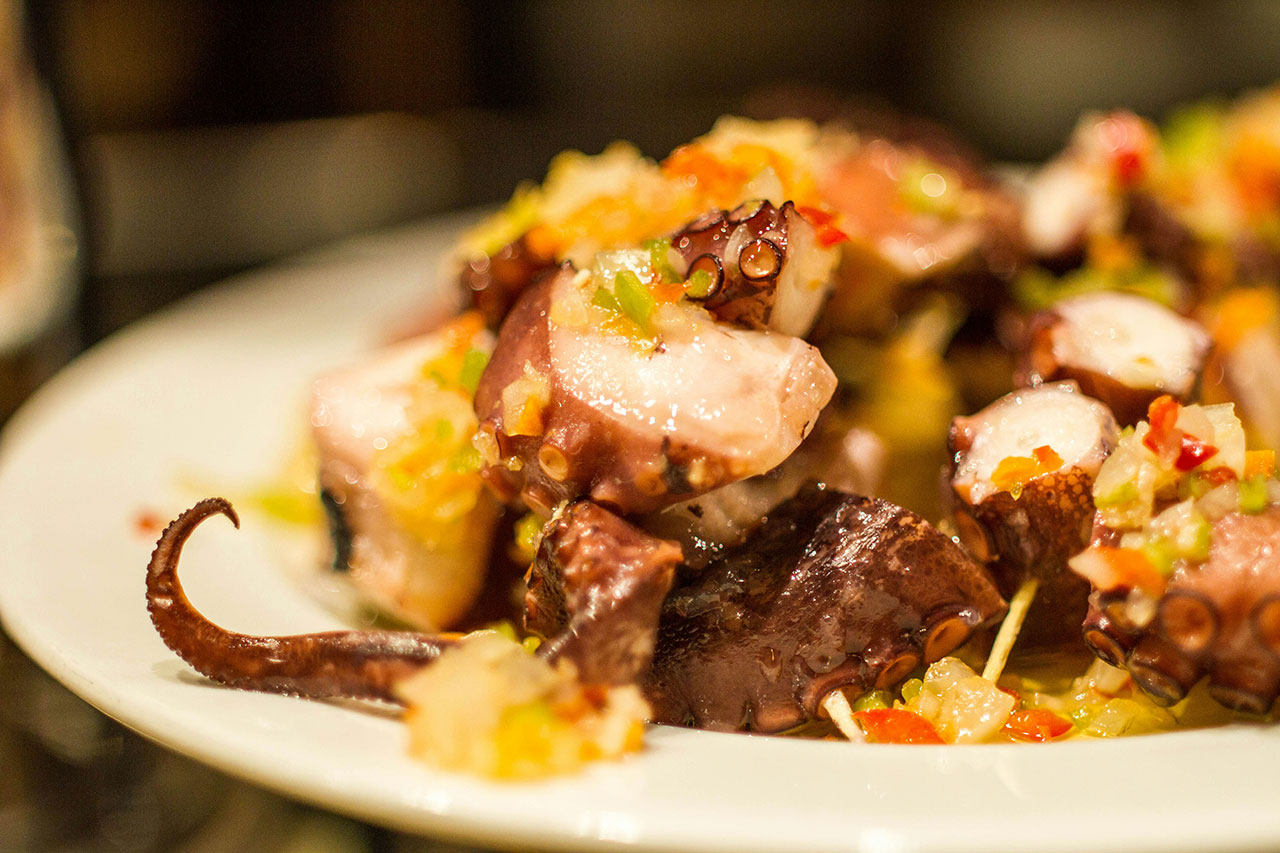
  • Galicia: pulpo, shellfish, Albariño, seafood towns
Pro Tip: Avoid restaurants with photo menus right next to the top landmark. Walk 5 to 10 minutes and your meal improves immediately.

Culinary deep dives

How to order like a normal person

  • Tapas pacing: order 2 to 3 items, then reassess
  • Menú del día: a lunch cheat code for value
  • Tipping: not a 20% culture; rounding up is common
  • Timing: show up early for the best tables, or go later and lean into the schedule

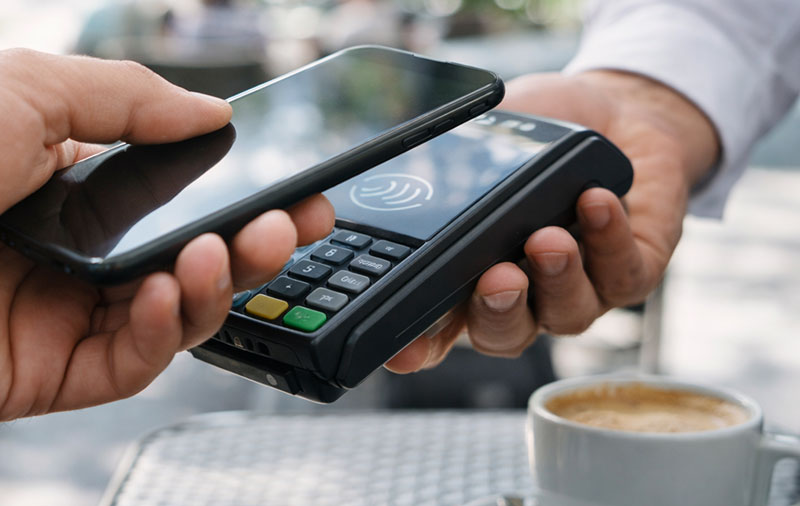
Contactless payment being made with a smartphone at a terminal in a Spanish cafe, with coffee on the table.

Spain can be surprisingly affordable, but the biggest cost spikes come from last-minute decisions and high-demand cities.


Trip Cost & Budgeting

Spain is controllable. Spend on location and tickets when it matters. Save on the parts that do not improve your trip. The biggest money leaks are last-minute hotels, last-minute trains, and eating in the most obvious tourist zones.

Payment methods in 2026

The “cash is king” era is mostly over in major Spanish cities.

  • Card & Mobile: you can pay for almost everything (coffee, metro, taxis) with Apple Pay, Google Pay, or contactless cards.
  • Cash: still useful for small pueblos, tipping, or very small purchases under €5.

Daily cost reality checks

  • Tourism taxes: some regions and cities charge per person per night, paid at check-in
  • High-demand tickets: popular sights often sell out, which pushes you into pricier time slots or tours
  • Taxis: use official apps when possible, and confirm estimated pricing before long rides
Pro Tip: The biggest money leak is last-minute planning: last-minute high-speed trains, last-minute hotels, and landmark-adjacent restaurants.

Money basics

Read: Travel Finance Guide

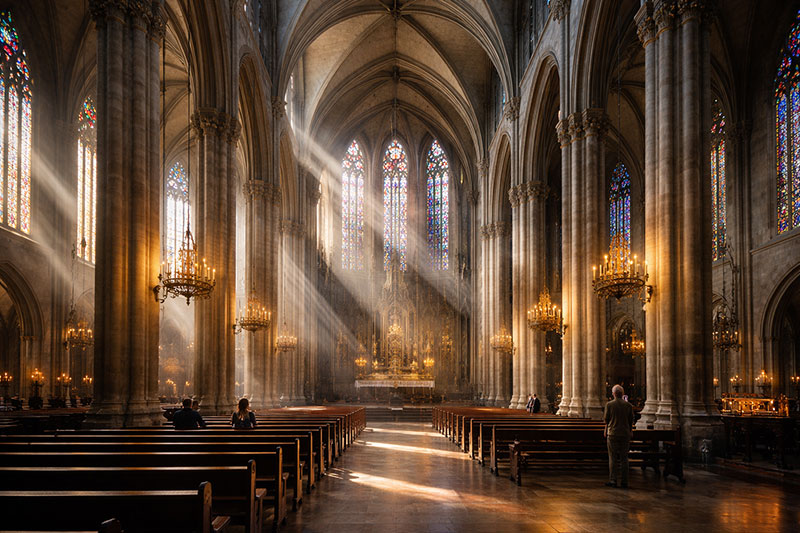
Interior of a grand cathedral with sunbeams lighting up the nave and pews.

Spain has unwritten rules, but they are friendly rules. Learn a few and your trip becomes smoother instantly.


Culture & rules that make Spain easier

Spain runs on schedule, but it is a different schedule. You do not need to become local, but your trip gets easier when you follow the flow.

Sunday Survival Guide:

Sundays in Spain are for rest and family. Many supermarkets and retail shops close. The fix: do not plan errands for Sunday. Plan a long lunch, a museum visit, or a walk in the park. It is the best day to just “be” in Spain.

Culture rules that matter

  • Late dinners: many places get busy after 8:30pm
  • Midday break: smaller towns may slow down midday
  • Greetings matter: a simple “Hola” and “Gracias”
  • Relaxed pace: service can feel slower, it’s not rude, it’s normal
Local Guide Tip: Build a daily loop. Morning sight, long lunch, break, then come back out for night Spain.

Cathedrals and religious sites are still active places. A small layer in your day bag solves most dress-code moments.

Church and dress basics

  • Cover shoulders and knees when requested
  • Carry a light layer in summer for churches
  • Be respectful with photos and noise

Want a culture-first route?

Spain Art Guide (Picasso, Dalí, Gaudí, and the best museum lanes)

Man in a train station looking at his smartphone with a train blurred in the background.

Download WhatsApp before you fly. It is the primary way many hosts, guides, and drivers will communicate with you.


Essential Apps for 2026

Download these before you fly. They make Spain dramatically easier.

Renfe

Use it for tickets, schedules, and updates on many routes.

WhatsApp

Standard for communicating with hosts, guides, and drivers.

Google Translate

Download Spanish for offline use. Camera translate is a lifesaver.

Cabify / FreeNow

Reliable ride-hailing in many cities with transparent pricing.

Read More Spain Travel Guides

City guides, itineraries, culinary deep dives, wine regions, art, and active travel across Spain.
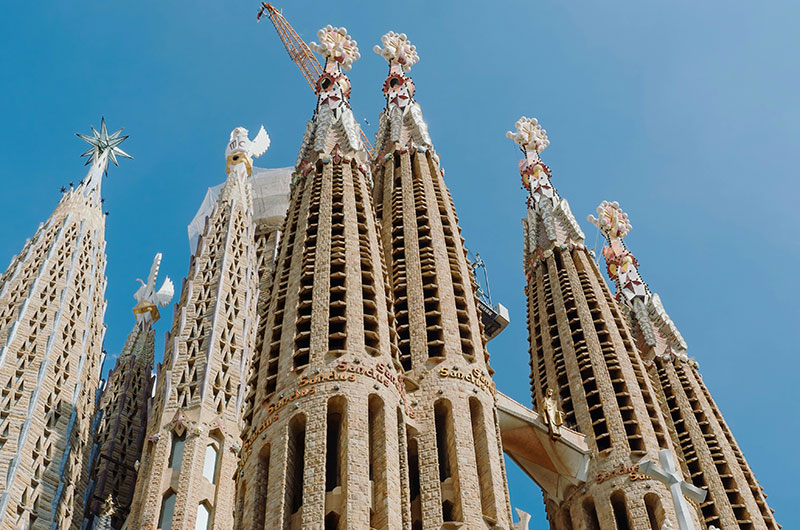
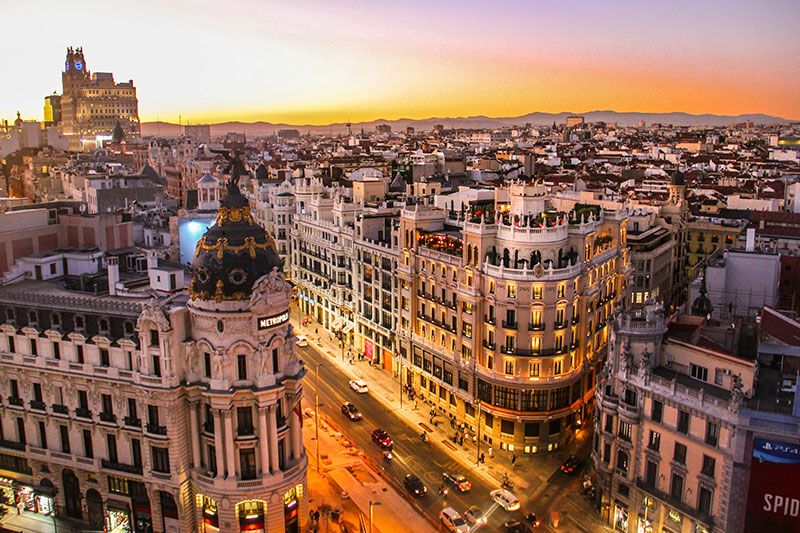
CITY GUIDE

Barcelona

Neighborhoods, food, and day trips.

Read More

CITY GUIDE

Madrid

The city, the art, and the best day trips.

Read More

ITINERARY

Spain Itinerary

A smart route for Barcelona, Madrid, and Southern Spain.

Read More

ITINERARY

Southern Spain

The classic Andalusia loop with key stops.

Read More

CULINARY DEEP DIVE

Basque Country

San Sebastián, Bilbao, and pintxos culture.

Read More

CULINARY DEEP DIVE

San Sebastián

The ultimate pintxo crawl and map.

Read More

WINE REGION

La Rioja

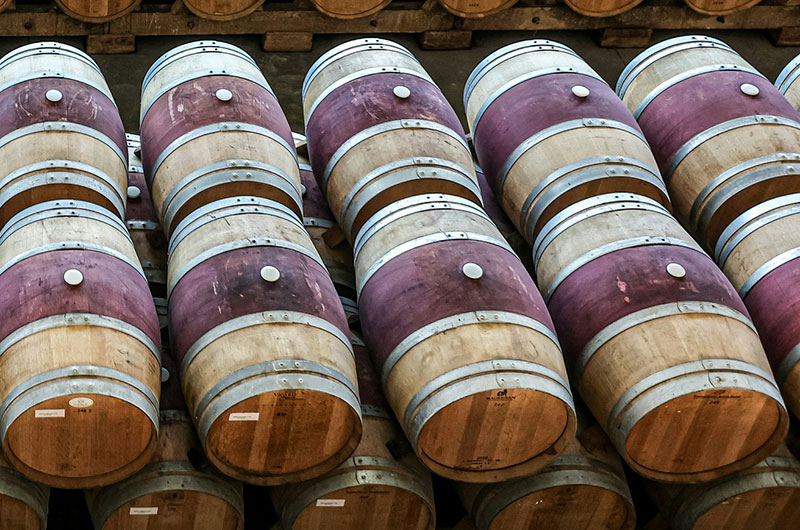
Best wineries and tapas in Spain’s top wine region.

Read More

ART & CULTURE

Spain Art

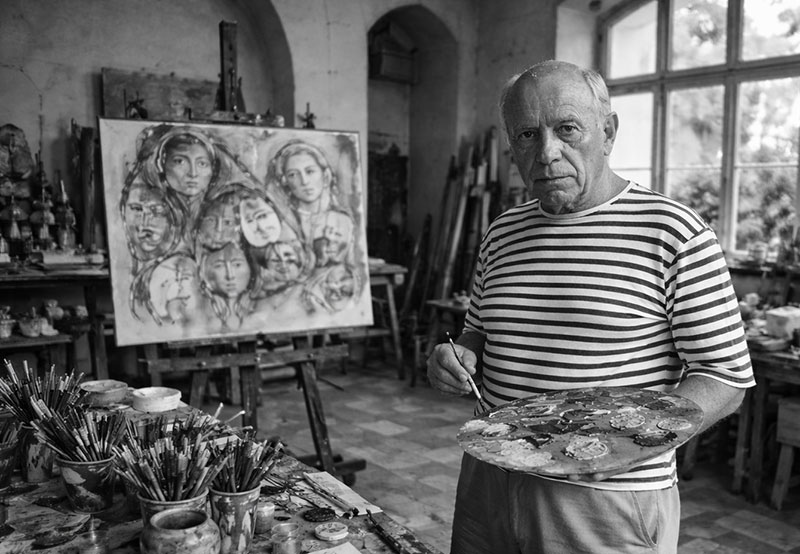
A 7-day itinerary with Picasso, Dalí, and Gaudí.

Read More

ADVENTURE

Spain Adventure

Top active travel experiences across Spain.

Read More

REGION GUIDE

Canary Islands

Year-round sun, hiking, beaches, and island life.

Read More

SEASONAL GUIDE

Tenerife in October

Warm weather, fewer crowds, perfect hiking season.

Read More

BEACH SPOT

Playa de Los Guíos

Dramatic cliffs and black-sand beach in Tenerife.

Read More

Frequently Asked Questions

Do I really need data (SIM or eSIM) in Spain?

Yes. You will use maps constantly, messaging apps for hosts and tours, and train apps for tickets and updates. A travel eSIM (like Airalo or Holafly) is the easiest setup for most travelers.

In major tourist areas, yes. Still, basic greetings help everywhere. A simple “Hola” and “Gracias” improves friendliness fast.

Yes, tap water is safe across Spain. However, in some coastal areas and islands, the taste might be strong due to desalination. Many locals in those areas still prefer bottled or filtered water.

Cards work almost everywhere, but keep some cash for small purchases, the occasional machine issue, and some taxis or markets.

Over-moving and fighting the schedule. Fewer bases, better neighborhoods, and planning around late dinners creates a dramatically better trip.