Travel Planning Hub
Start here to plan your trip, compare options, and explore every TLGA planning guide.
Packing & Gear Guide
What to pack, what to skip, and how to build a lighter travel setup that works.

The rolling vineyards of Rioja Alavesa, with the Cantabrian mountains in the distance.
By Corey Gasman
If you think you know Spanish wine because you have had a glass of Sangria on a beach in Barcelona, La Rioja is here to correct you. Gently, but firmly.
Located in northern Spain, tucked under the Cantabrian mountains, this is arguably the most famous wine region in the country. But it doesn’t feel like the pompous châteaux of Bordeaux or the manicured wealth of Napa Valley. Rioja feels… grounded. It smells like old oak, damp earth, and roasted lamb.
I remember my first trip to the capital, Logroño. I expected a sleepy agricultural town. Instead, I found the highest concentration of tapas bars per square meter in the world and a culture where “going for a wine” is a daily ritual, not a special occasion.
Rioja is actually divided into three zones: Rioja Alta (historic, elegant wines), Rioja Alavesa (Basque influence, smaller plots, fruitier wines), and Rioja Oriental (warmer, Mediterranean influence).
What makes this region special is the obsession with aging. In many parts of the world, the winemaker bottles the wine and sells it to you to age in your cellar. In Rioja, the bodega (winery) does the work for you. They hold the wine in massive barrel halls for years—sometimes decades—releasing it only when it is ready to drink. When you buy a Gran Reserva here, you are buying time.
This guide is for the traveler who wants to do more than just drink; it is for the traveler who wants to understand why the wine tastes the way it does. We will cover the “Cathedrals of Wine” (bodegas designed by star architects), the dark tunnels of the traditionalists, and exactly what to eat to make that glass of Tempranillo sing.
Rioja at a Glance
| Item | Cost (EUR) | Cost (USD) | Notes |
|---|---|---|---|
| Winery Tour (Standard) | €15–€25 | $16–$27 | Includes tasting of 2-3 wines. |
| Premium Tasting Tour | €40–€70 | $44–$77 | Includes VORS or Gran Reservas. |
| Pintxo (Tapa) + Wine | €3.50–€5.00 | $4.00–$5.50 | Price per round on Calle Laurel. |
| Bottle of Crianza (Restaurant) | €14–€18 | $15–$20 | Incredibly cheap compared to US. |
| Bottle of Gran Reserva (Shop) | €25–€50+ | $27–$55+ | Great value for aged wine. |
Frank Gehry’s titanium ribbons at Marqués de Riscal contrast wildly with the old stone village.
Rioja is unique because you can visit a winery that looks like a spaceship and then drive 10 minutes to one that hasn’t changed a lightbulb since 1890.
You have seen the photos. The purple and gold titanium ribbons designed by Frank Gehry (who did the Guggenheim Bilbao). It is a “City of Wine.”
This is my favorite winery in the world. Period. Walking in here is like stepping into the 19th century. They refuse to modernize. There are cobwebs in the tunnels that are older than me.
If you only have one day and want to learn everything, go here. The Vivanco family built what is widely considered the best wine museum in the world.
A giant glass box sitting on top of a hill. You enter at the top, and the gravity-fed winery goes seven floors underground.
Rows of American oak barrels where Rioja sleeps for years.
Spanish wine labels can be confusing. They don’t usually list the grape (Tempranillo) on the front; they list the age. Here is your cheat sheet so you don’t look lost at the bar.
Chuletillas al sarmiento: Lamb chops grilled over dried grapevines.
In Spain, wine is food. You rarely drink without eating. Here are the classic pairings you need to try in Rioja.
This is the signature dish of the region. Chuletillas al sarmiento are baby lamb chops grilled over the dried prunings (vines) of the grape harvest. The smoke from the vines infuses the meat.
A heavy stew made with potatoes, spicy chorizo, and paprika.
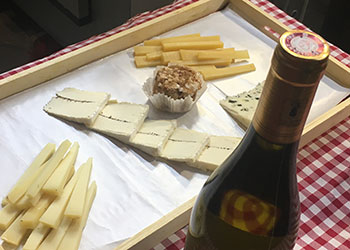
Order a plate of cured Manchego (Curado). Sip the wine.
The chaos of Calle Laurel at 9 PM. This is where the magic happens.
In Logroño, they call a tapas crawl “The Trail of the Elephants” (because if you visit every bar, you will end up walking on all fours with a trunk—a hangover—the next day).
The famous street is Calle del Laurel. Here, every bar specializes in one thing. You do not order a menu; you order the specialty.
To visit the wineries in Haro, Elciego, or Laguardia, yes. Or hire a driver. The police are very strict about drinking and driving, so a designated driver or a tour guide is highly recommended.
Generally, no. Unlike Napa or South Africa, most Rioja wineries require a reservation for a tour/tasting. Some have wine bars open to the public (like Vivanco or Riscal), but for the full experience, book 2 weeks ahead.
In Spain? No. It is shockingly cheap. You can get a world-class glass of Reserva in a bar for €3.50. Buying bottles to take home is also 50% cheaper than in the US/UK.
Rioja is very accessible. It is about a 1 hour and 15-minute drive from Bilbao (Guggenheim) and about 1.5 hours from San Sebastian. It makes for a perfect 2-day side trip from Basque Country.