Travel Planning Hub
Start here to plan your trip, compare options, and explore every TLGA planning guide.

Packing & Gear Guide
What to pack, what to skip, and how to build a lighter travel setup that works.

By Corey Gasman
As I write this from our balcony in Mazatlán, coffee in hand and the Pacific stretching wide in front of me, I’m finishing a leftover bowl of shrimp fried rice from the small Asian and sushi restaurant across the street from our Airbnb.
Yesterday we took a walking tour through Centro Histórico and learned how waves of migration shaped this port city. Spanish roots run deep. Later arrivals brought new rhythms, trades, and tastes that quietly became part of Mazatlán’s identity.
You can feel it in the everyday details. German influence helped establish early breweries and introduced brass-band traditions that, over time, fed into the loud, joyful culture of banda. In Mazatlán, banda is not background music. It is a living soundtrack. You hear it echoing off the malecón, pouring out of beach parties, and following parades through the streets. It is celebration, memory, and community in one sound.
And then there are the smaller fingerprints that show up when you least expect them. Japanese communities helped shape port commerce and shrimp culture, leaving traces that still surface in kitchens today. Culture is never sealed. It moves, blends, and settles into new places until it feels native. Even when you are just sitting still, looking at the ocean, you are surrounded by proof that the world has been traveling for a long time.
Sitting there, I realized something simple. Travel is not just about where you go. It is about what wakes up inside you when you get there.
“The world is a book, and those who do not travel read only one page.”
— Saint Augustine

Trekking through the hilltribe villages of Chiang Mai offers a humble perspective on a different pace of life, where meeting local families and learning about their traditions becomes the most meaningful part of the journey.
Travel does more than show you new places. It gives you back your attention. At home, life becomes efficient. Our days repeat, routines harden, and we slowly stop noticing our surroundings. We live on autopilot until we pack a bag and leave. Suddenly the world feels loud and immediate again. Not because the world changed, but because we did.
As I get older, I feel how easily we get set in our ways. We seek comfort and ease, and our little niche becomes our entire day-to-day life. There is deep satisfaction in this. It is beautiful to build a community, gather a loyal friend group, and stay close to family. I get it. But you still have to let yourself dream of a new adventure, a fresh experience, or the taste of something entirely different. Leave with an open mind, become a sponge, and try your best to understand the people and the places you go. While we are all different in our own ways, you will quickly find we are more alike than not.
Having traveled through 45 countries and lived out of a backpack for a full year, I have seen the icons, survived the long-haul flights, and checked off major bucket-list stops. Yet the truth is, I still want more. I am no longer chasing a checklist. I recognize there is simply too much to see and too many people to learn from. Exploring new places reshapes what feels possible.
In a world that often feels divided, travel remains one of the simplest antidotes. It breaks down assumptions. It replaces generalizations with actual conversations. Almost everyone I have met across the globe is friendly, curious, and happy to share their story.
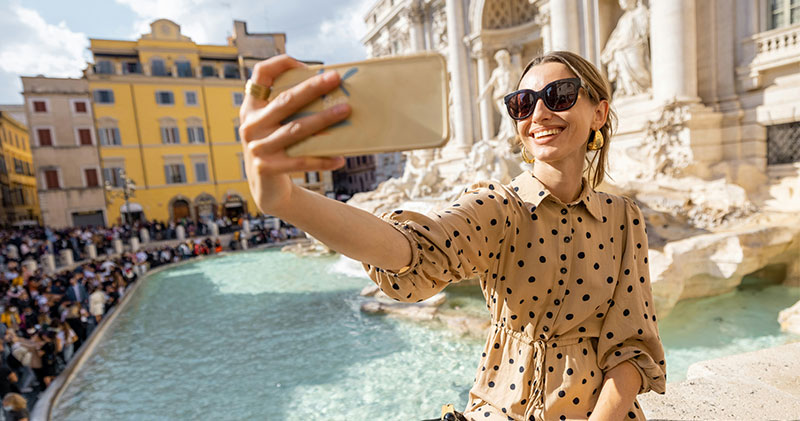
The reality of modern travel: capturing the perfect selfie amidst the bustling crowds of Rome’s most iconic landmarks.
We often brush off the urge to travel as a restless phase or a desire for a quick escape, treating it like a fleeting mood rather than a deeply rooted human instinct. Wanderlust is often something deeper. It can be a vital signal, a quiet inner pressure reminding you that you have been too contained for too long.
True wanderlust goes beyond wanting a vacation. It is an urge to step outside the familiar so you can feel your own life more clearly again. When you move through a new place, you pay closer attention. You look up, listen, and become present because your environment requires it. If you want a quick test, ask yourself one question. If nobody could see the photos, would I still want to go?
“To awaken quite alone in a strange town is one of the most pleasant sensations in the world.”
– Freya Stark
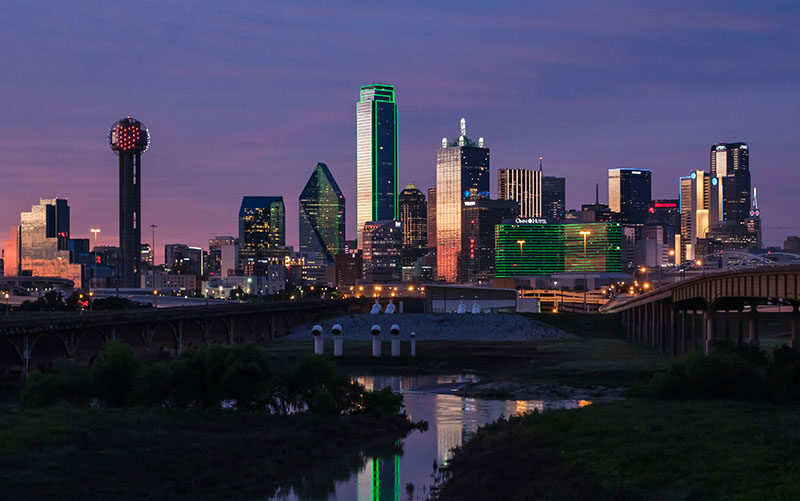
My first trip from Minnesota to Dallas completely shattered my stereotypes of Texas; instead of the cowboys and western scenes I expected, I found a modern city that felt remarkably similar to home in Minneapolis.
The first flight I ever took as a teenager was for a wedding in Dallas, Texas. Coming from Minnesota, I had built up an image in my head. I expected Dallas to be all cowboys and scenes pulled out of a Western. In reality, it was the opposite. I was surprised at how similar the downtown blocks felt to Minneapolis. It was not until we took a day trip to Fort Worth that the broader culture of Texas clicked. The map does not always match the movie in your head.
Years later, during my year-long trip around the world, I experienced the same phenomenon on a bigger scale. We flew into Munich from Turkey on a cheap charter jet and booked a budget hotel in what turned out to be a vibrant Turkish neighborhood. In my mind, I was anticipating a purely Bavarian experience filled with lederhosen and traditional beer halls. Instead, I stepped out onto streets lined with doner kebab stands and women wearing burkas. That is the point. Travel smashes your assumptions and gives you a real education. You stop seeing the world as a stereotype and start seeing it as it is.
“Travel is fatal to prejudice, bigotry, and narrow-mindedness, and many of our people need it sorely on these accounts.”
– Mark Twain
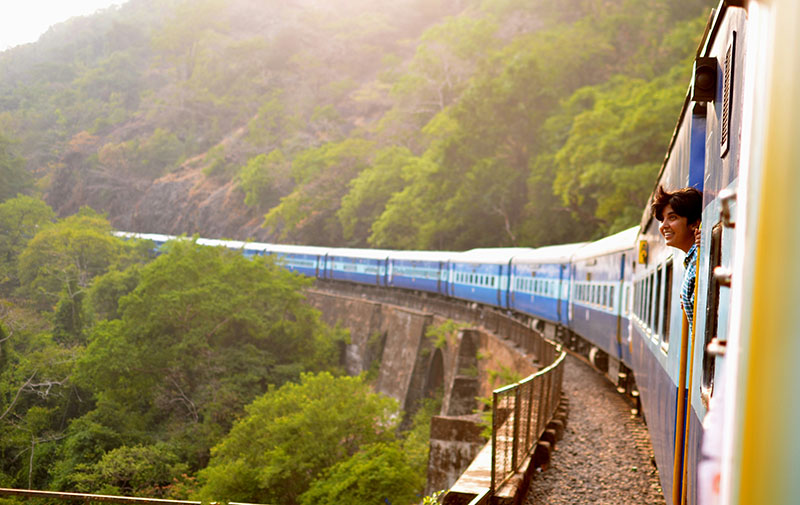
An epic travel day from Delhi to Shimla, navigating the chaos of tuk-tuks and buses to finally reach the Kalka-Shimla Railway. There is nothing like winding through the Himalayas on this iconic UNESCO-listed “Toy Train” before heading into the peaks.
While the tools of navigation have changed, our motives have stayed surprisingly consistent. For most of human history, travel was hard, slow, and full of risk. That tells us something important. We did not keep moving because it was convenient. We kept moving because something inside us needed it.
Early travel was born out of necessity, driven by the search for food, safety, trade, and migration. But even then, movement carried deeper meaning, sparking pilgrimages to sacred sites and rites of passage. Travel became a way to prove devotion, seek healing, or stand closer to something larger than oneself.
Later, travel evolved into a form of finishing school for the privileged, a way to build refined taste and a broader worldview. The goal was to come home changed and to be recognized as someone transformed by the journey. This stands as one of the earliest modern versions of travel as identity.
As transportation scaled, travel became available to far more people. It shifted from rare luxury to repeatable practice, from once-in-a-lifetime departure to a regular cadence. Once travel became normal, it became a mirror. You do not just see a new place. You see yourself reacting to it. The best question before leaving is no longer what you should see, but what you want to become more of.
When you zoom out far enough, every journey becomes part of a longer story. And that story is not just about vacations. It is about how all of us ended up where we are.
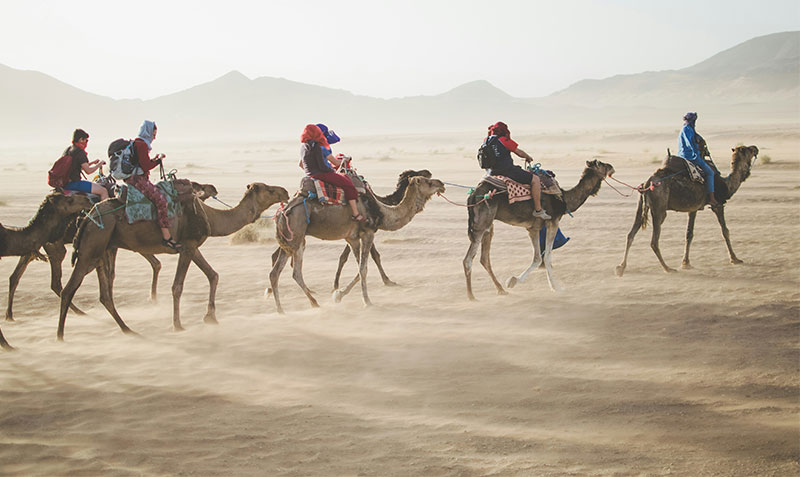
One of my first true “aha” moments traveling was trekking through the Sahara Desert, sitting atop a massive sand dune and stargazing into the infinite night sky.
Seen from that distance, travel is not a modern idea at all. Human migration has always been the underlying thread. It began in Africa, slowly spread across continents, crossed into North America, and continued down through the Americas. Indigenous peoples lived on these lands for thousands of years before later waves of newcomers arrived.
In the making of modern America, many communities arrived and built lives at different times, including Asian immigrants, Europeans, and Latin American communities who were already rooted in places that later became part of the United States. If travel teaches anything, it is that borders shift, but human movement does not. What feels fixed today is often new in the long view of history.
If you watch historically grounded shows like Gangs of New York or Deadwood, you see the messy reality of this experiment playing out. Cities grew through overlapping neighborhoods and cultures. Travel reminds us that national borders are a relatively recent invention, but human migration is part of our DNA.
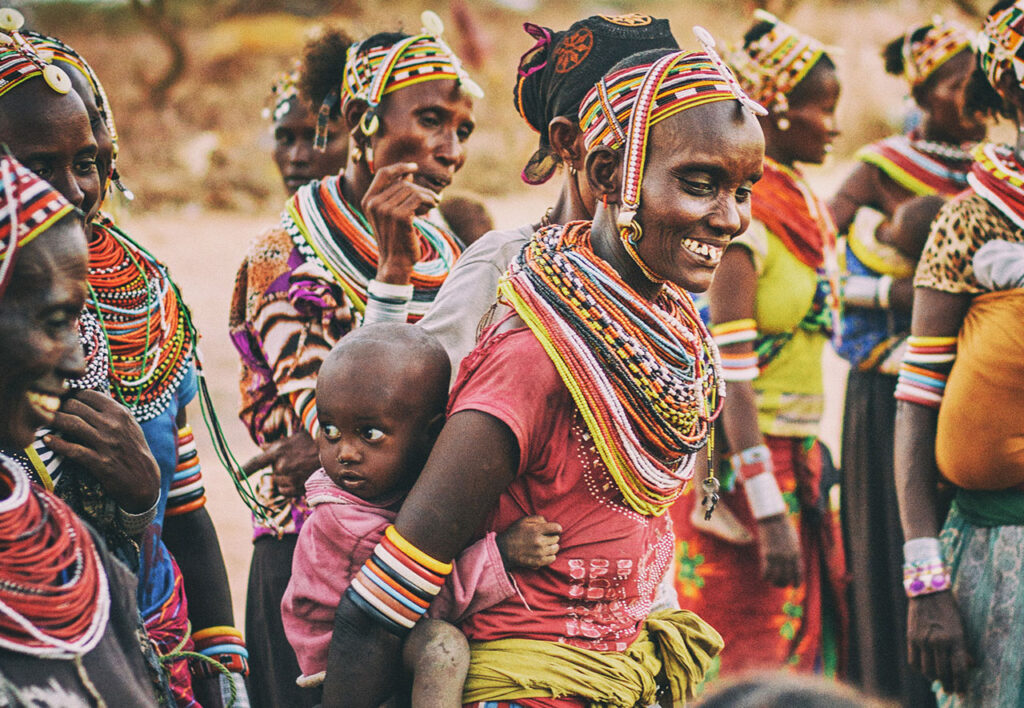
One of my most dramatic and moving experiences was being invited to a village in Coffee Bay, South Africa to witness a young man’s coming of age ceremony, a powerful celebration of tradition and community.
One underrated benefit of travel is how quickly it returns you to a beginner’s mind. You become a student again. You ask for help, mispronounce foreign words, read faces, and learn transit systems. You become humble without forcing it.
This humility is not weakness. It is a kind of spiritual cleaning. Competence at home can harden into certainty, but travel softens you. It reminds you there are a thousand ways to live a good life, and your way is only one of them.
New streets, smells, foods, and cadences are not just surface stimulation. They re-sensitize you. The quickest way to feel a place is to walk it in the morning. Buy coffee, watch the city wake up, and let curiosity guide you without a top-ten list. When you notice these details in a new place, you bring that awareness back home. That lingering attention is the best souvenir.
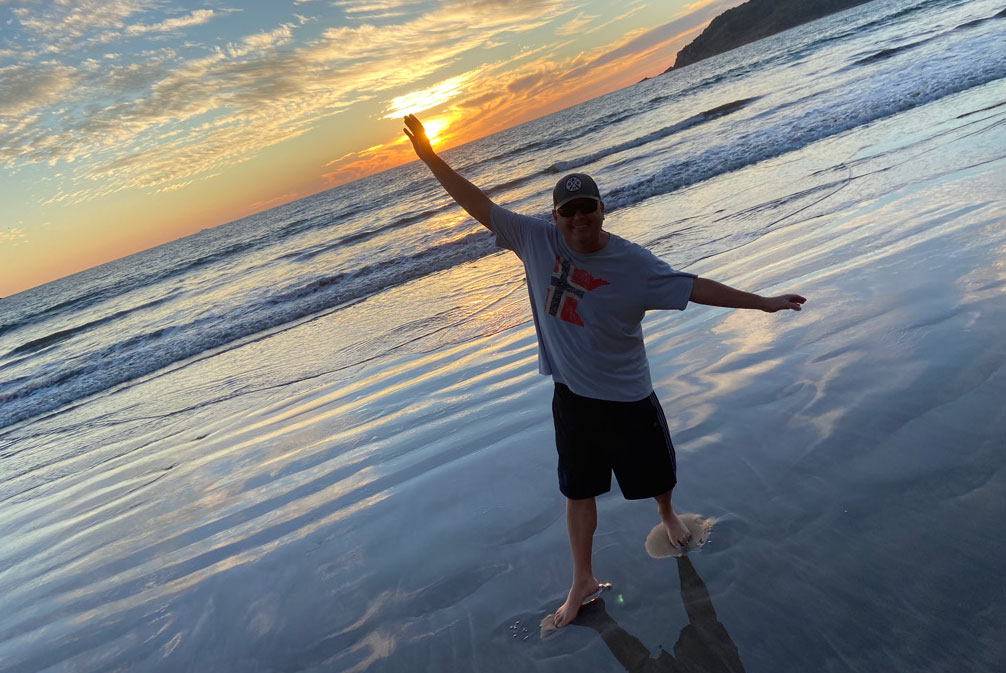
Me escaping the Minnesota cold for a month in Mazatlán, Mexico. Sometimes a total reset is exactly what’s needed to find your center again.
Many people talk about vacations as indulgence, treating time off as a prize you earn by being productive. I see it differently. Time off is essential maintenance. It is the pause that keeps life from becoming one long blur.
When you never stop, you lose more than energy. You lose perspective. You begin treating moments like tasks instead of experiences. You become efficient, but smaller.
A real break restores perspective, gratitude, and humility. Distance makes your normal life visible again. It also restores connection, making you more emotionally available to the people you love.
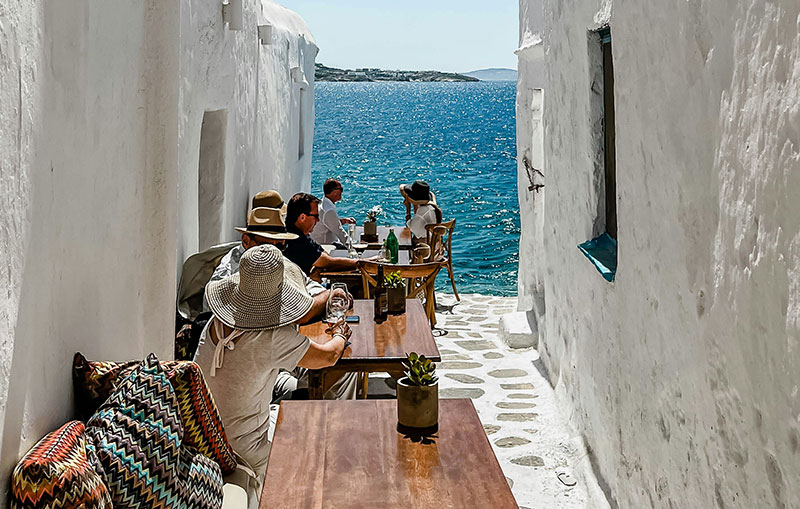
Embracing the European philosophy of slowing down, where a midday coffee by the sea is essential maintenance, not a luxury.
Having spent over 25 years navigating creative direction and digital strategy, I know what corporate burnout looks like. In some American circles, being endlessly busy becomes a badge of honor. People treat unused vacation days like proof of value. That mindset has a cost. If you never step away, you lose the ability to see your own life clearly.
In much of Europe, time away is treated as normal. It is not rare, and it is not a guilt trip. You work hard, then you rest. You live fully, then you reset.
This is not just about policy. It is a philosophy. In one version, worth is measured by output, so rest must be justified. In the other, a good life includes rest, so work serves your life instead of consuming it. If you feel guilty taking time off, reframe it. You are maintaining the person who does the work.
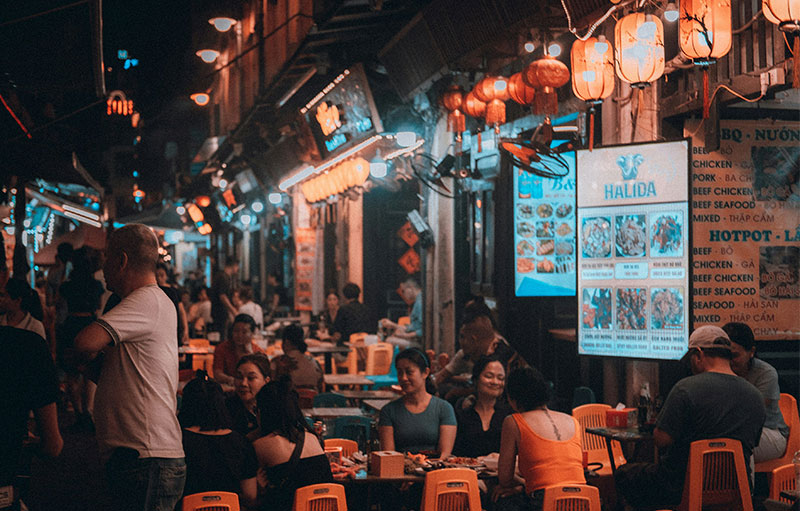
Exploring the vibrant energy of Hanoi’s night markets and street food at its best.
Anthony Bourdain was more than a television host to me. He combined my deepest passions for food, cooking, and travel into a single philosophy. I devoured his writing, reading Kitchen Confidential and Medium Raw, and cooked my way through parts of the Les Halles Cookbook.
Long before he was a global icon, I met him after a book tour stop at the Triple Rock in Minneapolis and got his autograph. Years later, I paid to hear him speak at the Orpheum Theatre downtown. What I loved most was his refusal to polish reality. He avoided tourist traps and favored dive bars, street stalls, and family kitchens.
Bourdain never sold travel as luxury. He championed it as curiosity and humility. The point was not to collect stamps, but to become more empathetic. Some of the best connection happens without shared language. You sit at a counter, point at what locals are eating, smile, and say thank you. You let food translate what words cannot.
“Travel isn’t always pretty. It isn’t always comfortable. Sometimes it hurts, it even breaks your heart. But that’s okay. The journey changes you; it should change you.”
– Anthony Bourdain
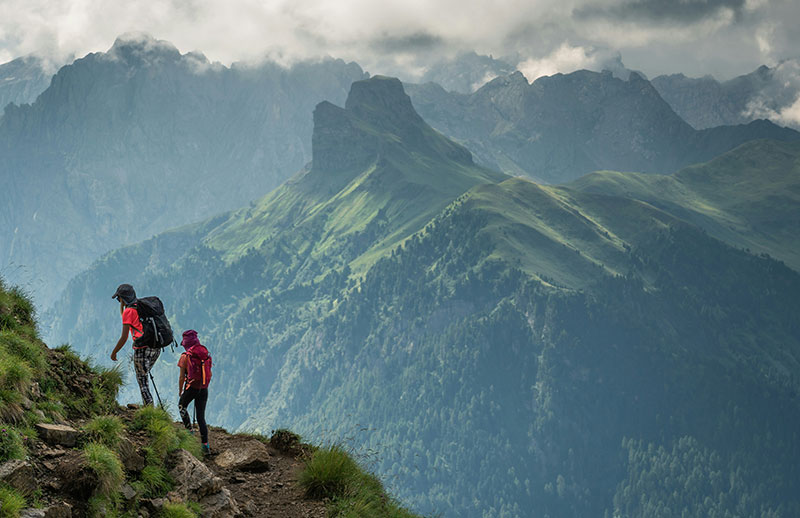
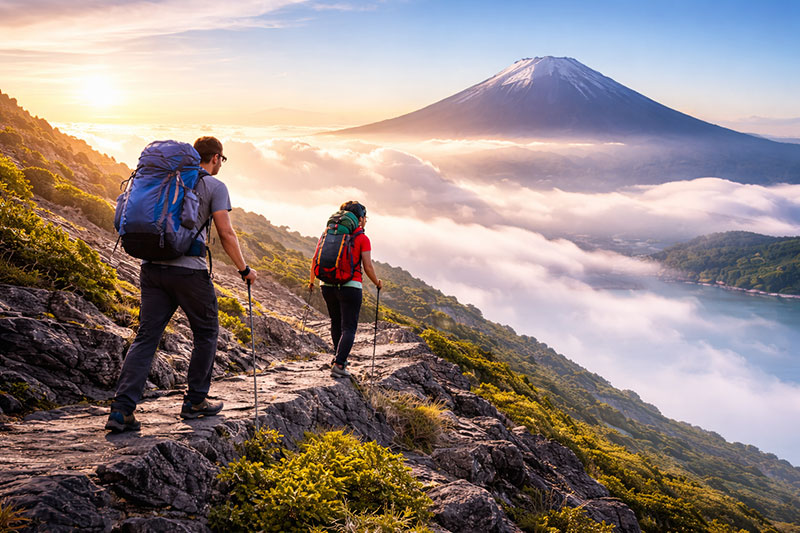
Choosing wonder over the highlight reel, finding clarity among the jagged peaks of the Italian Dolomites.
Some trips nourish the soul. Others exist to provide proof of an exciting life. Both can put you on the same airplane, but they do not produce the same result.
Fear of missing out tells you to go so you do not fall behind. Wonder-driven travel comes from the desire to feel the magic of the world again. If the journey feels like a performance, it will leave you tired. If it feels like paying attention, it will leave you clearer. If you come home more curious than when you left, you did it right.
And nowhere is that tension between wonder and performance more visible than in the world’s most famous places.
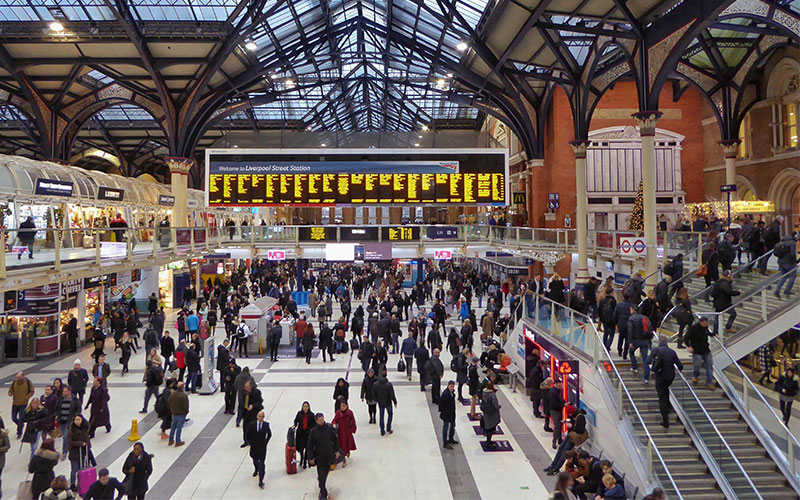
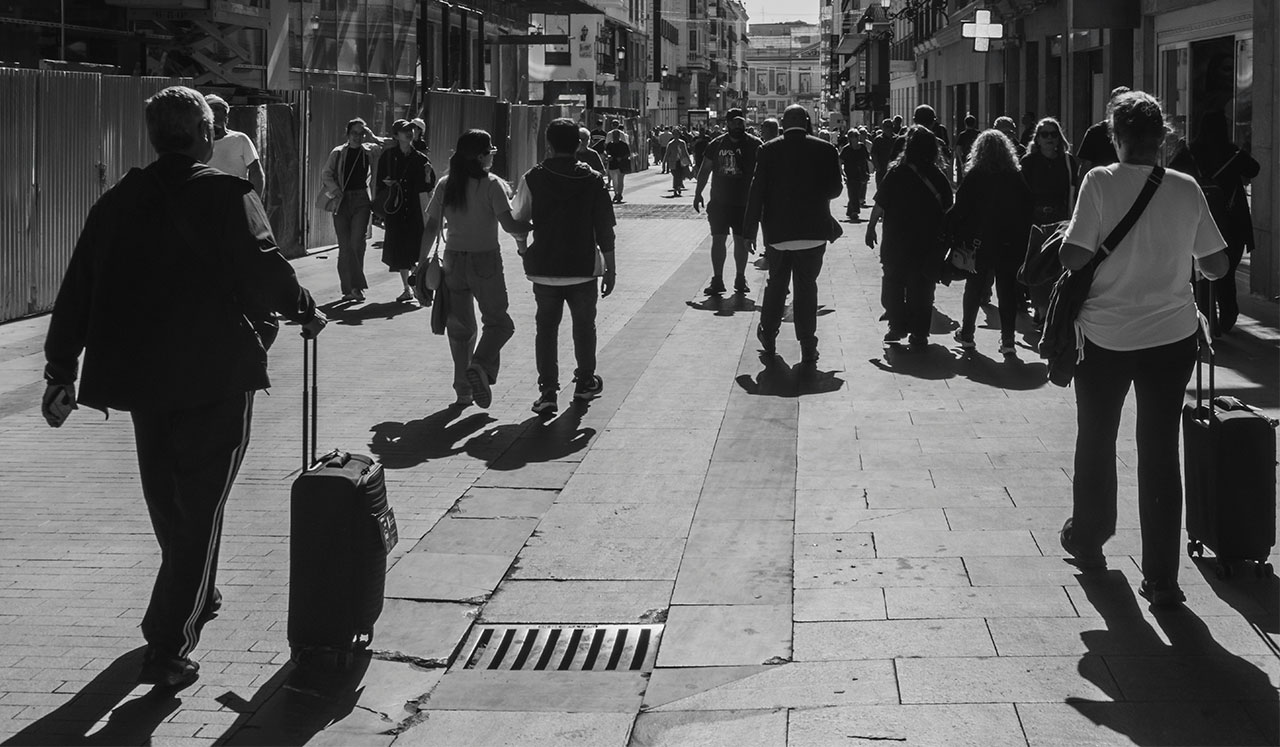
Navigating the rush at Liverpool Street Station, a reminder that iconic transit hubs are often defined by their energetic, and sometimes overwhelming, crowds.
Some destinations are crowded because they deserve to be. World Heritage sites, iconic cities, dramatic coastlines, and architectural masterpieces draw people for a reason. The beauty is real. The history is real. The scale can be overwhelming.
But there is also the other side. The crush of tourists can flatten an experience. Long lines, packed viewpoints, and phones in the air can make even the most extraordinary place feel rushed or performative. When everyone shows up at once, depth is often the first thing that disappears.
Over time, I have learned that timing changes everything. Travel in the off-season or, even better, the shoulder seasons. Visit museums and major sites the minute they open or just before they close. Stay in one neighborhood instead of racing between landmarks. These small adjustments can transform your experience.
The goal is not to avoid popular places altogether. It is to experience them with intention. Slow down. Arrive early. Linger late. Choose depth over speed. When you remove yourself from the peak rush, the place often reveals itself again.
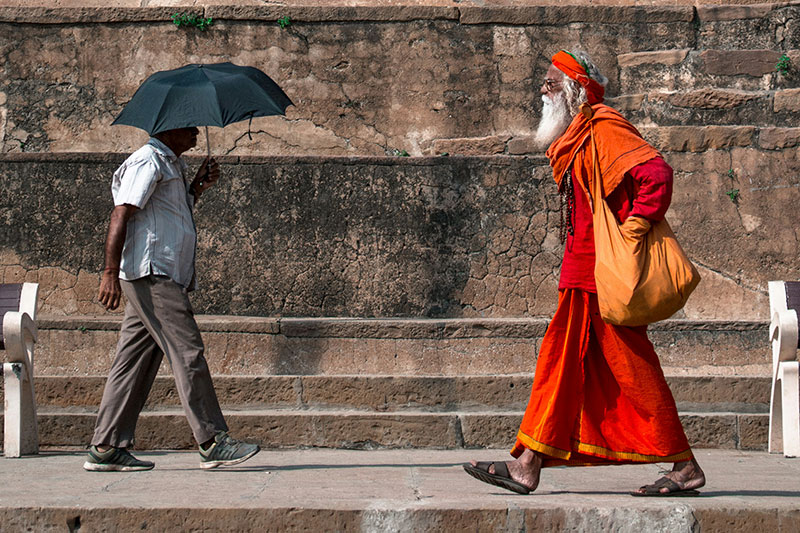
To truly understand a place, you have to walk farther than you planned, letting the local textures and small details lead the way.
If you want travel to shape you, keep it simple. Walk farther than you planned so you notice the small things. Pay attention to shifting light, local textures, street smells, faces, and the cadence of a neighborhood. That is how a place enters you.
Give yourself permission to be a beginner. Ask locals for help. Talk to strangers. Eat where residents eat. Let shared food become the bridge when language runs out. The most memorable moments are often not monuments, but small kindnesses.
You do not need to cross the world for this to work. Cross the river. Take a train to a town you have never explored. Stay one night somewhere that shifts your pace. Distance makes the beauty of normal life visible again. You return home and see what you forgot to appreciate.
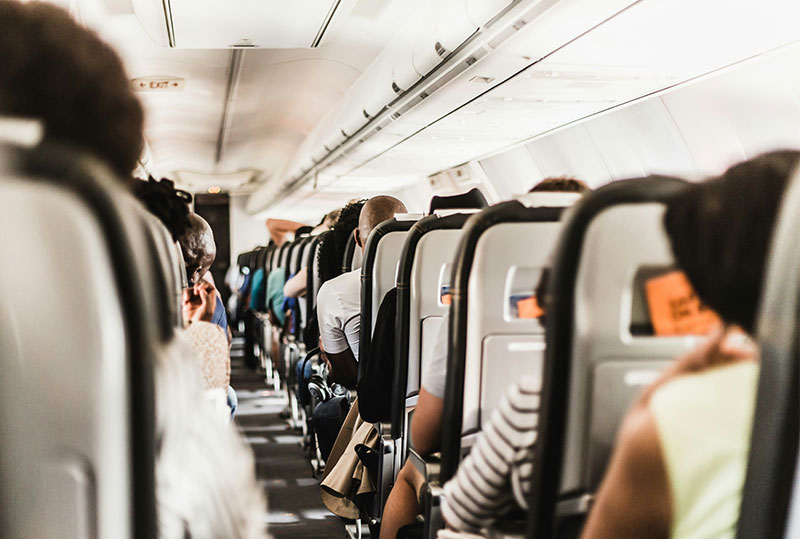
The hidden tax of travel: long lines, tight connections, late arrivals, and the mental math of getting yourself to the other side of the day.
The older I get and the more I travel, the more I realize something honest. As much as I love traveling, there is stress that comes with it. It rarely shows up in the photos. It happens before the trip and during the getting there.
It starts with the pre-trip checklist running through your head. Did I pack everything? Are the passports in the right bag? Did I download the boarding passes? Is the airport ride confirmed? Then comes the airport itself. The check-in line. Security. The long wait at the gate. The overnight flight to Europe or the long haul to Asia where sleep comes in fragments and your body clock quietly falls apart.
Landing in a new country sounds exciting. Sometimes it feels disorienting. You shuffle through immigration, figure out transportation, and try to decode signs in a language you may not understand. You finally reach your hotel or apartment exhausted. There is still check-in. Still the bags. Still the question of where to eat your first meal when you are tired, stressed, and have no idea where to go.
And yet, this is the threshold. Travel has friction. It asks something from you before it gives something back. Once you get past the stressful part, it softens. You wake up the next morning. The light feels different. The air smells new. You step outside and realize you are exactly where you wanted to be.
The stress fades quickly. What stays is the memory of navigating something unfamiliar and coming out the other side. That small win builds confidence. The reward is not just the destination. It is the expansion of yourself.
If you want to reduce the friction, preparation helps. I have written practical guides to make those travel days smoother:
The goal is not to eliminate every stress point. That is impossible. The goal is to move through them with more confidence. Travel days may test your patience, but what waits on the other side is almost always worth it.
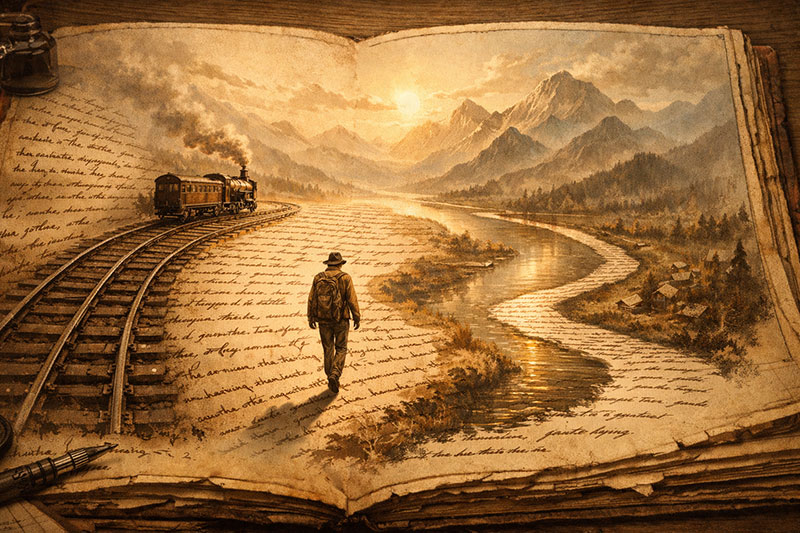
Reading travel literature is more than a pastime; it is a way to open your eyes to the world and the diverse lifestyles that exist far beyond your own front door.
If you want to dive into the philosophy of leaving home, these authors capture the human experience of the road. They focus less on where to sleep and more on why we go.
De Botton explores why we romanticize places, why reality sometimes disappoints, and how to learn to truly look. It is a strong read for mindful travel.
Iyer captures the feeling of being out of place, the intersection of cultures, and the quietness you can find when identity loosens.
Theroux is honest and deeply observant. He refuses to sugarcoat discomfort, and he watches human behavior through the window of movement.
Potts treats time as true wealth. He makes long-term travel feel possible by reframing priorities and explaining the mindset behind it.
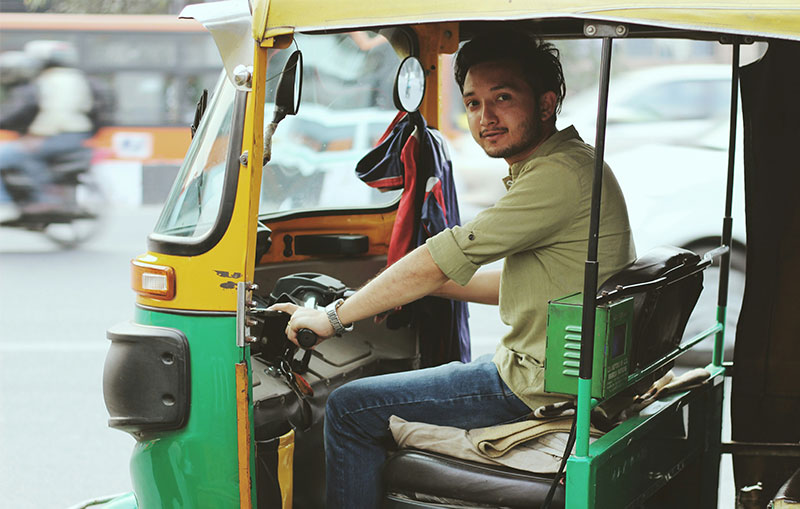
Striking up a conversation with a tuk-tuk driver in Delhi can become a highlight of your travel day. It is moments like these where you realize how incredibly welcoming and friendly people are.
Wanderlust is not random. It is a signal that life has become too compressed, repetitive, and predictable. It whispers that you are ready to stretch again.. Sometimes that stretch is across the ocean. Sometimes it is across town. The distance matters less than the shift.
Distance does not guarantee transformation. You can fly across the world and remain unchanged. What changes you is how deeply you notice. It is walking slower. Listening longer. Letting unfamiliar places rearrange your assumptions. Even a short trip can do that if you allow it to.
To avoid turning travel into stress, plan fewer highlights and leave more room for wandering. Choose a neighborhood and live there for a few days. Repeat a cafe. Depth beats speed.
If you feel guilty taking time off, reframe it as maintenance. Time away protects clarity, relationships, and creativity. You are not falling behind. You are taking care of the person who carries your life. When you want to connect with locals fast, use food. Sit where you can see the cooking, order what is popular, and lead with respect.
In the end, I travel because life is short and the world is large. When I come home from a good journey or vacation, I am not just rested. I am expanded. A little less certain. A little more curious.
“Traveling, it leaves you speechless, then turns you into a storyteller.”
– Ibn Battuta