Travel Planning Hub
Start here to plan your trip, compare options, and explore every TLGA planning guide.
Packing & Gear Guide
What to pack, what to skip, and how to build a lighter travel setup that works.
By Corey Gasman
I have been to Thailand four different times over the last 20 years, and it is still the one country that makes me feel like travel is a cheat code. The first time I landed there on my round-the-world trip, I planned to stay a week. I stayed almost a month. Coming from the U.S., it was unbelievable. The value of my dollar. The ease of getting around. How friendly people were. How safe it felt. How quickly you fall into a rhythm with other travelers who are also wide-eyed and happy to be there.
And it is not just the value, even though that part still blows my mind. Thailand checks every box. The temples and culture in the north around Chiang Mai and Chiang Rai. The big-city buzz of Bangkok, where you can eat like a king on a plastic stool, then ride up to a rooftop and feel like you are in a different universe. The islands in every direction, from the Gulf of Thailand (Koh Samui, Koh Tao, Koh Phangan) to the Andaman side (Phuket, Krabi, Phi Phi). Add in Thai massages, shrimp pad thai, curries that ruin you for lesser curries, and tom yum soup, which is still my favorite Thai dish on earth.
This is my cornerstone planning guide for Thailand in 2026. Use it like a hub. I will help you choose the right regions for your travel style, map out an itinerary that does not feel rushed, and avoid the common mistakes that quietly derail great trips. If you want Thailand to feel easy, not overwhelming, start here.
Quick Navigation
At a Glance
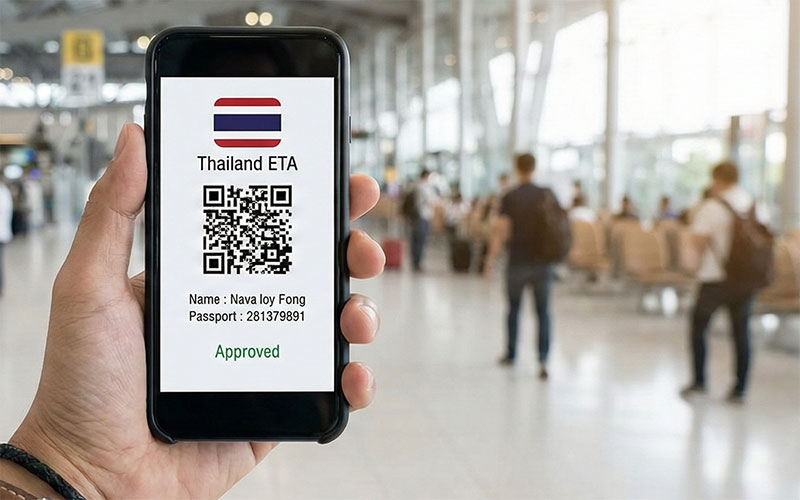
Don’t get stuck at immigration, ensure your Thailand ETA is approved before you board your flight.
Thailand’s entry rules have shifted. Do not rely on advice from 2024. Always verify the latest requirements before you fly, because these policies can change quickly.
Thailand has moved toward a digital arrival process. For many travelers, this means completing a required online arrival form (often referred to as the TDAC) before landing. Use only official channels, and avoid third-party sites that charge unnecessary fees.
Good news for travelers from the U.S., UK, Canada, and many other countries: the visa exemption period has expanded to 60 days for eligible passport holders. You can often extend once locally for an additional 30 days, which can get you close to three months with relatively simple paperwork.

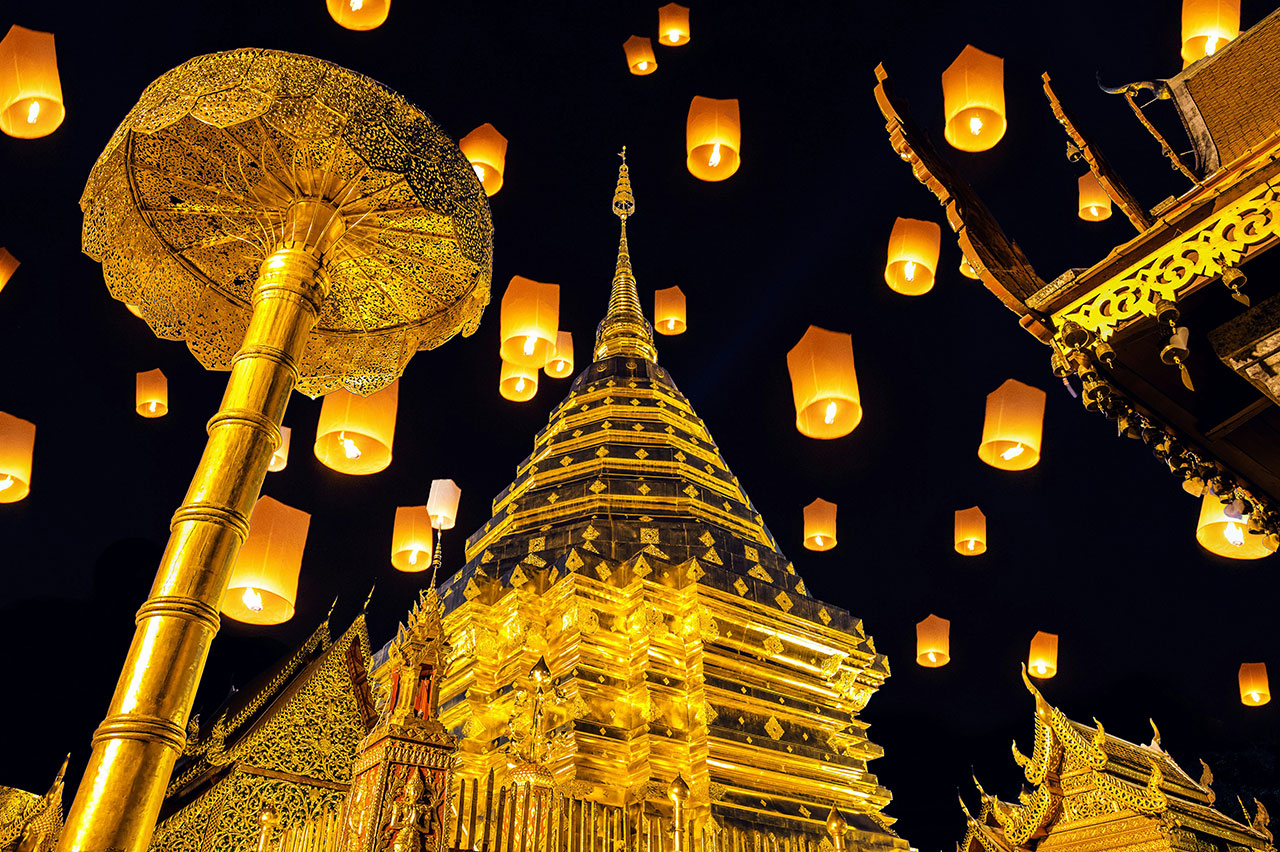
November is one of the best times to visit Chiang Mai to see the sky fill with thousands of lanterns during Yi Peng.
Thailand is a year-round destination, but your experience changes a lot depending on weather and region. Build your route around the season, not the other way around.
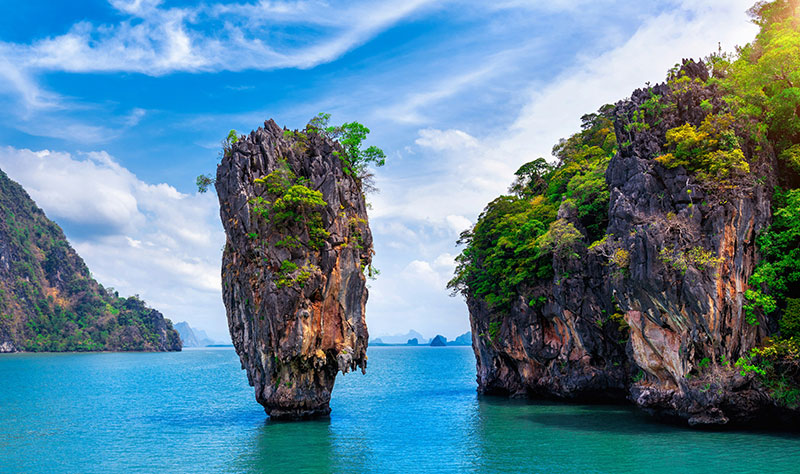
The gravity-defying limestone tower of Ko Ta Pu, better known to the world as James Bond Island.
Think of Thailand in travel “zones.” Pick two zones for a first trip, three if you have two weeks, and save the rest for your next excuse to come back.
Read More: Still deciding your beach finale?
Phuket vs Krabi: the fastest way to pick the right base for your vibe
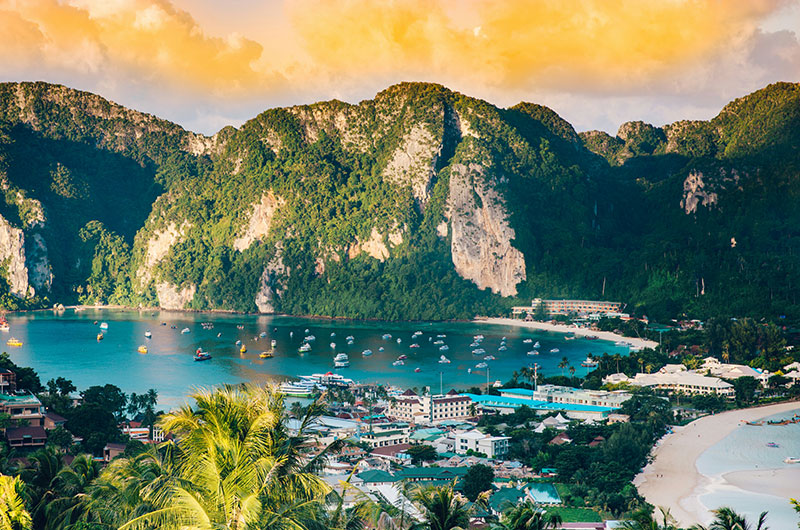
Itinerary Strategy: Koh Phi Phi is the ultimate connector. Because it sits halfway between Phuket and Krabi, the smartest route is to use it as a ‘stepping stone.’ Take the ferry from Phuket, stay here for two nights to hike this viewpoint, and then continue by boat to Krabi.
Internal CTA: Build your route from your travel style
If you want, I can turn this guide into a clean hub-and-spoke structure next: Bangkok guide, Chiang Mai guide, Phuket vs Krabi, best islands by season, and a Thailand food guide that reads like a mission.
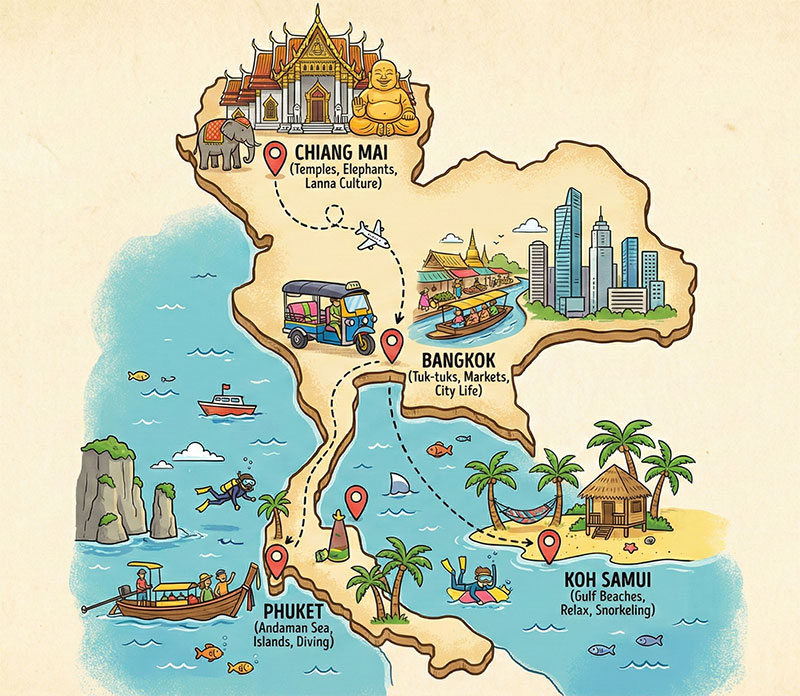
The “Two-Coast” Strategy: Most itineraries start in Bangkok (Center) and Chiang Mai (North). The big decision is your beach finale: choose the West Coast (Phuket/Krabi) or the East Coast (Koh Samui/gulf islands).
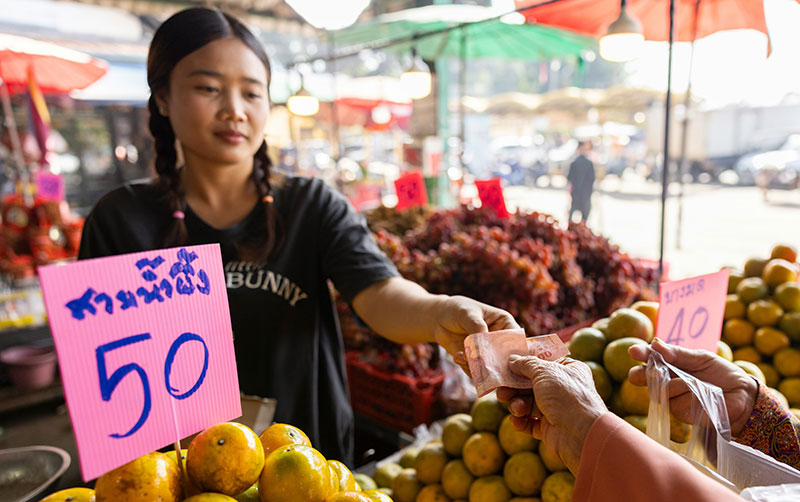
Budget Tip: While cards are accepted in malls, always carry cash for street vendors, markets, and small shops. The best food in Thailand is often cash-only.
Thailand can be a budget trip, a boutique trip, or a luxury trip, and all three can exist in the same week. The biggest cost drivers are flights, island lodging, and how many tours you book.
| Category | The Backpacker (Budget) |
The Comfort Traveler (Mid-Range) |
The Vacationer (High-End) |
|---|---|---|---|
| Accommodation (Per night) |
400 – 800 THB (Hostel / Fan Room) |
1,500 – 3,000 THB (Boutique Hotel / AC) |
5,000+ THB (Resort / Villa) |
| Food & Drink (Per day) |
300 – 500 THB (Street food / 7-11) |
800 – 1,500 THB (Cafes + Night Markets) |
3,000+ THB (Fine Dining / Wine) |
| Transport (Avg per day) |
150 – 300 THB (Bus / Songthaew / Walk) |
400 – 800 THB (Grab / BTS / Ferries) |
1,500+ THB (Private Driver / Flights) |
| TOTAL ESTIMATE (Per person/day) |
~1,000 THB ($30 USD) |
~3,500 THB ($100 USD) |
~9,500+ THB ($280+ USD) |
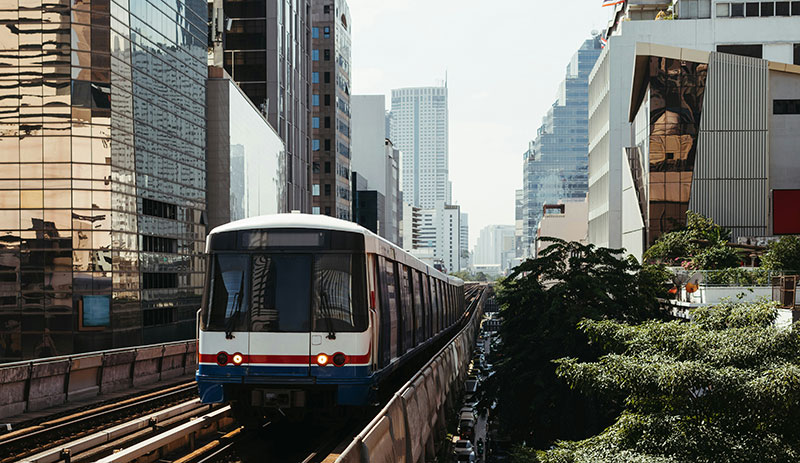
The BTS Skytrain is the most efficient public transport option for navigating Bangkok’s busy downtown districts.
Flying saves time when you are hopping between Bangkok, the north, and the islands. The main tradeoff is you see less of the country in between.
Trains are a vibe. They are not always the fastest, but they are often the most memorable. Night trains can be a smart way to save a hotel night and cover distance.
Good for budget travel and regional routes. For long rides, choose reputable operators and prioritize comfort over saving a few bucks.
Island travel runs on ferries. In rough weather, schedules can shift. Build buffer time if you have a flight right after an island hop.
Local Guide Tip: In Bangkok, the BTS Skytrain is often faster than a taxi, especially during rush hour. If your hotel is near a BTS station, use it. You skip traffic entirely, it is clean, air-conditioned, easy to understand, and remarkably efficient for a city this size.
For taxis, always make sure the meter is turned on before you get in. If a driver refuses to use the meter, politely decline and move on. There is always another taxi.
Tuk-tuks do not use meters. Always agree on the price before you get in, even for short rides. Have a rough idea of what the trip should cost so you are not surprised at the end.
Thailand makes adventure easy. You do not need special skills, expensive gear, or weeks of planning. These four experiences deliver the biggest payoff for first-timers and repeat visitors alike.
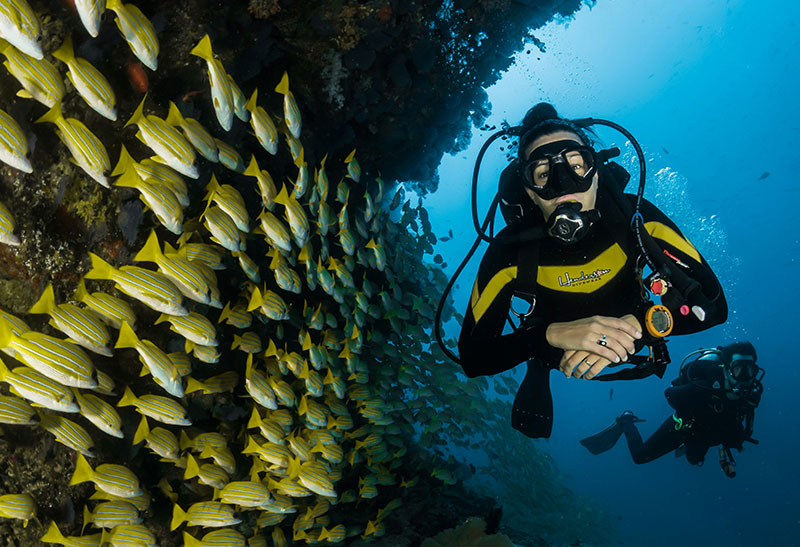
Warm water, clear visibility, and abundant marine life make Thailand one of the easiest places in the world to snorkel or try scuba.
Best spots: Koh Tao, Phi Phi Islands, Similan Islands
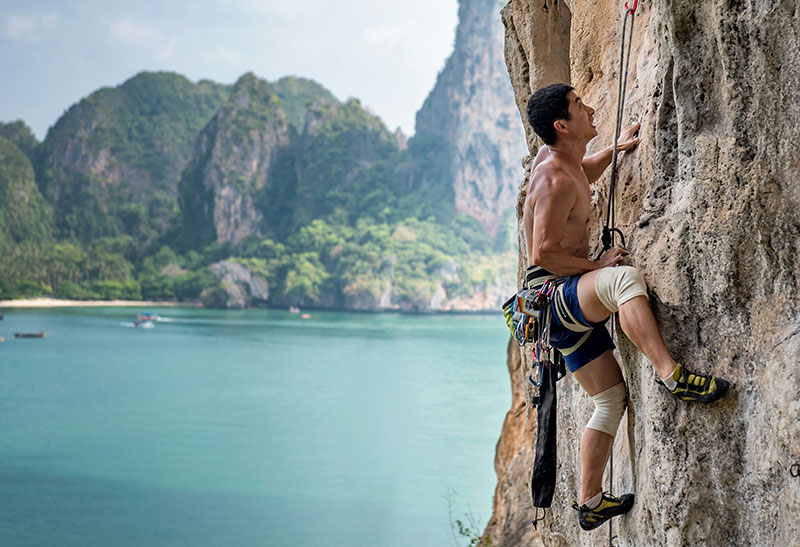
Limestone cliffs rising straight out of the sea have made Krabi world-famous. Beginner routes and guided climbs make this accessible even with zero experience.
Best spot: Railay Beach
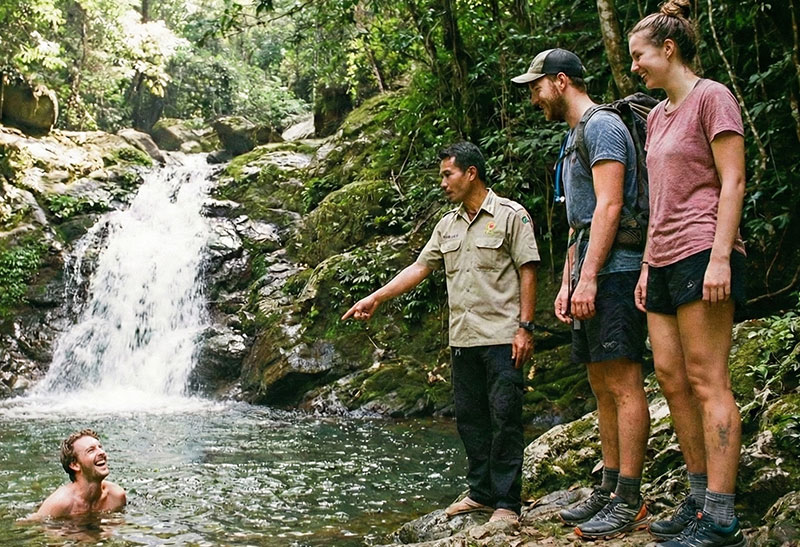
The mountains around Chiang Mai and Chiang Rai offer jungle hikes, waterfalls, hill-tribe villages, and cooler air. This is Thailand’s quieter, greener side.
Best areas: Chiang Mai countryside, Chiang Rai
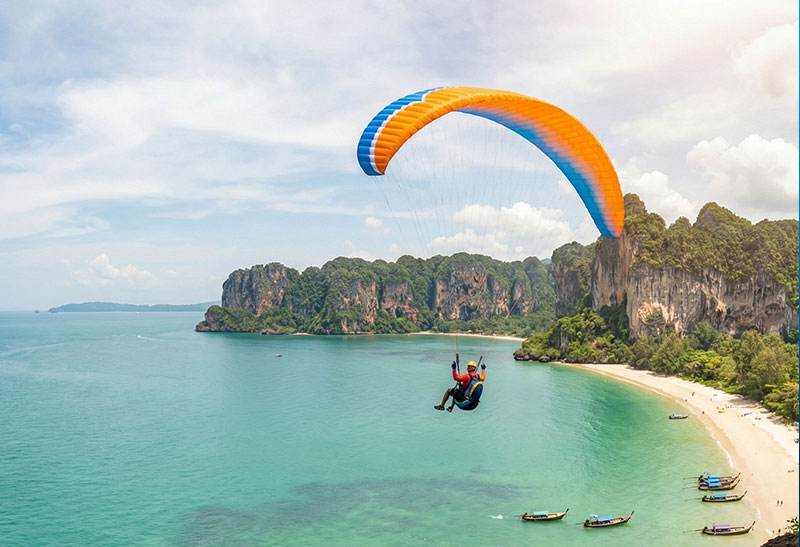
Paragliding and scenic aerial experiences offer unforgettable views over beaches and limestone cliffs. Weather-dependent, but a true wow moment when conditions align.
Best areas: Krabi, Pattaya region
Local Guide Tip (Diving in Thailand): I have dived multiple times in Thailand, both in the Gulf of Thailand (Koh Samui, Koh Tao, Koh Phangan) and on the Andaman side. The Gulf is excellent for beginners and first-time certifications. Conditions are forgiving, visibility is decent, and it is a comfortable place to learn.
If diving is a top priority, head west and go farther offshore. My best experience came from a multi-day liveaboard that reached Richelieu Rock, widely considered the best dive site in Thailand. The farther you get from shore, the better the reefs, marine life, and overall experience. Liveaboards cost more, but the jump in quality is dramatic and worth it.
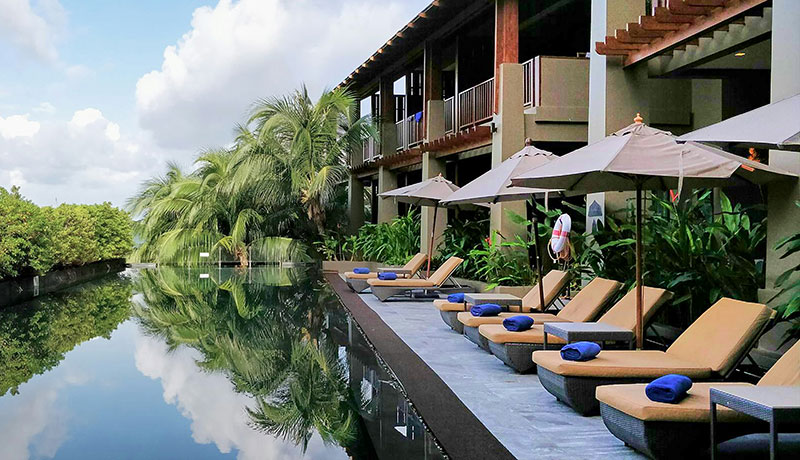
From budget hostels to 5-star escapes like the Avista Hideaway in Phuket, Thailand offers incredible value for every level of comfort.
Pick a base where you can walk to food and cafés. Then do day trips into the countryside when you want nature.
Choose one island or beach town as your home base, then do day trips for snorkeling, viewpoints, and nearby islands.
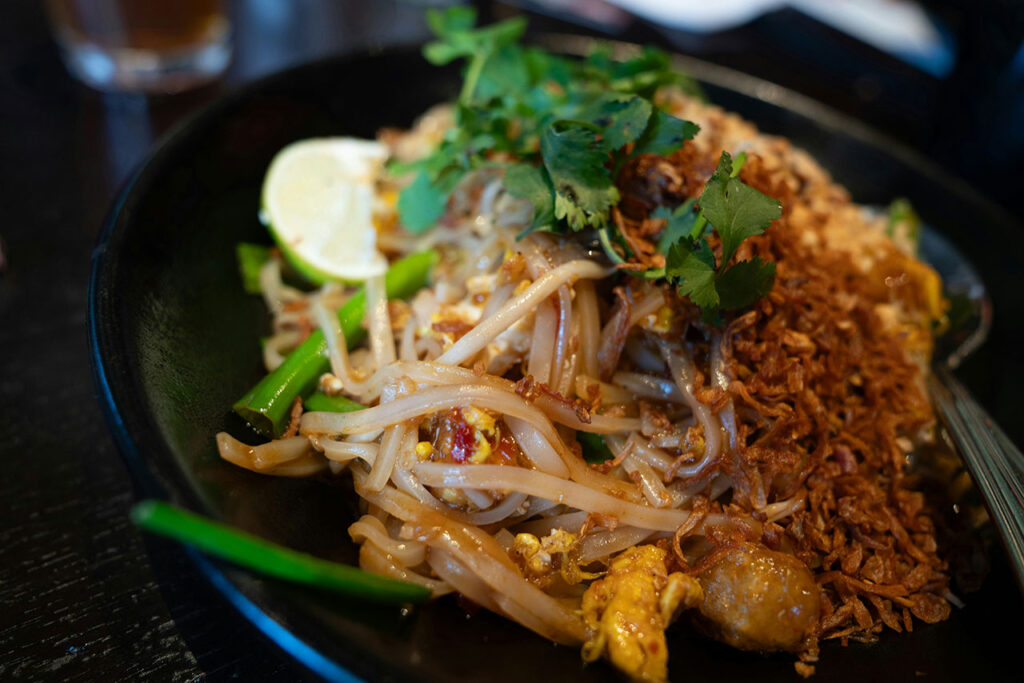
Nothing beats a steaming plate of fresh Pad Thai served right on the street in Bangkok.
Thailand is one of the best food countries on earth. The only “rule” you need is simple: eat where the locals are eating, and do not overthink it. Street stalls, night markets, and small shops with short menus will quietly serve you some of the best meals of your life.
When you first land, keep it simple. Start with cooked dishes, busy stalls, and foods you recognize. Let your confidence build naturally.
Street food is not “lesser” food in Thailand. Many locals eat it daily. Restaurants show range and regional depth, but your best meals will often come from small stalls with short menus and a line of locals.
Local Guide Tip: On one of my early trips to Thailand, my friend Dan—who had never been to Asia—went out early and bought a fresh crepe filled with chocolate and bananas from a street vendor for about 20 baht (roughly 80 cents). We were nowhere near a tourist zone, and that moment perfectly captured Thailand’s food value.
My strategy for a “High Reward” food night: Don’t try to do it all in one spot. Start with market snacks for appetizers, move to a sit-down plastic stool spot for a main dish, and then walk to a different cart for dessert. Thailand is a marathon, not a sprint.
Read More: Want the street food strategy I actually use?
Thailand Street Food + Local Restaurants: how to eat safely, confidently, and ridiculously well
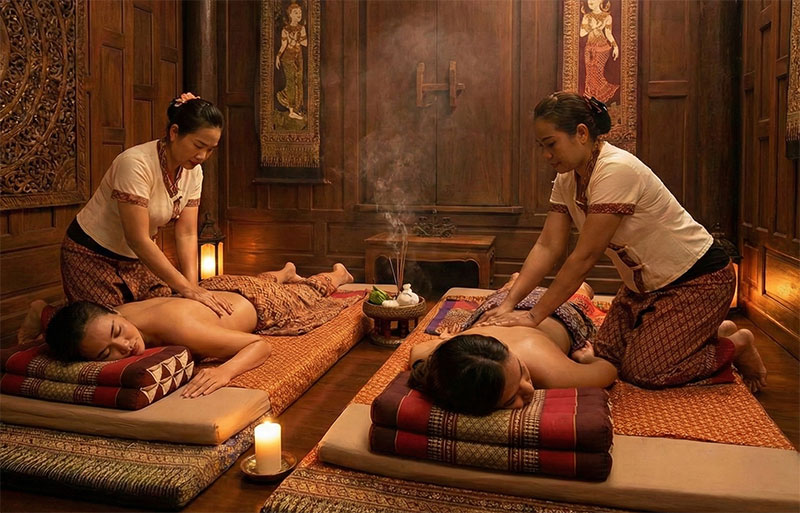
Culture Note: Unlike Western oil massages, traditional Thai massage is done fully clothed on a floor mat. Think assisted stretching rather than a standard back rub.
Long before cold plunges, compression boots, and recovery studios became popular, Thailand had already figured it out. Massage here is not a luxury add-on. It is part of daily life, physical maintenance, and traditional medicine.
Thai massage dates back more than 2,500 years and is closely tied to Buddhist practices and Ayurvedic principles. It developed as a way to restore balance through pressure, stretching, and energy lines known as sen.
For centuries, massage was practiced in temples and passed down through generations. Even today, some of the most respected massage schools operate in temple complexes, especially in Bangkok and Chiang Mai.
Massage in Thailand is affordable, accessible, and normalized. Office workers get massages after work. Travelers use them between beach days. Active travelers rely on them for recovery. It is common, not indulgent.
On the islands, beach massages are especially popular. You lie under a simple canopy, listen to the waves, and relax in the open air. No pressure, no awkwardness, just a genuinely calming experience.
Despite the stereotype, most Thai massage shops are completely legitimate. Real massage places are calm, professional, and focused on wellness.
A simple rule: if someone is aggressively calling you inside or advertising in a way that feels more like a nightclub than a spa, that is not a traditional Thai massage shop.
Thailand remains one of the best value massage destinations in the world. One-hour massages often run $6 to $10. Even premium or four-hand massages are usually closer to $20 than $100.
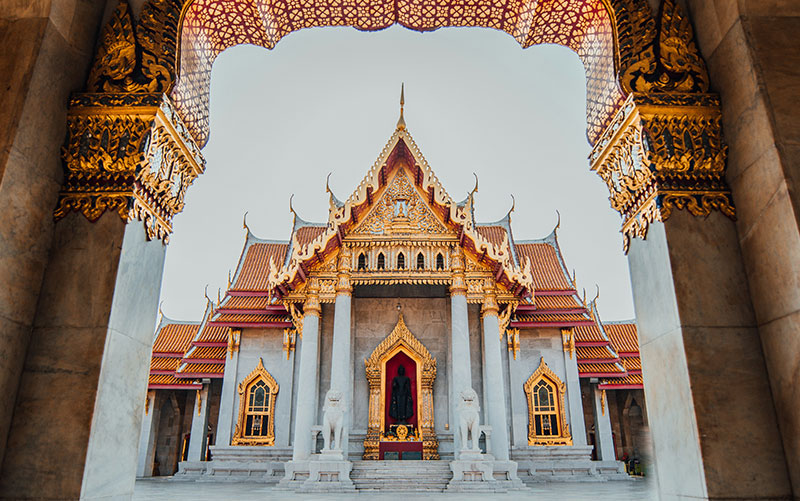
Temple Rule #1: Respect the space. If you visit sacred sites like the Marble Temple (Wat Benchamabophit), cover your knees and shoulders, and always remove your shoes before entering the main hall.
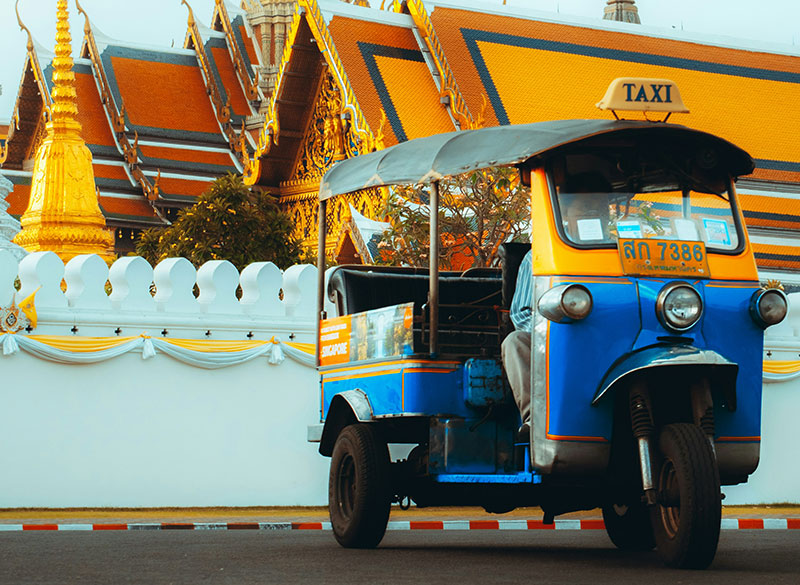
The Classic Scam: If a friendly driver outside these walls tells you the Grand Palace is ‘closed for a ceremony’ today, keep walking to the main gate. It is almost certainly open.
Thailand is generally very safe. Violent crime against tourists is rare. The biggest dangers are usually rented scooters and dehydration.
Vaping is illegal in Thailand. This is not a “soft rule.” If police see you with a vape, they can confiscate it and fine you heavily (often requiring an on-the-spot “settlement”). Leave the vape at home.
After the “wild west” legalization a few years ago, regulations have tightened. Public smoking is banned and can lead to fines. If you partake, do so in private or designated spaces only.
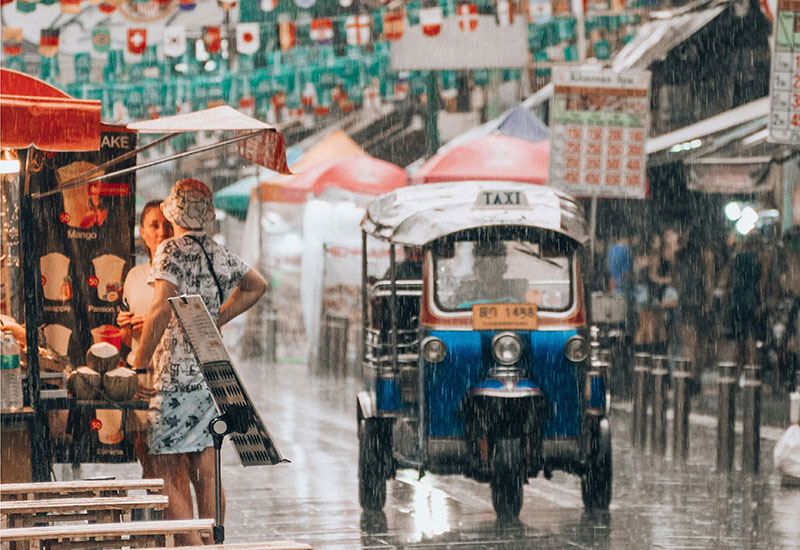
Packing Tip: Don’t trust the blue sky. Tropical downpours can happen instantly, even in the ‘dry’ season, so always keep a lightweight poncho or rain jacket in your day bag.
Your stomach may need a day or two to adjust. Start with cooked foods, avoid risky ice if you are sensitive, and do not treat spice like a challenge.
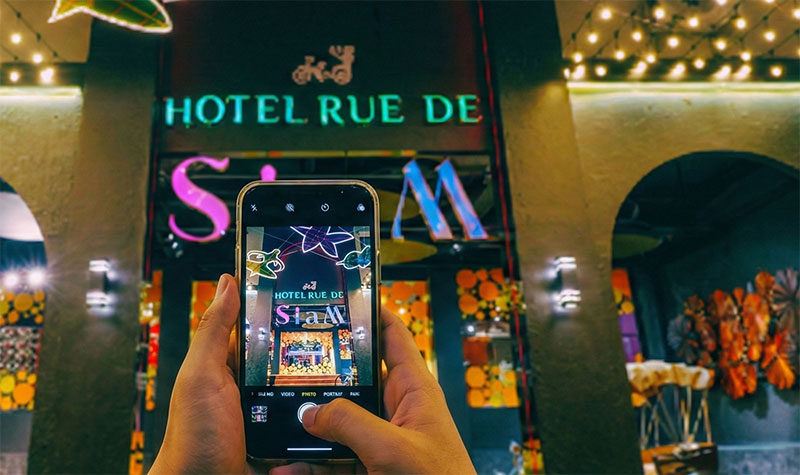
Keeping a photo of your hotel’s name and address on your phone helps bridge the language gap with taxi drivers.
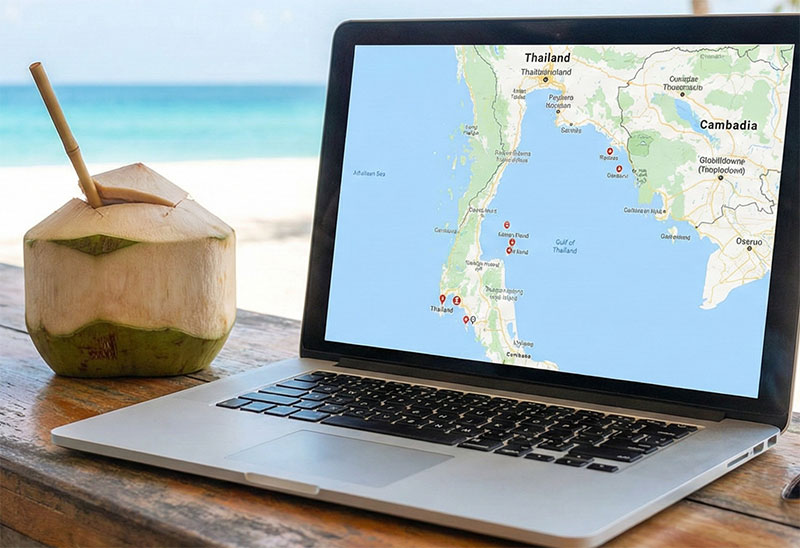
With 5G everywhere and beach hut cafes like this, staying connected is the easy part.
Bangkok + Chiang Mai + one island zone is the most reliable “wow” route.
Bangkok deserves extra days. Add a night market strategy and one cooking class in the north.
Choose Andaman or Gulf based on season, then commit to one base and do day trips.
Pick one city base and one beach base. Slow travel is where Thailand becomes addictive.
Read More: Going north?
Chiang Mai Travel Guide: temples, cafés, countryside days, and the best “slower Thailand” base
One week is enough for Bangkok plus one additional base. Ten days is ideal for Bangkok, the north, and a beach. Two weeks lets you travel slower and enjoy the islands without rushing.
Thailand can be very affordable, especially for food and local transport. Costs rise most with beach resorts, internal flights, and tours. You can balance it by mixing street food days with a few nice meals and choosing one main island base.
Stay where you can walk to food and easily reach transit. For first timers, prioritize convenience over “perfect.” A slightly less trendy area with great transit often beats a cool area that costs you an hour a day in taxis.
Phuket has more infrastructure and variety. Krabi has a more relaxed feel and easy access to dramatic scenery. If you want a simpler base with natural beauty, Krabi often wins. If you want maximum convenience and options, Phuket can be easier.
Generally yes, including for solo dining and solo exploring. Use normal city awareness, avoid overindulging in unfamiliar areas, and be careful with scooters if you do not have experience.
No. Book key flights and the first few nights. For the rest, Thailand is flexible. The main exception is peak season beach lodging and a few popular experiences.