Travel Planning Hub
Start here to plan your trip, compare options, and explore every TLGA planning guide.

Packing & Gear Guide
What to pack, what to skip, and how to build a lighter travel setup that works.

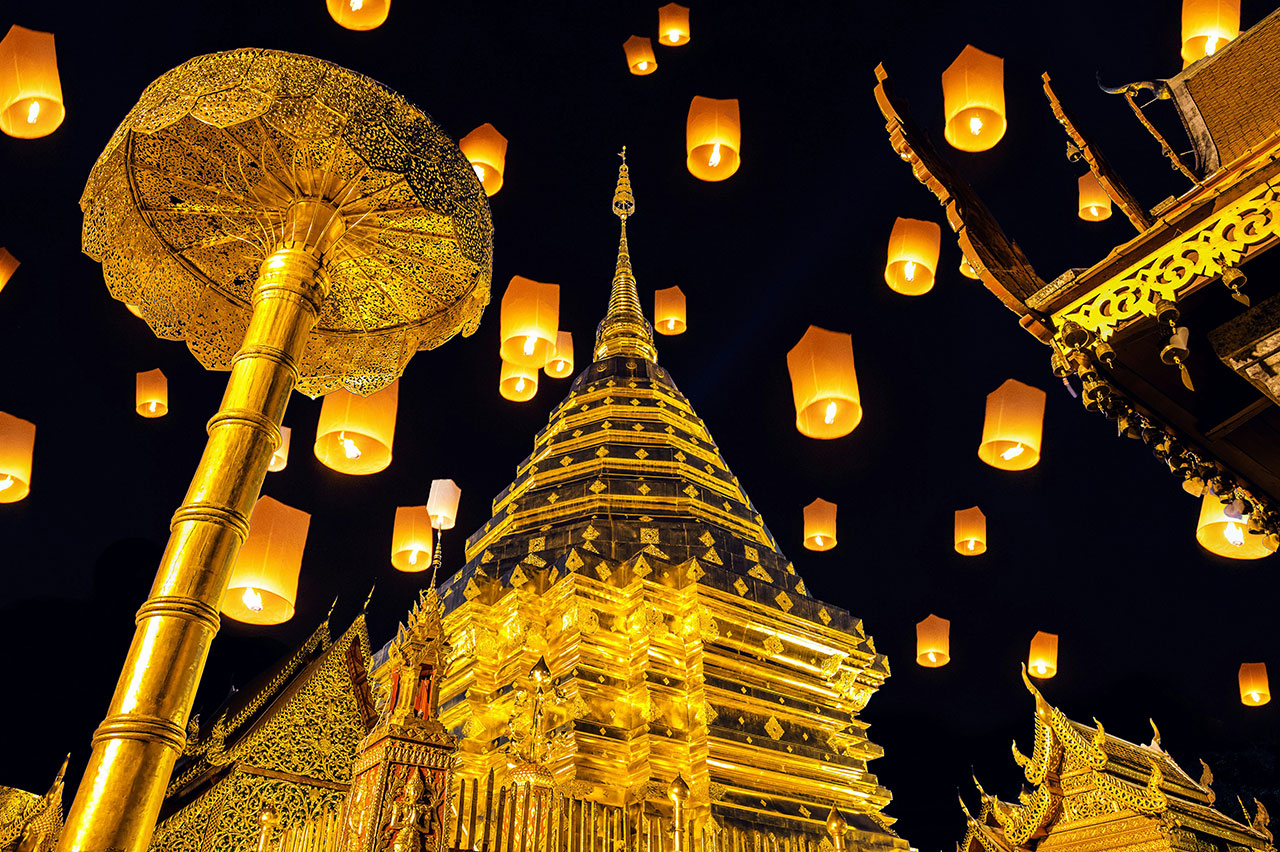
If you can time your trip for November, the lantern festival (Yi Peng) is magic. But Chiang Mai is at its best when your plan is light and your appetite is heavy.
Last updated: March 2026 by Corey Gasman
From the Editor:
Bangkok was chaotic in the best way. A full assault of the senses. Beautiful, intense, and endlessly interesting, like a city that never stops moving even when you do. Then we headed north to Chiang Mai, and the whole trip changed gears.
On my first big world trip, we came up from Bangkok to Chiang Mai the classic way: the overnight train. It is still one of the iconic rides in the country, but the real shift happened the next morning.
We had gone out our first night in Chiang Mai and had one too many big Chang beers, basically malt liquor at 5.7%. I woke up wrecked. I crossed the street from our little hostel and found an unpretentious restaurant that looked like nothing. Breakfast, some shade, and then I noticed a set of stairs leading up to an open, porch-like room.
Up there were traditional Thai floor mats, a big TV, and a shelf full of DVDs. This was the era when you could find current movies that had just been in theaters, and I had been on the road for months without watching anything. So I did the only responsible thing a hungover traveler can do. I claimed a corner, started a movie, and never left.
I watched four movies that day. I drank banana shakes and water, ate breakfast, ate lunch, stayed after lunch, and nobody cared. Nobody rushed me. Nobody looked at me funny. My tab was maybe twenty bucks for the entire day, and I felt like I had accidentally discovered the real Thailand: generous, easy, and quietly joyful.
This brings me to my #1 rule for this city: Chiang Mai rewards a lighter plan. If you try to stack temples, tours, and reservations every day, you miss the whole point. The best version of this city is simple: one anchor activity, one anchor meal, then let the in-between moments do the work.
That is exactly why I still love a proper Chiang Mai side quest, like a hill tribe stay. We did a two-day trek with one overnight in a traditional village house. You sleep on a mat, you live simply for a night, and you get a glimpse of a way of life that feels a world away from city temples. The bathroom situation is basic, and the shower is a bucket, but the memory is permanent.
Pro Tip: Chiang Mai is easier than Bangkok, but the same food rule applies. Choose busy stalls with high turnover and hot cooking surfaces, especially on your first few days.
Chiang Mai at a Glance
Bangkok is full volume. Chiang Mai is rhythm. You wake up to birds and scooters, grab an iced coffee, wander past temple gates, and suddenly it is dark and you are holding a bowl of something spicy, smoky, and perfect.
This guide is built around that food angle first, then everything else slots in behind it: where to stay by vibe, what to do beyond temples, and the day trips that make Chiang Mai feel like a full region, not just a city stop.
One anchor activity, one anchor meal, then let the in-between moments do the work. If you try to stack this city, you miss it.
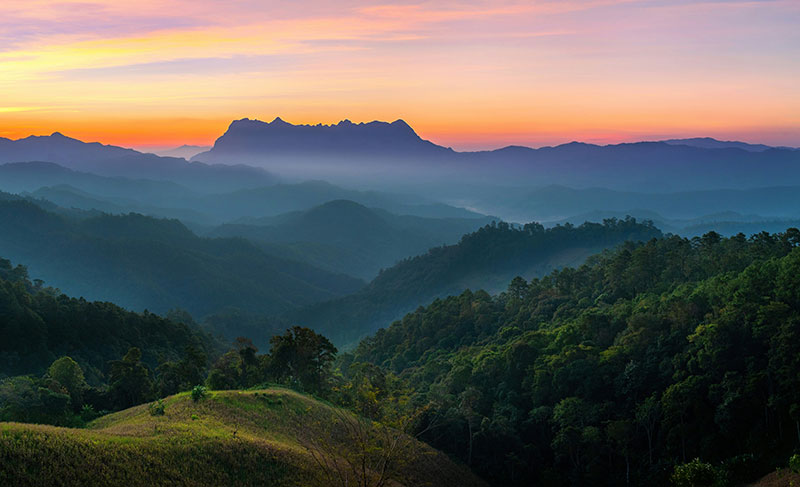
Cool season is prime Chiang Mai: sunny days, comfortable nights, and walking feels effortless.
If you want Chiang Mai at its best, aim for the cool season (Nov to Feb) when days are sunny, nights are comfortable, and walking is actually enjoyable. The hot season can be fun if you love heat and long pool afternoons. The one season I actively plan around is haze season, when air quality can fluctuate quickly.
Smoke Season Note: “Burning season” typically peaks between mid-February and early April. If you’re sensitive, book a hotel with strong A/C and consider bringing a simple mask for bad days.
Download before you fly:
If the AQI spikes, pivot to indoor cafés, malls, or a hotel pool day and keep your schedule light.
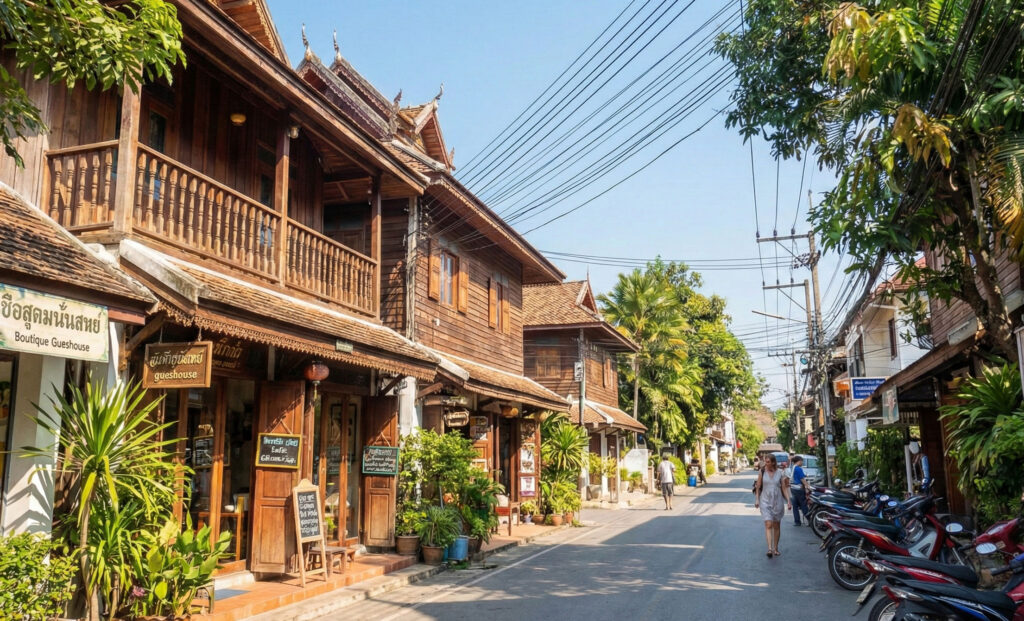
Staying in the Old City puts you in the middle of the action but often feels surprisingly quiet.
Chiang Mai is easy because most first-timer highlights are clustered. Pick your neighborhood based on how you like to travel at night: quiet and early, social and snacky, or walkable and central.
You are inside the historic moat, surrounded by temples, cafés, massage spots, and casual restaurants. It is the best base if you want to explore on foot and keep logistics simple.
Trendy, youthful, and built for coffee and short hops between spots. Great if you like modern hotels, coworking-friendly cafés, and a slightly more upscale feel at night.
Good for slower mornings, better views, and a calmer home base. Great if you want a resort feel without leaving the city.
Central, busy, and convenient for markets and late-night walking. It can feel touristy, but it is undeniably practical if you like being near the action.
| Travel Style | Best Neighborhood |
|---|---|
| Budget traveler | Old City (walk everywhere), or just outside the moat for better value |
| Mid-range comfort | Old City for convenience, Riverside for quieter nights |
| Luxury reset | Riverside resorts, boutique hotels with pools |
| Nightlife and snacking | Night Bazaar area, or Nimman if you like bars and cafés |
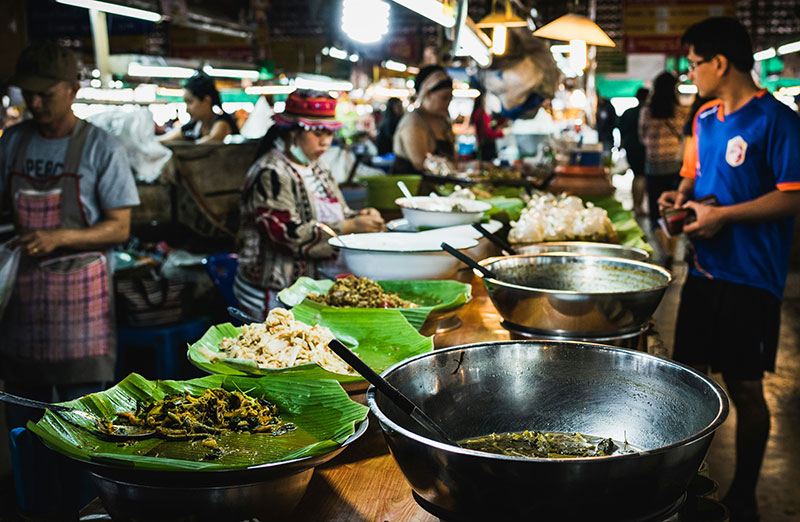
The Chiang Mai move: show up hungry, pick three bites, eat slowly, circle back for the second pass.
Chiang Mai is one of the best food cities in Thailand because it is built around casual eating. Markets are the main event, and the city is the perfect size to do a snack loop: something grilled, something spicy, something sweet, then one last bite you did not plan on.
If you only have time for three meals, make them these:
Consistently great local picks for first-time visitors.
| Dish Type | Where to Go and What to Order |
|---|---|
| Best Khao Soi | Khao Soi Lung Prakit for beef, or Khao Soi Maesai for chicken or pork. Both serve the rich, muddy broth style. |
| Best Rotisserie Chicken | SP Chicken. Garlic-stuffed and it sells out. Go early. |
| Best Northern Sausage (Sai Ua) | Warorot Market (Kad Luang). Head for the food area and look for fresh grilling. |
| Best Northern Thai Spread | Huen Muan Jai for a full Lanna-style meal when you want variety. |
Use night markets for dinner and desserts, not just souvenirs. Go early if you hate crowds, go later if you want the full energy.
Chiang Mai has serious coffee energy. If Bangkok is espresso on a deadline, Chiang Mai is iced coffee and a long morning. Build a café stop into your day, especially if you are temple-hopping in the heat.
If you do one “touristy” thing, make it a cooking class. Chiang Mai is one of the best places in Thailand to learn the basics because the ingredient markets are part of the experience.
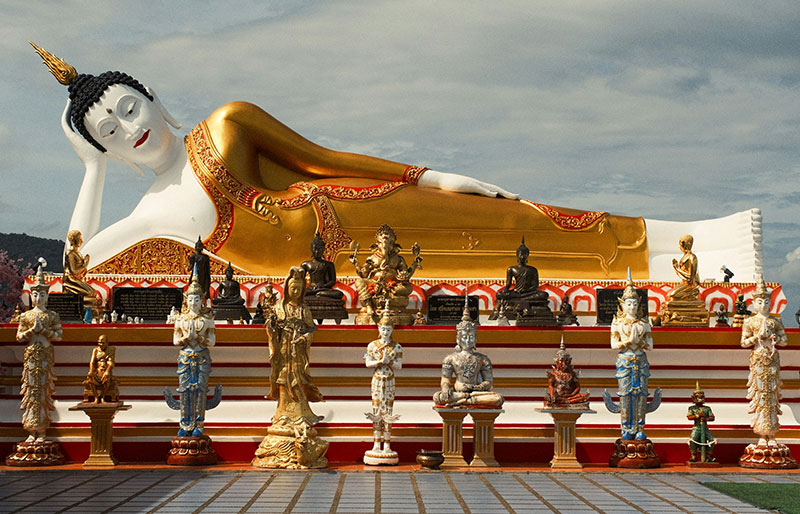
Mix the famous temples with the accidental discoveries.
You could spend a week visiting temples and still not run out. For most travelers, pick a handful that give you variety.
Pro Tip: Dress temple-ready (shoulders covered, shorts not too short) so you are not improvising outfits in the heat.
Chiang Mai is a perfect place to build in a recovery afternoon: massage, slow dinner, early night. It is cheap, easy, and you will feel like a new person.
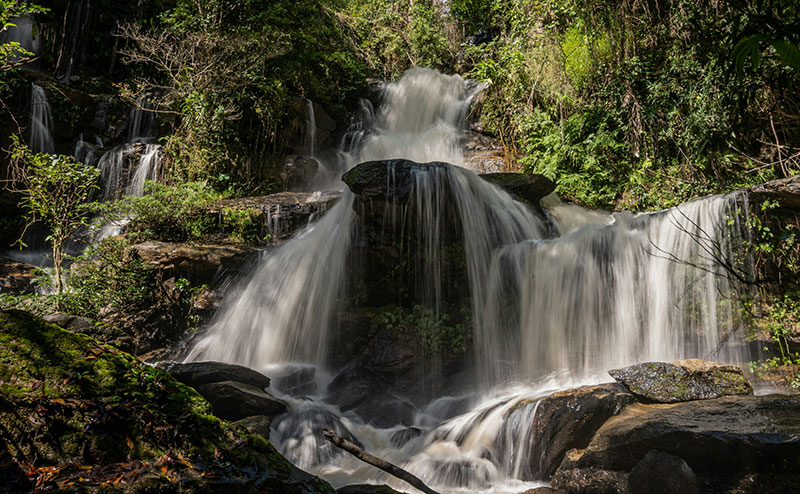
Chiang Mai is a gateway city: mountains, waterfalls, and countryside are close enough to do in a day.
Chiang Mai is the gateway to mountains, waterfalls, viewpoints, and countryside. If you only pick one day trip, choose the one that matches your trip mood.
Easy, iconic, and perfect if you want big payoff without burning a full day.
One of the most fun nature spots in the province. The limestone rocks are “sticky,” meaning you can climb directly up the waterfall. It’s about an hour north. Bring a change of clothes.
If you don’t want to rent a car, most hotels can help arrange a driver for the day.
The big nature day. Cooler air, viewpoints, and waterfalls. Great reset from city heat.
If this matters to you, do it right. Prioritize sanctuaries that do not offer riding or performances and that center welfare and observation over entertainment.
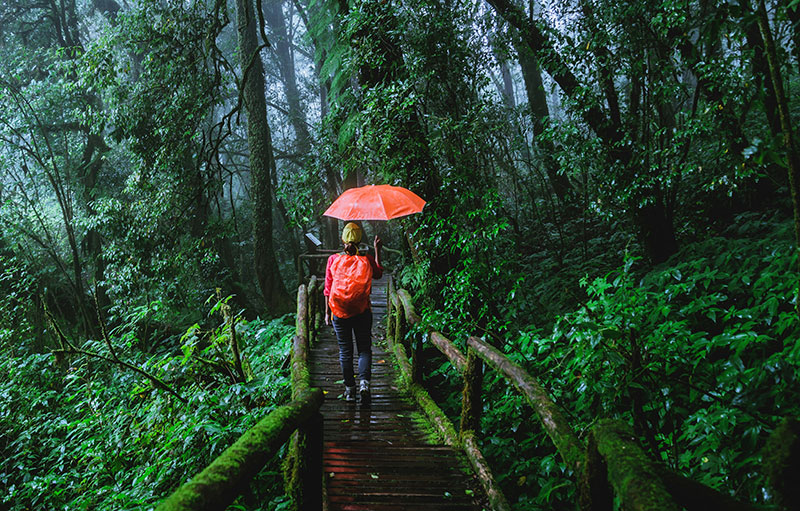
The best Chiang Mai itineraries leave breathing room: one anchor plan per day, then let food and curiosity fill in the rest.
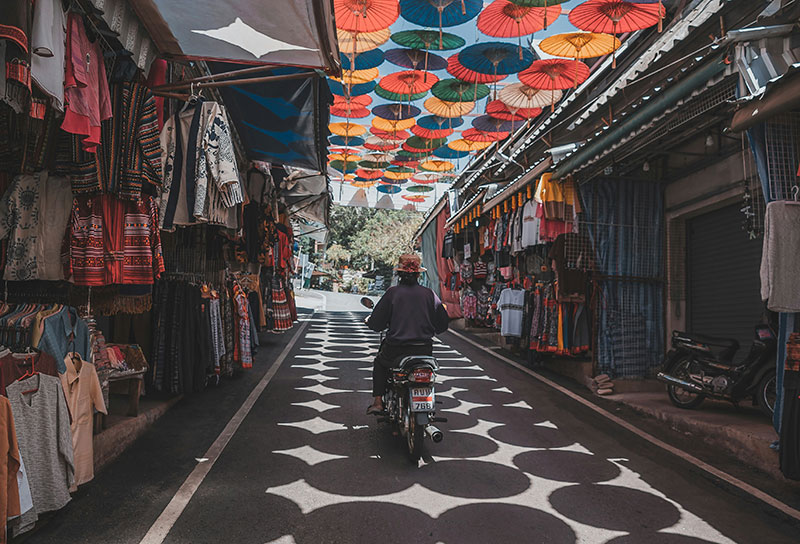
Chiang Mai is easy without a scooter: Old City is walkable, and ride apps cover everything else.
Cash is still king for street food, but more vendors accept PromptPay (QR Code). Always carry cash, but use QR when it saves your small bills.
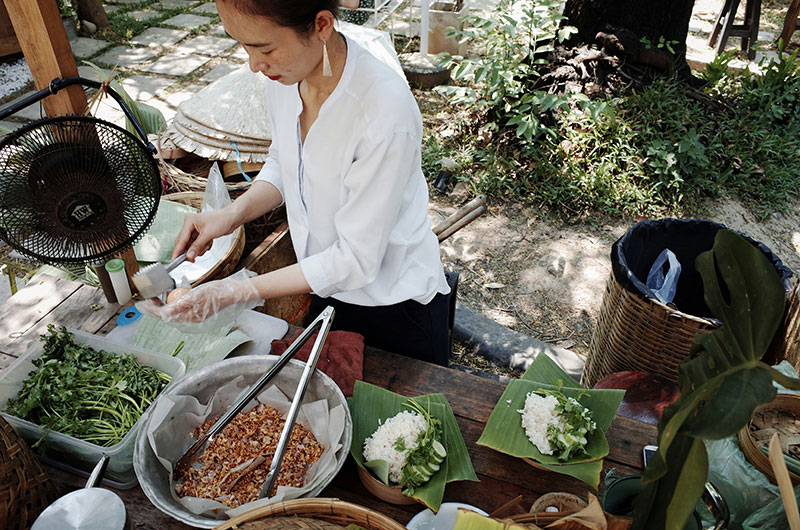
Chiang Mai is one of Thailand’s best value cities: you can eat extremely well without Bangkok pricing pressure.
Chiang Mai is one of the best value stops in Thailand. You can eat extremely well on a budget, and you can also level up into boutique hotels and nicer dinners without Bangkok pricing pressure.
| Item/Activity | Typical Cost |
|---|---|
| Street food and markets | Cheap (50 to 80 THB per dish), perfect for snack-hopping |
| Mid-range restaurants | Great value (200 to 400 THB per person), especially for northern Thai dishes |
| Grab rides | Affordable (80 to 200 THB) for most trips across town |
| Day tours | Worth it (1500 to 3000 THB) for nature days if you do not want to self-drive |
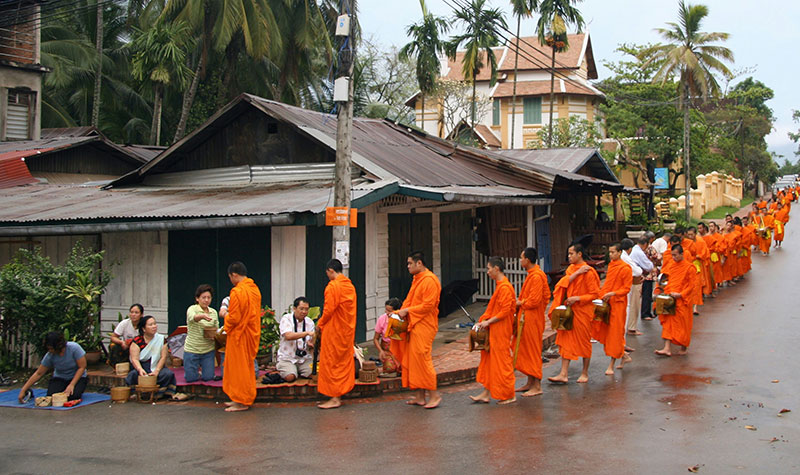
Luang Prabang is a UNESCO river town of temples, French-era cafés, and slow mornings.
If you are craving something even slower than Chiang Mai, Luang Prabang is the move. It is a UNESCO heritage town of French colonial villas, golden temples, and arguably the best croissants in Asia.
Should you go for 1 to 2 nights?
Yes, but only if you fly. If you take the boat or bus, you will spend your entire trip in transit.
| Transport Method | Details |
|---|---|
| The fast way (Flight) | About 1 hour. Direct flights run regularly. You clear immigration at the airport. Stress-free. |
| The scenic way (Slow boat) | 2 days. Border crossing plus Mekong boat with an overnight stop. Not for short trips. |
| The border crossing | Chiang Khong / Huay Xai. If going by land or boat, you cross here before continuing downriver. |
Pair Chiang Mai with Bangkok for contrast, then add islands or the south if you want a beach finish.
Three days is the sweet spot for most travelers. Two days works for highlights. Five days is where Chiang Mai starts to feel like a lifestyle city, not a checklist.
Yes, and it has never been easier. Thailand’s Destination Thailand Visa (DTV) is active for remote workers. It allows stays of up to 180 days per entry (with extensions possible) and is valid for multiple years. If you are falling in love with the city during your trip, this is the visa to look up immediately.
Yes. Bangkok is energy and scale. Chiang Mai is slower, greener, and easier for food wandering and day trips.
It is the hazier period (typically mid-Feb to early April) when smoke from regional agricultural burning can impact visibility and air quality. Use the IQAir app to monitor it. If you are sensitive, plan your dates around it or build flexibility into your route.
For most first-timers: Sunday Walking Street. For a similar vibe on another night: Saturday Night Market. For more local daytime market energy: Warorot Market.
Yes. Old City is walkable and Grab or Bolt rides are simple for anything farther out.