Travel Planning Hub
Start here to plan your trip, compare options, and explore every TLGA planning guide.
Packing & Gear Guide
What to pack, what to skip, and how to build a lighter travel setup that works.
Last updated: March 2026 by Corey Gasman
From the Editor:
France rewards travelers who are willing to slow down. The biggest mistake first-time visitors make is trying to treat the country like a checklist, racing from the Louvre to a cramped train down to the Riviera all in one week. France is not built for speed travel. It is built for rhythm. It requires you to shift your mindset. Sitting at a corner brasserie with a glass of wine for two hours is not wasting time; it is the main event.
Melissa and I recently spent two weeks crossing the country in January, and it completely reinforced this idea. We started with a 40th birthday in the Champagne region, splitting a massive 17th-century château with friends and hiring a local chef. From there, we moved down to the deep winter of the French Alps in Chamonix, before finishing with five nights living out of an apartment in the Le Marais neighborhood of Paris.
We learned that the country completely changes depending on when and where you go. The quiet, authentic local life we found in the winter is vastly different from the crowded summer rush. You realize quickly that one strong regional base is always better than three rushed stops.
This guide is built to help you skip tourist-trap planning, choose the right regions, understand the cultural pace, and build a trip that actually feels like a vacation. I will cover the logistics you need to know, from high-speed trains to booking strategies, so you can spend less time navigating and more time enjoying the country.
The 2026 ETIAS Requirement:
Starting in late 2026, U.S. travelers will need to complete an ETIAS authorization before entering France. It is quick and inexpensive, but required.
This is not a traditional visa, but an electronic pre-screening tied to your passport. Do not skip this in your pre-trip planning once it officially goes live.
TLGA Rule: If this is your first France trip, do not try to see everything in one go. Pick one strong base in Paris and add one regional hub. You will eat better, move less, and remember more.
Start here: Paris Travel Hub
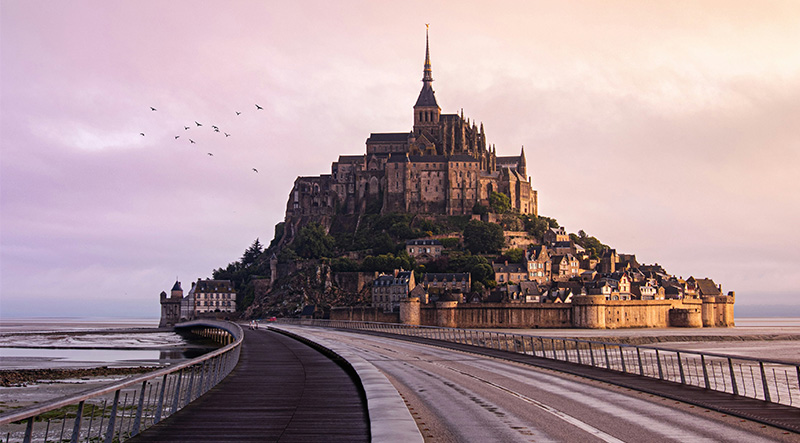
Le Mont-Saint-Michel rising from the horizon, a medieval masterpiece that remains one of the most iconic sights in northern France.
In 2026, reservations are more important than ever in Paris and major destinations. Restaurants fill early, popular attractions require timed tickets, and smaller towns still close for lunch, Sundays, or entire weeks.
The biggest mistake first-time visitors make is trying to treat France like a checklist. The country rewards travelers who slow down and build their days around experience, not efficiency.
Local Guide Tip: If something feels slower than you expect, that is not a problem. That is France working exactly as intended.
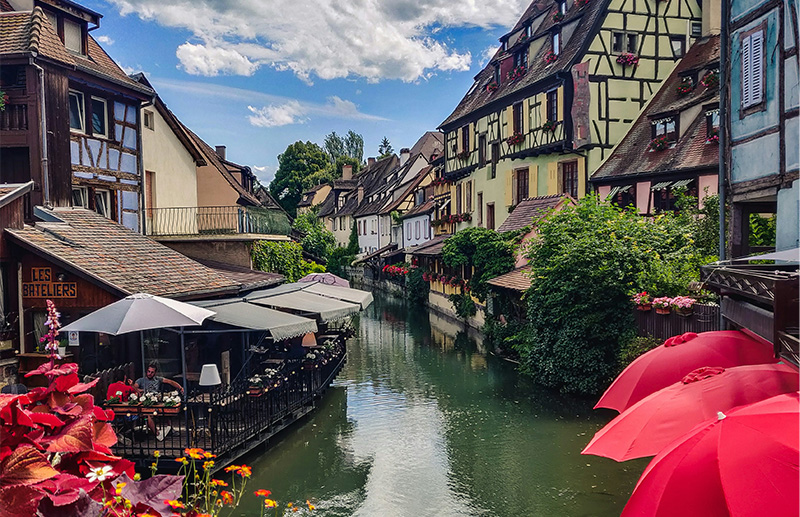
Colmar’s “Little Venice” where the pastel-colored timbered houses and quiet canals create one of the most romantic atmospheres in the Alsace region.
This guide is built for travelers who want more than a checklist. It is for people who want the trip to feel smooth, intentional, and actually enjoyable.
Local Guide Tip: If you try to rush France, it pushes back. If you slow down, it opens up.
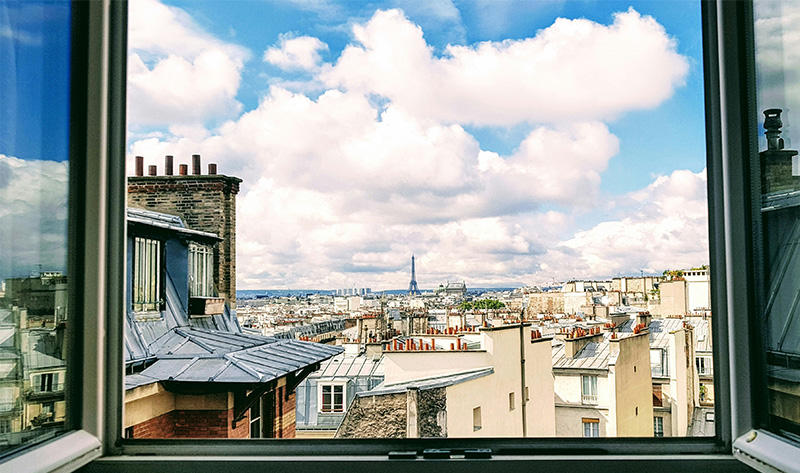
Finding the right neighborhood like this view over the Le Marais rooftops is the key to balancing Parisian charm with a liveable base.
If you are overwhelmed, use this simple framework. France gets better when you limit movement and build around strong bases.
Do not leave. Pick a great neighborhood, learn the rhythm, and experience the city properly.
This is the sweet spot. Combine Paris with one region like Champagne, Burgundy, or the Alps.
This is the full experience. On my last trip, we did Champagne, Chamonix, and Paris. It felt complete without being rushed.
Pro Tip: Think in bases, not stops. Fewer hotels equals a better trip.
If you want a full step-by-step breakdown, read the complete trip planning guide.
If you are planning your first Europe trip, this is usually the real question. All three are incredible, but they deliver very different experiences.
| Category | France | Italy | Spain |
|---|---|---|---|
| Overall Feel | Refined, structured, slower rhythm | Historic, emotional, more chaotic | Social, energetic, relaxed |
| Food Style | Technique-driven, subtle, ingredient-focused | Bold, regional, simple but powerful | Tapas, shareable plates, late-night culture |
| Travel Pace | Slow and intentional | Faster-moving, less orderly | Flexible, later starts, later nights |
| Best For | Food, wine, atmosphere, lifestyle travel | History, landmarks, dramatic first trips | Energy, nightlife, social trips |
If this is your first trip to Europe, Italy often delivers the easiest emotional wow. Spain is usually the loosest and most fun. France is the most rewarding over time. It is less about instant impact and more about how the trip feels day to day.
Local Guide Tip: If you value food, atmosphere, and the feeling of a place more than just checking off landmarks, France will probably be your favorite.
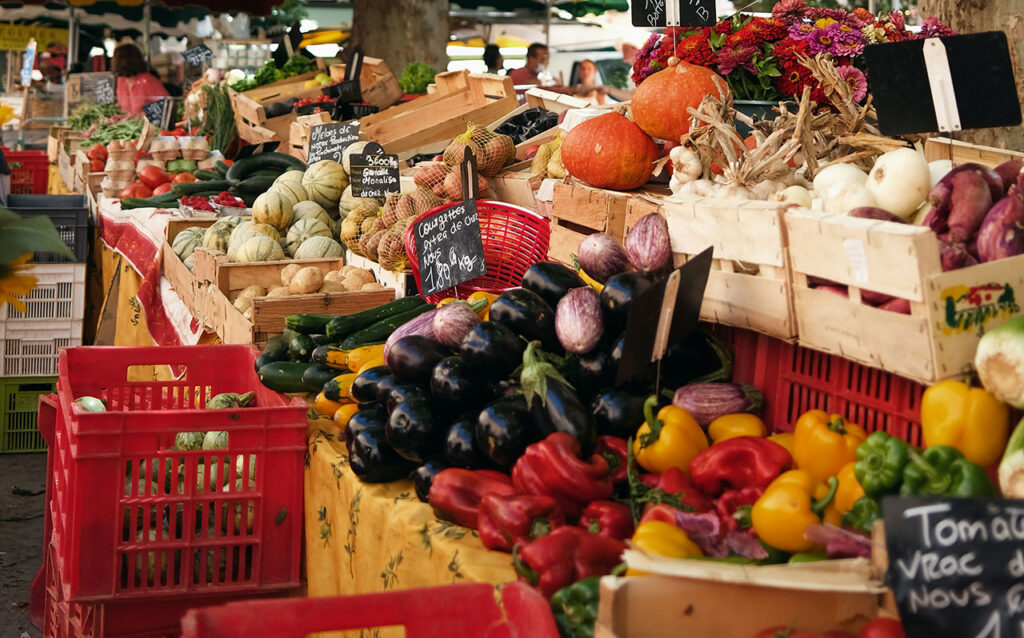
Simple ingredients, serious technique, and food that tastes bigger than the shopping bag. This is the foundation of daily French life.
France operates on a different system than the United States. Service is about privacy and respect rather than speed and enthusiasm. You have to decide early on if you are going to fight that system or lean into it.
Reservations matter. Lunch still matters. Sundays still matter. Smaller towns still close in ways that can surprise first-timers.
If something feels slower than you expect, that usually means you are finally seeing France the way it actually works.
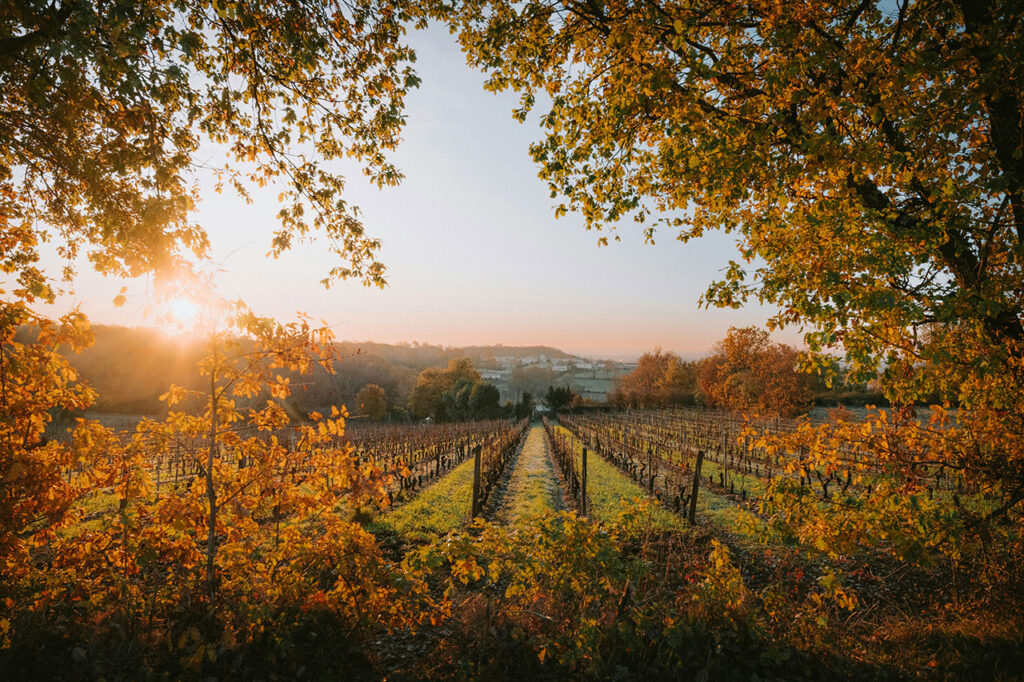
Embrace the harvest season in Burgundy where the vineyards turn to gold and the cooler air makes for a much more intimate tasting experience.
France rewards you differently depending on when you show up. You have to decide whether you want the energy of the crowds or the country to yourself.
My recent trip in January was a total surprise. The weather was crisp but manageable. We did not fight for reservations or wait in massive lines, which meant we saw a quieter and more authentic side of local life that completely disappears during the summer rush.
Local Guide Tip: If you travel in August, be warned: many authentic shops and family-run restaurants close for their own vacations. You can easily end up surrounded by only the tourist-trap version of the city.
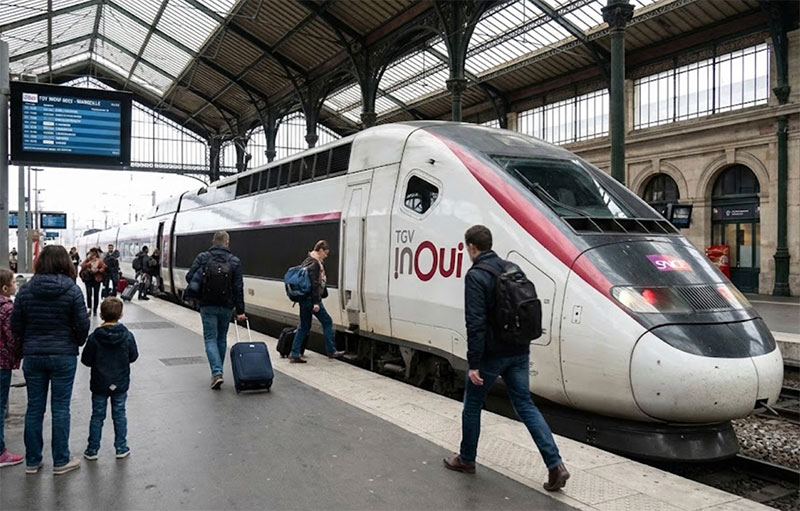
The TGV network shrinks the country. You can be in Bordeaux or Lyon before you would even make it through airport security for a domestic U.S. flight.
France is one of the easiest countries in Europe to navigate. The TGV high-speed rail network connects Paris with most major regions quickly and comfortably. For city-to-city travel, trains are the smartest default.
If you plan to explore regions like Champagne, Burgundy, or the Alps, a rental car becomes a necessity. Driving out of Charles de Gaulle after a long flight can be overwhelming. Take it slow.
More importantly, automated speed cameras are absolutely everywhere on the highways. They do not flash. There is no warning. You will simply receive a ticket in the mail from your rental company weeks after you get home. Drive exactly the speed limit.
Local Guide Tip: If you are traveling with a group in a wine region, do not designate a driver. Hire a Mercedes Sprinter van for the day. We did this in Champagne to hit Billecart-Salmon and Taittinger, and it removed all the stress of navigating rural roads and strict DUI enforcement.
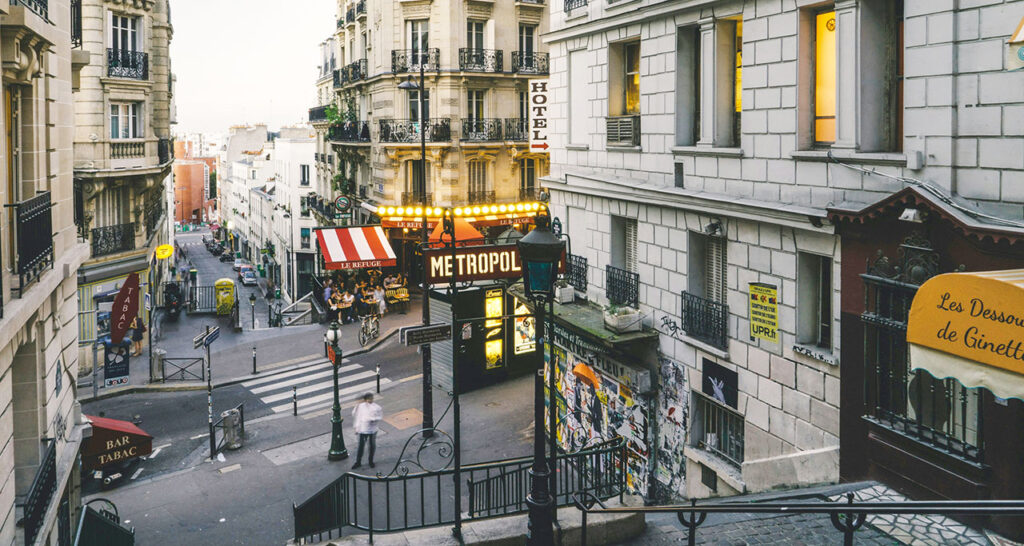
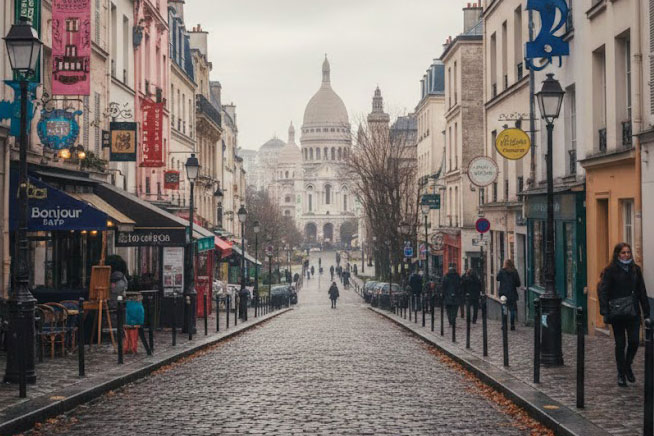
The Metro makes the whole city accessible, but choosing the right neighborhood makes Paris feel livable instead of hectic.
As a digital nomad, I usually look for three things: reliable Wi-Fi, a workspace, and a coffee shop within three minutes of the front door. In France, you have to balance that practicality with charm.
In Paris, I stick to apartments or boutique hotels in neighborhoods like Le Marais so I can live there, not just sleep there. But the countryside is where you should break the rules. On our last trip with friends, we split the cost of a 17th-century château. It was cheaper per person than a standard hotel, and waking up in a literal castle beats a chain hotel any day.
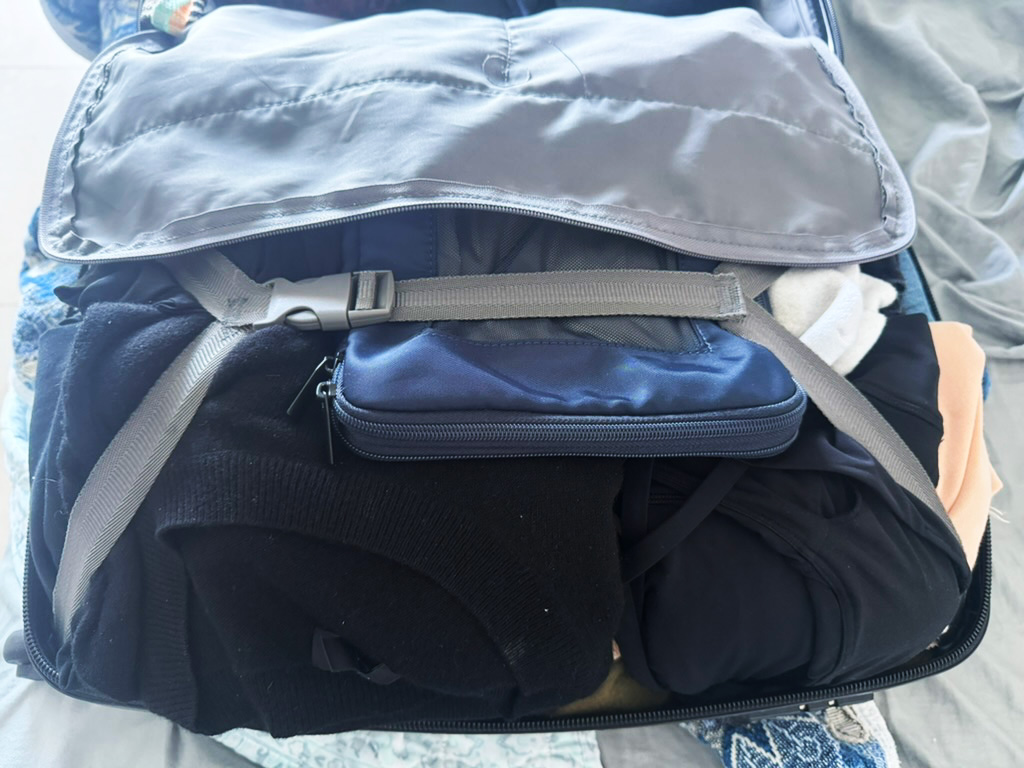
Pro Tip: European hotel rooms are small. If you are bringing luggage or camera gear, check the square footage before you book.
Do not pick destinations randomly. Choose based on how you want the trip to feel.
Local Guide Tip: One great region is always better than three rushed ones.
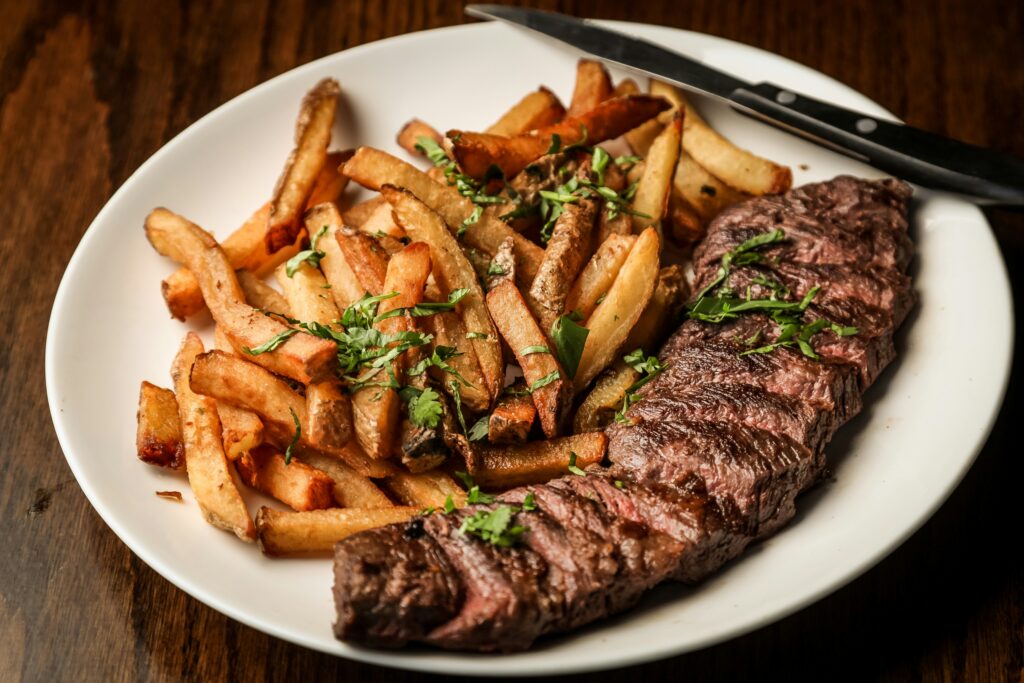
Bistro lunches and bakeries are where France quietly shines. Steak frites remains one of the most dependable classics in the country.
You do not need Michelin stars to eat well in France. Some of the best meals come from places that look unremarkable from the outside.
Lunch set menus offer the best value. Look for the words du jour or formule on the chalkboard. Bakeries make breakfast easy and affordable. Dinner is where you slow down. If you want one big destination meal, book it, then keep the rest of the trip simple and local.
When it comes to wine, it is not about labels. It is about place. Ordering by the glass or carafe in a restaurant is completely normal. You do not need to be a sommelier to drink well here. If you like Sauvignon Blanc, order a Sancerre. If you like Chardonnay, order a Chablis.
The Tipping Rule: Service is legally included in the price of your food in France (service compris). You do not need to calculate a 20% tip. If the service is exceptional, you can leave a few coins or round up the bill, but it is entirely acceptable to simply pay the total on the receipt.
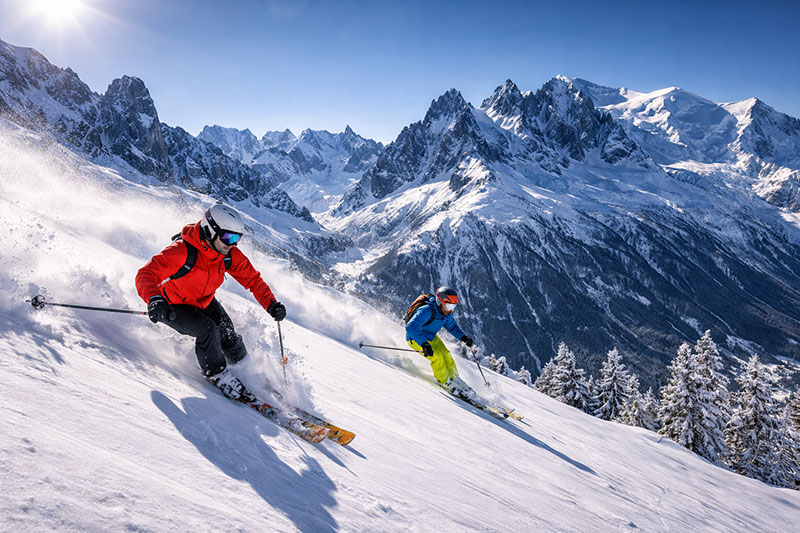
France is not just cafés and museums. Beyond Paris, the country is built for big outdoor days, scenic routes, and landscapes that do not feel real.
If your version of travel includes early mornings, sore legs, and a little adrenaline, build your itinerary around these hubs. They pair perfectly with long lunches and slow towns.
You do not need to be an extreme athlete to have a huge Chamonix day. Take the cable car to the top of Mont Blanc via the Aiguille du Midi. It brings you to a staggering altitude with a glass skywalk that extends out over a sheer drop. It is breathtaking and requires zero hiking.
Pick a base near Beaune and explore the vineyard roads by bike at an easy pace. You can stop for tastings and village lunches along the way. If you want a bucket-list angle, book a sunrise hot air balloon ride when the light is soft.
Known as the Grand Canyon of Europe, Verdon delivers massive limestone walls and incredibly blue water. Go early for calmer water and fewer crowds, then finish with a slow Provence-style meal.
Local Guide Tip: Always have a backup plan for outdoor days. Mountain weather shifts fast, and cable cars can close due to high winds.
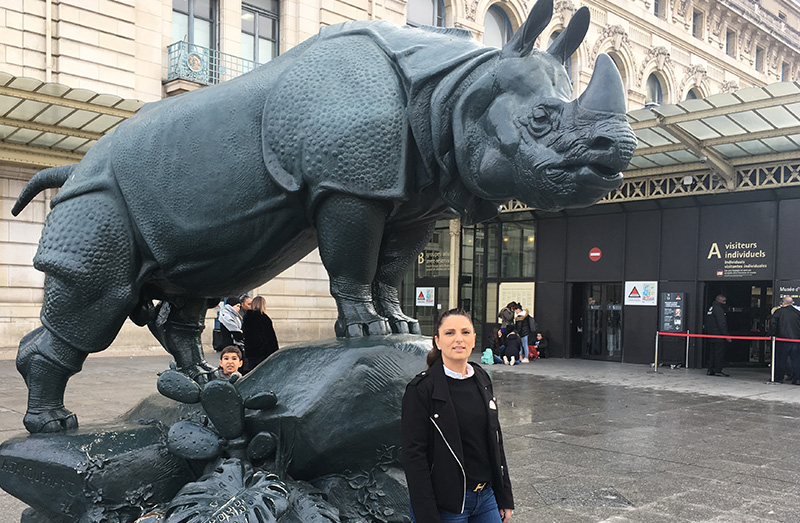
The bronze rhinoceros outside the Musée d’Orsay is a reminder that even world-class art experiences need timed tickets and some planning.
My backpacking roots taught me to travel light and never book ahead, but that does not work for France anymore if you care about the big-ticket experiences. I now treat my itinerary like a skeleton: lock in the must-haves, then leave the rest of the day open to wander.
Pro Tip: Book the moments you would actually be disappointed to miss. Leave everything else flexible.
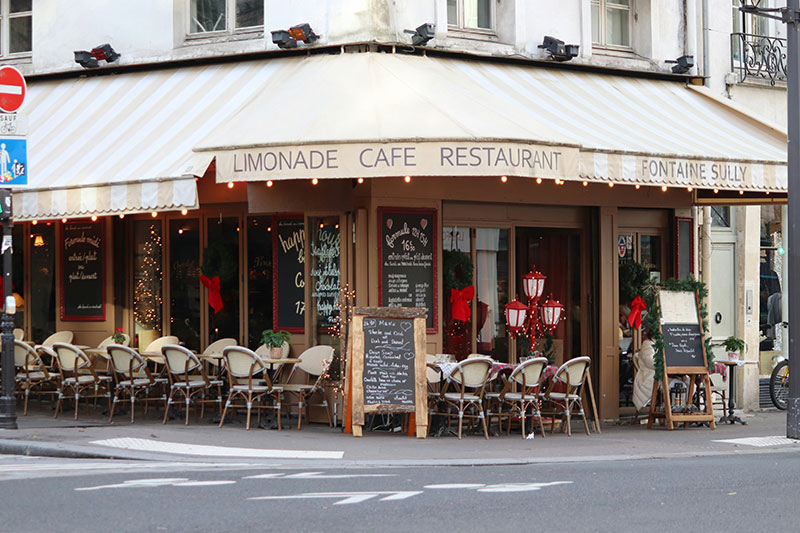
France is predictable if you plan smart. Good logistics give you the freedom to relax into the café culture instead of fighting your itinerary.
The biggest misconception Americans have is that all of France is expensive. No, Paris is expensive. The rest of France can be surprisingly reasonable if you spend on the right things.
| Expense Category | Regional France | Paris & Riviera |
|---|---|---|
| Boutique Hotel (per night) | $120 to $180 | $250 to $400+ |
| Lunch | $15 to $22 | $22 to $35 |
| Dinner for Two | $60 to $90 | $100 to $160+ |
| House Wine | $4 to $7 | $8 to $14 |
| Transportation | Rental car or regional train | Metro, train, and walking |
Pro Tip: Your biggest budget lever is where you sleep. A better location reduces taxis, reduces fatigue, and makes the whole trip feel smoother.
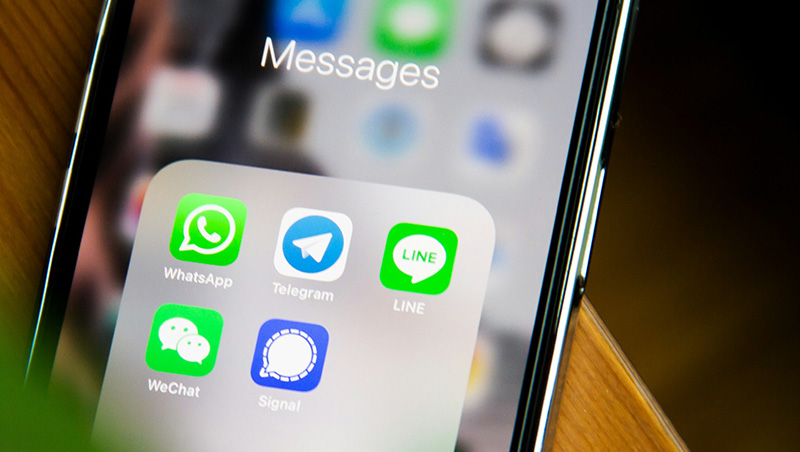
WhatsApp is the unofficial communication standard in France for everything from confirming dinner reservations to receiving check-in details from your host.
Navigating France is much easier when you have a reliable data connection. You no longer need to hunt for a physical SIM card at the airport.
If your phone is unlocked and eSIM compatible, download an eSIM profile before your trip. Airalo is excellent if you need a specific data amount. Holafly is the better choice if you want an unlimited data plan and do not want to monitor your usage while navigating cities.
In France, almost all business communication happens on WhatsApp. Your Airbnb host will likely ask to send you check-in instructions there. Boutique tour guides, private drivers, and restaurants handling reservations all use it as their primary messaging tool. Download the app and set up your account while you still have your U.S. phone number active before you leave home.
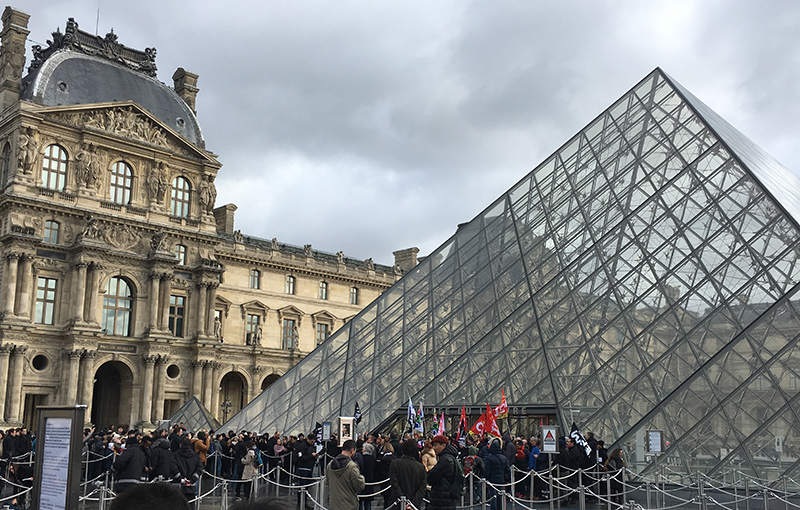
Strikes and closures are part of French life. Stay flexible and always give your must-see experiences some buffer time.
Strikes and closures are part of French life. Museums, transit, and attractions can shut down unexpectedly.
Book refundable tickets when possible and avoid scheduling your top priority on your last day.
Local Guide Tip: Strikes Are Real. Plan Like They Will Happen.
This is not hypothetical. I have been to Paris twice, and both times the Louvre was closed due to strikes. I still have never been inside because I did not build enough buffer time to rebook when it happened.
The best defense is flexibility. Always build at least one wander day into Paris. If something closes, you still have neighborhoods, markets, cafés, and backup wins instead of a ruined itinerary.
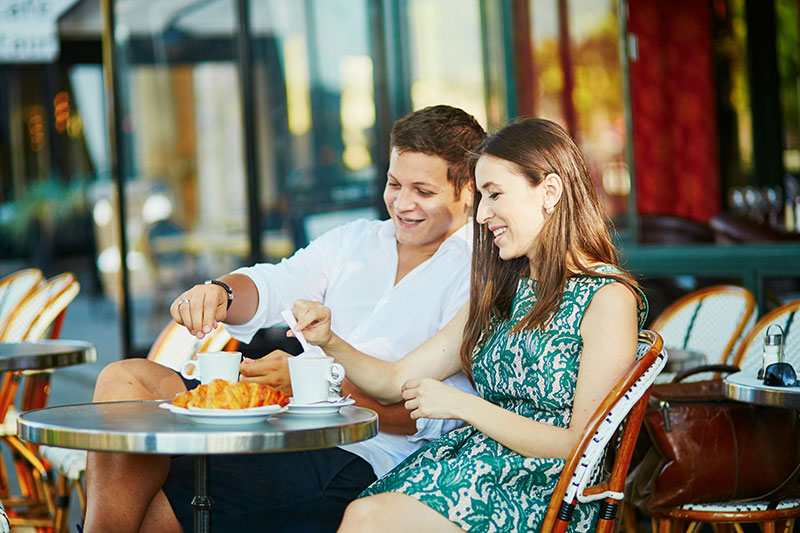
The rude stereotype often disappears when you realize France hosts huge numbers of tourists every year. A little cultural awareness goes a long way.
There is a myth that French people are rude. In my experience across 45 countries, they are not rude. They just operate on a different system. In the U.S., service is about speed and enthusiasm. In France, it is about privacy and respect.
When you walk into a shop, you are entering someone’s space. If you do not say Bonjour immediately, it can come off as treating the person like a vending machine. But if you play by their rules, greet them first, keep your voice down, and show some awareness, the warmth usually comes out right away.
Local Guide Tip: Confidence does not impress in France. Awareness does. Read the room, say hello, and slow down.
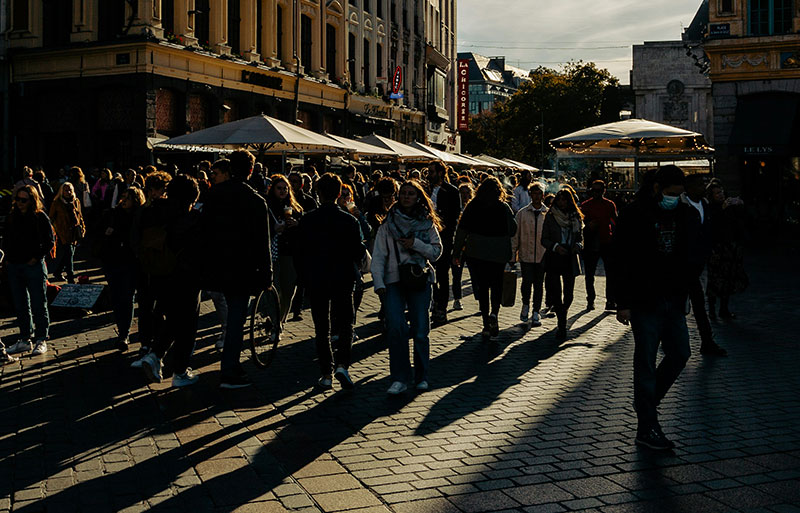
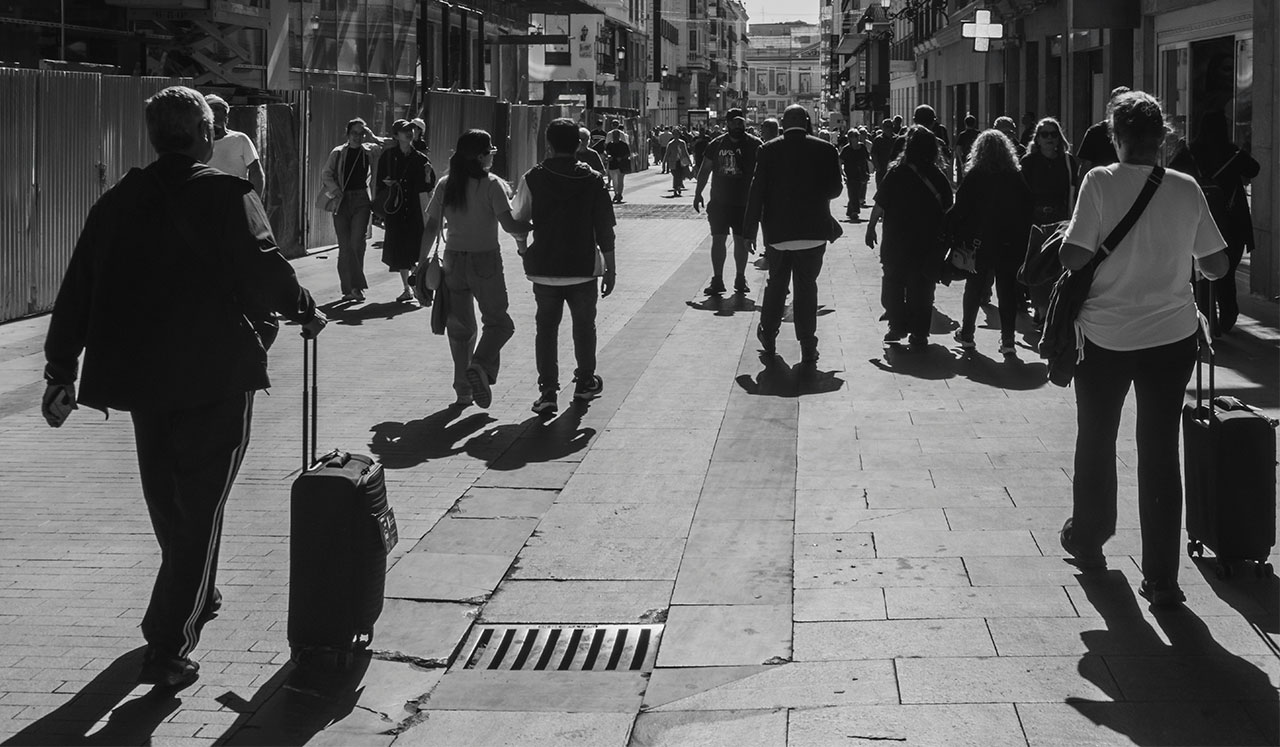
Crowded streets, tourist zones, and Metro doors are the most common places for distraction scams and petty theft.
France is safe, but crowded tourist zones always attract opportunists. Most issues are preventable with basic awareness.
The main annoyance in Paris is the distraction scam. If someone approaches you with a clipboard, a gold ring they found, or tries to tie a bracelet on your wrist, do not be polite. Just keep walking. Your Midwestern nice can work against you here.
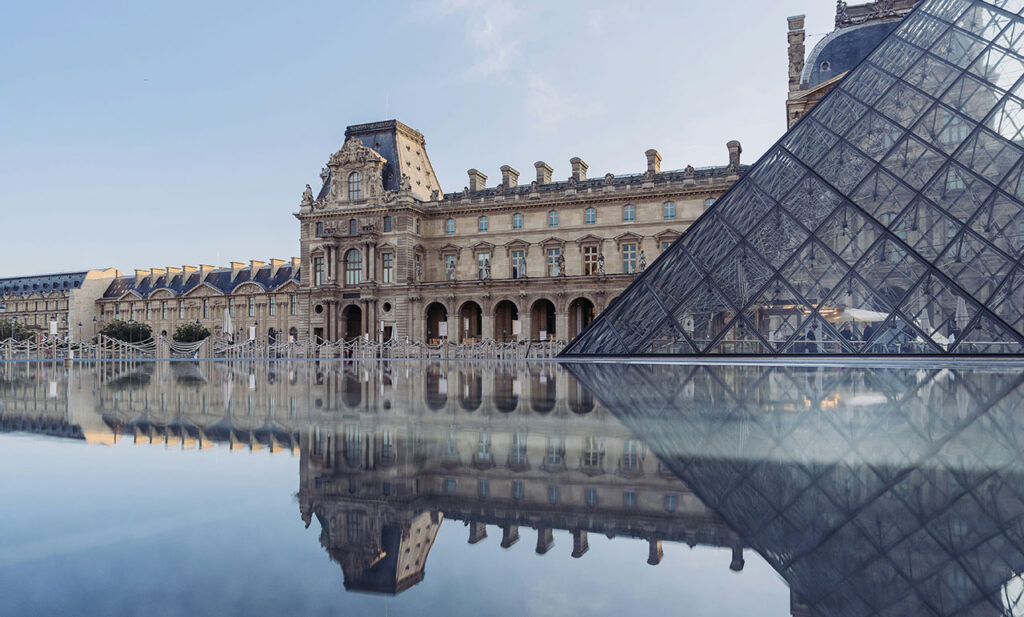
The Louvre is too vast to rush in a single afternoon. Splitting your visit over two days allows you to actually see the art without the exhaustion that comes from trying to do it all at once.
Most travel guides try to cram too much in. They tell you to see three cities in a week. That is not a vacation. That is a commute.
My advice is to slow down. I build trips around bases rather than constant stops. You spend less time packing and unpacking and more time actually being there.
Do not leave Paris. If you only have a week, resist the urge to bounce around the country. Pick a neighborhood base like Le Marais and actually learn the city.
Paris + one region is the sweet spot for a first trip. Spend five nights in Paris and four nights somewhere distinct like Champagne, Burgundy, or Chamonix.
Paris + Alps + wine country opens up the map without burning you out. On our recent January trip, we did Champagne, Chamonix, and Paris, and it felt like the right amount of contrast.
Local Guide Tip: If you have 14 days, put Paris at the end. Ending in the city removes the stress of trying to reach a long-haul flight from a remote village on departure day.
Explore France through Paris, regional escapes, food experiences, and real trip planning.
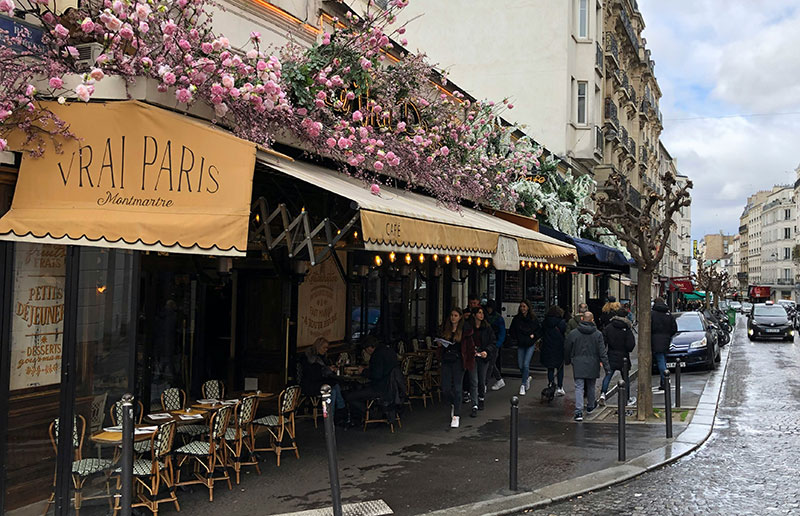
WHERE TO STAY
Pick the right neighborhood based on your travel style, budget, and how you want your days to flow.
Read More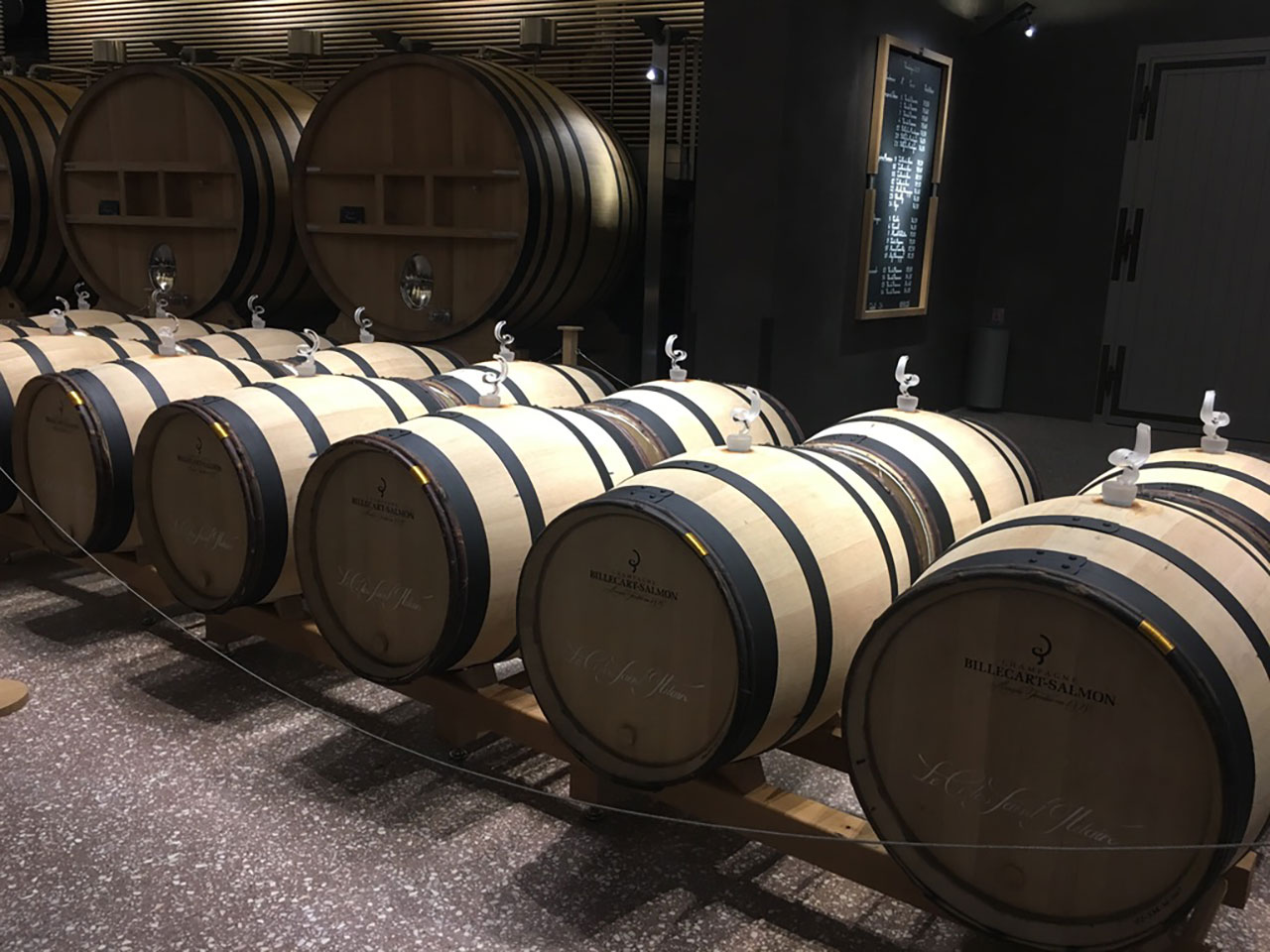
REAL ITINERARY
A real-world route through Paris, Champagne, and Chamonix with pacing, logistics, and lessons learned.
Read More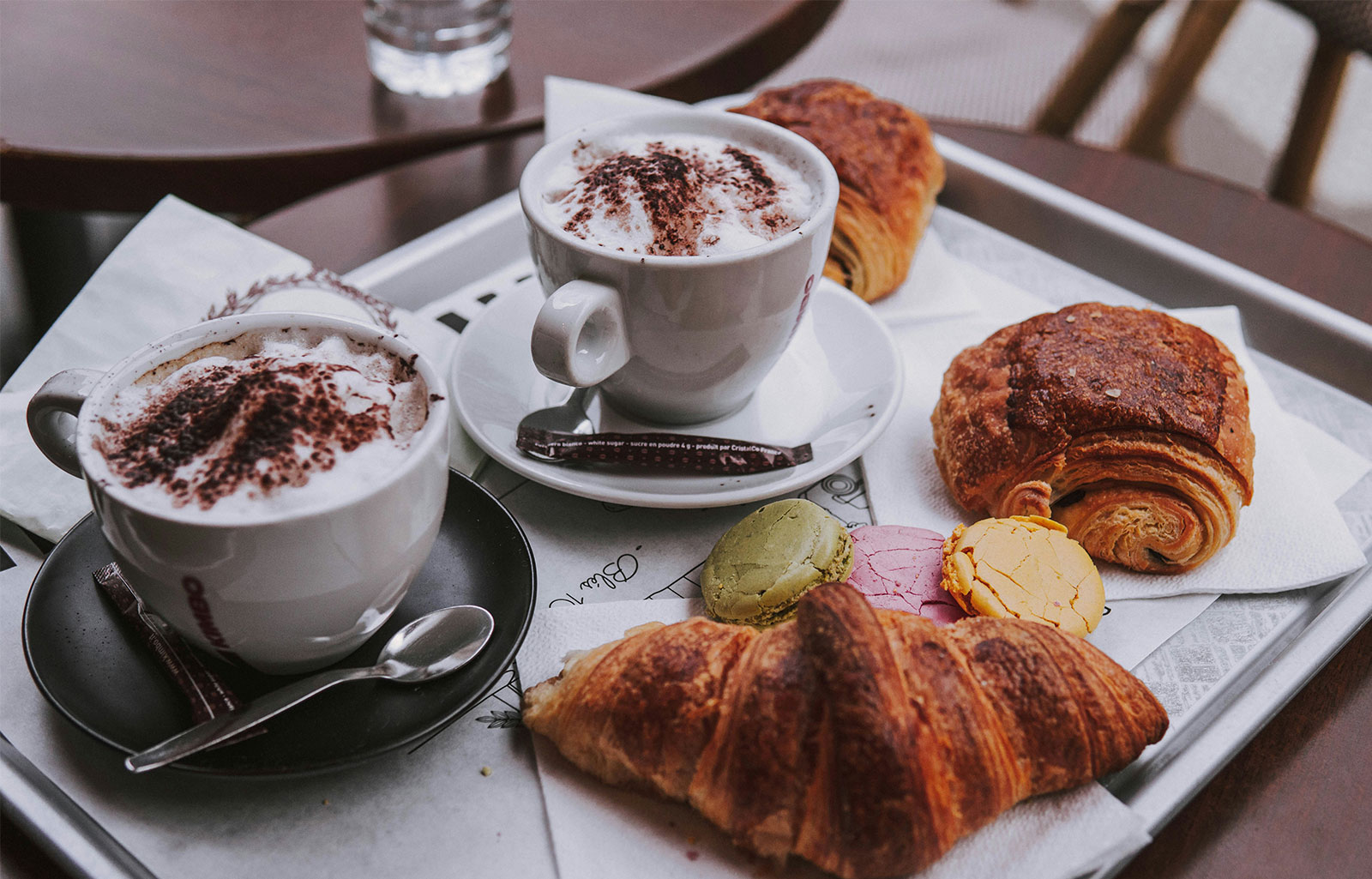
FOOD PLAYBOOK
Avoid tourist traps and understand how to actually order, eat, and enjoy meals in Paris.
Read More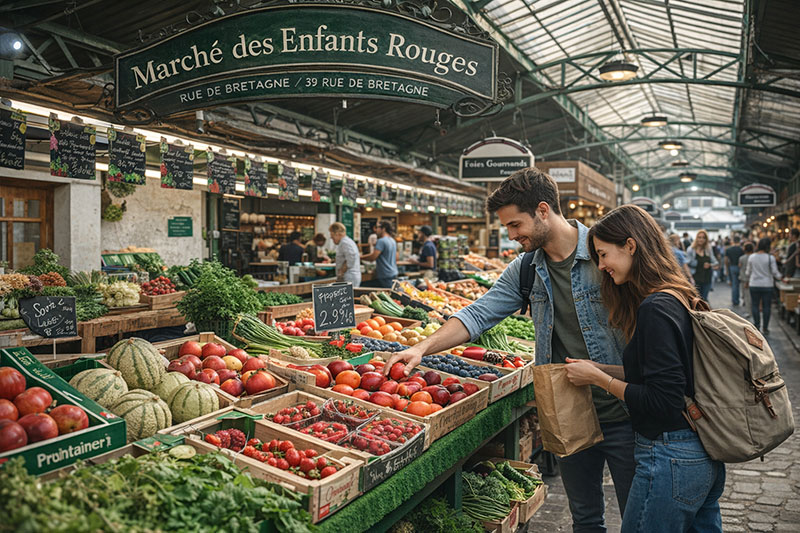
NEIGHBORHOOD EATS
One of the best areas for cafés, bakeries, and casual food hopping in Paris.
Read More
GO BEYOND PARIS
Choose where to go based on your travel style, not just what everyone else does.
Read More
QUIET PICKS
Lesser-known places that are still worth the trip and easier to enjoy.
Read More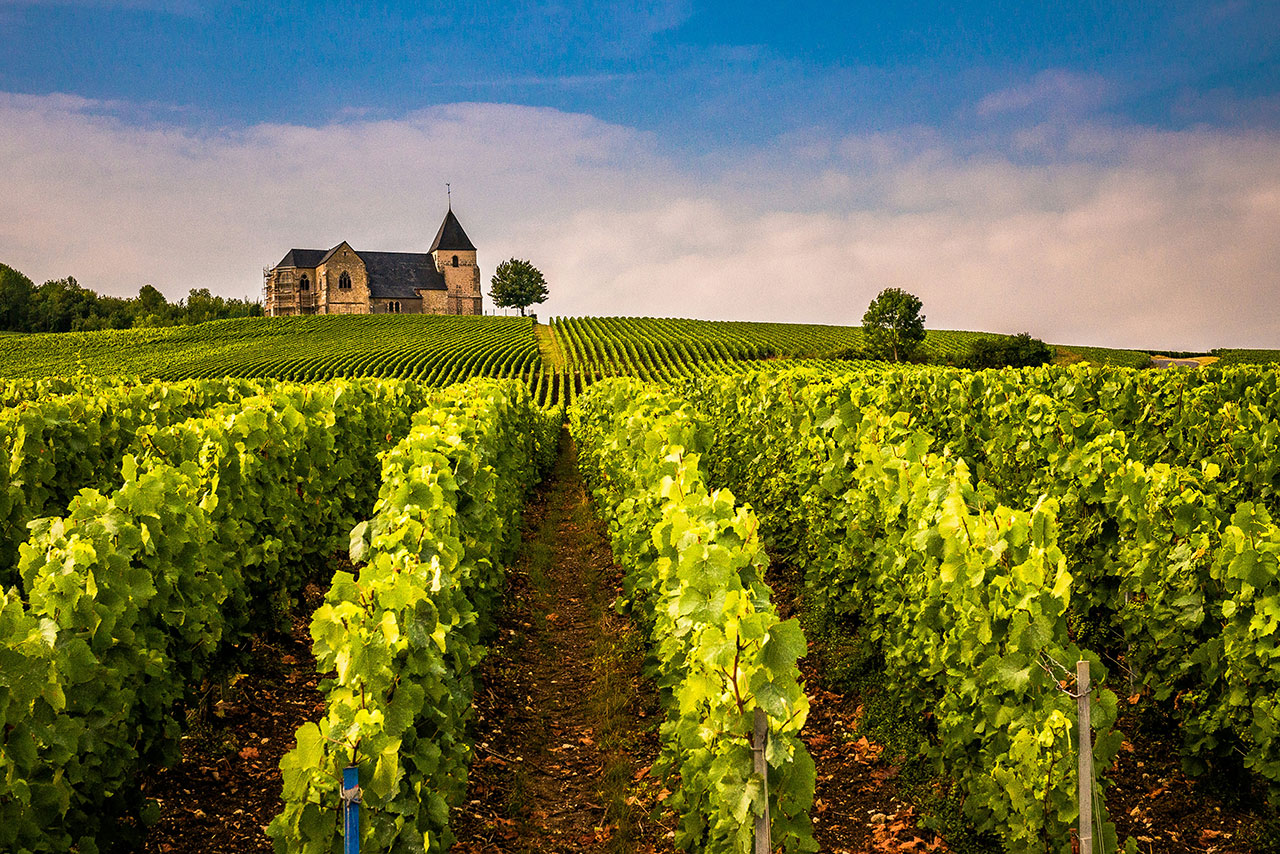
SLOW TRAVEL
A more relaxed way to experience France’s wine country without the tour bus feel.
Read More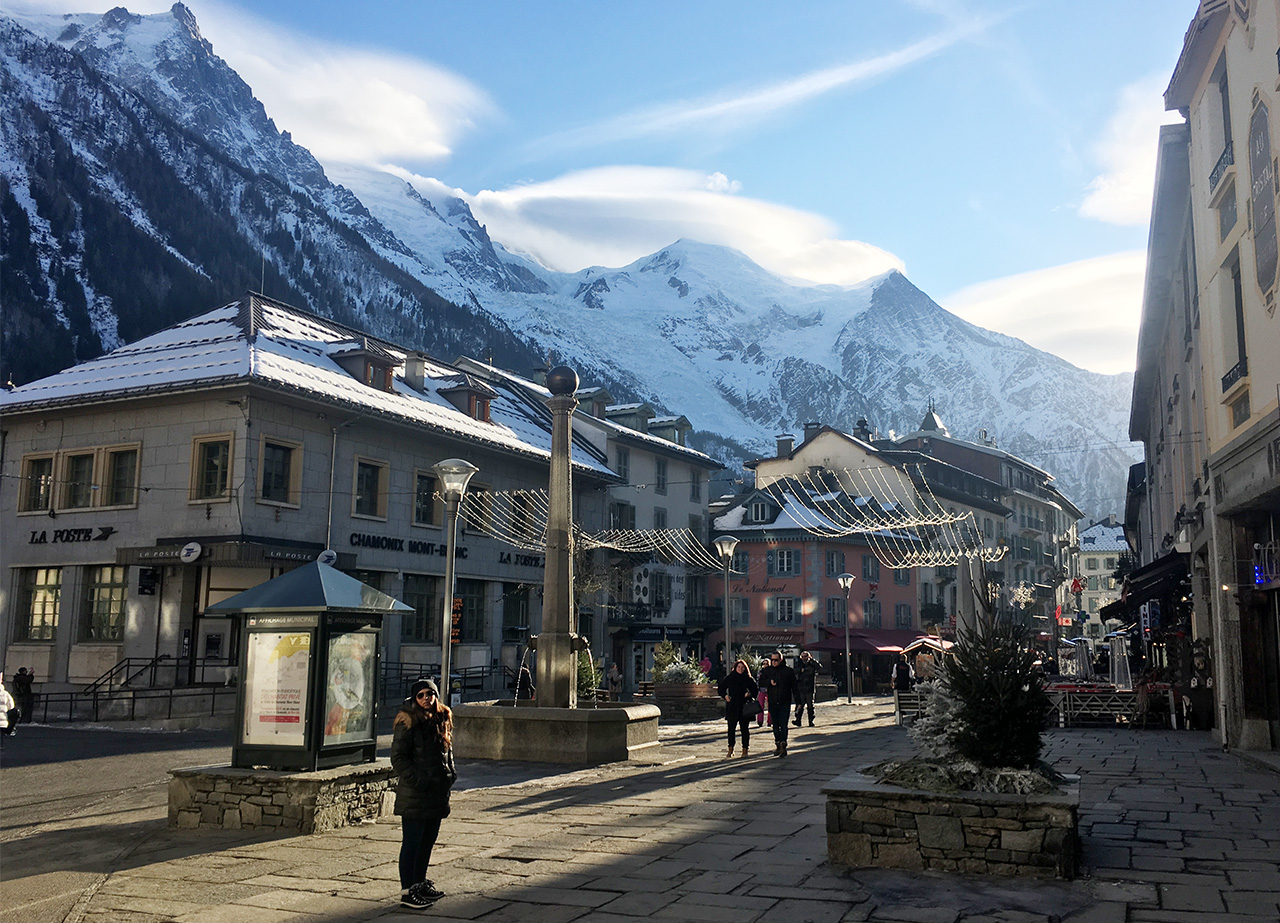
ALPINE VIEWS
Mont Blanc views, easy hikes, and incredible meals without needing mountaineering skills.
Read More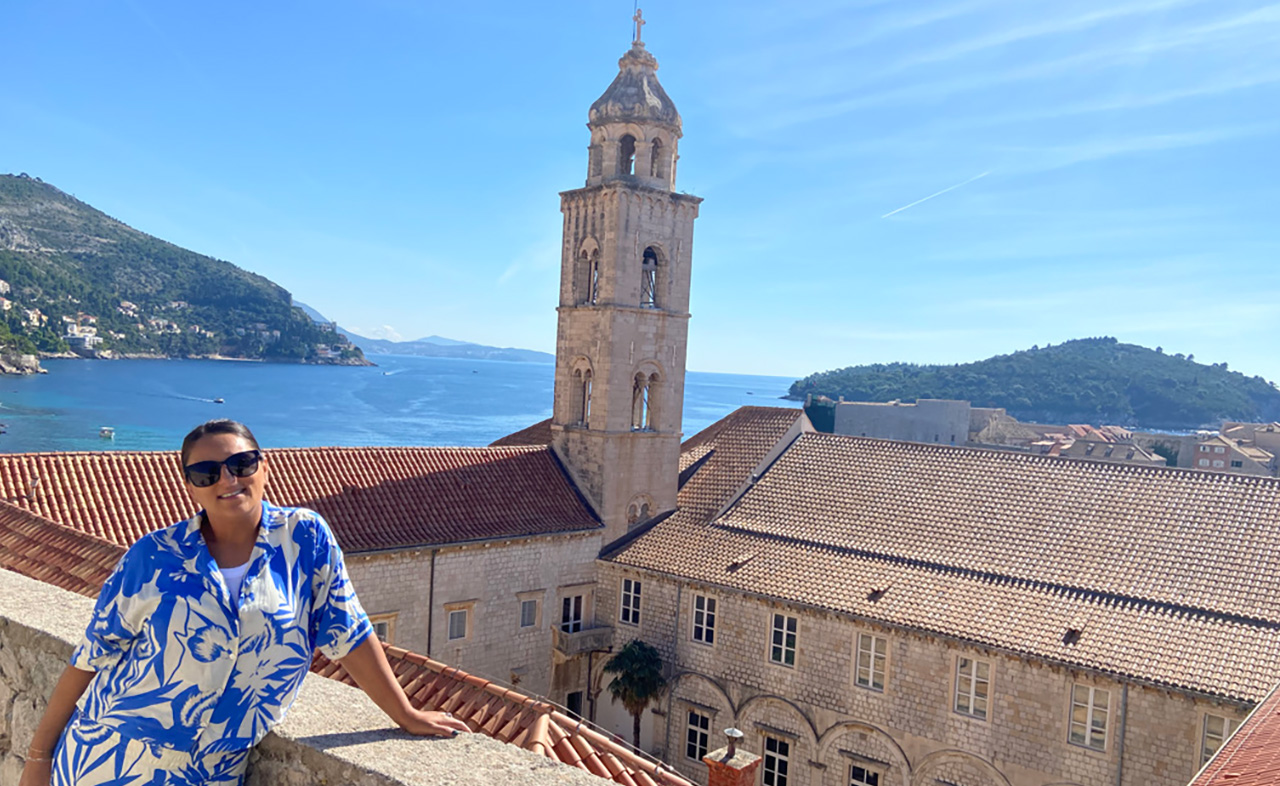
PLAN YOUR TRIP
Flights, timing, regions, and how to structure a smooth first or return trip to France.
Read MoreNo, but basic phrases improve every interaction. Start with a simple Bonjour before you ask any questions and you will be fine.
Yes. Watch for pickpockets in crowded areas and on busy public transit, especially around major tourist zones.
Seven to ten days is a strong first trip. Two weeks is ideal if you want Paris plus one or two regions without rushing.
Rent a car only when it adds freedom, usually outside major cities like Paris or Lyon. Trains are the best default for moving between big hubs.
Travel in May, June, September, or early October. Start your days earlier than you think and spend more time in neighborhoods rather than headline attractions.