Travel Planning Hub
Start here to plan your trip, compare options, and explore every TLGA planning guide.
Packing & Gear Guide
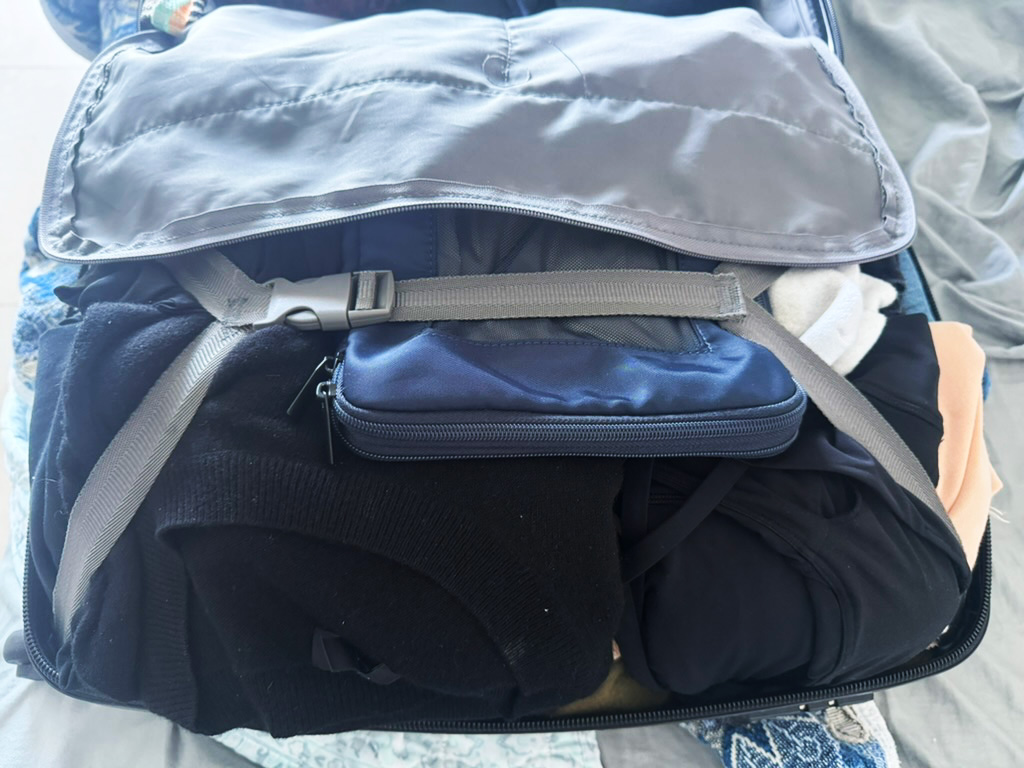
What to pack, what to skip, and how to build a lighter travel setup that works.

Last updated: April 2026 by Corey Gasman
From the Editor:
I first experienced Japan on a one-week layover after Thailand. Flying from Minneapolis, my most direct route to Bangkok ran through Tokyo, so I decided to stay put and explore the city slowly. I stayed in one neighborhood near Tokyo Tower and treated each day the same way: lunch nearby, a museum or park in the afternoon, then dinner back in the same area.
The language barrier was real. Outside of my hotel concierge, I barely spoke English all week. But Japan quietly solves for this. Ramen shops use ticket machines with photos. Conveyor-belt sushi lets you see exactly what you’re ordering. Subways are clearly mapped. Museums often offer English guides. Even when communication feels hard, the system works. Japan rewards curiosity more than confidence.
How to use this guide: This is your big-picture Japan planning guide.
For how to structure your days, where to stay, and how to move through the city, go to the Tokyo Travel Guide. For how to actually eat in Tokyo, see Eat Like a Local in Tokyo.
Japan in 2026 is a country finding its balance. After the tourism surge of previous years, the systems have adapted. The crowds are still there in Kyoto and Shinjuku, but smart travel has shifted toward regional discovery, premium solo experiences, and deeper cultural immersion.
Tradition + Tech in One Day:
The magic of Japan is that you can start your morning in silence at a 1,000-year-old Zen garden and end it inside the digital infinite of teamLab Borderless at Azabudai Hills. In 2026, this contrast is sharper than ever, with cashless payments now appearing even at some ancient shrines and AI translation counters in select rural stations.
The takeaway: Embrace the contrast, but respect the rules of each space.
TLGA Rule: Read this guide once from front to back, then stop. Bookmark it and return as questions come up while planning. Japan trips fall apart when you over-research individual details instead of building a flexible framework first.
This is your master hub. It covers high-level strategy. For specific details, click the “Rabbit Hole” links throughout the text.
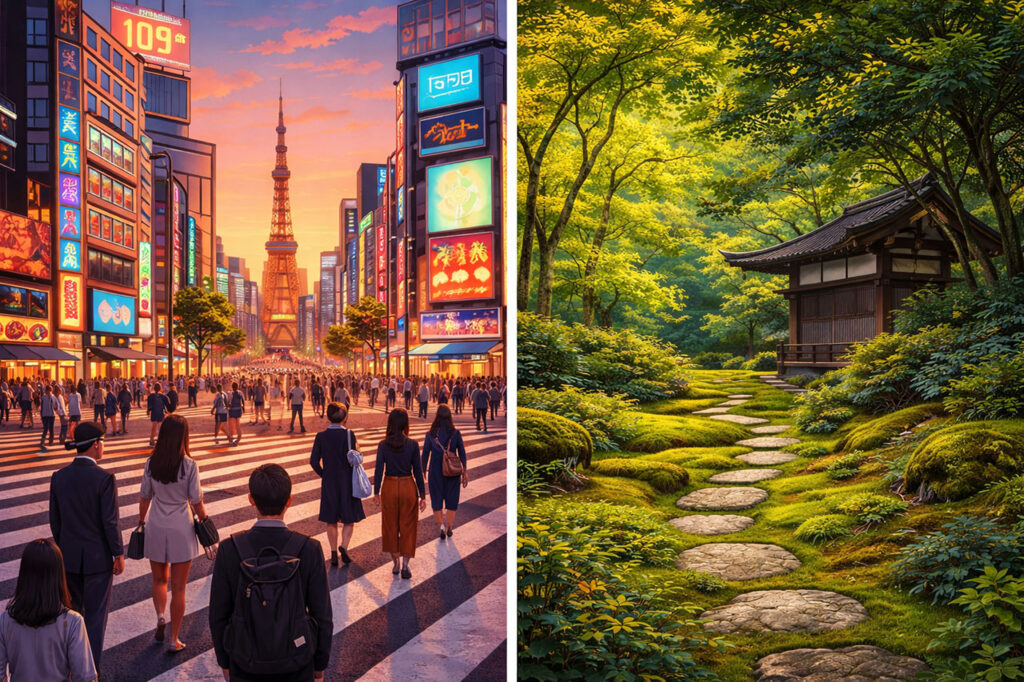
Tradition and tomorrow, side by side. From the electric rush of Tokyo to the quiet calm of Kyoto, this is Japan at its peak.
Japan is long and narrow. The weather in the north (Hokkaido) is sub-arctic, while the south (Okinawa) is subtropical. Most first-timers stick to the middle, but 2026 is the year to branch out.
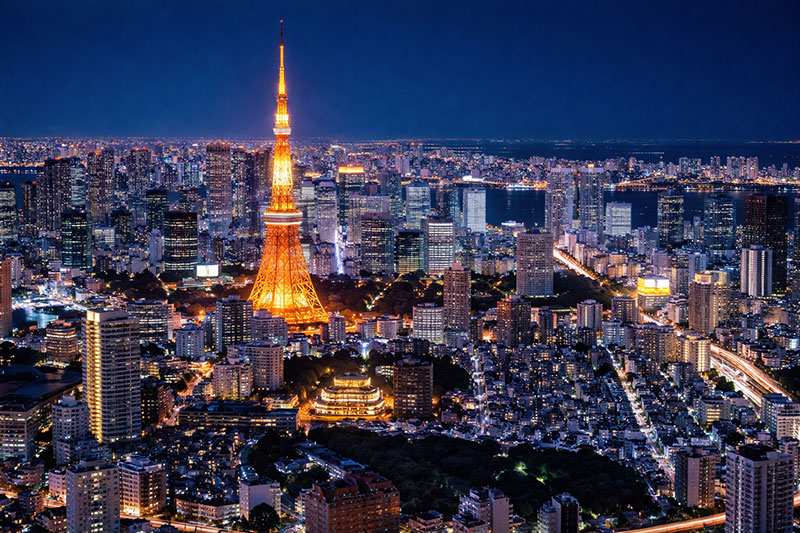
Best for: Food, energy, shopping, and endless neighborhoods.
It’s the world’s biggest city but functions like a collection of villages. From the anime electric town of Akihabara to the quiet hipster backstreets of Shimokitazawa.
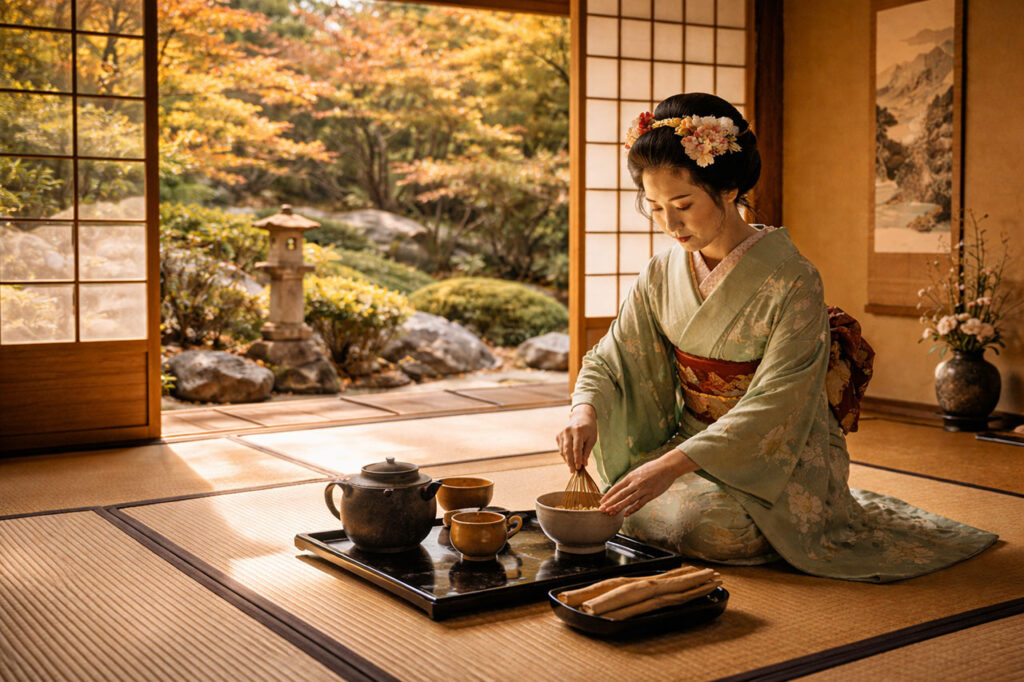
Best for: Temples, craft, tea, and history.
The “Old Japan” you imagine. It is crowded, so the secret is waking up at 6:00 AM. By 10:00 AM, the magic fades under the tour bus crowds.
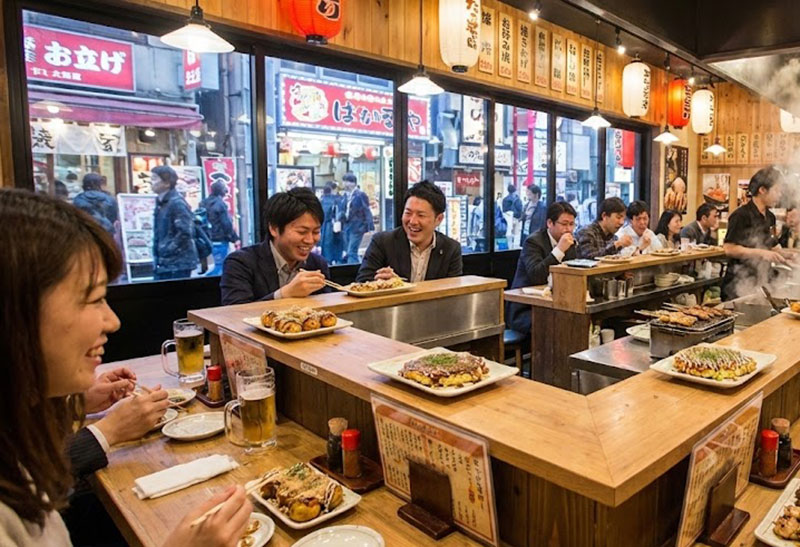
Best for: Street food, nightlife, and friendly locals.
Tokyo’s rebellious, louder cousin. The rule here is kuidaore (“eat until you drop”). It’s also the best base for day trips to Nara and Himeji.
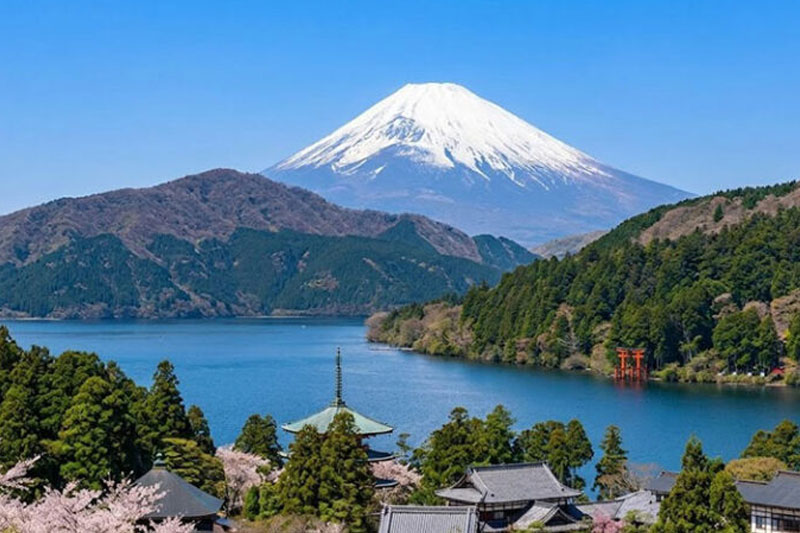
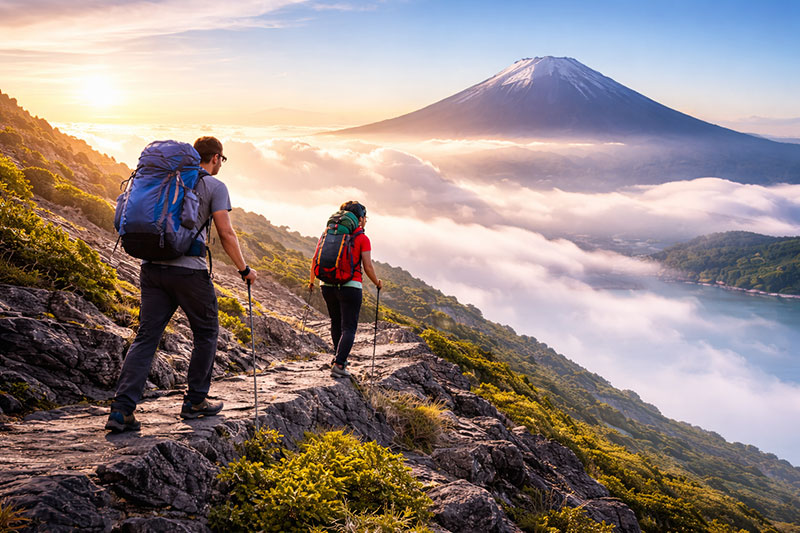
The Classic Escape: 90 minutes from Tokyo. Come here for Onsen (hot springs), ryokan stays, and hoping the shy Mt. Fuji peeks out from the clouds.
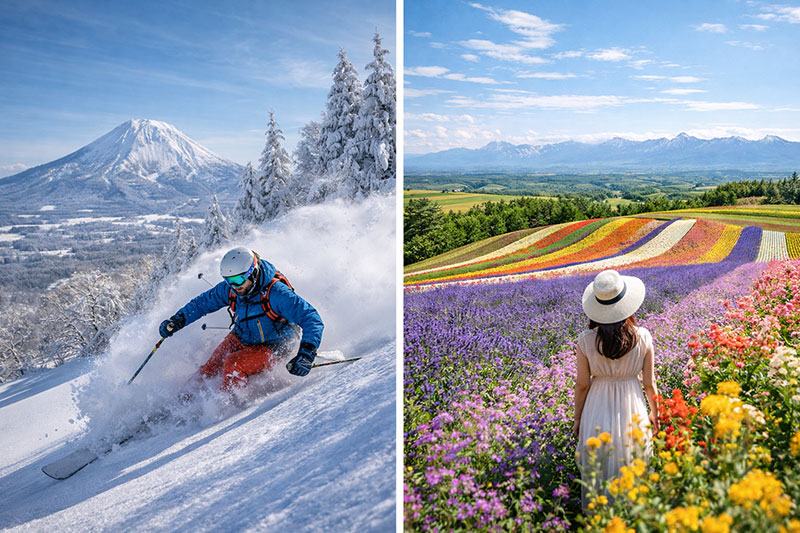
The Wild North: Famous for world-class powder snow in winter (Niseko) and endless flower fields and cool temperatures in summer.
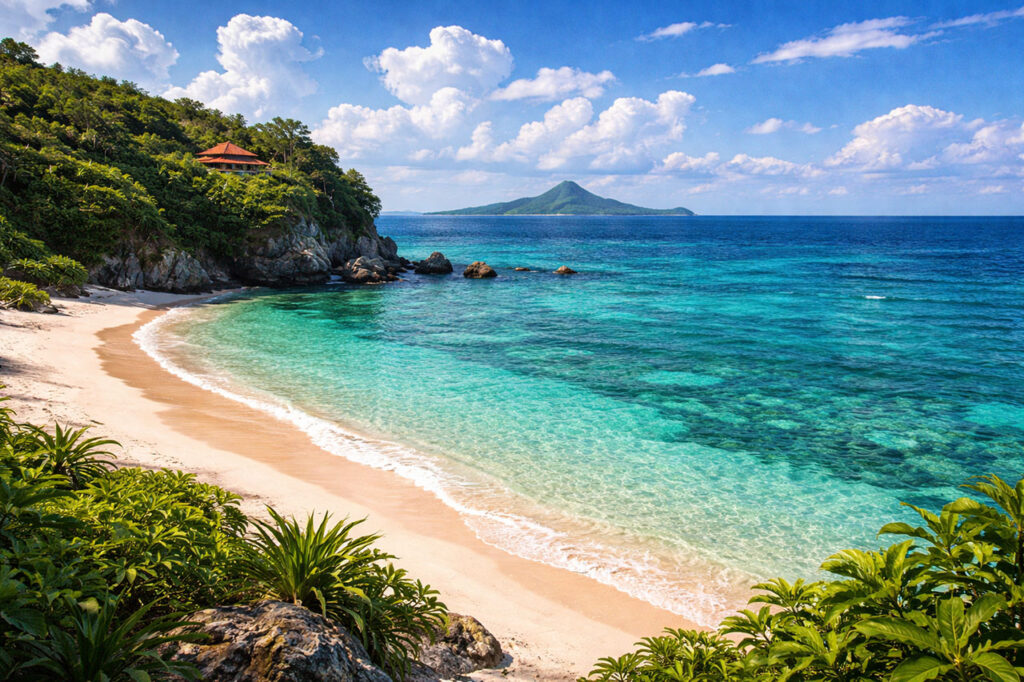
The Tropical South: Japan’s Hawaii. Turquoise water, white sand, and a distinct “Ryukyu” culture that feels completely different from the mainland.
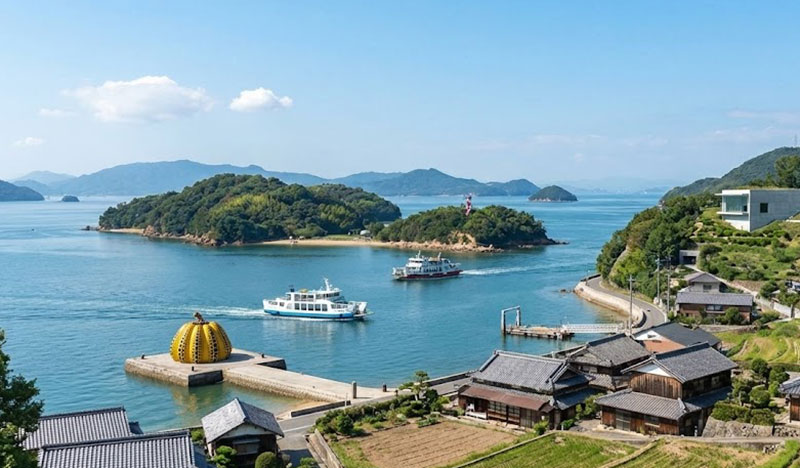
The symbol of the Art Islands: Yayoi Kusama’s Yellow Pumpkin on Naoshima is the welcoming beacon for the Setouchi Triennale, which returns for its next major exhibition in 2026.
If you want to escape the crowds, go where the Rail Pass doesn’t easily take you.
Pro Tip: Book Setouchi ferry passes and accommodation on the islands 6 months out – during the Triennale, they vanish.
If your version of travel includes early mornings, sore legs, and a little adrenaline, build your itinerary around these. They are the best mix of iconic and achievable.
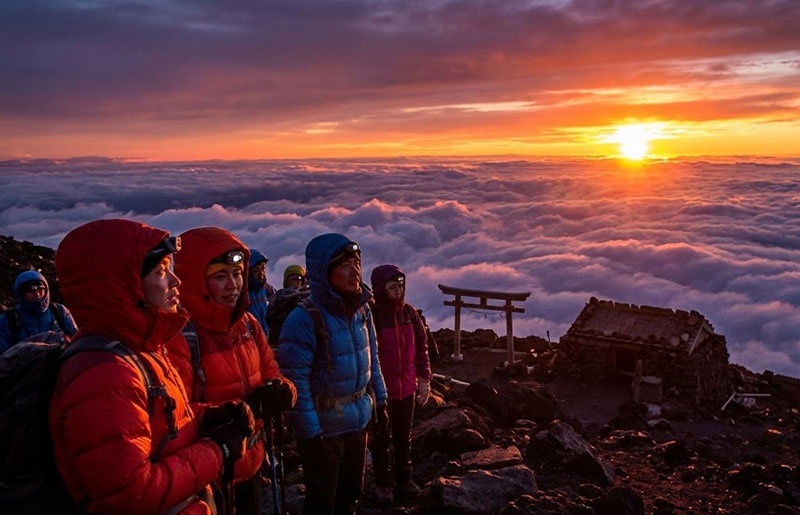
Best for: First-timers who want one epic “I did it” day.
Reality check: The hard part is altitude and pacing, not technical skill. The classic move is a night climb to catch sunrise (Goraiko) at the summit.
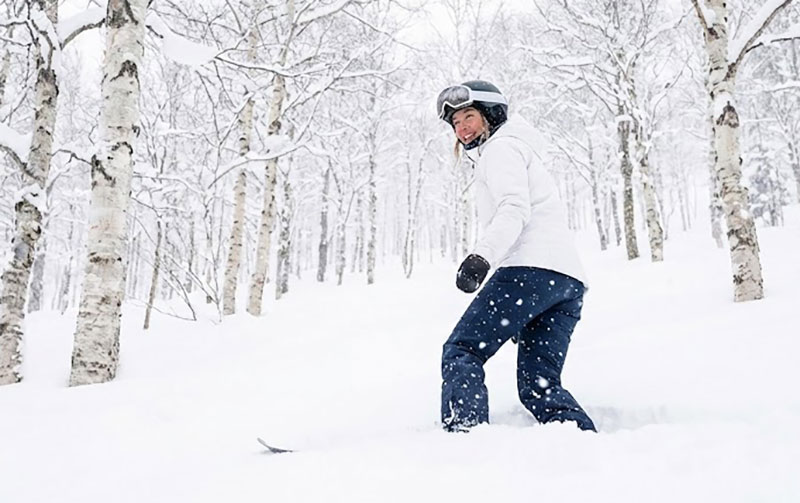
Best for: Powder chasers and winter travelers.
Hokkaido is the snow capital. Niseko has the international vibe, while areas like Furano feel more local. If you want backcountry, go with a guide.
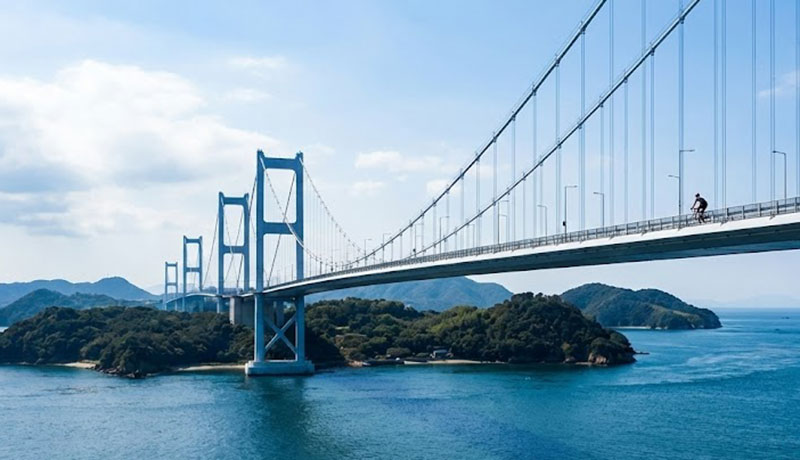
Best for: Scenic adventure with low stress.
This legendary route links islands with massive bridges and ocean views. Rent a bike, go at your own pace, and stop for citrus snacks and tiny port towns.
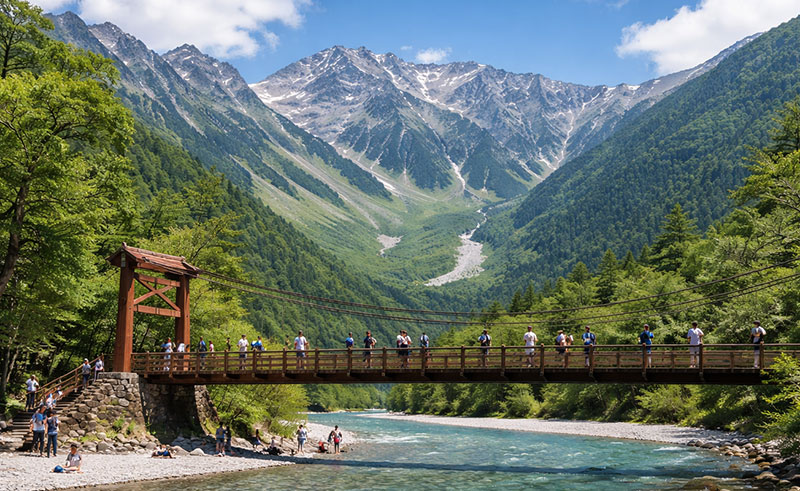
Best for: Mountain lovers avoiding European crowds.
Kamikochi is the gateway: clear rivers, wooden trails, and peaks that feel like “Japan’s Switzerland.” Multi-day hut hikes are possible in summer.

Best for: A day-trip adrenaline hit from Tokyo.
Japan has serious river adventures in Nagano and Gunma: whitewater rafting, waterfall canyoning, and gorge hikes that feel like a jungle.
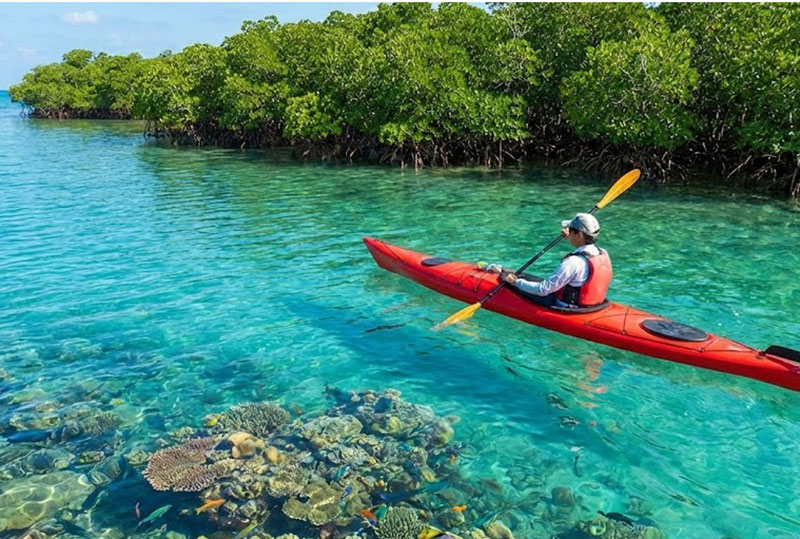
Best for: “Japan’s Hawaii” energy.
Kayak mangroves, snorkel coral reefs, and finish with a sunset beach dinner. Okinawa is the easiest way to make your trip feel completely different.
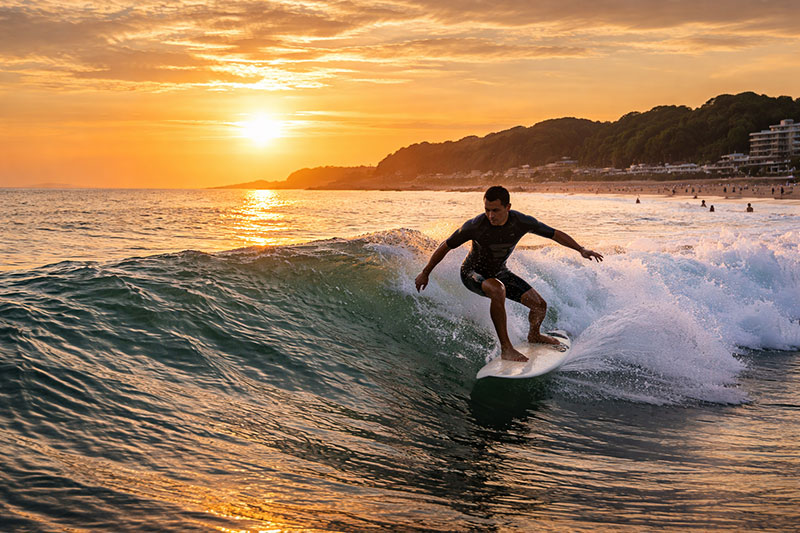
Best for: Adding a surf town to your itinerary.
Japan has a real surf culture (Chiba/Shonan). Tokyo-area beaches make it doable even for short trips, while southern Miyazaki is warmer.
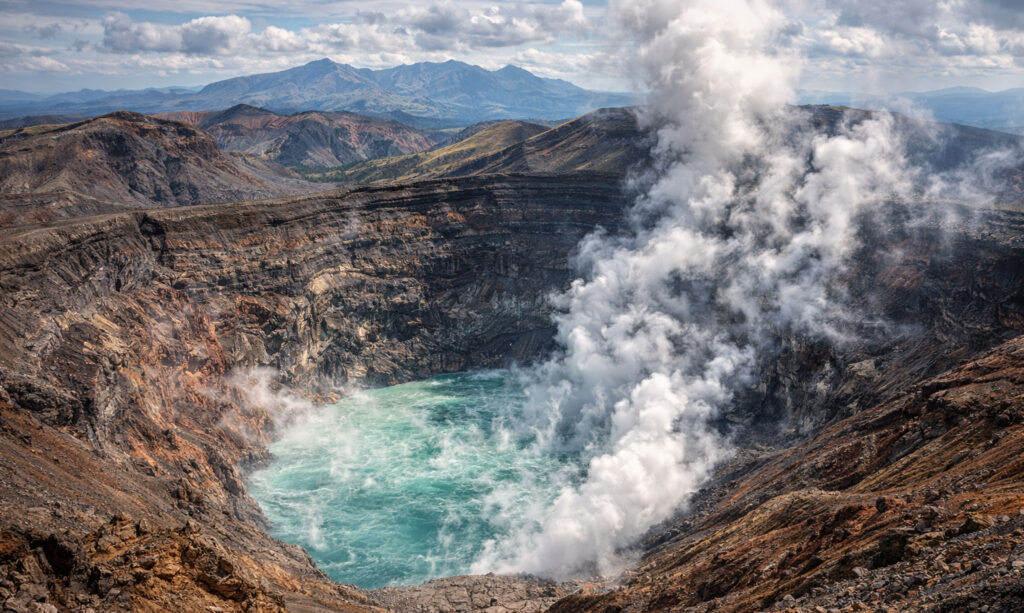
Best for: Active landscapes that feel alive.
Kyushu is where you mix volcanic views, steaming valleys, and onsen culture. It’s adventure travel that pairs perfectly with recovery nights.
Local Guide Tip: The 2026 Adventure Strategy is to plan your “hard day” and your “recovery day” in pairs. Pair a mountain hike with a Ryokan onsen night.
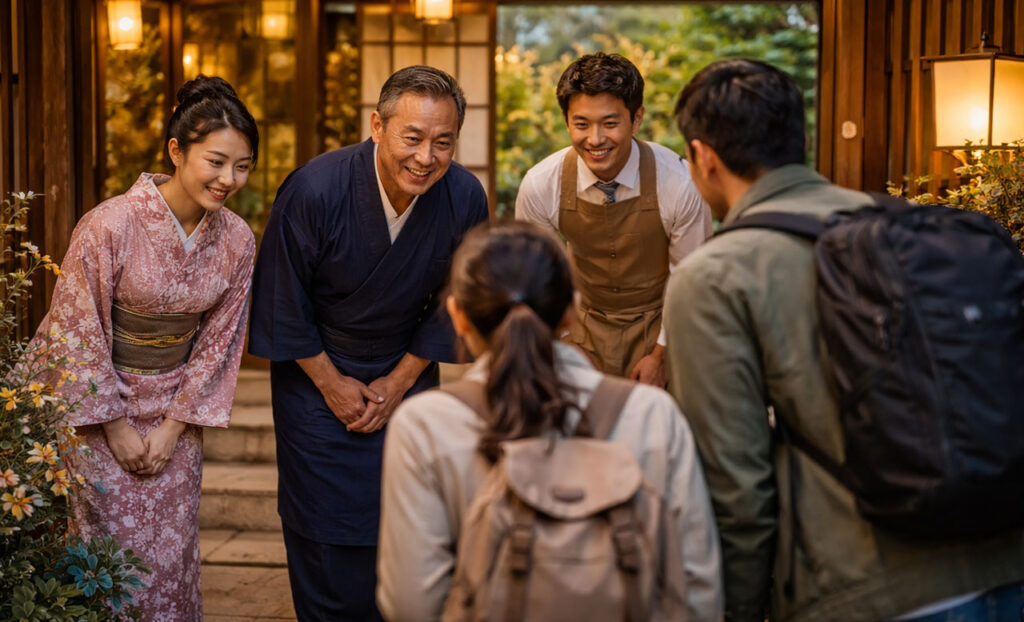
The Spirit of Omotenashi: Hospitality in Japan isn’t just a service; it’s a deep-rooted culture. It’s represented here by the deep, respectful bow and the genuine desire to make guests feel like family.
Japan’s culture is not loud or expressive on the surface. It is built on shared rules, quiet consideration, and an unspoken agreement to not inconvenience others. Once you understand that, everything makes more sense.
One of the most misunderstood parts of Japanese culture is the world of geiko and maiko in Kyoto. If you want to understand what you’re actually seeing and how to approach it respectfully, read the Geisha Culture in Kyoto guide.
What feels like extreme politeness is actually structure. Bowing, quiet voices, orderly lines, and exact timing are not personal gestures. They are how society runs smoothly in one of the most densely populated countries on Earth.
Japanese people are friendly, but reserved. Strangers rarely start conversations, yet help is freely given when asked. Don’t mistake quiet for cold. It’s respect for personal space.
You will notice very few public trash cans, minimal signage, and little visible enforcement. The expectation is that everyone knows the rules and follows them. When tourists struggle, it’s usually because they didn’t realize a rule existed.
Japan consistently ranks as one of the safest countries in the world. Lost wallets are returned, phones are handed in, and crime is rare in everyday travel zones. The safety comes from social trust, not heavy policing.
Local Guide Tip: You don’t need to “act Japanese.” You just need to be observant. Watch what others do and follow the room. That alone earns respect.
These cultural basics matter more than memorizing phrases:
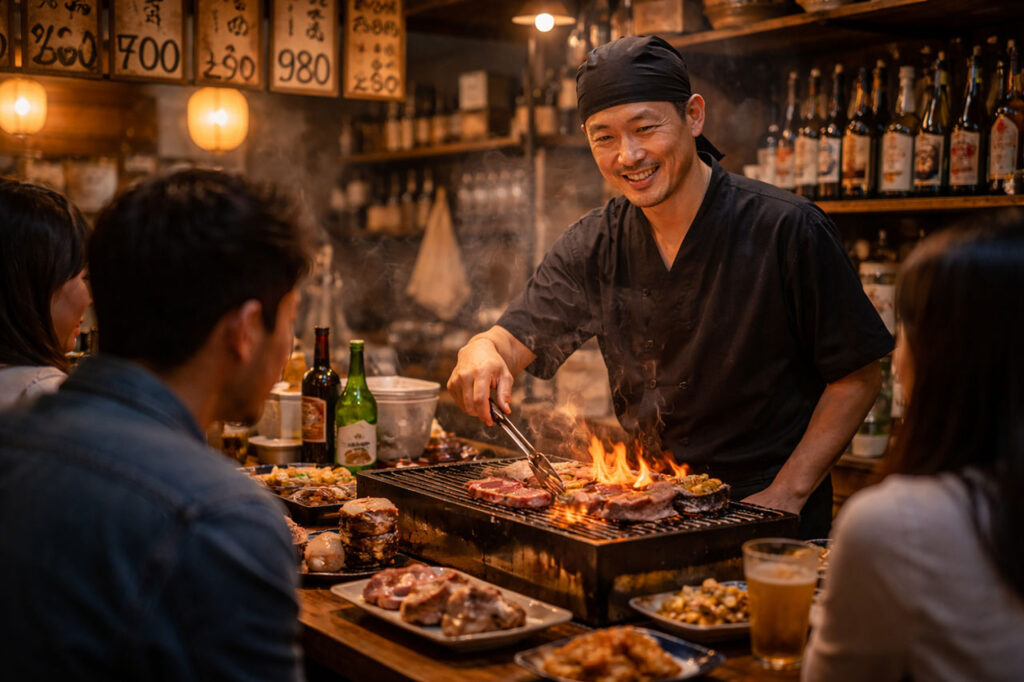
Yakitori was one of my favorite solo dinners in Tokyo. Busy, counter-only bars, open flames, cold beer, and simple skewers make it easy to blend in. When the room is full and focused on the grill, eating alone never feels awkward.
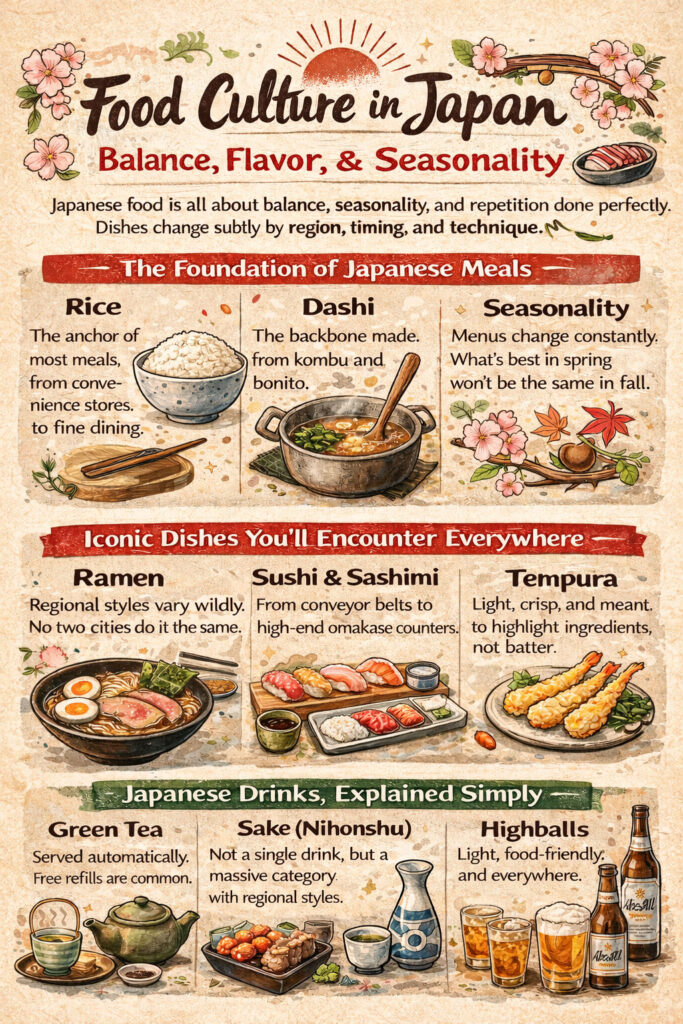
Japanese food is not about excess. It’s about balance, seasonality, and repetition done perfectly. You’ll see the same dishes across the country, but they change subtly by region, timing, and technique.
Local Guide Tip: Don’t Skip Japanese Whisky
Japanese whisky easily stands shoulder-to-shoulder with a well-aged American bourbon, Scotch, or Irish whiskey. If you enjoy bourbon at home, you’ll love how balanced and smooth Japanese whisky tends to be. My go-to is Hibiki Harmony, which is widely available and an excellent introduction to the style.
Japan’s food culture values consistency over spectacle. Restaurants specialize narrowly, overhead is low, and quality control is ruthless. That’s why a $9 bowl of noodles can outperform expensive meals elsewhere.
Pro Tip: If a place does only one thing and has a line of locals, that’s the place to eat.
Don’t try to see the whole country in one trip. You will spend your whole vacation on a train.
Fast-paced but covers the icons.
Adds nature and relaxation.
The 2026 Strategy: Moving hotels in Japan is tiring because stations are huge. Minimize hotel hops. Use Osaka as a base to see Kyoto, Nara, and Kobe (all 30-40 mins away) instead of switching hotels for each city.
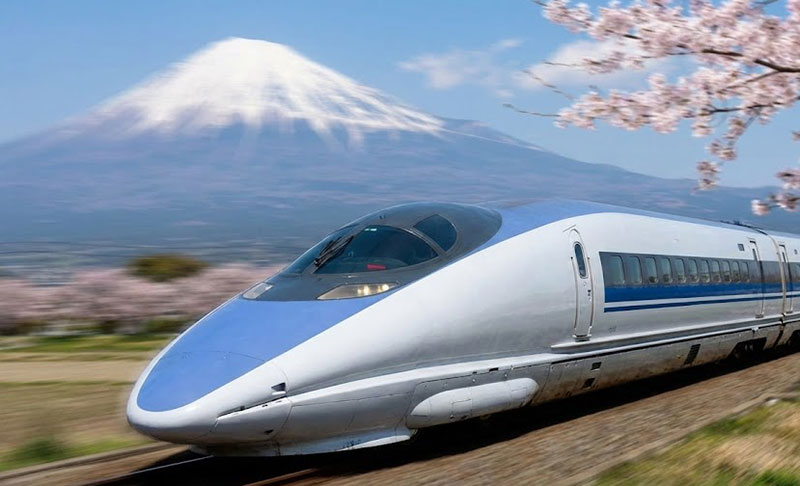
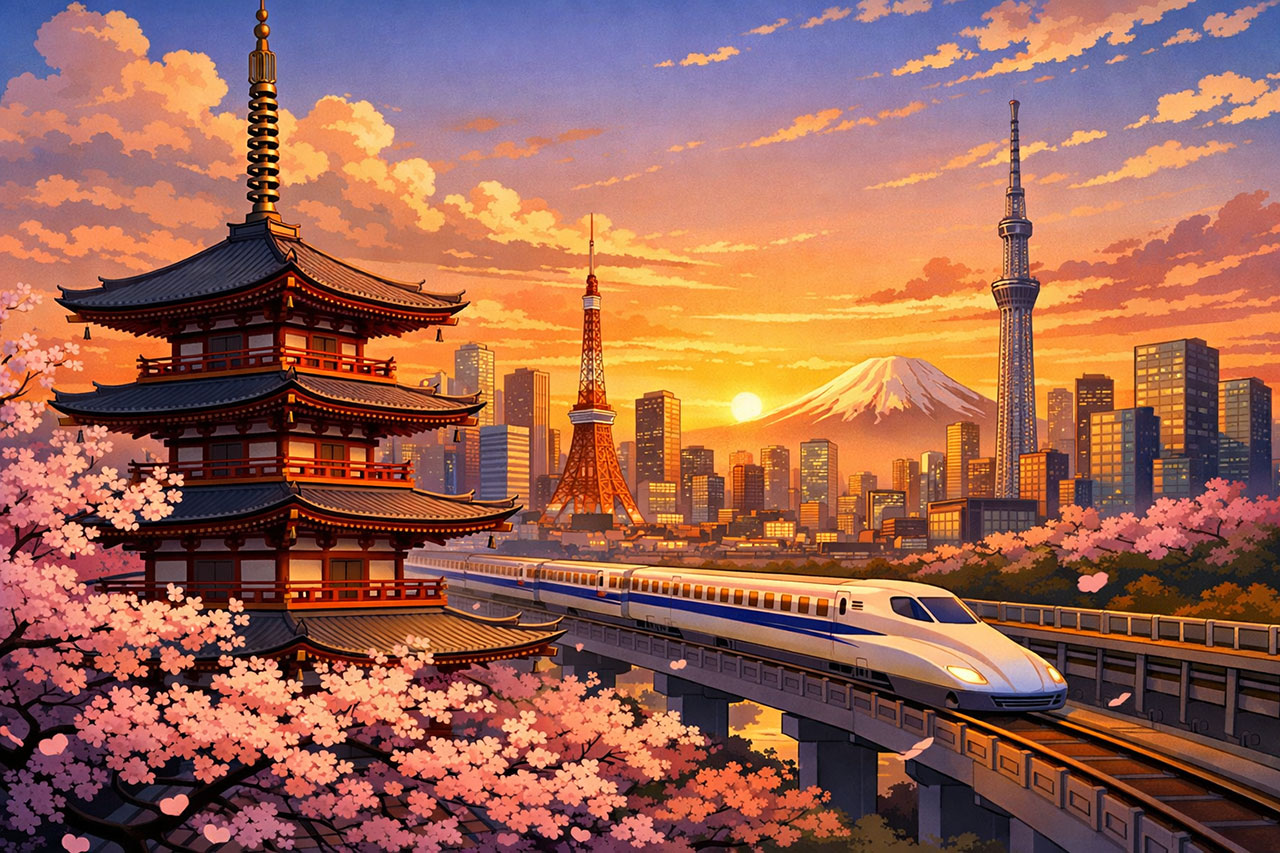
The ultimate Japan travel view: Seeing Mt. Fuji from the Shinkansen window is a bucket-list moment on the journey between Tokyo and Kyoto.
Short answer: Usually No.
Since the massive price hike, a 7-day pass costs ¥50,000. A round trip Tokyo-Kyoto ticket is only ~¥28,000. Unless you are making long-haul trips (e.g., Tokyo to Hiroshima to Kanazawa to Tokyo) in 7 days, buy individual tickets.
Want the exact math? Is the Japan Rail Pass Worth It? (2026 Breakdown)
While physical card shortages have eased, the “Mobile Suica” is now the gold standard.
In 2026, most travelers skip pocket Wi-Fi and use an eSIM (like Ubigi or Airalo). Coverage is excellent, and it keeps your physical SIM slot open for emergencies.
Stop dragging huge suitcases onto crowded trains. For about ¥2,500, services like Yamato Transport (Black Cat) will ship your bag from Tokyo to Kyoto.
Why forwarding is non-negotiable in 2026:
The Shinkansen “Baggage 160” rule requires a specific seat reservation for any bag with total dimensions over 160cm (approx. check-in size). If you board without this specific reservation, you face a ¥1,000 fine and may be forced to move trains. Forwarding your bags solves this completely.
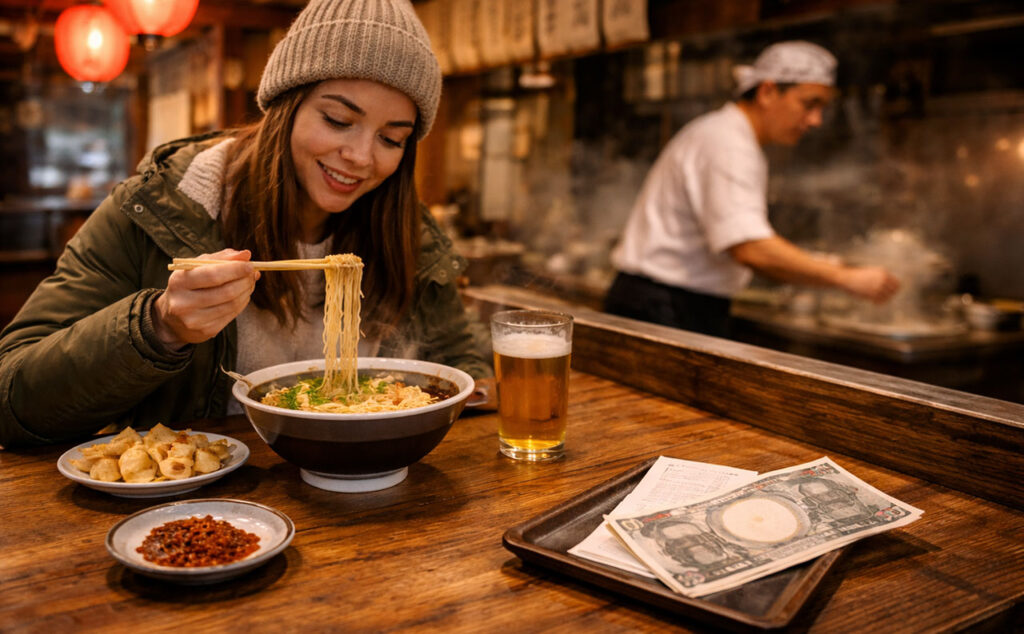
The $10 Feast: Japan’s best value is its food. A full meal like this, steaming ramen, gyoza, and a drink, often comes to under ¥1,500 ($10 USD). Note: While cards are common, many authentic ramen shops still rely on cash or ticket machines.
Japan is surprisingly affordable for food, but expensive for transport and accommodation. The Yen is fluctuating, but generally weaker against the USD, making 2026 a great value year.
Japan is no longer “cash only,” but it is “cash preferred.”
Japan is overhauling its tax-free system to stop resale fraud.
The New Reality (Late 2026): The government is moving toward a “Pay Upfront, Refund Later” model. Instead of getting 10% off at the register, you will likely pay the full price and claim your refund at a digital kiosk at the airport upon departure.
*Note: Implementation is currently targeted for November 2026, but check the latest rules if traveling late in the year.
2026 Price Watch: Food staples have risen in price in recent years, and you may notice small increases at ultra-budget chains. The good news is that classics like Gyudon (beef bowls) still tend to be excellent value and are often under ¥600-¥800 depending on the location.
2026 Note: Japan’s international departure tax (currently about $7 USD) is built into airfare. Any future increase would be included automatically.
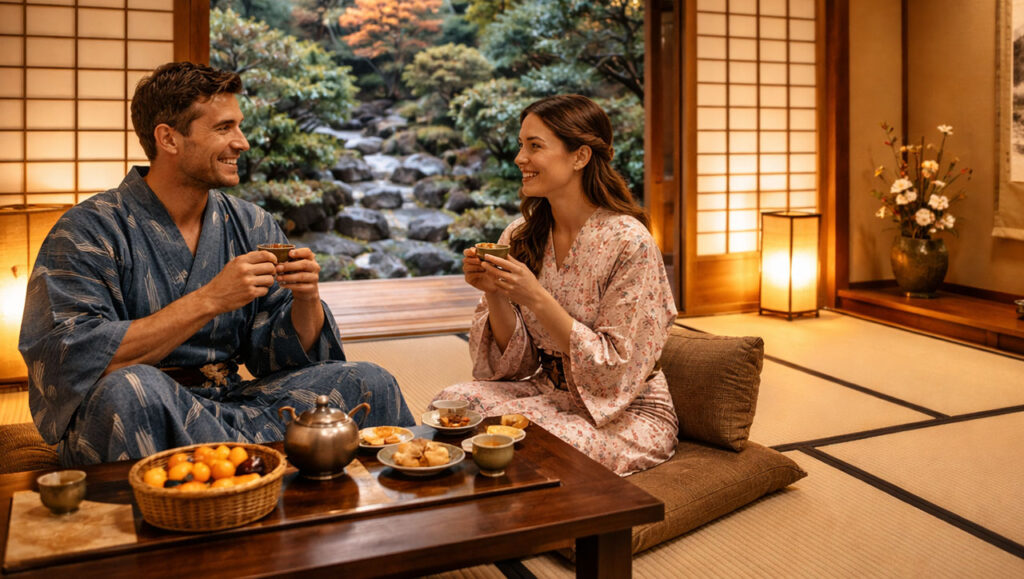
The Ryokan Retreat: A stay in a traditional inn (ryokan) is about slowing down. From wearing yukata robes to sipping tea overlooking a garden, it’s an immersion into old-world Japanese hospitality (omotenashi).
In 2026, strategic location beats luxury. Japan’s cities are huge; staying near a major loop line (like the Yamanote in Tokyo) saves hours of travel time.
First-Timers: Shibuya or Shinjuku (West side) for connection.
Quieter/Indie: Ueno or Asakusa for older vibes, or Shimokitazawa for retro culture.
Strategy: Stay near Kyoto Station for transit access, or Downtown (Kawaramachi) for food and nightlife. Avoid the far northern temples if you want early starts.
Ryokan: Traditional inn with tatami mats and kaiseki dinner. Book for 1-2 nights in Hakone or Miyajima for the experience.
Business Hotel: Small, clean, highly functional (e.g., APA, Dormy Inn). Perfect for most nights.
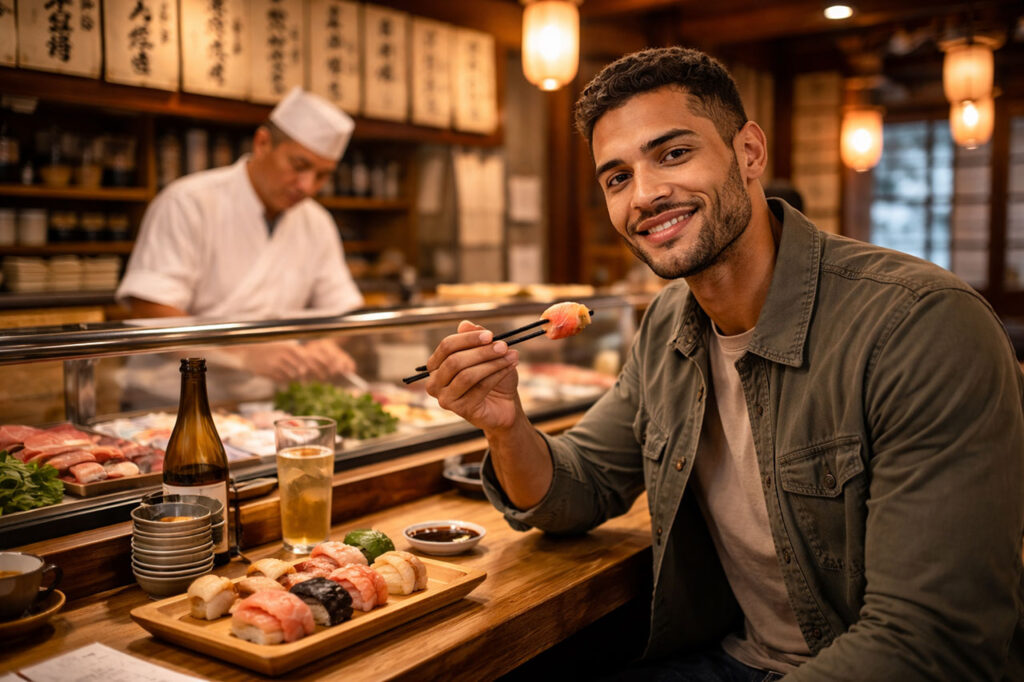
The Best Seat in the House: Solo dining (Ohitorisama) is celebrated in Tokyo. Grab a spot at the counter for a front-row seat to the chef’s craftsmanship. It’s dinner and a show, with zero awkwardness.
You can eat better in a Japanese train station than in most 5-star restaurants elsewhere.
The trend of Ohitorisama (party of one) is exploding. In 2026, you will see more “Solo Yakiniku” (grilled meat) booths and “Hitori-nabe” (solo hot pot) counters. Dining alone isn’t sad here; it’s seen as a premium, meditative experience.
Solo travelers: Solo Dining in Japan: The Comfort Guide
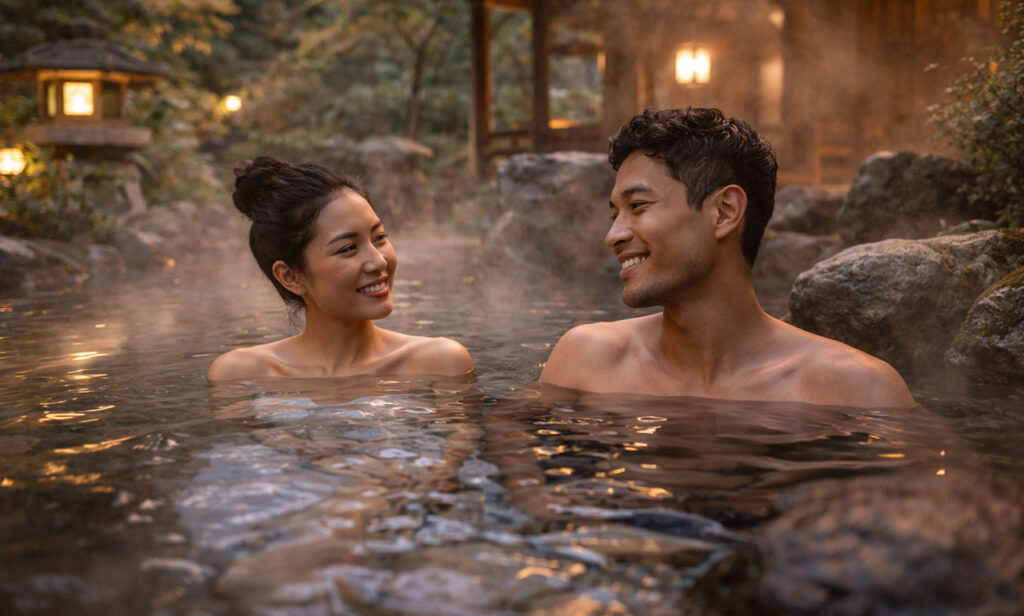
The Onsen Ritual: For locals, visiting an onsen isn’t just about bathing, it’s a spiritual reset. Sinking into a rotenburo (outdoor bath) while surrounded by nature is the ultimate way to connect with Japan’s volcanic roots. Tip: If you want to bathe together, look for ryokans that offer Kashikiri (private rental) baths.
Japan functions on shared respect. You don’t need to be perfect, but you need to try.
Onsen is amazing, but it has rules: Onsen Etiquette: A Respectful Guide
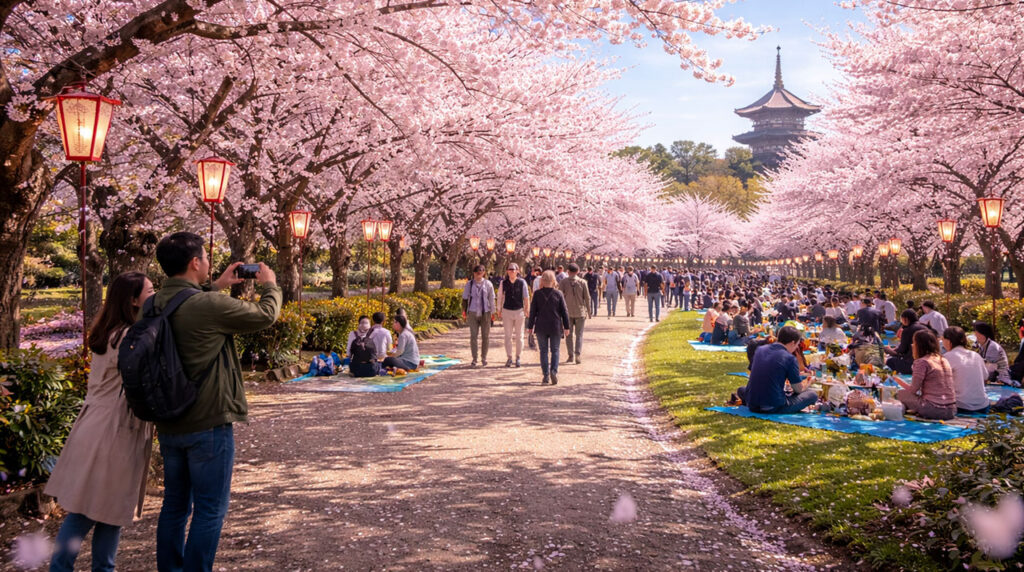
The Hanami Party: When the sakura (cherry blossoms) bloom, Japan turns into one big outdoor party. Join the locals on their blue tarps for hanami, the centuries-old tradition of eating, drinking, and appreciating the fleeting beauty of spring.
Cherry Blossoms (Sakura): Late March – Early April. Crowds are massive. Book hotels 6 months out.
Festivals & Heat: July/August is hot and humid. Best for fireworks (Hanabi) and climbing Mt. Fuji.
Foliage (Koyo): Nov – Early Dec. Arguably the best time to visit. Cool air, stunning red maples in Kyoto.
Snow & Onsen: Jan – Feb. Perfect for skiing in Hokkaido or seeing the “Snow Monkeys” in Nagano.
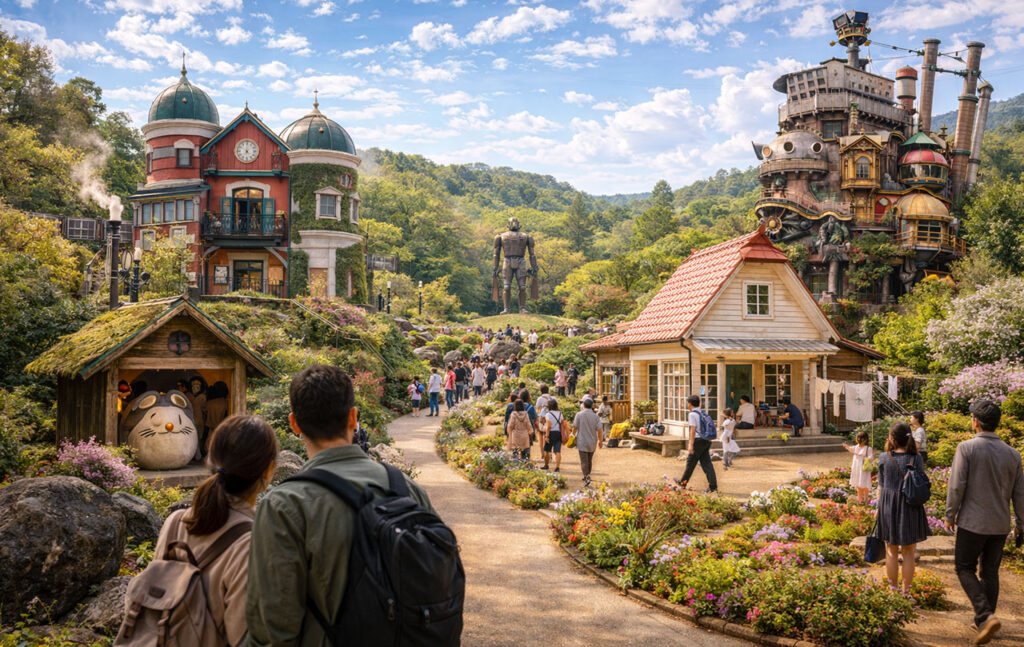
The Ghibli Booking Strategy: Walking through the Witch’s Valley feels like magic, but getting in requires serious planning. Tickets are area-specific and strictly reservation-only. There are no sales at the gate. To see Howl’s Castle or the Totoro shrine, you must book your slot roughly two months in advance the moment tickets go on sale.
Japan used to be spontaneous. In 2026, it rewards planning. These are the experiences that require locking things in early.
Japan changes fast. These are the 2026 headlines worth watching while you plan.
Why it matters: Many older guides still list this museum as closed. If it reopens during your travel window, it’s one of the best under-the-radar cultural wins in Tokyo.
Status: Expected late 2025 or sometime in 2026. Check official dates once your flights are booked.
Why it matters: If the concept launches as planned, this will be very different from USJ. Think outdoors, walking trails, and discovery rather than rides.
Status: Announced for 2026 timing. Treat this as a watch-list item until ticket rules and opening dates are confirmed.
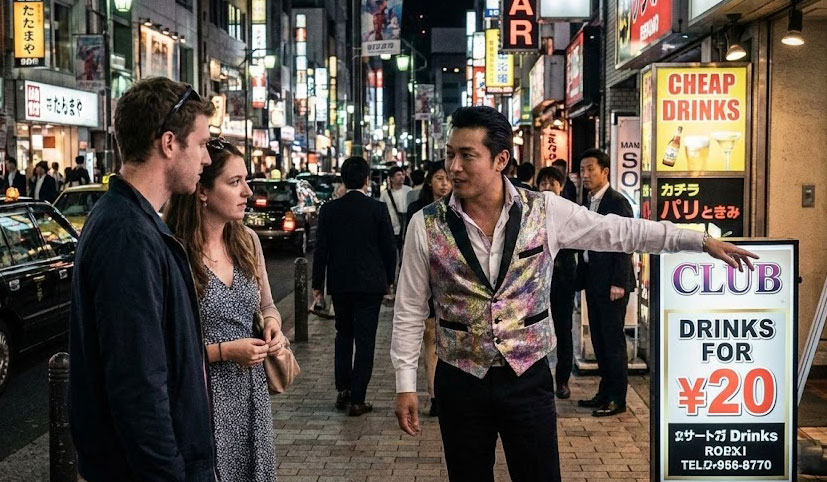
The “Cheap Drink” Trap: In nightlife areas like Roppongi and Kabukicho, touts may promise cheap drinks, then tack on surprise charges. The safest move is simple: never follow them.
Japan is incredibly safe, but it isn’t a utopia. Watch out for these few things:
Start planning your trip, then dive into food, culture, and standout experiences across Japan.
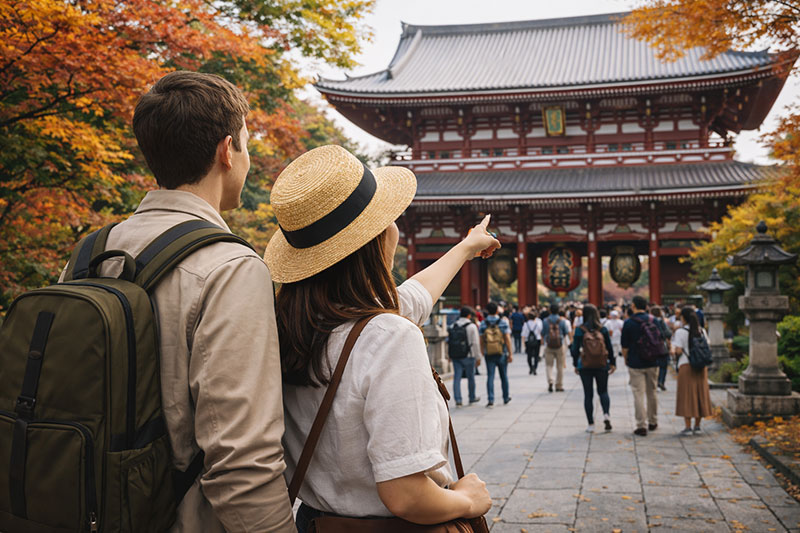
FIRST TIMERS
Get the logistics, etiquette, and pricing basics right before booking your trip.
Read More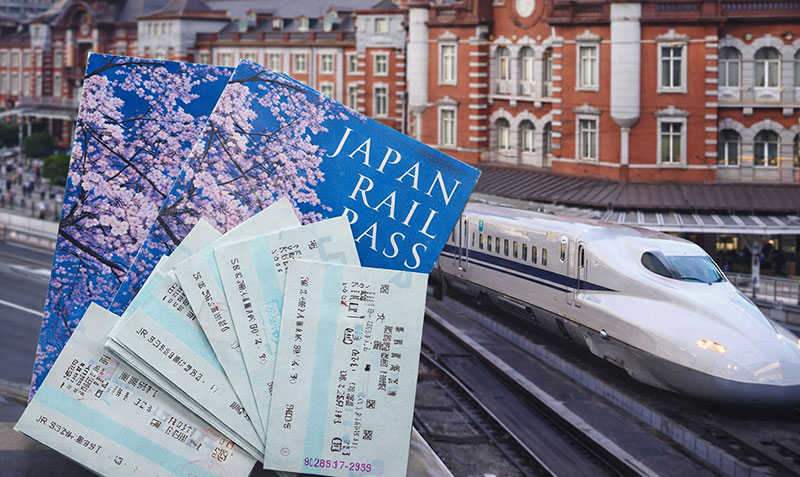
GET AROUND
Understand pricing, routes, and when the rail pass actually makes sense.
Read More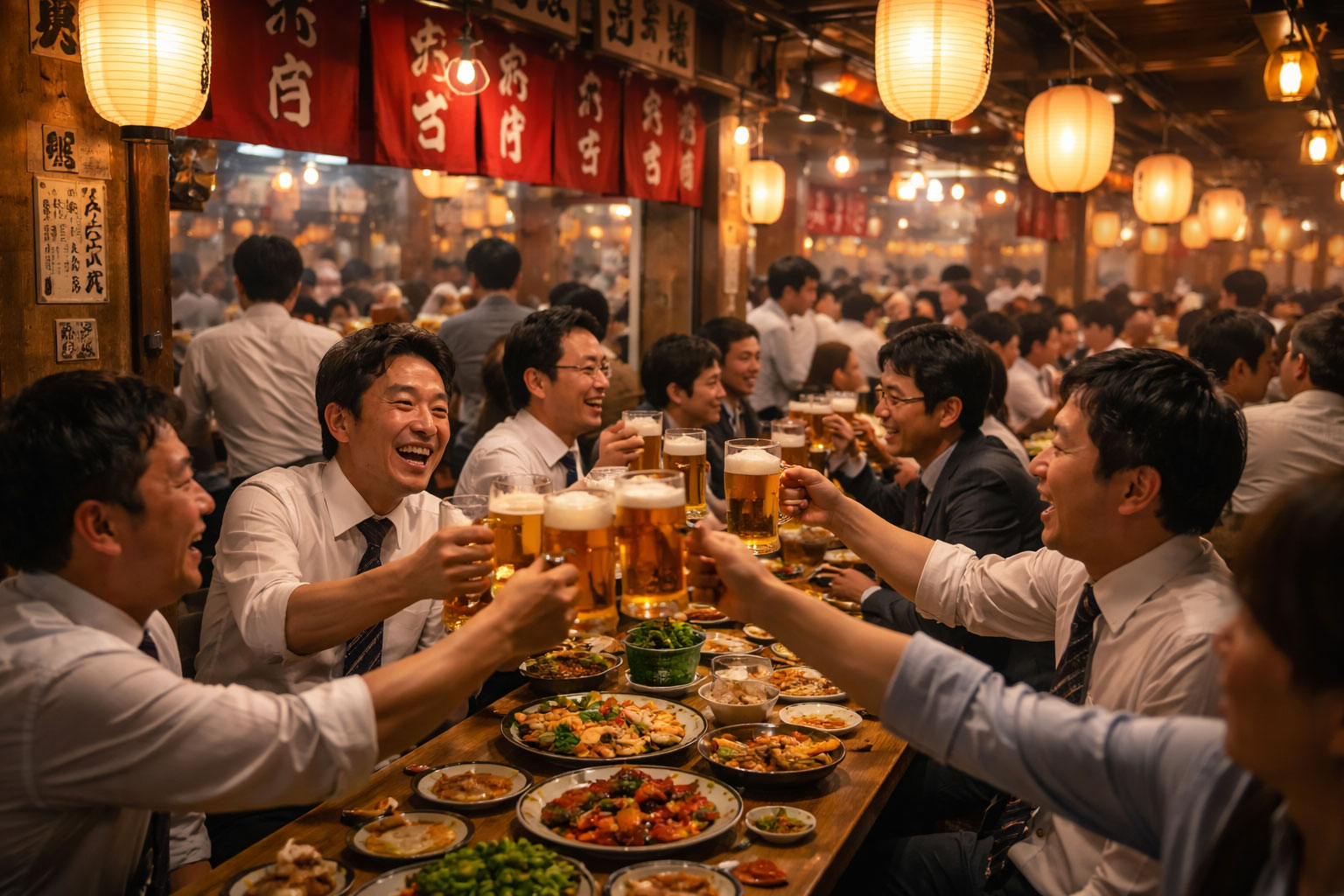
TOKYO FOOD
Find hidden gems and navigate Tokyo’s food scene beyond tourist spots.
Read More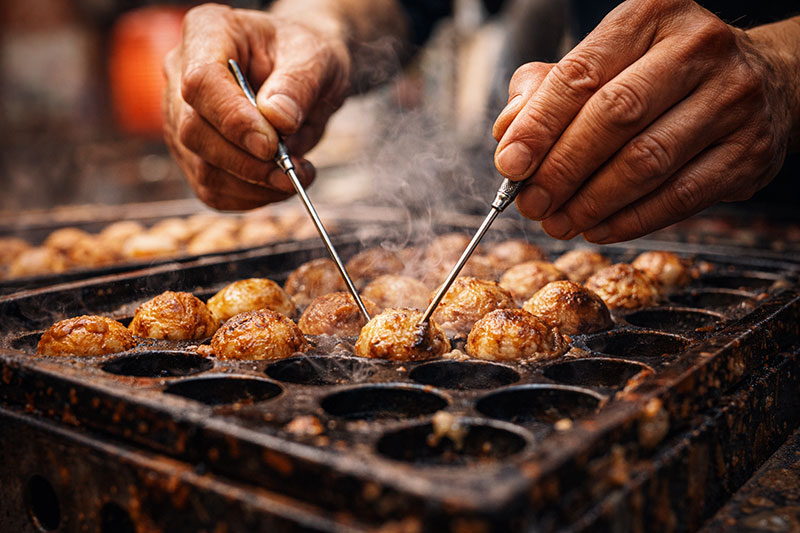
STREET FOOD
Eat your way through Japan’s food capital with must-try dishes.
Read More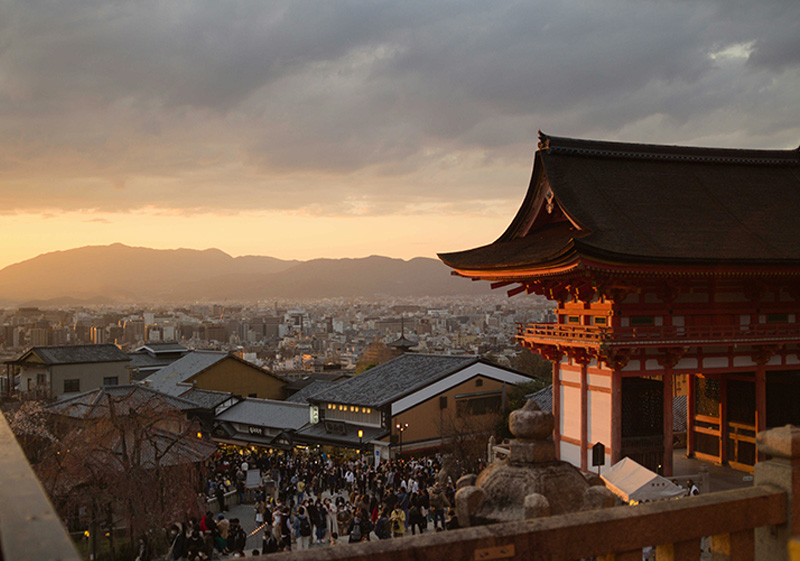
KYOTO
Temples, districts, and how to experience traditional Japan the right way.
Read More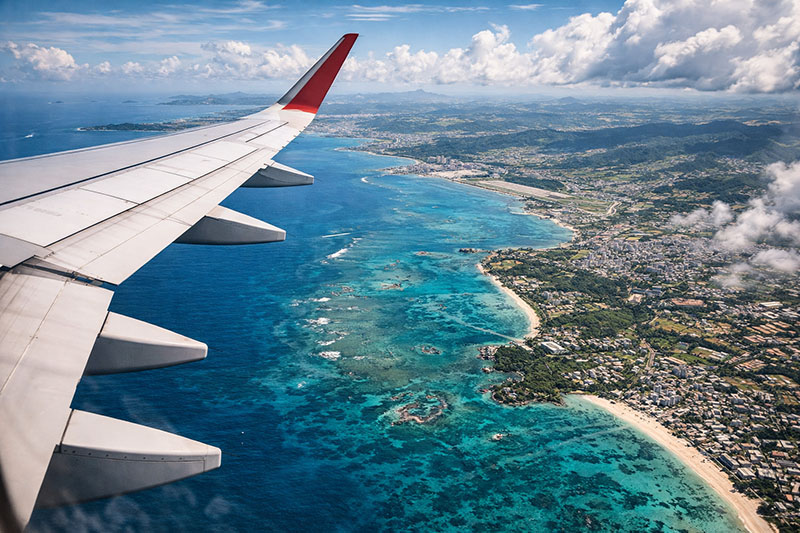
DESTINATION
Explore Japan’s tropical side with beaches, island culture, and slower travel.
Read MoreAccommodation and long-distance transport have become pricier in popular corridors, but the Yen has often been weaker against the USD/EUR in recent years, which can improve value for many visitors. Food and many entry fees are still relatively affordable by Western standards. A high-quality lunch can still be found for around $8-$15 USD depending on the neighborhood.
Tickets commonly go on sale on a set day each month for a future window (often around 2-3 months out), and they can sell out quickly. Check the official ticketing page for the exact release date and time for your travel month and be ready the moment sales open.
Yes, but “stroller reality” is tough in rush hour. Pro Tip: Children under 6 often ride free on JR trains when they share a seat with an adult (for example, sitting on your lap) or use non-reserved seating, but policies can vary by service type, so check the specific operator rules if you plan to reserve seats for everyone.
No. Google Translate and Google Lens (for reading menus) solve a huge percentage of language barriers. Locals are often extremely helpful even if they don’t speak English.
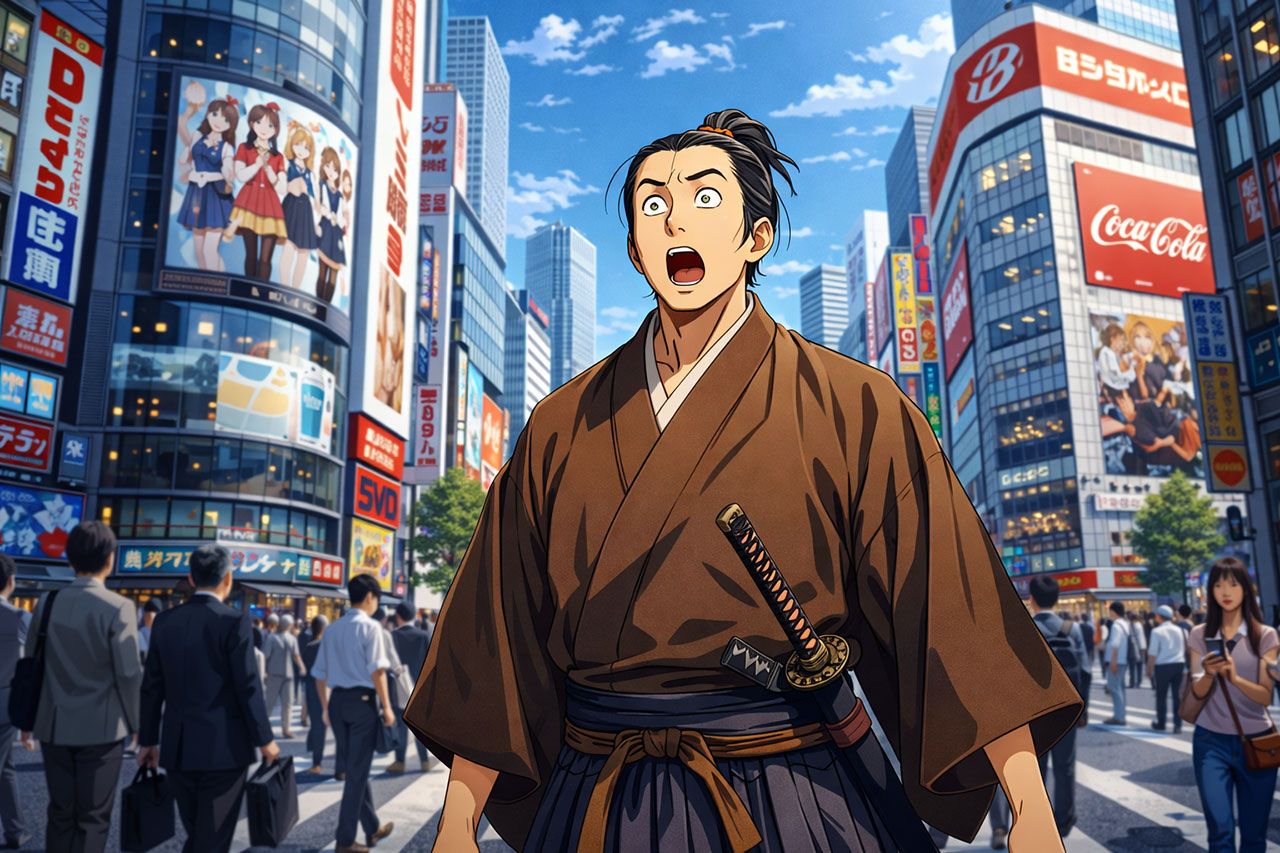
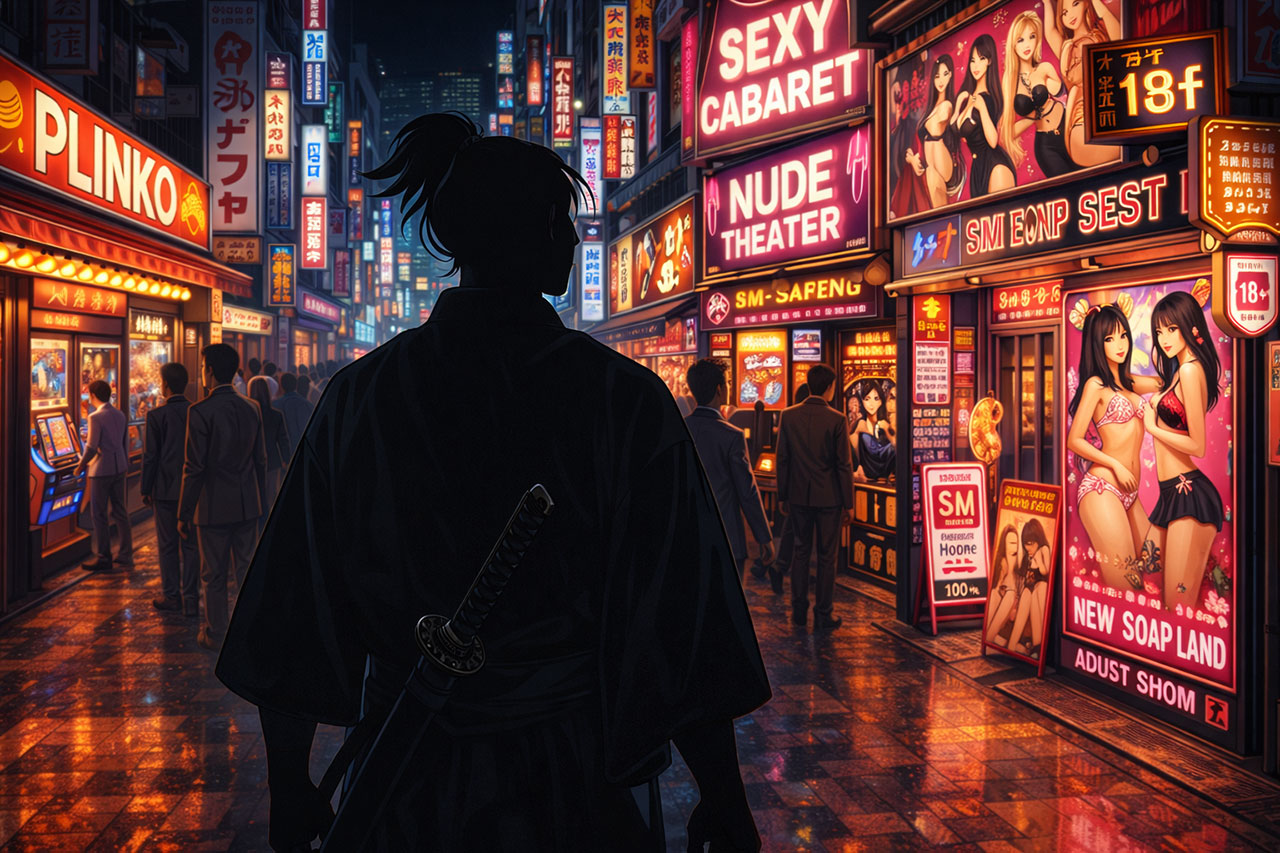
Tokyo has a way of blurring reality once the sun goes down. These two side stories come from nights that started normally and ended with conversations I still can’t fully explain, including one involving a samurai who seemed very unclear on what century he was in.