Travel Planning Hub
Start here to plan your trip, compare options, and explore every TLGA planning guide.
Packing & Gear Guide
What to pack, what to skip, and how to build a lighter travel setup that works.

By Corey Gasman
Japan is the only country I know where the anxiety of planning the trip is almost as high as the excitement of taking it. The train maps look like a bowl of spaghetti. The etiquette rules feel like a minefield. And everyone seems to have a different opinion on whether the JR Pass is still worth it in 2026.
Here is the honest truth: Japan is not difficult; it is just different. The systems work perfectly, but they don’t work the way you are used to.
For me, the moment Japan “clicked” wasn’t at a temple or a shrine. It was when I realized I could forward my heavy suitcase to my next hotel for $15 instead of dragging it through a crowded station. Once you learn the logistics, the country opens up.
Planning note: Do not over-plan your days. Japan is dense. A “15-minute walk” often takes 45 minutes because you will stop to look at five vending machines and a shrine along the way.
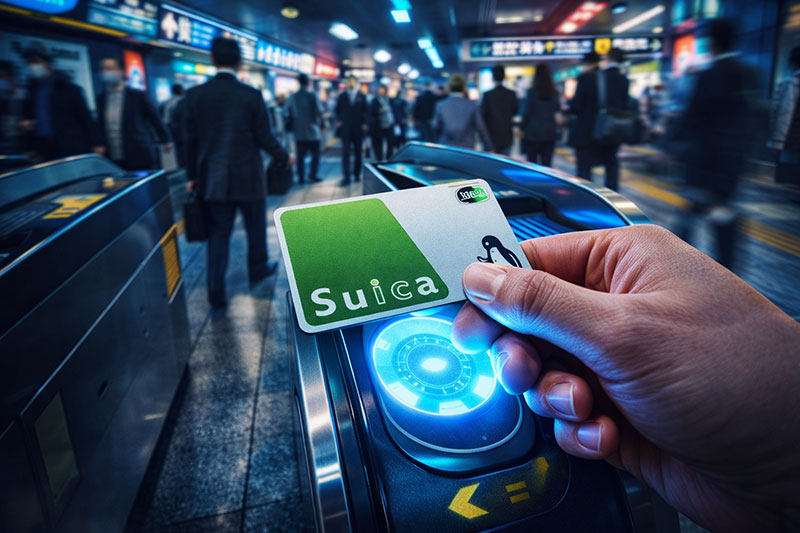
Tapping through a ticket gate in Tokyo. In 2026, you likely won’t even need a physical card, your phone is your ticket.
If you only do one logistical thing before you arrive, make it this: get your IC Card sorted. An IC card (Suica, Pasmo, or ICOCA) is a reloadable prepaid card you use for trains, buses, vending machines, and convenience stores.
In 2026, physical cards can still be hard to find due to lingering chip shortages. The solution is digital.
Guide Tip: Set Up Mobile Suica Before You Fly
If you have an iPhone, you do not need a physical card.
1. Open Apple Wallet.
2. Tap the “+” sign.
3. Search for “Suica” or “PASMO.”
4. Add money using a Mastercard or Amex (Visa sometimes fails with foreign cards).
You can now tap your phone at any ticket gate in Japan, even if your phone is asleep. You do not need to open the app. It just works.
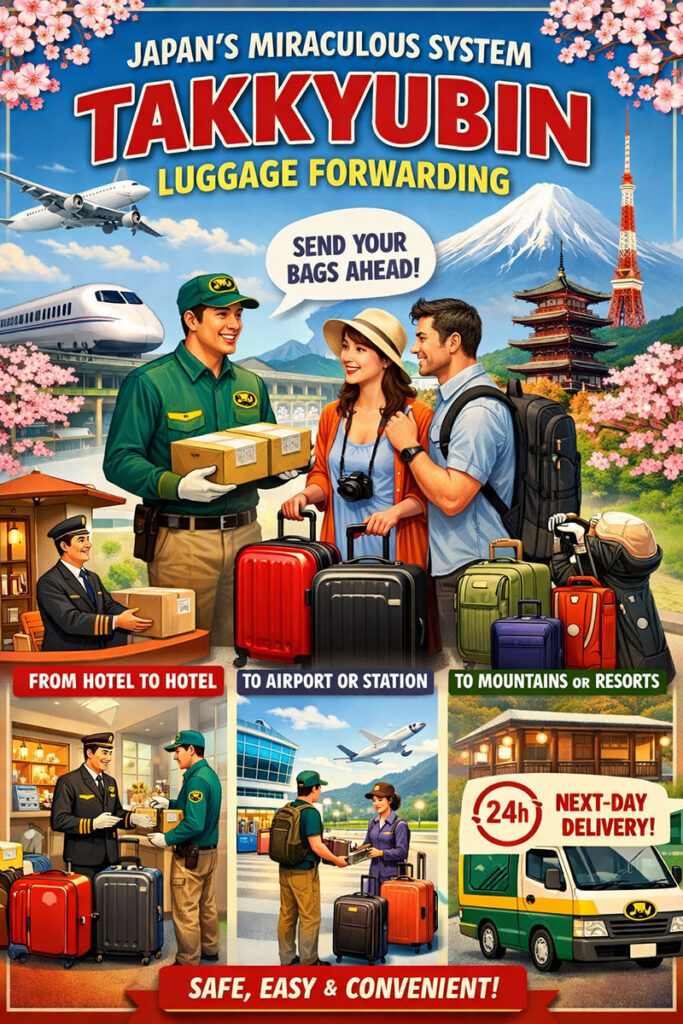
Japan’s takkyubin luggage forwarding system lets travelers send their bags ahead, making train travel and city hopping easy and stress-free.
Do not be the tourist dragging two massive suitcases onto a rush-hour train in Shinjuku. It is stressful for you and annoying for locals.
Japan has a miraculous system called Takkyubin (Luggage Forwarding). For about ¥2,500 (roughly $16–$18 USD), you can send your suitcase from your hotel in Tokyo to your hotel in Kyoto. It usually arrives the next day.
Most hotels will handle the paperwork for you. You just pack an overnight bag, hand over your big suitcase at the front desk, and walk to the train station hands-free.
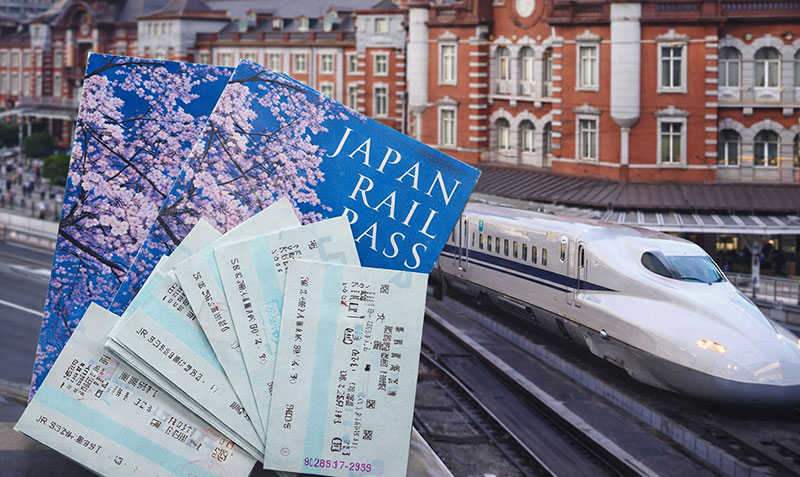
The Shinkansen platform. Since the price hike, the “point-to-point” ticket is often the smarter buy.
For decades, the JR Pass was a no-brainer. That changed with the massive price hike in late 2023. In 2026, for a standard “Golden Route” trip (Tokyo -> Kyoto -> Osaka -> Tokyo), the 7-day pass is more expensive than buying individual tickets.
Unless you are taking long-haul trips (like Tokyo to Hiroshima to Kyushu and back) within 7 days, buy point-to-point tickets. It gives you more flexibility and lets you ride the fastest trains (Nozomi), which the pass previously restricted.
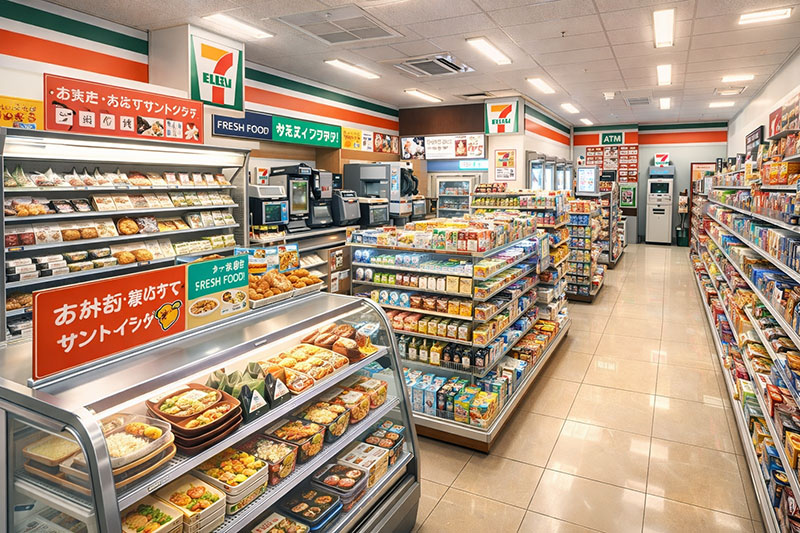
7-Eleven ATMs are the lifeblood of international travel in Japan. They are everywhere and always work.
Japan has modernized rapidly, but you still need cash. While department stores, hotels, and most restaurants take Visa/Mastercard, many ramen shops, ticket machines, and temples are cash only.
Do not exchange money at your home bank (the rates are terrible). Just bring your debit card and go to a 7-Eleven or Lawson ATM upon arrival.
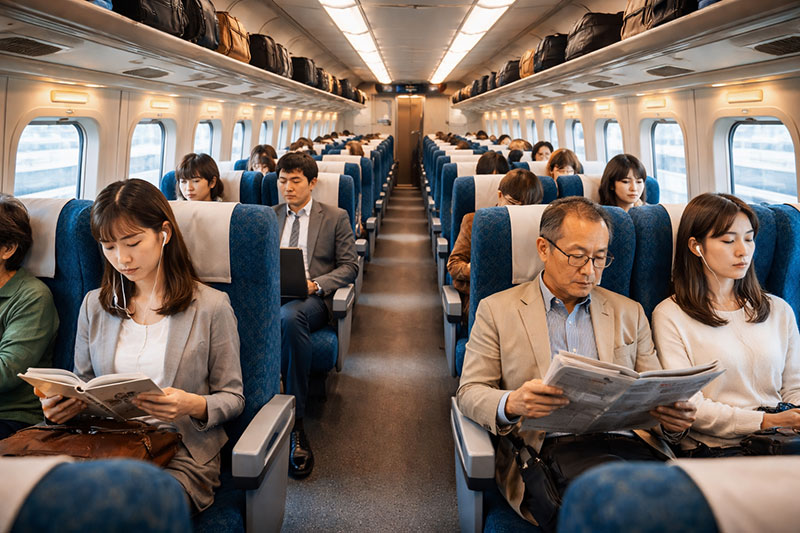
Inside a Japanese bullet train, where passengers ride quietly, respectfully, and comfortably as the Shinkansen speeds across the country.
You don’t need to stress about bowing perfectly. Japanese people know you are a foreigner. The biggest rule to follow is: Don’t be a nuisance.
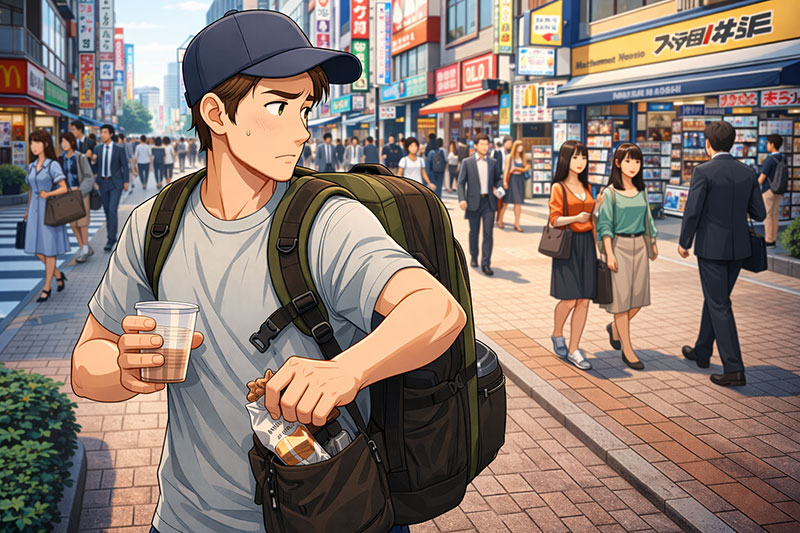
A familiar moment for first-time visitors to Japan: realizing there are no public trash cans, and learning to carry your trash until you get home or back to your hotel.
If a restaurant is listed as open until 11:00 PM, the Last Order (L.O.) is usually 30–60 minutes earlier. That means food orders often stop around 10:00 or 10:30 PM.
Walk in after L.O. and you will get a polite bow, crossed arms in an “X,” and a gentle refusal, even if diners are still eating inside.
Rule of thumb: arrive at least 45 minutes before the posted closing time.
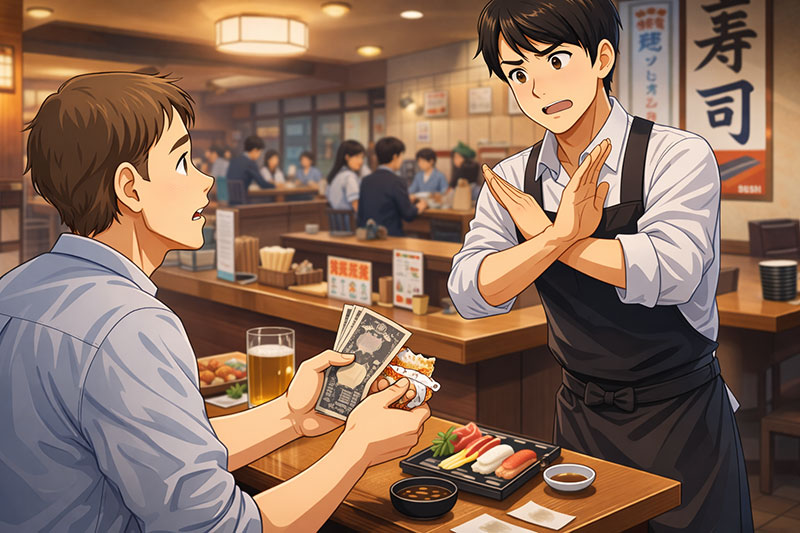
In Japan, tipping is not expected. Staff will politely refuse extra cash, as great service is already included.
Japan’s food culture is built on respect, rhythm, and restraint. Restaurants value quiet conversation, clean habits, and efficiency over lingering or loud dining. Eat what you order, follow the room, and do not rush the experience. Small gestures matter here.
Quick local rules to remember:
If you do that, you’ll fit in just fine.
• Skip strong perfume or cologne
At sushi and Wagyu counters, strong scents ruin delicate aromas. Some chefs will refuse service.
• Never tip
Tipping is confusing, not polite. Staff may chase you down to return the money.
• Don’t pass food chopstick to chopstick
This is a funeral ritual in Japan. If sharing food, place it on a plate first.
No. Tipping is not part of the culture and can actually cause confusion or offense. Excellent service is the standard, not an extra. A simple “Arigato gozaimasu” is all that is needed.
Prices have risen. Budget roughly ¥15,000–¥20,000 ($100–$135 USD) per person per day for mid-range travel (excluding flights). Hotels in Tokyo now average $150–$250/night for decent 3-star business hotels.
In major tourist areas, yes. In rural areas, no. But Google Translate (Camera mode) and kind locals make communication very manageable.