Travel Planning Hub
Start here to plan your trip, compare options, and explore every TLGA planning guide.
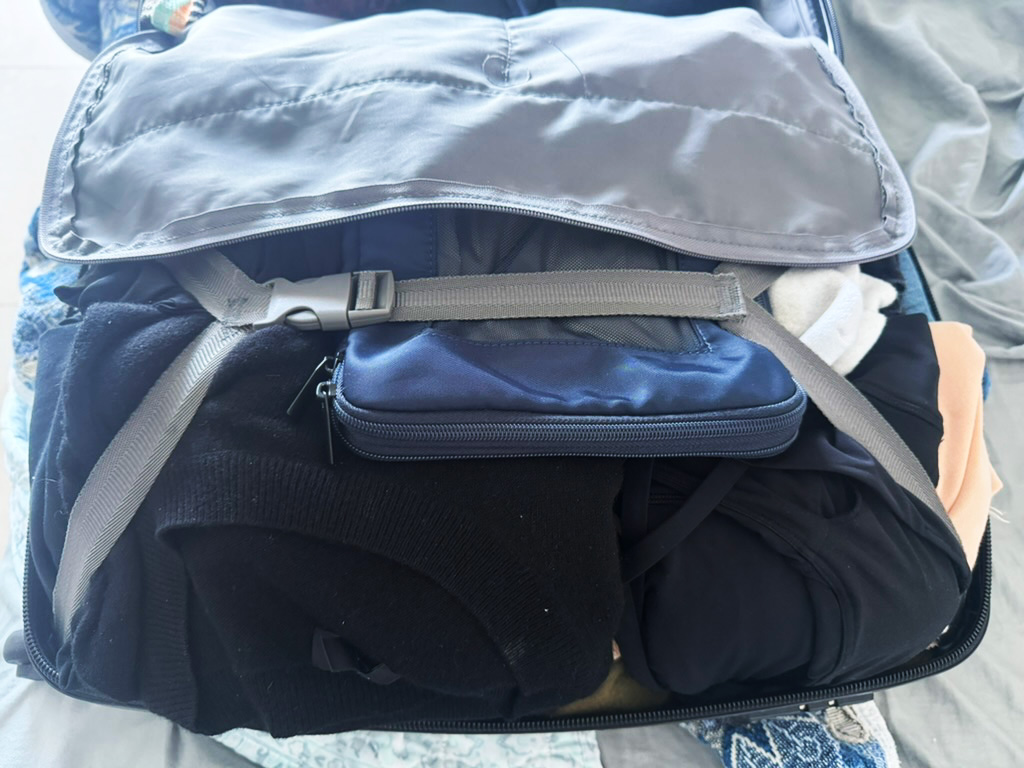
Packing & Gear Guide
What to pack, what to skip, and how to build a lighter travel setup that works.
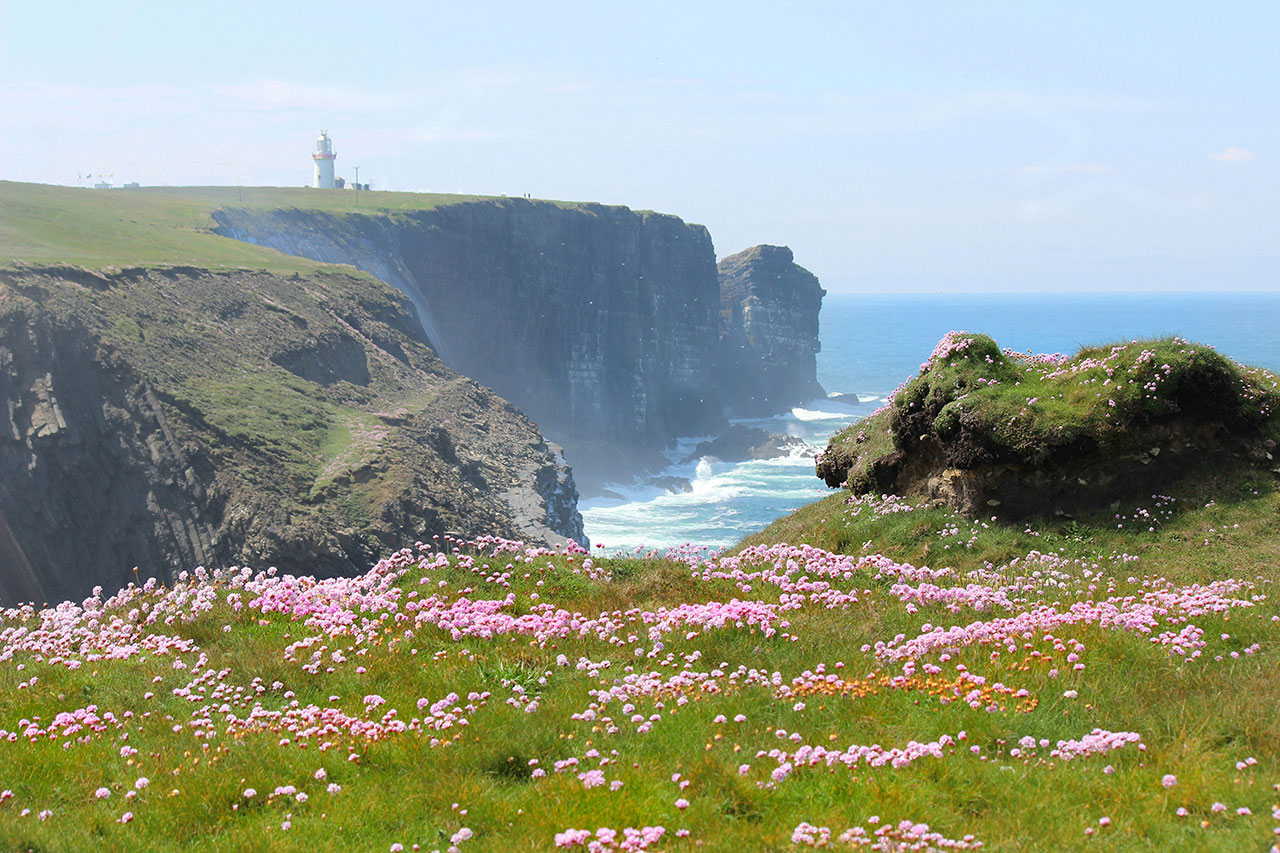
The iconic Cliffs of Moher in their spring colors. Visiting during the shoulder season offers a perfect balance of blooming coastal flora and the dramatic, moody landscapes that make the West of Ireland so legendary.
Last updated: January 2026 by Corey Gasman
From the Editor:
Ireland is the country I recommend when someone wants a trip that feels human. It is pub warmth, live music, coastal air, small towns with big personalities, and a history that still shapes the present.
The trick is simple: do not treat Ireland like a checklist. Choose fewer bases, plan for weather swings, and build your days around short drives, long meals, and evenings that end with a pint and a story.
Ireland is easy to travel, but it rewards travelers who plan around pace instead of pure mileage. The best trip is usually a Dublin start, one west coast base, and one scenic countryside base, not six hotels in ten days.
For 2026, the biggest planning wins are still timeless: book popular stays early, build buffer into driving days, and keep your itinerary flexible enough to follow the weather.
A quick Ireland lesson from the road:
Ireland days can change fast. One minute you are driving through mist and hedgerows, and the next you are staring at a coastline that looks like it belongs on a movie poster. When that happens, it is worth slowing down and letting the day breathe.
The takeaway: Build at least one open block every few days so you can detour to a castle, a viewpoint, or a pub with live music.
| Framework | Bases | Best for | Notes |
|---|---|---|---|
| Classic first-timer loop | Dublin → Galway → Killarney (or Dingle) | Balance: city + west coast + scenery | Keep drives short. Add 1 open “weather flex” half-day. |
| Food + pubs + scenery | Dublin → Galway | Walkable nights + day trips | Swap one day trip for a guided tour if you want zero driving stress. |
⭐️ The Golden Rule: Do not over-drive Ireland. One great base with day trips beats a new hotel every night.
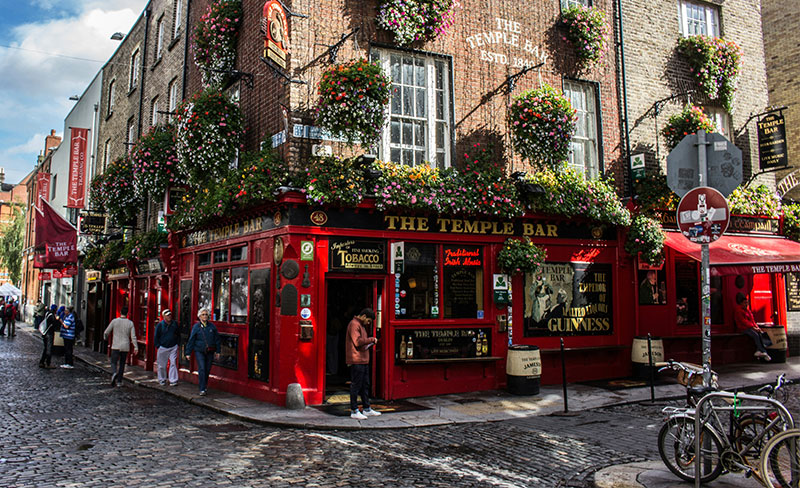
The Temple Bar, Dublin’s most photographed pub. While it’s the epicenter of the city’s tourist trail, its vibrant red facade and live music sessions remain a quintessential part of the neighborhood energy.
Ireland has not gotten harder. It has gotten more popular, especially in Dublin, along the Ring of Kerry, and on the Cliffs of Moher route. The good news is that the fixes are simple: book key stays early, start your sightseeing earlier than you think, and keep your driving days light.
Dublin can be a spike city. Hotels, popular pubs, and big-ticket attractions can book up, especially for weekends and summer. Lock in your stay first, then build the days around it.
Busy places are not a reason to skip Ireland. They are a reason to change timing and base strategy. Start earlier, stay longer in fewer places, and choose neighborhoods with a real daily rhythm.
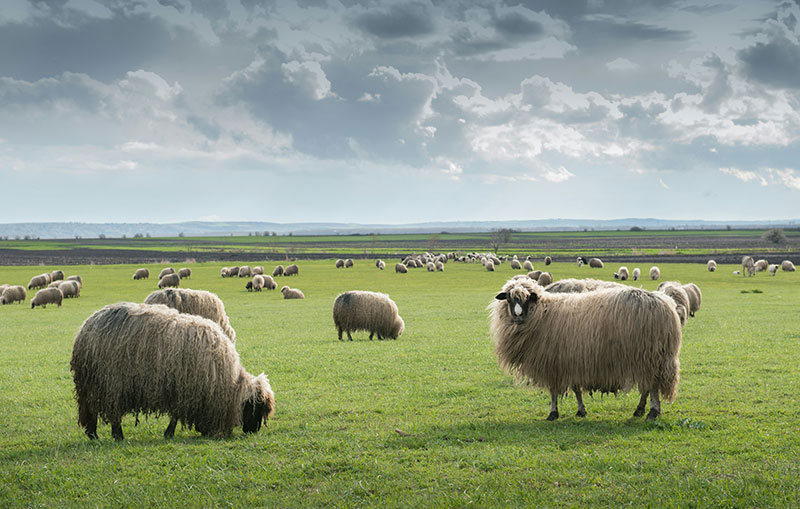
Ireland is season-sensitive in a different way. It is less about heat and more about daylight, storm patterns, and crowd density.
Your Ireland experience depends on daylight, weather patterns, and crowd levels. The same coastline can feel calm and cinematic in October, or packed and rushed in peak summer.
April, May, September, October are the sweet spot for most travelers. You get solid daylight, fewer crowds, and a more relaxed pace in popular areas.
June, July, August bring the longest days and the biggest crowds. It is awesome for road trips and late sunsets, but you need to book lodging earlier and plan popular stops strategically.
November to March can be excellent for city travel (Dublin, Galway), museums, and cozy pub culture, but storms and short daylight make it less ideal for a heavy scenic driving itinerary.
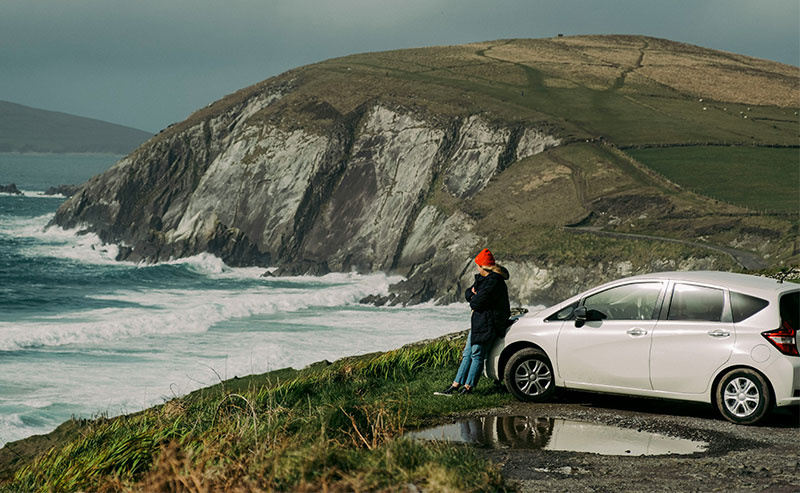
The scenic drive into Dingle, one of the most beautiful stretches of the Wild Atlantic Way, where the road hugs the rugged coastline of County Kerry.
Decide what your best days look like, then pick bases that support those days. Ireland has multiple lanes, and the best lane depends on how you like to travel.
| Travel style | Best bases | Car? | Best months |
|---|---|---|---|
| First trip, low stress | Dublin + Galway + Killarney (or Dingle) | Yes (after Dublin) | Apr–May, Sep–Oct |
| Food + pubs + walkable nights | Dublin + Galway | Optional | Year-round (best: Apr–May, Sep–Oct) |
| Scenery + classic landscapes | Galway + Killarney (or Dingle) | Yes | May, Sep–Oct |
If this is your first Ireland trip, keep it clean. Start with Dublin, add one west coast base, then finish with one countryside base (or reverse it).
Ireland itinerary in October (bases, pacing, and what actually worked)
If your priority is eating well and pub culture, lean into neighborhoods and reservations in Dublin, then choose a west coast city where you can walk to dinner and live music.
If the point is coastline and countryside, build the trip around one west coast base plus one southwest base. Keep driving days short, and give yourself permission to stop constantly.
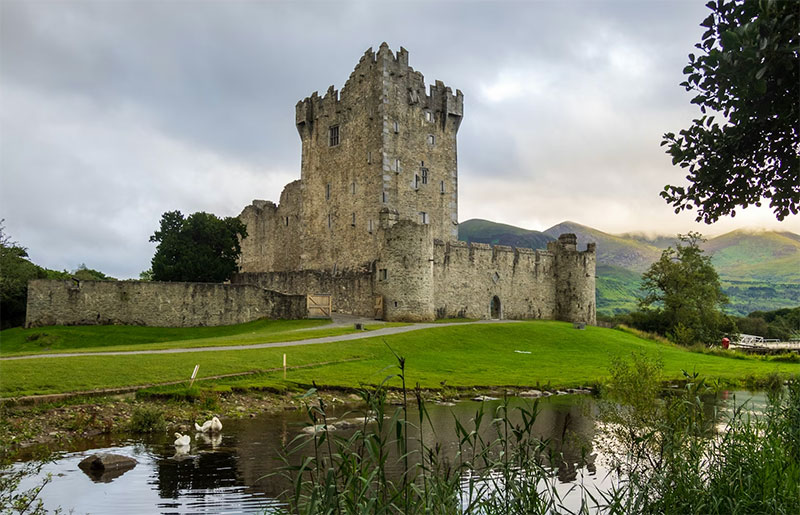
Ross Castle on the shores of Lough Leane, a centerpiece of Killarney National Park and a perfect starting point for exploring the lakes and ancient woodlands of County Kerry.
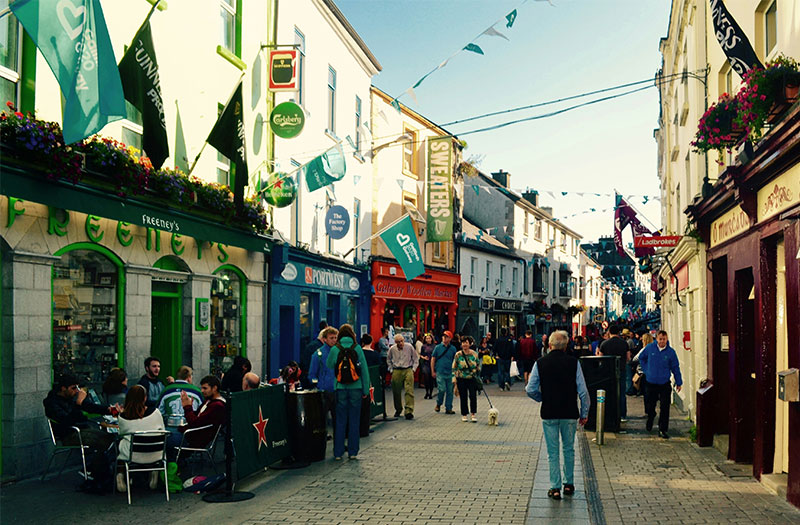
The vibrant heart of Galway City, Quay Street. This pedestrian stretch in the Latin Quarter is famous for colorful facades, live buskers, and medieval atmosphere.
Ireland is not one trip. Use this section to pick bases that reduce friction, keep drives realistic, and let you settle into a daily rhythm.
Dublin is a strong opener: easy arrival, walkable neighborhoods, museums, and pub culture that still feels alive. It is also a great place to do history and context before you hit the road.
Galway is a perfect walkable base on the west. It is compact, social, and a strong hub for day trips without changing hotels constantly.
This lane is the classic scenery core: national park time, lakes, viewpoints, and the kind of landscape that makes you pull over every ten minutes.
If you have more time, Northern Ireland is a fantastic region. Treat it as its own leg, not a quick detour. While there is no physical border checkpoint, speed limits change from km/h to mph and currency changes from Euros to Pounds instantly.
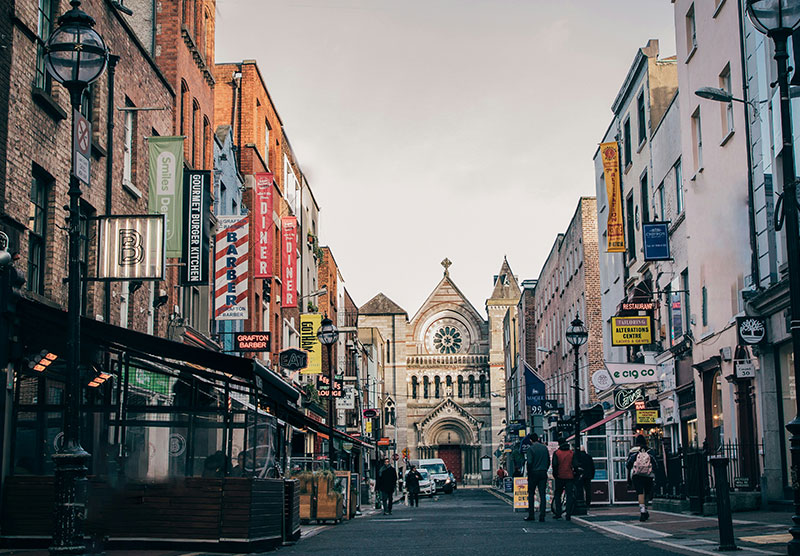
Strolling down Anne Street toward South Anne Street, one of Dublin’s charming pedestrian lanes, perfect for picking up artisanal snacks or stopping for a coffee between city sights.
Pick neighborhoods like you are designing a daily loop: coffee, a park or landmark, easy transit, and dinner or pubs you can walk to without stress.
Dublin is very walkable, but neighborhood choice matters for vibe, noise, and price.
| Neighborhood | Vibe | Stay Here If… |
|---|---|---|
| Temple Bar (edge) | Central, lively | You want to be close, but choose a quieter street nearby. |
| Trinity / City Centre | Convenient, walkable | You want an easy first trip base for sights. |
| St. Stephen’s Green area | Calmer, upscale | You want quieter sleep and a polished feel. |
| Docklands | Modern, newer hotels | You prefer modern rooms and a less touristy night scene. |
Galway is compact. The best choice is usually “walkable to the core without being under the loudest late-night lanes.”
| Area | Vibe | Stay Here If… |
|---|---|---|
| Latin Quarter (edge) | Historic, lively | You want pubs and dinner within steps, but pick quieter blocks. |
| City Centre core | Convenient | You want the easiest walking access to everything. |
| Salthill | Seaside, relaxed | You want a calmer feel with a promenade walk. |
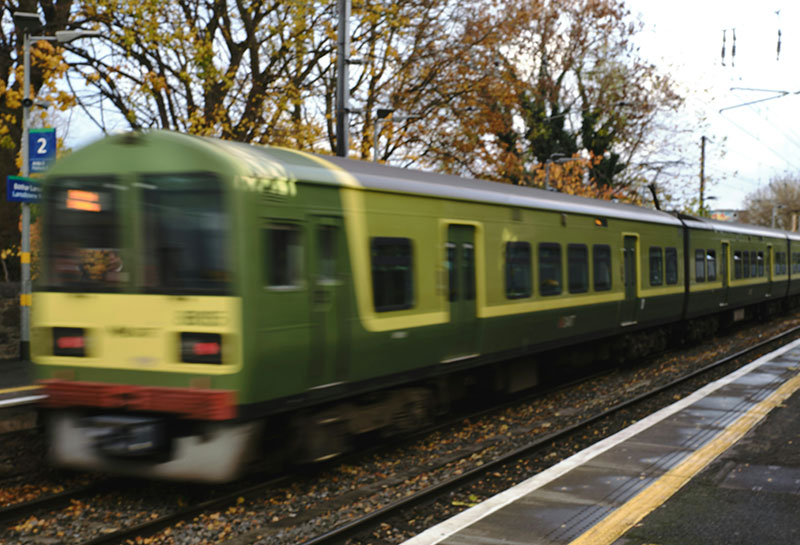
Ireland is a bus-and-train country for city links, and a car country for the countryside and coast.
Ireland is straightforward: use public transit for city-to-city links when it fits your route, and use a car for rural lanes, scenic drives, and flexible stops.
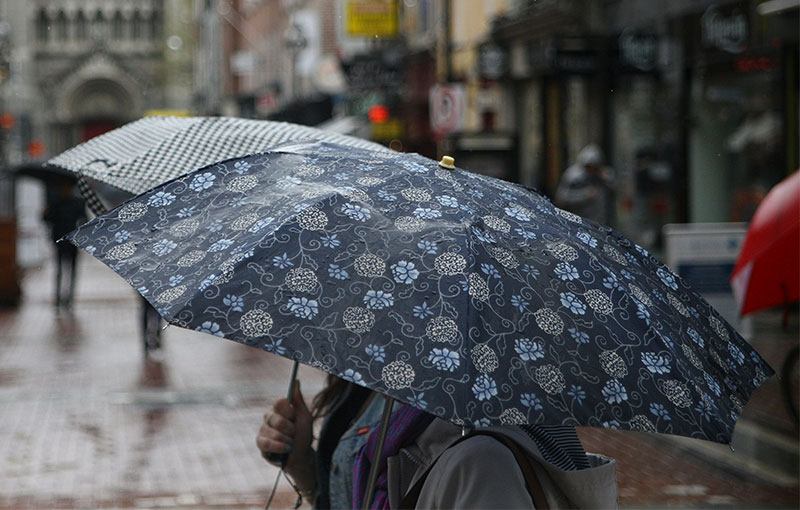
Embracing the rain in Dublin. While the weather can change in an instant, the city remains vibrant, with damp streets adding a classic atmospheric glow to the historic architecture.
Packing for Ireland is not about temperature; it is about wind and layers. The weather changes every 20 minutes, so your outfit needs to adapt just as fast.
Do not bring an umbrella. Coastal wind will destroy it fast. Instead, invest in a good waterproof shell with a hood. This is your most important piece of gear.
Base: T-shirt or light layer.
Warmth: Fleece or wool sweater (easy to take off in a warm pub).
Shell: Rain jacket to block wind and mist.
Feet: Waterproof walking shoes or boots are non-negotiable.
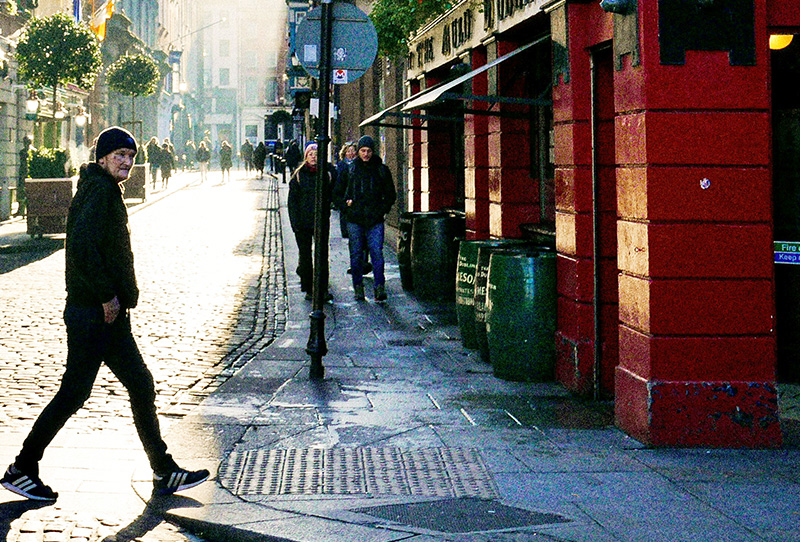
While Dublin is generally a very safe city for travelers, the high-energy streets of Temple Bar require a bit of common sense. The most frequent risks are petty pickpocketing in crowded areas and the occasional late-night rowdiness outside popular pubs, so keeping your phone secure and staying aware of your surroundings after dark is usually all you need for a smooth visit.
>
Ireland is welcoming, but the best trips are built on good guest energy: respect small towns, keep noise down in residential areas, and remember that locals are living their normal life around your vacation.
How to be a “Good Guest” in Ireland:
The main risks are basic city travel stuff: keep your phone secure in crowded areas, especially in Dublin’s busiest zones.
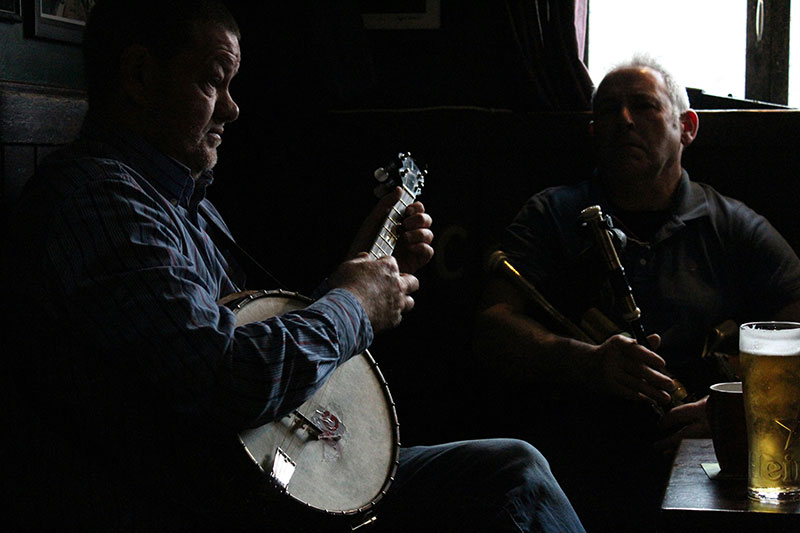
The heart of Irish culture: a traditional music session. These informal gatherings are the lifeblood of the local pub scene, where musicians come together to share tunes and stories.
Ireland lodging is usually straightforward. Your comfort comes down to location, noise reality, and how much you want to drive each day.
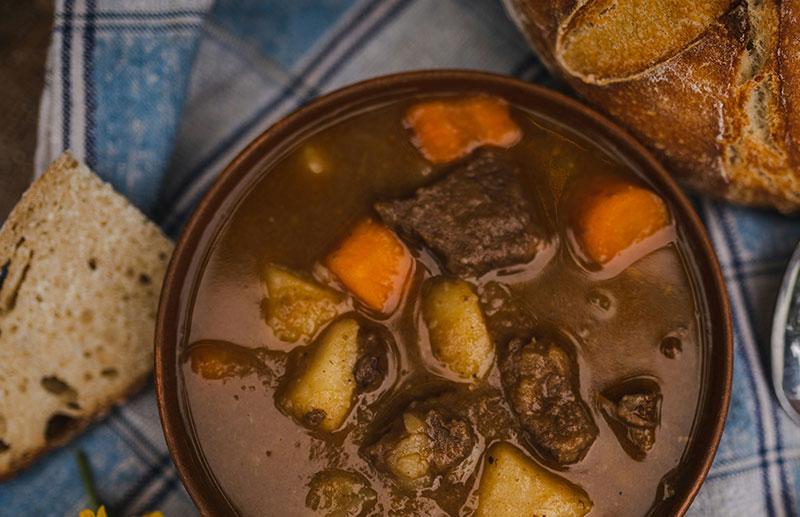
The ultimate Irish comfort food: a bowl of classic beef stew. Perfect for a rainy afternoon, this hearty dish is a staple of pub menus across the country and is best enjoyed with a side of thick brown soda bread.
Ireland food is about hearty simplicity and good ingredients. Add pub culture and live music, and you get evenings that are easy to love.
| Breakfast | Often big. If your B&B includes it, take advantage. It can carry you until late lunch. |
| Lunch | Soup, sandwiches, seafood, or a pub meal. Great for warming up on wet days. |
| Dinner | Earlier than Southern Europe. Book popular spots in Dublin on weekends. |
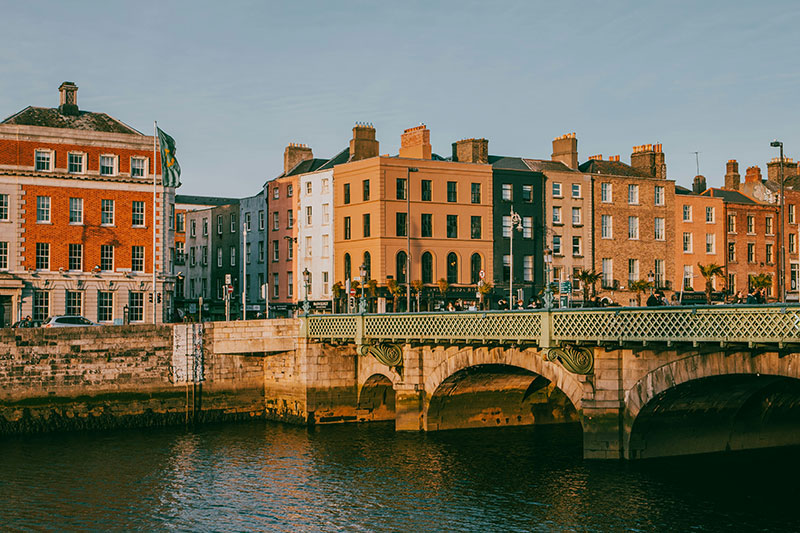
Sunset over the River Liffey. Crossing the historic Ha’penny Bridge is a quintessential Dublin experience, offering great views as the city transitions from day to night.
Ireland costs are manageable when you choose fewer bases and book key stays early. The biggest money leaks are last-minute Dublin weekends, peak summer rates in popular scenic areas, and over-paying for tourist-zone meals.
Read: Travel Finance Guide
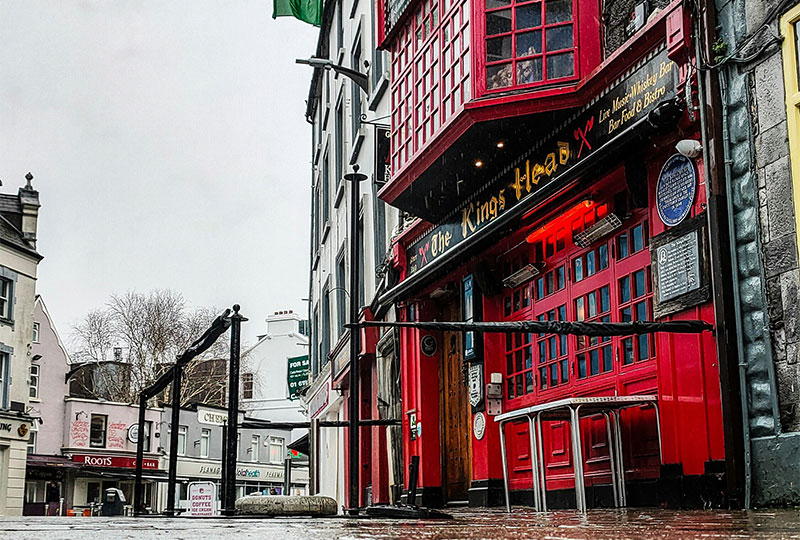
The King’s Head in Galway. Built into a centuries-old building, it remains a cornerstone of the Latin Quarter, famous for live music, local oysters, and a classic pub atmosphere.
Ireland is easygoing, but your trip flows better when you respect the rhythm: book popular restaurants, drive patiently, and keep pub culture about community, not volume.
Rain Strategy (the Ireland cheat code):
Do not fight the weather. Use it. When it rains, do museums, a long lunch, a distillery, or a pub with live music. When it clears, go outside immediately.
Historic sites are still living places. Be respectful with photos, noise, and any posted rules.
Ireland does not require a complicated tech setup. A few basic tools make everything smoother:
Reality: You do not need five apps. You need reliable data, Google Maps, and a working payment card.
It depends. If your trip is mostly Dublin plus one walkable city base, you can do a lot with trains, buses, and one guided day trip. If countryside and coastal lanes are the point, a rental car is the best tool.
7 to 10 days is a strong first trip window. That usually supports Dublin plus one west coast base plus one countryside base without rushing.
Dublin is worth it for context, neighborhoods, and food, but you do not need a full week there. Two to four nights is the sweet spot for most travelers.
It can be, especially in Dublin and during summer in high-demand scenic areas. The biggest savings come from booking lodging early, choosing fewer bases, and eating one great lunch instead of only expensive dinners.
Over-driving and over-moving. Ireland looks small on a map, but rural driving is slower than you think. Fewer bases creates a dramatically better trip.