Travel Planning Hub
Start here to plan your trip, compare options, and explore every TLGA planning guide.

Packing & Gear Guide
What to pack, what to skip, and how to build a lighter travel setup that works.

Last updated: April 2026 by Corey Gasman
From the Editor:
I’ve always been drawn to Japan through movies and books long before ever setting foot here. The quiet temples in the woods, the slow movements of a tea ceremony, the idea of geisha and samurai and a culture built on subtle details.
Kyoto is where that version of Japan actually lives.
You walk through these narrow streets early in the morning, hear almost nothing, and realize the version you saw growing up did not come out of nowhere. It came from places like this.
Anthony Bourdain once wrote, “Travel isn’t always pretty. It isn’t always comfortable.” Kyoto fits that idea better than most places. It is beautiful, but it also asks something of you. Patience. Awareness. A willingness to slow down instead of treating the city like a checklist.
Ichigo ichie means one time, one meeting. Every moment happens once and never quite the same again.
That is Kyoto. You do not rush it. You show up, slow down, and let it come to you.
Kyoto runs on timing. The same street can feel calm and almost empty at 6:30 in the morning, then completely packed a few hours later. That is the difference between feeling like you found the old city and feeling like you walked into a crowd funnel.
With a short stay, you are not trying to see everything. You are trying to feel the rhythm of the city. Quiet mornings. Slower afternoons. Evenings where the lanterns come on, the river cools down, and Kyoto starts to feel lived in again.
This guide is built for a three to four day Kyoto stay, especially if you are flying into Japan, using Tokyo or Osaka as your main hub, and taking the bullet train down for a short cultural reset.
TLGA Rule: Get up early. Everything else gets easier after that.
Start with the Japan Travel Guide before you lock in Kyoto.
Quick Kyoto Plan:
Day 1 → Downtown Kyoto, Nishiki Market, Kamo River walk, Pontocho Alley
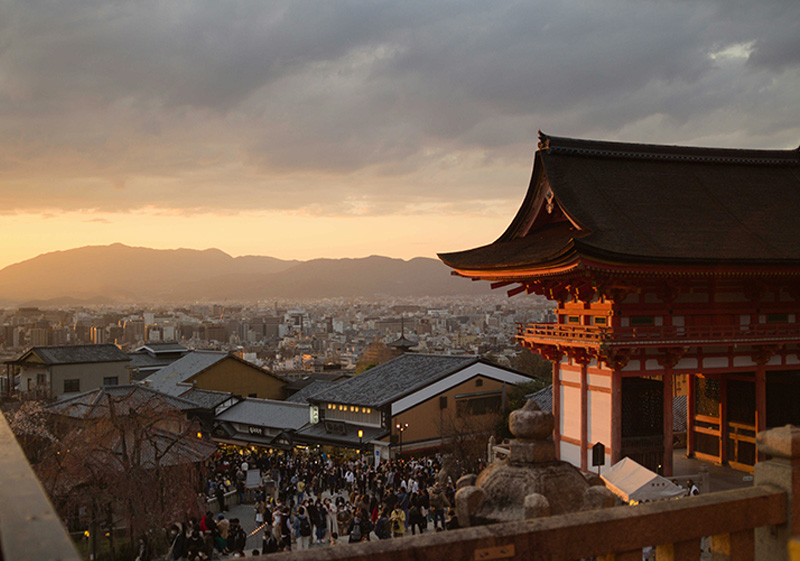
Day 2 → Eastern Kyoto, Kiyomizu-dera, Higashiyama, Gion
Day 3 → Western Kyoto, Arashiyama bamboo, Otagi Nenbutsuji, Giōji
Day 4 → Fushimi Inari at dawn, then board the Shinkansen
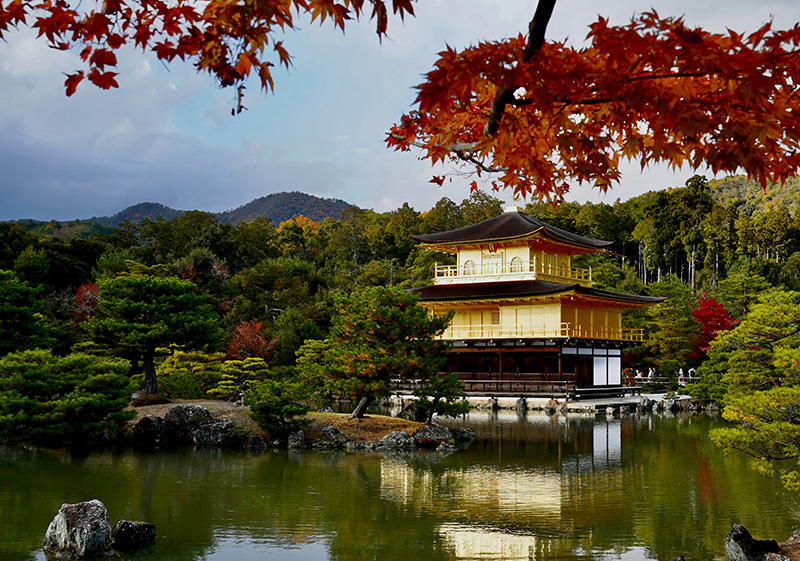
Kyoto rewards early mornings. The difference between 6:30 AM and 10:00 AM is the entire experience.
Think of Kyoto in zones: downtown, eastern Kyoto, western Kyoto, and southern Kyoto. If you group your days that way, the city feels much easier. If you bounce back and forth across town all day, Kyoto gets tiring fast.
The goal is not to collect temples. The goal is to see the big moments at the right time, then leave room for the smaller things: a quiet side street, a bowl of noodles, a river walk, a lantern coming on just as the evening starts to cool down.
| Place | Best Time | Why It Matters |
|---|---|---|
| Fushimi Inari Taisha | 6:00 to 6:30 AM | The lower gates fill fast. Start early and keep walking uphill for quieter sections. |
| Kiyomizu-dera | 6:00 to 7:30 AM | The temple opens early, and the surrounding streets get crowded by late morning. |
| Yasaka Pagoda / Ninenzaka | 6:00 to 7:00 AM | Best photos before delivery trucks, tour groups, and rental kimono crowds arrive. |
| Arashiyama Bamboo Grove | Before 8:00 AM | Once the path fills, the quiet feeling disappears. |
| Pontocho Alley | Just before sunset | Arrive as the lanterns turn on, then settle into dinner without blocking the alley. |
Drop your bags, get your bearings, and keep the first day light. Start with Nishiki Market, then drift east toward the Kamo River. This is a good first Kyoto day because it does not ask too much of you after a train ride. You eat a little, walk a little, and let the city settle in.
In the evening, head toward Pontocho Alley before sunset. Walk it once before choosing a spot. The best part of Pontocho is not rushing into the first doorway you see. It is watching the lanterns come on and feeling the lane change.
This is your postcard Kyoto day. Start at Kiyomizu-dera as early as you can, then walk down through Sannenzaka and Ninenzaka while the streets are still waking up. This area changes fast. Around 9:30 AM, the mood starts shifting from quiet to crowded.
After the temple streets, work your way toward Yasaka Shrine and Gion. Do not try to force every temple into this day. The walk itself is the point.
Arashiyama is best early. Get to the bamboo grove before 8:00 AM if you want it to feel calm. After that, slow down. Cross Togetsukyo Bridge, walk deeper into the quieter temple areas, or head toward Otagi Nenbutsuji and Giōji if you want a less crowded version of western Kyoto.
This is the day where you should resist the urge to stack too much. Arashiyama works best when you let it breathe.
Make Fushimi Inari your final early morning if your train timing allows it. Get there around sunrise, walk past the first packed sections, and keep going. Most visitors do not go far enough. The higher you climb, the quieter it gets.
Local Guide Tip: If you only have three days, combine Fushimi Inari with your Eastern Kyoto day and keep Arashiyama as its own morning.
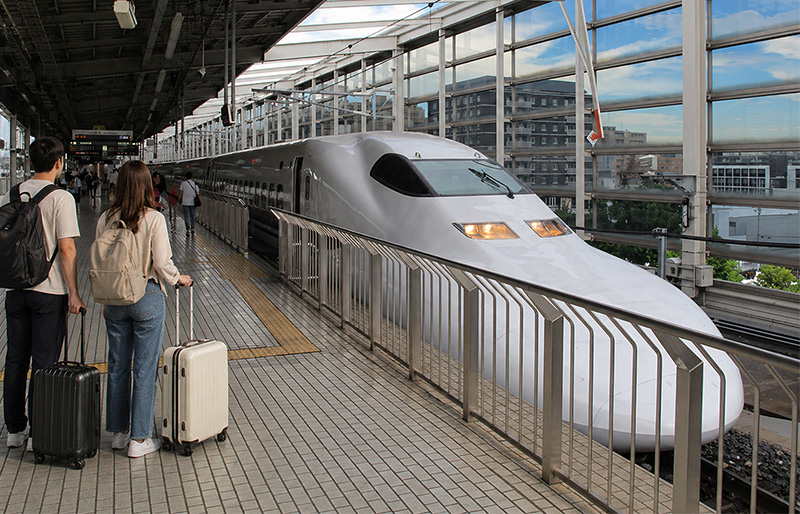
Catching the Shinkansen at Kyoto Station. Fast, efficient, and one of the easiest ways to move between cities in Japan.
Kyoto is not hard to visit, but small choices make a big difference. Luggage, buses, and timing are usually what wear people down. Get those right and the city feels much smoother.
If you are coming from Tokyo or Osaka, use luggage forwarding instead of dragging big bags through Kyoto. Yamato Transport, often called the Black Cat service, can send bags between hotels and many major destinations. For a short Kyoto stay, this can be the difference between starting your trip relaxed and starting it sweaty and annoyed.
If Kyoto is only three or four days in the middle of a longer Japan trip, consider forwarding larger luggage to your next hotel or airport and carrying only a backpack or small overnight bag in Kyoto.
Yamato Transport luggage forwarding
A digital IC card on your phone makes Japan easier. You can use it for trains, subways, buses, convenience stores, vending machines, and small daily purchases. Add Suica or PASMO to your phone wallet before you arrive if your device supports it.
Kyoto buses are useful, but they get slow and crowded during peak travel hours. Google Maps is helpful, but it can make bus travel look smoother than it feels in real life. When possible, use the Karasuma and Tozai subway lines to cover longer jumps, then walk the final stretch.
Walking is part of Kyoto. The side streets are often better than the destination.
Pro Tip: Check Kyoto’s official tourism site for crowd and seasonal updates before major sightseeing days: Kyoto Travel Official Site.
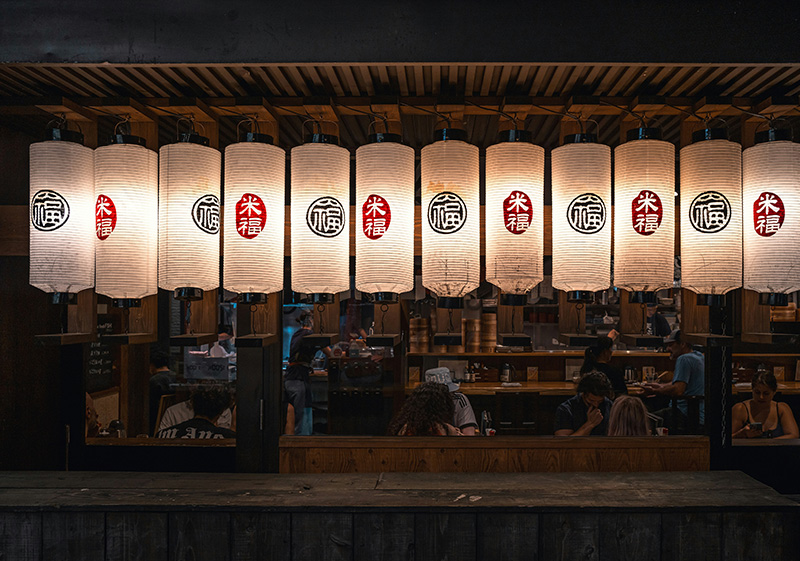
The right base in Kyoto is not about luxury first. It is about being close enough to food, trains, and evening walks that the city feels easy.
Where you stay in Kyoto changes the whole trip. A good base lets you walk out for dinner, start early without stress, and come back for a break when your feet are done. A bad base makes every day feel like a commute.
This is the easiest all-around choice for a short trip. You are close to restaurants, shopping streets, the Kamo River, Pontocho, and useful transit. It does not always feel as old-world as Gion, but it makes the city much easier to use.
This is the Kyoto people imagine: wooden streets, tea houses, narrow lanes, and quiet mornings. It can be beautiful, especially before the crowds arrive. The tradeoff is price and daytime congestion. Stay here if atmosphere matters more than convenience.
This is the practical choice. It works well if you are arriving late, leaving early, or using Kyoto as a rail base. The downside is simple: it feels more like a station district than Kyoto.
| Place to Stay | Style | Why It Works |
|---|---|---|
| Hotel The Mitsui Kyoto | High-end | Near Nijo Castle, with a refined garden setting and a deep sense of place. |
| Ace Hotel Kyoto | Design hotel | A stylish Nakagyo base with strong design, subway access, and a lively feel. |
| Cross Hotel Kyoto | Modern mid-range | Very central, clean, easy, and close to Pontocho and Kawaramachi dining. |
| Hotel Kanra Kyoto | Modern Japanese | Closer to Kyoto Station, with a quiet, polished take on traditional design. |
| Piece Hostel Sanjo | Budget | A strong budget option with private rooms and an excellent central location. |
| The Millennials Kyoto | Capsule / budget | A central smart-pod option for solo travelers who mostly need a clean place to sleep. |
Local Guide Tip: For a first short stay, I would rather be in a good central location than a more impressive hotel far from the daily route.
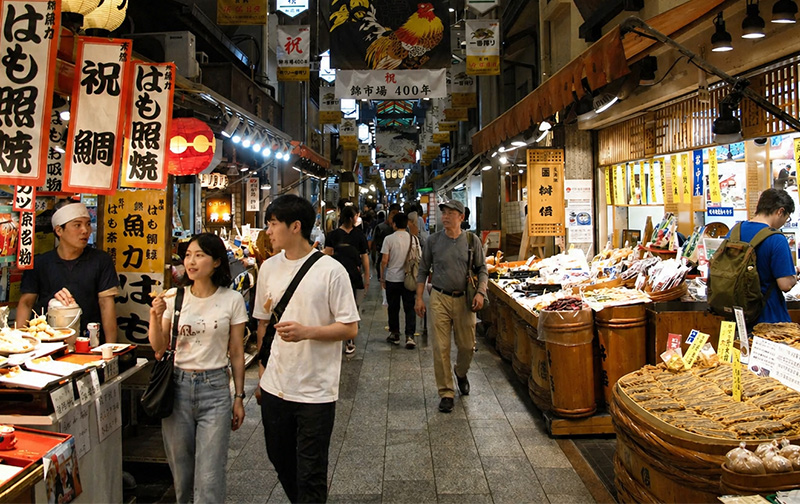
Kyoto food is quieter than Osaka or Tokyo. The best meals are often small, focused, and easy to miss if you are only looking for the famous places.Eating your way through Kyoto starts here. Nishiki Market is where locals and travelers mix, grabbing small bites, trying new flavors, and slowing down long enough to actually enjoy the food.
Kyoto food is not loud. It is not trying to knock you over. It is more careful than that. The best meals often come from small counters, market stalls, old shops, and places with short menus that know exactly what they do well.
Start at Nishiki Market, but do not treat it like a full lunch. Treat it like a tasting walk. Go early, move slowly, and try a few specific things instead of wandering until you are overwhelmed.
Konna Monja is known for soy milk donuts. They are simple, warm, and exactly the kind of snack that makes a market stop worth it.
Miki Keiran is the place to try dashimaki tamago, the rolled dashi omelet. It looks simple, but that is the beauty of it.
Nishiki Market itself is still worth your time, but go before the midday crush. Eat near the vendors, finish what you buy, and avoid walking down the market while snacking.
Pontocho Alley is best just before sunset. Walk the lane once, let the lights come on, then decide where you want to eat. Do not block entrances, do not hover in front of tiny restaurants, and do not treat it like a photo set. People are having dinner here.
Suzume is the type of small Pontocho spot that feels more like someone let you into the neighborhood than a big planned meal. That is the feeling you want in Kyoto.
| Place | Best For | Why Save It |
|---|---|---|
| Nishiki Market | Market snacks | Best early in the day for small bites and food wandering. |
| Konna Monja | Soy milk donuts | A simple, memorable Nishiki Market stop. |
| Miki Keiran | Dashimaki tamago | Classic Kyoto rolled omelet, easy to add to a market walk. |
| Suzume | Pontocho dinner | Small, intimate, and better suited to the mood of Kyoto than a big restaurant. |
| Tai Sushi | Tiny sushi counter | Go right at opening if you want two seats together. |
| Men-ya Inoichi | Ramen | A refined ramen stop where timing matters because lines build fast. |
| Honke Owariya | Soba | One of Kyoto’s old-school food institutions. |
| Izuju | Kyoto-style sushi | Known for saba-zushi near Yasaka Shrine. |
| Katsukura Sanjo | Tonkatsu | Reliable, satisfying, and easy to work into a central Kyoto day. |
| Kyoto Gogyo | Burnt miso ramen | A smoky, different ramen stop when you want something bold. |
| Beer Komachi | Beer and gyoza | A good casual reset after a long walking day. |
Local Guide Tip: In Kyoto, a smaller restaurant is not a backup plan. It is often the better meal.
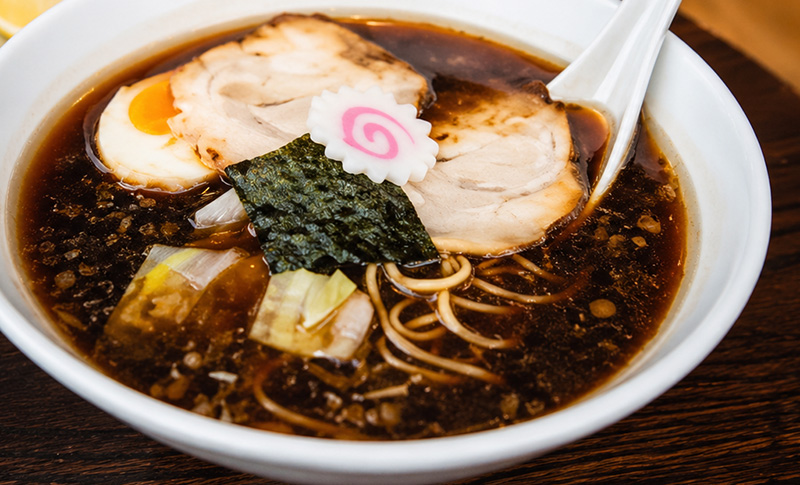
A proper bowl of ramen in Kyoto. Simple, rich, and one of the easiest ways to understand the city’s food scene.
This custom map pulls together the restaurants, markets, neighborhoods, and key stops from this guide so you’re not searching while you’re walking around.
Open it on your phone, save it, and use it to group your days by area instead of bouncing across the city.
Pro Tip: Pick one area per day, save 2–3 food spots nearby, and let the rest happen naturally.
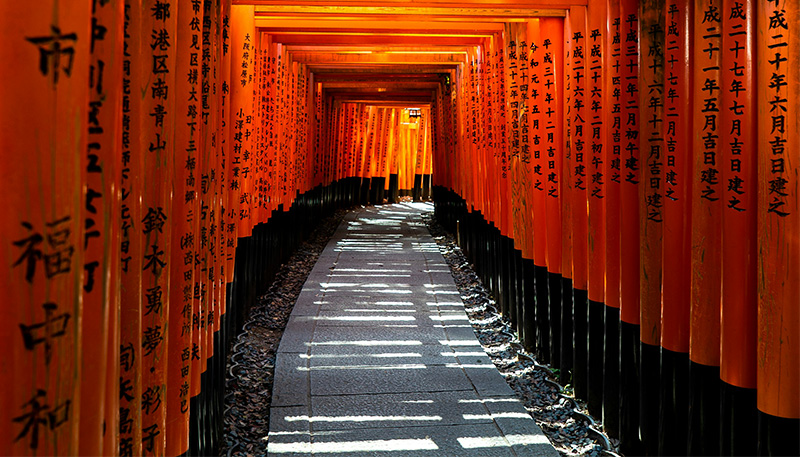
Kyoto is easy to photograph, but not because of gear. The secret is timing, patience, and not treating local life like a backdrop.
Kyoto is one of the easiest cities in the world to photograph well, but only if you respect the timing. Show up at the wrong hour and it feels crowded and flat. Show up early or late, and the entire city changes.
This is not about gear. It is about being there when the light is right and the streets are still quiet.
I’ve shared 600+ photos on Google Maps with more than 9 million views, and Kyoto is one of those places where the right timing matters more than the camera.
Most of Kyoto’s best scenes happen before the city fully wakes up. Between 6:00 and 8:00 AM, you get soft light, empty streets, and a completely different feel compared to the middle of the day.
By 9:30 or 10:00 AM, many of the same spots are packed and harder to enjoy, let alone photograph.
Yasaka Pagoda / Ninenzaka
The classic Kyoto shot. Stand on the sloping street near Ninenzaka and Sannenzaka, looking uphill toward the pagoda. Be there around 6:00 AM. That is the difference between a clean, quiet frame and a crowded street scene.
Fushimi Inari Taisha
Arrive before sunrise and keep walking past the first sets of torii gates. Most people turn around early. The higher you go, the quieter it gets, and the better the photos.
Arashiyama Bamboo Grove
Go before 8:00 AM. Once people fill the path, the sense of scale and calm disappears. Early on, you can actually hear the bamboo moving in the wind.
Gion Streets
Early morning is best here too. Empty streets, soft light, and no crowds. Focus on the details: wooden facades, narrow alleys, and quiet corners instead of chasing people.
Pontocho Alley at Night
This is about mood, not close-ups. Stand back, use the light from the lanterns, and capture the feeling of the street without getting in anyone’s way. It is a working neighborhood, not a set.
Sunset works best along the river and wider streets. Kyoto is less about dramatic skyline sunsets and more about subtle light on textures, wood, and stone.
At night, focus on atmosphere. Lanterns, reflections, narrow paths, and small details tell the story better than trying to capture everything at once.
Pro Tip: The best Kyoto photos usually happen when you slow down and wait. Do not chase the shot. Let the moment come to you.
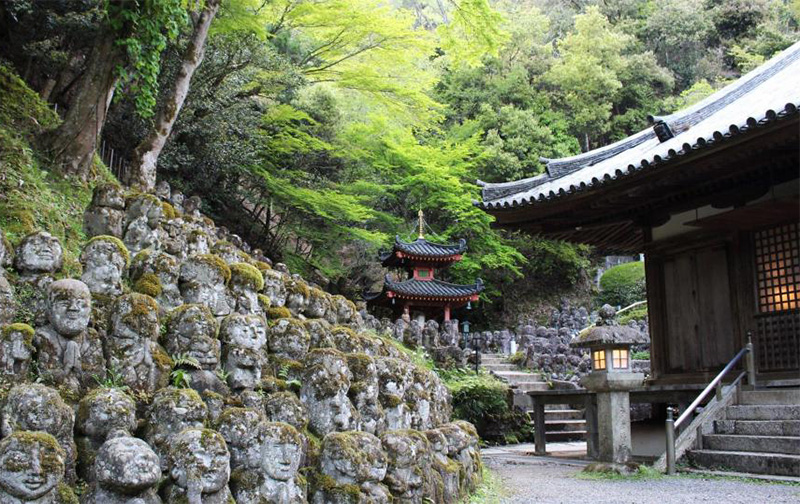
Giōji Temple is a quiet retreat from the city, where the deep green moss and the stillness of the surrounding forest offer one of the most peaceful experiences in Western Kyoto.
Kyoto changes quickly once you step away from the obvious route. A ten-minute walk can take you from packed temple streets to moss gardens, old lanes, and quiet corners where the city starts to feel personal again.
These places are not truly secret. They are just less convenient, less famous, or a little beyond where most people stop. That is usually enough.
Otagi Nenbutsuji Temple sits farther up from Arashiyama and feels completely different from the bamboo grove crowd. The temple is known for its many carved stone figures, each with its own expression. It is strange, peaceful, and full of personality.
Giōji Temple is small, mossy, and quiet. This is the kind of place where Kyoto stops performing and just sits still for a minute.
Unryū-in Temple is known for framed garden views through its windows. It feels designed for slow looking, which is exactly what most people forget to do in Kyoto.
Hōnenin Temple sits just off the Philosopher’s Path and has one of the best quiet entrances in the city. It is a good reminder that Kyoto does not always need a ticket or a crowd to feel meaningful.
Shisendō was built as a retreat and still feels like one. The garden, hillside views, and quiet setting make it one of the best places to reset if central Kyoto feels heavy.
Miyagawa-cho and Kamishichiken are geisha districts that feel calmer than the busiest parts of Gion. Walk respectfully, stay on public streets, and do not treat the area like a stage.
Saga Toriimoto Preserved Street near Arashiyama keeps more of an old village feeling, especially if you continue past the busiest part of the district.
Uji is one of the easiest add-ons. It is famous for matcha, has a slower pace, and gives you a different kind of Kyoto-area day without going far.
Kurama and Kifune bring you into the mountains north of the city. If you want forest, shrines, and cooler air, this is one of the best breaks from central Kyoto.
Local Guide Tip: Pick one quiet place, not five. Hidden Kyoto works best as breathing room, not another checklist.
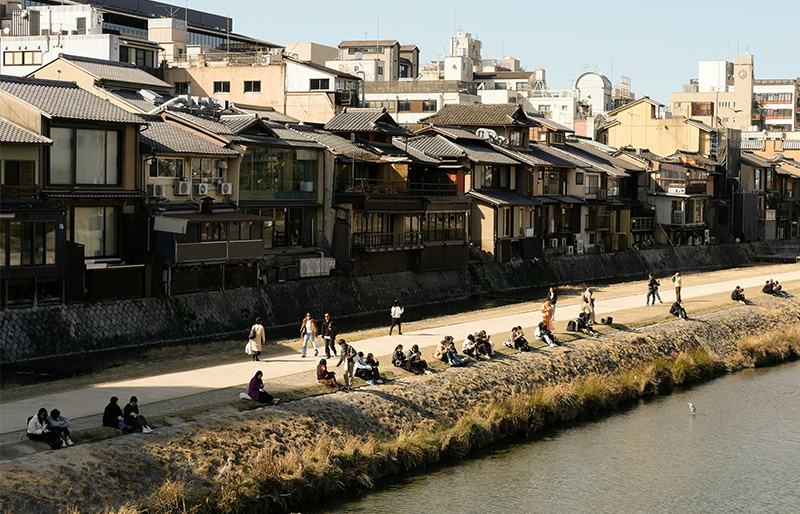
Kyoto is a real city under the travel postcard. People commute, shop, bike, eat, and live behind the doors tourists pass every day.
Kyoto is not just temples. It is a real city with people trying to get to work, ride bikes, shop for dinner, walk their dogs, and live behind those beautiful old walls.
That sounds obvious, but it is easy to forget when a place is this photogenic.
Locals use bikes because Kyoto is fairly flat and easier to cross than it first appears. Buses are helpful, but they can become slow and crowded, especially when visitors all move toward the same famous places at the same time.
Walking is part of the city’s rhythm. The backstreets, canals, narrow lanes, and little bridges are where Kyoto feels less like a destination and more like a place people actually live.
Kyoto’s social tone is quieter than many travelers expect. People speak softly on transit, keep public space calm, and often communicate indirectly. You do not need to master every custom. Just watch the room and match the energy.
The Kamogawa River is one of the best places to understand daily Kyoto. People sit along the banks, talk, eat, read, and watch the day soften. It is simple, and that is why it works.
Kyoto feels different by season. Spring brings cherry blossoms and crowds. Summer brings heat, festivals, and riverside dining. Fall brings color and cooler air. Winter slows everything down.
Local Guide Tip: If you want Kyoto to feel less crowded, spend more time by the river and in normal neighborhoods between the famous stops.
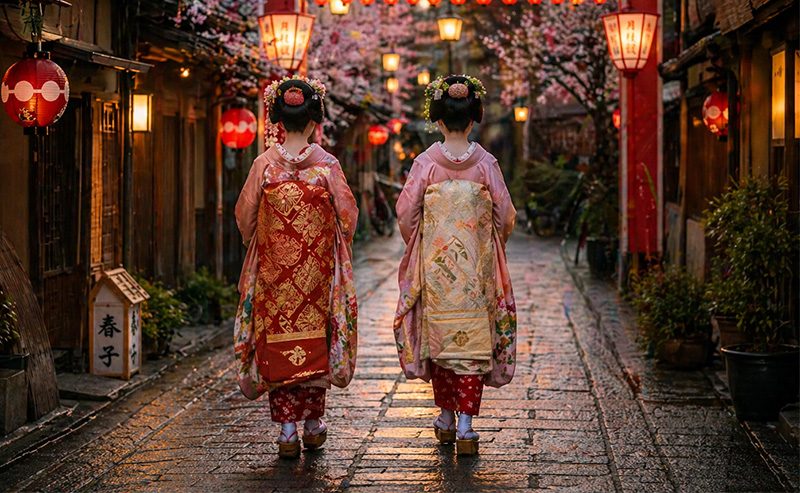
A quieter side of Kyoto. Step off the main streets and you’ll find moments like this, where the city slows down and feels a little more personal.
Kyoto is not struggling because people visit. Kyoto struggles when people forget that the streets, alleys, and old houses are part of everyday life for the people who live there.
You do not need to be perfect. You just need to be aware.
Gion is beautiful, but it is not a theme park. Stay on public streets, avoid private alleys, and never chase, block, touch, or photograph geisha or maiko. If someone is walking to work, let them work.
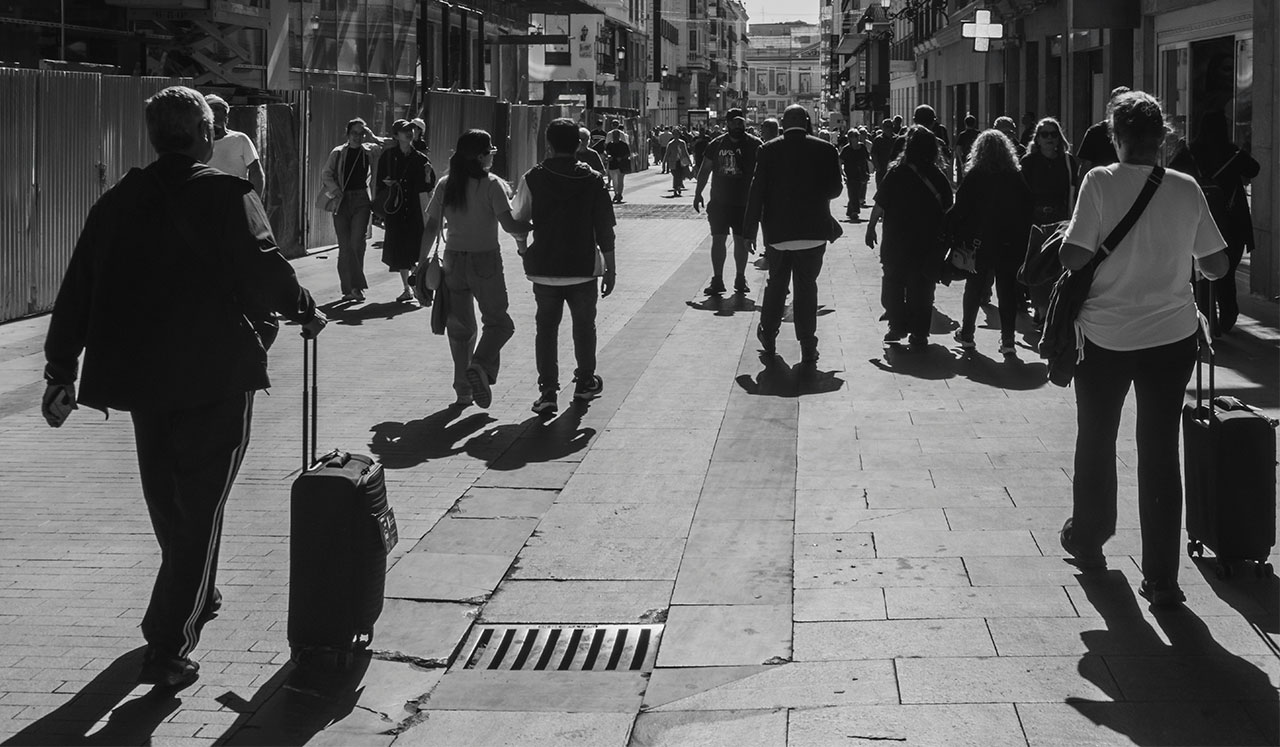
Large luggage on buses, narrow streets, and packed sidewalks makes life harder for everyone. Use luggage forwarding when you can, or store bags at Kyoto Station if you arrive early.
Walking while eating is frowned upon in Kyoto. If you buy something at Nishiki Market or from a small vendor, step aside, eat it near the stall, and return trash if they accept it.
Public trash cans are rare. Bring a small bag and take your trash with you. It is one of the easiest ways to not be part of the mess.
Traditional homes can have thin walls, and many Kyoto streets are quieter than they look. Late-night loud conversations can carry more than you think.
Pro Tip: If you are not sure whether a street is public or private, do not enter unless you are going to a specific business or reservation.
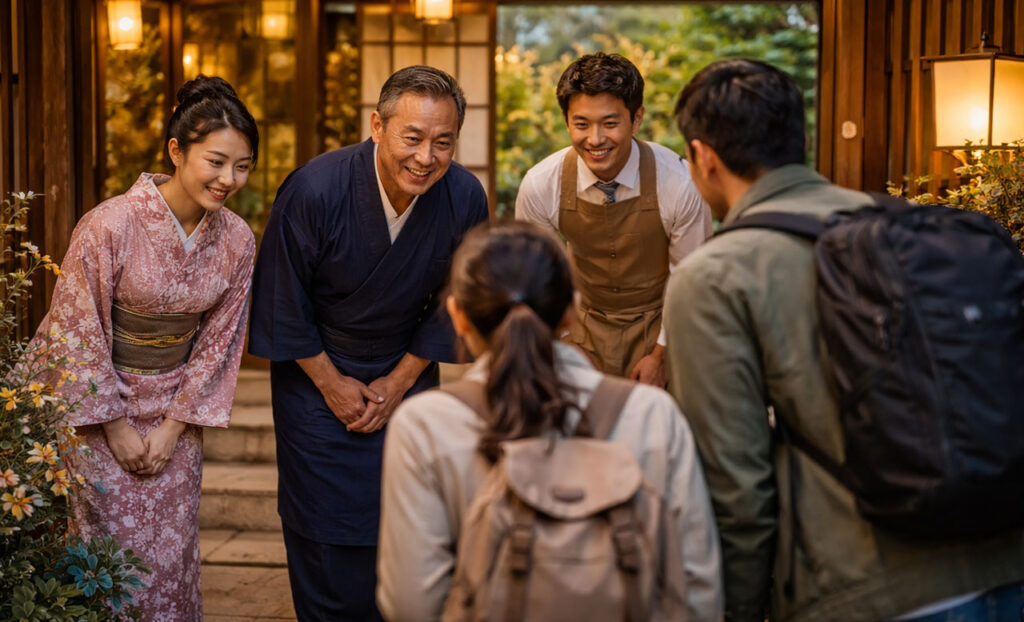
Kyoto matters because so much of Japan’s older cultural memory is still visible here, not only in landmarks, but in the way the city asks you to slow down.
For Japan, Kyoto is more than a beautiful city. It is a cultural anchor. It served as the capital for over 1,000 years, and much of what travelers think of as traditional Japan was shaped here.
Tea ceremony, temple gardens, seasonal rituals, kimono culture, refined cuisine, old merchant houses, quiet shrine paths – Kyoto holds a version of Japan that can feel harder to find in faster cities like Tokyo.
For many Japanese travelers, Kyoto is not just sightseeing. It is school trips, seasonal traditions, family visits, shrine rituals, and a place to reconnect with history.
That is why the city deserves more than a rushed checklist. The more you understand what Kyoto represents, the better your trip becomes.
Local Guide Tip: Kyoto is at its best when you stop asking, “What else can I see?” and start asking, “What am I actually looking at?”
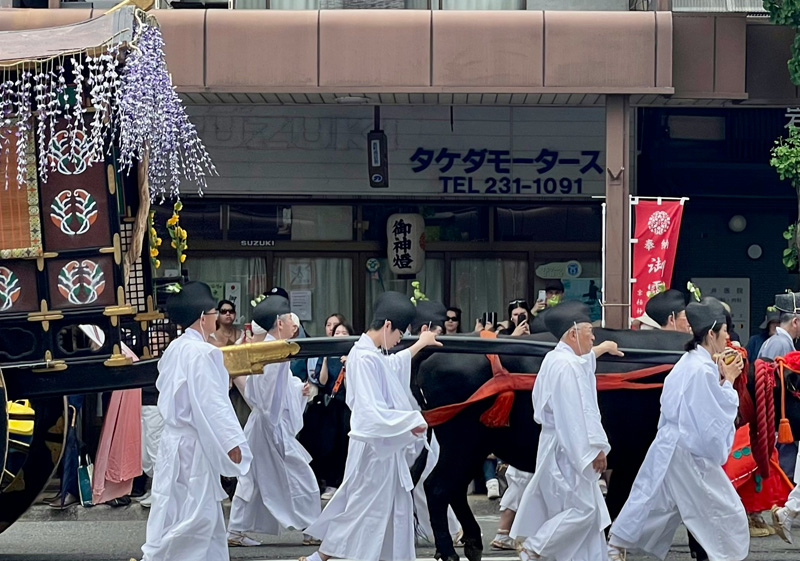
Kyoto moves with the seasons. Festivals, blossoms, autumn leaves, and quiet winter mornings can completely change the feeling of the same street.
Kyoto is not just about temples. It is a city that moves with the seasons, and if your timing lines up, you may catch something that changes the whole feel of your trip.
Some events are loud and crowded. Others are quiet and almost easy to miss. Either way, they give you a glimpse into traditions that have been part of daily life here for centuries.
Gion Matsuri (July)
This is the big one. It runs throughout July, but the main parades happen on the 17th and 24th. Huge wooden floats move through the streets, while the nights leading up to the parades turn into a mix of food, crowds, and summer energy.
Jidai Matsuri (October 22)
A long historical parade that moves through Kyoto’s past. People dress in clothing from different eras, traveling from the Imperial Palace to Heian Shrine. It is slower, more visual, and easier to watch than Gion Matsuri.
Gozan Okuribi / Daimonji (August 16)
Large bonfires are lit on the surrounding mountains, including the famous “大” character. It marks the end of Obon and has a quieter, more reflective feeling than the bigger street festivals.
Aoi Matsuri (May 15)
One of Kyoto’s oldest festivals. A long procession of people dressed in Heian-period clothing moves between shrines. It feels elegant, slow, and more like stepping into the past than watching a show.
Spring (March to April)
Cherry blossoms take over the city. Temples like Kiyomizu-dera light up at night, and people gather in parks and along rivers for hanami. It is beautiful, but also one of the busiest times of year.
Summer
Hot, humid, and full of festivals. Evenings matter more than midday, and riverside dining starts to appear across the city.
Fall (November)
Probably the best overall time to visit. Cooler weather, red and gold leaves, and a calmer feel compared to spring.
Winter
Quiet, slower, and underrated. Occasional snow turns temples into something completely different.
Setsubun (early February)
Bean-throwing ceremonies to drive out bad luck, especially at shrines like Yoshida Shrine.
Hatsumode (New Year)
The first shrine visit of the year. Places like Fushimi Inari Taisha get especially busy.
Geisha and Maiko dances
Seasonal performances like Kamogawa Odori offer a rare chance to see traditional dance in a more formal setting.
Local Guide Tip: If your trip lines up with a major festival, book early and expect crowds. If it does not, that is not a bad thing. Kyoto is often better when it is quieter.
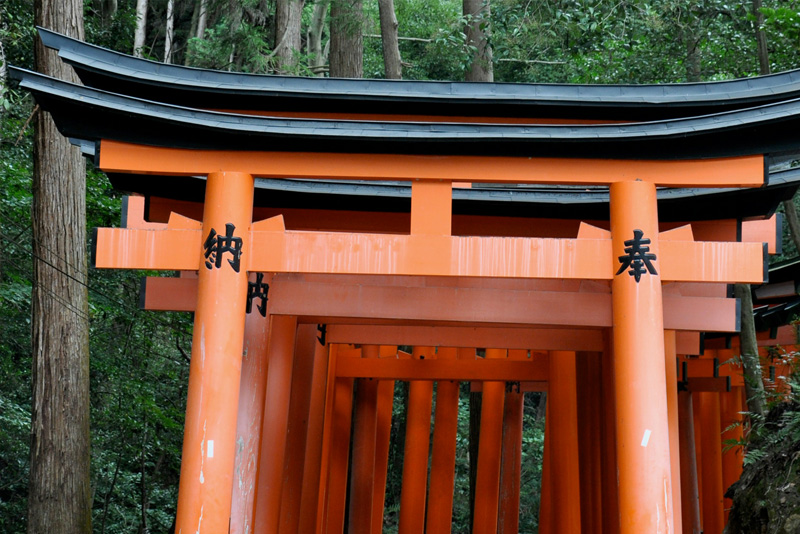
Kyoto is special, but it is not the only place in Japan where you can feel old streets, temples, gardens, and a slower way of moving.
Kyoto is still worth visiting. But if the crowds feel like too much, or if you are building a longer Japan trip, there are other places that give you part of that same older-Japan feeling with more breathing room.
Kanazawa is often called “Little Kyoto,” and for good reason. It has preserved samurai districts, geisha areas, and Kenrokuen Garden, one of Japan’s most famous landscape gardens. It feels polished, historic, and much calmer than central Kyoto.
Nara is even older than Kyoto and much easier to add from Kyoto or Osaka. Todai-ji, the giant Buddha, deer-filled parks, and wide open temple grounds make it feel more spacious.
Takayama is a mountain town with old merchant streets, morning markets, and a slower rhythm. It is a good choice if you want traditional streets without the same city density.
Kamakura sits near Tokyo and offers temples, a giant Buddha, bamboo, and coastal air. It is not Kyoto, but it can scratch the same cultural itch if you do not have time to go west.
Kurashiki’s canal district has white-walled storehouses, willow-lined water, and a quiet historic feel. It is a beautiful add-on if your Japan route moves through western Honshu.
Local Guide Tip: Kyoto is the icon. These places are the pressure release valve. If your trip is long enough, add one.
Kyoto is not hard to enjoy, but it is easy to do it in a way that makes the city feel crowded, tiring, or overhyped. Most mistakes come from moving too late, carrying too much, or trying to turn a place built for slowness into a checklist.
This is the big one. If you leave your hotel at 10:00 AM for Fushimi Inari, Kiyomizu-dera, or Arashiyama, you are walking into the crowd. Early mornings are not optional in Kyoto if you want the best version of the city.
After a while, temple fatigue is real. Pick fewer places and give them more time. A slower walk through Higashiyama will stay with you longer than six rushed temple stops.
A cheaper room far from your daily route can cost you more in time, energy, and missed evenings. For a short stay, location matters.
Kyoto is not the place to drag a huge suitcase through buses, alleys, and crowded stations. Forward it, store it, or pack lighter.
This is especially true in Gion. Take photos of streets, light, details, and atmosphere. Do not chase people or step into private alleys for a better frame.
Pro Tip: Do not buy street food and walk down the street while eating it. Find a spot near the vendor, finish your skewer, and deal with the trash properly.
Keep planning your trip with these related Japan guides.
JAPAN HUB
Use the main Japan hub to connect Kyoto, Tokyo, Osaka, rail planning, food, and regional ideas.
Read More
FIRST TIMERS
Get the logistics, etiquette, and travel basics right before booking trains, hotels, and daily plans.
Read More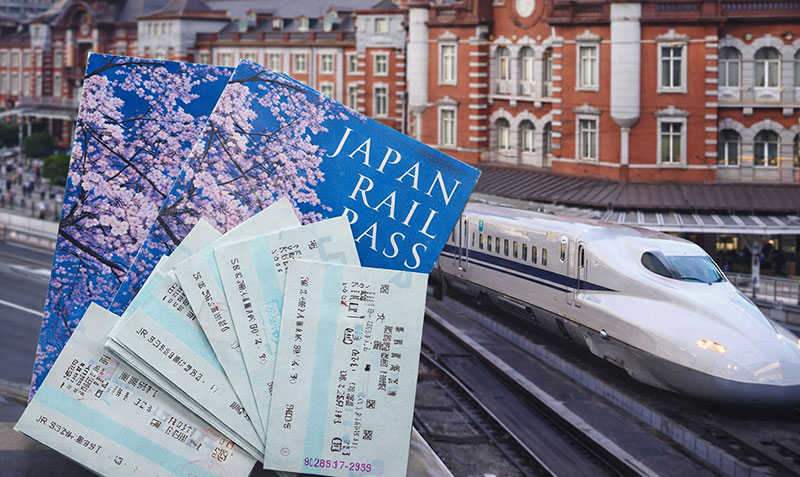
GET AROUND
Understand when the rail pass makes sense and when point-to-point tickets are the better move.
Read More
TOKYO FOOD
Go deeper into Tokyo’s food scene, from local counters to neighborhoods beyond the obvious stops.
Read More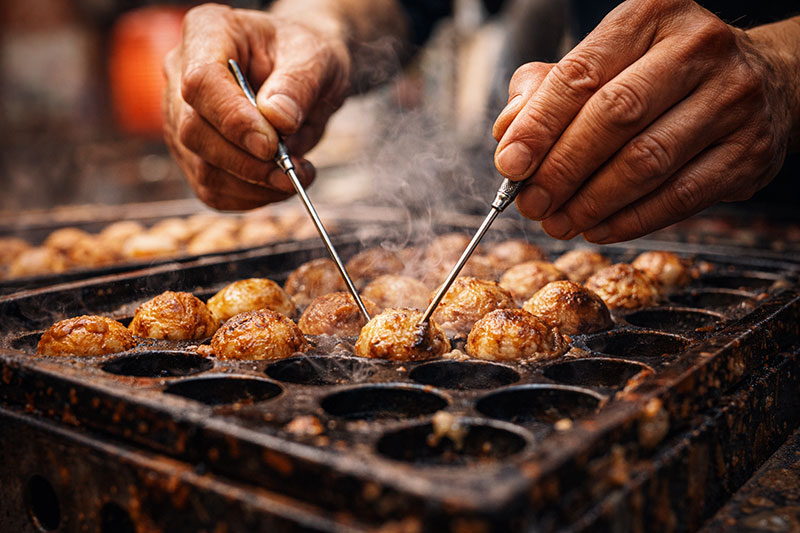
STREET FOOD
Eat your way through Japan’s louder food capital with takoyaki, okonomiyaki, markets, and late-night bites.
Read More
ISLAND ESCAPE
Explore Japan’s tropical side with beaches, island culture, and a slower rhythm far from the mainland.
Read MoreThree to four days is the sweet spot. That gives you enough time to see the main areas without rushing. You can do Kyoto faster, but it starts to feel like you are just checking boxes instead of actually experiencing it.
Early morning, without question. Fushimi Inari, Kiyomizu-dera, and Arashiyama Bamboo Grove feel completely different before 8:00 AM. By mid-morning, the crowds change everything.
Downtown Kyoto, around Kawaramachi, is the easiest choice. You can walk to food, get around quickly, and step out at night without planning your whole evening around transit. Gion is more traditional, but it is also busier during the day.
Yes, but you need to travel differently. Get up early, stay central, and do not try to see everything. Kyoto rewards good timing more than effort.