Travel Planning Hub
Start here to plan your trip, compare options, and explore every TLGA planning guide.

Packing & Gear Guide
What to pack, what to skip, and how to build a lighter travel setup that works.

Last updated: April 2026 by Corey Gasman
From the Editor:
Tokyo is one of the best food cities on the planet. Not just because of Michelin stars, but because of how consistently good everything is.
You can start your day with a simple bowl of miso soup and rice, grab a perfect bowl of ramen at lunch, snack your way through a department store food hall in the afternoon, and end the night at a tiny izakaya with skewers and beer.
Tokyo combines obsessive craftsmanship with incredible ingredients and a level of consistency that is hard to find anywhere else. The real difference is not just the top end. It is how good the everyday food is.
You are not just eating here. You are learning how a city eats.
Short on time? Jump to the 1-day Tokyo food plan or see where locals actually eat below.
TLGA Rule: Tokyo meals are simple and focused. One great dish, done well, eaten quickly, then you move on.
Start here: Japan Travel Guide
New to international travel? This guide covers everything you need to know before your first trip: First International Trip Guide
Use the Map: Spots in this guide are saved here so you can explore neighborhoods and plan your meals.
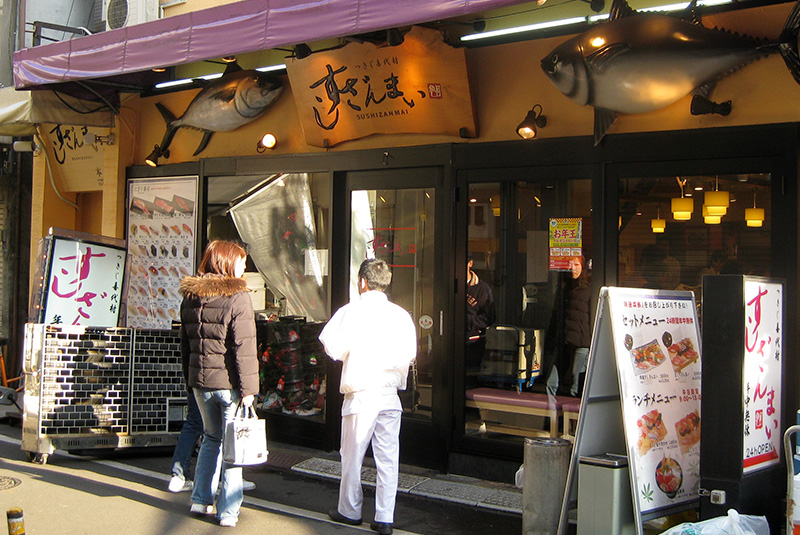
The iconic giant tuna sculptures at Sushizanmai are a staple of the Tokyo fish market area, marking one of the city’s most reliable spots for fresh, accessible sushi.
To eat like a local in Tokyo, prioritize convenience, seasonality, and balance.
Most locals follow a “triangle eating” pattern, alternating between a bite of rice, a sip of soup, and a piece of a side dish to balance flavors and textures throughout the meal. This rhythm is just as important as the food itself.
| Meal | Where Locals Eat | What They Eat |
|---|---|---|
| Breakfast | At home or quick chains near stations | Traditional rice and miso, or bakery toast and coffee. |
| Lunch | Standing noodle shops or gyudon chains | Teishoku (set meals), ramen, or convenience store onigiri. |
| Dinner | Home or Izakaya for social nights | Hearty home-cooked stews, curry, or shared small plates. |
Local Guide Tip: Station Corridors
Major hubs like Shinjuku or Tokyo Station have standing-only soba shops where commuters eat in minutes. They offer incredibly fast, cheap, and authentic meals.
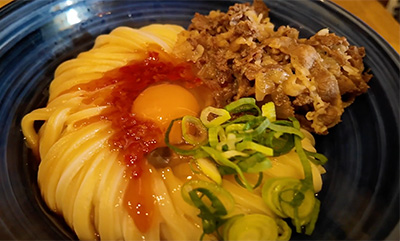
Whether it’s ramen or a silky bowl of kama-tama udon, starting your trip with a simple noodle dish is the best way to ease into the local rhythm.
After a long flight, it is tempting to chase the “perfect” restaurant. Don’t.
Your first meal in Tokyo should be easy, comforting, and low-pressure. This is about resetting your body, getting familiar with how things work, and easing into the rhythm of the city.
| Step | What to Do | Why It Works |
|---|---|---|
| 1 | Find a ramen shop near your hotel or station | No reservations, fast service, and deeply satisfying |
| 2 | Use the ticket machine if available | Removes language stress and keeps things efficient |
| 3 | Order a basic bowl (shoyu or tonkotsu) | Classic flavors that are easy to enjoy immediately |
| 4 | Add gyoza or a small side if hungry | Rounds out the meal without overdoing it |
Pro Tip: Do Not Overplan Your First Night
Jet lag is real. Keep your first meal flexible, stay near your hotel, and save your bigger dining plans for your second or third night when you can actually enjoy them.
Your first meal in Tokyo does not need to be memorable. It needs to be easy. The memorable meals come quickly after that.
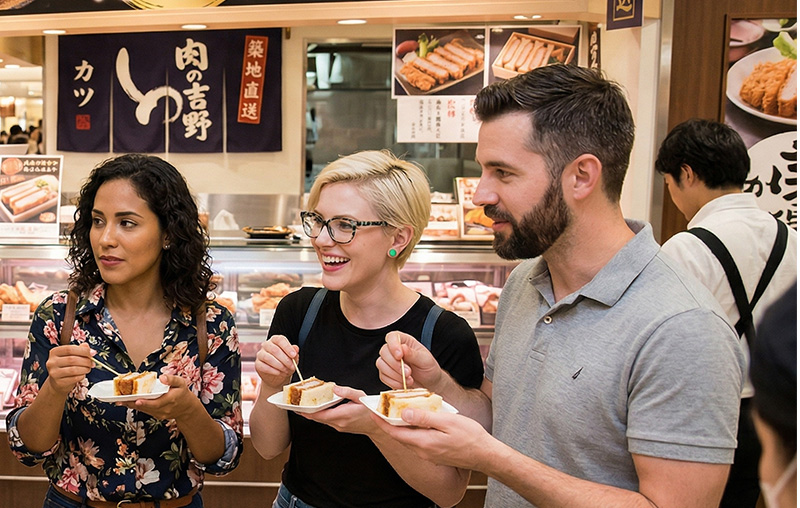
Tokyo rewards curiosity. Sticking only to obvious spots is one of the easiest ways to miss great food.
Tokyo is one of the easiest cities in the world to eat well. But it is also easy to eat in a way that limits your experience.
Most mistakes come from trying to force a “perfect” plan instead of adapting to how the city actually works.
| Mistake | What Happens | What to Do Instead |
|---|---|---|
| Only eating in Shibuya and Shinjuku | Crowded, more expensive, less local feel | Explore neighborhoods like Nakano, Kichijoji, or Koenji |
| Overplanning every meal | Stress and missed spontaneous finds | Plan a few key meals, leave the rest flexible |
| Chasing viral restaurants | Long waits for marginal gains | Look for busy local spots instead |
| Skipping chains entirely | Missing part of real daily life | Try at least one gyudon or casual chain meal |
| Thinking sushi is everyday food | Overpaying or over-prioritizing it | Balance sushi with ramen, soba, and izakaya meals |
| Ignoring lunch | Missing some of the best value meals | Use lunch for high-quality, lower-cost experiences |
Local Guide Tip: Follow the Crowd, Not the Hype
A short line of locals is usually a better signal than a long line of tourists. Tokyo’s best meals are often found by paying attention, not searching harder.
The goal is not to eat perfectly. It is to eat often, stay flexible, and let the city guide you a little.
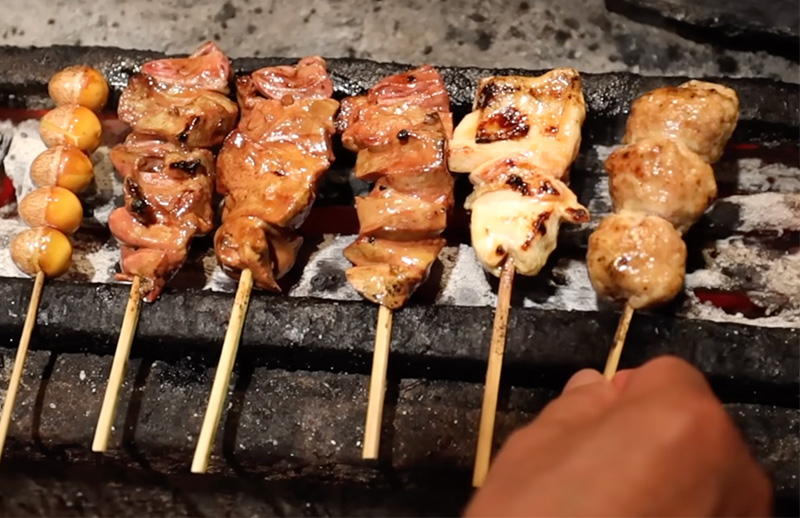
A true yakitori shokunin is a master craftsman who spends decades perfecting the “taming of the flames” over traditional binchotan charcoal.
This is where Tokyo really opens up. If you think in terms of happy hour, this is the closest equivalent, just with yakitori, beer, and a much deeper food culture around it.
Yakitori is simple: chicken skewers grilled over charcoal. But in Tokyo, it becomes something much more precise and intentional.
| Area or Spot | Why Go | Vibe |
|---|---|---|
| Omoide Yokocho (Shinjuku) | Tight alley packed with tiny yakitori stalls | Old-school, smoky, iconic |
| Torikizoku | Reliable, cheap, consistent across Tokyo | Casual, beginner-friendly |
| Shinjuku Golden Gai | Bar-hop and yakitori combo experience | Tiny bars, social, chaotic |
| Kichijoji Harmonica Yokocho | Less touristy alley with excellent skewers | Local-heavy, authentic |
Local Guide Tip: Go Omakase
Let the chef choose your skewers. You will get a better mix and usually better cuts than ordering yourself.
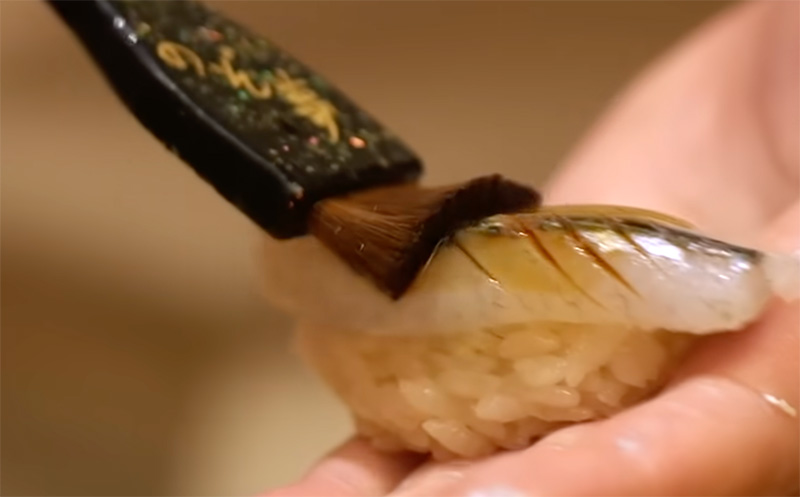
In Tokyo’s top sushi dens, the chef brushes the perfect amount of soy onto the fish for you; drowning the delicate rice in a side dish of sauce is considered a major faux pas.
Surprisingly, no. For most Japanese people, sushi is not an everyday meal.
The average person eats sushi about two to three times a month. It is often reserved for special occasions like birthdays and holidays, or treated as a weekend family outing rather than a daily staple. The typical Japanese diet relies much more heavily on cooked fish, rice, miso soup, and noodle dishes.
For a full breakdown, see: How to Eat Sushi in Japan
| Style or Spot | Vibe | Why Go |
|---|---|---|
| Uobei (Shibuya) | Kaitenzushi (Conveyor) | Famous for its high-speed delivery chutes. Feels futuristic and extremely popular. |
| Sushiro | Kaitenzushi (Conveyor) | Japan’s largest chain. Reliable quality, seasonal specials, and very budget-friendly. |
| Uogashi Nihon-Ichi | Tachigui (Standing) | A great standing chain in Shinjuku and other hubs. English menus and fresh toppings. |
| Nemuro Hanamaru | Standing or Conveyor | Wildly popular spot near Tokyo Station. The scallop quality is legendary. |
Pro Tip: Standing Sushi Speed
Standing sushi is a classic Tokyo experience. You eat at a counter just like the Edo-period locals did. It is faster and cheaper than seated dining, but often higher quality than standard conveyor belts.
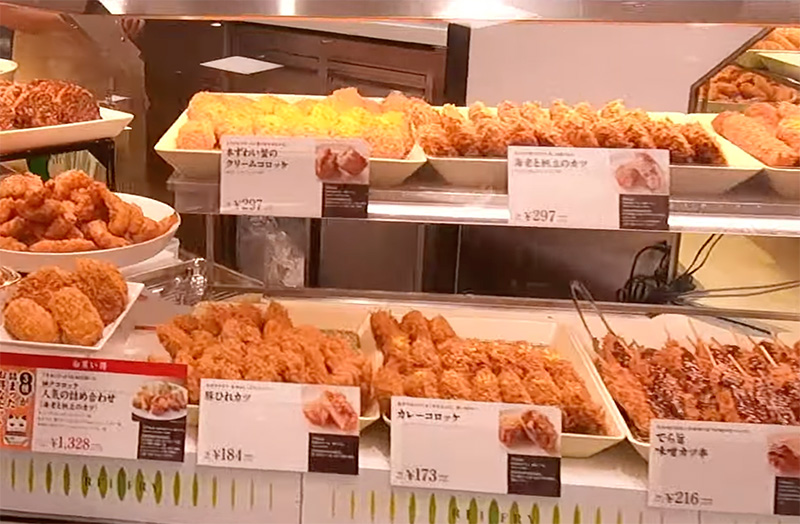
For travelers on a budget, depachika food halls offer high-quality prepared meals like tonkatsu and tempura that are often discounted in the evening.
If you love food, do not skip a depachika.
Short for a ‘department store basement food hall’, a depachika is where Tokyo’s polished retail culture collides with incredible prepared food. Think immaculate bento boxes, hand-shaped rice balls, tonkatsu sandwiches, premium fruit, skewers, sushi, pickles, pastries, and desserts that look like jewelry.
This is not just a place to grab something fast. It is one of the best ways to understand how seriously Tokyo takes everyday food. The quality is high, the presentation is beautiful, and you can sample a huge range of dishes without committing to one restaurant.
| Depachika | Area | Why Go |
|---|---|---|
| Isetan | Shinjuku | One of the most famous food halls in the city with serious range and polish |
| Mitsukoshi | Ginza | Excellent for higher-end prepared foods and gift-worthy sweets |
| Daimaru | Tokyo Station | Very convenient if you are in transit and want a quality meal to go |
| Tokyu Food Show | Shibuya | Busy, central, and easy to work into a day of exploring |
Local Guide Tip: Go in the Evening
Many depachika counters discount prepared foods later in the evening. It is one of the best ways to eat extremely well for less, especially if you want a relaxed dinner back at your hotel.
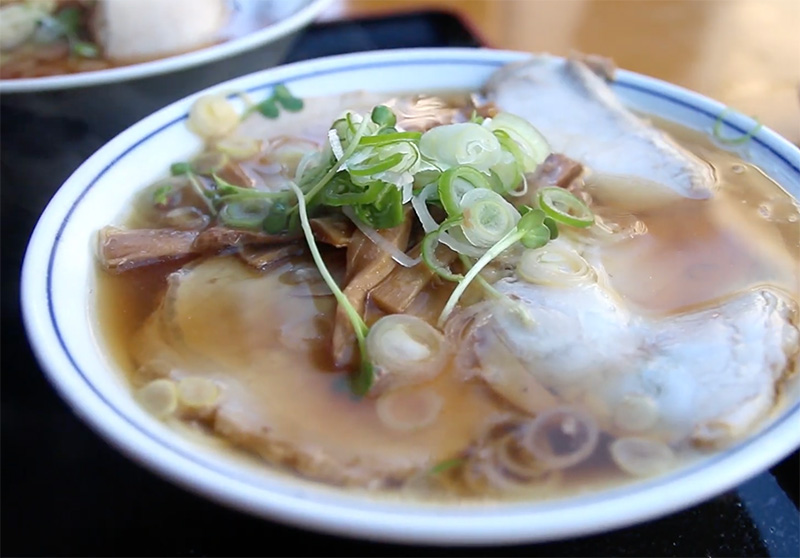
While it’s a global icon, ramen in Tokyo is the ultimate functional meal, often eaten quickly at a counter during a lunch break or as a satisfying late-night finish after a few drinks.
Ramen is one of the easiest meals to find in Tokyo, but that does not mean it is basic.
This is one of the city’s true obsession foods. Some ramen shops are tiny, fast, and built for a ten-minute lunch. Others are deeply specialized, with chefs refining one broth style for years. Tokyo is where you can try classic styles, modern interpretations, and regional variations from all over Japan without ever leaving the city.
For travelers, ramen is also one of the most satisfying ways to eat well without overplanning. You can have an incredible bowl for the price of a casual lunch back home.
Want to go deeper? See our full guide: Ramen in Japan
| Style | What It Is | Flavor Profile |
|---|---|---|
| Shoyu | Soy sauce-based broth | Clear, savory, balanced |
| Shio | Salt-based broth | Lighter, cleaner, more delicate |
| Miso | Miso-based broth | Richer, deeper, slightly sweet and hearty |
| Tonkotsu | Pork bone broth | Opaque, rich, creamy, intensely savory |
| Tsukemen | Dipping noodles served separately from broth | Concentrated, bold, great texture |
Pro Tip: Do Not Judge by Looks Alone
Some of the best ramen shops in Tokyo look tiny, plain, and almost too simple to be special. If locals are lining up, pay attention.
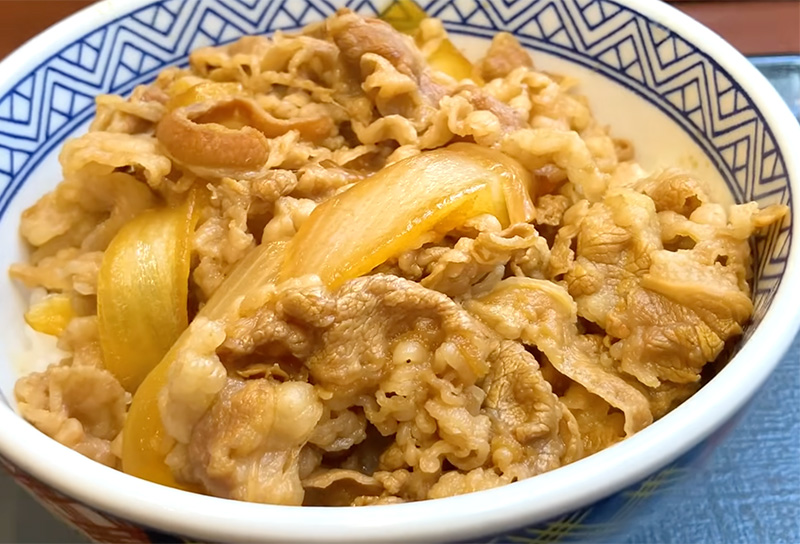
Gyudon is the ultimate budget-friendly staple, offering a filling, high-quality meal for less than the price of a coffee in many Western cities.
To eat well on a budget, move away from the main tourist hubs and embrace how locals prioritize value. Unpretentious, delicious, and affordable eateries are everywhere.
You can comfortably eat multiple great meals in a day for under 10,000 yen total if you balance your quick bites with one nice dinner. This is not budget food in the sad sense. It is fast, focused, and exactly how locals eat during a normal workday.
| Meal | Where to Find It | Typical Price |
|---|---|---|
| Gyudon | Yoshinoya, Sukiya, Matsuya | ¥400 to ¥700 |
| Standing Soba | Train stations and commuter corridors | ¥400 to ¥700 |
| Curry Rice | Chains and neighborhood lunch spots | ¥600 to ¥900 |
| Simple Ramen | Neighborhood ramen counters | ¥800 to ¥1,000 |
| Onigiri + Sides | Konbini and depachika | ¥300 to ¥900 |
Local Guide Tip: Tokyo Chain Restaurants Are Not a Cop Out
In many cities, chains are the thing to avoid. In Tokyo, some chain meals are absolutely part of how locals actually eat. They are quick, consistent, and often surprisingly satisfying.
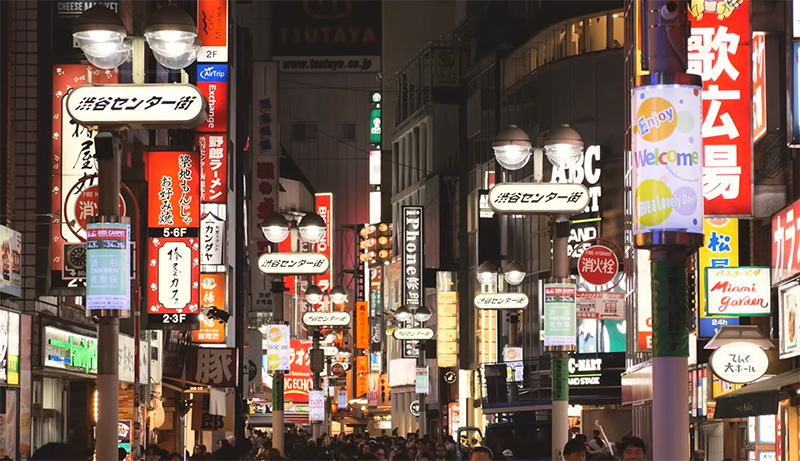
Shibuya may be one of Tokyo’s busiest areas, but locals still know how to find incredible food tucked away on side streets and upper floors.
If you only eat around the biggest tourist hubs, Tokyo can start to feel crowded, expensive, and overly polished. The food is still good, but you miss some of the city’s everyday texture.
To eat more like a local, spend time in neighborhoods where people actually live, work, meet friends, and head out for dinner without making a whole production of it.
| Neighborhood | Why Go | Best For |
|---|---|---|
| Nakano | More relaxed than Shinjuku with excellent casual dining | Ramen, izakaya, local lunch spots |
| Koenji | Creative, youthful, and less polished in a good way | Cheap eats, bars, neighborhood flavor |
| Kichijoji | Popular with locals and great for a slower-paced food day | Small restaurants, yakitori, shopping breaks |
| Ebisu | More refined but still livable and local-feeling | Excellent dinners, izakayas, stylish food spots |
| Shimokitazawa | Casual and trend-forward with lots of independent spots | Cafes, creative food, low-pressure meals |
Pro Tip: Do Not Spend Every Night in Shinjuku or Shibuya
Those areas can still be fun, but Tokyo gets much more interesting once you start eating in neighborhoods where the city feels less performative and more personal.
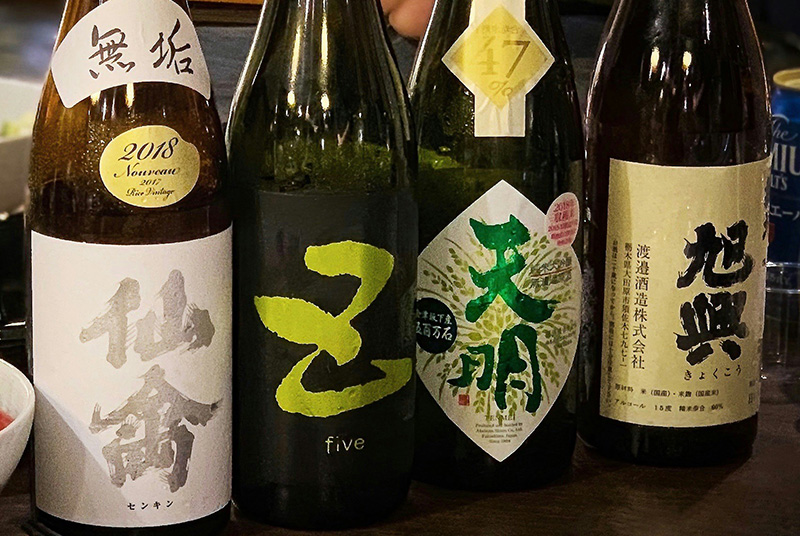
Choosing the right sake is all about balance: crisp Junmai Ginjo pairs perfectly with seafood, while earthier Yamahai styles stand up well to grilled meats.
Japanese bar culture runs on respect and precision. In many places, the bartender is referred to as the Master. Keep things simple, observe the local etiquette, and you will usually be guided toward incredible drinks.
Do not be intimidated by the labels. You generally order sake by the go (one serving, about 180ml) or by the bottle (720ml).
The Overflow Rule: Sometimes a glass is placed inside a wooden box (masu) and poured until it overflows. This is a sign of generosity. Drink from the glass first, then pour the extra from the box into the glass.
| Bar | Area | The Vibe and What to Order |
|---|---|---|
| Bar BenFiddich | Shinjuku | The owner grows his own herbs. No menu; just tell him flavors you like. World-renowned. |
| The SG Club | Shibuya | Two floors of fun. Order the Wagyu Mafia Old Fashioned, fat-washed with beef fat. |
| Bar High Five | Ginza | A legend. Master Ueno is famous for his White Lady cocktail and diamond-carved ice cubes. |
| Premium Sake Pub Gashue | Ueno | Very friendly to foreigners. Order a sake flight to compare three types easily. |
Local Guide Tip: Pouring Etiquette
Never pour your own drink. If you are with friends, pour for them, and hold your cup when they pour for you. If you are alone, the bartender will handle it.
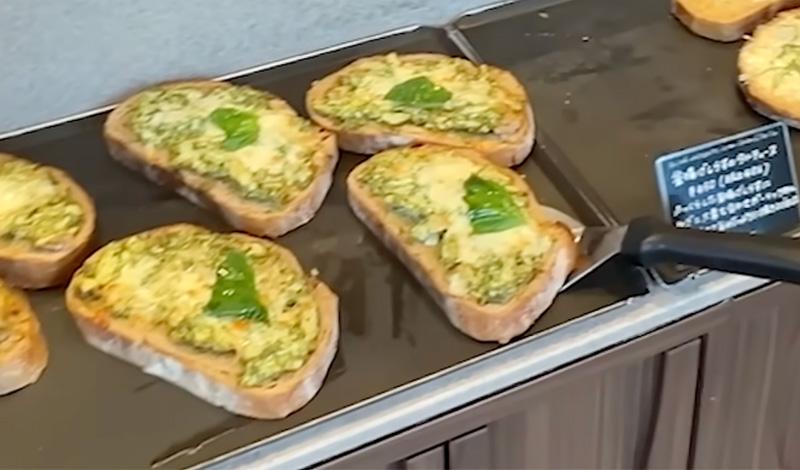
Tokyo’s bakeries excel at “savory toasts”, thick slices of fluffy shokupan topped with everything from local herbs to melted cheese for a perfect, quick breakfast.
This is not about hitting “the best” of everything. It is about experiencing how Tokyo flows from one meal to the next.
Keep portions reasonable, stay flexible, and enjoy the variety.
| Time | Meal | What to Do |
|---|---|---|
| 8:00 AM | Breakfast | Bakery or simple set meal with rice, miso soup, and grilled fish |
| 11:30 AM | Early Lunch | Ramen or soba near a station before crowds peak |
| 2:00 PM | Snack | Depachika visit for small bites, desserts, or takeaway snacks |
| 5:30 PM | Pre-Dinner | Quick stop for yakitori or a small plate and drink |
| 7:30 PM | Dinner | Izakaya meal with multiple small dishes and drinks |
| 10:00 PM | Late Night | Optional ramen or dessert if you are still hungry |
Pro Tip: Tokyo is a Multi-Meal City
The best way to experience Tokyo is not one big reservation. It is several smaller, high-quality meals spread throughout the day.
If you follow this rhythm, you will experience more of Tokyo’s food culture in one day than most travelers do in three.
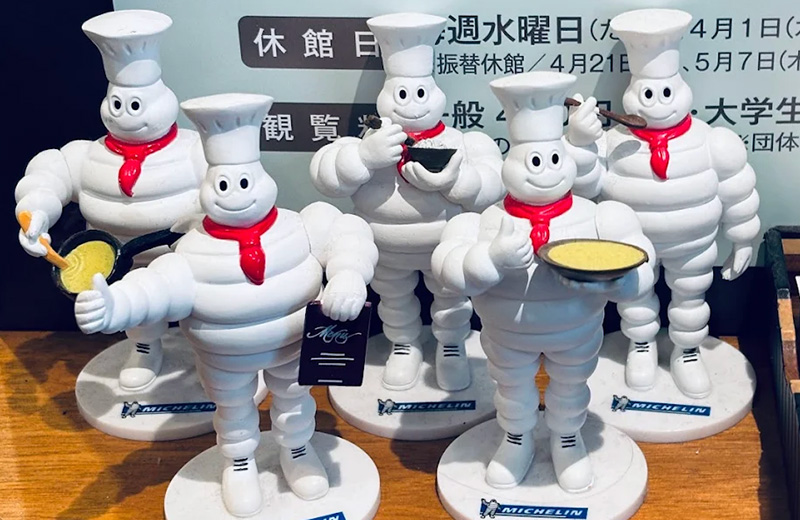
At Tempura Kondo in Ginza, Master Fumio Kondo has elevated tempura from a simple snack to a Michelin-starred art form, famous for his innovative approach to seasonal vegetables.
These are not the only great places in Tokyo. They are reliable, well-tested picks across different neighborhoods and price points that reflect how people actually eat here.
Some are splurges. Some are casual. Some are the kind of places that help you understand Tokyo fastest. Use this list as a set of strong anchors, not a checklist you have to complete.
| Place | Tier & Area | What to Order + Why Go |
|---|---|---|
| L’Effervescence | High-End / Omotesando | Three-star Michelin blending French technique with Japanese ingredients. A serious splurge. |
| Florilège | High-End / Azabudai Hills | Innovative French-inspired dining around a stunning open theater kitchen. |
| Kanesaka | High-End / Ginza | Quintessential high-end Ginza sushi counter experience. Intimate and highly attentive. |
| Tempura Kondo | High-End / Ginza | Legendary tempura that elevates simple vegetables into incredible dishes. |
| Gonpachi | Mid-Level / Nishi-Azabu | Famous for its Kill Bill look. Order yakitori and tempura for a lively first izakaya experience. |
| Butagumi | Mid-Level / Nishi-Azabu | Housed in a traditional wooden house, serving some of the best premium tonkatsu in the city. |
| Udon Shin | Mid-Level / Shinjuku | Thick, chewy, hand-cut udon noodles made to order. Worth the wait. |
| Seirinkan | Mid-Level / Nakameguro | Excellent Neapolitan-style pizza in a quirky setting. Only serves marinara and margherita. |
| AFURI | Budget / Ebisu & Harajuku | Famous for light, citrusy yuzu shio ramen. A refreshing break from heavier pork broths. |
| Harajuku Gyozarou | Budget / Harajuku | Fast-paced counter spot dedicated to gyoza. Cheap, quick, and always busy. |
| ICHIRAN | Budget / Multiple | Classic tonkotsu ramen in a private booth. Order through the machine. One of the easiest first ramen experiences. |
| Omoide Yokocho | Budget / Shinjuku | Smoke-filled alleyway packed with tiny stalls. Come for yakitori, beer, and old Tokyo energy. |
Pro Tip: Start simple. Confidence builds quickly in Tokyo once you realize you can get a great meal without overthinking every choice.
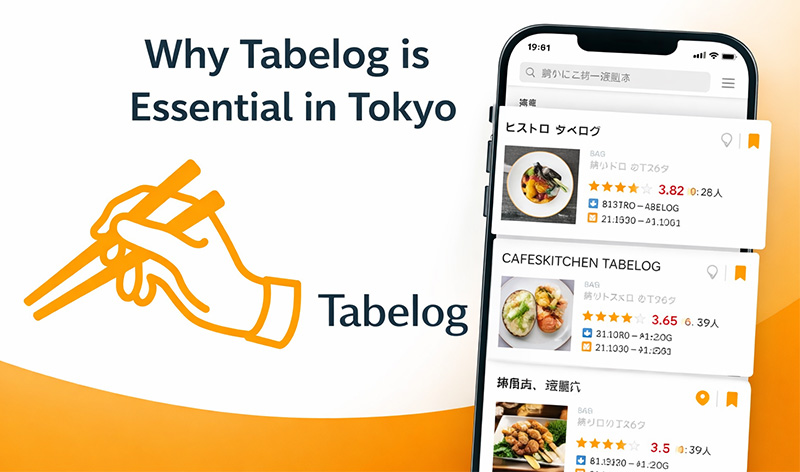
Tabelog is Japan’s go-to restaurant app. Even if the interface appears in Japanese, you can easily translate listings, menus, and reviews into English using built-in tools or your phone’s translation features.
If you want to eat more like a local in Tokyo, Tabelog is one of the most useful tools you can have. This is one of the main platforms locals use, and it works differently from Google Maps or Yelp.
The biggest thing to understand is that Tabelog scores are much stricter. A place in the low 3s can still be very solid, while anything above 3.5 is usually a strong signal. That matters in a city where tourists and locals often rate restaurants very differently.
| Tabelog Score | What It Usually Means | How to Use It |
|---|---|---|
| 3.0 to 3.4 | Good, reliable local restaurant | Do not dismiss these. Many everyday neighborhood favorites live here. |
| 3.5+ | Excellent and worth paying attention to | A strong sign you are looking at a serious food destination. |
| 4.0+ | Extremely rare, top-tier restaurant | These are often bucket-list places and may require advance planning. |
Local Guide Tip: Do Not Judge Tokyo by Google Alone
In Tokyo, a restaurant with a lower Google rating can still be excellent, and a place packed with tourists can look better online than it does on the ground. Tabelog is one of the best ways to get closer to local opinion.
If search results feel clunky in English, the easiest workaround is often to Google the restaurant name plus “Tabelog” and open the direct listing from there.
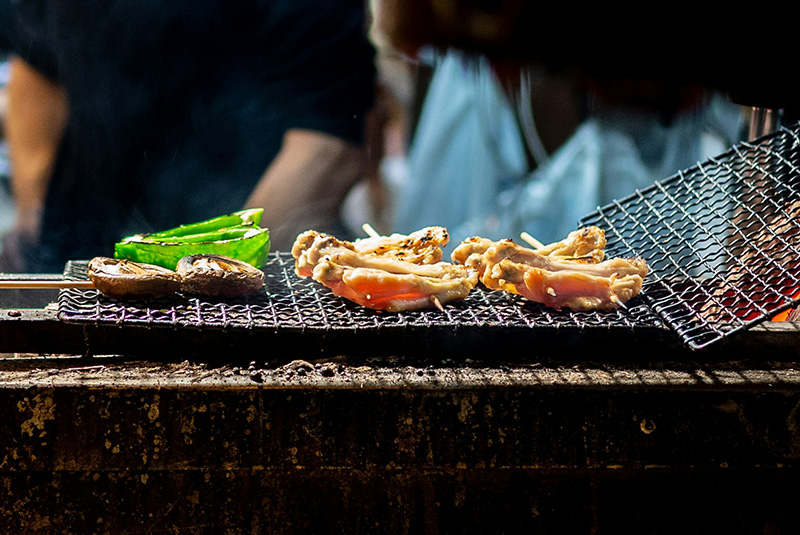
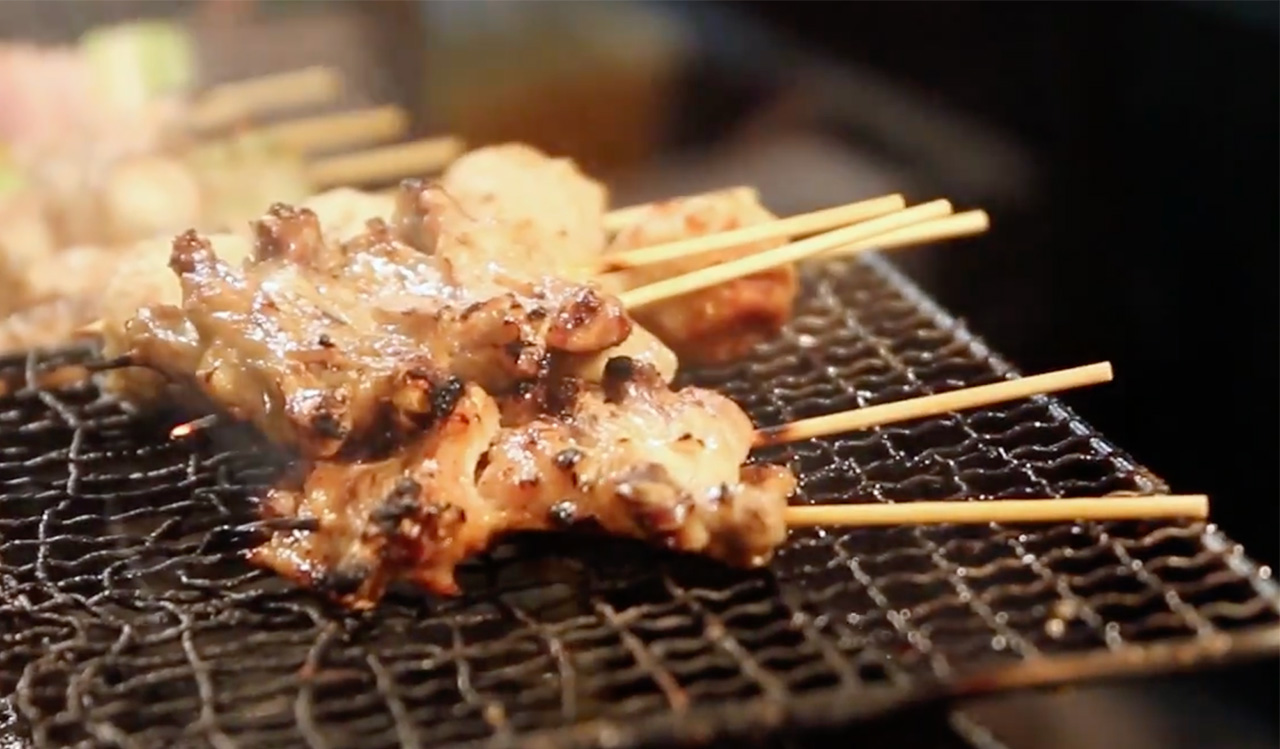
The heart of the izakaya experience: expert chefs grilling skewers over binchotan charcoal, filling the narrow alleys of Tokyo with a distinctive, smoky aroma.
If you want to understand the social fabric of Tokyo, you have to spend an evening in an izakaya. Part pub, part eatery, these are the informal third places where the city’s rigid social structures soften. Whether it is a tiny, six-seat stall in Shinjuku’s Omoide Yokocho (Memory Lane) or a polished, multi-story spot in Ginza, the formula is the same: small plates, cold drinks, and high energy.
Japanese dining etiquette is not complicated, but a few basics will make meals smoother and keep you from slowing down efficient, small spaces.
| Topic | The Rule | Why It Matters |
|---|---|---|
| Tipping | Do not tip under any circumstance. | It is not expected and will only cause confusion. The staff will likely chase you down to return the money. |
| Ordering | Use the ticket machines at casual spots. | It removes the language barrier and speeds up service. Hand the small ticket to the chef when you sit. |
| Otoshi | Accept the small appetizer at izakayas. | It functions as a mandatory seating charge. It is normal, not a scam, and often delicious. |
| Noise Level | Slurping noodles is fine; loud talking is not. | Slurping cools the noodles, but general restaurant volume in Japan is much lower than in the U.S. |
| Cash vs Card | Carry cash for smaller, older spots. | While tap-to-pay is everywhere now, old ramen shops and market stalls still rely heavily on yen. |
Explore Japan through food culture, planning guides, major cities, and deeper regional experiences.

START HERE
Use the full Japan hub to connect cities, compare regions, and build a trip that fits your travel style.
Read More
FIRST TIMERS
Get the logistics, etiquette, and pricing basics right before booking trains, hotels, and daily plans.
Read More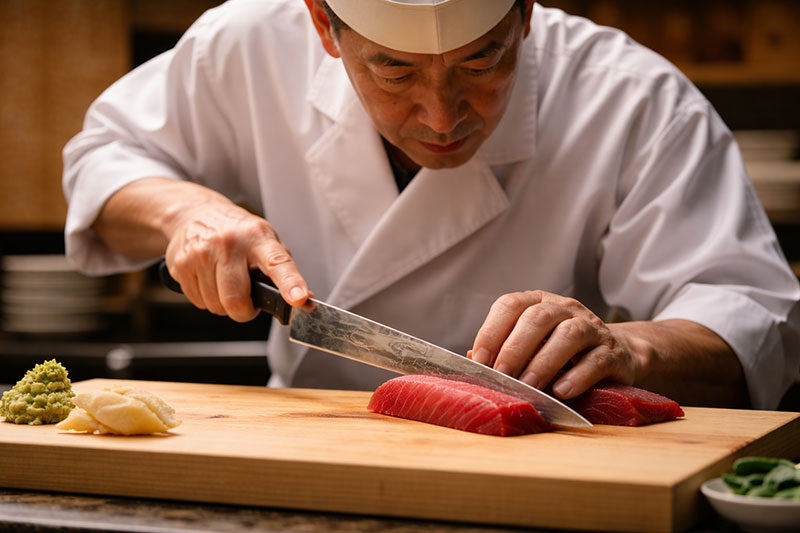
SUSHI CULTURE
Learn ordering etiquette, sushi types, and how to experience it properly from casual to high-end.
Read More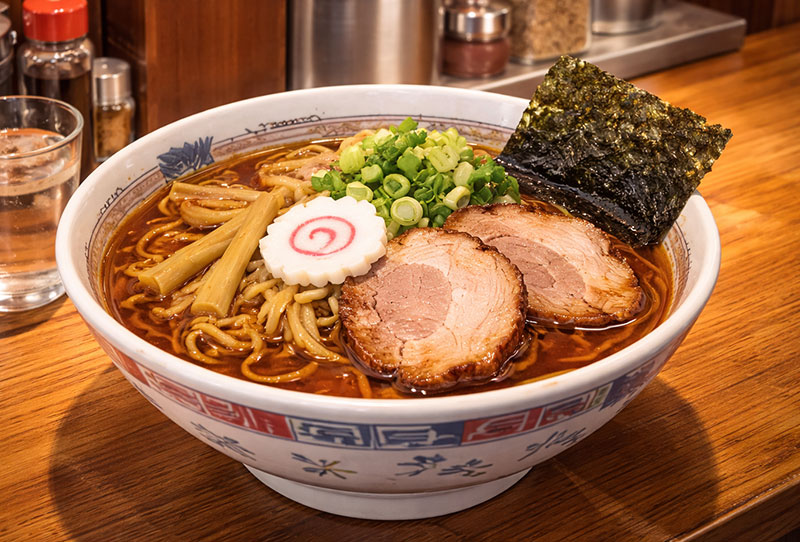
RAMEN GUIDE
Understand regional styles, ordering systems, and where to find standout bowls across Japan.
Read More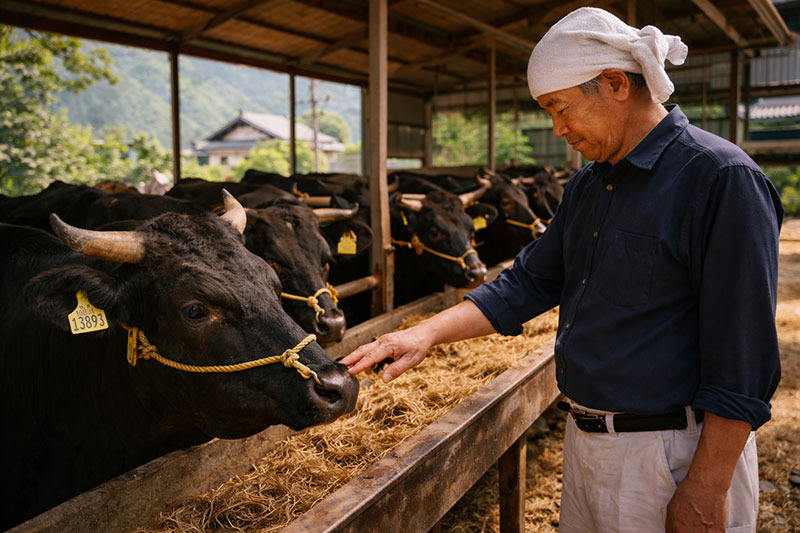
WAGYU GUIDE
Break down cuts, grading, and how to actually enjoy Japan’s most famous luxury beef.
Read More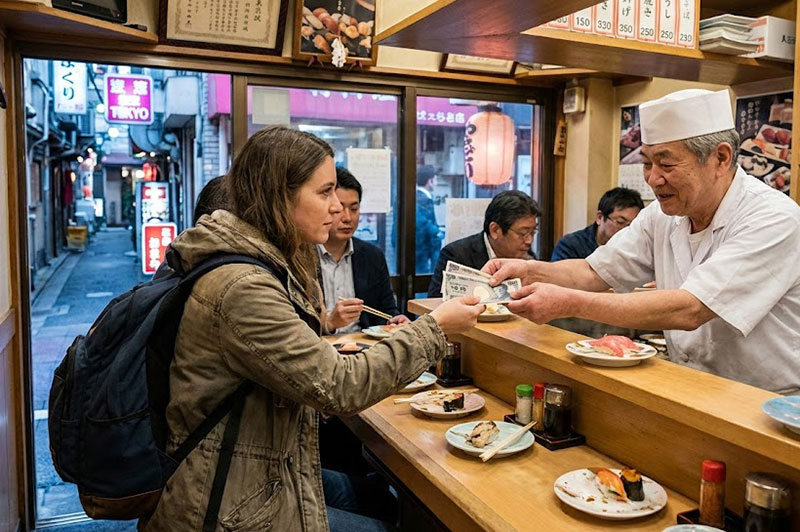
SOLO TRAVEL
Navigate eating alone with confidence, from ramen counters to high-end restaurants.
Read MoreNo. Tipping is not part of the culture in Tokyo or anywhere in Japan. Service is already included, and leaving extra money can actually cause confusion. Staff may even chase you down to return it.
Instead, many casual spots like izakayas include a small seating charge called an otoshi, which usually comes with a small appetizer. High-end restaurants may include a service charge automatically.
For high-end sushi, omakase, or Michelin-level restaurants, reservations are usually required and often need to be made well in advance.
For everyday dining like ramen shops, soba counters, curry spots, and most izakayas, you can usually walk in or expect a short, fast-moving line.
If needed, your hotel concierge can help book harder-to-reach restaurants that require phone reservations.
Yes, eating while walking is generally frowned upon. The expectation is to eat where you buy your food or step aside and finish it before moving on.
This is especially true for convenience store food and street snacks. Exceptions exist at festivals, where eating while browsing is more accepted.
It is possible, but it requires planning. Many traditional dishes use ingredients like fish-based broth (dashi) or soy sauce that contains wheat.
Tokyo does have a growing number of vegan and specialty restaurants, and apps like HappyCow can help you find them. Look for clearly labeled spots rather than assuming dishes are naturally vegetarian or gluten-free.
A few basics go a long way:
Most places are very forgiving, but showing awareness of these basics is appreciated.
Tokyo is increasingly card-friendly, especially at chains and larger restaurants. However, many small local spots, ramen shops with ticket machines, and older establishments are still cash-only.
It is always smart to carry some yen so you do not miss out on great local meals.