Travel Planning Hub
Start here to plan your trip, compare options, and explore every TLGA planning guide.

Packing & Gear Guide
What to pack, what to skip, and how to build a lighter travel setup that works.


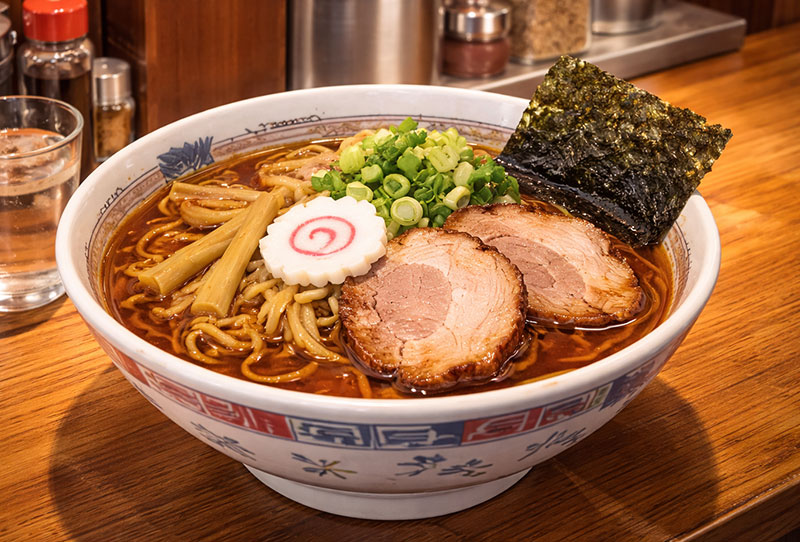
Classic Tokyo shoyu ramen served in a small neighborhood ramen shop, featuring soy-based broth, curly noodles, and traditional toppings.
By Corey Gasman
Ramen noodles are the quintessential Japanese comfort food. Affordable, deeply satisfying, and endlessly regional, ramen is something you can eat every day in Japan without ever getting bored. From rich pork broths simmered for hours to clean soy-based soups that feel almost delicate, ramen reflects local taste, climate, and culture.
You will find ramen shops on nearly every block across Japan. Some are tiny counters with six seats. Others are destination-worthy temples of noodles with lines that start before sunrise. This guide breaks down the main styles of ramen, what to order in different regions, how to eat it properly, and which shops you absolutely should not miss.
Ramen is an “eat it hot” meal. Plan ramen for lunch or an early dinner when you can show up, eat fast, and move on. Long, slow meals come later.
Ramen in Japan is not fast food. It is casual food. That distinction matters. Each bowl is built around four elements: broth, tare (seasoning base), noodles, and toppings. Even small neighborhood shops obsess over water temperature, noodle thickness, and how long pork bones are simmered.
Because ramen is affordable and widely eaten, it became the perfect canvas for regional identity. Climate, local ingredients, and history all influence how ramen tastes in different parts of the country.
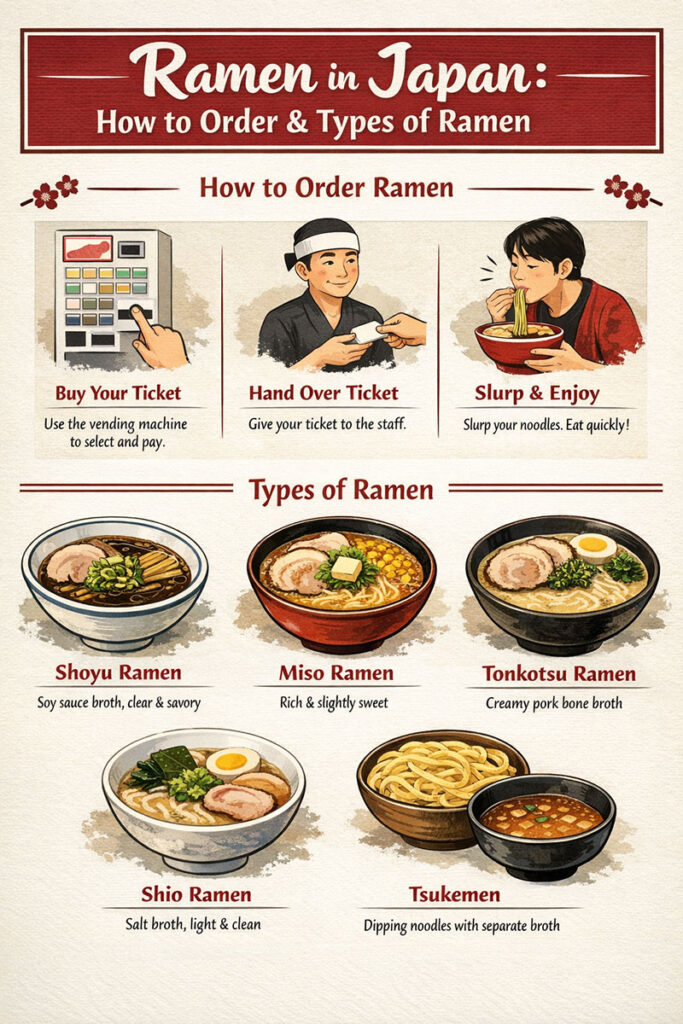
How to order ramen in Japan and the most popular regional ramen styles, from Tokyo shoyu ramen to Kyushu tonkotsu and Hokkaido miso. Download our printable guide to ordering ramen in Japan.
These are the core ramen styles you will see across Japan. Most shops specialize in one or two styles and do them extremely well.
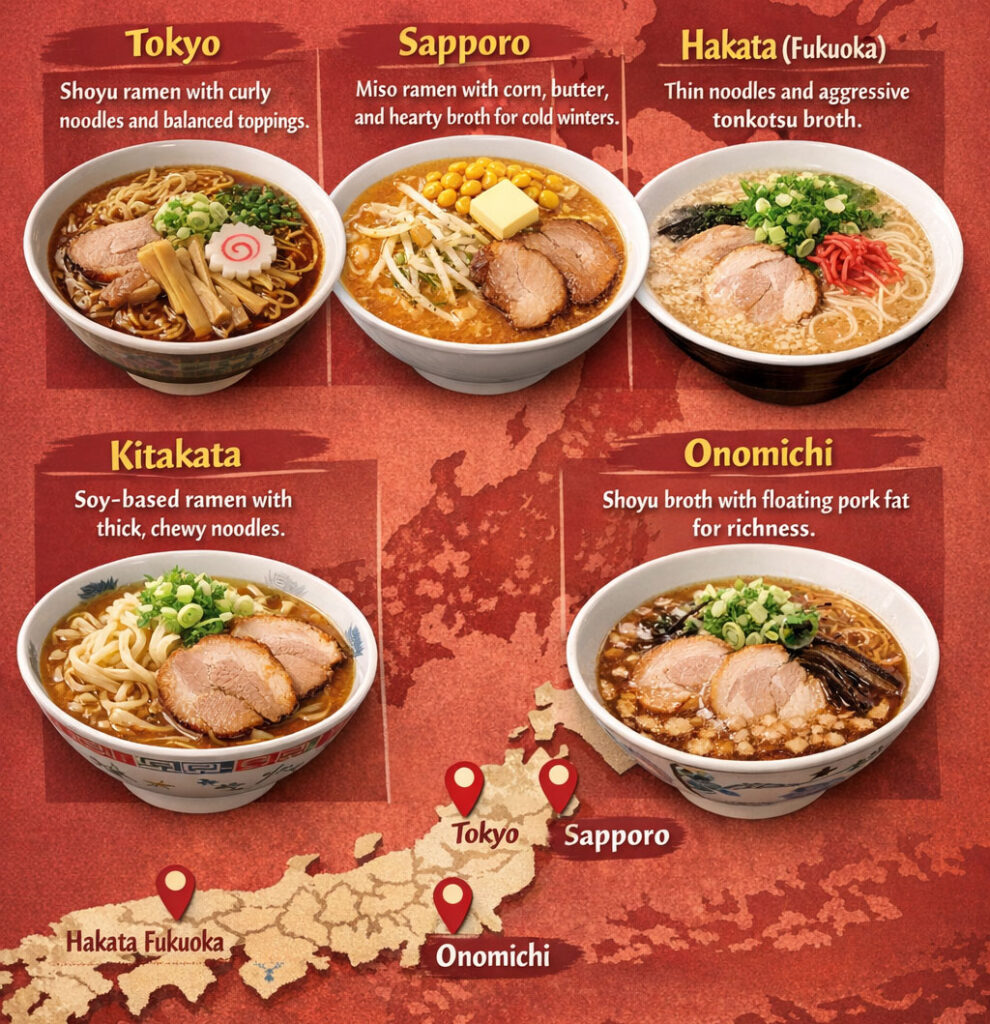
Ramen in Japan: A visual guide to regional ramen styles, from Tokyo shoyu to Sapporo miso and Hakata tonkotsu.
Ramen changes dramatically as you move around Japan. These are some regional standouts worth seeking out.
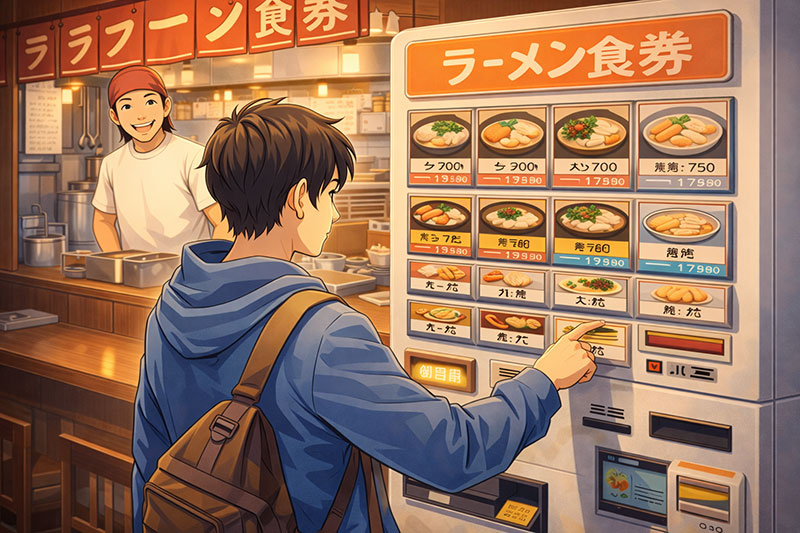
Ordering ramen in Japan using a ticket vending machine, a common first step before taking a seat at the counter.
Most ramen shops use a ticket vending machine at the entrance. You pay first, hand the ticket to the staff, then sit down. Do not overthink it. Look for photos or press the most popular button (usually the top left).
Slurping is encouraged. It cools the noodles and enhances the aroma. Eat quickly and leave once finished. Ramen is meant to be enjoyed hot and fresh, not lingered over.
In tonkotsu shops, you may be asked for noodle firmness. If unsure, choose futsu (normal).
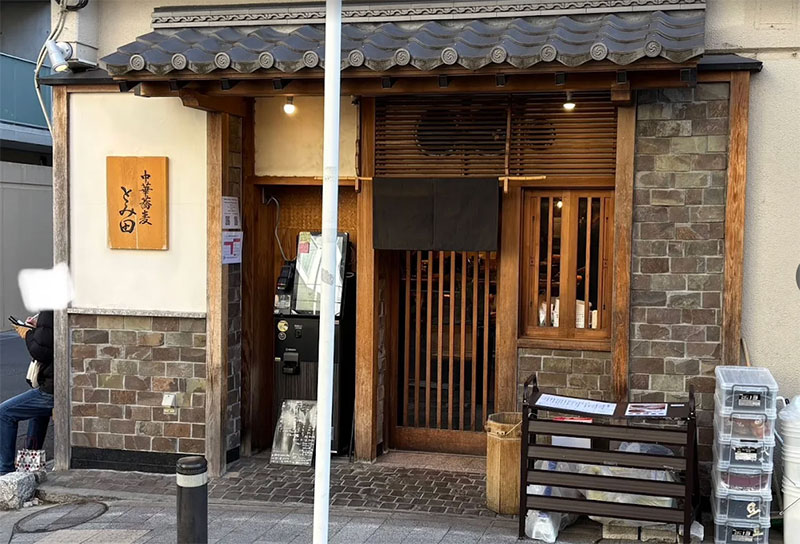
Normally there is a long line of eager diners that stretches around the corner of the legendary Tomita Ramen shop in Matsudo, Japan.
If there is one ramen shop that deserves legendary status, it is Tomita Ramen.
Often ranked as Japan’s number one ramen shop, Tomita is famous for tsukemen. The broth is ultra-concentrated, the noodles are thick and chewy, and the experience borders on obsessive craftsmanship. Lines are long and reservations are often required, but this is as close as ramen gets to a pilgrimage.
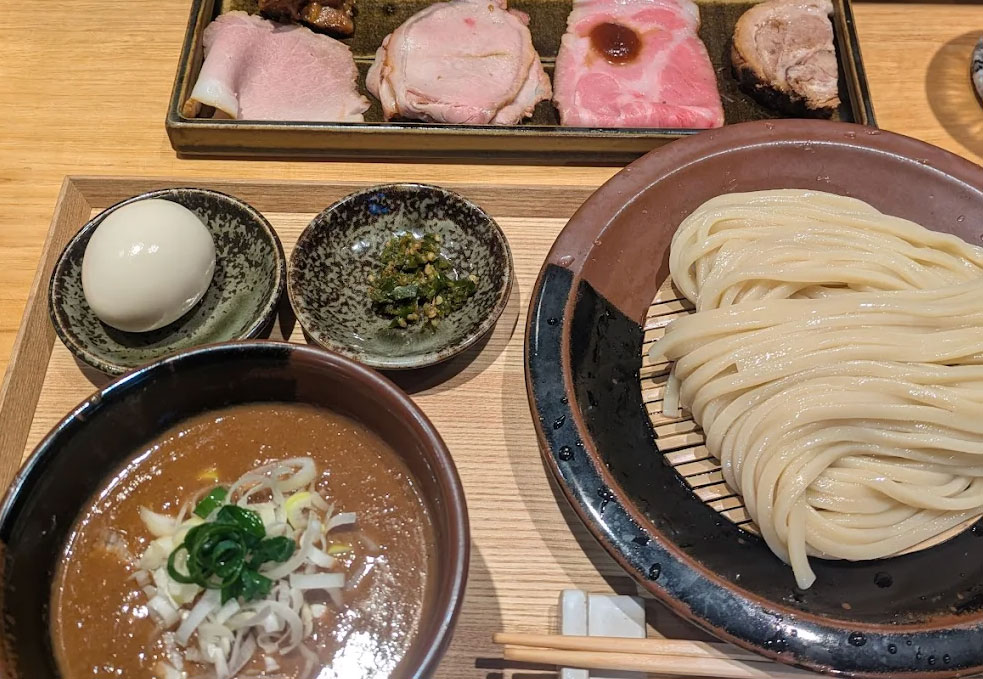
The King of Tsukemen. Experience the masterwork of Osamu Tomita. This signature set features ultra-thick noodles made from 100% Japanese wheat and a 20-hour simmered pork and seafood broth.
More info on IMDb: Ramen Heads
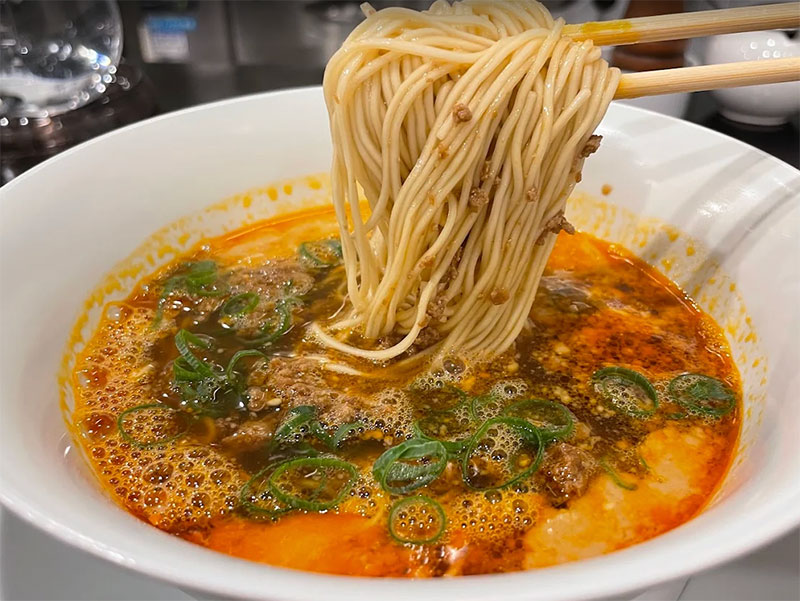
The Michelin experience. The gold standard of tantanmen. At Nakiryu, the balance of spicy chili oil, nutty sesame paste, and refined dashi creates a bowl that lives up to the hype.
Check out these top-rated ramen shops in Tokyo, ranging from Michelin-starred bowls to rich dipping noodles:
Instant ramen was invented in Japan in the post-war era as a cheap, shelf-stable food. Today, convenience stores like 7-Eleven sell instant ramen that rivals restaurant bowls.
Look for premium cup noodles and refrigerated fresh ramen kits. Japanese instant ramen is inexpensive, filling, and shockingly good.
Popular brands include Nissin, Maruchan Seimen, and regional limited editions tied to famous ramen shops.
Yes. Most bowls cost between ¥800 and ¥1,200.
No. Many shops offer chicken, seafood, or vegetarian broths.
It is possible, especially in larger cities like Tokyo and Osaka, but you should check menus for “Vegan” or “Vegetarian” specifically as many broths contain hidden fish dashi.
Absolutely. Japanese instant ramen is on another level compared to export versions.