Travel Planning Hub
Start here to plan your trip, compare options, and explore every TLGA planning guide.

Packing & Gear Guide
What to pack, what to skip, and how to build a lighter travel setup that works.

Last updated: April 2026 by Corey Gasman
From the Editor:
Kyoto is where a lot of people come chasing a very specific idea.
Geisha walking down quiet streets. Lantern light. Something slow, traditional, and different from modern Japan.
Then you get there and see someone in full makeup eating ice cream or posing for photos.
So what’s real?
That question matters because Kyoto is not a museum set. It is a living city, and geiko culture is not a costume. It is a real tradition, carried by real people, in a place already under heavy pressure from tourism.
The short answer is simple. Not everyone dressed like a geisha is a geisha. In fact, most of the time, they’re not.
This confusion is common because Kyoto has two worlds happening at the same time. There is the real world of geiko and maiko, which is private, disciplined, and rooted in traditional arts. Then there is the tourist world, where visitors dress up in traditional clothing for photos and walk through the same historic streets.
Both exist. But they are not the same thing.
Quick Rule: If someone is moving quickly with purpose, do not stop them, photograph them, or follow them. If someone is slowly posing in the middle of the day, they are probably part of a tourist dress-up experience.
TLGA Rule: Geiko and maiko are working artists, not street performers.
Start with the Kyoto Travel Guide.
Use the Japan Travel Guide Hub.
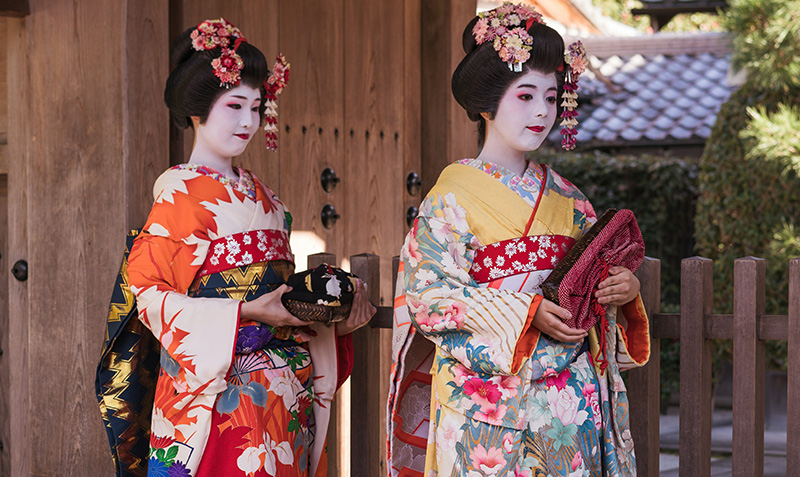
Geiko culture in Kyoto is built on centuries of tradition, discipline, and artistic performance, not what most visitors expect.
In Kyoto, geisha are called geiko, and apprentices are maiko.
They are not street performers or tourist attractions. They are trained artists.
Their work includes:
They work in exclusive settings like tea houses and high-end restaurants, often entertaining business leaders, politicians, and private clients.
Most travelers will never actually interact with a geiko during a trip to Kyoto.
Local Guide Tip: Think of geiko more like a world-class performer than something you casually run into on the street.
A lot of confusion around geiko culture comes from misunderstanding what the word actually means.
“Geisha” translates to “art person.”
The role was never built around romance or intimacy. It was built around performance, discipline, and mastery of traditional arts.
Interestingly, the earliest geisha in the 1700s were men. Over time, the profession shifted and became female-led, evolving into what Kyoto now calls geiko and maiko.
Today, they carry forward traditions that would otherwise fade. Music, dance, etiquette, and conversation are all part of the craft.
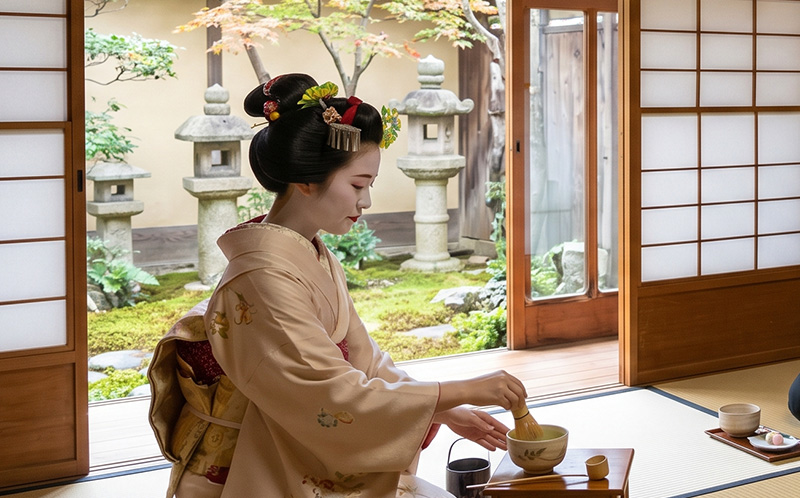
The traditional geiko world exists mostly behind closed doors, inside tea houses, boarding houses, and long-standing relationships.
The world of geiko operates almost entirely out of sight.
It runs through a network of okiya (where maiko live and train) and ochaya (private tea houses where they entertain).
This is not something you casually walk into.
Most ochaya operate on long-standing relationships and introductions. It’s built on trust, reputation, and discretion, not walk-in reservations.
That is one of the biggest differences between real geiko culture and tourist Kyoto. A traveler can book a hotel, a temple ticket, a food tour, or a kimono rental. But the traditional geiko world does not work like that. It is private by design.
Choosing this path today is not easy.
Young women who become maiko leave home, step away from modern routines, and commit to years of structured training.
It’s a full lifestyle shift, not a part-time role.
Because of that, the numbers have dropped significantly.
Today, Kyoto is home to only a small number of active geiko and maiko compared with the height of the tradition.
That alone should give you a sense of how rare this world actually is.
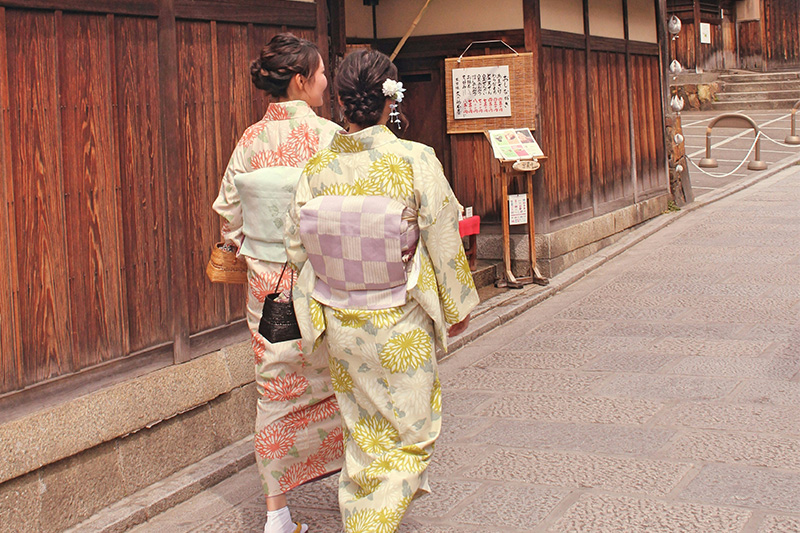
Many Western perceptions of geisha culture are based on fiction rather than the everyday reality of Kyoto.
A lot of what you see in Kyoto during the day is something called maiko transformation (henshin).
Visitors pay to dress up in full traditional clothing and walk around for photos.
It’s a fun experience, and there’s nothing wrong with it. But it creates confusion.
Because suddenly Kyoto looks full of “geisha,” and people assume it’s normal to approach, photograph, or interact with them.
That’s where things start to go wrong.
The tourist version is not automatically disrespectful. Dressing up, taking photos, and enjoying the atmosphere can be part of a trip. The issue is when visitors confuse that experience with the real profession, or start treating working geiko and maiko like part of the same photo activity.
| What You See | What It Likely Is |
|---|---|
| Walking slowly, posing for photos | Tourist in costume |
| Out midday exploring shops | Tourist experience |
| Moving quickly at dusk | Real maiko or geiko |
| Stops for photos | Tourist |
| Purpose-driven, no interaction | Professional |
You don’t need to analyze every detail. Just watch how someone moves.
If they are slowly posing during the middle of the day, they are probably enjoying a tourist transformation experience. If they are moving quickly in the evening and not engaging with anyone, leave them alone.
Local Guide Tip: You do not need to “identify” anyone. The safer and better rule is simple: admire the setting, not the person.
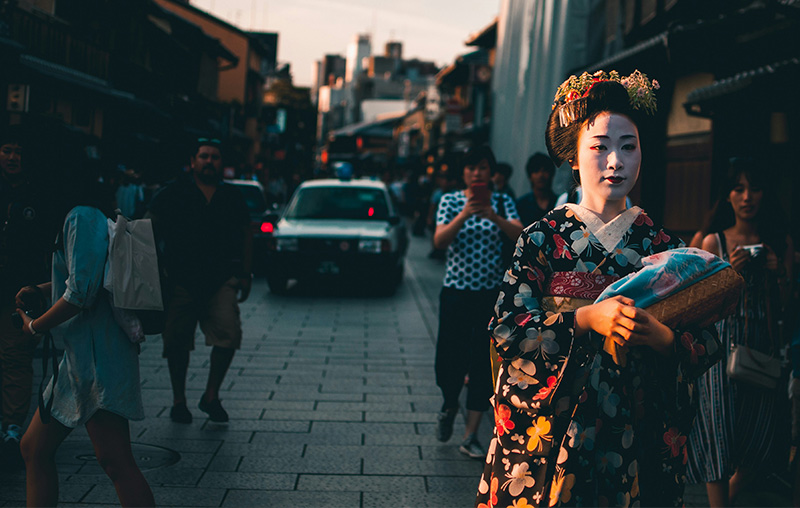
Gion is beautiful, but it is also a working neighborhood. The people walking through it are not there for tourist photos.
Kyoto has had real issues with overtourism around geiko culture.
People chasing them for photos. Blocking paths. Treating them like street performers.
Because of this, certain areas in Gion now restrict photography in private alleys.
This is not about rules for the sake of rules. It’s about protecting people who are trying to do their job.
This also connects directly to visiting Kyoto well. The city is already dealing with crowd pressure, narrow streets, and visitors moving through residential areas like they are public attractions. Respectful travel here is not complicated. Keep your voice down, stay on public streets, and do not turn working people into content.
If you are planning your full visit, pair this with the Kyoto Travel Guide, especially the respectful travel and hidden Kyoto sections.
If you actually want to see this part of Kyoto’s culture, there are better ways than hoping to spot it on the street.
The setting is just as important as the people. The streets, architecture, and pacing all matter.
If you slow down enough, you’ll feel it without needing to chase it.
Pro Tip: The simplest rule to follow in Gion is to never stop someone who is walking with purpose. If you want a real cultural experience, buy a ticket to a performance rather than trying to create one on the street.
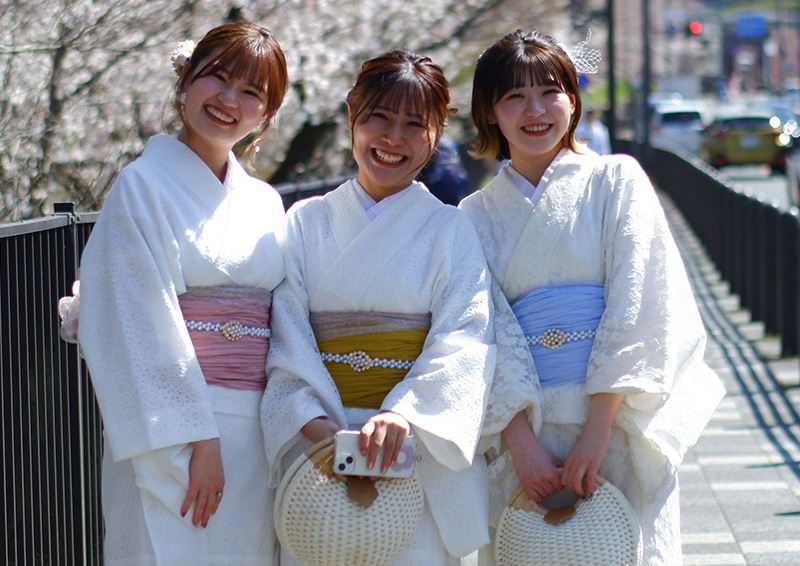
Many visitors to Kyoto enjoy the “maiko transformation” experience, dressing in traditional attire to explore the historic districts and capture memorable photos of their journey.
A lot of what people think they know about geiko culture comes from Western media.
Some of it is entertaining. A lot of it misses the reality.
If you want a better understanding before you go, it helps to start with stories told from within the culture itself.
Kyoto is one of the last places where this tradition still exists in a meaningful way.
It’s not something recreated for visitors. It’s something that has been preserved and carried forward.
That’s why it feels different here.
And it’s also why it deserves a little more awareness when you visit.
Kyoto can easily become a place people consume. Temples, alleys, restaurants, markets, photos. But the better trip happens when you slow down enough to understand what those things mean inside daily life.
Geiko culture is one of the clearest examples of that. From a distance, it can look like costume and mystery. Up close, it is discipline, tradition, and a private world that was never built for mass tourism.
Local Guide Tip: Kyoto makes more sense when you stop trying to “capture” it and start trying to understand it. Watching The Makanai before your trip is an easy way to slow down and reset expectations before you land.
Explore Japan through culture, food, planning, and deeper regional experiences.
START HERE
Use the full Japan hub to connect cities, compare regions, and build a trip that fits your travel style.
Read More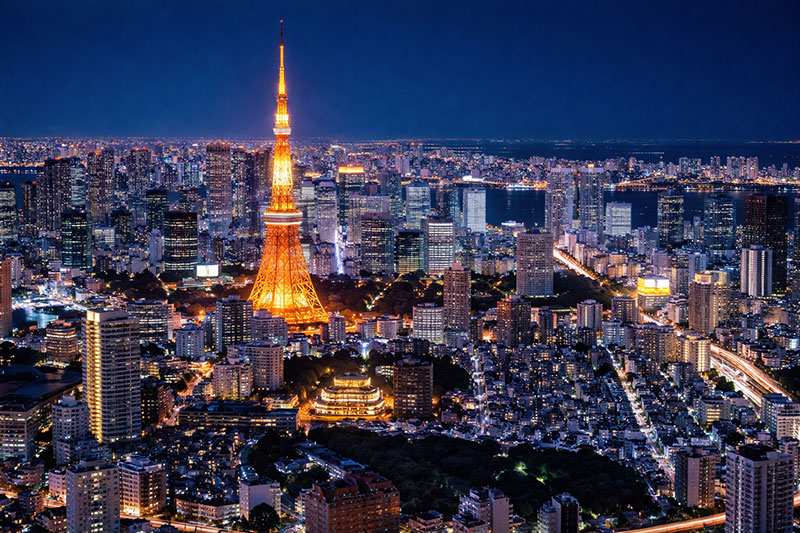
KYOTO GUIDE
Plan temples, food, quiet streets, and respectful travel through Japan’s cultural heart.
Read More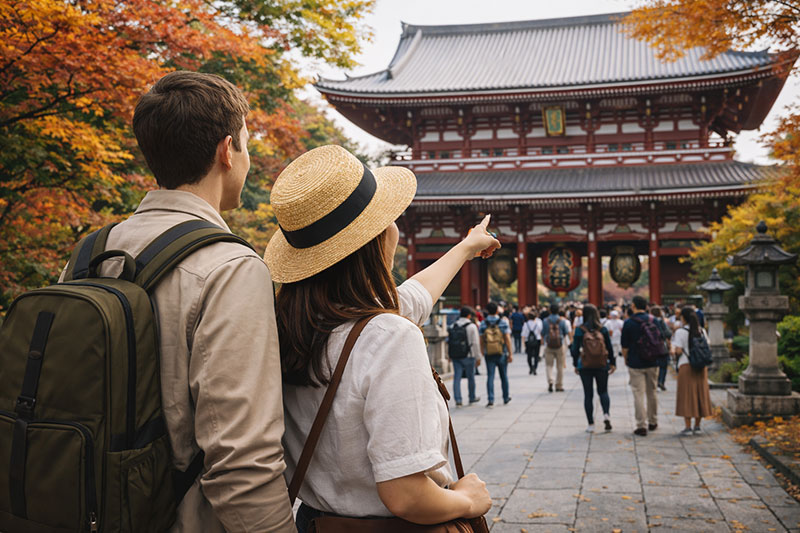
FIRST TIMERS
Get the logistics, etiquette, and pricing basics right before booking trains, hotels, and daily plans.
Read More
TOKYO FOOD
Find hidden gems, understand dining culture, and navigate Tokyo’s food scene beyond tourist spots.
Read More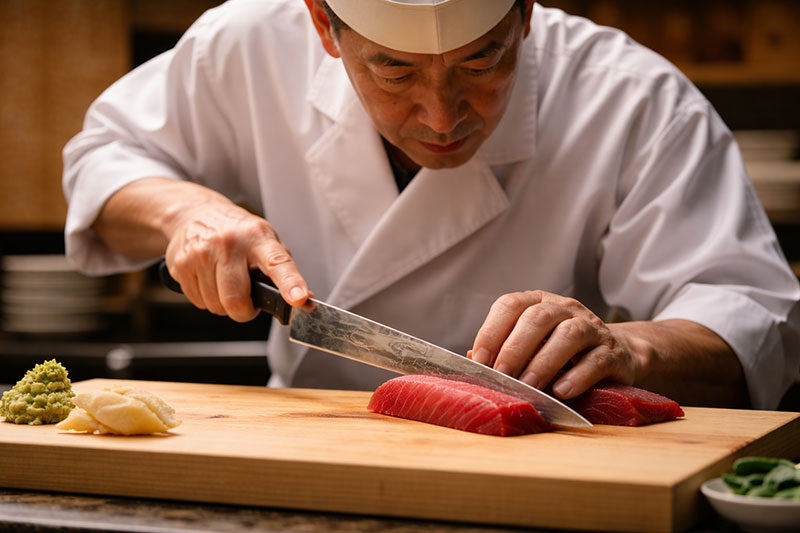
SUSHI CULTURE
Learn ordering etiquette, sushi types, and how to experience it properly from casual to high-end.
Read More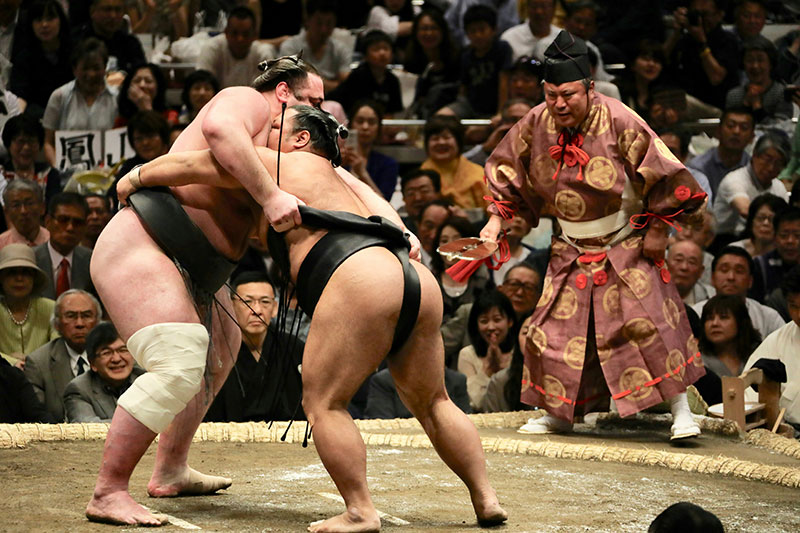
TRADITION
Plan tickets, tournaments, and stable visits to experience Japan’s most traditional sport.
Read MoreNo. Maiko are apprentices, usually younger and still in training. Geiko are fully trained professionals.
Not casually. Most interactions happen in private settings. Public performances are the easiest way to experience it respectfully.
Because of repeated issues with tourists harassing working geiko and maiko. Restrictions are meant to protect them.
No, it’s a common tourist activity. The issue comes when visitors confuse the experience with the real profession or behave disrespectfully in public spaces.
The best option for most travelers is a public performance, such as a seasonal dance event or a cultural show. That lets you experience the art respectfully without chasing someone through Gion.