Travel Planning Hub
Start here to plan your trip, compare options, and explore every TLGA planning guide.
Packing & Gear Guide
What to pack, what to skip, and how to build a lighter travel setup that works.

By Corey Gasman
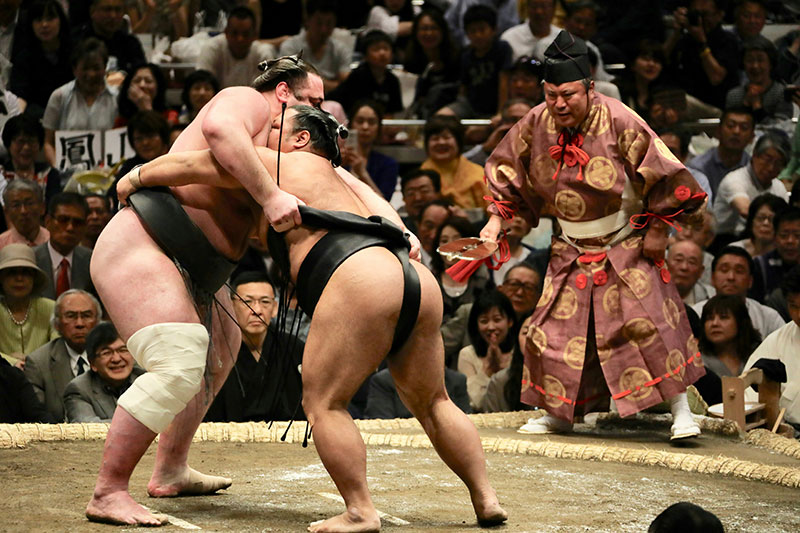
Watching sumo in Japan is not just a sporting event. It is ritual, discipline, and theater rolled into one experience. You feel it the moment you walk into the arena: the hush before impact, the salt thrown to purify the ring, and the sudden shockwave when two wrestlers collide.
If you are visiting Japan in 2026, sumo is one of the most uniquely “only in Japan” experiences you can add to your trip. The good news is that it is easier than ever to buy tickets, understand what you are watching, and even see morning training if you do it the right way.
This side story walks you through tickets, tournament strategy, the history behind the rituals, how to watch stable practice respectfully, what sumo wrestlers eat, and what the sport looks like right now.
If you only have one shot at sumo, aim for a Tokyo tournament day in the final week. If you want the best value, go on a weekday and sit in arena seats, then explore the Ryogoku neighborhood before or after.
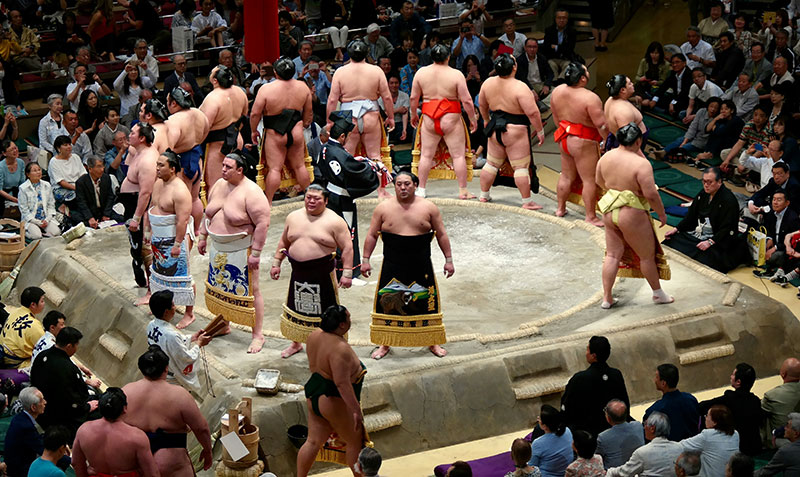
Sumo is part sport, part ceremony. Even the warmups and pre-match rituals are worth arriving early to witness firsthand.
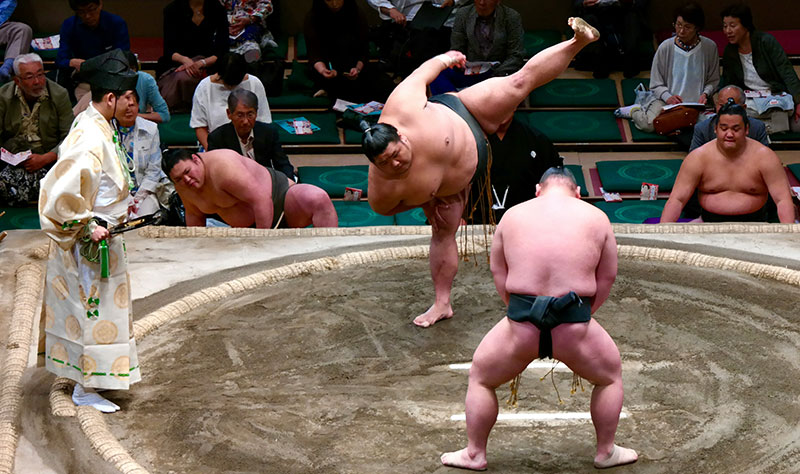
Sumo is Japan’s oldest organized sport, and it began as a Shinto ritual performed to honor the gods and pray for good harvests. That origin is why the arena feels sacred in a way most sports venues do not. The ring (the dohyo) is treated as holy ground. Salt is thrown to purify it. Wrestlers stomp to drive away bad spirits. Referees wear robes that look more like a priest’s attire than an umpire’s uniform.
Over centuries, sumo evolved from seasonal rituals into professional competition. By the Edo period, the sport was formalized with rankings and tournament-style events. What makes modern sumo so compelling is how many traditions survived. When you watch a top-division bout today, you are seeing something that still carries the rhythm and symbolism of its earliest roots.
Japan has six official grand tournaments (honbasho) each year, lasting 15 days each. They rotate across the country:
Sumo tickets typically go on sale roughly one month before the tournament starts, and popular days sell out quickly. In 2026, you have four realistic paths, and the right one depends on how much certainty you want.
1) Official ticket sales: The best option if you plan ahead. You get real pricing, real seat maps, and a straightforward purchase process for major tournaments.
2) Convenience store tickets: Lawson and 7-Eleven often sell seats via in-store kiosks. This can be cheap, but it is Japanese-first and not beginner-friendly.
3) Tour companies and hotels: Great if you want your ticket handled, sometimes bundled with an audio guide or escort to your section. You pay more, but you remove friction.
4) Same-day tickets: Limited and not guaranteed. If you are on a tight budget and have time to queue early, it can work, but do not build your whole plan around it.
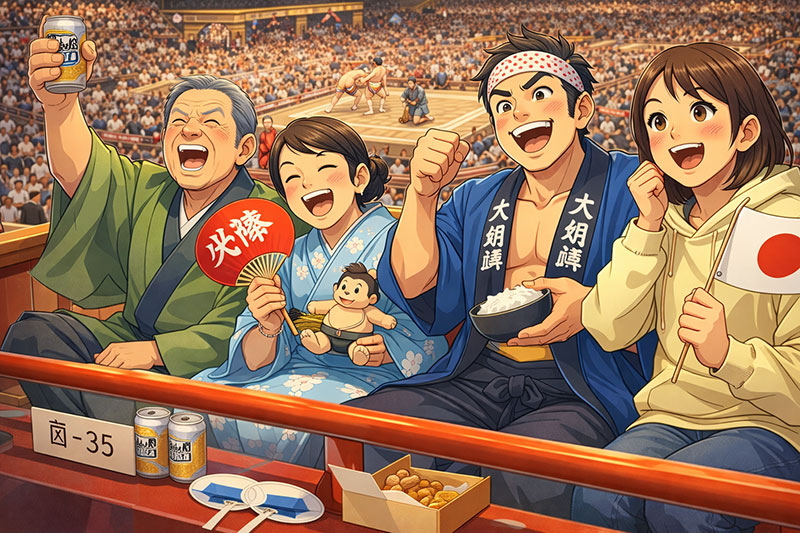
Experiencing the electric atmosphere of a sumo match from the traditional ringside box seats (masu-seki).
Sumo seating falls into a few categories. The right choice depends on your comfort level and how long you plan to stay.
Box seats: Traditional floor seating where you sit on cushions. It is the classic experience, but it can be tough on knees and backs. Shoes off, and you are seated low to the ground.
Arena seats: Standard chairs in the stands. This is the best pick for most travelers. Comfortable, good sightlines, and usually more affordable.
Ringside: Extremely close and expensive. It is thrilling, but be aware that wrestlers can fly out of the ring. You may literally need to brace.
| Seat Category | Weekend (JPY/USD) | Weekday (JPY/USD) | Capacity |
|---|---|---|---|
| 🏆 Ringside | ¥20,000 (~$126) | ¥20,000 (~$126) | 1 Person |
| 🎎 Box Seats (A-C) | ¥38k-¥52k (~$240-$328) | ¥34k-¥48k (~$215-$303) | 4 People |
| 🏟️ Arena Seats (S-A) | ¥7k-¥9.5k (~$44-$60) | ¥6.5k-¥9k (~$41-$57) | 1 Person |
| 🎟️ Arena Seats (B-C) | ¥4k-¥5.5k (~$25-$35) | ¥3.5k-¥5k (~$22-$31) | 1 Person |
*Estimates based on early-2026 exchange rates. Actual USD prices vary with the yen.
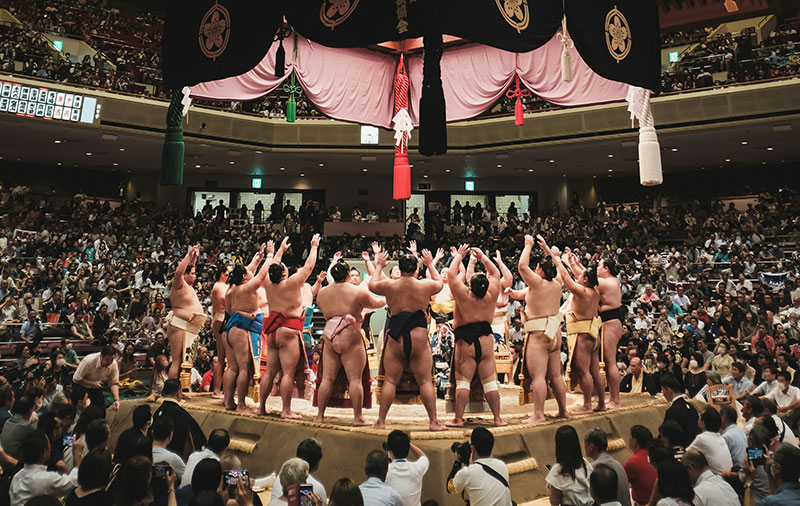
Grand Entrance: The opening ceremony of a professional tournament, where rikishi from the top divisions gather in the ring to greet the crowd.
A full sumo day is long, and it is designed in layers. Lower divisions compete earlier in the day, and the top division closes the afternoon. If you arrive only for the final hour, you will still see the biggest bouts. But you will miss the slow build that turns the day into an event.
In practical terms, here is the rhythm. Morning is quieter, with smaller crowds and a relaxed pace. Midday brings more energy, more food and drink, and a steadier flow of action. Late afternoon is when the arena feels fully alive, especially when the ranked wrestlers enter with ceremony and the matches become more consequential.
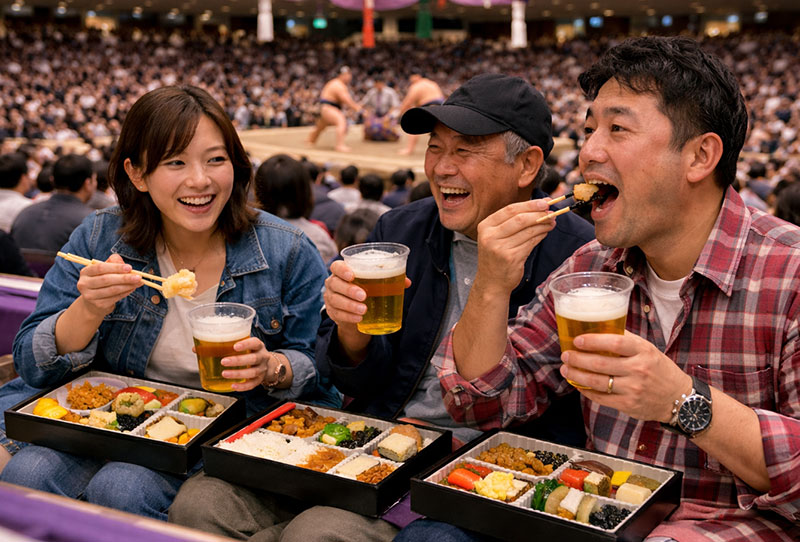
Experiencing the atmosphere: Fans enjoy a traditional bento meal and drinks while cheering on their favorite wrestlers at a sumo tournament.
Yes, eating and drinking is part of the experience. Beer, sake, bento boxes, and snacks are widely available inside the arena. Many locals treat sumo as an all-afternoon social event, especially on weekends.
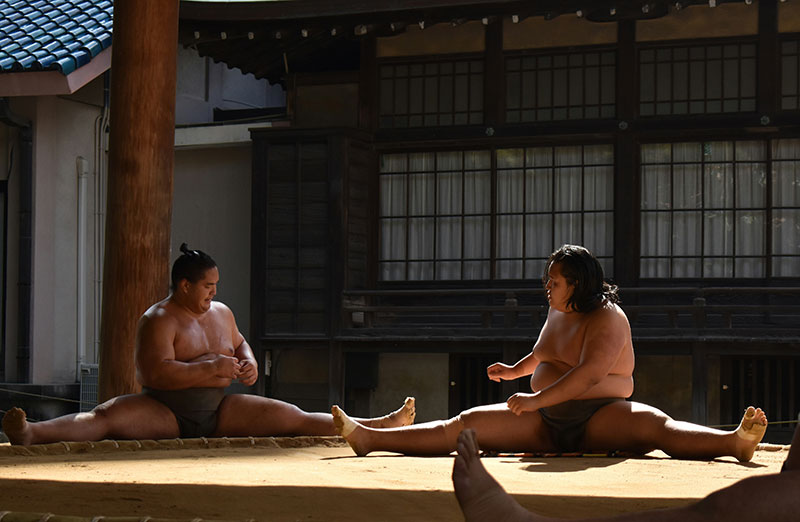
Morning training is intense, quiet, and deeply hierarchical. You are a guest in their home, not an audience at a show.
Seeing a sumo stable (heya) is one of the most unforgettable ways to understand the sport. Stables are where wrestlers live, train, eat, and follow strict seniority rules. Training sessions often start early, sometimes around 6:00 am, and can last for hours. Junior wrestlers begin first. Seniors join later. The whole environment is disciplined and serious.
In 2026, some stables still allow visitors, but access is controlled and etiquette expectations are high. The most reliable method is booking through a reputable tour company that has existing relationships and clear rules. Some hotels and cultural programs can also help arrange visits. Reaching out directly can work if you speak Japanese and understand the culture, but it leaves little room for mistakes.
Stable practice is not a performance for tourists. It is work. That means the rules are strict, and following them is part of showing respect. Some stables allow photos, others do not. Many prohibit flash entirely. Most require silence, no wandering, and no entry or exit once practice begins. Dress modestly and keep your phone away.
Think of it like being invited into someone’s home during a serious family ritual. You are there to observe, not to take up space. If you follow instructions and stay unobtrusive, you will be welcomed. If you treat it like a spectacle, you will not.
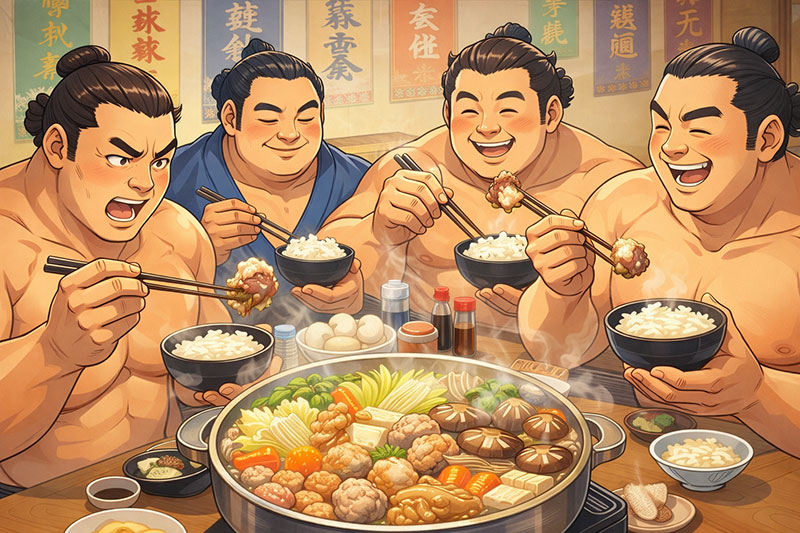
Chanko nabe is the iconic sumo meal. It is protein-heavy, balanced, and built for recovery.
The stereotype is that sumo wrestlers just eat huge portions all day. The reality is more structured and athletic. Sumo bodies are built intentionally through intense training, timing, and calorie strategy. The signature dish is chanko nabe, a hearty hot pot loaded with protein and vegetables. It can include chicken, fish, tofu, mushrooms, cabbage, and rich broth, usually served with rice and side dishes.
A classic routine is morning training on an empty stomach, followed by a large late-morning meal. After that comes rest, often a long nap, and then another substantial meal later in the day. The timing matters. Eating after training helps the body absorb calories efficiently, and the rest period supports weight gain and recovery.
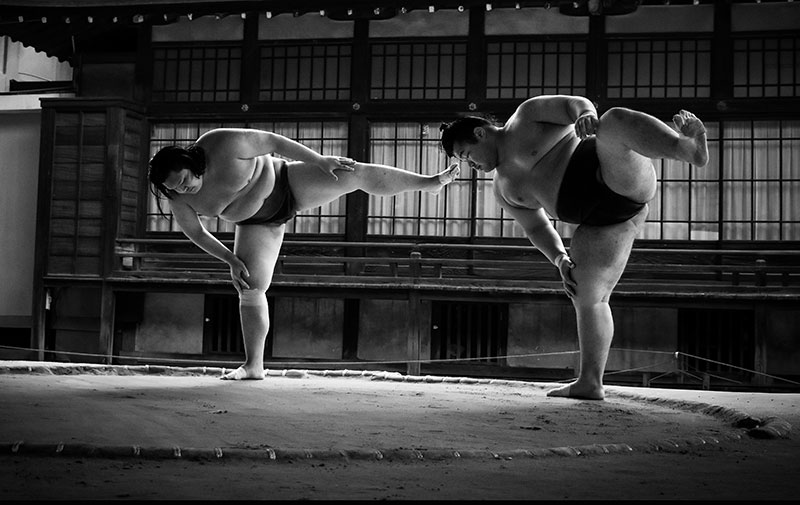
Strength and tradition: A historical look at rikishi training, highlighting the physical discipline that has defined the state of sumo for generations.
In 2026, sumo is both stable and evolving. The core of the sport is still fiercely traditional. Rankings remain strict, and the Japan Sumo Association maintains tight control over tournaments, discipline, and public image. That conservatism is part of what makes sumo feel timeless, but it also means change arrives slowly.
At the same time, sumo is increasingly accessible for travelers. Ticketing has improved, English resources are more common, and guided experiences make it easier to understand what you are seeing. Social media and documentaries have also helped bring new fans into the sport, including younger Japanese audiences and international visitors.
International wrestlers continue to play a major role at the top levels, which sparks debate among purists but also raises the athletic standard. Meanwhile, there is ongoing public conversation around modernization, governance, and inclusivity. Amateur women’s sumo exists, but professional sumo remains male-only, and that is unlikely to shift quickly. The result is a sport that feels deeply rooted, yet constantly discussed in modern terms.
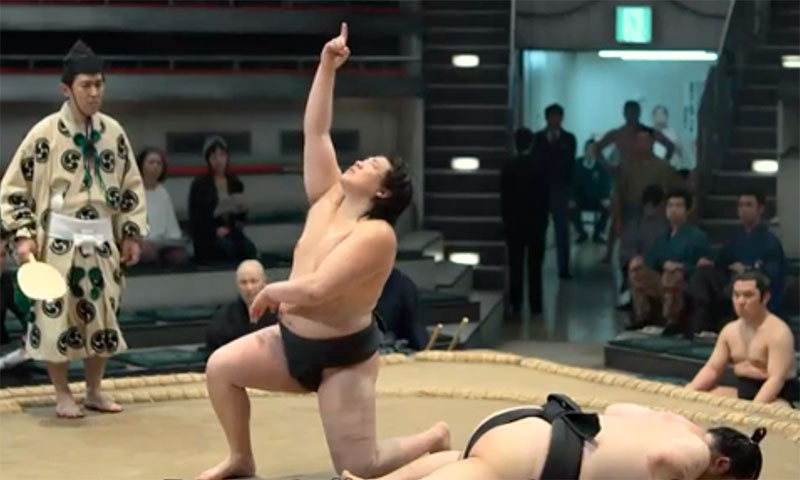
To truly understand the spirit of the sport, watch Sanctuary on Netflix. This 2023 drama dives into the gritty, traditional world of sumo through the eyes of a delinquent-turned-wrestler. It is a hit for its realistic portrayal of ancient rituals and modern ambition.
Any tournament month works, but Tokyo (January, May, September) is the easiest for travelers. If you want the biggest energy, choose the final weekend. If you want better ticket availability, go on a weekday in the second week.
You can absolutely go for just the late afternoon. That is when the top division competes and the arena is at its most exciting. If you enjoy pacing and atmosphere, arriving earlier adds depth, but it is not required.
Arena seats are usually best. They are comfortable, affordable, and still give great views. Box seats are iconic, but can be uncomfortable if you are not used to floor seating.
The most reliable way is booking through a reputable tour company or a program that arranges permission in advance. Direct contact is possible, but etiquette is strict and Japanese language ability helps a lot.
Dress modestly, arrive early, and stay silent. No flash photography, no wandering, and no entering or exiting once practice begins. Treat it like observing serious work, not watching a show.
Yes. Chanko nabe is widely available, and Ryogoku in Tokyo is the best neighborhood for it. Many chanko restaurants are operated by retired wrestlers and are very welcoming to visitors.