Travel Planning Hub
Start here to plan your trip, compare options, and explore every TLGA planning guide.
Packing & Gear Guide
What to pack, what to skip, and how to build a lighter travel setup that works.

Last updated: March 2026 by Corey Gasman
From the Editor:
Tokyo was one of the most personal solo trips I have ever taken. I spent a week there on vacation by myself, traveling in late fall moving into early winter, when the city was shifting seasons. Some trees still held color, while parts of the city were already decorated with Christmas lights and holiday displays.
I stayed at the Prince Hotel near Tokyo Tower, just outside Roppongi. It ended up being a perfect base. Walkable, comfortable, and close enough to great restaurants, bars, and easy subway access at the end of each day.
Every morning I would pick one district, plan one lunch, choose one main activity, and let the rest of the day unfold. Some nights I stayed out. Some nights I went back toward my hotel. That rhythm made Tokyo feel manageable instead of overwhelming.
It really did feel a little like Lost in Translation. I was not talking much. I was observing. Riding the subway. Ordering by pointing. Using ticket machines. Slowly building confidence as the days went on.
That is the version of Tokyo this guide is built around. Not rushed, not overplanned, and experienced one neighborhood at a time.
2026 Tokyo Travel Update:
Tokyo is easier than ever for first-time visitors if you keep the approach simple. Load a mobile Suica or PASMO, pick a strong neighborhood base, and build your days by district instead of trying to cross the city nonstop.
The best Tokyo trips still come down to the same basics: stay near good transit, keep one major thing per day, and let food and neighborhood wandering do the rest. If this is your first time traveling to the country, reviewing the first-timer’s guide to Japan before you land will help you navigate the logistics.
TLGA Rule: Tokyo gets easier the moment you stop treating it like one city and start treating it like a collection of districts. Pick one side of town, do it well, then move on tomorrow.
Start here: Japan Travel Guide
This map is how I actually navigated Tokyo. Instead of trying to remember everything, I pinned the neighborhoods, food spots, and areas I wanted to explore, then built each day around one cluster. If you follow one rule in Tokyo, make it this: stay within one area per day. This map helps you do exactly that.
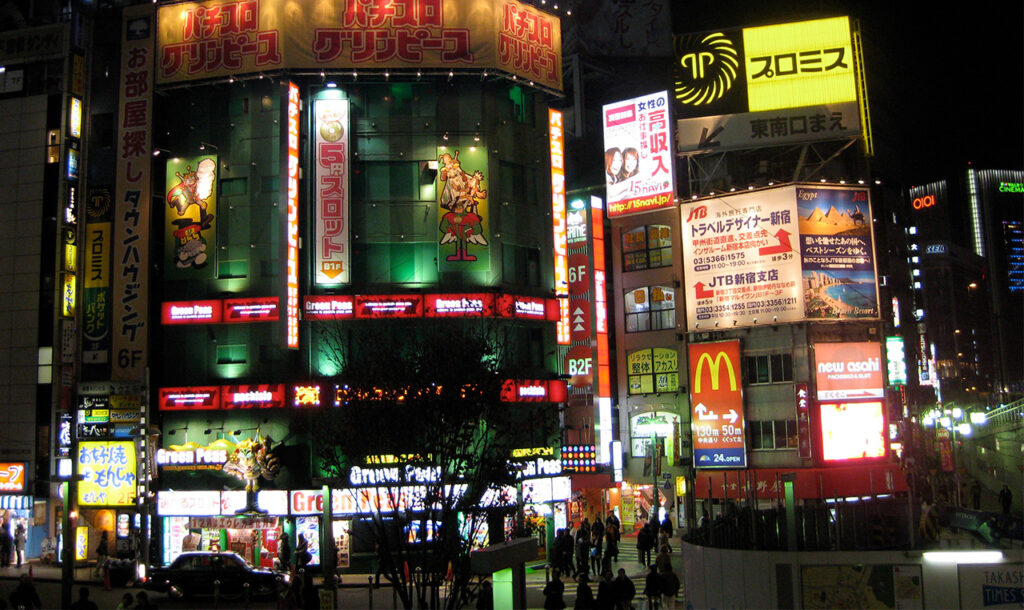
Tokyo works best when you stop trying to see everything and start exploring one district at a time.
Tokyo is not one city. It is a collection of districts you experience one at a time. The mistake is trying to jump across all of them in a single day.
The city becomes much easier when you group your days by area. Think of it in three main zones: West (Shibuya, Shinjuku), East (Asakusa, Ueno), and Central (Ginza, Tokyo Station). Pick one side of the city per day. Plan one anchor activity. Choose one food goal. Then let the rest unfold.
That is what worked for me. I spent a week in Tokyo by myself, and the trip clicked once I stopped treating it like a giant checklist and started treating each neighborhood like its own daily mission.
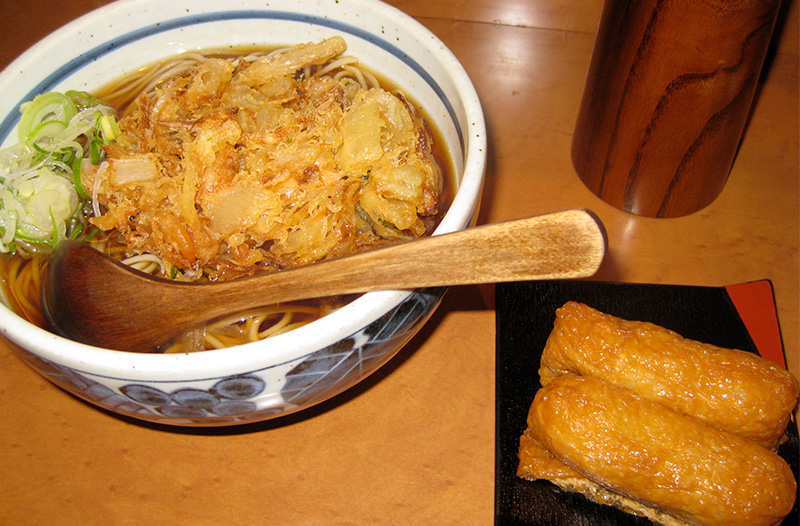
A classic bowl of hot tempura soba served with a side of inarizushi, a staple comfort meal found in small noodle shops throughout Tokyo
Tokyo ended up being one of the easiest big cities I have ever done solo. Not because it was simple at first, but because everything works.
I barely spoke English all week outside of hotel staff interactions. Most meals were done by pointing, translating, or using machines. Ramen shops, conveyor belt sushi, and yakitori alleys became my comfort zone. If you are hesitant about sitting down at a counter by yourself, my guide on solo dining in Japan covers exactly how the etiquette and ordering systems work so you can walk into any local spot with confidence.
The key was establishing a rhythm. Pick a focus area, secure a lunch plan, and choose one main activity. That structure made everything else easier.
Local Guide Tip: If Tokyo feels overwhelming, simplify your day immediately. One neighborhood is enough.
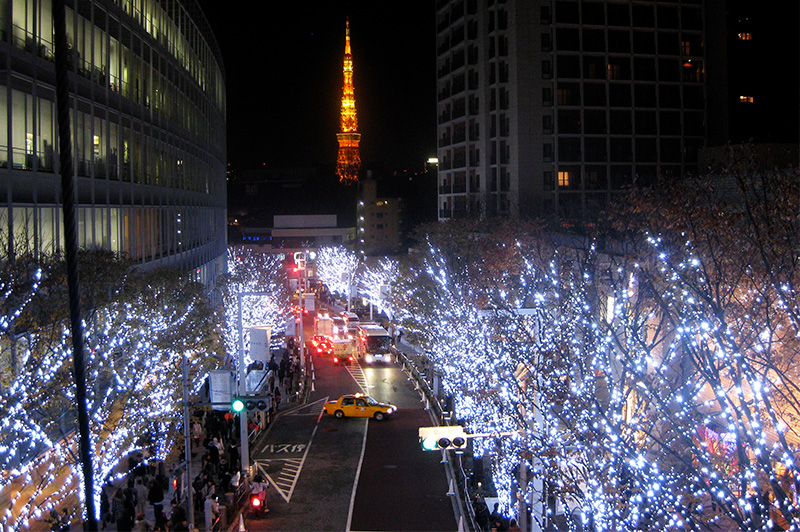
Winter illuminations transform Tokyo’s tree-lined avenues into glowing corridors of white light.
I stayed near Tokyo Tower and Roppongi. It worked well because I had a comfortable base, easy transit, and great food nearby.
That said, here is how to choose your neighborhood:
| Area | Best For | The Feel |
|---|---|---|
| Shinjuku | First-timers, transit, nightlife | Big energy and nonstop movement |
| Shibuya | Trendy food, shopping, younger vibe | Fast, stylish, and crowded |
| Asakusa | Traditional atmosphere, calmer pace | Classic old Tokyo |
| Ginza / Tokyo Station | Upscale stays and transit links | Polished and central |
| Roppongi | Restaurants, bars, polished city base | More international and upscale |
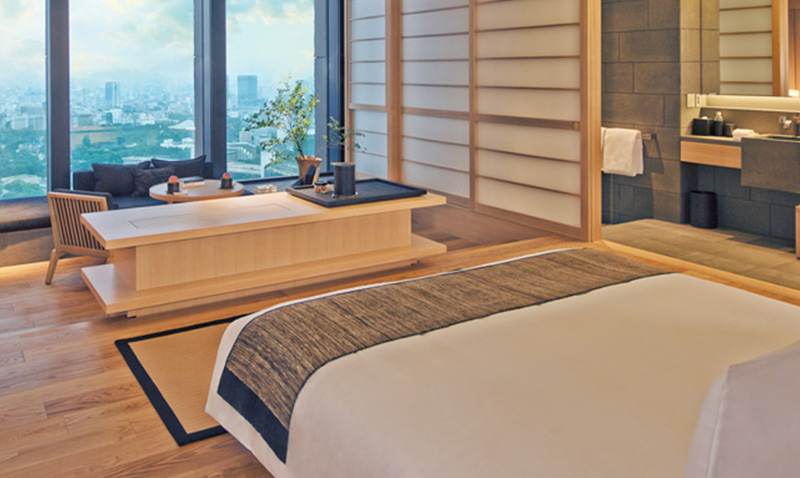
The serene, minimalist aesthetic of a suite at the Aman Tokyo, where traditional Japanese design meets a commanding view of the capital’s skyline.
Tokyo has everything from ultra-luxury towers to hyper-efficient business hotels. The key is matching your stay to how you actually travel, not just your budget.
| Hotel | Tier & Area | Why It Works |
|---|---|---|
| Park Hyatt Tokyo | Luxury / Shinjuku | Iconic skyline views and quiet luxury. Best for a memorable splurge and a calm retreat from the city. |
| Aman Tokyo | Luxury / Otemachi | One of the best luxury hotels in Japan. Minimalist ryokan design, huge rooms, and a serene atmosphere. |
| The Ritz-Carlton | Luxury / Roppongi | Commanding views of Mount Fuji, incredible club lounge, and a perfect central base. |
| The Peninsula | Luxury / Ginza | Unparalleled access to high-end shopping and transit near the Imperial Palace. |
| Trunk(Hotel) Yoyogi Park | Mid-Range / Shibuya | Design-focused boutique hotel with a rooftop pool and a great location for exploring west Tokyo. |
| Hotel Ryumeikan | Mid-Range / Tokyo Station | A brilliant business hotel that gets the fundamentals right. Quiet rooms and unbeatable transit access. |
| The Blossom | Mid-Range / Hibiya | Smart, modern hotel within walking distance of Ginza. Rooms are larger than standard business hotels. |
| Nohga Hotel | Mid-Range / Ueno | Stylish property in a cultural district with excellent access to the Keisei Skyliner for airport transit. |
| The Millennials | Budget / Shibuya | An upscale capsule hotel. Pods are spacious with reclining beds, plus a great co-working space. |
| OMO3 by Hoshino | Budget / Asakusa | Smart, affordable design right next to Senso-ji Temple. Perfect for early morning exploring. |
| The Lively | Budget / Azabujuban | Slick, well-designed boutique option just south of Roppongi. Great lounge and stylish atmosphere. |
| Wired Hotel | Budget / Asakusa | Blends a hostel atmosphere with private boutique rooms. Highly affordable and in the heart of old Tokyo. |
Pro Tip: Stay within walking distance of the JR Yamanote Line. It connects most of the city and simplifies everything.
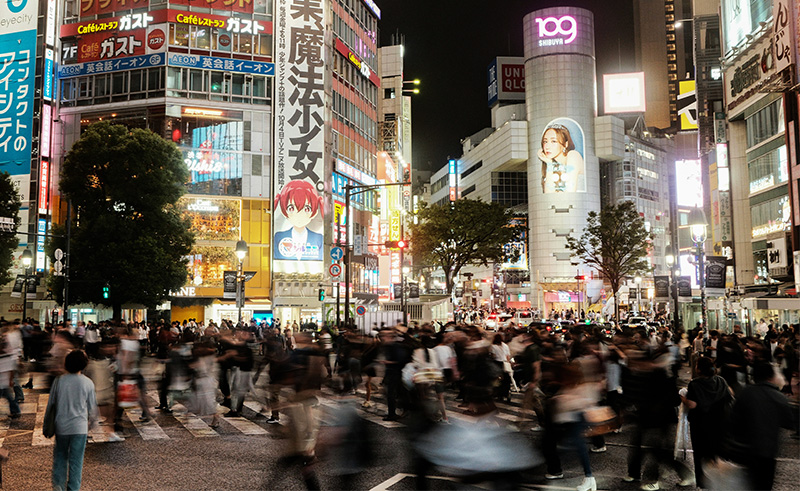
The organized chaos of Shibuya Crossing, often called the busiest intersection in the world, illuminated by the glow of Tokyo’s iconic neon landscape
This is the single best structural change you can make to a Tokyo trip. Instead of scheduling three big attractions in opposite directions, choose one anchor and let the rest of the day unfold around it.
Book or choose one major sight for the morning. Then take lunch nearby, walk through the surrounding district, and let the afternoon lead naturally into a park, shopping street, or dinner reservation. Tokyo is full of “free wins” once you stop forcing movement across the city.
A loop protects your energy. Massive stations like Shinjuku and Tokyo Station can be physically draining just to navigate. If you plan one high-focus activity and then give yourself a neighborhood around it, you end up seeing more while feeling less exhausted.
The goal is not efficiency. The goal is momentum.
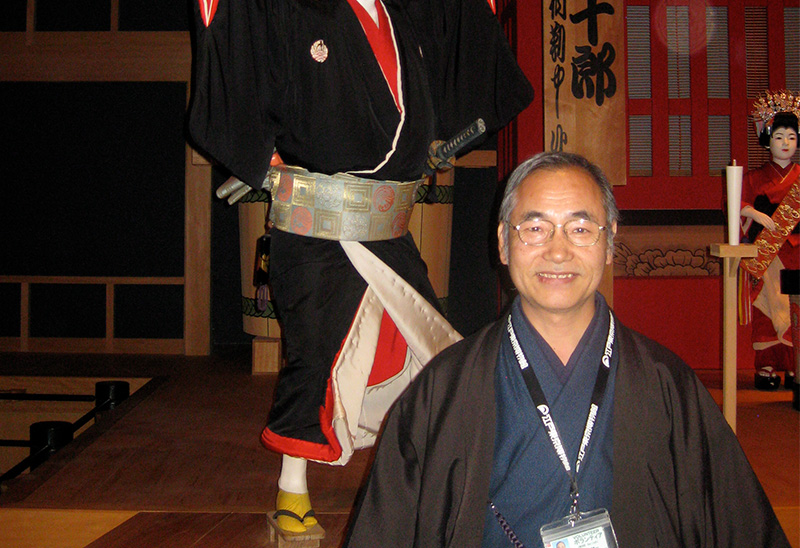
A museum guide at a Tokyo cultural exhibit dressed in traditional Edo-period attire, offering visitors a living link to Japan’s rich history.
While Tokyo is often defined by its neon future, its past is meticulously preserved in specialized museums and cultural pockets. Visiting a space like the Edo-Tokyo Museum or the Tokyo National Museum provides the necessary context to understand how a small fishing village transformed into the world’s largest metropolis.
If this is your first trip, these are the anchor experiences to plan your days around.
| Experience | Why It Matters | Best Strategy |
|---|---|---|
| Meiji Jingu & Harajuku | The best contrast in the city. A towering, peaceful forest shrine right next to chaotic youth culture. | Do the shrine early to beat the crowds, then walk into Harajuku for lunch. |
| teamLab Borderless or Planets | Massive, interactive digital art installations that redefine immersive museums. | Book weeks in advance and expect to spend a few hours inside. |
| Senso-ji Temple | The most approachable traditional Tokyo stop and an excellent orientation point in Asakusa. | Go early morning or later at night when the lanterns glow and the crowds thin. |
| Shibuya Sky | An open-air observation deck offering the absolute best panoramic views of the city. | Book your tickets specifically for 45 minutes before sunset for the best lighting. |
| Tsukiji Outer Market | Incredible, fresh street food ranging from tamago to premium wagyu skewers. | Go early for breakfast, eat everything you see, and bring cash. |
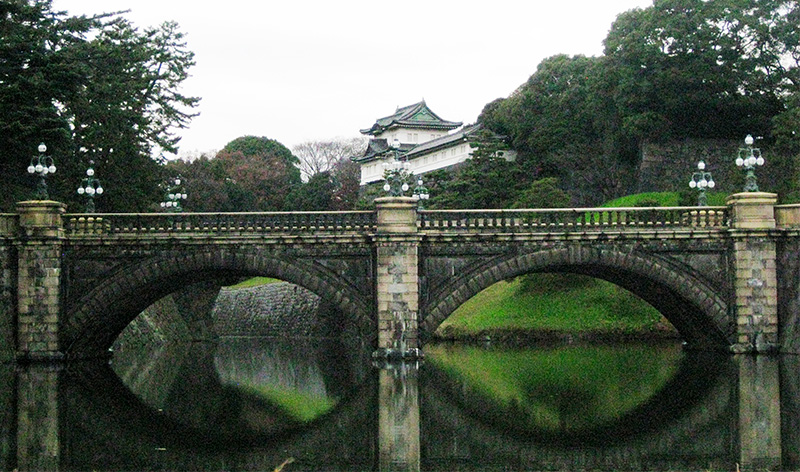
The iconic Nijubashi Bridge serves as a grand entrance to the Tokyo Imperial Palace grounds, where historic architecture meets the tranquil waters of the inner moat.
If you only have three days in Tokyo, do not try to do everything. Split the city into three clean zones and let each one have its own rhythm. Focusing on one geographical area per day saves hours of transit time.
Pro Tip: Tokyo works best when each day has one anchor and the rest stays flexible. Do not book three dinner reservations across town from each other.
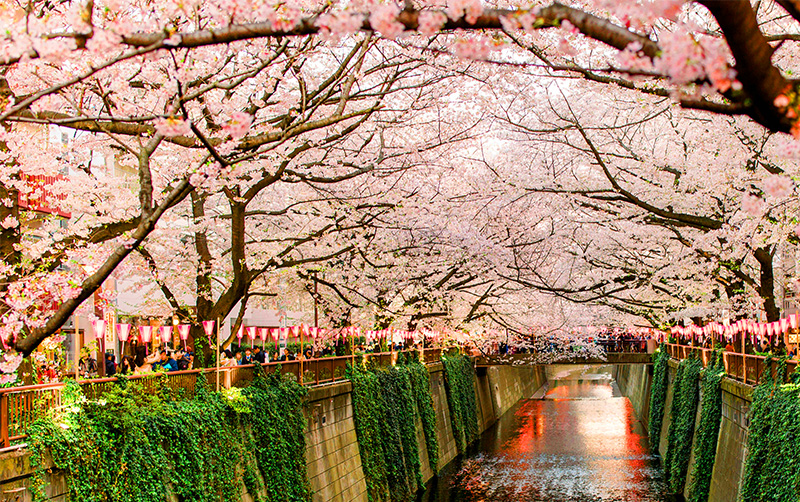
The Meguro River in Nakameguro, a peaceful residential waterway that transforms into one of Tokyo’s most famous cherry blossom viewing spots each spring
A longer stay is where Tokyo gets really good. You have the margin to revisit areas, linger in cafes, and explore deeper cuts without feeling rushed.
Keep the 5-day base, but add these slower, texture-heavy days:
Local Guide Tip: When exploring neighborhoods like Shimokitazawa or Nakameguro, ditch the map. The best coffee shops and vintage stores are often tucked away on the second floor of unmarked buildings.
Connecting Tokyo to Kyoto, Osaka, or the Japanese Alps? Use the Japan Travel Guide Hub to build an itinerary that actually flows.
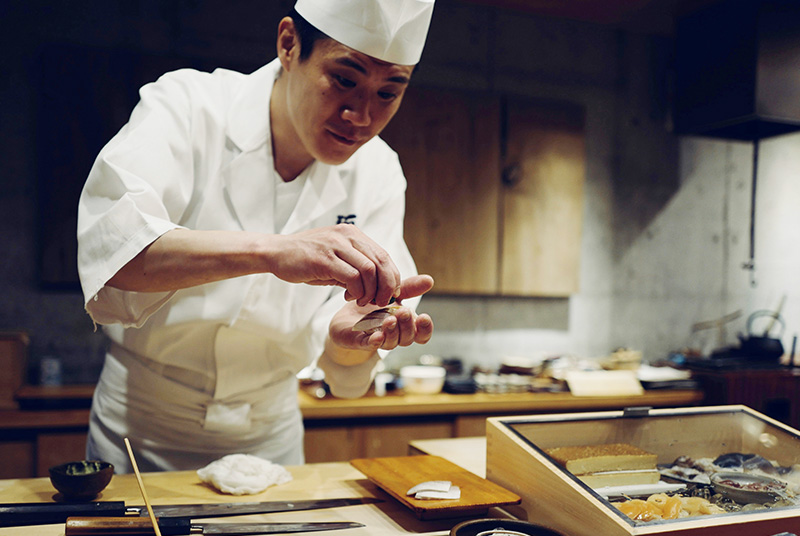
A master sushi chef practicing the art of hand-pressed nigiri, where every movement is refined through years of dedicated apprenticeship.
To eat sushi in Tokyo is to witness a performance of extreme focus. Whether you are at a high-end Ginza counter or a neighborhood favorite, the relationship between the chef and the fish is one of absolute respect. The goal of a great shokunin (craftsman) is to achieve the perfect balance of vinegar-seasoned rice, temperature, and the freshest seasonal seafood. If you plan to book a high-end counter during your trip, brushing up on how to eat sushi in Japan ensures you know the unwritten rules between the chef and the guest.
Tokyo is not a city where you need to pre-book every second of your life, but a few things really are worth locking down early.
Local Guide Tip: Book the things that have limited slots, not every single hour of your trip. Leave some of Tokyo unplanned on purpose.
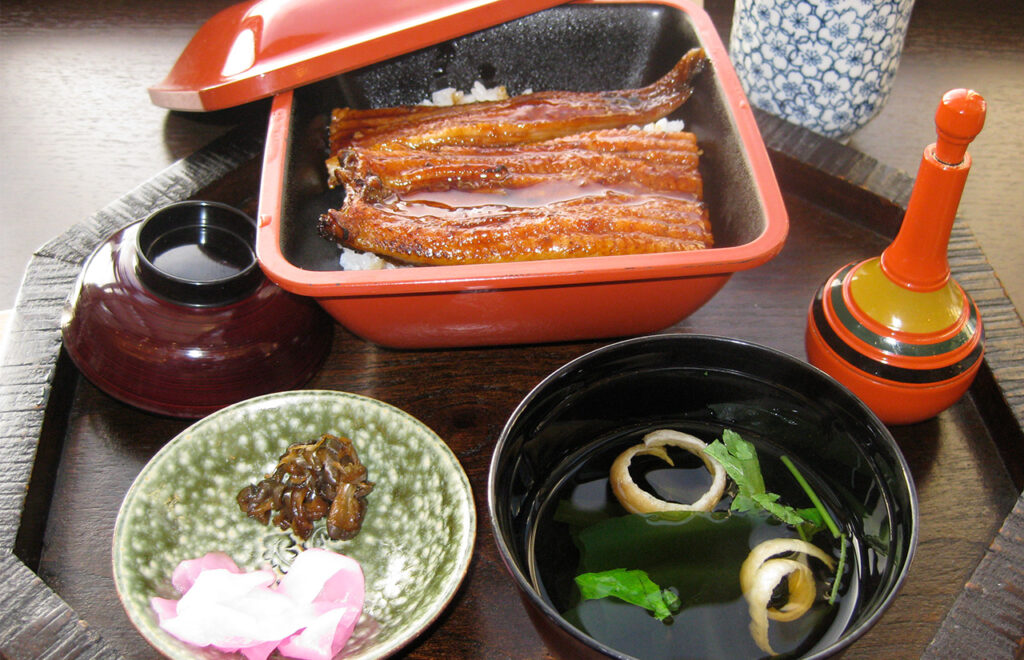
A premium Tokyo lunch featuring Unaju, succulent grilled eel served in a traditional lacquer box, paired with light pickles and dashi broth.
This guide shows you how to plan your days and where food fits into them. For neighborhoods, hidden spots, and how locals actually eat, go here Eat Like a Local in Tokyo →
Tokyo rewards travelers who think about food by timing and neighborhood, not just by restaurant name. A dish like unagi shows the city’s precision well: in the Edo-style approach, the eel is grilled, steamed for tenderness, then finished with glaze over the fire. It is a great example of how much technique can sit inside a seemingly simple meal.
I learned Tokyo through accessible food first. That was the easiest way to build confidence. I was not trying to crack high-end Tokyo dining right away. I was trying to eat well, learn the city, and keep every meal from feeling stressful. Once you understand the rhythm, you can go deeper with Eat Like a Local in Tokyo.
| Moment | What to Look For | Best Move |
|---|---|---|
| Breakfast | Bakery, coffee stand, or convenience store | Keep it quick. Grab an onigiri or pastry before heading out for the day. |
| Quick Lunch | Ramen, udon, or set meals (teishoku) | Use ticket machines at casual spots for a fast, high-quality mid-day reset. |
| Afternoon Snack | Depachika food halls or street snacks | Head to the basement of a major department store for variety without slowing down your day. |
| Casual Dinner | Izakaya or yakitori alley | This is classic Tokyo nightlife. Order a few skewers, add a drink, and keep it relaxed. |
| Splurge Dinner | Omakase, kaiseki, or high-end counter dining | Book one or two places that matter, then leave the rest of your meals flexible. |
| Late Night | Ramen or small bars | Perfect after drinks in Shinjuku or Roppongi, especially if you want one last strong Tokyo food memory. |
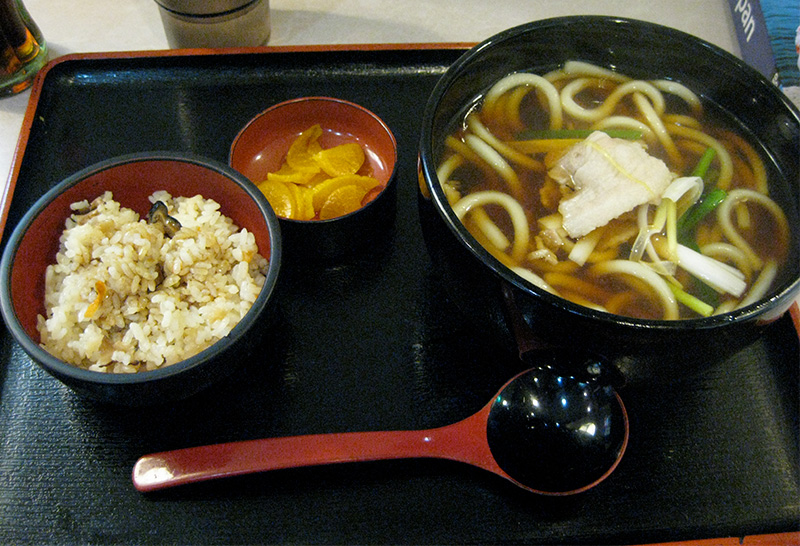
A traditional Tokyo udon set meal, perfectly balancing a steaming bowl of dashi-based noodle soup with savory seasoned rice and crisp pickles
Tokyo has more great restaurants than you could cover in a lifetime. The challenge is not finding food. It is knowing how to choose well without overthinking every meal.
The best meals here usually come from small, focused restaurants that specialize in one thing and do it exceptionally well. That might be a ramen counter with ten seats, a yakitori alley under the train tracks, or a department store food hall with dozens of high-quality options.
If you want actual restaurant picks, neighborhood breakdowns, and how locals decide where to eat, use this guide:
Eat Like a Local in Tokyo →
Hidden spots, real local behavior, and how to choose where to eat.
Pro Tip: If a place looks small, focused, and busy with locals, you are probably about to eat very well.
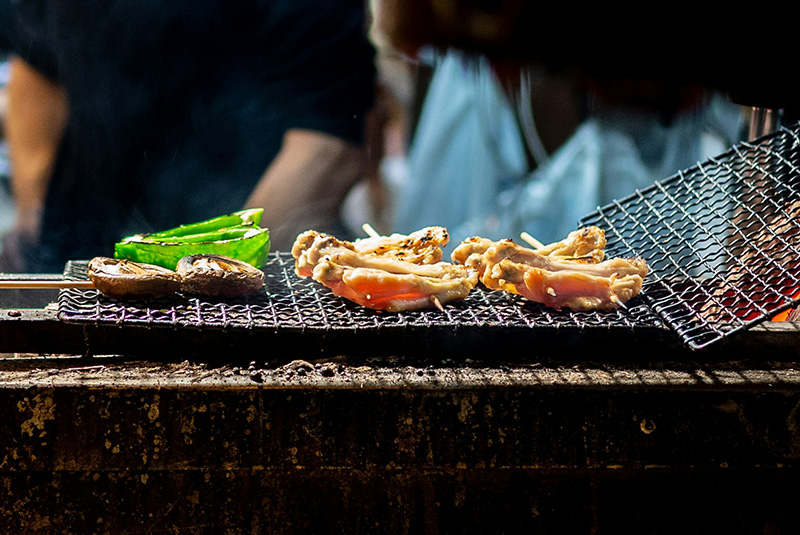
The heart of the izakaya experience: expert chefs grilling skewers over binchotan charcoal, filling the narrow alleys of Tokyo with a distinctive, smoky aroma.
If you want to understand the social fabric of Tokyo, you have to spend an evening in an Izakaya. Part pub, part casual eatery, these are the informal “third places” where the city’s rigid social structures soften. Whether it is a tiny, six-seat stall in Shinjuku’s Omoide Yokocho (Memory Lane) or a polished, multi-story spot in Ginza, the formula is the same: small plates, cold drinks, and high energy.
Japanese dining etiquette is not complicated, but a few basics will make meals smoother and keep you from slowing down efficient, small spaces.
| Topic | The Rule | Why It Matters |
|---|---|---|
| Tipping | Do not tip under any circumstance. | It is not expected and will only cause confusion. The staff will likely chase you down to return the money. |
| Ordering | Use the ticket machines at casual spots. | It removes the language barrier and speeds up service. Hand the small ticket to the chef when you sit. |
| Otoshi | Accept the small appetizer at izakayas. | It functions as a mandatory seating charge. It is normal, not a scam, and often delicious. |
| Noise Level | Slurping noodles is fine; loud talking is not. | Slurping cools the noodles, but general restaurant volume in Japan is much lower than in the U.S. |
| Cash vs Card | Carry cash for smaller, older spots. | While tap-to-pay is everywhere now, old ramen shops and market stalls still rely heavily on yen. |
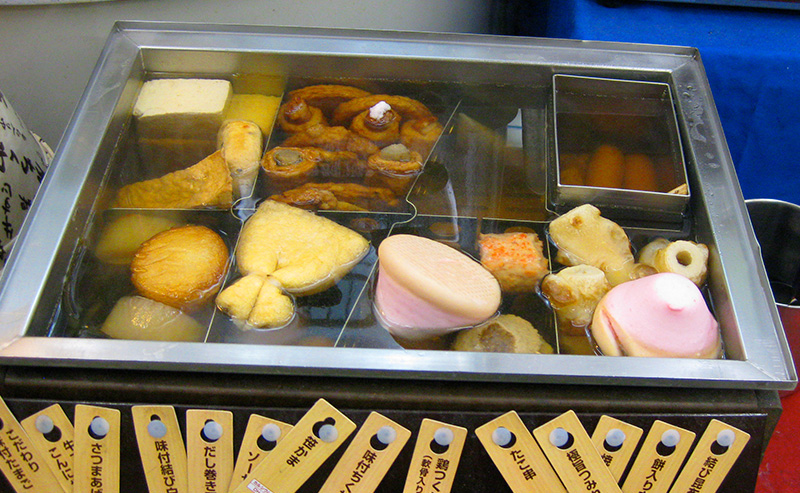
A steaming tray of oden, the ultimate Japanese winter comfort food, found in street stalls and neighborhood convenience stores across Tokyo.
While high-end dining gets the headlines, some of the most authentic Tokyo food moments happen standing at a counter or sitting on a plastic stool. Oden is a classic dashi-stewed dish that defines the colder months in the city. You’ll find these partitioned simmering trays everywhere from dedicated street stalls to the local 7-Eleven or Lawson.
Tokyo is both precision and intensity.
I have followed his work for years and even had the chance to meet him, but it was standing in Tokyo that made me truly understand why this city worked so well for Anthony Bourdain. One night could be a silent, perfectly choreographed sushi counter. The next could be a tiny, loud bar in Golden Gai or a gritty izakaya under the train tracks in Ueno.
If you want to experience the city the way he did, the lesson is simple. Mix your levels. Mix your moods.
| The Spot | The Vibe | How to Do It |
|---|---|---|
| Sukiyabashi Jiro (Main Shop) The Legend |
Extreme precision. A 10-seat basement counter where a 20-piece omakase finishes in 30 minutes. It is about the sushi, not lingering. | Arguably the hardest reservation in the world. Booked almost exclusively through a 5-star hotel concierge. |
| Ginza Sushi-ko Honten The High-End Classic |
Upscale but welcoming. The chefs are highly sociable and often speak English, offering world-class sushi without intense pressure. | Reservations are highly recommended but much easier to secure online or through your hotel than Jiro. |
| Daitoryo (Ueno) The Local Haunt |
Gritty, loud, and smoky. Located under the train tracks, this quintessential salaryman favorite requires squeezing onto tiny stools. | Order the signature motsunabe (intestine stew) and yakitori. It is fast-paced and cash only. |
| Golden Gai (Shinjuku) The Nightlife Hub |
A collection of over 200 tiny, ramshackle bars in six narrow alleys. Each bar holds 5 to 8 people and has its own distinct theme. | Look for bars with English signs. Expect a cover fee (usually ¥500 to ¥1,000) at most places. |
| Mie no Umi (Monzen-Nakacho) The Sumo Feast |
Run by the family of a former wrestler. Authentic and traditional, located slightly off the main tourist path for a peaceful, local feel. | Order the Chanko Nabe (a massive, protein-rich sumo stew). Reservations are recommended for dinner. |
Pro Tip: If you cannot get into Jiro’s Ginza main shop, Bourdain also visited Sushi Karaku in Ginza. It is much more accessible and famously serves the aged sushi he raved about.
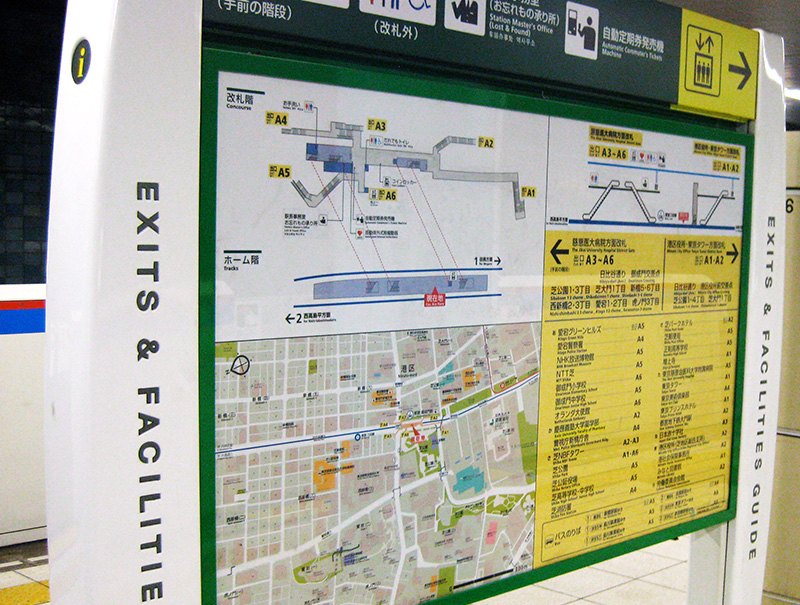
Comprehensive station maps located near ticket gates help travelers navigate the multi-level complexity of shared Tokyo Metro and Toei Subway hubs
The subway was one of the biggest surprises. It looks intimidating but is extremely efficient and clean.
Once I got over the mental hurdle, Tokyo transit became one of the least stressful big-city systems I had ever used.
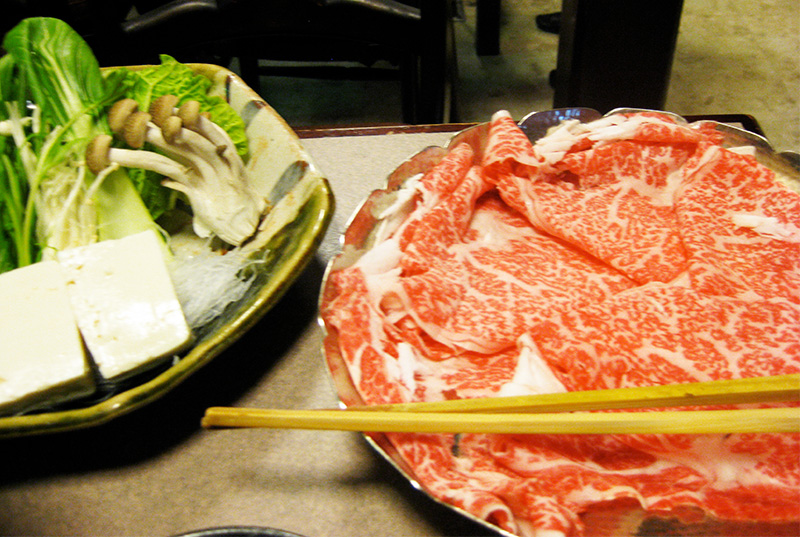
A premium spread of A5 wagyu beef, known for its intense marbling and buttery texture, ready to be lightly simmered in a traditional Japanese hot pot.
While a steakhouse is one way to experience Japan’s famous beef, many locals prefer the communal, interactive nature of Shabu-Shabu or Sukiyaki. In Tokyo, these meals are a celebrated way to enjoy high-grade wagyu, where the thin slices are quickly cooked in a simmering broth to preserve their delicate fat content and tender texture. If you are ready for a major splurge, understanding how A5 Wagyu is graded will help you choose the right cut, and our list of the best Wagyu restaurants in Tokyo will point you to the top experiences.
Tokyo can be expensive, but it is also very flexible depending on how you travel.
The city is easier on your budget than its reputation suggests if you avoid trying to make every meal and every move premium.
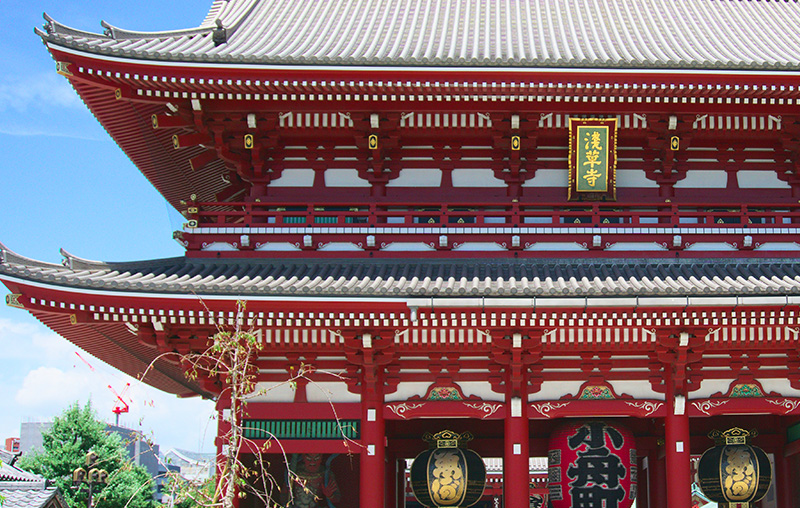
The massive cypress Torii gate at Meiji Jingu, marking the transition from the bustling city of Shibuya into the serene, forested grounds of Tokyo’s most famous Shinto shrine.
Meiji Jingu is one of those rare places that feels like a physical deep breath. Located right next to the high-energy chaos of Harajuku, the shrine is dedicated to Emperor Meiji and Empress Shoken. What makes it special isn’t just the architecture, but the 170-acre forest surrounding it, a man-made ecosystem of 100,000 trees planted by volunteers from all over Japan over a century ago.
This trip was quiet. Observational. Personal.
I was not talking much. I was watching everything. Learning how the city moved. Seeing how people lived, worked, and relaxed.
Tokyo is one of the few cities where being alone actually enhances the experience. It made me notice more, slow down more, and let the city reveal itself in smaller details.
Tokyo gets much easier when you use the right tools for transit, translation, and logistics.

Your base layer. Essential for station navigation, train timing, and finding the correct subway exits.

Skip ticket friction. Use your phone to tap in and out of trains.

The best taxi backup. Useful late at night or when you simply do not want to solve one more train transfer.

Local restaurant intelligence. Better for authentic local restaurant research than relying only on global review platforms.

Helpful for menus, signs, and the camera translation feature is a lifesaver in convenience stores.

Handle this before departure so immigration and customs are seamless with a QR code when you land.
Use these guides to connect Tokyo with the rest of your itinerary, plan smarter, and eat better along the way.
START HERE
Connect Tokyo with Kyoto, Osaka, and beyond while building a trip that actually flows.
Explore Guide
FIRST TRIP
Understand logistics, etiquette, and how Japan actually works before you land.
Read Guide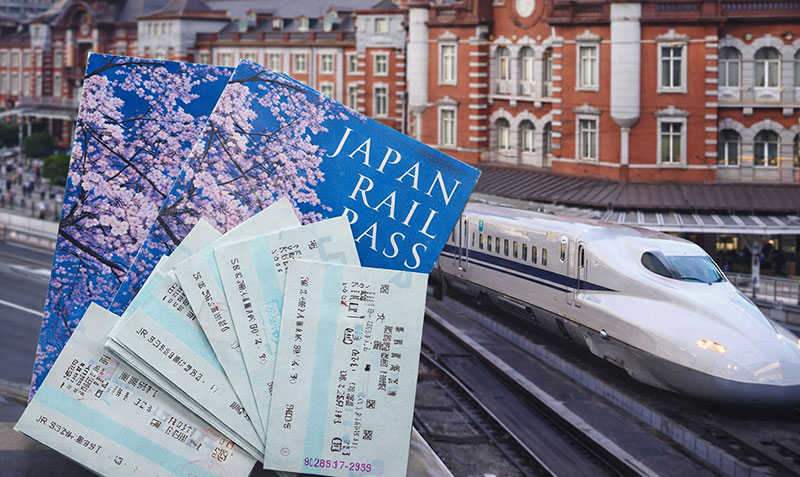
GET AROUND
Figure out if the rail pass is worth it based on your actual route and travel style.
See Guide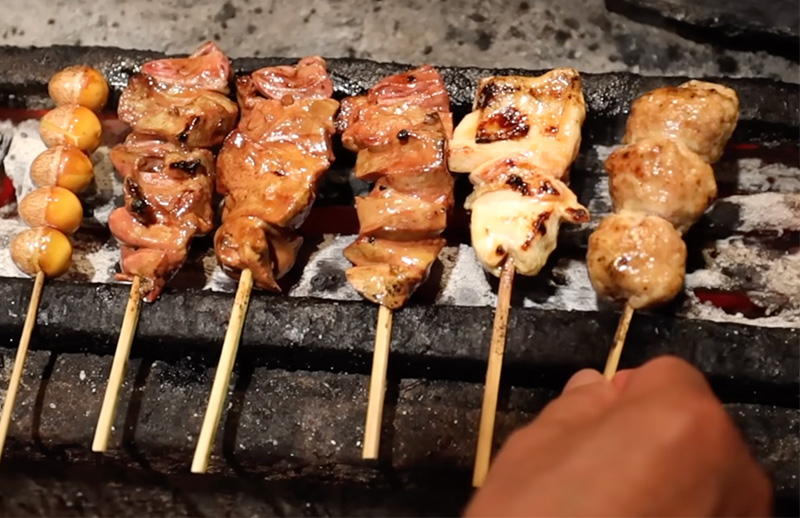
TOKYO FOOD
Go deeper into neighborhoods, hidden spots, and how locals actually eat.
Explore Food
BEYOND TOKYO
Go beyond the main route and discover less crowded destinations.
Explore More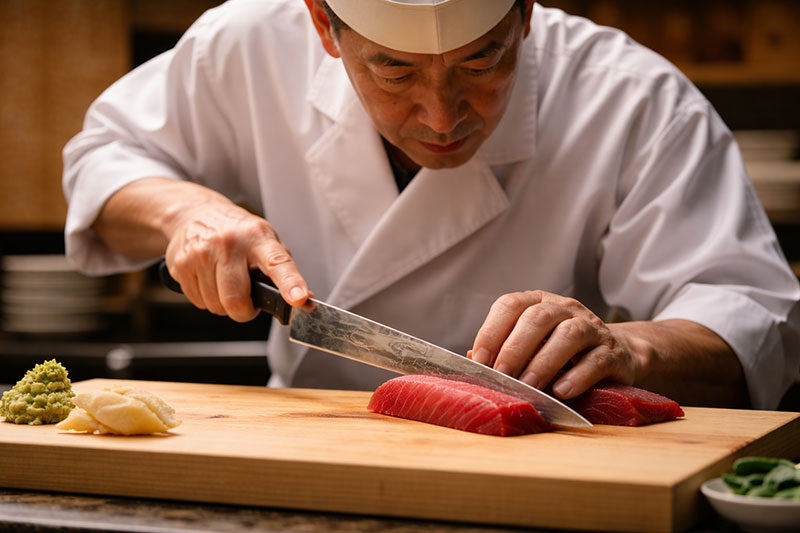
SUSHI
Understand ordering, etiquette, and how to enjoy sushi from casual to high-end.
Learn MoreThese are not traditional travel guides. Think of them as creative side trips, a more playful look at Tokyo through a fictional samurai navigating the modern city.

NIGHTLIFE
From Golden Gai to late-night ramen, this is how Tokyo really comes alive.
See Nightlife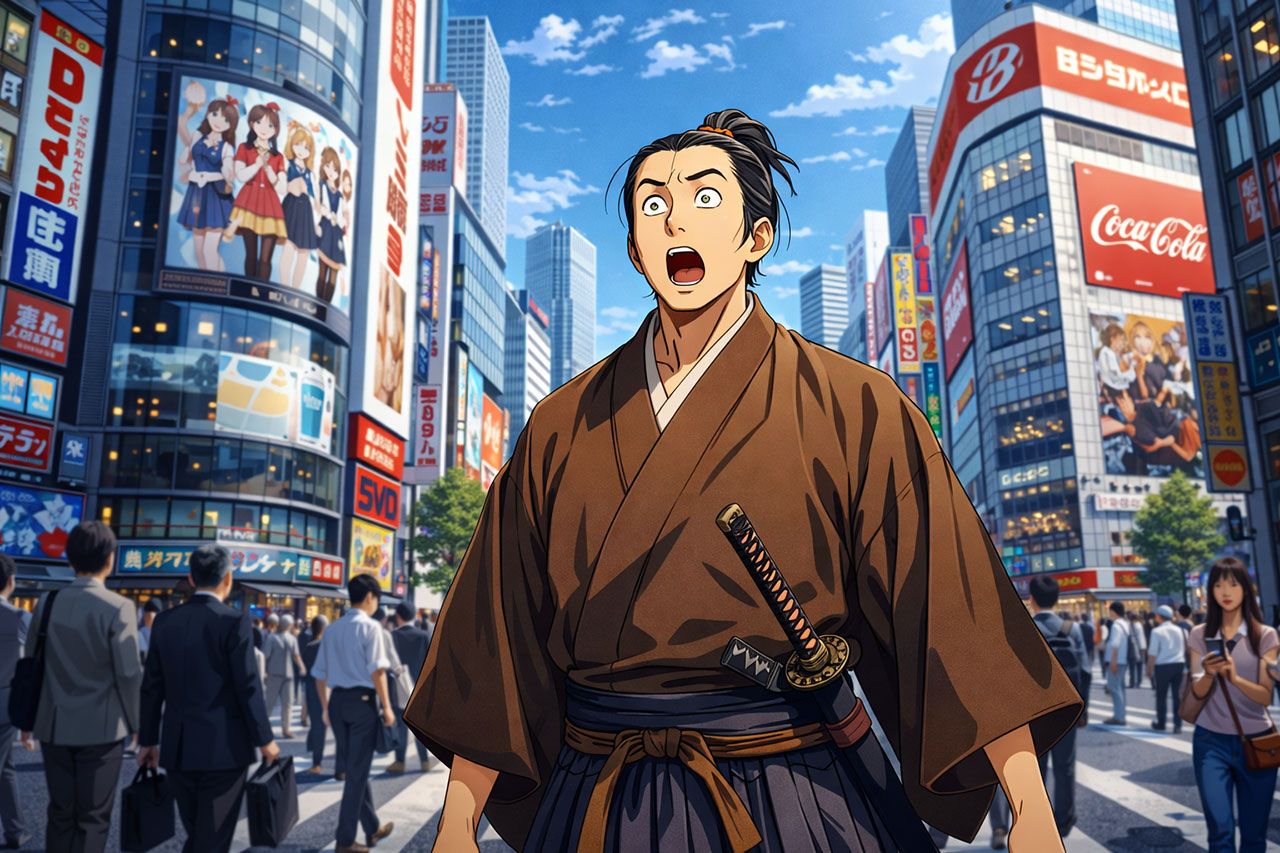
TOKYO CULTURE
Explore the weird, unexpected, and unforgettable side of the city.
Discover MoreIt can be if you try to tackle it all at once. It becomes incredibly manageable when you break it down by geographical district, load a digital transit card, and rely on tools like Google Maps for navigation instead of paper maps.
Shinjuku is the easiest all-around first base due to its immense transit connections. Asakusa is a great choice for a more traditional and calmer feel, while Roppongi works well if you want a polished base with strong dining and nightlife nearby.
3 to 5 days is ideal for most first-time visitors. You can see the highlights in 3, but 5 gives you more room to explore by district and eat better along the way.
Yes. It is one of the easiest major cities to navigate alone once you settle into the rhythm of the transit system and stop trying to do too much in one day.
It can be, but it is easy to control costs with food and transit. The smartest Tokyo trips mix one splurge with lots of simpler, lower-stress meals and efficient train travel.
Yes, or at least a mobile version. It is the absolute simplest way to use trains and buses without constantly buying single paper tickets.