Travel Planning Hub
Start here to plan your trip, compare options, and explore every TLGA planning guide.
Packing & Gear Guide
What to pack, what to skip, and how to build a lighter travel setup that works.

Last updated: April 2026 by Corey Gasman
From the Editor:
I’ve been getting more into saunas, hot tubs, and even cold plunges lately, especially after playing a couple hours of pickleball. The difference it makes in recovery, relaxation, and unplugging from the day-to-day grind is real. It helps with soreness, clears your head, and I’ve noticed I sleep better after doing it.
That is part of what makes onsen culture so interesting. This is not a wellness trend in Japan. It is something that has been part of daily life for a long time. Once you experience it, you understand why. It is relaxing, but it also feels like it helps your body and mind reset.
This guide is here to help you walk in confident, understand the etiquette, and enjoy the experience without second-guessing every step.
An onsen is not just a hot tub. It is a shared cultural experience built around cleanliness, quiet, and respect for the space and the people around you.
The rules are not complicated, but they do matter. Once you understand the flow, the whole experience becomes one of the most relaxing things you can do in Japan.
Quick Onsen Rule:
Wash first.
Keep towels out of the water.
Stay quiet.
No phones.
If you only remember one thing: the bath is for soaking, not cleaning.
TLGA Rule: The first few minutes may feel unfamiliar. After that, an onsen can become one of the most relaxing parts of your Japan trip.
Start here: First-Timer’s Guide to Japan
Use the full Japan Travel Guide Hub
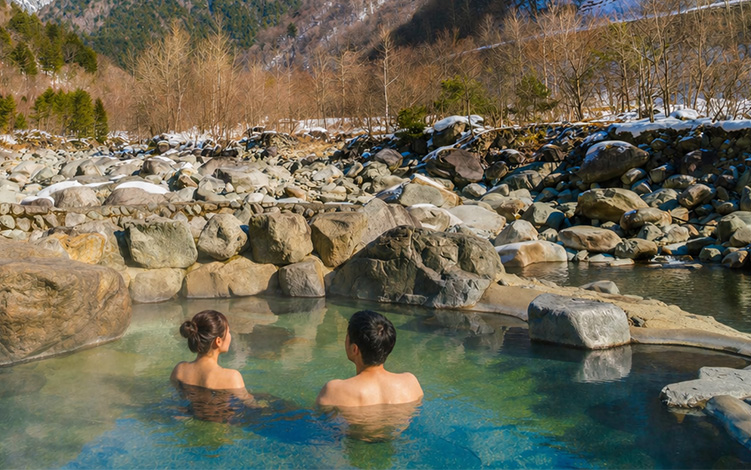
Japanese onsens are calm, quiet spaces built around soaking, recovery, and respect for the people around you.
This guide is for travelers who want to try an onsen but do not want to walk in confused, nervous, or accidentally do something rude.
Local Guide Tip: An onsen is not meant to be a rushed checklist stop. Give yourself enough time to slow down, soak, cool off, and actually enjoy it.
Most onsen etiquette comes down to one idea: keep the shared water clean and the atmosphere calm. If you understand that, the rules make sense.
Pro Tip: Think of the washing station as the most important step. You are not getting into the bath to clean yourself. You clean yourself first, then soak.
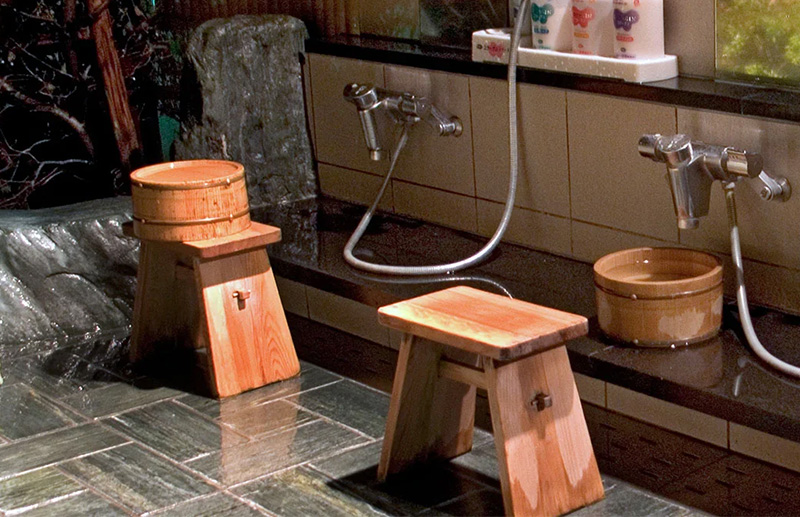
Before entering the bath, you sit at a shower station, wash thoroughly, and rinse completely.
The process can feel intimidating the first time because it is so different from a hotel pool or spa in the U.S. But the actual flow is simple.
At many bathhouses or ryokan, you remove your shoes near the entrance and place them in a designated locker or shelf.
Look for the correct gendered entrance. You may see the character for bath, “湯,” or color-coded curtains depending on the facility.
Place your clothes, phone, wallet, and belongings in the locker or basket. Bring only your small towel into the bathing area.
Sit on the stool, wash your entire body with soap, rinse your hair and body completely, and rinse your stool and wash area when finished.
The water can be hot, usually around 40 to 42 degrees Celsius. Step in slowly, keep your hair out of the water, and ease into it.
Relax, breathe, and keep your voice low. Some people rest the small towel on their head. Others place it nearby outside the water.
Before leaving the bathing area, use your small towel to dry yourself enough that you are not dripping water all over the changing room floor.
After your soak, take your time. A cold milk or fruit milk from a vending machine is a classic post-onsen move.
Local Guide Tip: Watch what others do when you walk in. The flow is usually very consistent, and it helps you settle in quickly.
Most mistakes are easy to avoid once you know what to expect. These are the big ones:
Pro Tip: If you feel awkward, slow down. Everyone is there to relax, not study what you are doing.
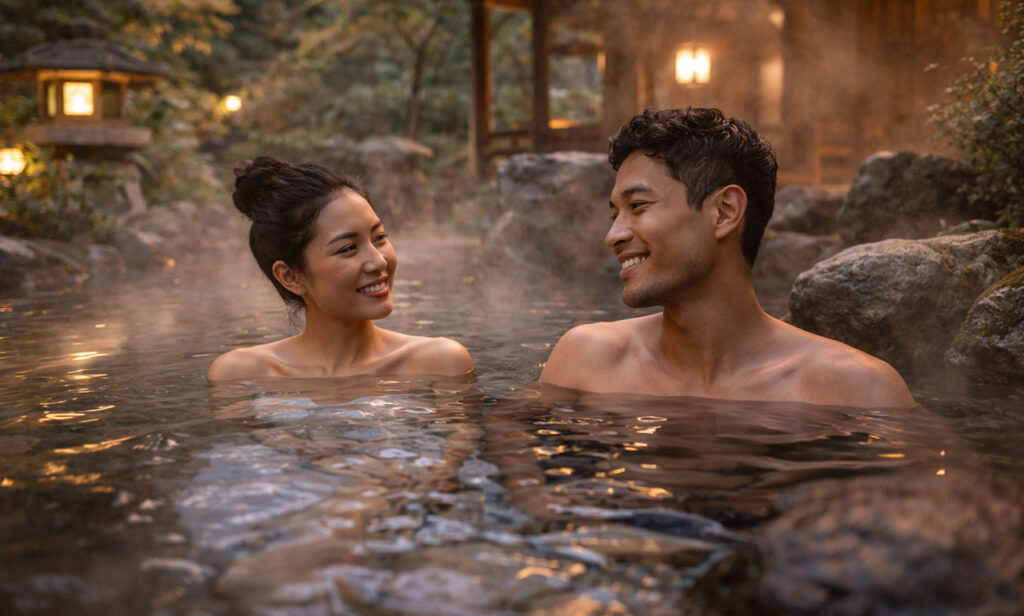
Private baths are one of the easiest ways to enjoy an onsen if you have tattoos, want more privacy, or are nervous about your first visit.
Tattoos are one of the most common questions travelers have before visiting an onsen. Some public onsens still restrict visible tattoos because of older cultural associations. Policies are changing, but you should not assume every place will allow them.
Some facilities allow small tattoos if they are covered with waterproof patches. This depends on the onsen, so check before you go.
Look for tattoo-friendly onsens or book a private bath. A private bath, often called kashikiri, removes the stress because you are not sharing the bath with strangers.
Check the website, email the property, or ask your hotel before going. Do not wait until you are standing at the front desk if you can avoid it.
Local Guide Tip: If you want the most relaxed first onsen experience, book a ryokan with a private bath. It costs more, but it removes almost every point of anxiety.
Onsens can be deeply relaxing, but the water is hot. Take your time and listen to your body.
Pro Tip: Ten to twenty minutes is plenty for many people. Step out, cool down, and go back in if you feel good.
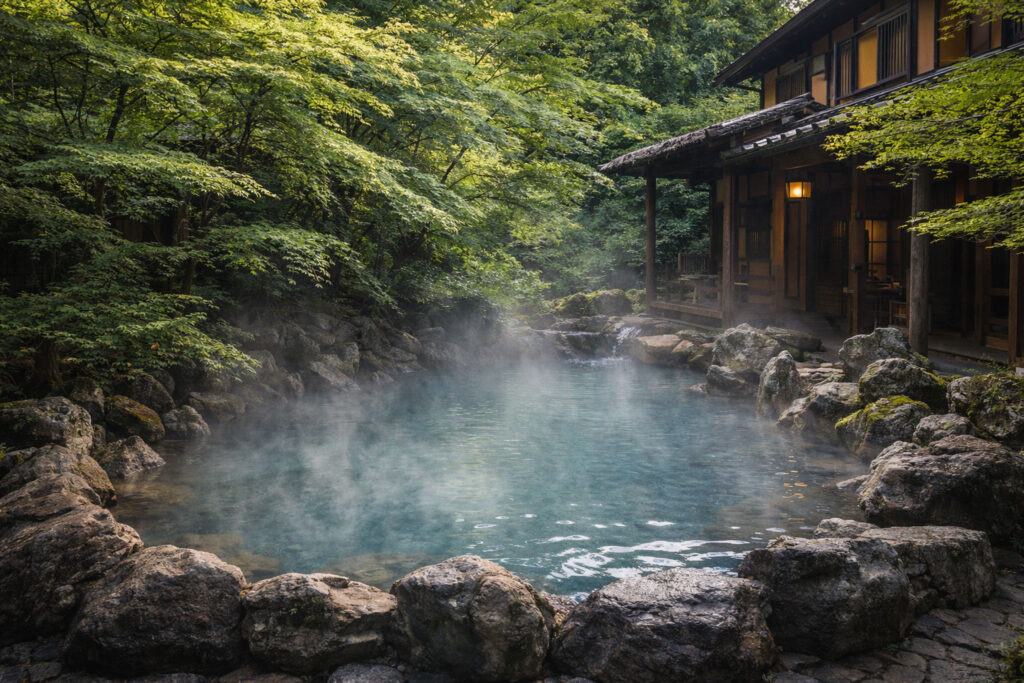
The best onsen towns turn a simple soak into a full travel experience, especially when you stay overnight.
If you want more than a quick bath, choose an onsen town where the experience is part of the destination. The setting, ryokan, evening walk, and slower pace are what make it memorable.
Nyuto Onsen is remote, rustic, and surrounded by mountain scenery. It is one of the best choices if you want the old-school, tucked-away hot spring feeling.
Kurokawa is one of Japan’s best all-around onsen towns. It has a preserved village feel, outdoor baths, and a relaxed walking route between different inns.
Shibu Onsen is a historic town with narrow streets, ryokan stays, and multiple small public bathhouses. It is a good fit if you want a traditional town atmosphere.
Ginzan Onsen is famous for its lantern-lit wooden inns and winter atmosphere. It is one of the most visually memorable onsen towns in Japan.
Quick takeaway: Staying overnight at an onsen town turns this into a full cultural experience instead of just something you check off between sightseeing stops.
If you are choosing where to add an onsen experience to your Japan itinerary, think by region. Some areas are easier for first-timers, some are better for scenery, and others are better if you want a traditional ryokan stay.
| Region | Good Onsen Options | Best For |
|---|---|---|
| Kyushu | Kurokawa Onsen, Beppu, Yufuin | Variety, outdoor baths, strong onsen culture |
| Tohoku | Nyuto Onsen, Ginzan Onsen, Zao Onsen | Snow, mountain scenery, traditional stays |
| Central Japan | Shibu Onsen, Takayama area, Gero Onsen | Historic towns, mountain ryokan, slower travel |
| Kansai | Kinosaki Onsen, Arima Onsen | Easy add-ons from Kyoto or Osaka |
| Tokyo Area | Hakone, Atami, modern bathhouses | First-timers, shorter trips, easier logistics |
If you have tattoos, your best bet is to search ahead, choose a tattoo-friendly facility, or book a private bath. Kinosaki Onsen is one of the easier towns for many tattooed travelers, and private baths are the safest option if you want to avoid uncertainty.
Pro Tip: Do not assume a place is tattoo-friendly just because it is popular with tourists. Check the policy before you build your day around it.
If you are actively choosing where to go, these resources can help you avoid surprises.
Local Guide Tip: Official sites are useful, but onsen policies can change. When tattoos are involved, always check the individual property before going.
Explore Japan through culture, food, city guides, and practical planning advice.
START HERE
Use the full Japan hub to connect cities, compare regions, and build a trip that fits your travel style.
Read More
FIRST TIMERS
Get the logistics, etiquette, and planning basics right before building your route.
Read More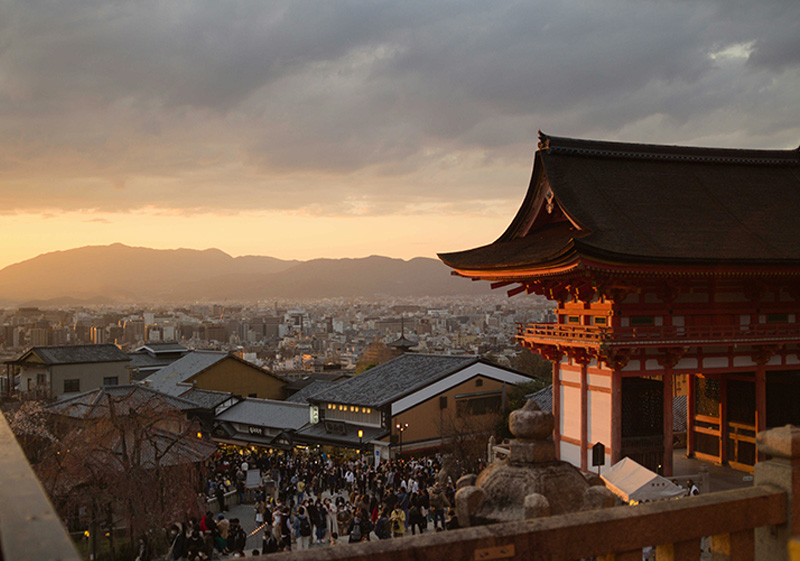
KYOTO
Plan temples, districts, cultural experiences, and the quieter side of Kyoto.
Read More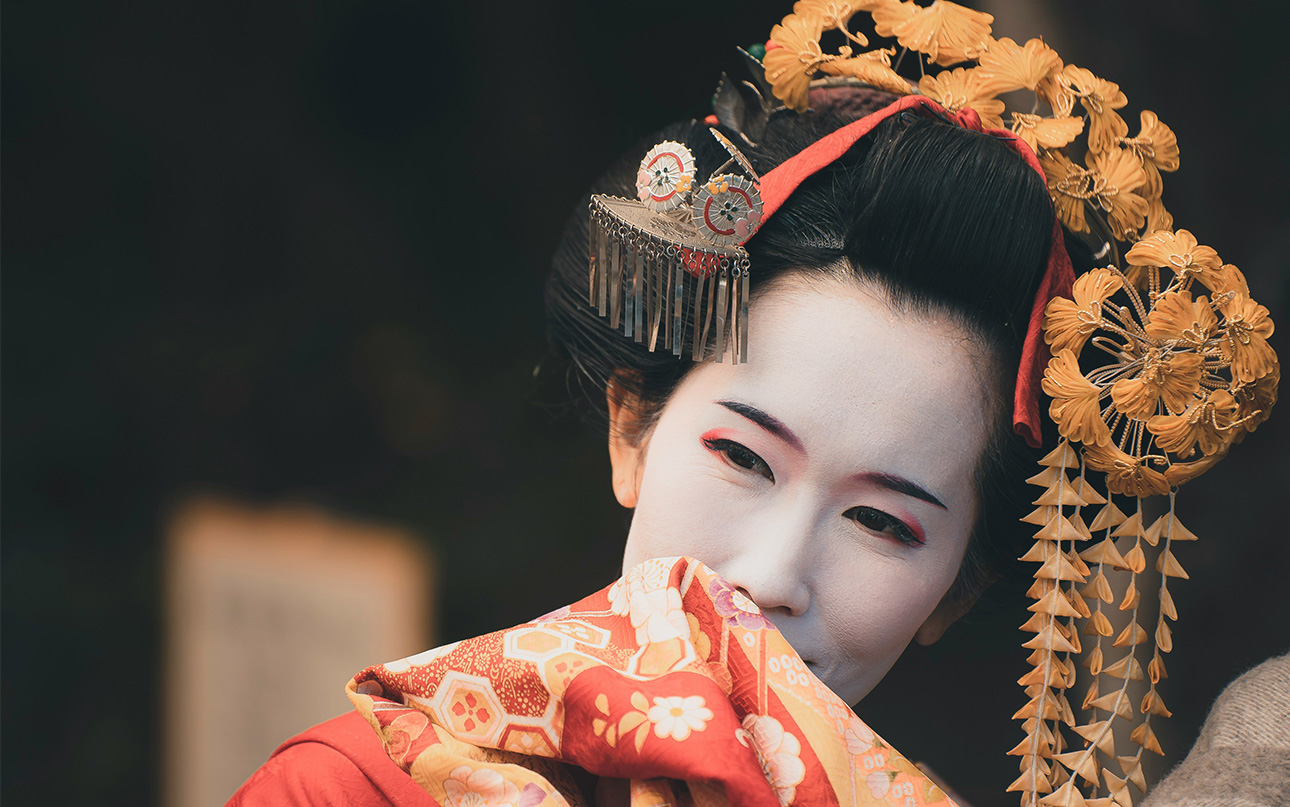
CULTURE
Understand the history, tradition, and respectful way to experience Kyoto’s geisha districts.
Read More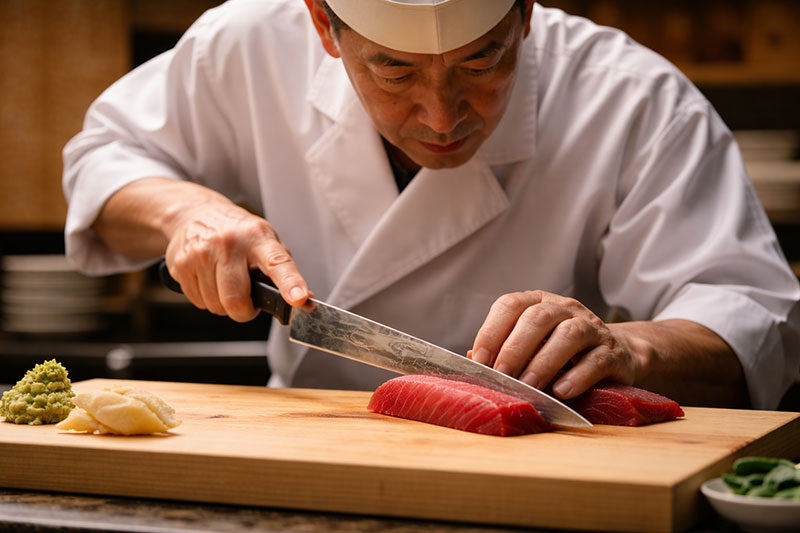
SUSHI
Learn the ordering basics, etiquette, and small rules that make sushi feel less intimidating.
Read More
HIDDEN JAPAN
Go beyond Tokyo, Kyoto, and Osaka with quieter regions and deeper travel experiences.
Read MoreYes. Traditional onsens are nude bathing spaces. Swimsuits and underwear are not allowed in the bathing area. It may feel unfamiliar at first, but it is completely normal in Japan.
Yes. Visitors are welcome at many onsens, but the etiquette still matters. Wash before entering, keep your towel out of the water, stay quiet, and do not bring phones or cameras into bathing areas.
It depends on the facility. Some onsens still restrict tattoos, while others are tattoo-friendly or allow cover patches. If you have visible tattoos, check the policy before going or book a private bath.
Most onsens provide soap, shampoo, and towels, especially at ryokan and tourist-friendly facilities. At smaller local bathhouses, it is smart to bring a small towel and basic toiletries just in case.
Most people soak for 10 to 20 minutes at a time, then step out to cool down. There is no need to push it. If you feel lightheaded, leave the water and rest.
The most important shower is before entering the bath. After soaking, some people rinse lightly and some do not. The key etiquette rule is that you must be fully clean before you get into the shared water.
Most public onsens are separated by gender. Couples who want to bathe together should look for a private bath, usually called kashikiri, or book a ryokan room with a private onsen.
For a low-stress first experience, choose a ryokan with a private bath, a modern hotel onsen, or an easy onsen town like Kinosaki. If you want something more traditional, places like Kurokawa, Shibu, Nyuto, and Ginzan are stronger overnight experiences.