Travel Planning Hub
Start here to plan your trip, compare options, and explore every TLGA planning guide.
Packing & Gear Guide
What to pack, what to skip, and how to build a lighter travel setup that works.

By Corey Gasman
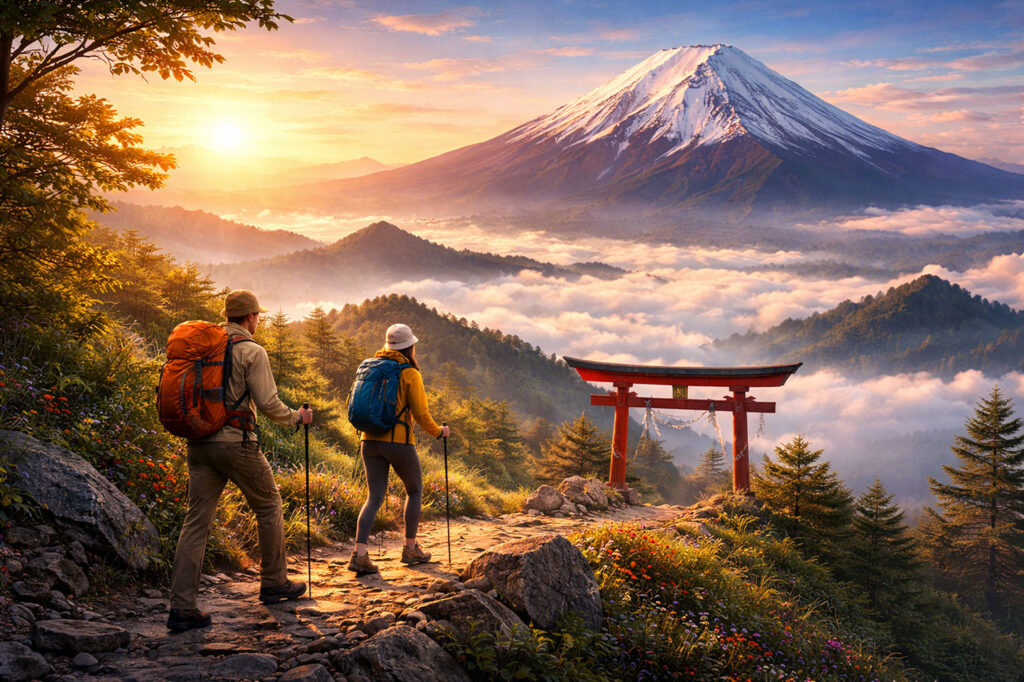
Adventure in Japan is wildly underrated. Beyond the temples and train stations, this country is built for big outdoor days, bucket-list routes, and “how is this even real?” moments.
If your version of travel includes early mornings, sore legs, and a little adrenaline, build your itinerary around these. They are the best mix of iconic and achievable.
Build your route around seasons. Fuji and the Alps are summer plays. Hokkaido is a winter mission. Okinawa is your shoulder season reset when mainland humidity or crowds spike.
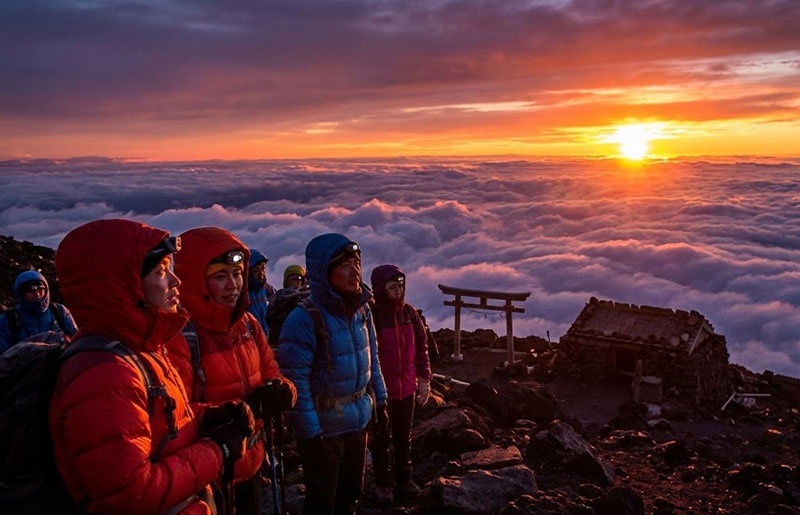
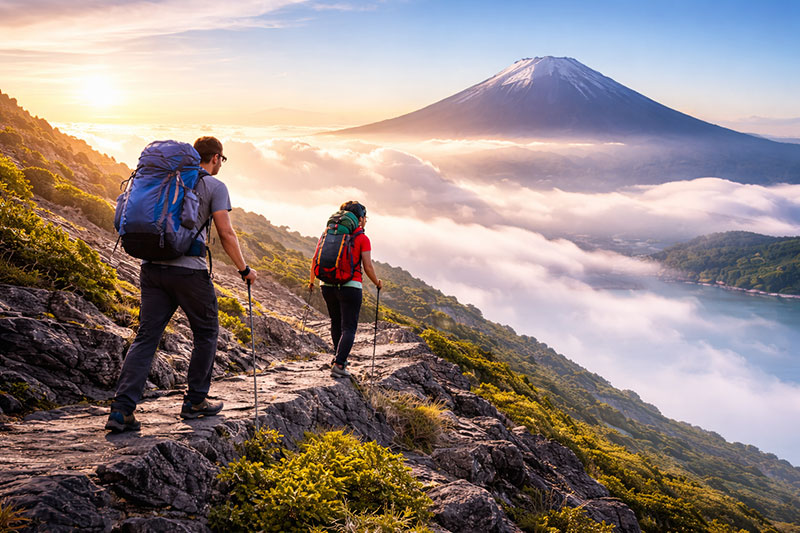
Climbing Mount Fuji is more about pacing and altitude than technical hiking. The classic move is a night climb to catch sunrise at the summit.
Fuji is the iconic “I did it” day. It is not technical, but it is real work. Your biggest enemies are altitude, cold, and going too fast early. Time it right and sunrise at the top feels like a once-in-a-lifetime moment.
Because Fuji is symbolic, shared, and oddly emotional. Watching the sun lift over the clouds from the summit is unforgettable.
Climb in official season (mid-summer). Start from the 5th Station. Go slow. Consider a hut stop if you want a safer pace.
Check real-time volcanic conditions on the Japan Meteorological Agency site before heading out.
¥2,000 climbing fee. Huts often ¥8,000–12,000. Bring layers, gloves, headlamp, and cash. Midweek is easier.
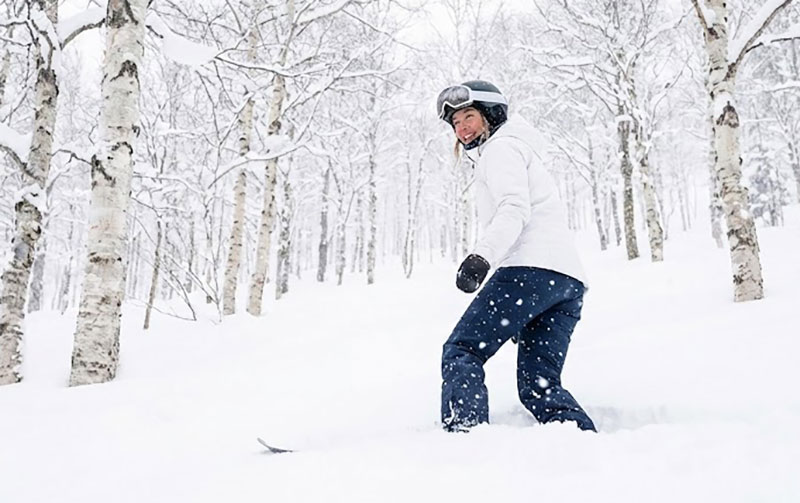
Hokkaido powder is famous for a reason. Dry snowfall, soft landings, and tree runs that feel like a dream.
Hokkaido is Japan’s winter ace card. Niseko is the easiest base with international infrastructure, while Furano feels more local and relaxed. If you want backcountry, do it with a guide. Conditions can change fast.
Reliable powder, great resort systems, and a perfect Japan twist on a classic ski trip. Onsen recovery makes it elite.
Fly into Sapporo (New Chitose). Bus transfers work, but a car helps if you want multiple areas. Book lessons early in peak season.
Lift tickets often ¥8,000–10,000/day. Rentals ¥6,000–8,000/day. Guides can be ¥30,000+ per group. January and February are prime.
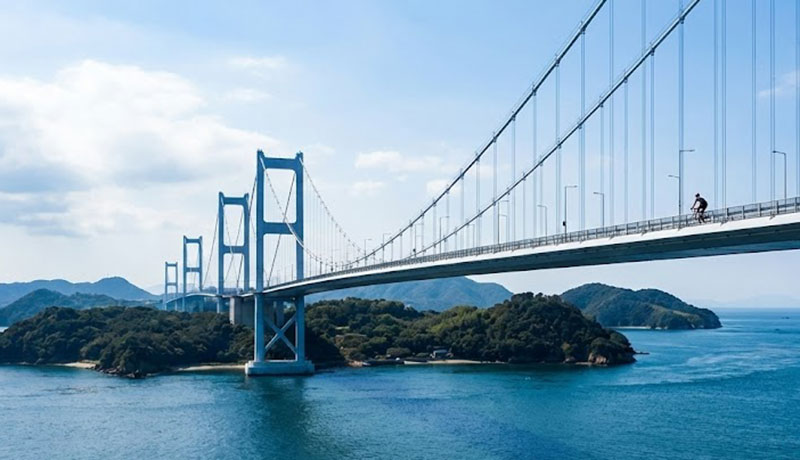
The Shimanami Kaido links islands with massive bridges and ocean views. It is iconic, but still approachable.
This is one of the best “epic but doable” routes in Japan. You get bridges, sea air, tiny port towns, and constant snack stops. It is scenic adventure without the stress of mountain suffering.
Maximum reward per mile. Ocean views, island culture, and a route designed for riders of all levels.
Rent a bike at either end. Consider an e-bike for a zero-suffering day. Split into two days if you want long lunches and slow exploring.
Bike rentals often ¥3,000–7,000/day. Budget ¥8,000–15,000 for an overnight if you split days. Bring a light rain layer.
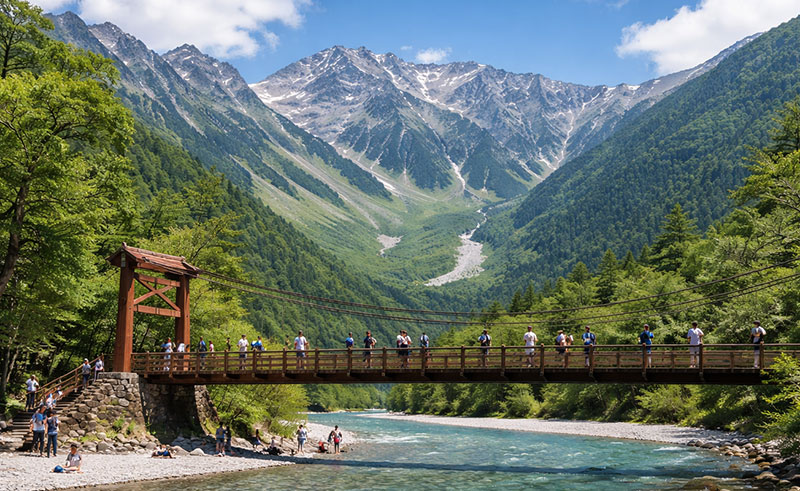
Kamikochi is the gateway to the Japanese Alps. Clear rivers, wooden trails, and peaks that feel like Japan’s Switzerland.
If you love big mountain scenery, the Japanese Alps deliver hard. Kamikochi is the easiest entry point, and summer hut hiking is surprisingly accessible. You get dramatic landscapes with fewer crowds than many European routes.
Alpine views, clean trails, and hut systems that make multi-day hikes realistic for normal travelers.
Go summer to early fall. Start with day hikes from Kamikochi. Step up to a hut route when you want a true mountain mission.
Kamikochi entry is low cost. Hut nights often ¥10,000–14,000 with meals. Book weekends early. Weather changes fast.
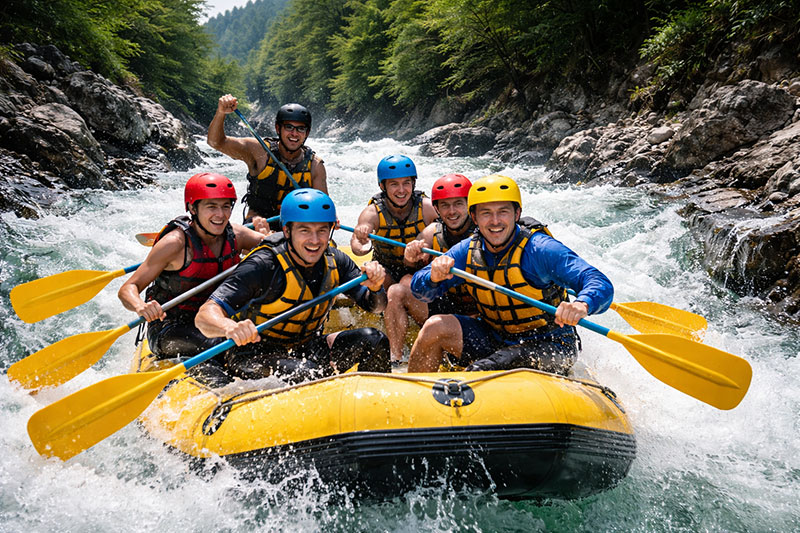
Whitewater rafting and canyoning in Japan can feel like jungle adventure, and it is often a doable day trip from major cities.
Japan’s rivers are the surprise hit for adrenaline travelers. You can go from city to canyon in a single morning. Guided trips make it accessible, and the gear is usually included.
Big fun with minimal planning. It is the fastest way to add adrenaline to a Japan itinerary.
Book a guided half-day or full-day tour. Summer is best. No experience required, just comfort with water and following instructions.
Expect ¥8,000–15,000 per person. Bring a towel and a change of clothes. Pair it with an onsen stop afterward.
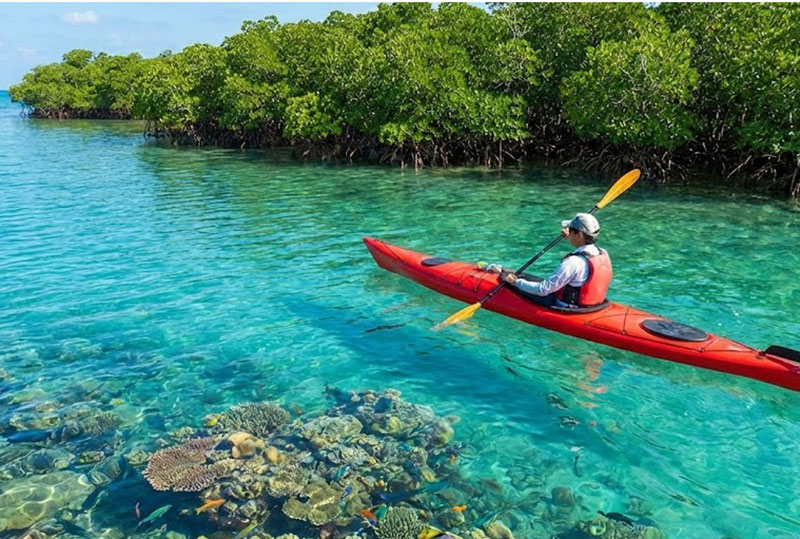
Okinawa is the easiest way to make your Japan trip feel completely different. Mangroves, coral reefs, and sunset beach nights.
Okinawa is the mood shift. Tropical water, slower days, and outdoor experiences that feel more like island life than mainland Japan. Kayak the mangroves, snorkel the reef, then eat something beachside while the sky turns orange.
Because it breaks the Tokyo-Kyoto loop and gives you a completely different version of Japan.
Join a guided tour for mangroves or reef snorkeling. Spring and fall are ideal for comfort. Summer is beautiful but humid.
Half-day tours often ¥6,000–12,000. Bring reef-safe sunscreen and a rash guard if you burn easily. Rent a car for freedom.
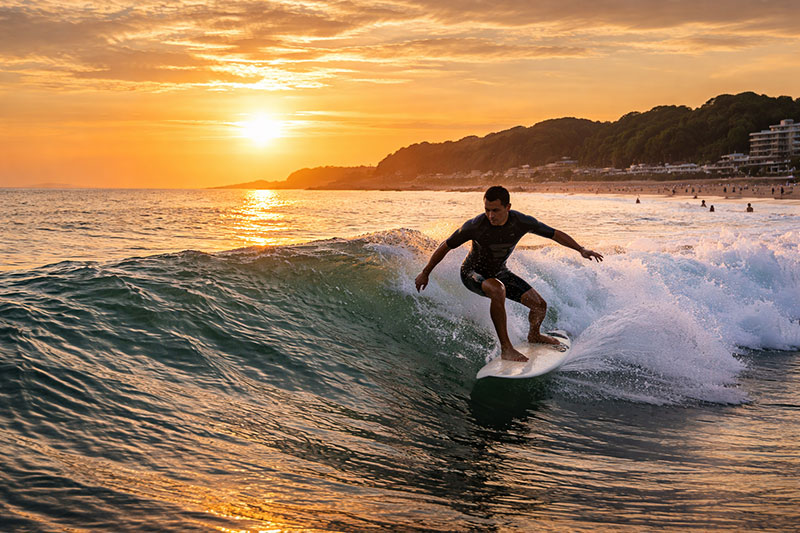
Japan has a real surf culture. Tokyo-area beaches make it doable even on short trips, while southern coasts stay warmer.
Japan’s surf culture is low-key but legit. The vibe is respectful, early mornings are normal, and the beach towns are a fun contrast to city life. If you want to learn, lessons and rentals are widely available.
It adds surf town energy to a Japan trip and gives you a whole new local culture to experience.
For quick trips, head to Chiba or Shonan. For warmer water and longer stays, look south. Beginners should take a lesson first.
Lessons often ¥6,000–10,000. Board rentals ¥3,000–5,000. Learn basic lineup etiquette. It matters everywhere, especially in Japan.
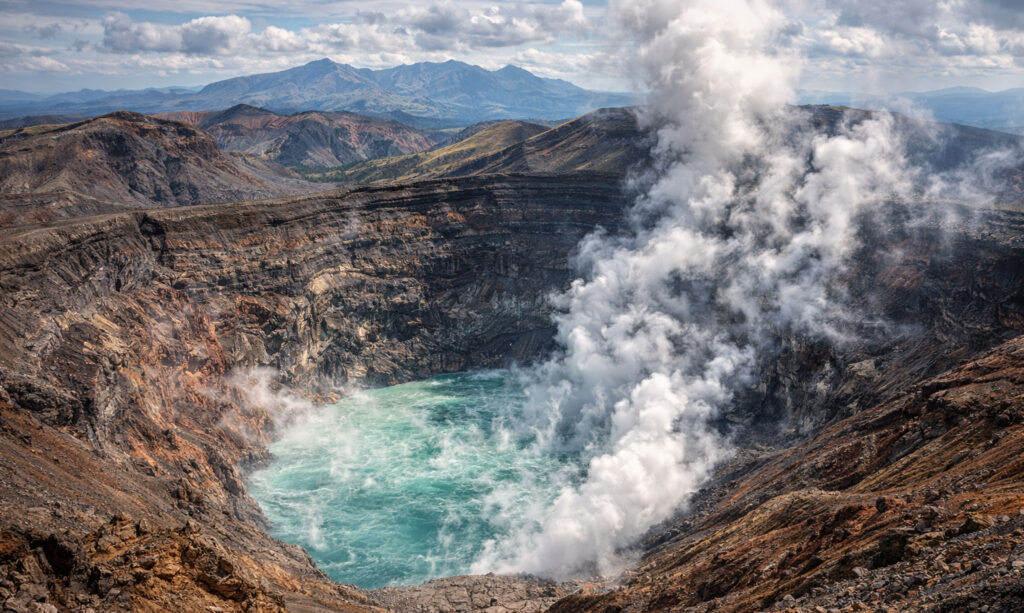
Kyushu is where Japan gets volcanic. Steam, crater views, and onsen towns built into the landscape.
Kyushu is active landscape travel. Volcano views, steaming valleys, and hikes that feel like the planet is still under construction. The recovery is just as good as the effort because Kyushu’s onsen culture is elite.
Volcanic scenery feels different from the rest of Japan, and it pairs perfectly with hot spring nights.
A rental car makes it dramatically easier. Check volcanic alerts and plan mornings for the best visibility.
Access costs are usually low. Onsen stays vary widely, often ¥8,000–20,000+. Bring a light layer. Volcano zones get windy.
Shimanami Kaido is the easiest win. It is scenic, low stress, and fits neatly into most routes. If you want a single iconic challenge, Fuji is the classic move in season.
For Fuji huts and peak ski season, yes. For rafting tours and most bike rentals, booking a few days ahead is usually enough unless it is a holiday weekend.
Plan hard days and recovery days in pairs. Adventure days stack fast. Your best recovery tools in Japan are onsen nights, shorter travel days, and not cramming every morning.
Shimanami Kaido, Okinawa snorkeling, and many rafting tours are beginner-friendly. Surfing is easiest with a lesson. Backcountry skiing is not beginner territory without a guide.
Comfortable walking shoes, a light rain layer, and a small daypack cover most bases. For water activities, bring quick-dry clothing and a towel. For mountains, add layers and snacks.
Explore Japan through food culture, planning guides, major cities, and deeper regional experiences.
START HERE
Use the full Japan hub to connect cities, compare regions, and build a trip that fits your travel style.
Read More