Travel Planning Hub
Start here to plan your trip, compare options, and explore every TLGA planning guide.
Packing & Gear Guide
What to pack, what to skip, and how to build a lighter travel setup that works.
By Corey Gasman
From the Editor:
This was not a solo backpacking trip. We went to France for a good friend’s birthday, which meant a different style of travel: a group chateau base in Champagne, a quick detour that turned into a full-blown food poisoning disaster in Burgundy, a recovery reset in the French Alps, and then a proper Paris stretch in Le Marais to finish.
If you are planning a two-week France trip and want the honest version, this is it. What worked, what surprised us, what cost more than expected, and the small decisions that made the whole trip smoother.
Route: MSP to Paris to Champagne (4 nights) to Burgundy (2 nights) to Chamonix (3 nights) to Paris (5 nights).
Context:
This is a France side story, not the full planning hub. If you want the fundamentals, start here: France Travel Guide 2026
TLGA Rule: For group trips in wine regions, remove the driver stress from the equation. It changes the whole vibe. You taste slower, schedule better, and nobody is quietly doing DUI math after the second stop.
Start here: France Travel Guide 2026 (logistics planning)
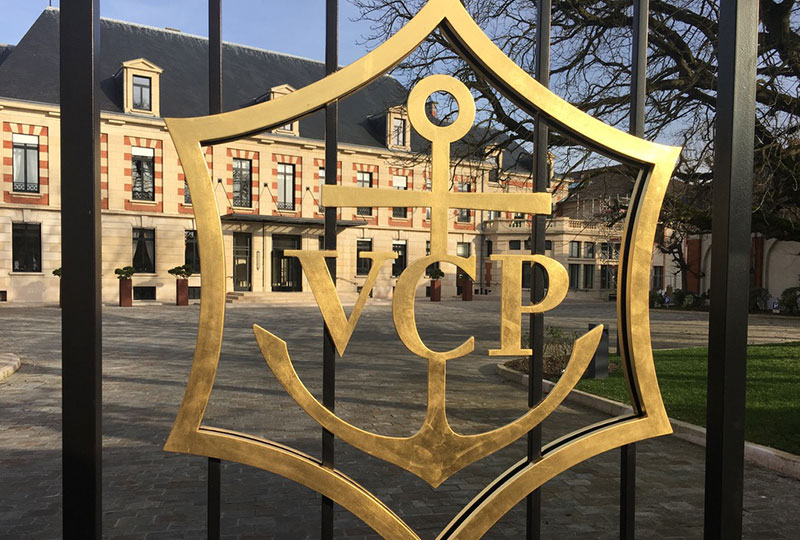
Veuve Clicquot in January. For someone who loves Champagne, this felt like showing up to the Willy Wonka factory only to find the gates locked. Seasonal closures are common in winter, and while it stings, it is also part of traveling Champagne the quiet, off-season way. (Photo by Corey Gasman)
We flew direct from Minneapolis to Paris, but instead of staying in the city, we immediately headed east to Champagne. For the group portion, we made one decision that I would repeat every time: we hired a Mercedes Sprinter van with a driver.
If you are planning a group trip in a wine region, steal this idea: rent a van with a driver. It let us hit multiple tastings a day without worrying about France’s strict DUI enforcement, parking, timing, or who was going to be the responsible one.
Pro Tip: Put your most important timed attraction, museum, summit lift, or special meal early in the trip, not the last days. Closures and disruptions happen in France, and buffer time protects your must-dos.
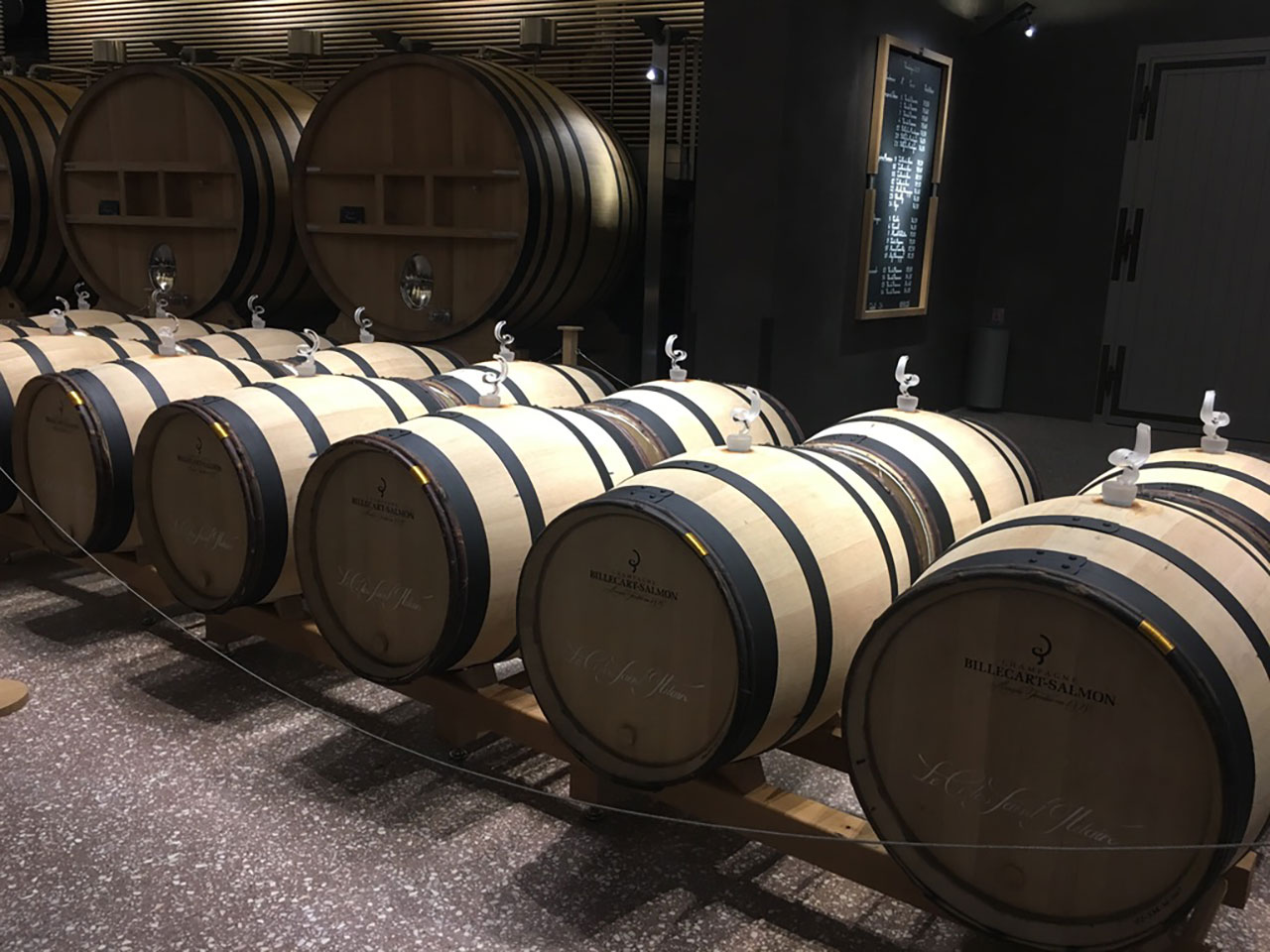
Chateau nights and Champagne days done the right way. Inside the cellars at Billecart-Salmon, seeing the barrels up close helps explain why this family-run house tastes so distinct from the corporate giants.
Base: Domaine du Château de Mairy (Mairy-sur-Marne)
We spent four nights living like royalty. The Château de Mairy is exactly what you picture when you think French countryside. It is a 17th-century historical monument set on 10 hectares of woods. Quiet, massive, and a perfect home base for exploring the region.
We missed out on Moët & Chandon and Dom Pérignon because many big houses close in off-season (January). It ended up being a blessing. We leaned into smaller and more interesting visits without the crowds.
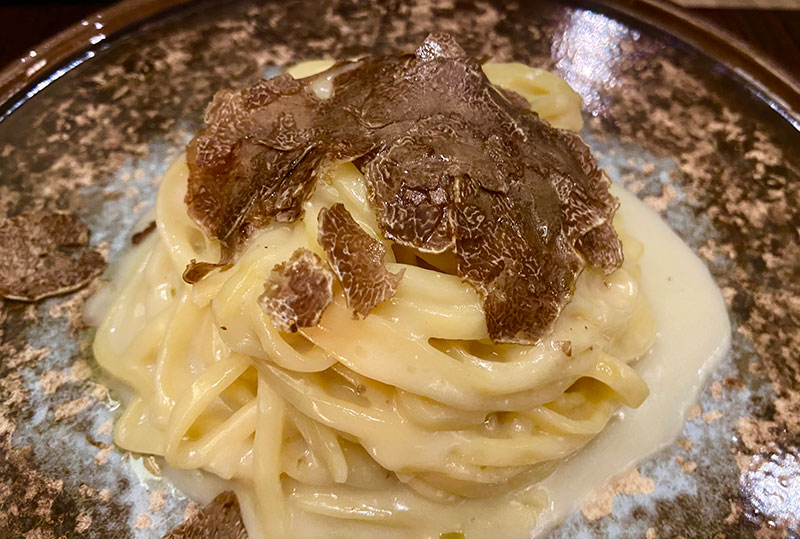
Local Guide Tip: We hired a personal chef for one night at the chateau and it was worth it. He made Tournedos Rossini, filet mignon topped with seared foie gras and a rich truffle sauce. Eating that in a castle was a peak life moment.
I’m building a deeper guide next: Champagne Road Trip: Houses, Hotels, and Booking Strategy
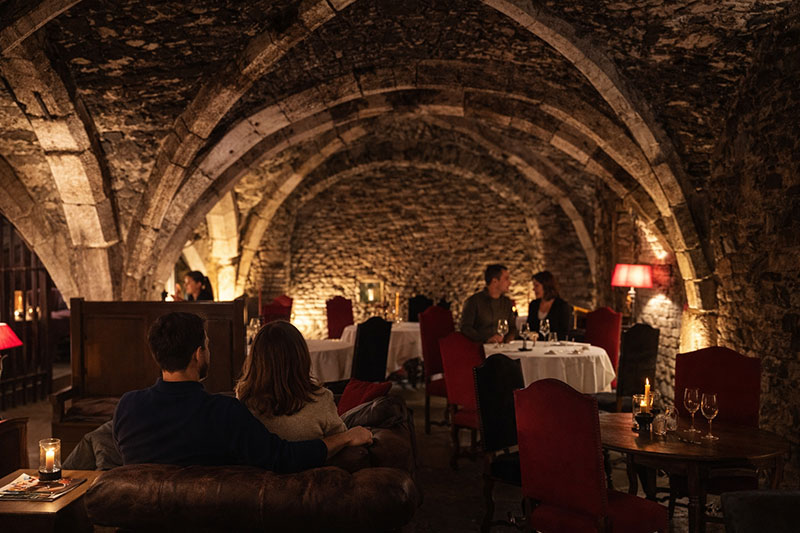
Evening in the vaulted wine cellar at Abbaye de Maizières in Beaune. A former medieval abbey transformed into a boutique hotel, where stone arches, candlelight, and Burgundy wine set the tone.
After the group portion ended, our friends flew home. Melissa and I rented a car and headed south to Burgundy. We stayed in a converted monastery. Beautiful, historic, and extremely atmospheric.
We went out for a high-end, four-course tasting menu at a 300-year-old farmhouse. The setting was perfect. The food looked amazing.
Then 3:00 AM hit.
I woke up in absolute agony. Full food poisoning nightmare, and to add insult, I threw out my back while leaning over the toilet. I was a wreck.
The worst part is that check-out in France can be very strict. The next morning, I barely crawled into the backseat of our rental car, unable to sit up straight, while Melissa drove the winding roads toward the Alps.
Pro Tip: Pack Imodium and painkillers. You think you will not need them in a first-world country until you are hours from a pharmacy on a Sunday.
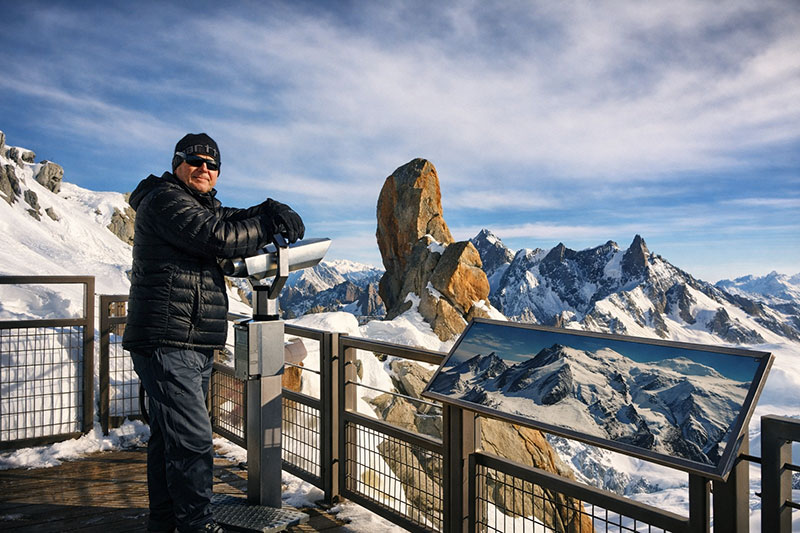
Mont Blanc country: cold, high, and worth every Euro. The Aiguille du Midi cable car whisks you up to 3,842 meters (12,605 ft) in just 20 minutes.
Chamonix is quintessential Europe. It feels distinct from much of France, almost more Swiss in rhythm. The food shifts from heavy sauces to fondue, raclette, and mountain cheeses that make winter make sense.
Once I finally recovered (it took a full 24 hours), we explored the town properly. It is walkable, charming, and the river through the center gives it great energy.
We took the gondola up into Mont Blanc country. It is expensive, but you have to do it. The views are unreal. You are looking down on the roof of Europe. If the weather is clear, go early. If it is cloudy, consider shifting to a different day. This is a visibility makes the money feel justified experience.
One night in Chamonix, a local tipped us off to do what people actually do here in winter: slow down, sit for a long dinner, and order raclette. Not the tourist shortcut version, but the full alpine experience.
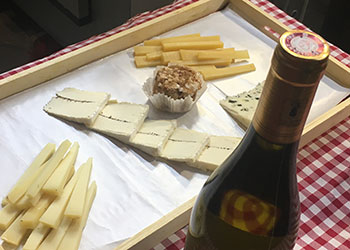
Raclette is the famous heated cheese dish of the French Alps, named from the French word “racler”, meaning to scrape. A wheel of cheese is warmed, then scraped directly onto plates over potatoes, cured meats, and pickles. It is simple, heavy, and exactly what your body wants after a cold mountain day.
Local Guide Tip: If you are in Chamonix in winter, seek out a proper raclette dinner at least once. This is not fast food and it is not light, but it is part of alpine culture. Plan it for a night when you are done exploring for the day, settle in, and let the meal take its time. This is recovery food.
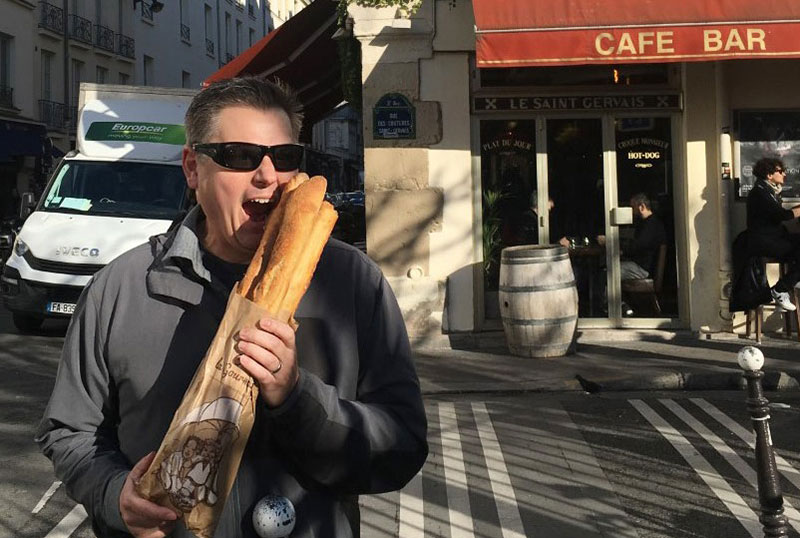
Eating award-winning baguettes from Tout Autour du Pain in Le Marais. Proof that some of the best food moments in Paris happen standing on the sidewalk with bread that absolutely lives up to the hype.
I admit it: I watch a lot of House Hunters International. There is a real estate agent on that show, Adrian Leeds, who is obsessed with Le Marais. She is right.
We based ourselves in Le Marais (3rd/4th Arrondissement) and it was perfect. It feels like a real neighborhood, not a museum. Great food, easy walking, and strong transit access without feeling like you are living inside a tourist funnel.
Local Guide Tip: Eat Your Way Through Le Marais
If you want a fast, high-quality way to understand French food and the neighborhood you are walking through, book a food tour early in your trip. We did the Secret Food Tours: Paris – Le Marais and it was one of the best decisions we made in Paris.
You learn why French food works the way it does, discover small shops you would never notice on your own, and get a dose of neighborhood history while you are actively eating. I love food tours because they combine culture, history, and logistics into one experience instead of treating them separately.
Food tours cost more than standard walking tours, but I think they are worth it. You get more than a meal’s worth of food, usually sample wine or other drinks, and walk away with context that makes every meal after that better.
Read my guide on Where to Stay in Paris to see why I chose Le Marais.
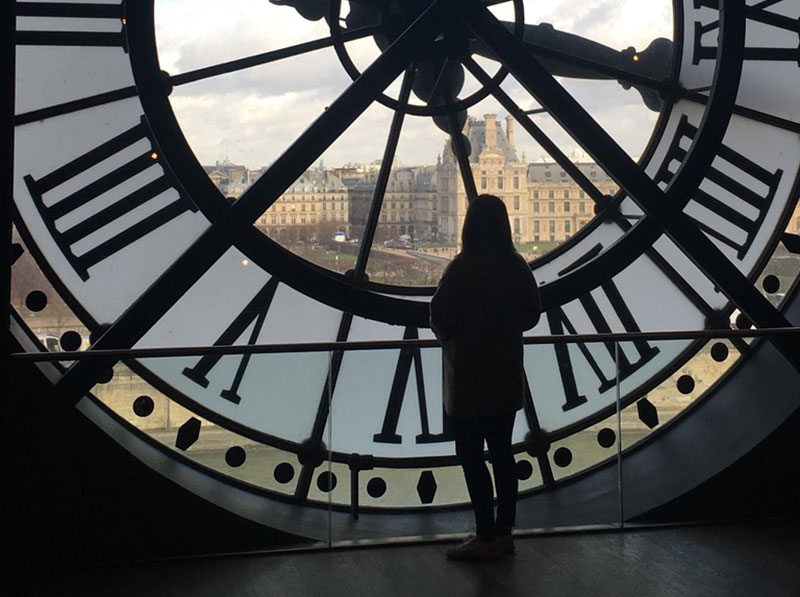
Le Marais, late starts, and a museum strike that humbled me again. When the Louvre is closed due to strikes, the Musée d’Orsay is not just a backup plan. In quiet season, we grabbed tickets online minutes before walking right in to see the Impressionist masters. (Photo by Corey Gasman)
Pro Tip: End your trip in Paris. It makes the flight home easier, and it eliminates the remote village to international airport stress on departure day.
Keep exploring France with planning guides, wine region ideas, and city-specific follow-up reads.
START HERE
The broader planning guide if you want routes, logistics, and how different parts of France fit together.
Read More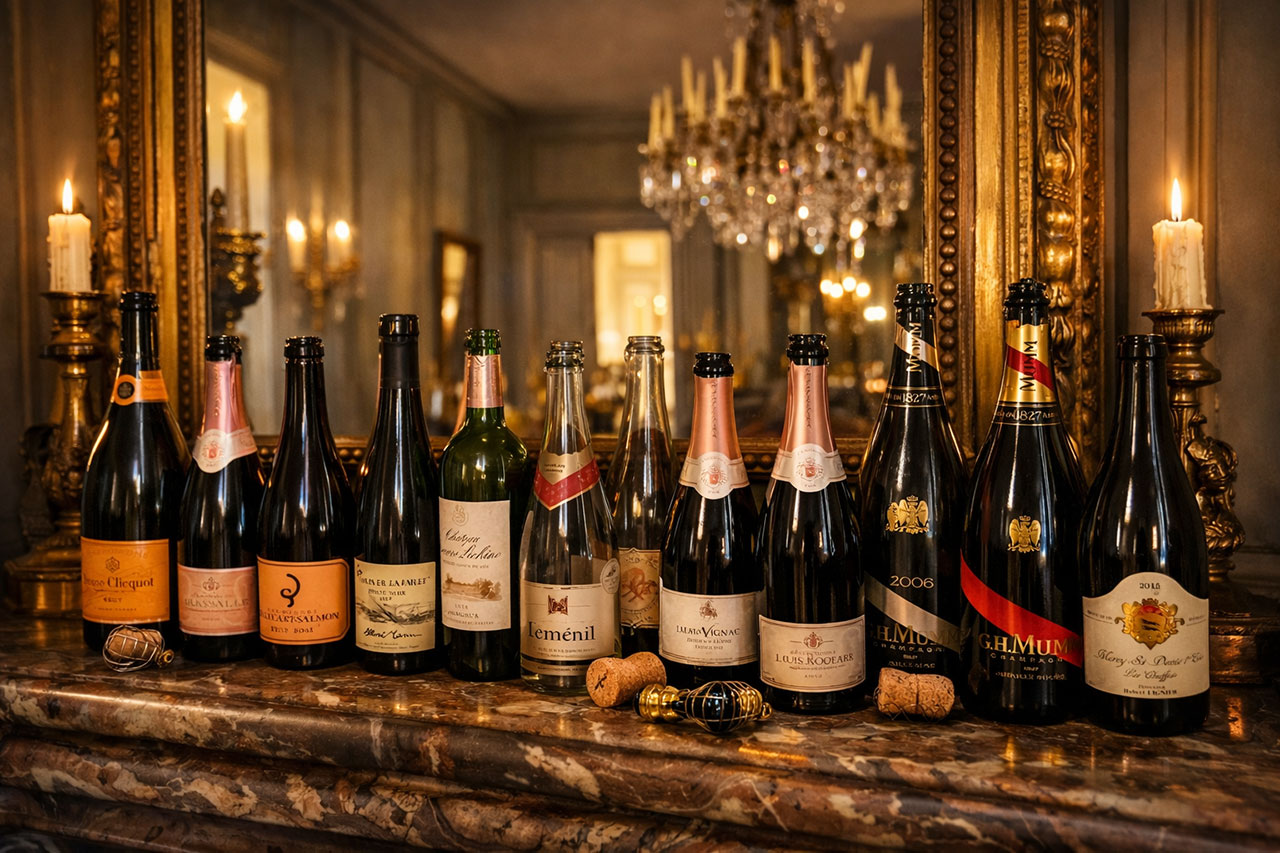
WINE COUNTRY
A deeper planning version of the Champagne leg with houses, hotels, and booking strategy.
Read More ALPINE RESET
Mountain logistics, winter rhythm, and what to prioritize if you base yourself in Chamonix.
Read More BURGUNDY FOOD
The prettier, more practical version of Burgundy if you want the guide and not the disaster story.
Read More PARIS STAY
See why Le Marais worked so well and how to think about your own Paris home base.
Read More PARIS CULTURE
How to handle strike disruptions, backup museum plans, and where food tours fit into the trip.
Read MoreYes. If you visit in the off-season, many of the big houses (like Moët & Chandon) close for renovations or post-harvest breaks. Having a backup list of smaller boutique houses is highly recommended.
For regions like Burgundy or driving down to Chamonix, renting a car gives you maximum flexibility. However, be aware of automated speed cameras; you might get a ticket in the mail weeks after returning home.
Strikes are a common part of French culture. Always have a backup plan. The Musée d’Orsay is an excellent pivot, offering a stunning Impressionist collection inside a historic railway station.