Travel Planning Hub
Start here to plan your trip, compare options, and explore every TLGA planning guide.
Packing & Gear Guide
What to pack, what to skip, and how to build a lighter travel setup that works.

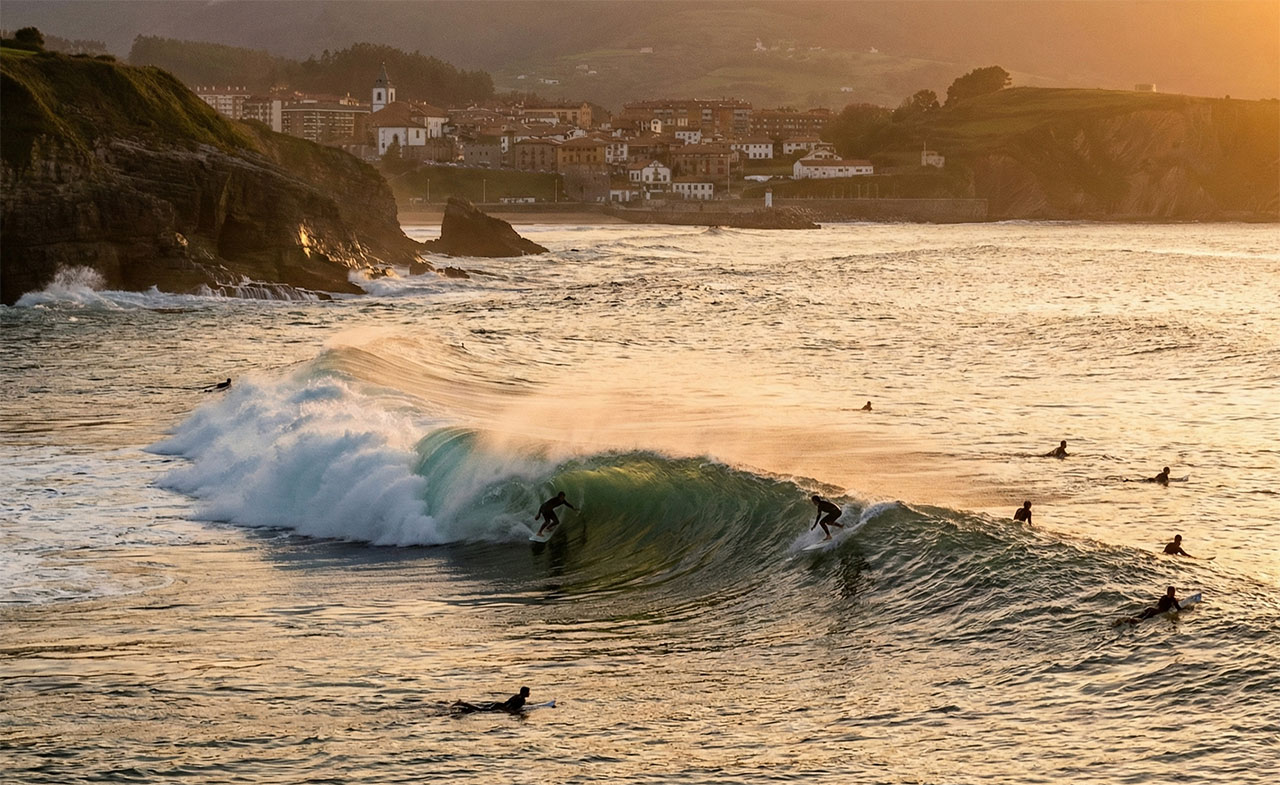
The Basque Country offers more than just incredible food; Mundaka is legendary for having one of the best left-hand waves in the world. Even if you don’t surf, the rugged coastal energy here is unmatched.
By Corey Gasman
Let’s be honest: You can only look at so many cathedrals and eat so much Jamón before you need to move. While most people think of Spain as a place for siestas and leisurely lunches, the geography here is actually insane. We have the Atlantic swells in the north, the wind tunnels of the south, and snowy peaks that let you ski in the morning and swim in the Mediterranean in the afternoon.
If you are the type of traveler who packs hiking boots “just in case” or checks the Strava segments before booking a hotel, this guide is for you. We are skipping the gentle city walking tours and focusing on the activities that will get your heart rate up.
From the world-class surf of the Basque Country to the “Walk of Death” in Málaga, here are the top adrenaline spikes you need to add to your itinerary.
Adventure Stats
This is not a “do everything in 7 days” list. The best way to use this guide is to pick 2 regions and build a loop around them:
| Activity | Location | Cost (EUR) | Notes |
|---|---|---|---|
| Surf Board Rental | Zarautz/Mundaka | €15 – €25 / day | Wetsuit usually included. |
| Caminito del Rey | Málaga | €10 (Entry) | Add €15 for guided tour (easier to find). |
| Kitesurf Lesson (3hr) | Tarifa | €100 – €130 | Includes gear & instructor. |
| Carbon Road Bike | Mallorca | €45 – €60 / day | Specialized Tarmac level. |
| Ski Pass (1 Day) | Sierra Nevada | €45 – €57 | Price depends on season. |
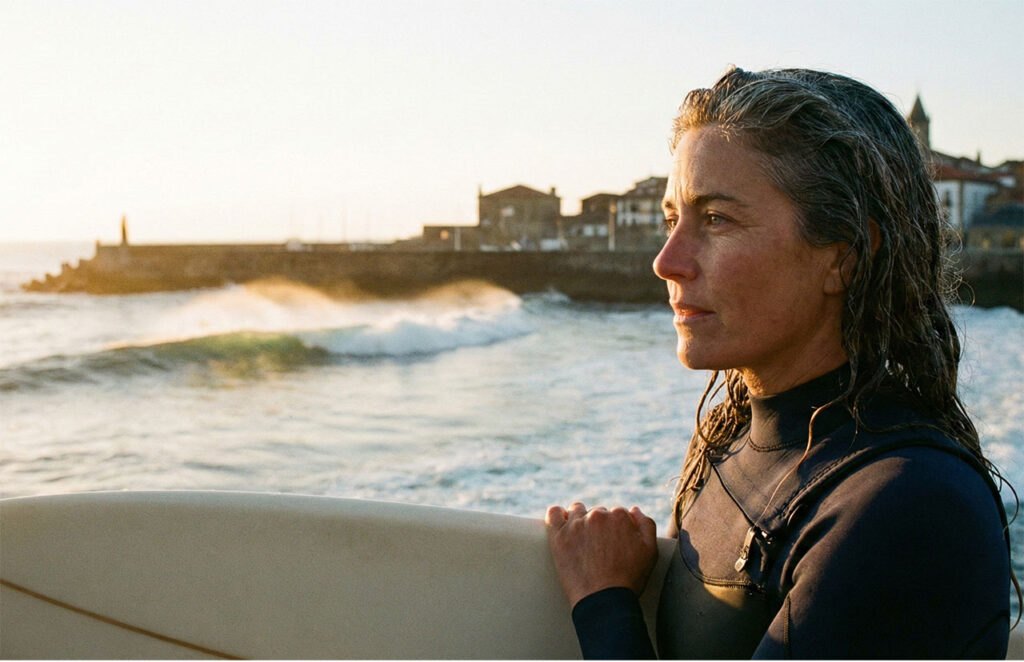
Mundaka: Where the river meets the ocean to create one of the best waves in the world.
Location: Zarautz, Mundaka, San Vicente de la Barquera
Best Time: Autumn/Winter (Pros), Summer (Beginners)
Forget the Mediterranean for surfing; it’s a lake. The real action is in the North, where the Atlantic smashes into the coast. This is the California of Spain.
Read more: If you want the food side of this region, start here: Basque Country Food Trip.
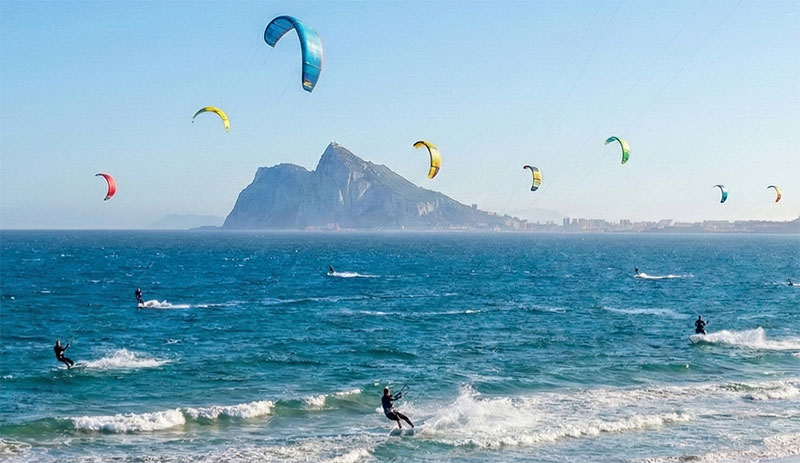
Known as the wind capital of Europe, Tarifa sits exactly where the Atlantic meets the Mediterranean. The constant “Levante” wind makes it a world-class playground for kitesurfers.
Location: Andalusia (The Southern Tip)
Best Time: May to October
Tarifa is a bohemian town right at the Strait of Gibraltar. You can literally see Morocco from the beach. Because the Mediterranean and Atlantic meet here, it creates a constant wind tunnel.
It is the Kitesurfing capital of Europe. The sky is filled with hundreds of colorful kites every day. The town itself has a laid-back, “surfer chic” vibe with cobblestone streets, tuna tapas bars, and late-night beach parties.
Read more: Planning a full southern loop? Use this itinerary: Southern Spain (Andalusia) Loop.
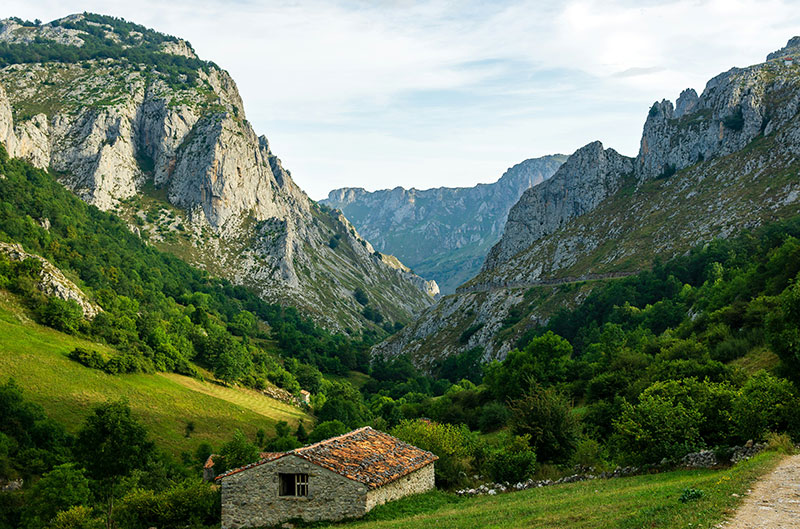
The jagged limestone peaks of the Picos de Europa. Not for the faint of heart.
Location: Asturias/Cantabria/Leon
Activity: High Alpine Hiking
If the Alps and the Dolomites had a baby, it would be the Picos de Europa. These are dramatic, jagged limestone spires that shoot straight up from the green pastures.
The most famous hike is the Cares Trail (Ruta del Cares). It is a 12km path carved directly into the cliff face of a deep gorge. It is flat but spectacular. For serious climbers, the ascent to the Naranjo de Bulnes (Picu Urriellu) is a bucket-list achievement.
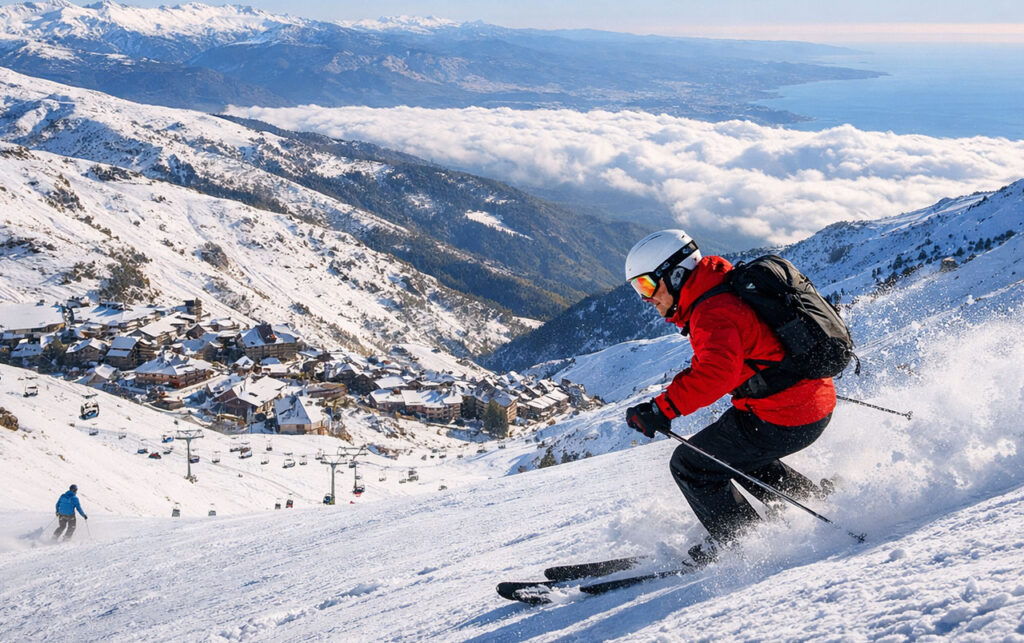
Skiing the Sierra Nevada in southern Spain, where alpine terrain meets Mediterranean views.
Location: Granada (Andalusia)
Activity: Skiing/Snowboarding
Skiing in southern Spain sounds like a joke, but the Sierra Nevada range rises to nearly 3,500 meters. It is Europe’s southernmost ski resort.
The magic here is the geography. On a clear day, you can see the Mediterranean Sea and the coast of Africa while you are skiing down the slope. Because it is so close to the coast, you can technically ski in the morning and drive 60 minutes to the beach for a paella in the afternoon. It is the ultimate Spanish flex.
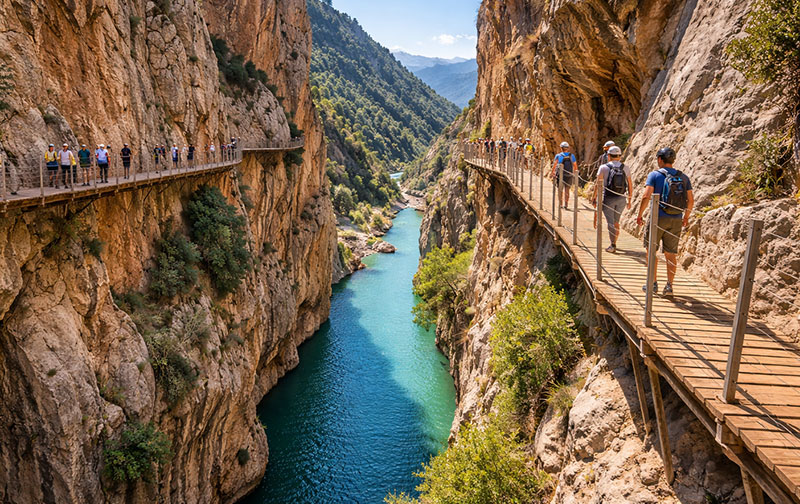
Hanging 100 meters above the river on the vertical walls of the Caminito del Rey.
Location: Ardales (Málaga)
Activity: Cliff Walking
Twenty years ago, this was known as the “World’s Most Dangerous Path.” Today, it has been completely rebuilt with a safe wooden boardwalk pinned to the vertical walls of the Gaitanes Gorge. It hangs 100 meters straight up above the river. It is totally safe now (you wear a helmet), but the visual drop is terrifying.
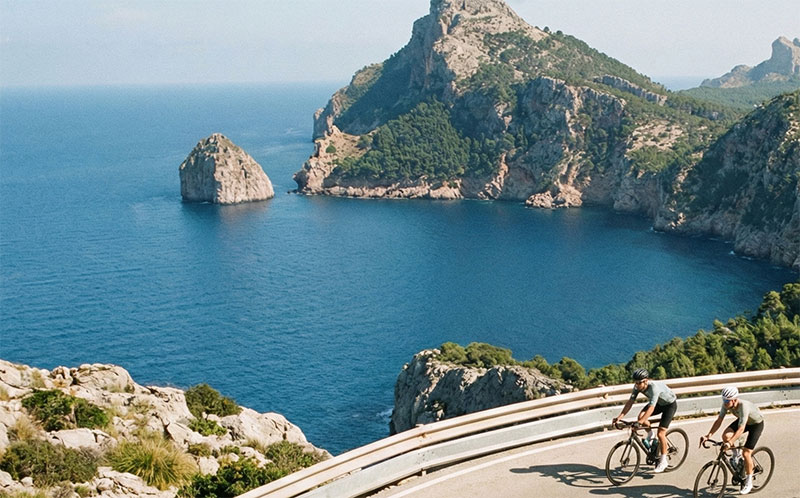
Cyclists riding Mallorca’s legendary mountain roads, where coastal climbs and smooth switchbacks make the island a global cycling hub.
Location: Serra de Tramuntana
Activity: Road Cycling
Mallorca is where the Tour de France pros train in the winter. The roads are perfect glass. The king of climbs is Sa Calobra, a road that snakes down 10km of hairpin turns to the ocean. The only way out is to climb back up. It is 26 hairpin turns of pure pain and beauty.
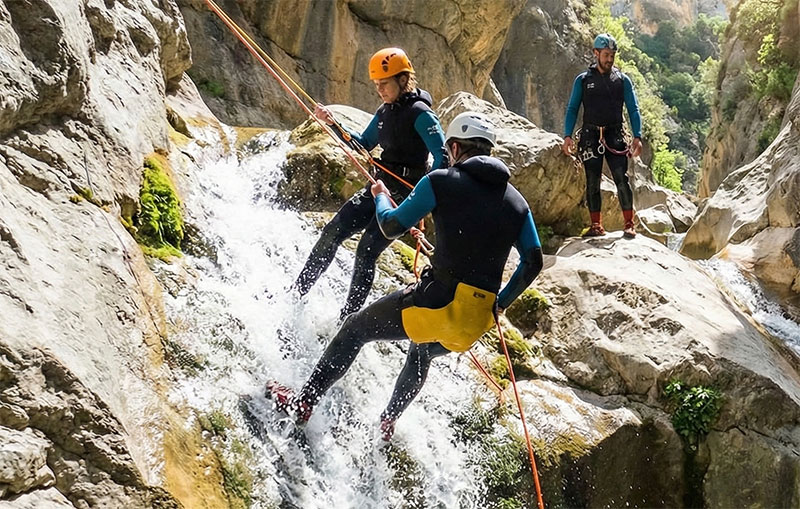
The Sierra de Guara is the unofficial European capital of canyoning. It is a natural playground of turquoise pools, limestone chutes, and waterfalls that feels like a water park designed by nature.
Location: Huesca (Pyrenees)
Activity: River Jumping/Rappelling
The Pyrenees are riddled with limestone gorges. Canyoning here means putting on a wetsuit and navigating the river by jumping off waterfalls and sliding down natural rock chutes. The Sierra de Guara is the European capital of this sport.
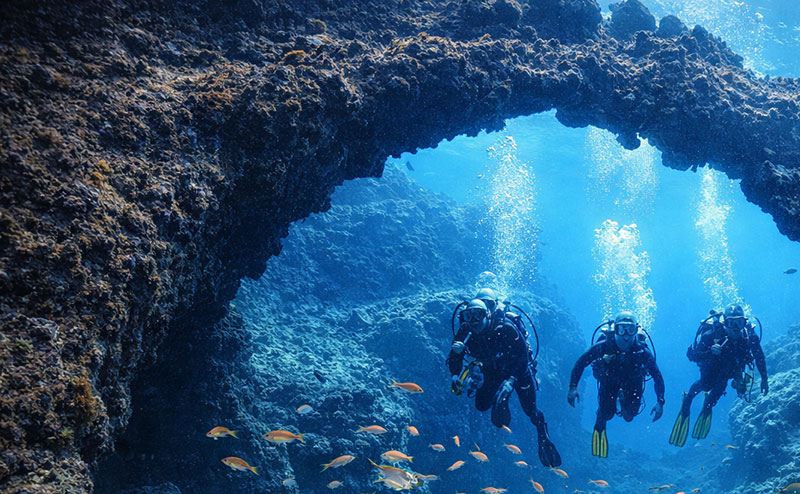
Scuba diving volcanic reefs in the Canary Islands, where lava arches, caves, and clear Atlantic waters surround rays, turtles, and subtropical fish.
Location: El Hierro / Lanzarote
Activity: Scuba Diving
While the Mediterranean is great, the Atlantic waters of the Canary Islands offer something different: Volcanic reefs. The underwater lava formations create dramatic arches and caves. El Hierro is a marine reserve with visibility often exceeding 30 meters, teeming with rays, turtles, and subtropical fish.
Generally, no. Surfing/Kitesurfing: Schools in Zarautz and Tarifa rent boards and wetsuits. Cycling: High-end carbon bike rentals are everywhere in Mallorca. Skiing: Sierra Nevada has standard rental shops.
For the main Cares Trail, no—it is well marked and busy. For climbing Naranjo de Bulnes or going off-trail in the high limestone massifs, a guide is highly recommended due to the sudden fog (niebla) that can disorient hikers.
Not really. It is mostly flat walking on boardwalks. The challenge is mental (vertigo). It is about 7.7km total walking.
City guides, itineraries, culinary deep dives, wine regions, art, and active travel across Spain.