Travel Planning Hub
Start here to plan your trip, compare options, and explore every TLGA planning guide.
Packing & Gear Guide
What to pack, what to skip, and how to build a lighter travel setup that works.

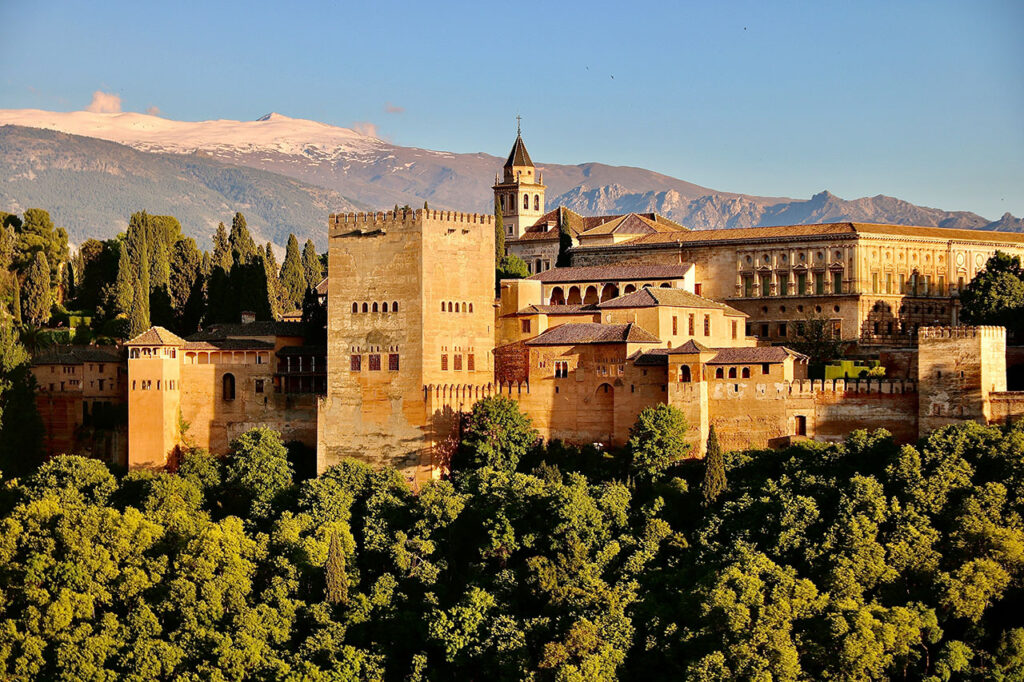
The Alhambra in Granada, a masterpiece of Moorish architecture and one of Spain’s must-book sights.
By Corey Gasman
Spain is one of those countries that makes you feel like you are getting away with something. The food is elite, the cities are alive at night, and the day trips are so good they can steal the show. The only way to mess it up is to cram in too many stops and turn your trip into a transportation sport.
This guide gives you a clean, repeatable route for a first Spain trip. It is built around three anchors that pair well together: Barcelona for energy and architecture, Madrid for museums and day trips, and Andalusia for that sun-drenched, late-night Spain that people daydream about.
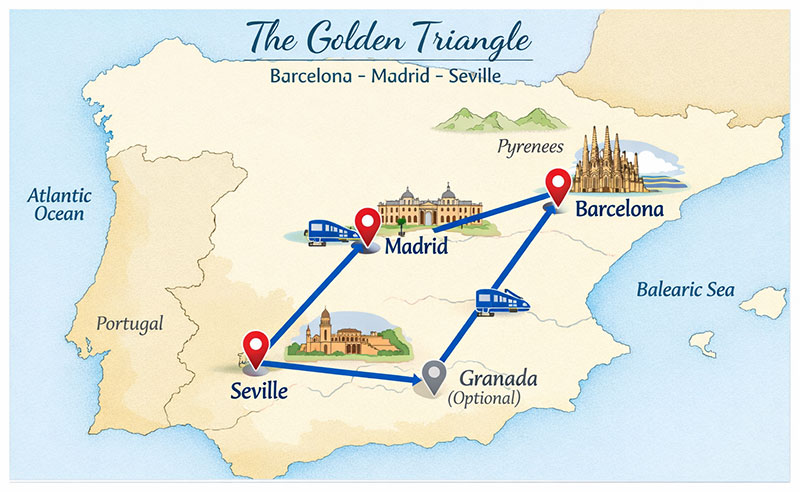
The Golden Triangle: Start in Barcelona, train to Madrid, finish in Seville (or vice versa).
Start Here (2-minute plan)
1) Pick your trip length: 10 days (faster) or 14 days (better).
2) Choose 3 bases max: Barcelona, Madrid, and one Andalusia city (Seville is the best starter).
3) Use trains between bases and day trip from each base.
4) Book the Big Three attractions in advance (Alhambra, Sagrada Família, Alcázar).
Local Guide Tip: If you only remember one rule, let it be this: fewer bases equals a better Spain trip. Add nights, not cities.
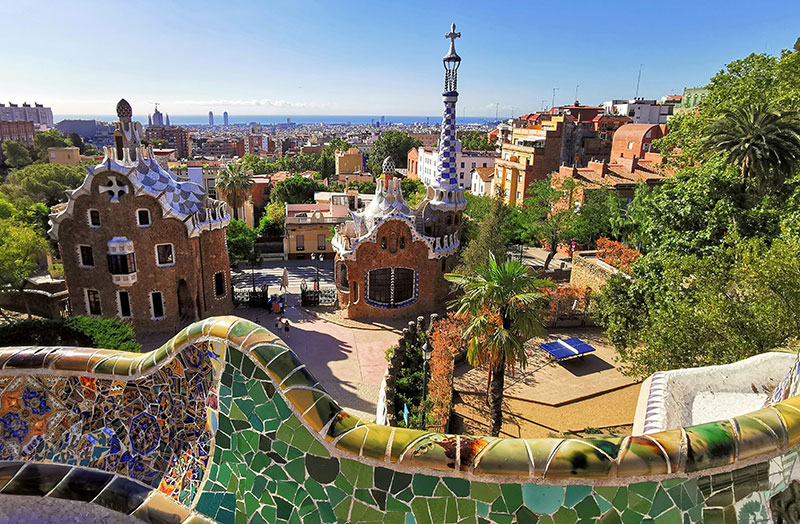
Park Güell in Barcelona is located away from the city center, so booking tickets at least two weeks in advance is essential to guarantee entry.
Both versions use the same backbone. The difference is whether you sprint or give Spain the time it deserves. If you can do 14, do 14.
| Trip Length | Bases | Best Route |
|---|---|---|
| 10 days | 3 bases | Barcelona (4) + Madrid (3) + Seville (3) |
| 14 days | 3 bases | Barcelona (5) + Madrid (4) + Seville (5) with day trips |
Pro Tip: The best upgrade is adding nights to Andalusia. That is where Spain starts to feel cinematic. If you have extra days, take the 2.5-hour train from Seville to Granada to see the Alhambra.
Interactive map: Spain’s Golden Triangle route with bases, must-book sights, and key day trips.
For a first trip, you want bases that travel cleanly and give you very different versions of Spain. Barcelona, Madrid, and Seville are the most reliable trio.
| Base | Vibe | Best Day Trips |
|---|---|---|
| Barcelona | Cosmopolitan, whimsical, beach-city energy | Montserrat, Girona, Sitges |
| Madrid | Grand, imperial, late-night sophistication | Toledo, Segovia, Ávila |
| Seville | Traditional, romantic, golden-hour magic | Córdoba, Ronda, Cádiz |
Local Guide Tip: If you feel tempted to add more cities, add them as day trips instead. You keep the experience and lose the hotel check-in headache.
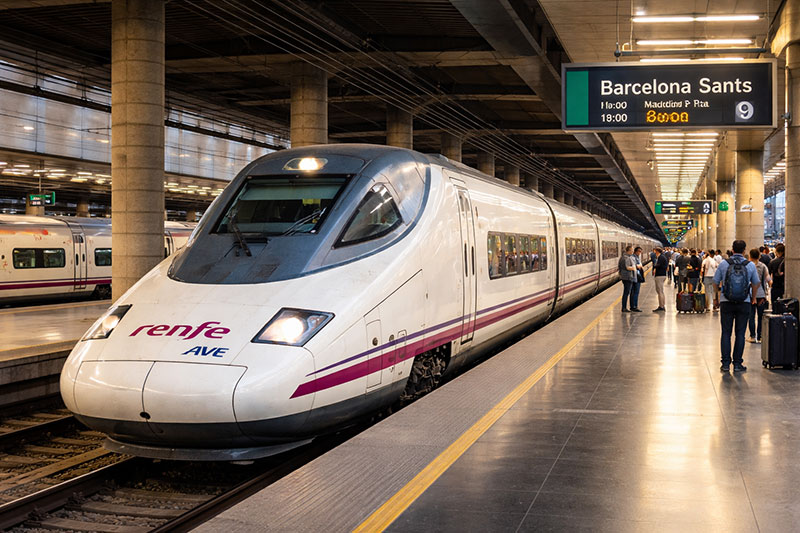
A Renfe AVE high-speed train at Barcelona Sants Station, Spain’s main hub for long-distance and high-speed rail travel.
Spain is one of the easiest European countries to route with trains. The high-speed network (AVE) is incredible, connecting the big three cities in under 3 hours per leg.
Spain’s rail market is competitive now. You do not have just one option anymore.
Pro Tip: Book your trains 2 to 3 months out. A Madrid to Barcelona ticket can be €25 if booked early or €120 if booked the day of.
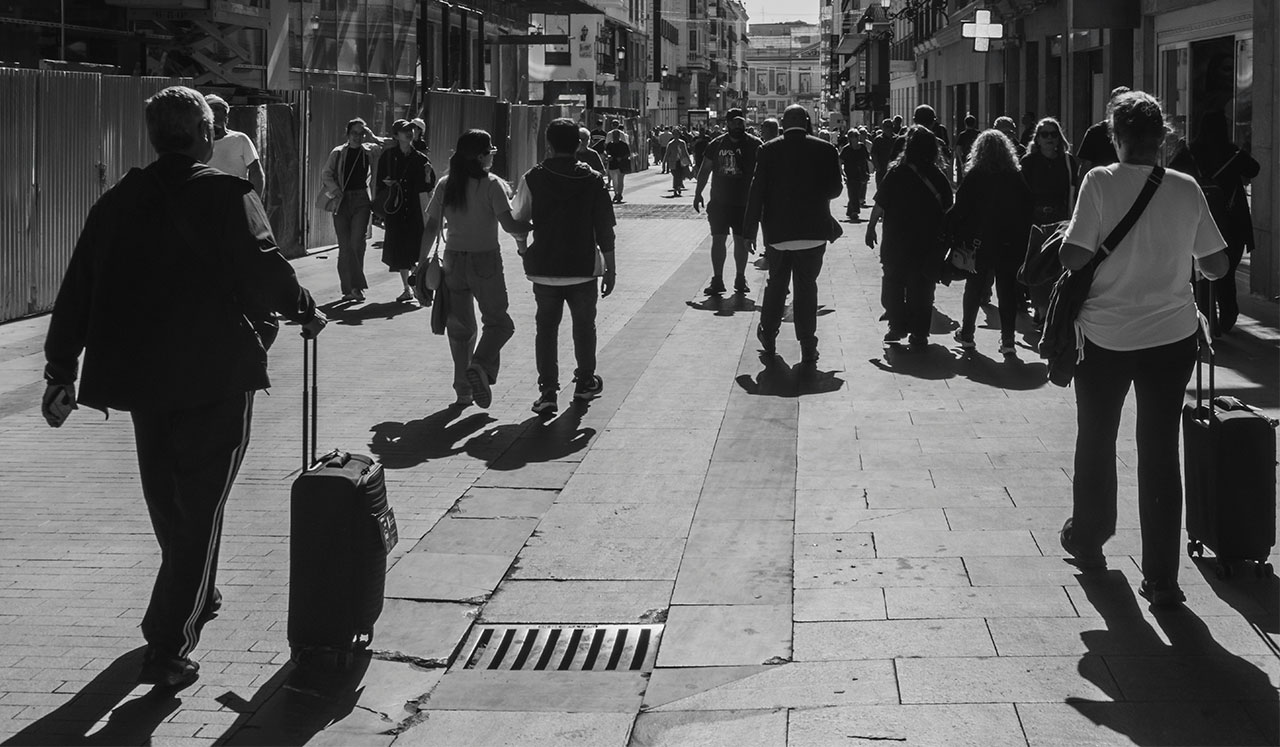
Spain is paved with cobblestones. The Gothic Quarter in Barcelona and the Barrio Santa Cruz in Seville are notorious for destroying rolling luggage. High-speed trains also have limited luggage space.
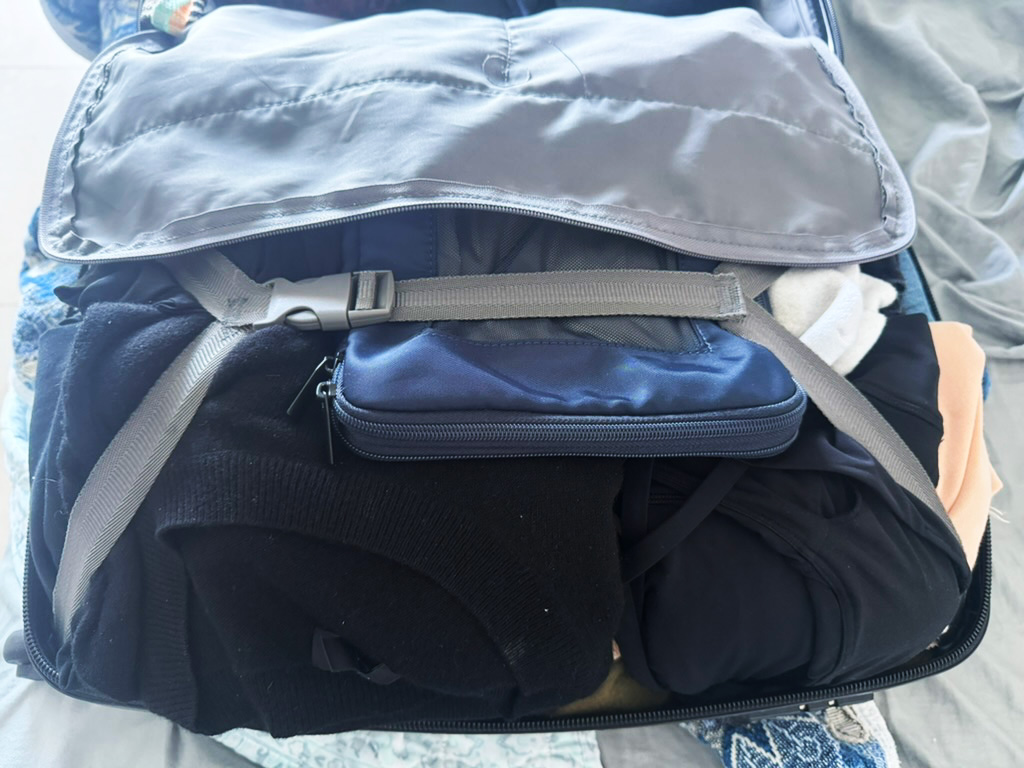
The Fix: Use a carry-on sized backpack (35L to 45L). It fits in the overhead bin on the train, it is easy to walk with to your hotel, and it forces you to pack smart. Do laundry halfway through the trip.
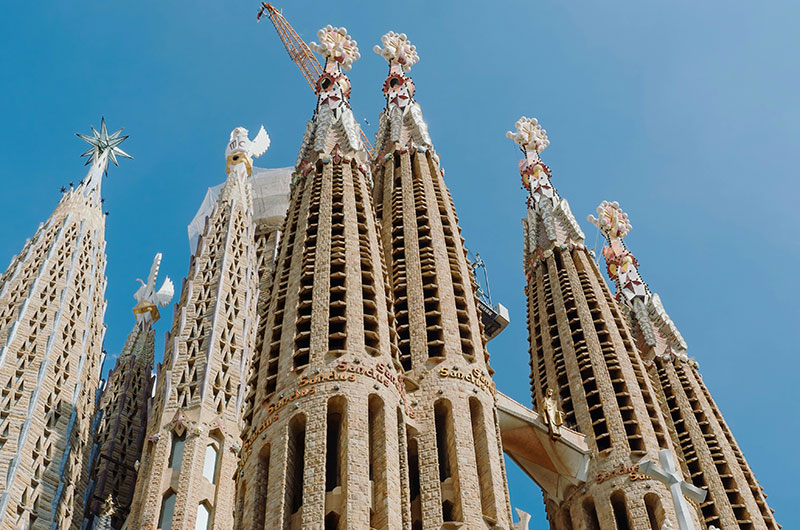
Book your Sagrada Família tickets at least one month out. We recommend grabbing the earliest morning slot for the best light and fewer crowds.
Spain is chill about many things, but it is not chill about its top monuments. If you show up to these without a ticket, you will not get in.
| City | Attraction | When to Book |
|---|---|---|
| Granada | The Alhambra | 3 months out (critical). This sells out faster than anything in Spain. |
| Barcelona | Sagrada Família | 1 month out. Aim for the earliest morning slot for the best light. |
| Seville | Royal Alcázar | 3 to 4 weeks out. The line for non-ticket holders is brutal. |
| Barcelona | Park Güell | 2 weeks out. It is far from the city center, do not go without a ticket. |
Spain is generally cheaper than France or the UK, but prices in Barcelona and Madrid have risen. Here is a realistic per-person daily budget (excluding flights).
| Style | Daily Cost | What you get |
|---|---|---|
| Budget Backpacker | €60 to €80 | Hostel dorms, supermarket meals plus 1 tapas treat, walking everywhere, free museum hours. |
| Smart Mid-Range | €140 to €180 | Nice 3-star hotel or Airbnb, sit-down lunches (Menú del Día), paid entry to main sights, high-speed trains. |
| Comfort / Luxury | €250+ | Boutique hotels, guided private tours, jamón ibérico on repeat, taxis everywhere. |
In Spain, location matters more than luxury. A simple room in a walkable neighborhood beats a nicer room far away, because your evenings are the whole point.
| Travel style | Barcelona | Madrid | Seville |
|---|---|---|---|
| First-timer | Central and walkable, easy metro access | Central, near parks and museums | Old town or near the historic core |
| Food-focused | Near markets and tapas corridors | Near lively dining streets | Near late-night tapas neighborhoods |
| Nightlife | Close to bars, but not on the loudest street | Walkable to nightlife, still sleep-friendly | Central so you can walk home after midnight |
| Quiet and charming | Residential edges, still well-connected | Leafier areas with good transit | Courtyard-style hotels, calmer side streets |
Pro Tip: If you are deciding where to spend, spend on location. You will get more value out of your trip than any room upgrade.
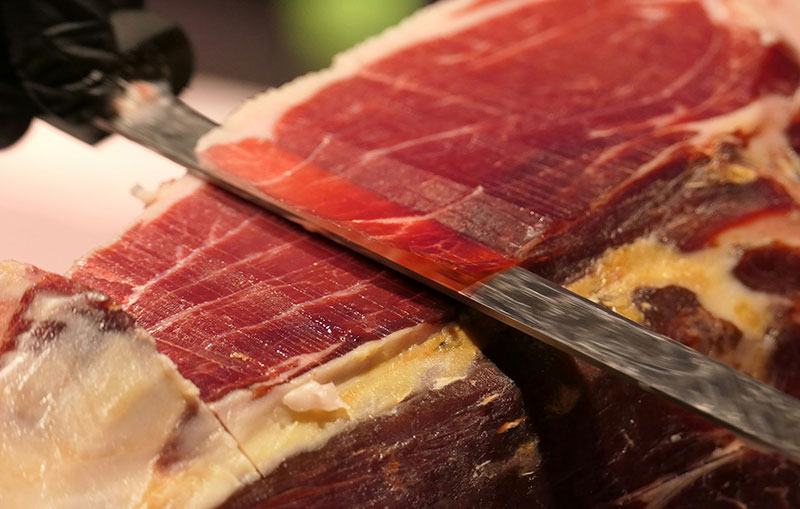
Freshly sliced Jamón Ibérico, Spain’s most famous cured ham
Spain rewards people who eat late and walk a lot. You do not need to over-plan, but you do need to respect timing. Dinner starts around 9:00 PM. If you walk into a restaurant at 7:00 PM and it is full, it is full of tourists.
Local Guide Tip: Look for the Menú del Día at lunch. It is usually €12 to €16 and gets you a starter, main, drink (often wine), and dessert. It is one of the best deals in Europe.
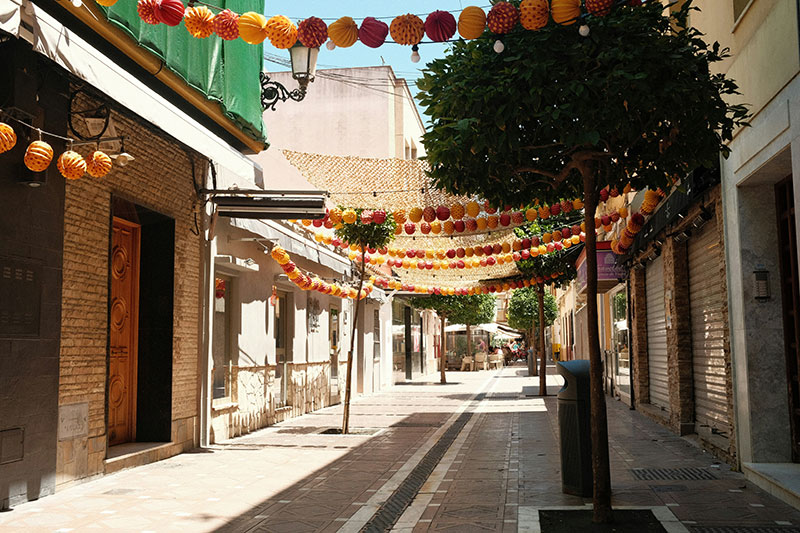
The only traffic jam you’ll see during siesta
| Mistake | What happens | Do this instead |
|---|---|---|
| Ignoring the siesta | You try to shop at 3 PM and find a ghost town. | Between 2:00 PM and 5:00 PM, smaller shops close. Use this time for a long lunch or a reset. |
| Too many cities | You spend your best hours in transit. | Keep 3 bases and day trip. |
| Eating early | You eat alone in an empty room. | Push dinner to 9:00 PM. Have a merienda (snack) around 6:00 PM to bridge the gap. |
| Buying water nonstop | You waste plastic and euros. | Tap water is safe in Spain. Bring a bottle and refill, especially in Madrid. |
Yes, if you keep it tight. Do three bases and avoid adding extra cities. Ten days is a great first trip, but fourteen days is the version where Spain starts to feel effortless.
Either works. I like starting in Barcelona for energy, then moving to Madrid for museums and day trips, then finishing in Andalusia for the late-night Spain glow.
Not for this first-timer route. Trains cover the big jumps and day trips can be done by rail or guided tours. Cars are a liability in these historic city centers.
Moving too often. Spain is at its best when you stay longer, learn one neighborhood, and let the trip breathe.
The Alhambra (3 months out), Sagrada Família (about 1 month out), and the Royal Alcázar (3 to 4 weeks out). Also, book your high-speed trains early to save big on fares.
Keep Planning Spain
Back to the main hub: Spain Travel Guide
Next spokes to build: Barcelona Guide, Madrid Guide, Andalusia Loop, Basque Country Food Trip