Travel Planning Hub
Start here to plan your trip, compare options, and explore every TLGA planning guide.
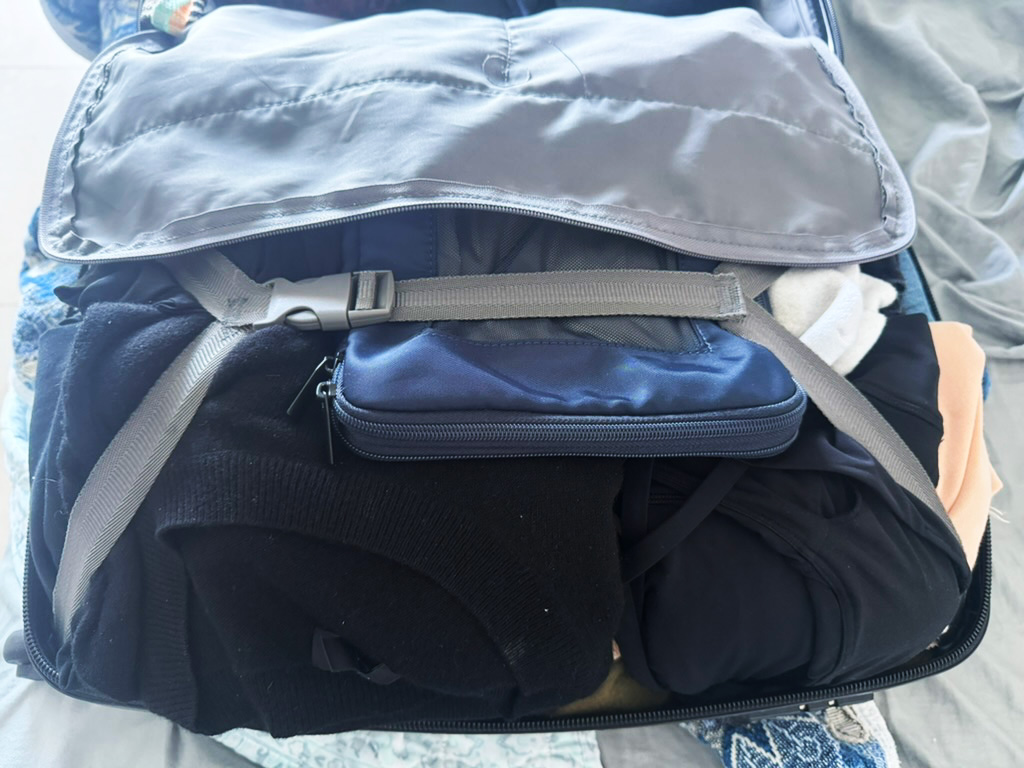
Packing & Gear Guide
What to pack, what to skip, and how to build a lighter travel setup that works.
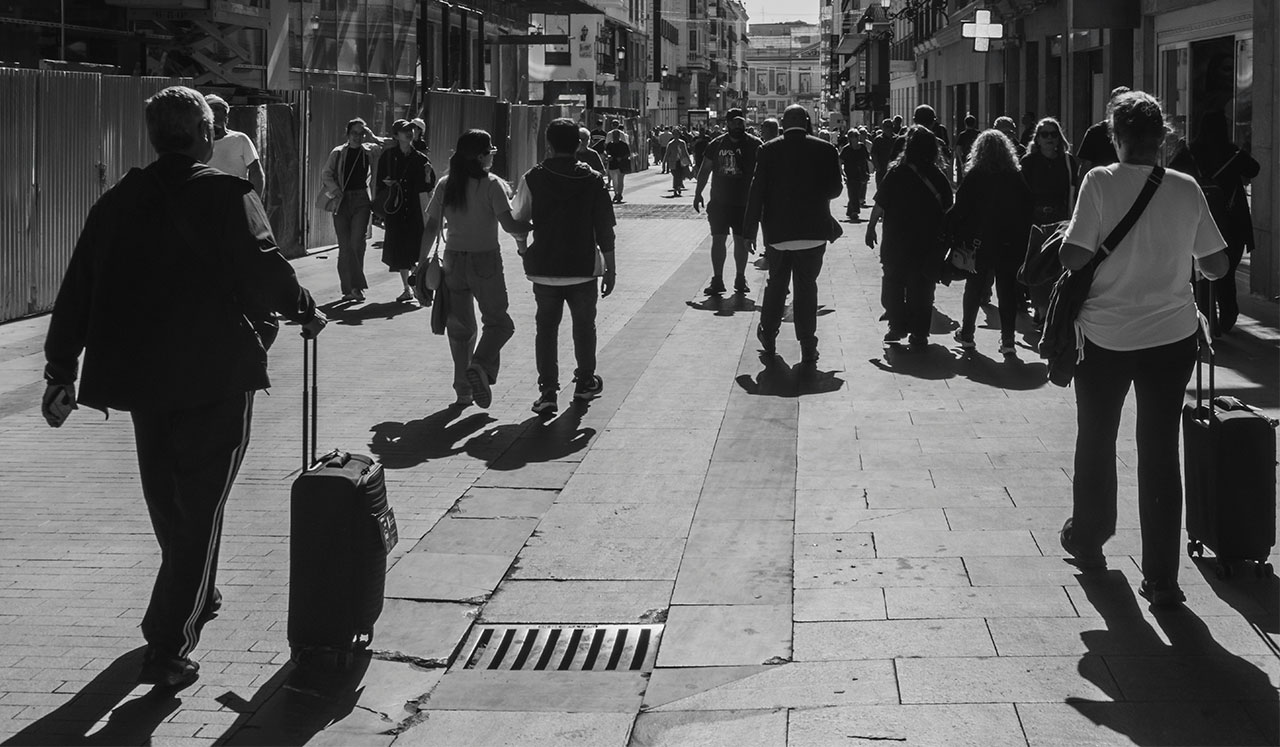
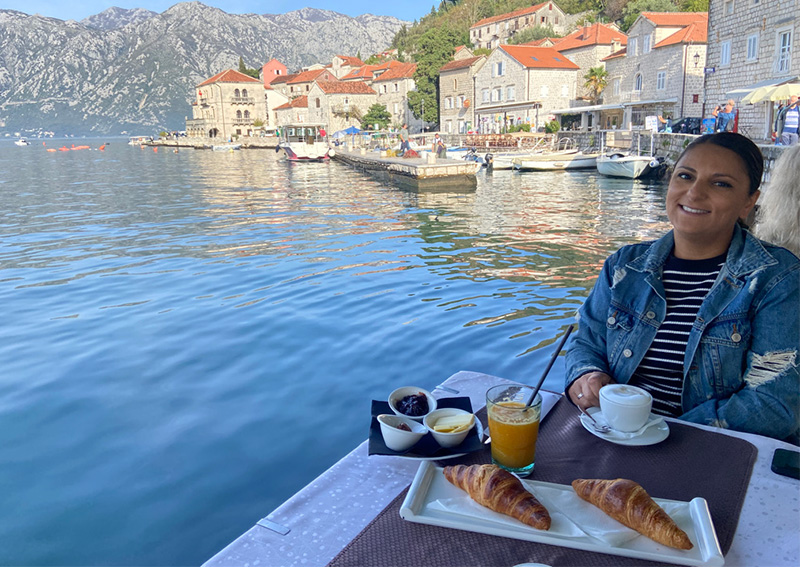
Slower travel often means carrying less, changing bases less often, and making room for a more comfortable and sustainable pace on the road. Melissa and I enjoyed a relaxed breakfast here in Perast, located on the Bay of Kotor in Montenegro.
Last updated: October 2026 by Corey Gasman
From the Editor:
Most travel content focuses on where to go, what to pack, or how to save money on flights. That matters, but it misses the bigger question. What kind of traveler are you actually becoming?
I started my web design company back in 2009. That gave me the flexibility to work from anywhere, long before remote work was the norm. Whether I am opening my MacBook Air in a Cartagena cafe to run Photoshop or taking a Zoom call from Mazatlán, I have learned that a weekend city break requires a completely different approach than a month-long working trip.
This page is here to help you figure out the lifestyle side of travel so the rest of your planning makes sense. Because when your travel style matches your life stage, your energy, and your goals, the whole experience gets better. You waste less time forcing the wrong itinerary and start building trips that feel natural.
Pair this guide with Planning Your Trip and the Travel Safety Guide.
TLGA Rule: Do not copy someone else’s travel style just because it looks good online. The best trips are the ones that fit your real pace, budget, responsibilities, and comfort level.
Some people want a few great trips a year. Some want a month in Europe with one apartment and a slower pace. Some are working remotely and trying to balance Wi-Fi, cost of living, and quality of life. Others are entering retirement and finally have the freedom to travel in a more meaningful way.
Those are not small differences. They change where you stay, how much you move around, what you pack, how you budget, and what you need to feel comfortable abroad. That is why travel lifestyle matters. It gives structure to everything else.
| Question | Why It Matters |
|---|---|
| How long are you really traveling? | A five-day trip and a two-month stay need completely different planning and packing decisions. |
| How much movement do you enjoy? | Some travelers thrive on fast-moving itineraries. Others enjoy travel much more when they slow down and stay put longer. |
| Are you working, exploring, or relocating? | Your purpose shapes your housing, budget, routines, and expectations. |
| What level of comfort do you want? | Travel style is not just about adventure. It is also about energy, convenience, and what feels sustainable for your life stage. |
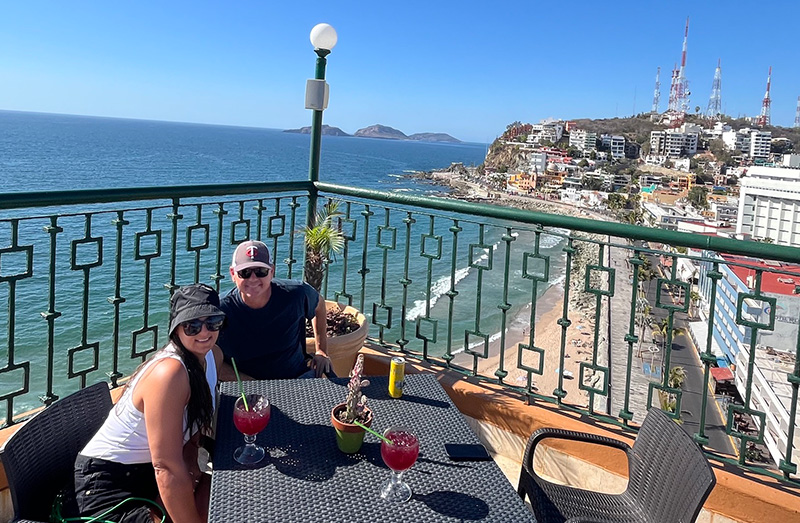
Escaping the Minnesota winters with Melissa, testing out locations like Mazatlán as a potential retirement base.
Most travelers fit into more than one category over time. You might start with shorter trips, move into solo travel, then later experiment with longer stays or retirement travel. These are not rigid labels. They are helpful ways to think about what kind of travel actually fits you right now.
| Travel Lifestyle | Best Fit For | What Defines It |
|---|---|---|
| Short-trip travelers | People taking a few focused trips each year | Tighter itineraries, higher efficiency, and stronger emphasis on planning well. |
| Digital nomads | Remote workers with location flexibility | Work infrastructure, longer stays, cost-of-living tradeoffs, and balancing routine with exploration. |
| Solo travelers | Independent travelers who want freedom and flexibility | More autonomy, more self-direction, and greater importance around confidence and safety. |
| Slow travelers | People who prefer depth over speed | Longer stays, fewer bases, less burnout, and more neighborhood-level travel. |
| Retirement and empty nesters | Travelers with more flexibility in time and schedule | Comfort, extended travel, seasonal living, and sometimes testing out relocation abroad. |

Digital nomad life works best when you stop treating it like full-time vacation and focus on finding a livable rhythm.
Since starting my business in 2009, I have had the flexibility to work from anywhere in the world. Every time I travel, my MacBook Air comes with me so I can run my design programs and take video meetings. Remote work has opened up a version of travel that did not feel realistic for many people even a few years ago.
For my wife Melissa and me, a typical nomad trip means spending a month in a place like Cartagena, Colombia, or Mazatlán, Mexico. We usually work a solid three weeks, focusing on good Wi-Fi speeds and a steady routine, and then piggyback a true one-week vacation at the end. It is a hybrid model that keeps the business running while letting us actually experience the destination.
Pro Tip: For remote workers, the best destination is rarely the one with the flashiest social content. It is the one where your workday feels manageable and the off-hours still feel worth it.
Start with these next: The Top 20 Digital Nomad Countries Right Now, Digital Travel Security, and Hotels vs Airbnb vs Long Stays.
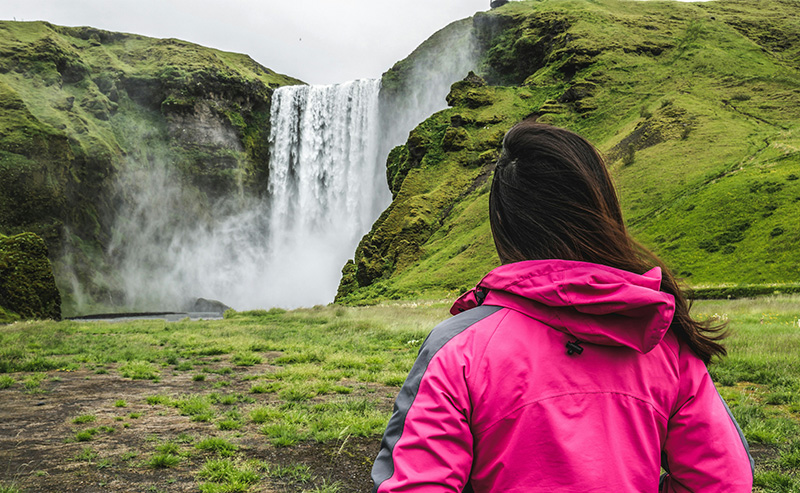
Solo travel changes the way many people experience the world, often creating more flexibility, more independence, and more confidence than they expected.
Traveling solo gives you the ultimate freedom to move around and do exactly what you want. I spent a month traveling around New Zealand on the Kiwi Experience bus, a week navigating Tokyo by myself, and another week exploring the North Shore of Oahu. If you want to spend hours in a museum, go on a long hike, or just enjoy a very slow lunch, you do not have to compromise.
The tradeoff is that it can get lonely if you are not actively meeting locals or other travelers to fill your day. However, because you are on your own, you are often much more approachable. You tend to engage more deeply with the people around you than you would if you were focused on a travel partner.
Good next reads: Solo Female Nomad Safety Guide for 2026, Travel Safety Guide, and Travel Safety Tips.

Slower travel often means carrying less, changing bases less often, and making room for a more comfortable and sustainable pace on the road.
One of the best upgrades many travelers can make is simply slowing down. Instead of trying to cover multiple cities in a blur, slow travel focuses on fewer bases, longer stays, and more time to settle into the actual rhythm of a place.
This often leads to better trips. You spend less time in transit, waste less energy packing and unpacking, and usually make better food, neighborhood, and housing decisions because you are not constantly moving. It also tends to be more realistic for longer trips and anyone who does not want every day to feel like a checklist.
Helpful follow-up guides: Mastering the Carry-On: One-Bag Travel, Getting Around Abroad, and Choosing the Right Fit for Where You Stay.
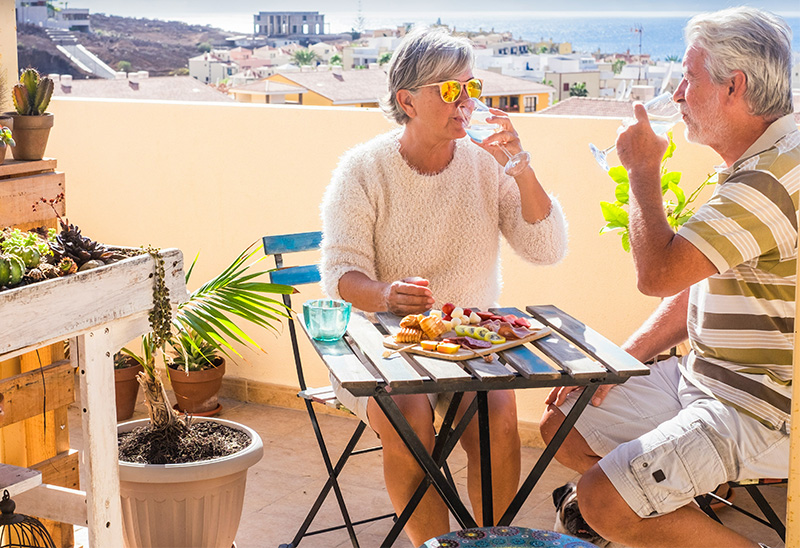
For many empty nesters and retirement-age travelers, the biggest opportunity is rethinking what travel can look like when time opens up.
While I am not retired yet, Melissa and I recently spent time in Mazatlán and saw firsthand how the expat and empty nester communities operate. Once work schedules loosen or kids are grown, people realize they are no longer limited to quick trips squeezed between obligations.
In places that draw seasonal residents, the social infrastructure can be surprisingly strong. In the parts of Mazatlán we spent time in, mornings were filled with people walking or biking the coastal paths, hitting the pickleball courts, or playing golf, and by Wednesday night, people were gathering for bar bingo. Many retirees also explore Latin America or Thailand for a lower day-to-day cost of living, but exchange rates, taxes, healthcare, residency rules, and long-term fit all deserve a close look before making a major move.
| Path | What It Looks Like |
|---|---|
| Longer annual trips | A few major trips each year with more time in each destination. |
| Seasonal stays | Spending a month or more in one destination to escape weather or deepen the experience. |
| Retirement scouting | Using travel to test whether a place could work for future part-time or full-time living. |
| Retiring abroad | Making a more serious move based on lifestyle, cost, healthcare, and long-term fit. |
Best next reads: Travel After Retirement, Retiring Abroad, Best Countries to Retire Abroad in 2026, and Travel Insurance Explained.
The right travel lifestyle usually comes down to balancing freedom with realism, including comfort, budget, pace, and the amount of complexity you actually want.
The goal is not to pick the most adventurous lifestyle or the trendiest one. The goal is to choose the version of travel you will actually enjoy enough to keep doing well.
A lot of bad trips come from forcing the wrong style. Trying to move too fast, pack too much into the itinerary, work remotely from a place that does not support your routine, or treat retirement travel like a backpacking challenge are all examples of mismatch. Better travel usually starts with a little honesty.
Pro Tip: The best travel lifestyle is the one that still feels good on day six, not just the one that looked exciting when you booked it.
Once you know your style, the rest gets easier. Planning gets cleaner. Packing gets lighter. Safety becomes more practical. You stop trying to copy someone else’s trip and start building one that fits your life.
A travel lifestyle is the broader way you choose to travel over time, not just a single trip. It includes your pace, trip length, priorities, comfort level, and whether travel is occasional, seasonal, work-based, solo, or part of a bigger life change.
Travel planning is about logistics like flights, packing, budget, and itineraries. Travel lifestyle is about choosing the kind of travel that fits your life, whether that means solo travel, longer stays, retirement travel, or remote work abroad.
Not always. It depends on the trip and the traveler. Slow travel tends to work better for longer trips, lower stress, and deeper destination experience. Faster itineraries can still work well for shorter vacations or first-time visits.
Absolutely. These categories overlap all the time. A solo traveler can also be a remote worker, a slow traveler, or an empty nester using travel to explore a new phase of life.
There is no single best model, but many retirees and empty nesters enjoy longer trips, slower pacing, seasonal stays, and testing destinations before making bigger relocation decisions.
Explore the paths that shape how you travel, from nomad life to retirement travel, solo trips, and longer stays abroad.

TRAVEL PLANNING
Turn the travel style you want into a practical, better-paced trip.
Read More
REMOTE LIFE
Where remote workers can balance livability, value, and a better day-to-day rhythm.
Read More
SOLO TRAVEL
Practical advice for traveling independently with more awareness and confidence.
Read More
NEW FREEDOM
How to shift from occasional trips to more meaningful long-form travel.
Read More
BIG MOVE
What to think through before turning travel into a more permanent international shift.
Read More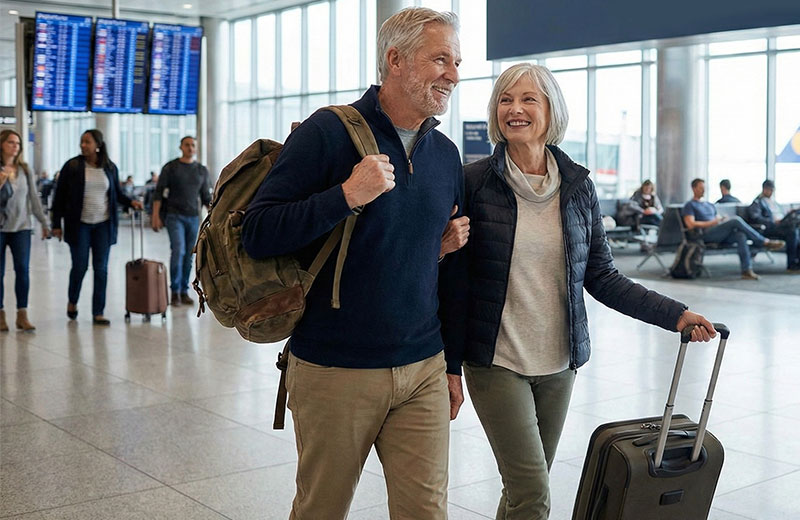
TRAVEL LIGHT
A lighter, easier way to move through longer trips and more flexible travel seasons.
Read More