
Travel Planning Hub
Start here to plan your trip, compare options, and explore every TLGA planning guide.
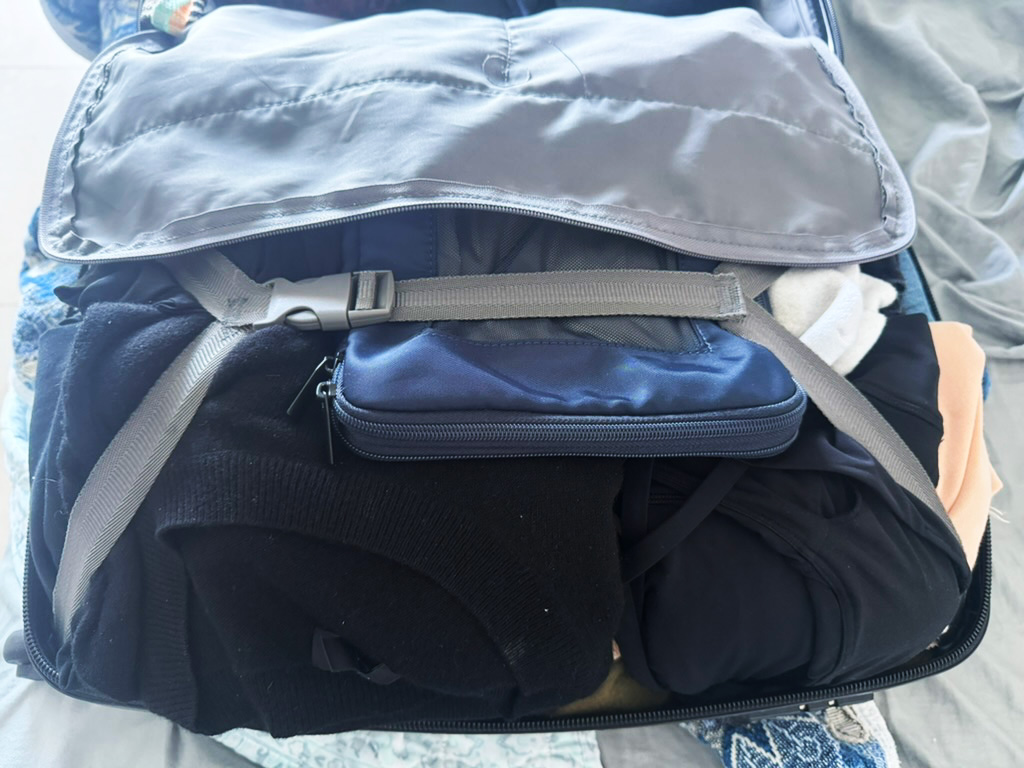
Packing & Gear Guide
What to pack, what to skip, and how to build a lighter travel setup that works.



Last updated: October 2026 by Corey Gasman
A practical, reassuring guide for retirement travel, older travelers, first-time international trips, and the “we can finally go” season.
From the Editor:
For years, life ran on a predictable rhythm: work schedules, school calendars, and family obligations. As my wife Melissa and I have navigated our fifties, we’ve found that travel often felt like a luxury reserved for another time. Then the house gets quieter, careers slow down, and time finally reappears. The world is no longer something you squeeze into a week. It is something you can experience more deeply.
This guide is for empty nesters and newly retired explorers who spent years saying, “Someday.” Whether this is your first international trip or your first big journey in decades, this chapter can be one of the most rewarding yet.
TLGA Rule: Keep the first trip simple on purpose. Confidence comes faster when the logistics are easy and the pace feels manageable.
Read our master framework: The Verified Expat Guide

Planning with peace of mind: A retired couple reviews their travel insurance and documents before a long-awaited international trip.
If you are getting back into travel mode, keep the first trip simple on purpose. Confidence comes faster when the logistics are easy and the pace feels manageable.
Travel later in life comes with flexibility younger travelers rarely have. You can plan around weather, crowds, and your actual interests instead of school calendars and limited PTO.
There is also a different confidence that shows up with age. You are more likely to choose quality over quantity: the museum you truly care about, the meal you will remember, and the neighborhood that feels like the real city. The biggest upgrade of all is perspective. The trip becomes about presence, not pressure.

Travel feels different when you no longer have to force it into a narrow window. Flexibility becomes one of the biggest luxuries.
There is no single right way to travel. The best approach is the one that fits your comfort level, energy, and personality.
If you are out of practice, start with a mix. Book your flights and a central hotel, then add guided day tours for the hardest logistics days.
When you take a longer vacation, preparation moves from simple packing into home, health, and admin management. Use this checklist to keep the practical side of travel under control.
Standard Medicare generally does not cover routine international care. If you are traveling, medical coverage plus emergency evacuation coverage should be in place before you leave.

Planning the next chapter: A retired couple compares tour styles, pacing, and comfort before booking an international trip.
If you prefer built-in community and logistics handled for you, these operators are strong options for travelers who value comfort, learning, and thoughtful pacing.
If you want the confidence boost without the chaos, start with trip styles that feel manageable and rewarding.
Pick a walkable city, book a central hotel, and add two or three guided day experiences. This is one of the easiest ways to get your travel rhythm back.
Choose two cities at most, stay at least five nights in each, and avoid turning the trip into a string of moving days.
Unpack once, stay central, and let the culture come to you. For many retired travelers, this is one of the best blends of comfort and enrichment.
Shorter flights, warm weather, and a slower pace can make this an ideal first win if you want the feeling of international travel without a long-haul leap.
Limited mobility should not stop you from exploring. The right planning partner can help with details like roll-in showers, wheelchair-friendly touring, and realistic transportation options.
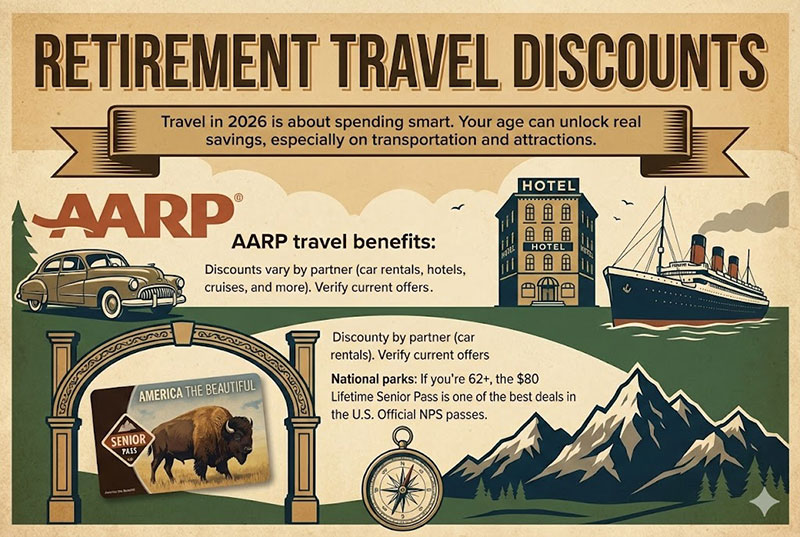
Smart travel in this season is not about rushing. It is about comfort, confidence, and making your energy go further.
Travel is not always cheap, but your age can unlock useful savings, especially on transportation, attractions, and memberships.
Yes. Choose destinations with good infrastructure, stay in walkable neighborhoods, and carry travel insurance that includes emergency medical and evacuation coverage.
Standard Medicare generally does not cover routine international care. Confirm your supplement details and consider travel medical coverage if you are leaving the U.S.
Seven to ten days is ideal for getting back into the rhythm of travel without feeling worn down. For longer trips, reduce moving days by staying longer in each place.
Both can work. Many newly retired travelers do best with a mix: independent flights and a hotel, then guided day tours for the more complicated logistics.
Keep building your confidence with these practical planning frameworks and gear guides.

PLANNING
The master framework for organizing flights, hotels, and itineraries smoothly.
Read More
FINANCE
A practical guide to managing your money, cards, and budget abroad.
Read More GEAR
The essential packing lists and luggage advice for comfortable travel.
Read More