
Travel Planning Hub
Start here to plan your trip, compare options, and explore every TLGA planning guide.
Packing & Gear Guide
What to pack, what to skip, and how to build a lighter travel setup that works.



Last updated: March 2026 by Corey Gasman
From the Editor:
Where you stay matters more than most travelers admit. The wrong choice can quietly drain your budget, waste hours of your time, or make a great destination feel frustrating.
This guide cuts through the marketing and shows when hotels, Airbnb, or long-term rentals actually make sense.
The goal is not to pick the trendiest booking option. The goal is to choose the stay that fits your trip length, luggage situation, arrival time, budget, and how you actually travel.
Accommodation is one of the easiest places to make a trip better or worse. A great stay makes the whole trip feel smoother. A bad stay creates friction every single day.
The best choice depends on how long you are staying, how much space you need, whether you want a kitchen, and how much support you want if something goes wrong.
Quick Rule:
1 to 4 nights → hotel
4 to 10 nights → Airbnb or apartment rental
10+ nights → apartment, apart-hotel, or long stay
If you only remember one thing: choose the stay that reduces daily friction.
TLGA Rule: Do not book based only on price. The cheapest stay can become expensive fast if the location, luggage setup, check-in, or Wi-Fi creates problems.
Start here: Travel Planning Playbook
Read: Travel Budget Guide
Short on time? Here is the quick cheat sheet.
| Feature | Hotel | Airbnb / Rental | Long Stay |
|---|---|---|---|
| Best For | 1 to 4 nights | Groups and kitchens | Digital nomads and slow travelers |
| Luggage Storage | Easy and usually free | Rare and often difficult | Not usually relevant |
| Check-in | 24/7 desk | Self or app-based | Often by appointment |
| Cleaning | Usually included | Often one checkout fee | Usually self-managed |
Local Guide Tip: If you have a late flight home, book a hotel. Being able to leave your bags at the desk all day is often worth the extra cost.
Hotels get dismissed as boring, but they dominate in specific situations.
If you are still building the full trip, pair this with the Travel Planning Playbook and the Getting Around Abroad guide so your stay, flights, and daily movement all work together.
Pro Tip: If you are mostly sleeping and showering, hotels are often cheaper once cleaning fees and taxes are factored in.
Airbnb can be fantastic or terrible. There is not much middle ground.
Airbnb can still be a strong option, especially for longer stays and group trips. Just compare the final price, not the nightly teaser rate. You can use Airbnb and Vrbo to compare rentals, but always read the newest reviews and the house rules before booking.
Local Guide Tip: Always read the negative reviews first. Patterns matter more than star ratings.
In 2026, you do not always have to choose. Brands like Sonder, Locke, and Citadines sit in the middle as apart-hotels or serviced stays.
Pro Tip: Apart-hotels are often the cleanest middle ground for families, remote workers, and travelers who want kitchen access without gambling on a one-off host.
Long stays are a different category entirely. Think living, not vacationing.
These are usually furnished apartments, condos, or small homes booked for 30 or more days, often outside the traditional hotel setup.
If this is part of a bigger lifestyle shift, also read the Travel Lifestyle guide and the Top Digital Nomad Countries guide.
Pro Tip: For stays over 30 days, message hosts directly. Longer stays are one of the few times negotiation is normal, especially in shoulder season or off-season.
Choosing the right type of accommodation matters more than the platform itself.
Before booking anything, make sure you understand when hotels, short-term rentals, or long stays actually make the most sense for your trip.
Local Guide Tip: Use platforms to compare options, but for long stays, better deals often show up through direct communication and local connections.
Ask yourself three simple questions:
If you want zero friction, choose a hotel.
If you want space and a kitchen, choose an Airbnb.
If you want a cleaner middle ground, choose an apart-hotel.
If you want to settle in and live for a while, choose a long stay.
Local Guide Tip: Switching accommodation types mid-trip is often smarter than forcing one option to fit the whole journey.
Pro Tip: A great deal in the wrong location is still a bad deal.
When my wife and I travel abroad, we are usually going for at least a week or two, and sometimes a full month. That puts us in the Airbnb category most of the time.
Local Guide Tip: Do not just look at the map pin. Zoom in and read the map. If there are no restaurants, cafes, or signs of daily life around it, it is probably not the neighborhood you think it is.
Sometimes the best flight deal does not line up perfectly with the best Airbnb dates. In those cases, we will do a short hotel stay for a night or two, then move into the Airbnb for the longer stretch.
Pro Tip: If you are mixing stays, pack a one-night kit with toiletries and a change of clothes so you do not have to unpack everything for the short hotel stop.
Plan the rest of the trip around smarter timing, better costs, easier movement, and fewer surprises.
START HERE
Use the main planning hub to connect flights, stays, budgets, safety, packing, and trip flow.
Read More
TRIP FRAMEWORK
Build the trip in the right order so flights, hotels, neighborhoods, and daily plans work together.
Read More
FLIGHT STRATEGY
Find better routes, smarter timing, and flight deals that actually fit the rest of your trip.
Read More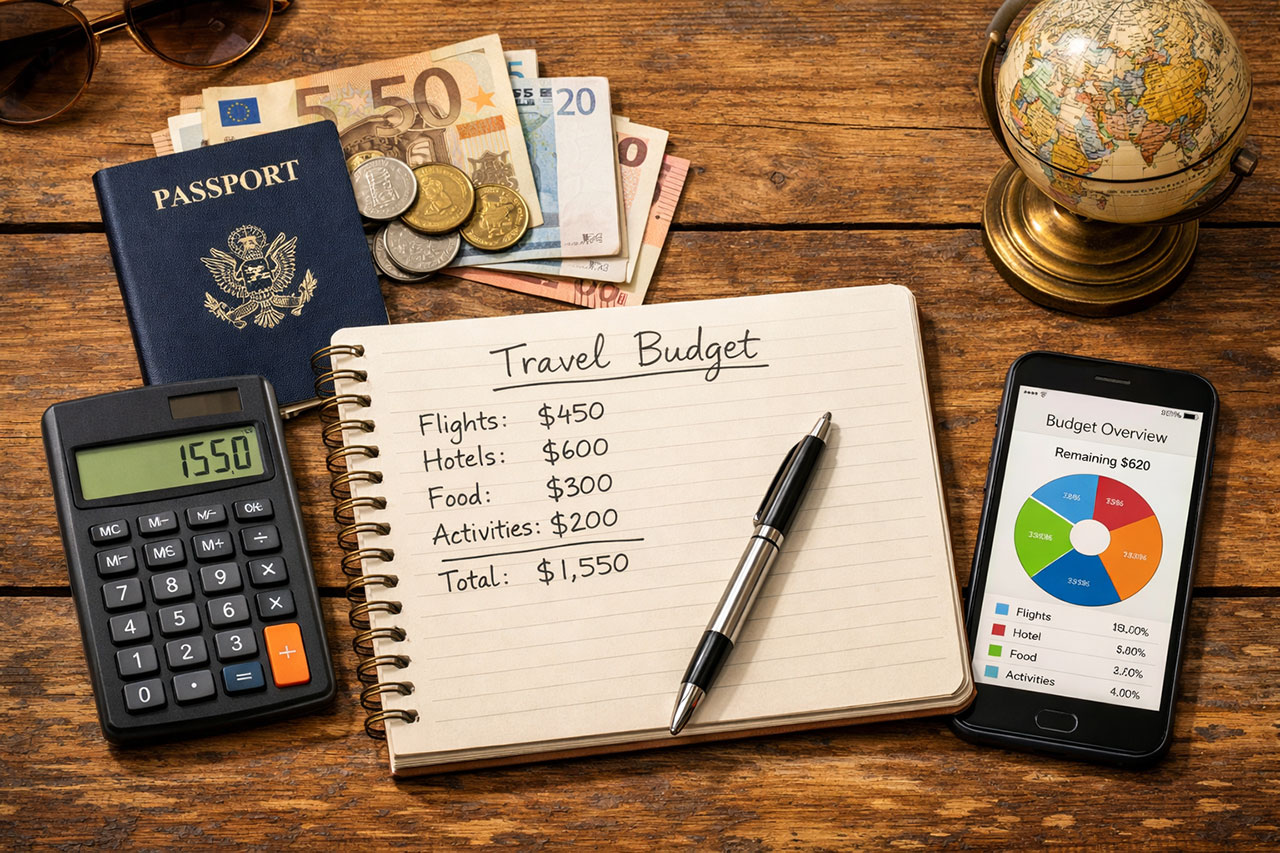
MONEY BASICS
Estimate real costs before you book, including flights, lodging, food, transport, and backup money.
Read More
PROTECTION
Know what coverage is worth paying for, what it usually excludes, and when it matters most.
Read More
DAILY MOVEMENT
Figure out trains, taxis, rideshares, walking, arrival days, and last-day luggage problems.
Read MoreNo. For short stays, hotels are often cheaper once cleaning fees and taxes are included.
Yes, but mainly for longer stays, families, or groups. On short stays, the value is often weaker than people expect.
Monthly rentals usually win on cost per night, especially once discounts kick in.
Apart-hotels work well when you want more room and a kitchen, but still want more consistency and less host friction than a typical Airbnb.
Local Guide Tip: If you plan to stay more than three weeks, compare monthly pricing even if you only need about 25 days. Sometimes the monthly rate still comes out cheaper.