
Travel Planning Hub
Start here to plan your trip, compare options, and explore every TLGA planning guide.
Packing & Gear Guide
What to pack, what to skip, and how to build a lighter travel setup that works.

Updated October 11, 2026 • Visas, base cities, seasons, and the tradeoffs that matter
The best digital nomad country is the one where your legal status, working hours, housing budget, and everyday life fit together. A beautiful apartment is not much use if you spend every night on calls, cannot qualify for the visa, or discover that the nearest reliable workspace is an hour away.
For this October 2026 edition, our strongest starting points are Spain for European city life, Portugal for an established Atlantic community, Thailand for a mature nomad scene, and Malaysia for comfortable Southeast Asian living. Those are editorial picks for different needs, not a claim that one country wins for every reader. Costa Rica and Brazil deserve attention when North American working hours matter; Japan suits a defined cultural stay rather than an open-ended move.
This guide compares 20 countries, including more specialized choices and conditional options. The order is for navigation, not a numerical ranking. We weigh legal remote-work routes, practical base cities, housing pressure, access to workspaces, seasons, and the ability to maintain a sustainable week. Country descriptions are researched planning recommendations, not claims that we have personally lived and worked in every destination.
I run a WordPress design business, so a working day abroad still needs to be a working day. My own 2004-2005 around-the-world trip also taught me the value of staying long enough to get beyond the arrival routine. That is the perspective behind this guide: enough practical detail to choose a base thoughtfully, with room left to enjoy being there.
Corey Gasman, The Local Guide Abroad
How to use the visa information: The summaries primarily concern noncitizens seeking a remote-work route. Nationality, employment type, family members, and where you apply can change the requirements. Financial thresholds are application tests, not estimated living costs. Official and program sources sit directly below each country’s visa table; check the handling authority’s current checklist before paying for documents or travel.
Quick picks · Country comparison · October and winter planning · Practical advice · Build your budget · FAQs · Solo travel · More guides · Sources and updates
| Your priority | Start here | Bases to compare | Main tradeoff |
|---|---|---|---|
| European city life | Spain | Valencia, Madrid | Compare legal housing, social-security requirements, and your working hours. |
| Atlantic community and island option | Portugal | Lisbon, Porto, Madeira | Popular areas are no longer a dependable low-budget choice. |
| Established nomad network | Thailand | Bangkok, Chiang Mai | Air quality and late U.S. calls can outweigh low rent. |
| Comfort and food in Southeast Asia | Malaysia | Kuala Lumpur, Penang | Profession-specific income rules and current processing delays. |
| Nature with U.S. working hours | Costa Rica | Central Valley, selected Pacific towns | Coastal accommodation and transport can be expensive. |
| Food and cultural immersion | Italy or Japan | Bologna, Turin; Fukuoka, Osaka | Qualification and accommodation details need more preparation. |
| Mountains with European hours | Slovenia or Bulgaria | Ljubljana; Bansko, Sofia | Different permit limits and very different community sizes. |
| English-speaking island base | Malta | Sliema, Gżira, Gozo | Density, housing, and transport are the main compromises. |
| Americas-oriented longer stay | Brazil | Florianópolis, São Paulo | Portuguese, neighborhood choice, and seasonal demand matter. |
| Experienced traveler with U.S. clients | Colombia | Medellín, Bogotá | Conditional choice: review the current Level 3 advisory. |
| Business infrastructure at a premium | UAE | Dubai, Abu Dhabi | Conditional choice: current Level 3 advisory changes the recommendation. |
These are recommendations, not an index or a price ranking. A country absent from the table may still be the best fit for a particular passport, partner, employer, or lifestyle. All 20 options are covered below. On a phone, swipe the comparison tables horizontally.
The cost labels below are broad editorial comparisons within this shortlist for a solo renter seeking furnished accommodation and a reliable work setup. They are not measured national averages or promises of a particular monthly bill. High-season beach areas and central apartments can move a destination into a higher bracket. Use the budget worksheet to price your actual dates.
| Country | Strongest fit | Housing and daily-cost pressure |
|---|---|---|
| Portugal | Atlantic Europe with an established remote-work community | Medium to high |
| Spain | A full European city life with strong transport options | Medium to high |
| Italy | Food, design, and slower cultural immersion | Medium to high |
| Greece | Mediterranean living with a city base and island trips | Medium; higher in resort areas |
| Croatia | An Adriatic stay timed outside the busiest summer weeks | Medium; high on popular summer coasts |
| Estonia | Focused work, digital administration, and a northern European summer | Medium |
| Malta | English-speaking island life with a defined remote-work permit | Medium to high |
| Cyprus | A longer Mediterranean season for people comfortable with driving | Medium; higher in Limassol |
| Hungary | Budapest city life for an eligible solo applicant | Lower to medium |
| Romania | European city value, provided you clear a demanding income test | Lower to medium |
| Slovenia | A compact city base with mountains and outdoor weekends | Medium |
| Bulgaria | Mountain community or a lower-cost European city | Lower to medium |
| United Arab Emirates | A conditional business base, not a default October recommendation | High |
| Thailand | An established nomad scene with flexible city and coastal options | Lower to medium; islands can cost more |
| Malaysia | Comfortable city living, food, and practical Southeast Asian value | Lower to medium |
| Japan | A defined cultural stay for eligible higher-income remote workers | Medium to high |
| South Korea | Modern city life with a longer workcation possibility | Medium to high |
| Costa Rica | North American working hours with nature as the main reward | Medium to high; premium beach towns can be high |
| Colombia | U.S. time-zone alignment for experienced travelers | Lower to medium |
| Brazil | A longer cultural stay with beach or big-city options | Lower to medium; prime areas cost more |

Best for: Atlantic Europe with an established remote-work community.
Portugal remains a strong first European base if you can afford its housing market. Its appeal is the combination of city life, Atlantic coastline, and an established international community. Lisbon is the most connected choice; Porto feels more compact; Madeira is a different proposition entirely, with mountain walks and island logistics replacing mainland train trips. Choose between them before you start comparing apartments.
Avenidas Novas is a practical starting point for metro access and less dependence on the steepest historic streets. Campo de Ourique suits neighborhood living, although you should check your actual commute. Avoid choosing a bedroom above nightlife simply because the listing says central.
Cedofeita puts independent shops and restaurants close by; Boavista can make more sense for a quieter apartment and a dedicated workspace. Check heating and dampness for winter stays, not just whether the flat has air conditioning.
Funchal provides the broader range of everyday services. Ponta do Sol is the smaller community choice, supported by the Digital Nomads Madeira project. They are separate bases: do not assume you can walk between them or reach trailheads without transport.
Season: May-June and September-October are useful mainland starting points. Porto is a much wetter winter proposition than an Algarve beach photograph suggests. Madeira has microclimates, so mountain weather and coastal weather can differ on the same day.
Work setup: Europe-facing work is straightforward; North American calls push into the afternoon and evening. Use the Madeira project directory to investigate actual workspaces rather than assuming every scenic cafe is suitable for calls.
The tradeoff: Housing is the decision point. Compare the full furnished monthly rent, utilities, heating, and lease terms before calling Portugal affordable. A smaller city can reduce costs but also changes your flight and social options.
| Question | Planning answer |
|---|---|
| Route | Remote-work temporary-stay and residence routes, commonly called D8, for qualifying work carried out for entities outside Portugal. |
| Financial requirement | Four times the Portuguese minimum monthly wage, averaged over the preceding three months. With the 2026 national minimum at €920, that calculation is €3,680/month for the main applicant. Family documentation and additional means need a separate check. |
| Stay and renewal | Choose the temporary-stay or residence route deliberately. A residence visa is an entry step, followed by the AIMA residence-permit process; it is not itself a multi-year residence card. |
Sources and next steps: Portugal application checklist · 2026 minimum wage · Madeira workspaces and communities.
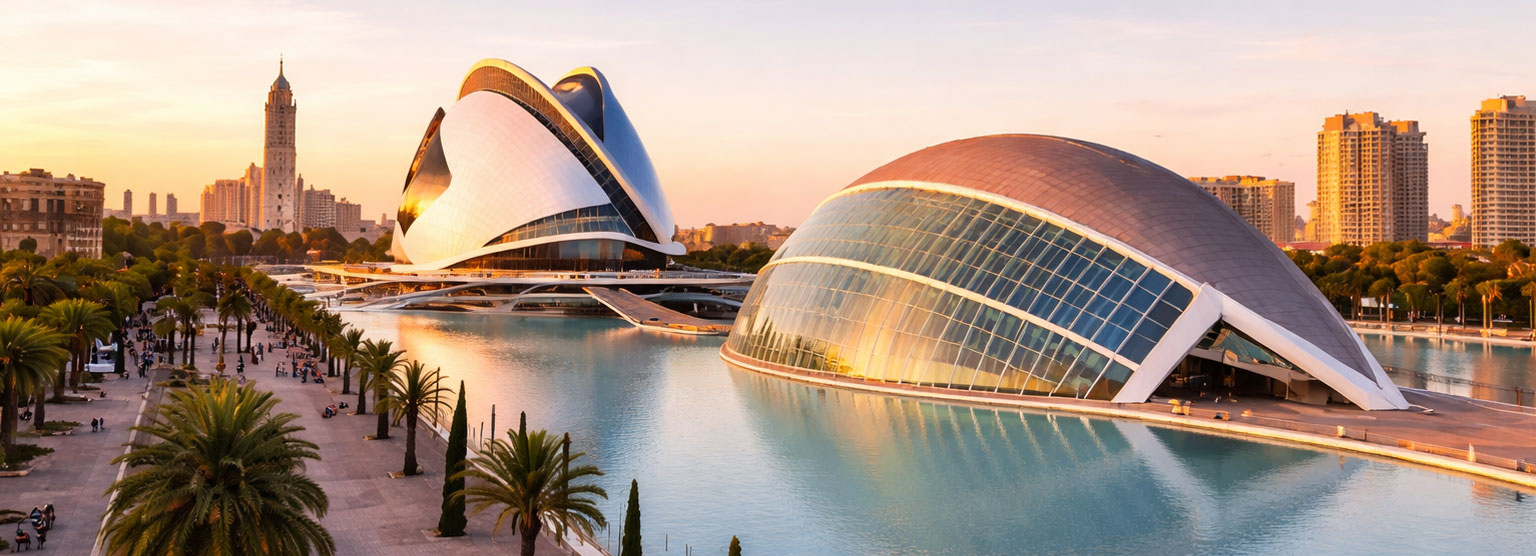
Best for: A full European city life with strong transport options.
Spain is our strongest all-around European starting point for readers who want an actual city around their workday: public transport, neighborhood markets, cultural venues, and enough variety to stay for months. Valencia, Madrid, and the Canary Islands offer very different experiences. Barcelona belongs on the comparison list too, but its popularity is not a reason to ignore rental costs or the terms of a legal accommodation contract.
Ruzafa favors restaurants and city life; El Cabanyal favors the beach side of town. Check the street after dark before choosing either. Wayco is one named coworking option to investigate, and Visit Valencia has a useful remote-work directory.
Choose Madrid for museums, rail connections, and a large year-round city. These neighborhoods are starting points for a residential search rather than a guarantee of quiet. Madrid is a better fit for city people than anyone expecting a daily swim.
A useful alternative for people prioritizing outdoor time through the European winter. Confirm how far the apartment is from both the beach and a dependable workspace. Island travel adds flight costs that a mainland rail itinerary would not have.
Season: Spring and autumn suit mainland cities. July-August heat can materially change the working day, especially inland. For a winter stay, compare the Canaries with southern mainland cities rather than treating Spain as one climate.
Work setup: Strong fit for European teams. For U.S. hours, decide whether working into the evening leaves enough time to enjoy the city. The Canary Islands are one hour behind mainland Spain.
The tradeoff: Qualification is more than a salary test: employment history, employer consent, professional qualifications or experience, and social-security arrangements can determine whether the route works for you.
| Question | Planning answer |
|---|---|
| Route | International telework route for eligible non-EU applicants. Employee and self-employed requirements differ; do not assume a remote job offer alone is sufficient. |
| Financial requirement | The rule is tied to 200% of Spain’s minimum salary. The Washington consulate publishes €2,442/month; €2,849/month is the result of doubling the €17,094 annual minimum and dividing by 12. Confirm the calculation and family additions with the authority handling your application. |
| Stay and renewal | The consular visa is valid for up to one year. Eligible applicants legally in Spain can apply for a residence authorization of up to three years. A shorter work contract can limit validity; use the checklist for the route you will actually follow. |
Sources and next steps: Spanish consulate: telework requirements · Spain: 2026 minimum-wage decree · Spain: visa versus residence authorization · Valencia remote-work resources.

Best for: Food, design, and slower cultural immersion.
Choose Italy because you want to live in Italy, not because you expect the simplest application or the lowest rent. Its strength is the experience between work sessions: a neighborhood market, a familiar bakery, regional cooking, and rail trips that make a longer stay feel worthwhile. The compromise is that an attractive historic apartment may have a poor desk, weak sound insulation, or awkward connectivity.
A strong choice for food and rail travel without using a tourist attraction as your home address. Compare streets around the center with residential areas beyond it, and ask about student noise and summer cooling.
Turin suits readers who prefer a substantial city with museums, covered arcades, and access toward the Alps. San Salvario can be lively at night; Crocetta is worth comparing for a more residential stay.
Florence is compelling for art, but living beside the main sights comes with visitors and pricing pressure. Campo di Marte is a starting point for a less tourist-centered search. Check the journey to your chosen workspace, not just the distance to the Duomo.
Season: April-June and September-October are useful starting windows. Summer heat and August business closures can disrupt the routine you imagined. Northern winters call for proper heating and a different set of weekend plans.
Work setup: Good European-hour alignment. Reserve a dedicated workspace for client calls instead of expecting restaurant tables to serve as offices. Test the actual apartment connection, especially in older buildings.
The tradeoff: This is a highly qualified worker route. Separate professional-eligibility evidence from the income test, and start document preparation before committing to a long lease.
| Question | Planning answer |
|---|---|
| Route | Digital nomad category for qualifying self-employed professionals, and a related remote-worker category for employees. |
| Financial requirement | At least three times the statutory health-care exemption threshold. The London consulate currently cites an €8,500 base, implying €25,500/year. Treat this as a consular reference, not a universal guarantee; employee requirements can add another salary test. |
| Stay and renewal | Temporary residence requires the appropriate visa and subsequent residence formalities. Confirm validity, renewal evidence, and the arrival deadline with your consulate. |
Sources and next steps: Italy: New York consular requirements · Italy: London income and qualification requirements.

Best for: Mediterranean living with a city base and island trips.
Greece works better as a remote-work base when you separate everyday life from a holiday island itinerary. Athens and Thessaloniki offer year-round services and a wider choice of housing and workspaces. Crete is an appealing compromise for readers who want an island with substantial towns. A small island can be wonderful, but reduced winter services and ferry dependence need to fit your work commitments.
Pangrati offers a neighborhood feel with cafes and restaurants; Koukaki is convenient for central sights but can carry tourist pricing. In either, inspect traffic noise and the quality of air conditioning before signing.
A good alternative for readers who want a waterfront city and food culture without using Athens as the default. The central nightlife area is a place to visit, not necessarily where you want your bedroom.
Chania prioritizes atmosphere; Heraklion is the more functional city option. For a winter stay, choose a town with year-round services rather than a resort strip that becomes quiet after the season.
Season: May-June and September-October are attractive starting points. High summer can be extremely hot. An October island stay needs a realistic transport plan as seasonal services change.
Work setup: Europe-facing schedule with a later clock than western Europe. Ask about backup connectivity if you choose a smaller island or rural rental.
The tradeoff: Start with your work setup and transport needs, then choose the scenery. The cheapest off-season island apartment may be isolated from the services you need.
| Question | Planning answer |
|---|---|
| Route | Digital Nomad Visa for qualifying work for employers or clients outside Greece. |
| Financial requirement | €3,500/month after tax for the main applicant; add 20% for a spouse or partner and 15% per child. |
| Stay and renewal | Up to one year on the visa, with a two-year residence-permit route for eligible holders. Updated guidance states that, from 5 February 2026, the tourist-entry-to-nomad-permit route is no longer available. Arrange the correct visa before travel. |
Sources and next steps: Greek Foreign Ministry program referral · Work From Greece: updated application guidance.
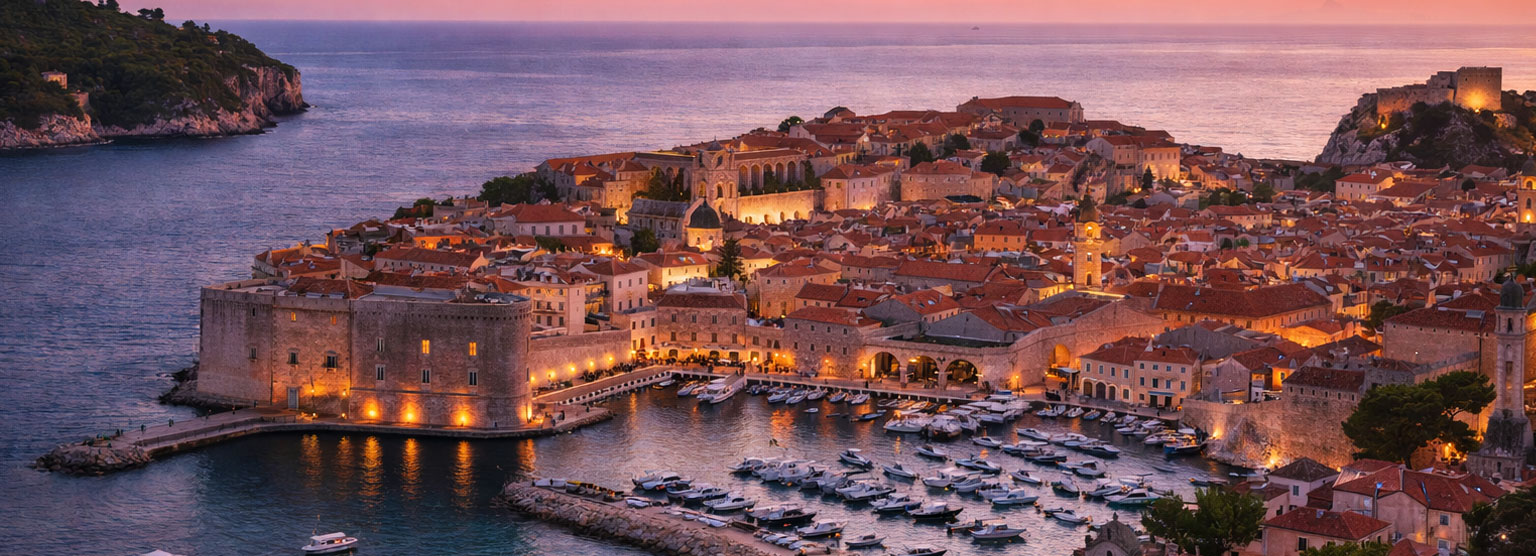
Best for: An Adriatic stay timed outside the busiest summer weeks.
Croatia is a strong seasonal choice rather than an automatic year-round bargain. Split and Zadar offer the coast, while Zagreb gives you a more dependable urban routine through winter. The same seaside apartment can have very different prices and availability in May and August. Ask whether a long rental ends before the tourist season, and whether the building is comfortable in cooler weather.
The draw is the combination of a working city, waterfront, and island access. Sleeping in the busiest historic lanes may mean late noise and luggage over steps. Check where groceries and a workspace sit relative to your apartment.
Choose Zagreb for a capital-city routine, cafes, museums, and public transport. It is the better comparison if you are considering a winter stay, but it does not deliver the coastal experience that sells many Croatia itineraries.
A useful alternative for readers who want the Adriatic without basing themselves in Split. Confirm the year-round workspace and transport options before choosing a peripheral apartment.
Season: May-June and September-October are appealing for the coast. Summer brings more visitors and stronger rental demand. Inland and coastal winter conditions differ.
Work setup: Easy European-hour fit. Do not confuse a summer tourism hotspot with a deep year-round coworking scene; verify opening hours and call facilities directly.
The tradeoff: The income threshold is substantial compared with the cost of living many readers expect. It is also a temporary arrangement, not a promise of a permanent-residence pathway.
| Question | Planning answer |
|---|---|
| Route | Temporary stay for digital nomads working for foreign employers or their foreign business, without providing services to Croatian employers. |
| Financial requirement | €3,622.50/month, or funds of €43,470 for 12 months or €65,205 for 18 months. Additional family members increase the requirement. |
| Stay and renewal | Up to 18 months. Shorter approvals may have limited extension options. A new application is generally possible six months after the previous qualifying stay expires; that is more precise than a blanket “six months outside Croatia” rule. |
Sources and next steps: Croatian Ministry of the Interior: digital nomads.
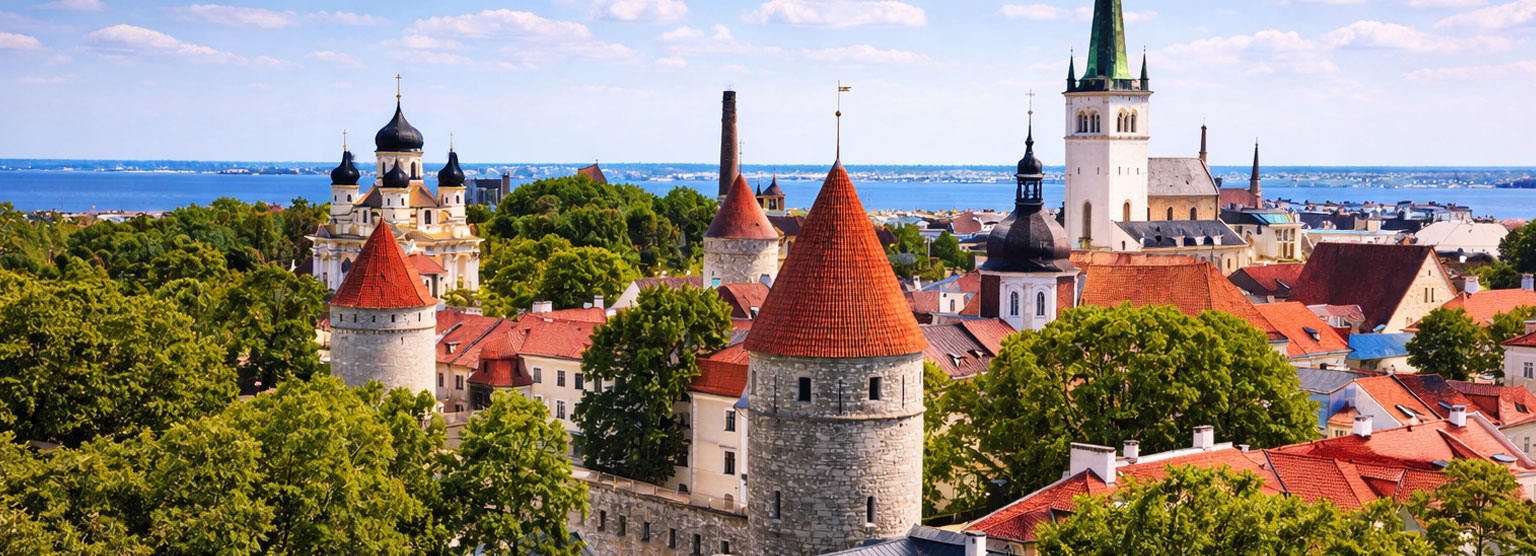
Best for: Focused work, digital administration, and a northern European summer.
Estonia is appealing when work quality matters more than beach weather. Tallinn combines a compact center with a contemporary business and creative scene; Tartu offers a smaller university-city rhythm. The seasonal choice is unusually important: long summer evenings and short winter days produce two very different versions of the same stay. Do not choose Estonia for “cheap Europe” or assume e-Residency is an immigration shortcut.
Kalamaja and the Telliskivi area appeal to readers who want creative businesses and restaurants nearby. Compare walking distance with winter practicality, and check the apartment’s heating and ventilation.
A quieter option for writing, coding, and a less hectic schedule. It offers a different social scale from Tallinn, so investigate communities and events before committing to several months.
Consider it for a summer change of pace rather than assuming the capital’s services follow you to the beach. For cooler months, confirm that the businesses you expect to use remain open.
Season: May-September for longer days and outdoor time. Winter suits people who actively want a northern climate and are comfortable organizing indoor social and work routines.
Work setup: Strong European-hour fit. The value is a functional city setup, not a promise that every rental has exceptional Wi-Fi.
The tradeoff: Government pages currently disagree on the financial figure. Resolve the actual application requirement with the consulate before spending money on documents or accommodation.
| Question | Planning answer |
|---|---|
| Route | A teleworking D visa is separate from e-Residency. The latter is a digital identity/business service and does not grant a right to live in Estonia. |
| Financial requirement | The Foreign Ministry’s D-visa table lists €132/day (€3,960/month); the e-Residency nomad page states €4,500 net/month. Ask the handling authority which rule and evidence period apply. |
| Stay and renewal | Up to 365 days within 12 consecutive months. Consecutive D visas have an overall limit of 548 days within 730 days, so a fresh application does not create unlimited stays. |
Sources and next steps: Estonian Foreign Ministry: D visa · Estonia: e-Residency versus nomad visa.

Best for: English-speaking island life with a defined remote-work permit.
Malta is practical for readers who value using English in everyday administration and want an island base without giving up a substantial international community. The tradeoff is density: short distances do not always mean quiet streets or quick trips. Traffic, construction, and summer crowds can matter more to your working week than the distance to the water.
These are practical starting points for restaurants, services, and an international social scene. Choose the exact street carefully, and ask about nearby construction and bedroom noise rather than relying on a sea-view photograph.
Choose Valletta for architecture and being able to walk through a distinctive historic setting. Check steps, deliveries, apartment access, and room size. Its charm does not automatically make it the easiest home office.
Gozo suits readers who want a slower stay and can tolerate a smaller network of workspaces and services. Budget time for ferry connections when you need the airport or appointments on Malta.
Season: Spring and autumn are useful compromises. Summer can feel crowded and hot; winter brings wind and damp conditions that make good indoor accommodation important.
Work setup: European-hour alignment. For Gozo, establish a real workspace and transport plan before booking a long stay.
The tradeoff: Do not select Malta solely for a supposed tax exemption. Permit status, authorized work, and tax treatment need their own checks.
| Question | Planning answer |
|---|---|
| Route | Nomad Residence Permit for eligible non-EU remote workers, business owners, or freelancers serving foreign interests. |
| Financial requirement | €42,000 gross annual income for new applicants under the current rules. Qualifying work and insurance documentation also matter. |
| Stay and renewal | One year, with up to three renewals for a maximum four-year total, subject to continued eligibility and approval. |
Sources and next steps: Residency Malta: eligibility · Residency Malta: renewals · Residency Malta: tax guidance.

Best for: A longer Mediterranean season for people comfortable with driving.
Cyprus is a useful comparison for readers who like the Mediterranean but want a different winter proposition from mainland northern Europe. The Republic of Cyprus scheme is the one discussed here; do not treat arrangements in the island’s north as interchangeable. Your choice of base affects car dependence, airport access, and whether you are paying for a business district or a holiday setting.
A manageable option for combining an airport gateway with everyday services and the sea. Compare central apartments with quieter residential areas, and check whether your routine can realistically work without a car.
Consider it if access to an international business community matters enough to justify housing costs. A marina address is not a prerequisite for a productive stay.
Better suited to people prioritizing outdoor time and a less urban experience. Investigate winter opening hours, the exact location of groceries, and transport to your chosen workspace.
Season: Spring and autumn suit outdoor living. Winter can be attractive compared with northern Europe, but homes still need suitable heating. High summer heat makes cooling costs and midday plans important.
Work setup: Good for European teams. Outside compact central areas, the practical constraint may be transport rather than connectivity.
The tradeoff: The program has a 500-permit ceiling. A published scheme does not establish that a place is available for your application today.
| Question | Planning answer |
|---|---|
| Route | Republic of Cyprus Digital Nomad scheme for qualifying remote work for entities or clients abroad. |
| Financial requirement | At least €3,500/month net after taxes and contributions; family additions and supporting evidence apply. |
| Stay and renewal | One-year residence permit, renewable for up to two additional years. Check current capacity with the Migration Department before making relocation commitments. |
Sources and next steps: Cyprus Migration Department: current scheme rules · Cyprus: forms and supporting documents · Current Cyprus travel advisory.

Best for: Budapest city life for an eligible solo applicant.
Hungary earns its place mainly because Budapest is a substantial city with public transport, baths, architecture, and a social life that extends beyond visitors. It can offer a satisfying longer stay, but the White Card is a poor match for readers assuming they can bring a nonworking spouse under the same route. Visa fit should come before comparing appealing apartment photographs.
A useful starting point for a neighborhood routine near the Danube. Compare the walk to transit and daily services with the temptation to book directly in the nightlife district.
Worth investigating for a more residential setting with connections across the river. Your commute and social preferences matter more than choosing Buda or Pest as an abstract rule.
Consider these if you want university-city life and less intensity. Research workspace availability and community size first; a cheaper apartment is less useful if it leaves you isolated.
Season: Spring and autumn are comfortable planning windows. Summer can be hot, while winter is dark and cold enough to make heating, daylight, and indoor activities central to the decision.
Work setup: European-hour fit, with Budapest offering the widest choice of workspaces. Check the actual sound insulation in older apartment buildings.
The tradeoff: The White Card generally does not allow family reunification, and it is not a simple route to permanent settlement. This changes the recommendation for couples and families.
| Question | Planning answer |
|---|---|
| Route | White Card for qualifying remote employment or foreign business activity, with restrictions on Hungarian work. |
| Financial requirement | At least €3,000 net/month during the six months before entry, with the means maintained during the stay. |
| Stay and renewal | Up to one year, extendable once for up to another year, subject to eligibility. |
Sources and next steps: Hungarian immigration authority: White Card.
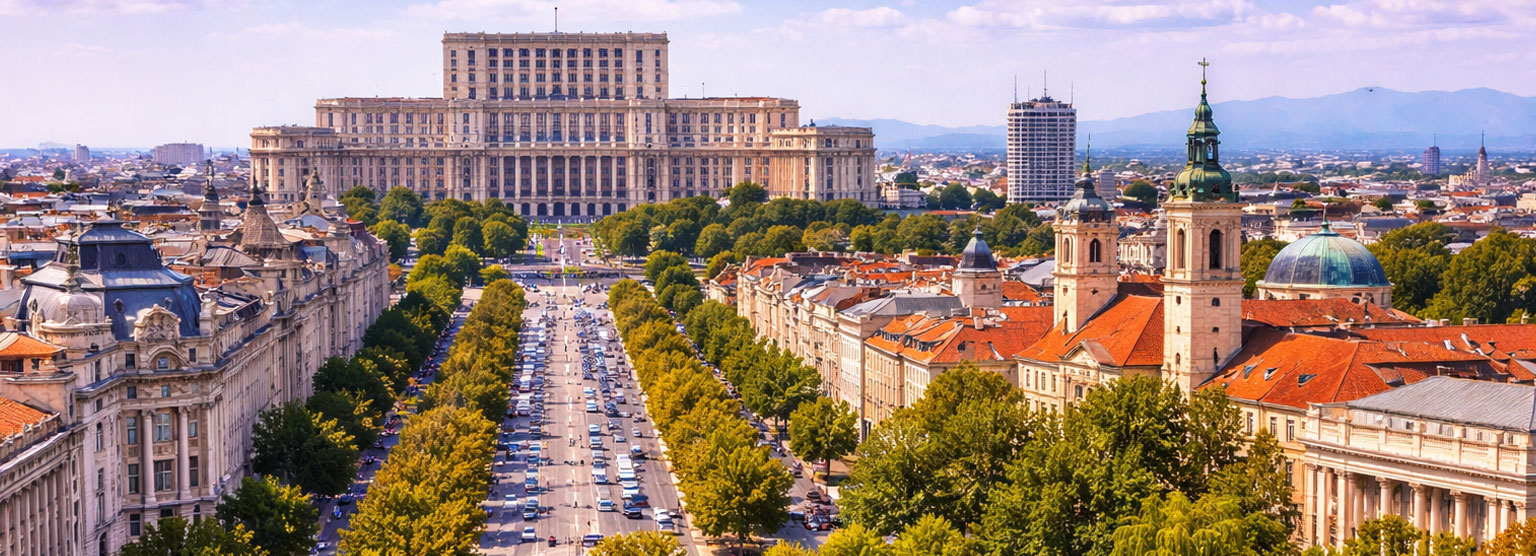
Best for: European city value, provided you clear a demanding income test.
Romania is worth comparing when you want European working hours and a city that is less centered on international tourism. Bucharest, Cluj-Napoca, and Brașov offer distinct versions of that experience. The important mismatch is between lifestyle cost and immigration eligibility: a country can be relatively economical to live in while requiring a high documented income for its nomad route.
Choose the capital for the widest selection of services, workspaces, and flights. Prioritize transit and the condition of the building over proximity to Old Town nightlife. Ask about heating, air conditioning, and traffic noise.
A good fit for people who want a smaller city with a substantial professional and student population. Do not assume housing is cheap simply because the city is outside Bucharest.
Choose it when outdoor weekends matter more than international flight convenience. Stay close enough to everyday services that the historic-center charm does not translate into an awkward workweek.
Season: Late spring through early autumn for a first visit. Winter can work for mountain enthusiasts, but city heating and transport become more important.
Work setup: Useful European-hour alignment. Treat a building-level connection test as more meaningful than country internet rankings.
The tradeoff: The previous “initial 12 months” description was too broad. Follow the separate entry-visa and residence-permit stages, and budget for translated documentation.
| Question | Planning answer |
|---|---|
| Route | Long-stay visa for other purposes, including qualifying digital nomads working for or through a foreign business. |
| Financial requirement | At least three times Romania’s average gross monthly salary, demonstrated for the preceding six months and the visa period. Use the current official Romanian figure rather than a recycled dollar conversion. |
| Stay and renewal | The immigration authority describes a 90-day long-stay visa and a six-month first extension of residence for digital nomads. Later extensions require a separate eligibility check. |
Sources and next steps: Romanian immigration authority: other purposes and nomads.

Best for: A compact city base with mountains and outdoor weekends.
Slovenia makes sense for people who want a smaller country and a substantial outdoor life without moving their laptop between villages every few days. Ljubljana is the easiest starting point for combining services with weekend trips. The country is less suitable if your ideal stay depends on a huge international nightlife scene or the lowest possible European rent.
The capital is the practical default. Compare the appeal of being in the center with space for a proper desk and storage. A compact city still requires checking the exact commute and winter conditions.
Worth considering for a slower urban rhythm and access toward wine country and outdoor activities. Check community and coworking options before assuming it offers the same range as the capital.
An option for readers who want the sea nearby. Compare seasonal rent and housing availability before choosing it over Ljubljana; Slovenia’s short coastline is not an unlimited supply of cheap beach apartments.
Season: May-June and September are useful starting points for city-and-outdoors stays. Summer lake destinations can be busy; winter suits a different activity plan.
Work setup: European-hour fit. A city base is generally easier to organize around fixed calls than a mountain rental with untested transport and connectivity.
The tradeoff: The new permit is useful for a defined chapter abroad, but it is nonrenewable. A longer-term plan needs a different qualifying residence basis.
| Question | Planning answer |
|---|---|
| Route | Digital nomad temporary residence permit, available from 21 November 2025, for qualifying foreign remote work. |
| Financial requirement | Monthly means of at least twice Slovenia’s average net monthly salary, using the official published reference. Verify the current euro amount at application. |
| Stay and renewal | Up to one year, not extendable. A new nomad application is possible six months after expiry. Immediate family reunification is provided for under the scheme, subject to documentation. |
Sources and next steps: Slovenian government: digital nomad permit.
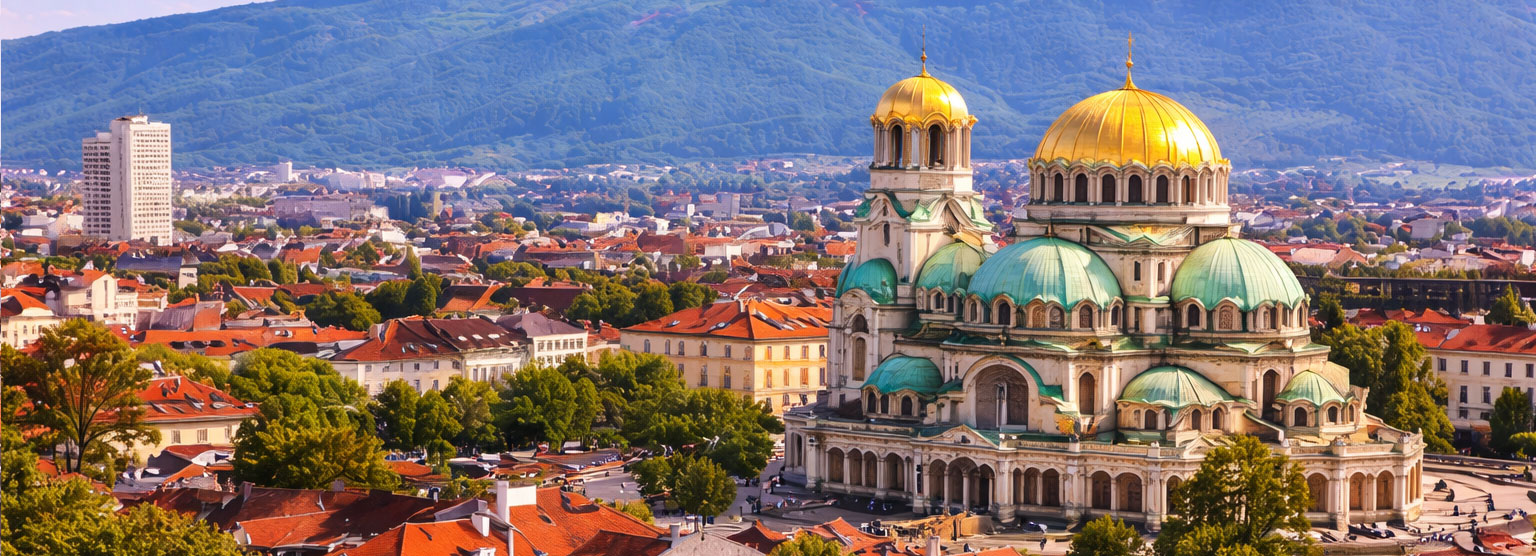
Best for: Mountain community or a lower-cost European city.
Bulgaria’s strongest distinction is the choice between a capital-city routine and a deliberately social mountain base. Sofia gives you services and connections; Bansko is appealing if you actively want a coworking community and outdoor time. The newer residence route improves the comparison, but it does not turn every laptop worker into an eligible applicant.
Investigate Coworking Bansko and compare what is included: a desk, meeting space, social activities, and the location of the accommodation. A low nightly rate outside the center may leave you dependent on transport.
The capital is the more flexible option for appointments, flights, and a larger professional network. Choose a residential street with convenient transport rather than optimizing only for nightlife.
A useful middle ground for readers who want cafes, historic streets, and a slower city stay. Check whether the local community and workspaces fit your schedule before making a long commitment.
Season: Spring and autumn for city stays; winter for a ski-oriented Bansko stay; summer for mountain time. Rental demand changes with the activity season.
Work setup: Good European-hour fit. In Bansko, confirm the distinction between a social coworking membership and private call space.
The tradeoff: Read the new legal category carefully. Employer location, ownership, or independent-professional history can affect eligibility. Avoid advertisements that reduce the route to “show savings and move.”
| Question | Planning answer |
|---|---|
| Route | A digital nomad residence category under Bulgarian law. Confirm the Type D visa and residence sequence with the competent consulate. |
| Financial requirement | The law uses gross annual income of at least 50 Bulgarian minimum monthly wages with a prior-calendar-year reference. Ask the consulate which year’s wage applies to your application instead of relying on a converted euro headline. |
| Stay and renewal | One year, extendable once for another year under the statutory nomad provision. |
Sources and next steps: Foreigners in the Republic of Bulgaria · Coworking Bansko.
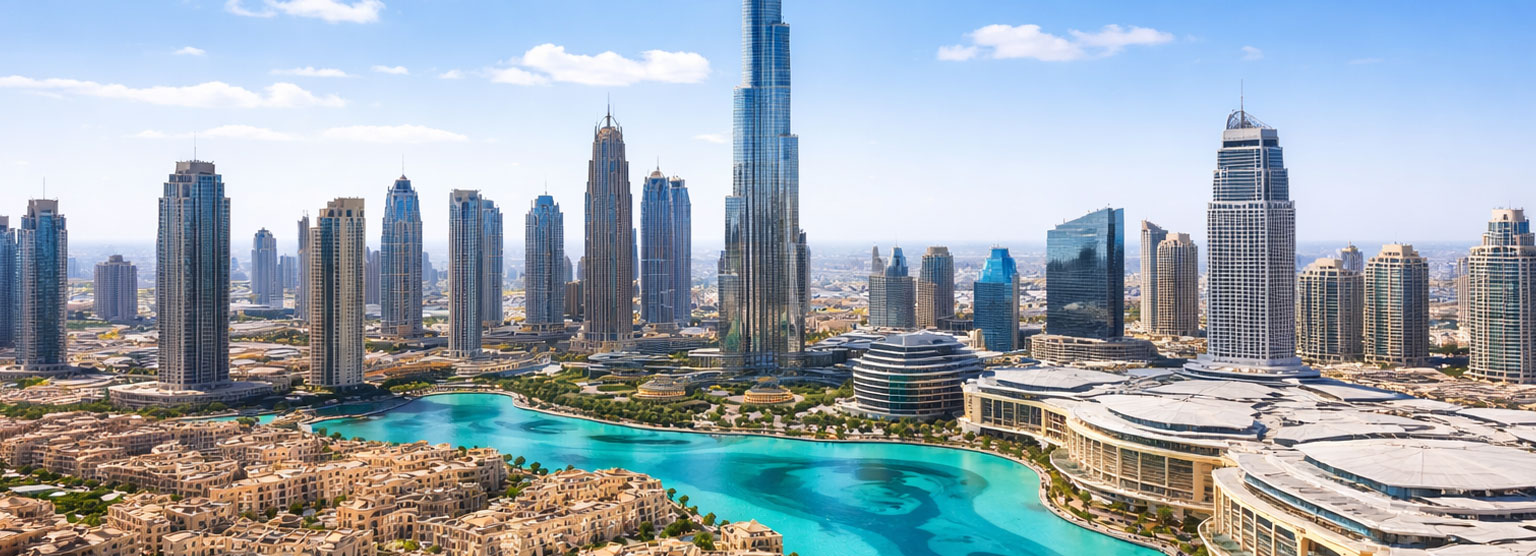
Best for: A conditional business base, not a default October recommendation.
Dubai’s appeal is clear for someone with a substantial budget: international business connections, modern apartments, and a broad range of professional services. But a current guide cannot judge the UAE solely on infrastructure. At this October 2026 review, the U.S. State Department lists it at Level 3, Reconsider travel, because of terrorism and armed conflict. We retain it for comparison, but would not make it a default first-nomad recommendation right now.
A starting point for comparing apartments and workspace access near the metro network. Check the actual walk in hot weather and the route across major roads, not just the station marker on a map.
Useful to compare for business access or a more leisure-oriented setting. Both can carry substantial furnished-rental costs. Confirm meeting space, building rules, and total charges before paying a deposit.
Consider it on its own merits if your connections are there. It is not a neighborhood of Dubai, and a daily intercity commute can erase the convenience you were trying to buy.
Season: The cooler months are generally the more comfortable outdoor period. Summer can make air conditioning and door-to-door transport central to daily life. Current regional conditions take priority over a seasonal recommendation.
Work setup: Useful overlap with Europe and parts of Asia. Test the exact video-call services required by your employer, as communications rules and service availability can differ.
The tradeoff: Review the current advisory, flight flexibility, insurance exclusions, and local legal requirements before booking. A visa program’s existence is not a safety assessment.
| Question | Planning answer |
|---|---|
| Route | Virtual-work residence route for qualifying work for an entity outside the UAE. |
| Financial requirement | Dubai’s GDRFA virtual-work entry service lists at least US$3,500/month, evidence of remote work, and health insurance. Check the complete residence process and emirate-specific requirements. |
| Stay and renewal | The government describes a one-year virtual-work residence arrangement. The GDRFA entry stage allows 60 days to complete residence requirements; these are different stages. |
Sources and next steps: GDRFA: virtual-work entry requirements · Current UAE travel advisory.

Best for: An established nomad scene with flexible city and coastal options.
Thailand remains one of the strongest starting points for readers who want an established remote-work community, excellent food, and several genuinely different bases. Bangkok is the major-city choice; Chiang Mai is the community-and-value choice; the coast is a lifestyle choice that needs more attention to transport and season. The DTV is useful, but five-year visa validity does not mean five years of uninterrupted residence.
Build the apartment search around transit and the workspace you will actually use. Ari and On Nut provide different starting points for comparing atmosphere and housing. Crossing the city every day can turn a cheap apartment into a poor decision.
Nimman is convenient for an established visitor and cafe scene; Santitham is worth comparing for a more residential stay. Air quality is a deciding factor, especially during the late-winter and spring smoke season.
Choose the exact area around transport, groceries, and workspace access. The island is large enough that a cheap apartment far from everything can create a daily driving requirement. A scooter is not a substitute for a legal, insured transport plan.
Season: November-February is a common starting window for Bangkok and northern Thailand. Northern smoke often affects February-April. Andaman and Gulf coasts have different rainfall patterns, so check your specific island and month.
Work setup: Good for Asia-based clients and asynchronous work. A full U.S. workday generally means nights; solve that schedule before falling in love with the rent.
The tradeoff: Budget for air conditioning, private calls, and transport. Coworking access does not make every cafe an acceptable all-day office.
| Question | Planning answer |
|---|---|
| Route | Destination Thailand Visa, including a workcation category for eligible remote workers and freelancers. |
| Financial requirement | At least THB 500,000 in financial evidence. Consulates can require a specific statement history and locally stated currency equivalent; this is not a monthly salary requirement. |
| Stay and renewal | Five-year multiple-entry validity, with up to 180 days per entry and an application for one extension of up to 180 days. After that maximum stay, departure is required before another entry under a valid visa. |
Sources and next steps: Thai Embassy London: DTV · Thai Embassy Budapest: DTV requirements · Northern Thailand air-quality context.
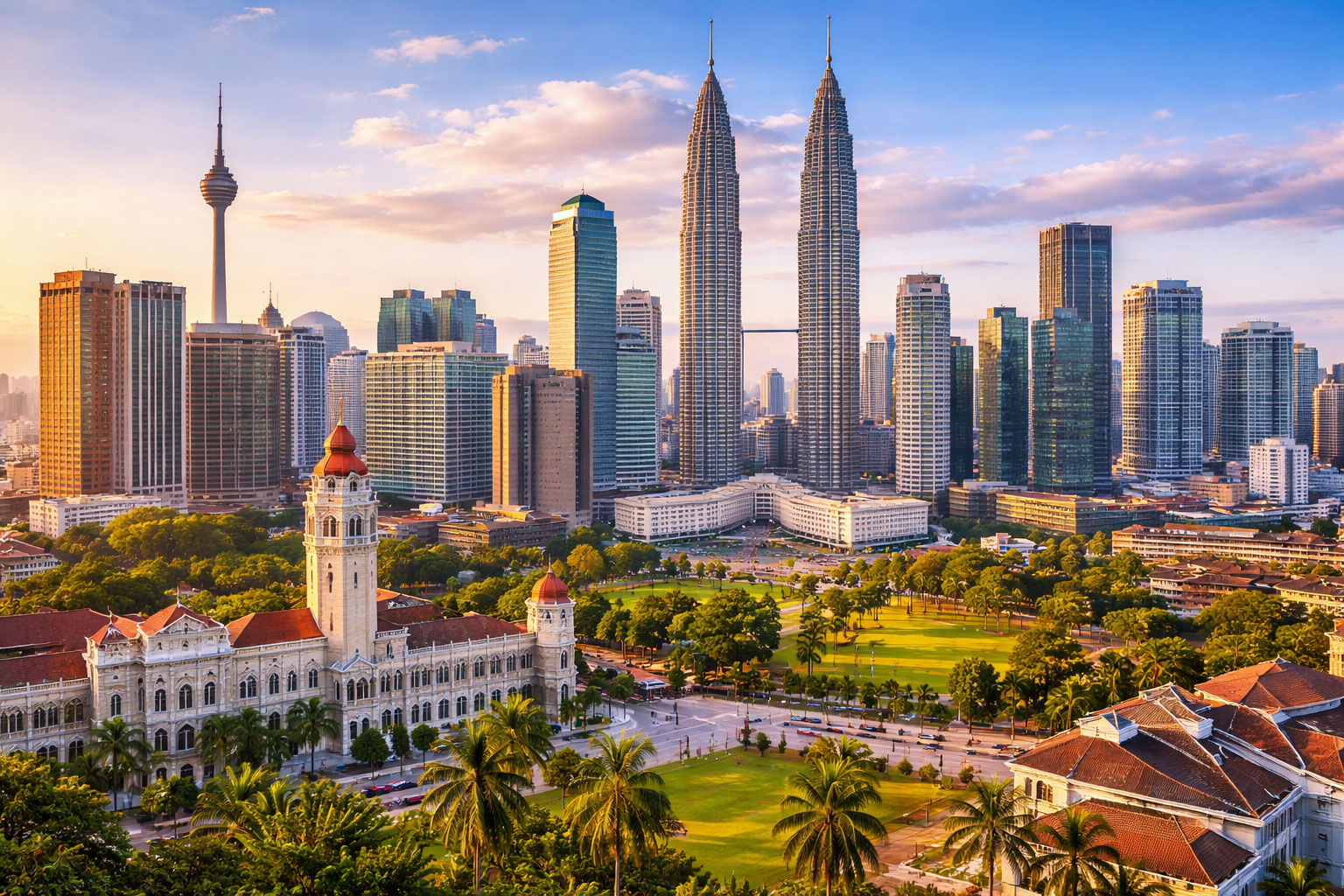
Best for: Comfortable city living, food, and practical Southeast Asian value.
Malaysia is one of our strongest choices for readers who want a comfortable working base without treating every day as an adventure. Kuala Lumpur offers a large-city apartment and transport comparison; Penang adds food and heritage; a beach base changes the logistics. English is widely useful in urban settings, but neighborhood design matters: a place that looks close on a map may still be awkward to reach on foot.
Choose KL Sentral for transport convenience, or investigate Bangsar for a different neighborhood atmosphere. Check whether the actual building has a comfortable walk to rail, groceries, and a workspace rather than relying on the district name.
George Town suits people who want food and historic streets around the workday. Heritage buildings can mean stairs, street noise, and less predictable work setups. Inspect the room rather than booking on atmosphere alone.
Consider it if a slower island setting matters more than a large coworking network. Confirm a workspace, transport costs, and backup data before committing to a month.
Season: Malaysia is hot and humid year-round, with regional rainfall differences. West-coast bases and east-coast islands should not share one generic “best season” recommendation.
Work setup: Strong for Asian time zones and asynchronous teams. European hours can extend into the evening; U.S. hours usually mean overnight work.
The tradeoff: MDEC has posted a September 2026 processing-delay notice. Do not book an irreversible move around a nominal approval time. Also verify territorial coverage before assuming the same pass covers a working base in Sabah or Sarawak.
| Question | Planning answer |
|---|---|
| Route | DE Rantau Nomad Pass, a Professional Visit Pass for qualifying digital and approved non-tech professions. |
| Financial requirement | US$24,000/year for qualifying tech/digital professions; US$60,000/year for qualifying non-tech professions, per MDEC’s August 2026 FAQ. |
| Stay and renewal | Three to 12 months, with a possible additional 12 months, up to 24 total. The current FAQ limits this pass’s stay coverage to Peninsular Malaysia and Labuan. A dependent spouse cannot work under the dependent pass. |
Sources and next steps: MDEC: DE Rantau program · MDEC FAQ, 28 August 2026 · MDEC processing announcements · Tourism Malaysia: nomad living.

Best for: A defined cultural stay for eligible higher-income remote workers.
Japan is a compelling six-month chapter for someone who wants excellent urban transport, food, and a deep cultural experience. It is less suited to a casual “arrive and figure it out” plan. The income threshold is high, eligibility depends on nationality, and an ordinary holiday hotel room may be a poor place to spend a full working week. Think of Japan as a deliberate stay with a clear end date.
A strong starting point if you want a substantial city without Tokyo’s scale. The city’s official digital-nomad resources help identify local events and workspaces. Compare apartment size and workspace access before choosing a central address.
Choose Osaka for urban energy, food, and access to the wider Kansai region. Stay beyond the busiest entertainment streets if sleep and calls matter. Kyoto and other trips are easier to enjoy when they do not require moving your work setup.
Tokyo rewards specificity. Start with your intended coworking space and transit lines, then compare nearby apartments. A lower rent can be misleading if it buys a long daily commute or a room without a usable desk.
Season: Spring and autumn are popular, with accommodation pressure around major holidays and seasonal attractions. Summer heat and humidity can make long urban walking days less appealing.
Work setup: Good Asian-hour alignment, difficult for a full North American workday. Check late access to your chosen workspace if meetings run after local business hours.
The tradeoff: A short stay is not automatically tax-free. Japan can tax domestic-source income of nonresidents, and work performed there can qualify even when payment comes from overseas. Treaty relief has conditions.
| Question | Planning answer |
|---|---|
| Route | Designated Activities digital-nomad status, limited to eligible nationalities and qualifying international remote work. |
| Financial requirement | At least ¥10 million annual income. Required private insurance must include at least ¥10 million of medical-treatment coverage for injury or illness, plus the other stipulated cover. |
| Stay and renewal | Up to six months, nonrenewable under this status. Do not treat it as a residence-card or permanent-settlement route. |
Sources and next steps: Japan Foreign Ministry: digital nomad visa · Japan National Tax Agency: nonresidents · Fukuoka official digital-nomad resources.

Best for: Modern city life with a longer workcation possibility.
South Korea is a useful alternative to Japan for people who want modern urban life and a potential stay longer than six months. Seoul is the biggest opportunity and the biggest-city commitment; Busan adds a coastal setting; Jeju is a separate island decision. The updated workcation rules make age and location relevant to financial eligibility, so the cheapest-looking base is not the only variable.
Choose Seoul for the broadest range of cultural and professional options. Compare a quiet residential street with the convenience of a nightlife district. Furnished short-stay housing can differ sharply from local leases with large deposits.
Busan is the coastal-city comparison, not a promise that every day will feel like a beach holiday. Choose a base that works for groceries and calls as well as waterfront walks.
A better starting point for work needs than a remote scenic rental. Investigate car dependence, wind and rain, and how often you need to fly back to the mainland.
Season: Spring and autumn are attractive for a first city stay. Summer can be humid and wet; winter in Seoul requires a much different wardrobe and outdoor routine from a coastal promotional image.
Work setup: Asian-hour fit. Test navigation, payment, phone verification, and the tools you need soon after arrival. A modern city can still have systems that take a foreign newcomer time to navigate.
The tradeoff: Do not reuse the original pilot’s income and duration figures. Use the updated embassy guidance and the checklist for your own place of application.
| Question | Planning answer |
|---|---|
| Route | F-1-D Workation visa for qualifying overseas remote work, with updated 2026 conditions. |
| Financial requirement | The updated income test ranges from one to two times the relevant Korean per-capita GNI depending on age and intended region. Check the applicable tier and current KRW amount, plus required work history and insurance. |
| Stay and renewal | Updated embassy guidance describes one year initially, extendable annually up to three years. Local employment is not the purpose of this route. |
Sources and next steps: Korean Embassy Singapore: updated F-1-D guidance · Korean Embassy Philippines: July 2026 requirements.
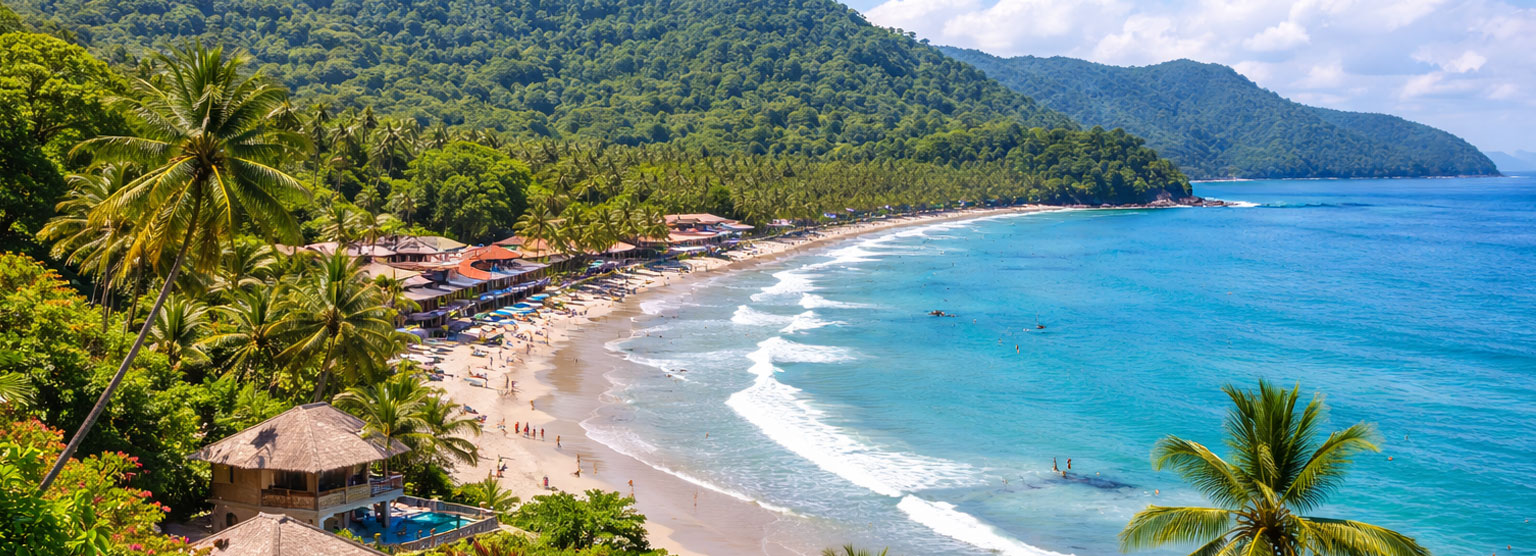
Best for: North American working hours with nature as the main reward.
Costa Rica works best for someone who values nature enough to budget for the practical costs around it. Wildlife, coast, and outdoor time are the attraction; low-cost living is not a reliable default. Beach-town housing, transport, imported groceries, and backup connectivity can add up. The Central Valley deserves a place in the comparison even if the beach is what first caught your attention.
A practical comparison for services, medical access, and an urban work routine. Traffic can shape your day, so choose the side of the city that fits your actual appointments and workspace.
Useful if you want a visitor-oriented social scene and surf access. Compare the full monthly cost and a quiet work location before assuming coastal life will be inexpensive.
Worth investigating if you want a less intense beach setting. Ask detailed questions about power backup, connectivity, road access, and where you will work during heavy rain.
Season: For much of the Pacific side, the drier season generally runs from December into April. October can be very wet there; Caribbean patterns differ. Match the town to the month rather than choosing on a national weather summary.
Work setup: Excellent overlap with North American schedules. Reliable calls may require paying more for a verified property or workspace, especially outside the main urban areas.
The tradeoff: The housing and transport budget matters more than an attractive monthly visa threshold. A rental car can substantially change the cost of a longer stay.
| Question | Planning answer |
|---|---|
| Route | Estancia category for remote workers and service providers earning from outside Costa Rica. |
| Financial requirement | Official detailed requirements state US$3,000/month for an individual or US$4,000/month with dependents, evidenced over the preceding year. Some summaries differ, so follow the detailed requirements and confirm with immigration. |
| Stay and renewal | One year with a possible second year, subject to renewal conditions. The program is distinct from the rentista residence category. |
Sources and next steps: Costa Rica: detailed nomad requirements · Costa Rica: program overview and insurance.

Best for: U.S. time-zone alignment for experienced travelers.
Colombia has a real advantage for people who cannot move their working hours: you can often keep a North American schedule without turning your nights into office hours. Medellín and Bogotá offer substantial urban bases, while Cartagena is a different, hotter, more tourism-driven proposition. This is not our automatic first recommendation for a nervous solo traveler. The current U.S. advisory is Level 3, Reconsider travel, with higher-risk areas identified in the detailed guidance.
Laureles and El Poblado offer different search starting points, not guarantees of safety. Check the exact building, evening transport, visitor controls, and access to your workspace. Hills and nightlife can make neighboring streets feel very different.
Choose Bogotá for culture and business connections, while allowing for altitude, cooler weather, and traffic. A short commute matters. Ask local hosts about current block-level conditions instead of relying on a broad district label.
The city is rewarding for food and history, but heat, tourist prices, and humidity make it less obvious as a default work base. Check air conditioning, noise, and backup power before booking a long stay.
Season: Choose by region and elevation rather than one countrywide season. Bogotá and coastal Cartagena require very different clothing and accommodation priorities; rain can affect a stay in any month.
Work setup: Excellent North American overlap. Colombia stays on UTC-5 year-round, so your offset to a daylight-saving client can change during the year.
The tradeoff: Safety planning is a real part of the budget. Use reputable transport, protect drinks and devices, be cautious with unfamiliar social contacts, and read the advisory’s regional exclusions.
| Question | Planning answer |
|---|---|
| Route | Visitor visa for qualifying digital nomads. The published route has a nationality eligibility condition and does not permit paid work for Colombian entities or individuals. |
| Financial requirement | Three current Colombian legal minimum monthly wages, shown through bank statements for the preceding three months. Keep the COP-based formula rather than a stale U.S.-dollar estimate. |
| Stay and renewal | Up to two years, with beneficiary applications possible. The authority also describes limited visa-exempt remote-work stays for eligible nationalities under specific conditions; this is not a blanket tourist-work rule for other countries. |
Sources and next steps: Colombian Foreign Ministry: nomad visa · Current Colombia travel advisory.
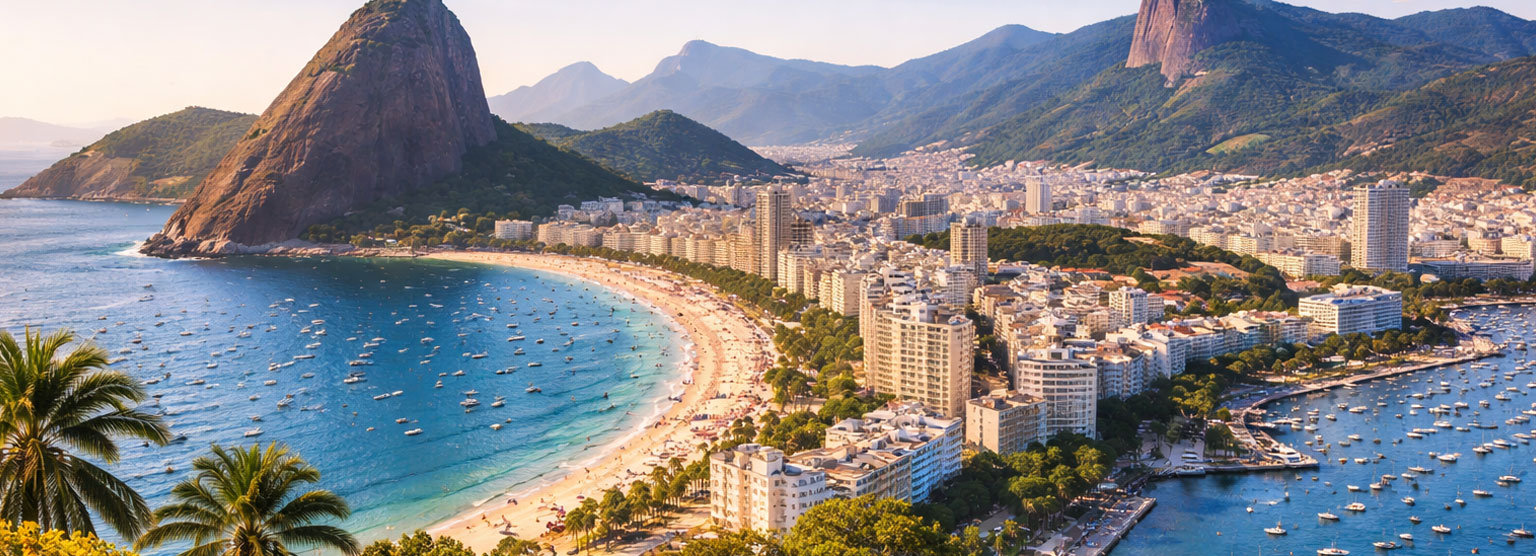
Best for: A longer cultural stay with beach or big-city options.
Brazil rewards staying long enough to get beyond an arrival-week impression. It offers beach-oriented bases, enormous cities, and a cultural experience that is much easier to enter with some Portuguese. Do not compare Florianópolis, São Paulo, and Rio as if they were interchangeable versions of a cheap tropical destination. They differ in scale, transport, climate, and what a productive weekday looks like.
Centro can be more practical for services; Lagoa da Conceição and other island areas offer a different lifestyle. Check the trip to your workspace and the effect of seasonal traffic before choosing a distant beach rental.
Choose the city for food, culture, and business connections. Prioritize the actual street, building security, and transit route. This is a serious urban base, not a beach destination with occasional meetings.
Rio offers an extraordinary setting, but neighborhood and transport choices require care. Compare the exact property and local advice rather than treating a famous beach name as a safety guarantee.
Season: Brazil’s scale makes a national “best month” unhelpful. Florianópolis has a southern seasonal pattern, with cooler winters; Rio and São Paulo require their own weather and event checks. Holiday and Carnival demand can sharply change accommodation availability.
Work setup: Eastern Brazilian bases offer useful overlap with the Americas and part of the European day. Confirm the time zone for your actual city, since the country has several.
The tradeoff: Portuguese improves the experience considerably. Budget for secure accommodation and reliable transport, and verify backup data instead of assuming all coastal rentals are work-ready.
| Question | Planning answer |
|---|---|
| Route | Digital nomad temporary visa/residence framework for qualifying remote work linked to an employer or business abroad. |
| Financial requirement | At least US$1,500/month in income or US$18,000 in available bank funds, alongside the other application evidence. |
| Stay and renewal | Up to one year, with a possible renewal for an equal period. Confirm arrival registration and renewal requirements with the responsible authority. |
Sources and next steps: Brazilian government: digital nomad overview · Brazilian consulate: digital nomad visa.
“Best country now” and “best country for a year” are different questions. These are seasonal planning patterns, not weather forecasts. Check local forecasts, air quality, transport schedules, and current advisories shortly before travel.
| Period | Places worth comparing | What to check before booking |
|---|---|---|
| October-November | Spain, Portugal, Greece, Japan, South Korea | Autumn can be a rewarding city season. Northern Europe becomes darker and cooler; smaller Mediterranean resorts reduce services. Check regional storms and event-driven accommodation demand. |
| December-February | Thailand, Malaysia, Canary Islands, selected Costa Rica Pacific bases | Compare the actual coast and monsoon pattern in Asia. Holiday demand can raise rent sharply. Malaysia remains humid and rainy at times; a winter escape is not a promise of dry weather. |
| February-April | Choose Thailand’s region carefully; compare southern or coastal alternatives | Northern Thailand can have serious smoke episodes. Check air quality before extending a Chiang Mai booking and keep a flexible alternative. |
| Southern-hemisphere summer | Florianópolis and other Brazilian bases | Check local weather, holiday traffic, and Carnival dates. An apartment price outside peak weeks does not predict a holiday-month budget. |
For a first experiment, a four-to-eight-week base can be more informative than a fast sequence of cities, provided your immigration status allows the intended work and stay. Arrive with flexible accommodation, test the setup, and then extend deliberately.
Write down your actual required meeting hours, including the latest recurring call. Then convert the entire workday, not just the morning stand-up. A destination can be perfect for a freelancer with asynchronous projects and miserable for an employee expected to be online all day in New York.
| Base | When New York is 9 a.m. | Practical implication |
|---|---|---|
| San José, Costa Rica | 7 a.m. | Early start with North American overlap. |
| Medellín or Bogotá | 8 a.m. | Close alignment with Eastern U.S. clients. |
| São Paulo or Florianópolis | 10 a.m. | Useful Americas overlap. |
| Lisbon or Funchal | 2 p.m. | U.S. work runs through the afternoon and evening. |
| Madrid or Rome | 3 p.m. | A full Eastern U.S. day reaches late evening. |
| Athens or Tallinn | 4 p.m. | The evening becomes your main call window. |
| Dubai | 5 p.m. | Substantial evening work for U.S. teams. |
| Bangkok | 8 p.m. | A full U.S. schedule usually means overnight work. |
| Kuala Lumpur | 9 p.m. | Better for Asia-focused or asynchronous work. |
| Tokyo or Seoul | 10 p.m. | A difficult fit for a conventional U.S. workday. |
Daylight-saving changes alter several of these offsets, including during the coming weeks. Recalculate for your travel dates and clients’ locations. A calendar with a second time zone is more useful than memorizing one offset.
Ask for a current video walkthrough showing the desk, chair, outlets, windows, and router. Request a speed test taken at the desk during the hours you expect to work. Download speed alone does not tell you whether uploads and video calls will be stable.
Keep a mobile-data option on a suitable network and identify a workspace before a deadline forces the decision. A coworking day pass can be a sensible first purchase, but ask whether phone booths or meeting rooms cost extra.
Employee, freelancer, and business-owner applications are not interchangeable. Some routes require a foreign employer, a minimum work history, qualifying professional experience, or a particular ownership stake. Get employer approval for the actual country and dates, including security, insurance, payroll, and client-data requirements. A company allowing work from home does not automatically authorize work from another country.
A visa grants a defined immigration status. It does not by itself determine where income is taxed or which social-security system applies. Do not use “under 183 days” as a universal tax exemption: residence tests, the source of income, treaty provisions, and other personal or business connections can matter.
Japan is a useful example: its tax authority explains that nonresidents can have taxable domestic-source income. For U.S. citizens and resident aliens, living abroad generally does not remove U.S. worldwide-income reporting obligations. A qualified cross-border adviser can assess the actual arrangement before a long move.
Sources: Japan National Tax Agency · IRS guidance for Americans abroad.
Compare the required coverage territory, policy duration, medical limit, repatriation, deductibles, and any mandated benefits. Also check routine care, pre-existing conditions, sports, electronics, and exclusions affecting your destination. A product marketed to nomads is not automatically accepted for every residence application.
If you are comparing SafetyWing Nomad Insurance Complete, read the current policy and selected add-ons rather than relying on the product name. Routine-care benefits have limits, and electronics cover may depend on the option purchased. See our travel insurance guide for a comparison framework.
Choose legal accommodation, respect building rules, and remember that popular neighborhoods are also people’s homes. Learn everyday phrases, buy from local businesses, and join activities beyond remote-worker meetups. A regular class, volunteer opportunity that is permitted under your status, or sports group can build more durable connections than changing cafes every morning.
Protect some nonwork time. If every evening is reserved for clients, move your sightseeing expectations to mornings and weekends. If the schedule leaves no time to enjoy the destination at all, choose a different time zone.
A visa’s financial threshold tells you what the authority wants to see. It does not tell you what your stay costs. For a useful comparison, price the same standard in each city: one adult, a furnished private studio or one-bedroom apartment, a real workspace, everyday meals, local transport, and the same travel dates.
Start with three real housing quotes and two workspace quotes. Make sure they include mandatory fees. Then add recurring expenses and a separate arrival fund. Shared accommodation, a long local lease, and a one-month furnished booking are different products and should not be mixed into one “average.”
| Expense | What to include |
|---|---|
| Housing | Full monthly price, booking or agency fees, utilities, cleaning, internet, and seasonal surcharges. |
| Work | Coworking membership, private meeting rooms, backup data, software or security tools required for travel. |
| Daily life | Groceries, ordinary meals out, laundry, gym, local transport, and any unavoidable car costs. |
| Health and administration | Insurance, prescriptions, visa and permit costs, translations, apostilles, and relevant professional advice. |
| Travel | Arrival and departure flights, airport transfers, and the weekend trips you actually intend to take. |
| Separate cash reserve | Refundable housing deposits, emergency transport, replacement equipment, and money for a failed accommodation booking. |
An illustration, not a city price quote: If your chosen apartment is $1,200, utilities and data are $100, workspace is $180, food is $450, transport is $100, and insurance is $170, your recurring total is $2,200/month. A 15% planning cushion makes it $2,530. Flights, visa costs, taxes, and refundable deposits still sit outside that example.
The useful question is whether your real quotes fit your after-tax income while leaving room for savings and emergencies. If they do not, change the neighborhood, accommodation type, season, or destination before assuming you can make up the difference by eating cheaply.
Continue with the Travel Budget Guide.
Start with your working hours and eligibility. Spain and Portugal are strong European comparisons; Malaysia and Thailand are useful Southeast Asian comparisons. If your job requires a full North American day, prioritize an Americas base instead of accepting overnight work as a small inconvenience.
There is no useful single answer without a city, month, and housing standard. Bulgaria, Romania, parts of Thailand, and parts of Colombia can be lower-cost comparisons within this list, but visa thresholds and safety needs may change the result. Use actual furnished-rental quotes, not local long-lease averages.
Do not assume so. The answer depends on the country, nationality, entry status, and nature of the work. Colombia’s official guidance describes a specific limited arrangement for eligible visa-exempt remote workers, but that does not establish permission elsewhere. Check the destination authority before working.
Not necessarily. Many programs restrict work to foreign employers or clients, and employee and freelance rules can differ. Check whether the intended activity is permitted, not just whether your employer pays into an overseas bank account.
A national long-stay visa or residence permit does not grant unlimited residence or work rights across Europe. Short visits to other Schengen countries generally remain subject to the applicable 90-in-180-day limit and conditions. Check the European Commission’s visa guidance and your permit rules before planning a multi-country stay.
Some routes may connect to broader residence options, while others are deliberately temporary or nonrenewable. Do not infer a permanent-residence or citizenship pathway from a one-year permit. If settlement is the goal, assess the long-term rules before choosing the initial route.
Check each scheme separately. Hungary’s White Card generally does not allow family reunification; other programs provide dependent routes with additional conditions. A dependent’s permission to stay is not necessarily permission to work, and school access may require separate arrangements.
For a first test, four to eight weeks can give you time to assess work, housing, and social fit, if your status permits it. For longer stays, build in the actual visa and residence timetable. Moving every week makes reliable work and meaningful local connections harder.
This is a selected comparison, not an exhaustive list of every good place to live abroad. Mexico and Bali remain worth researching for the right reader, but do not assume that a popular nomad scene establishes permission to work. Use our Mexico guide and Indonesia guide for destination planning, then verify the immigration route for your circumstances.
Test your mobile backup and move important calls to a verified workspace. Document the issue and contact the host promptly. If it cannot be resolved, assess the cancellation or relocation options early rather than losing a month of reliable work.
Follow up with the authority that will handle your application and request the current checklist. Save the reply and date. This guide explicitly flags Estonia’s conflicting figures and Spain’s differing minimum-salary calculations because hiding those differences would not help applicants.
A country-level ranking cannot tell you whether a particular apartment entrance, walk home, or evening transport plan will feel comfortable. This matters for all solo travelers and deserves extra attention when you will be arriving alone or finishing calls after dark.

Use our dedicated guide to work through accommodation, transport, digital security, and the everyday decisions that make a solo stay easier to manage.
Build a realistic budget for accommodation, daily life, and the costs that appear before you arrive.
Plan a portable work setup, practical luggage, and connectivity backups.
Compare policy types and the questions to ask before buying.
Plan a longer route without letting constant movement consume the trip.
Reviewed October 11, 2026. Immigration summaries use the linked government, consular, immigration-agency, and designated program material. Tourism and workspace sources inform practical base suggestions. Some official pages retain older publication dates while their content changes; where sources conflict, the relevant country section says so.
This is a destination-selection guide, not a complete application checklist or individualized tax assessment. We have deliberately avoided promising approval times, universal tax exemptions, guaranteed rental prices, or internet speeds for an entire country. Neighborhood suggestions are starting points for research, not endorsements of every property or assurances of personal safety.
The best use of the guide is to shortlist two or three places, confirm your legal route, price real accommodation, and test the working schedule. Recheck sources before each application, especially wage-linked thresholds, program capacity, and processing notices. Check current travel advisories and local conditions again before departure.
Found an official rule change or a practical detail we should update? Send The Local Guide Abroad a note with the source and date.