Travel Planning Hub
Start here to plan your trip, compare options, and explore every TLGA planning guide.
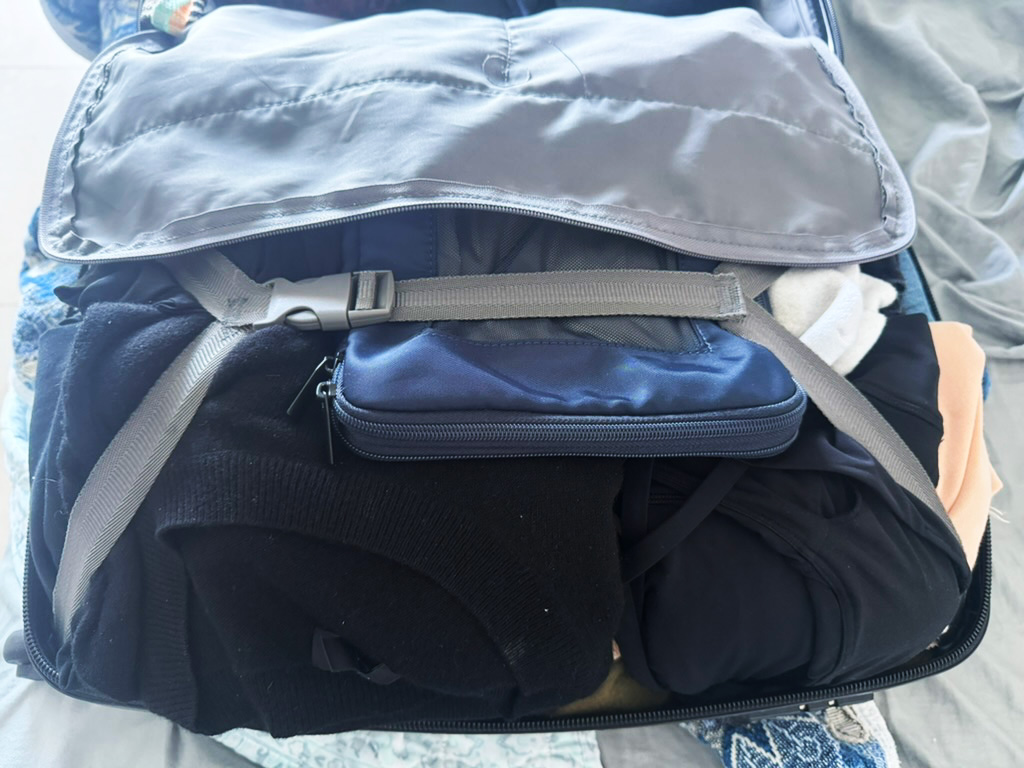
Packing & Gear Guide
What to pack, what to skip, and how to build a lighter travel setup that works.

By Corey Gasman • Last edited March 6, 2026
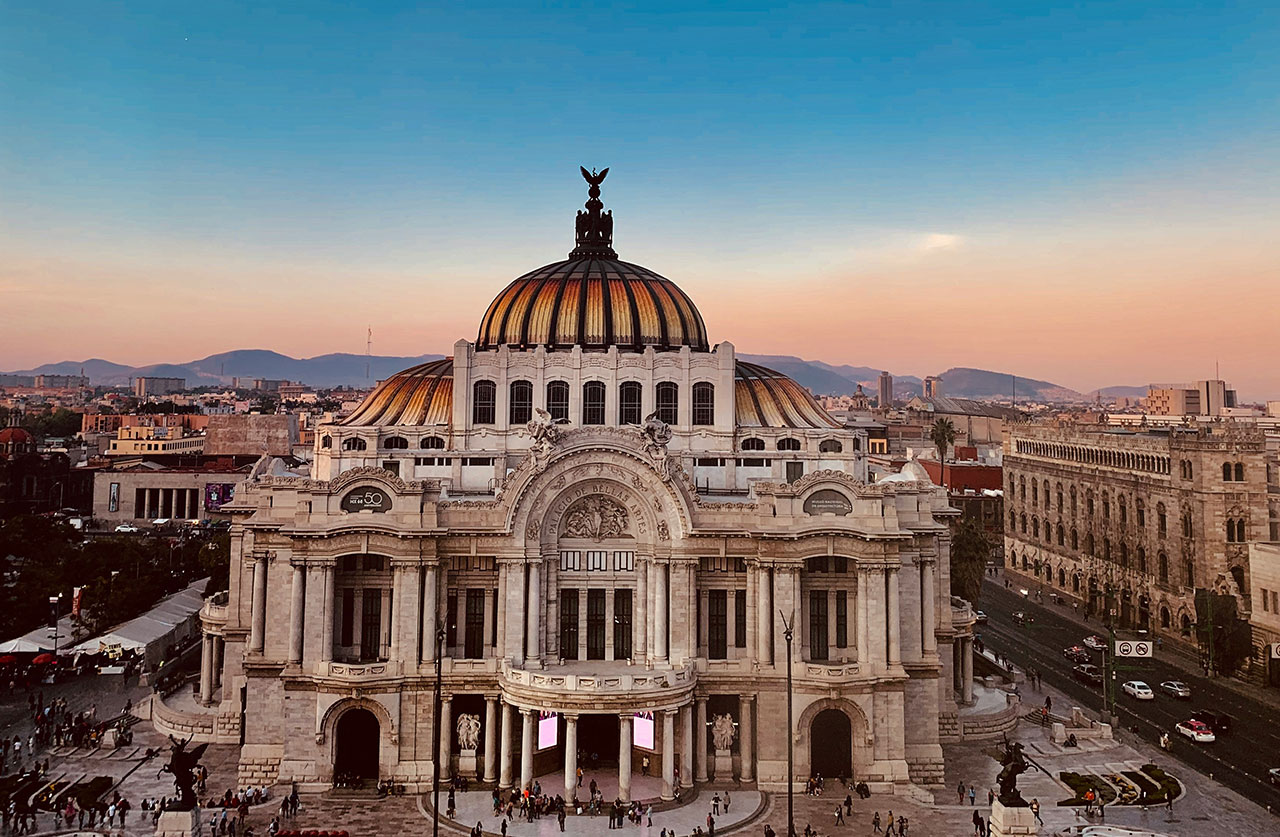
The Palacio de Bellas Artes is one of the crown jewels of the Centro Histórico, especially when the golden-hour light hits its white marble facade.
From the Editor:
We recently spent 10 nights living out of an Airbnb in Roma Norte, and by the end of the trip we were completely hooked. The timing was perfect. The city had reopened but had not fully returned to its usual intensity, which meant clear skies and lighter crowds.
What surprised me most was how green and livable the city feels. From wandering the cafe-lined streets of Roma and Condesa to exploring Chapultepec Park and its museums, CDMX feels electric and endlessly interesting.
Mexico City is also one of the best food cities in the world. Some mornings started with a neighborhood bakery or street tacos, and by evening we were sitting down to world-class restaurants. Getting around with Uber is easy, the neighborhoods each have their own personality, and it is a city I could absolutely see returning to for a much longer stay as a digital nomad.
Mexico City is massive, so the secret is to treat it like a collection of smaller worlds. Do not try to cross the city three times in one day. Pick one neighborhood to anchor your day, explore it deeply, and then move on.
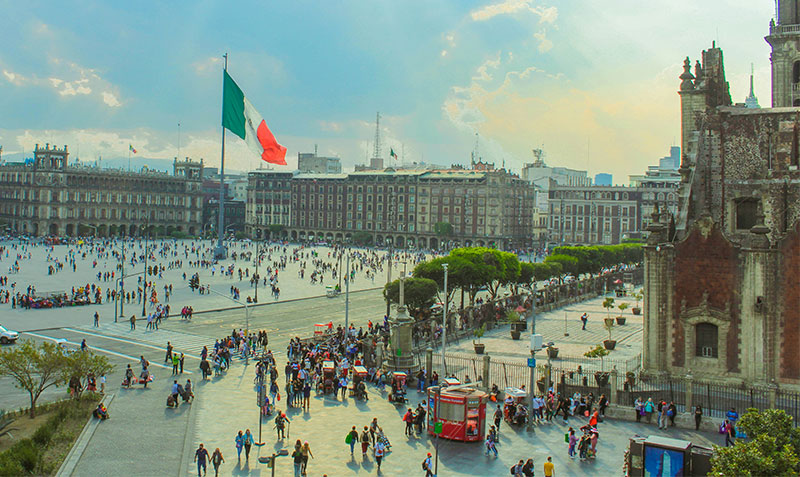
The Zócalo is the heart of the Centro Histórico, where centuries of history meet the constant motion of modern Mexico City.
Mexico City is one of the great capitals of the world. It rivals Paris for museums, Tokyo for street food, and New York for sheer energy. You can start your morning exploring ancient ruins, spend the afternoon walking through European-feeling parks, and finish the night eating world-class tacos on a plastic stool.
There is no shortage of things to do, from visiting La Casa Azul and touring Chapultepec Castle to taking a sunrise hot air balloon ride over Teotihuacán and diving into one of the best culinary scenes on Earth.
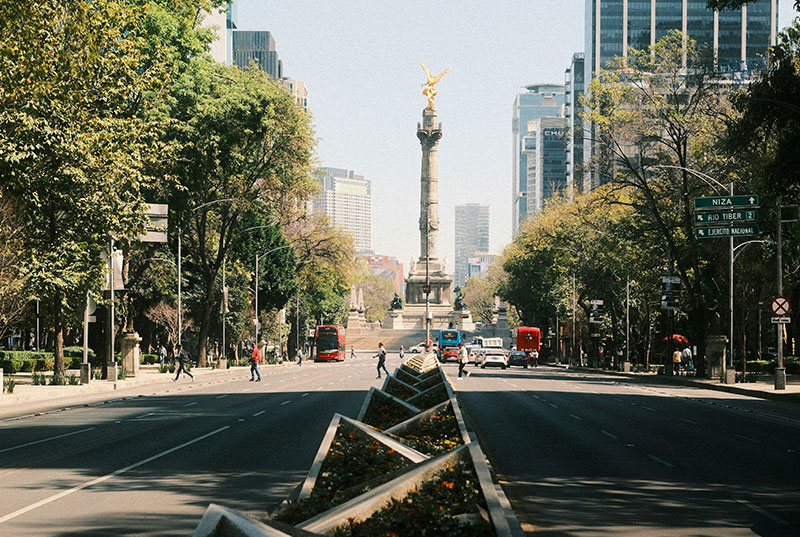
The Angel of Independence is one of Mexico City’s most recognizable landmarks, rising above the nonstop energy of Reforma.
The city is divided into neighborhoods called colonias. Picking the right one changes the feel of your entire trip.
| Area | Vibe | Best For | Reality Check |
|---|---|---|---|
| Roma Norte | Hip, artsy, walkable | First-timers, foodies, Airbnb stays | Very popular and books up fast |
| Condesa | Leafy, relaxed, dog-friendly | Couples, park lovers, cafe culture | Nightlife is quieter than Roma |
| Polanco | Luxury, modern, polished | High-end comfort, museum access | Can feel less traditional than other areas |
| Centro Histórico | Historic, chaotic, grand | Sightseeing, architecture, day visits | Loud and crowded, especially on weekends |
| Coyoacán | Bohemian, village feel | Slower pace, Frida Kahlo fans | Farther from the central core |
| Juárez | Central, stylish, evolving | Trendy bars, central location | A bit grittier than Condesa |
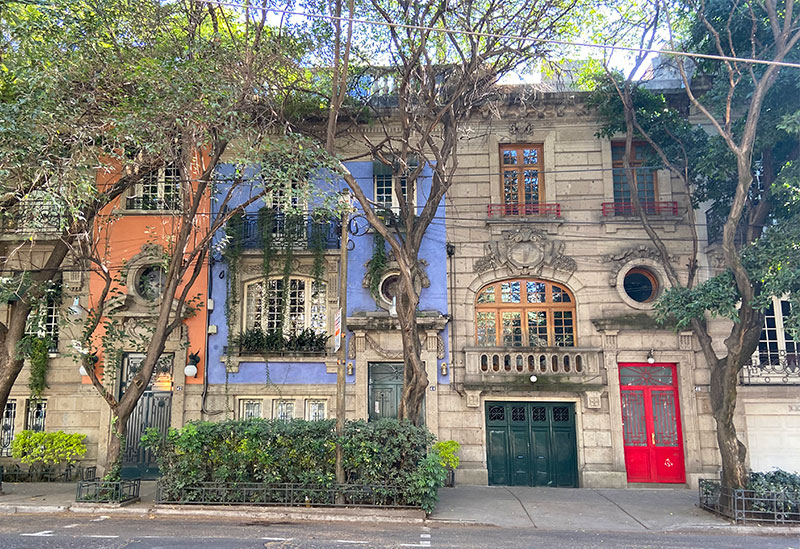
The colorful architecture and tree-lined streets of Roma Norte make it one of the prettiest and most practical neighborhoods to base yourself in.
Mexico City keeps leveling up its hotel game. The smart move is to choose a walkable neighborhood first, then pick the property that fits your vibe.
Mexico City may not have beaches, but its public parks and historic plazas are the heartbeat of daily life.
| Park / Plaza | Vibe | Best For | Note |
|---|---|---|---|
| Bosque de Chapultepec | Massive urban forest | Museums, castle views, long walks | Easily becomes a full day |
| Zócalo | Historic grand square | Cathedral, Templo Mayor, people-watching | The center of CDMX history |
| Parque México | Leafy, dog-friendly hub | Morning walks, cafes | A Condesa anchor point |
| Plaza Río de Janeiro | Intimate, artsy | Coffee breaks, local atmosphere | A Roma Norte classic |
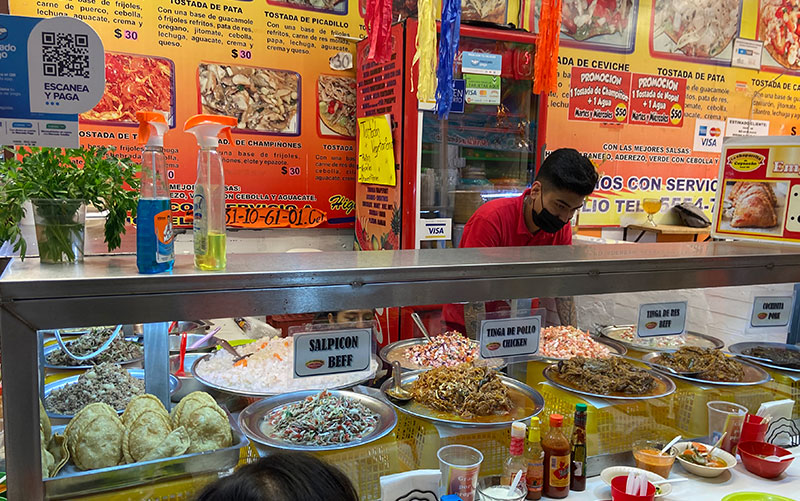
Exploring local markets is one of the fastest ways to plug into the culinary heartbeat of the city. Find a busy stall and start ordering.
If you want the real CDMX, go to the markets. They are loud, delicious, and one of the quickest ways to understand the city.
| Market | Best For | Go For | Tip |
|---|---|---|---|
| Mercado de Medellín | Everyday market energy | Fruit, juices, lunch counters | Go hungry, wander first, then pick a stall |
| Mercado de Coyoacán | A Coyoacán day | Tostadas, sweets, snacks | Pair it with a Frida Kahlo Museum day |
| La Merced (area) | Big-city market intensity | Ingredients, color, chaos | Go in the daytime and keep your phone secure |
| Mercado Roma | An easy food-hall option | Quick bites, drinks | Not traditional, but convenient |
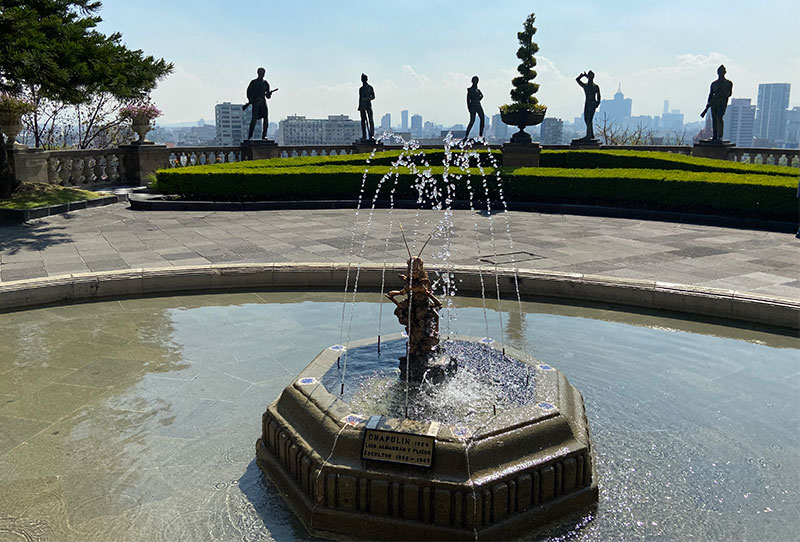
The terrace at Chapultepec Castle gives you one of the best contrasts in the city: historic grandeur in the foreground and the modern skyline beyond.
It is impossible to see it all in one trip. These are the anchor experiences that define a first or second visit.
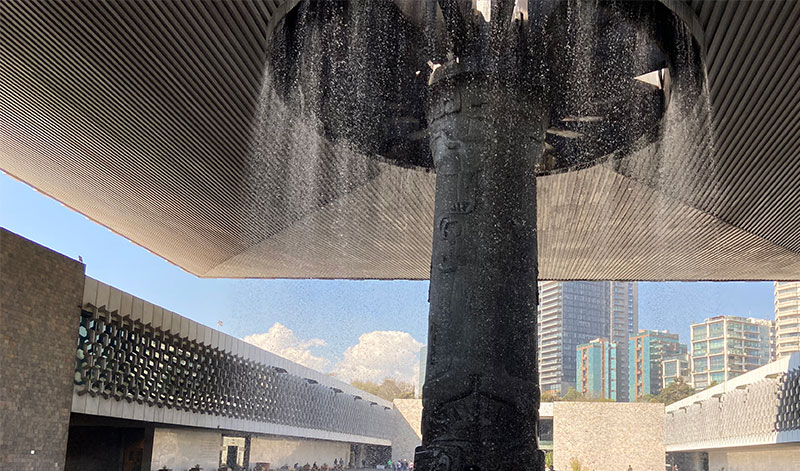
The National Museum of Anthropology is essential CDMX. Give yourself at least three hours to appreciate both the architecture and the collection.
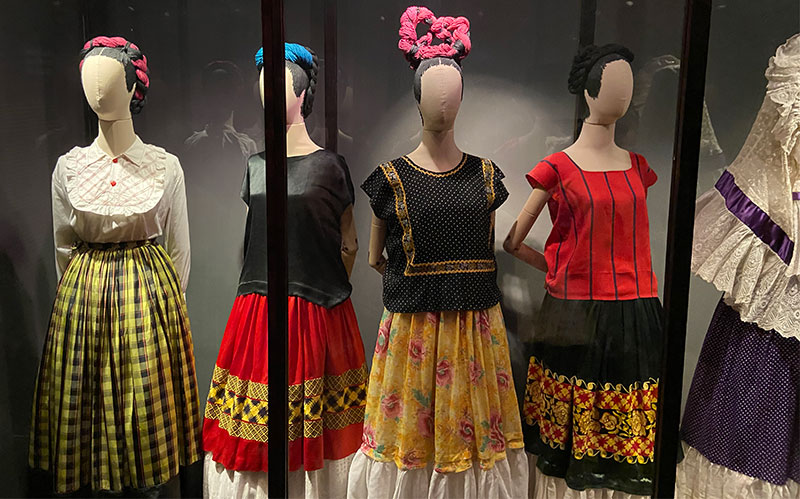
Booking ahead is key for La Casa Azul, one of the city’s most in-demand museum visits.
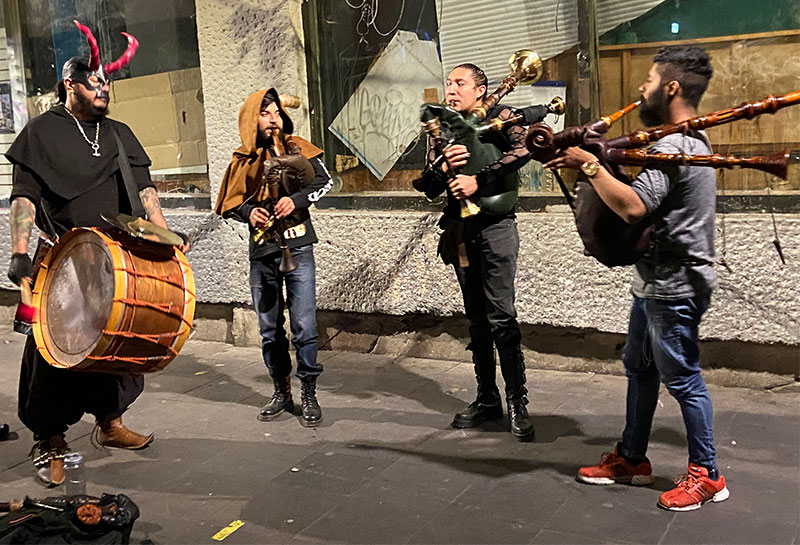
Mexico City comes alive after dark, whether that means a taco crawl, a packed plaza, or a street corner with music spilling into the night.
Weather shapes the rhythm of Mexico City. Here is how to think about the year.
| Month | Best For | What to Book | Quick Note |
|---|---|---|---|
| Dec to Feb | Clear skies, cool nights | Teotihuacán balloons, patio dining | Bring a warm layer for evenings |
| Mar to May | Jacaranda blooms, warm days | Walking tours, rooftops | The prettiest stretch for photos |
| Jun to Sep | Museums, fewer crowds | Indoor spots, Lucha Libre | Rainy season with afternoon showers |
| Oct to Nov | Día de los Muertos, fall energy | Coyoacán, parade viewing, key hotels | Book early for late Oct and early Nov |
CDMX rooftops hit different. The city is huge, the sunsets are real, and a rooftop drink can reset your whole day.
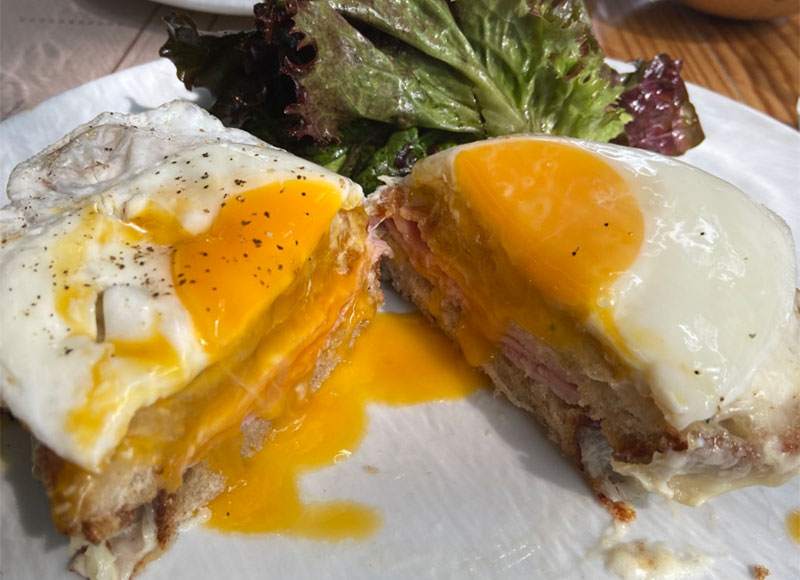
Condesa is one of the city’s easiest neighborhoods to enjoy on foot, with leafy streets, dog walkers, and standout breakfast spots around nearly every corner.
| Traveler Type | Best Area | Why It Works | One Tip |
|---|---|---|---|
| First-timer | Roma Norte | Central, walkable, incredible food | Base near Avenida Álvaro Obregón |
| Luxury comfort | Polanco | High-end comfort, museum access | Ideal for Chapultepec and dining |
| Romantic and quiet | Condesa | Tree-lined streets, park life | Morning coffee by Parque México is a ritual |
| History focused | Centro Histórico (day visits) | Zócalo, ruins, architecture | Stay elsewhere and visit Centro in the daytime |
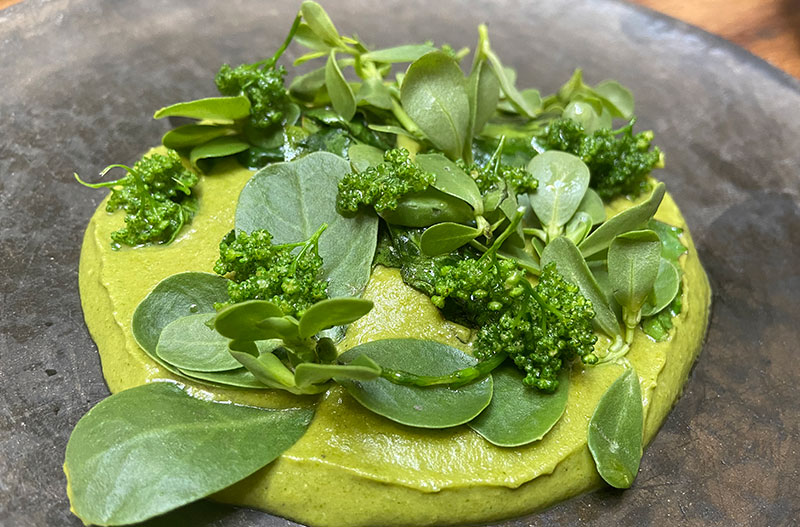
A stunning pipián verde at Rosetta, located right in Roma Norte. Chef Elena Reygadas creates vegetable-forward masterpieces that are just as beautiful as the historic townhouse they are served in
Mexico City might be the best food city in the world right now. You can spend $100 on a tasting menu or $2 on one of the best tacos of your life.
If you want better tacos with less guesswork, use zones. These areas make it easier to build a street-food night without zigzagging across the city.
| Zone | Best For | Go At | Quick Tip |
|---|---|---|---|
| Roma Norte | Taco hopping plus bars | 7 PM to midnight | Easy to cover on foot |
| Condesa | Park-to-dinner nights | Sunset to late | Softer vibe than Roma |
| Centro | Late-night legends | After 9 PM | Use Uber and keep the plan simple |
| Polanco | Upscale dinner nights | Dinner | Strong choice for a big night out |
The Michelin Guide confirmed what locals already knew. CDMX is a top-tier food city. For the hardest reservations, lock those in first, then build the rest of your itinerary around those neighborhoods.
CDMX is blending ancestral healing traditions with modern luxury. The best wellness move here is simple: treat recovery like part of the itinerary. Big walking days plus altitude can sneak up on you.
Timing your trip around these moments can completely change the experience.
You will likely fly into Benito Juárez International Airport (MEX). For flight deals: Skyscanner, Momondo, or Google Flights.
Uber is heavily used, usually affordable compared with the US, and a great default for visitors. The main variable is traffic, not distance.
CDMX runs on pesos. Use a bank ATM and carry small bills for markets, tacos, and tips. Cards work at most restaurants and shops.
March to May is the easiest wow season with warm days, clear skies, and jacaranda blooms. November to February is also excellent for crisp sightseeing days, though nights can feel chilly. June to September is rainy season, with showers often arriving in the afternoon.
Mexico City sits at high altitude, so the sun feels stronger than many visitors expect and temperatures swing between day and night. Use this as your quick feel-for-the-month table.
| Month | Avg High (°F) | Avg Low (°F) | Rainy Days | Rainfall (in) | Notes |
|---|---|---|---|---|---|
| Jan | 70 | 37 | 2 | 0.4 | Cool nights, clear skies |
| Feb | 74 | 40 | 1 | 0.2 | Sunny and crisp |
| Mar | 79 | 42 | 2 | 0.3 | Prime walking weather |
| Apr | 80 | 44 | 4 | 0.5 | One of the best overall months |
| May | 80 | 44 | 6 | 0.9 | Warm days, showers start building |
| Jun | 78 | 44 | 12 | 2.4 | Rainy season begins |
| Jul | 75 | 44 | 13 | 2.7 | Afternoon storms, cooler days |
| Aug | 75 | 43 | 11 | 2.2 | Wet stretch continues |
| Sep | 74 | 43 | 7 | 1.5 | Showers begin tapering off |
| Oct | 75 | 42 | 4 | 0.7 | Dry season starts returning |
| Nov | 72 | 38 | 1 | 0.1 | Crisp nights, great museum weather |
| Dec | 69 | 37 | 1 | 0.1 | Dry, cool evenings |
Mexico City is built on top of Tenochtitlán, the ancient capital of the Aztec Empire. It began as an island city in Lake Texcoco. When the Spanish arrived in the 1500s, they drained much of the lake and built the colonial city over the remains. Because of that old lakebed foundation, parts of modern Mexico City are still sinking over time.
Mexico City keeps evolving, especially in Roma, Juárez, and along Reforma. The biggest 2026 pattern is simple: more design-forward stays, tighter restaurant demand at headline spots, and stronger cocktail programs across the city.
You need at least 4 to 5 days to see the main highlights without rushing. If you want to add day trips like Teotihuacán and Xochimilco, a full week is even better.
Roma Norte or Condesa is the easiest win for walkability, cafes, food, and a relaxed daily rhythm.
No. Stick to bottled water for drinking. Most restaurants use purified ice.
Yes. It is one of the most memorable experiences near CDMX. Book a package with transportation included.
No, but it helps. Download offline Spanish in Google Translate and learn basic greetings. Locals appreciate the effort.
Explore Mexico City your way: go for the art, the architecture, the history, or just eat your way through the neighborhoods. Buen viaje.