Home » Destinations » Mexico » Where to Stay in Mexico

Last updated: February 2026 by Corey Gasman

From the Editor:

Mexico is not a monolith. Over the years, I have watched spots like Tulum evolve from off-the-grid beach huts with zero electricity into massive, sprawling luxury hubs. I have golf-carted around Isla Mujeres, logged a dozen scuba dives in Cozumel, navigated the new expressways to Chichén Itzá, and spent weeks soaking up the authentic Pacific charm of Mazatlán.

The biggest mistake travelers make is picking a destination based purely on flight prices rather than matching the town to their travel style. The difference between an unforgettable adventure and feeling stuck in a tourist trap comes down to choosing the right base.

Start Here: The Mexico Game Plan

Choosing your Mexico destination comes down to two primary decisions: Caribbean vs. Pacific, and Resort vs. Local Town.

  • The Caribbean (Quintana Roo): White sand, turquoise water, massive infrastructure, high volume of tourists. Best for first-timers, divers, and easy all-inclusives.
  • The Pacific (Jalisco, Sinaloa, Nayarit, Baja): Golden sand, mountains or desert meeting the ocean, more historic town centers, and often a more authentic Mexican cultural feel.
  • The Islands: Slower pace, golf carts, incredible reefs, but requires an extra ferry step.
Want the full Mexico hub?
Start here: Mexico Destinations Hub

TLGA Rule: Do not pay for an all-inclusive if you plan to explore every day. Only book all-inclusive if your main goal is to not leave the property.
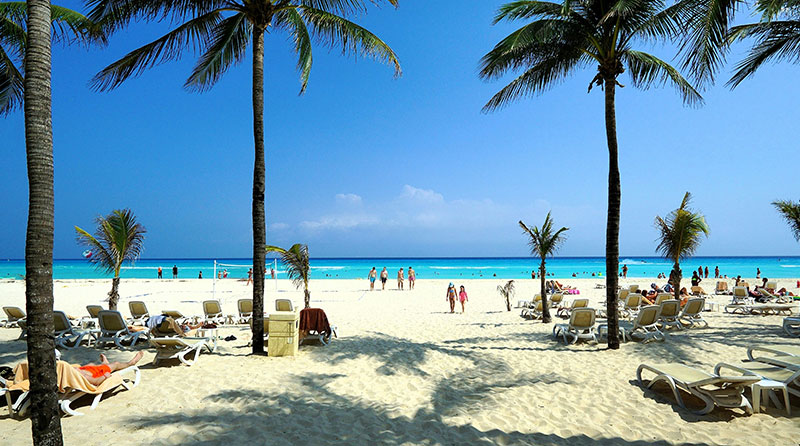
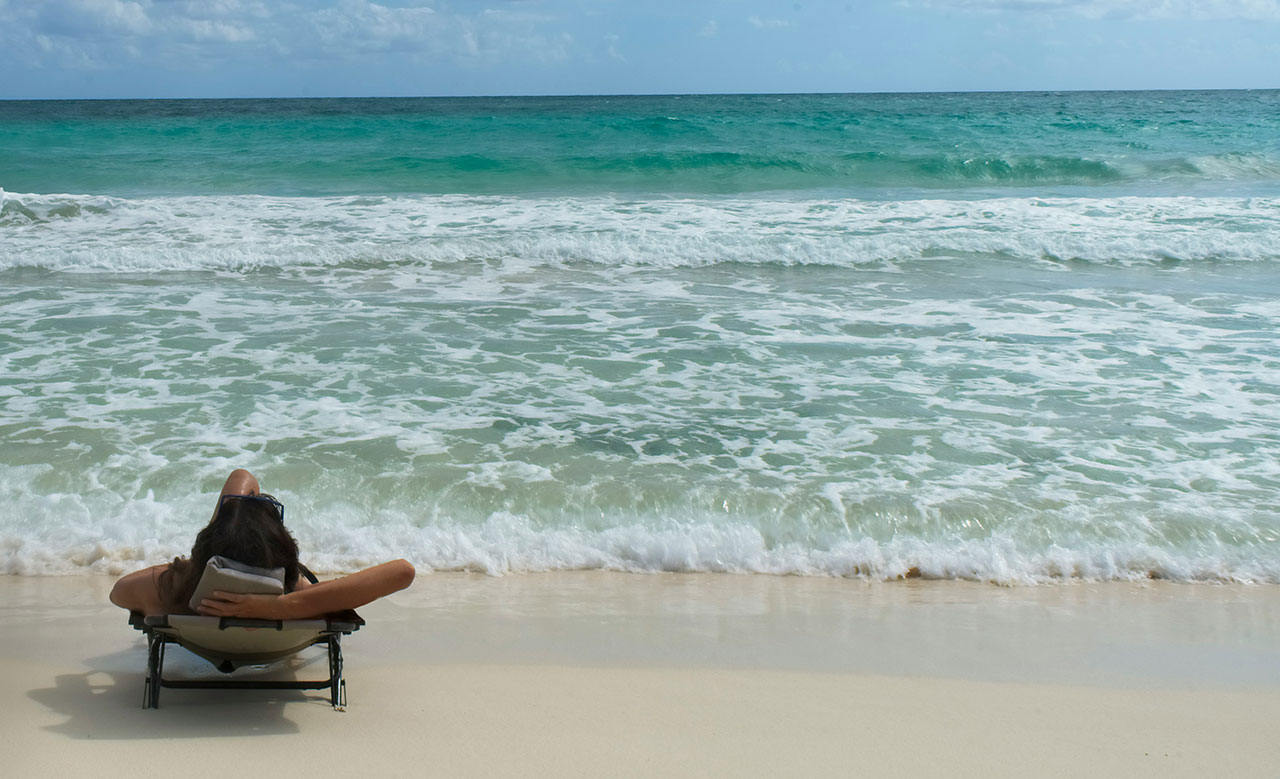
Palm trees on a white sand beach with turquoise water and lounge chairs under a clear blue sky in Playa del Carmen.

The stunning turquoise waters and white sands of Playa del Carmen.


The Main Destinations: The “Vs” Showdown

If you only have a few days, you need a place that makes your daily routine effortless. Here is how the heavy hitters compare.

Destination Vibe Best For Avoid If…
Cancun High-energy, resort heavy Easy flights, mega-resorts, nightlife You want authentic culture and quiet streets.
Playa del Carmen Walkable, lively, expat hub Pedestrian zones, dining, day trips You want an isolated, untouched beach.
Tulum Boho-chic, jungle luxury Design hotels, cenotes, ruins You are on a tight budget or hate traffic.
Puerto Vallarta Romantic, historic, Pacific Mountains, foodies, LGBTQ+ friendly You only want white-sand Caribbean beaches.
Cabo San Lucas Desert-meets-ocean, luxury, high energy Direct US flights, resorts, golf, fishing, bachelorette and guys’ trips You want colonial charm or deep cultural immersion.
Mazatlán Local, relaxed, historic Long stays, real Mexican feel, value You want endless mega-clubs.
Cozumel / Isla Mujeres Island time, aquatic Scuba diving, golf carts, relaxing You want mainland road trips.
Local Guide Tip: If you want the easiest access to Chichén Itzá and cenotes, base yourself in Playa del Carmen or a quiet Airbnb in Puerto Morelos. If you want a 30-day snowbird escape with great pickleball and local flavor, Mazatlán is your spot.
Going Caribbean?
Start here: Riviera Maya Travel Guide
Leaning Pacific?
Read the full guide: Cabo San Lucas Travel Guide
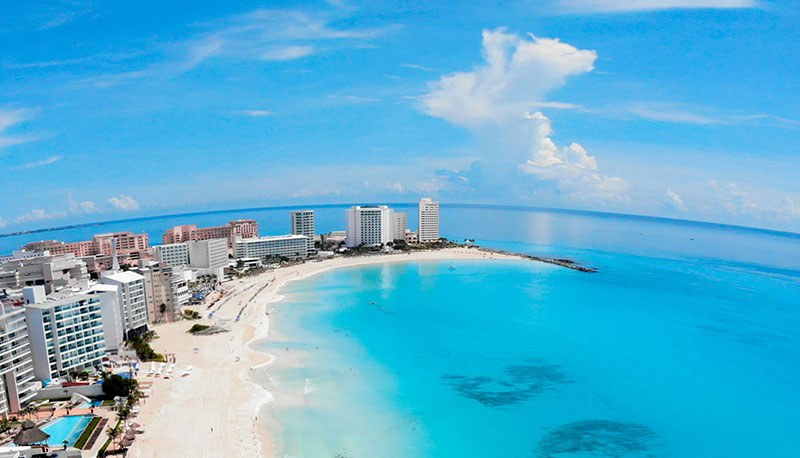
Aerial view of the turquoise Caribbean Sea and white sand beaches along the Cancun Hotel Zone coastline with high-rise resorts. Caption: The iconic turquoise waters and luxury resorts of the Cancun Hotel Zone.

Pros and Cons Deep Dive

Here is the reality of what it is actually like on the ground for each major hub.

Cancun (The Hotel Zone)

The undisputed king of accessibility. You land, you grab a transfer, and you are on the beach with a drink in 30 minutes.

  • Pros: Unbeatable flight options, highest density of luxury all-inclusives, stunning water color, great infrastructure.
  • Cons: The Hotel Zone is a bubble. You are largely cut off from local Mexican culture. Restaurants cater heavily to tourist palates and prices.

Playa del Carmen

Located an hour south of Cancun, “Playa” is built around 5th Avenue (Quinta Avenida), a massive pedestrian street.

  • Pros: Extremely walkable. You do not need a car. Great mix of boutique hotels, Airbnbs, and beach clubs. The ADO bus system here is elite for getting around. Perfect launchpad for the Cozumel ferry.
  • Cons: The beaches have suffered from erosion in recent years. The main tourist strip can feel overly aggressive with vendors.

Tulum

Twenty years ago, this was a place for beach huts with no electricity. Today, it is a global lifestyle brand.
  • Pros: Incredible aesthetic. The restaurant and bar scene is world-class. Proximity to the best cenotes and the beachfront Mayan ruins is unbeatable.
  • Cons: It is exceptionally expensive now. The infrastructure has not kept up with the growth, meaning traffic on the single beach road can be brutal.
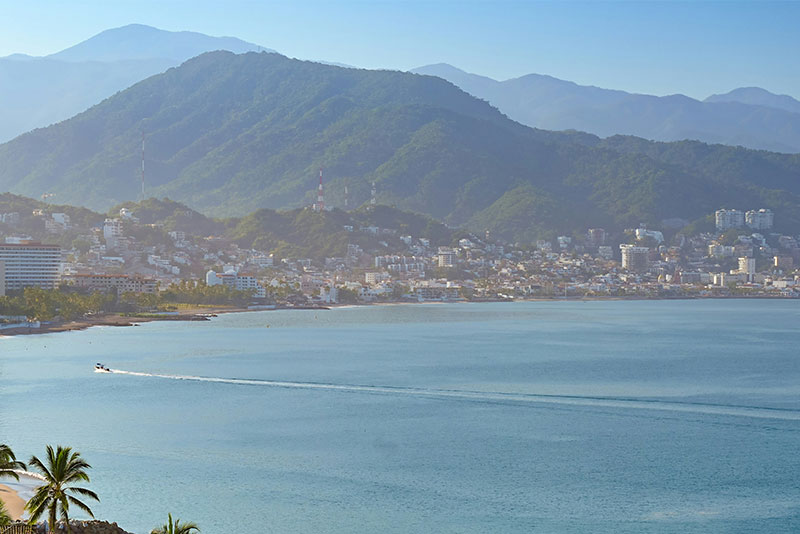
Scenic aerial view of the Banderas Bay coastline in Puerto Vallarta, featuring golden sand beaches, luxury oceanfront resorts, and the Sierra Madre mountains in the background.

The dramatic coastline where the Sierra Madre mountains meet the Pacific Ocean in Puerto Vallarta.


Puerto Vallarta

Where the Sierra Madre mountains crash into the Pacific Ocean. It feels like a real city that happens to be on the beach.

  • Pros: The Romantic Zone (Zona Romántica) is highly walkable, packed with amazing restaurants, and boasts a phenomenal sunset culture. Much more authentic feel than the Caribbean side.
  • Cons: The beaches are golden and water is darker blue/green, not the transparent turquoise of the Caribbean. Can get very humid in late summer.
If you love walkable food towns:
You will probably prefer Puerto Vallarta or Mazatlán over an isolated all-inclusive.

Cabo San Lucas (Los Cabos)

Where the desert meets the Sea of Cortez. Cabo is built for easy flights, big scenery, and a smooth resort routine, especially in winter.
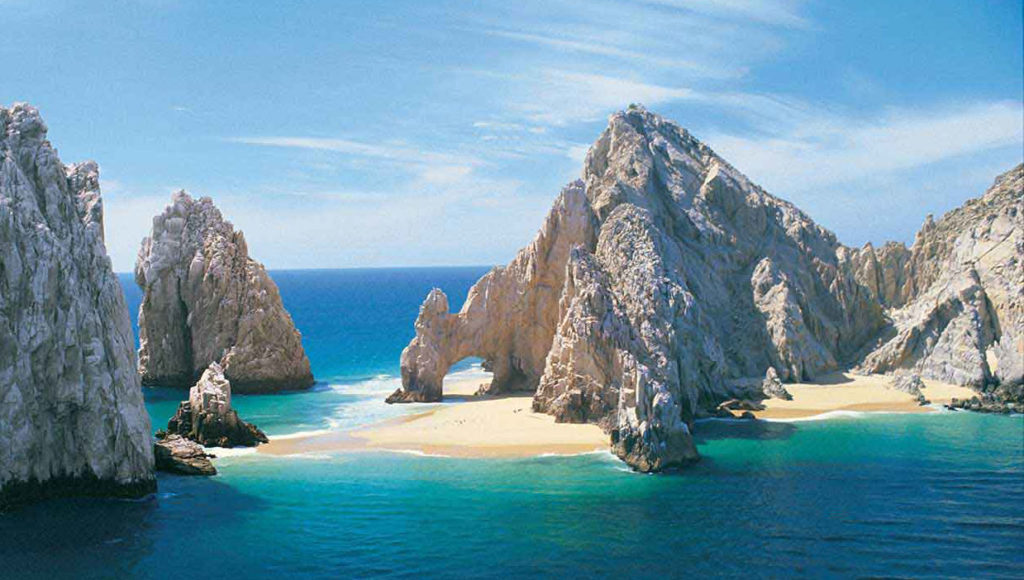
Land's end in Cabo San Lucas

Cabo and San José del Cabo: desert views, dramatic coastline, and the Sea of Cortez on your doorstep.
  • Pros: Tons of nonstop flights from the U.S. Strong luxury hotel scene. Great golf, fishing, beach clubs, and iconic landmarks like El Arco. Consistently great winter weather.
  • Cons: Many Cabo beaches are not swimmable due to strong currents. Prices trend higher. If you want historic streets and day-to-day Mexican city life, PV or Mazatlán usually wins.
Planning Cabo right now?
Read the full guide: Cabo San Lucas Travel Guide
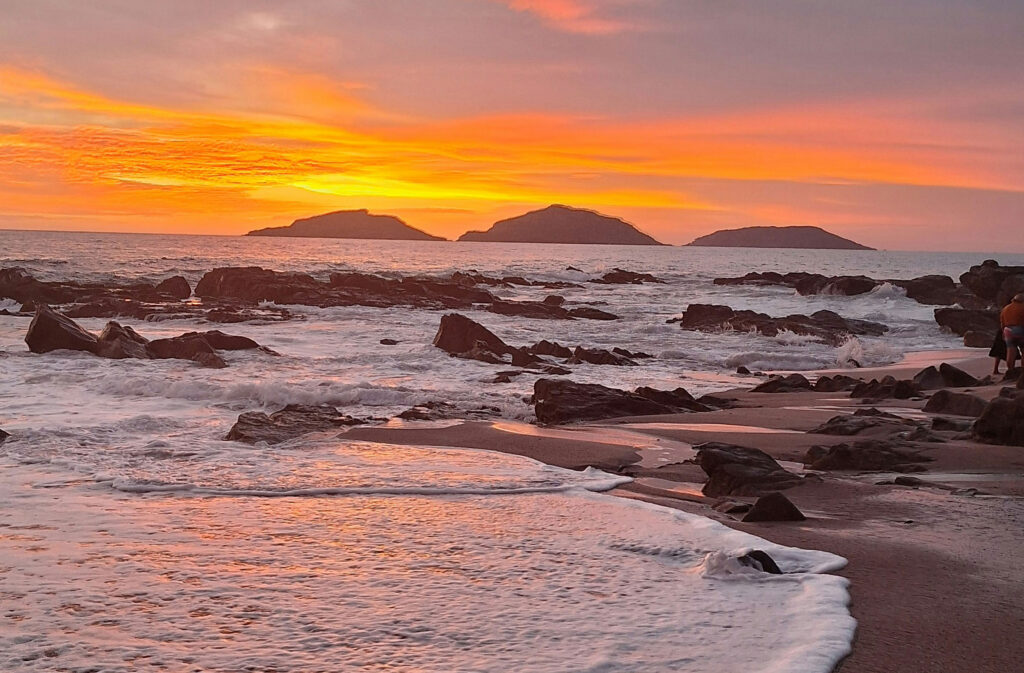
Scenic sunset view of the three islands (Pájaros, Venados, and Lobos) off the coast of Mazatlán, with the sky glowing in vibrant shades of orange and pink.

A breathtaking sunset over the iconic three islands of Mazatlán.

Mazatlán

The “Pearl of the Pacific.” This is a working Mexican city with a massive historic center and one of the longest malecons (boardwalks) in the world.
  • Pros: Incredible value. Unmatched authenticity. The Centro Histórico is gorgeous. Huge, welcoming expat and local community (great for sports like pickleball). You will eat some of the best seafood in Mexico here.
  • Cons: Fewer direct international flights than Cancun or PV. The ocean can be rough for swimming depending on the beach.
Want more underrated Mexico picks?
Try: Hidden Gems of Mexico

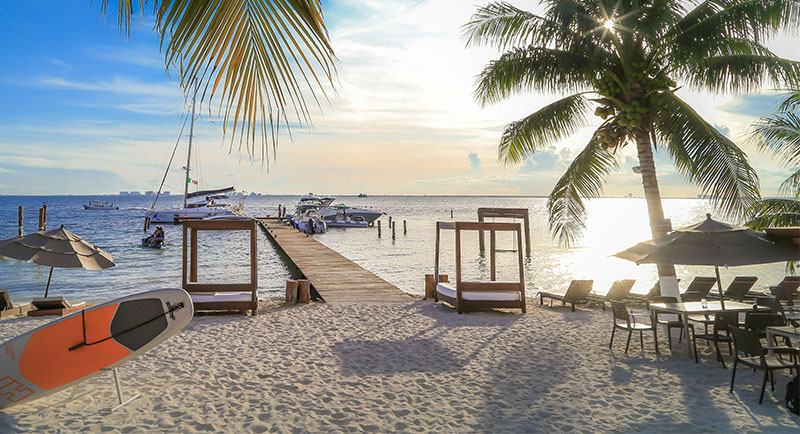
Island time in Isla Mujeres: beach clubs, calm water, and the easiest “slow down” move in Quintana Roo.

The Islands (Cozumel & Isla Mujeres)

Take the ferry and slow down.

  • Pros: Cozumel has some of the best scuba diving in the western hemisphere. Isla Mujeres is perfect for renting a golf cart and looping the island. Both offer a safer, enclosed island vibe.
  • Cons: You are tied to ferry schedules. Grocery and dining options are more limited than the mainland.
Want beaches plus culture?
Pair the coast with a city stop: Mexico City Travel Guide
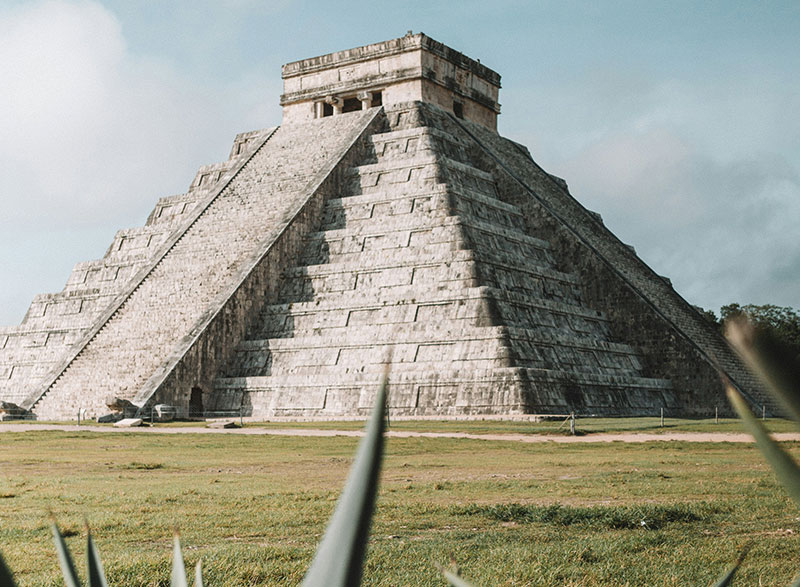
A high-angle view of the El Castillo pyramid at Chichén Itzá under a clear blue sky, showing the impressive stone architecture of the ancient Mayan ruins.

Renting a car in Cancun or the Riviera Maya gives you the freedom to reach Chichén Itzá early and experience the ruins before the tour buses arrive.


Getting Around: The Logistics

Navigating Mexico is much easier than people think, provided you use the right tools.
  • The ADO Bus: If you are on the Caribbean coast, the ADO bus system is first-class. Taking the bus from the Cancun airport to Playa del Carmen or even down to Belize is air-conditioned, cheap, and highly reliable.
  • Renting a Car: Highly recommended if you want to do your own tours. Renting a car in Cancun to drive the new expressway to Chichén Itzá lets you beat the tour buses. Just watch out for topes (speed bumps).
  • Taxis vs Uber: Uber works great in places like Puerto Vallarta and Mazatlán. In Quintana Roo (Cancun/Tulum), the taxi unions are very strong, making ride-share complicated or unavailable. Always agree on the taxi fare before getting in.
Pro Tip: Skip the organized, crowded cenote tours. Rent a car, leave at 7:00 AM, and you can have a cenote entirely to yourself before the buses arrive at 10:00 AM.
Building your Mexico itinerary?
Add a culture anchor: Mexico City Travel Guide and a coast base: Riviera Maya or Cabo.
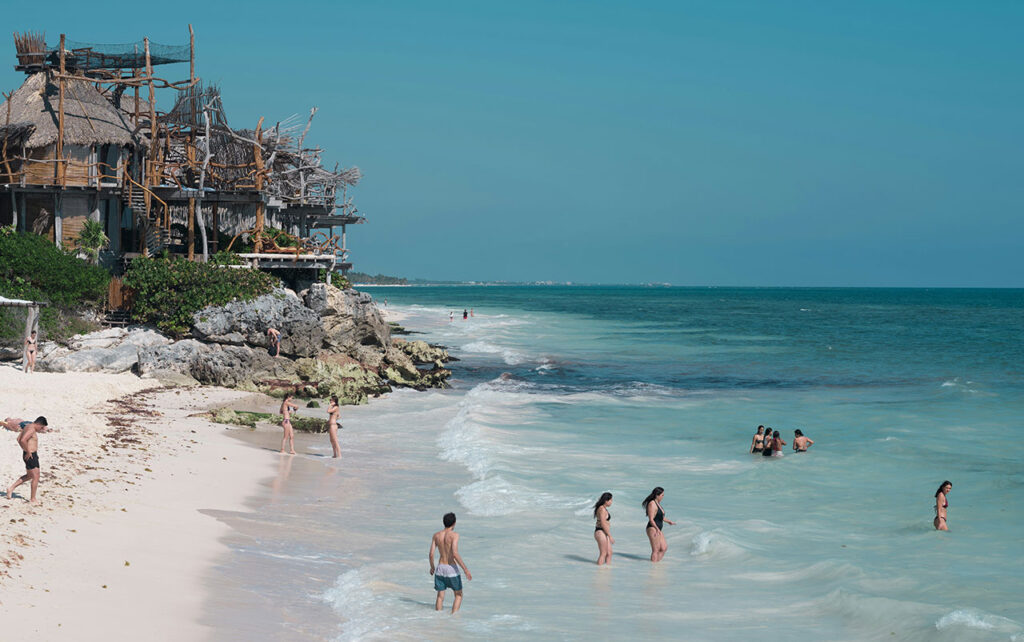
Scenic view of the white sand beach and turquoise water at Azulik Resort in Tulum, featuring rustic wooden architecture and lounge chairs.

The eco-chic architecture and pristine coastline of Azulik Resort in Tulum.


Respectful Travel & Safety

Whether you are on a guys’ long weekend or a quiet trip with your spouse, respecting the local environment and community goes a long way.

Environment & Culture

  • Cenote Rules: Absolutely no sunscreen or bug spray in the cenotes. The chemicals destroy the delicate freshwater ecosystems. You must shower before entering.
  • Language: Learn basic Spanish. A simple “Buenos días” or “Gracias” changes how you are treated instantly.
  • Wildlife: Do not feed the coatis, iguanas, or marine life.

Safety Basics

The tourist corridors in Mexico are heavily guarded and generally safe, but common sense is required.

  • Don’t buy drugs. This is the number one way tourists find themselves in dangerous situations.
  • Drink bottled water. Use it for brushing your teeth, too. The ice in reputable resorts and restaurants is made from purified water.
  • Keep aware of your tab. When out at busy bars, pay per round rather than opening a tab to avoid “padded” bills at the end of the night.
More Mexico ideas:
Oaxaca City is the best add-on for food and culture if your trip needs a non-beach anchor.
Still deciding?
Start with your likely trip style:

  • All-inclusive and easy flights: Cancun
  • Walkable base with day trips: Playa del Carmen
  • Design hotels and cenotes: Tulum
  • Walkable food town on the Pacific: Puerto Vallarta
  • Winter sun, resorts, golf: Cabo
  • Long-stay value and real-city feel: Mazatlán

Frequently Asked Questions

Which is better: Cancun, Playa del Carmen, or Tulum?

Cancun is best for resort-heavy relaxation and easy flights. Playa del Carmen is best for walkability, shopping, and taking the ferry to Cozumel. Tulum is best for high-end dining, design hotels, and cenote access, but expect higher prices and traffic.

Cabo is best for easy nonstop flights, resorts, golf, fishing, and winter sun. Puerto Vallarta is best for a walkable historic town feel, food, and a more local rhythm. If you want a smooth resort routine, Cabo wins. If you want a real city base with beach access, Puerto Vallarta wins.

Yes, especially the toll roads (cuotas). The new expressways make driving to places like Chichén Itzá a breeze. Always drive during daylight hours, obey speed limits, and keep an eye out for sudden speed bumps (topes).

While many tourist zones accept USD, you will get a terrible exchange rate. Use an ATM at a bank to pull out Mexican Pesos. Use credit cards for hotels and nice dinners, but keep pesos for street tacos, tipping, and small vendors.

Choose the Caribbean for white sand, clear blue water, diving, and Mayan ruins. Choose the Pacific (like Mazatlán, Puerto Vallarta, or Cabo) for sunsets, dramatic scenery, and a different vibe that often feels more grounded.