Travel Planning Hub
Start here to plan your trip, compare options, and explore every TLGA planning guide.
Packing & Gear Guide
What to pack, what to skip, and how to build a lighter travel setup that works.

By Corey Gasman • Last edited March 6, 2026
From the Editor:
I have traveled all over Mexico, from the all-inclusive resorts of the Riviera Maya to the chaotic, brilliant streets of CDMX. But some of my favorite travel memories happen when we rent a car and drive away from the tourist hubs. Getting off the beaten path in Mexico requires a bit more planning, but the rewards are massive.
Visiting Mexico’s hidden gems is very different from flying into Cabo or Cancun. You cannot rely on massive resort infrastructure. You are trading convenience for authenticity, lower prices, and untouched natural beauty.
Read: Mexico City Travel Guide
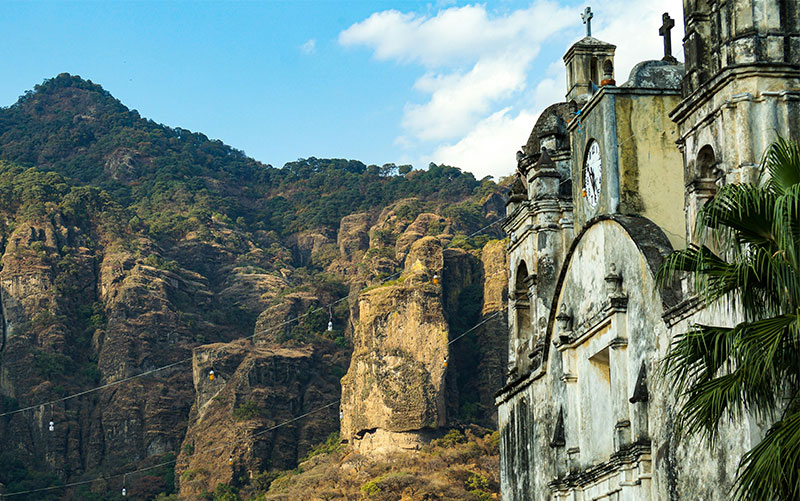
The Tepozteco mountains rising above the colonial village of Tepoztlán in Morelos, Mexico.
Mexico is incredibly geographically diverse. Beyond the famous beaches, it holds dense jungles, high-altitude deserts, towering waterfalls, and ancient ghost towns. Getting out of the resort zones allows you to experience the real culture and scale of the country. Plus, your travel budget stretches significantly further when you leave the coastal tourist corridors.
These destinations are scattered across several Mexican states, from the jungles of San Luis Potosí to the quiet beaches of Baja California Sur.
Here is the cheat sheet to the best off-the-radar destinations in Mexico. Use this to find the vibe that matches your travel style.
| Destination | State | The Vibe | Best For |
|---|---|---|---|
| Bacalar | Quintana Roo | Lagoon of Seven Colors, eco-chic | Replacing Tulum |
| Huasteca Potosina | San Luis Potosí | Lush jungle, turquoise rivers | Nature lovers |
| Grutas de Tolantongo | Hidalgo | Cliffside hot springs | Unique photos |
| Cabo Pulmo | Baja California Sur | Protected marine park | Scuba diving |
| Hierve el Agua | Oaxaca | Petrified waterfalls | Epic views |
| Real de Catorce | San Luis Potosí | High desert ghost town | History & spirituality |
| Isla Holbox | Quintana Roo | No cars, sandy streets | Barefoot beach days |
| Tepoztlán | Morelos | Mountain village, Aztec ruins | Holistic wellness |
| Campeche City | Campeche | Walled colonial city | Architecture & history |
| Lagunas de Chacahua | Oaxaca | Remote mangroves | Off-grid isolation |
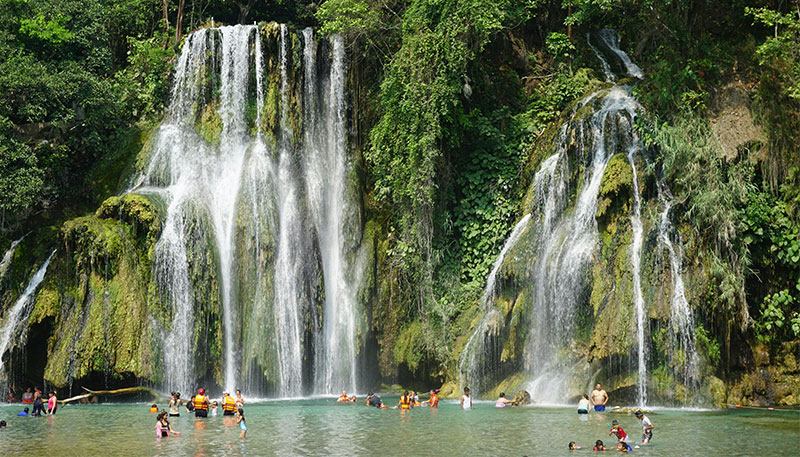
Travelers enjoying the turquoise waters of Cascada de Tamul in the Huasteca Potosina region.
Huasteca Potosina is a massive, lush region spanning several areas of central Mexico that feels like a different planet. It is a paradise for nature lovers. You will find towering waterfalls like Tamul, winding turquoise rivers, and surrealist gardens like Las Pozas in Xilitla. You absolutely need a rental car to navigate between the different waterfall sites.
Located deep in a box canyon, this resort is famous for its cascading turquoise hot spring pools built into the side of a cliff. The site also features a massive cave and a warm river you can swim in. It is incredibly visually striking. It gets very busy with local tourists on weekends, so plan your visit for a Tuesday or Wednesday.
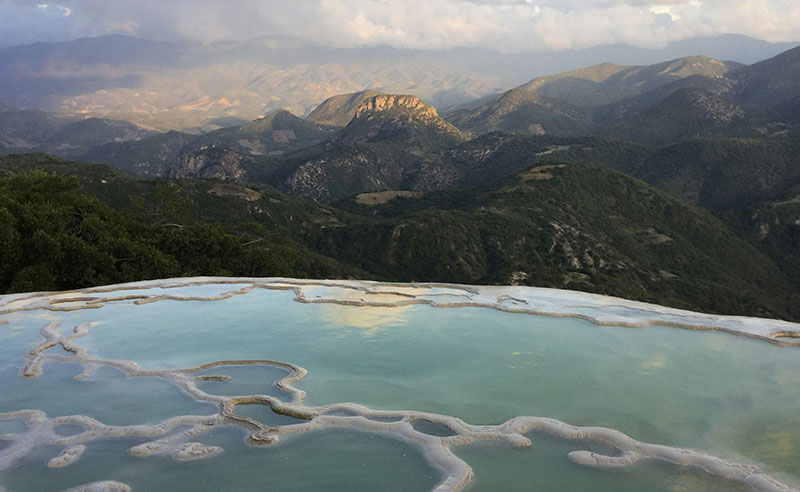
The natural mineral pools of Hierve el Agua with panoramic views over the Oaxacan highlands.
A set of natural, petrified waterfalls located in the mountains near Oaxaca City. The mineral-rich water has calcified over thousands of years to look like a frozen waterfall cascading over the cliff. You can swim in the natural infinity pools right at the edge. It is an easy and essential day trip if you are staying in Oaxaca.
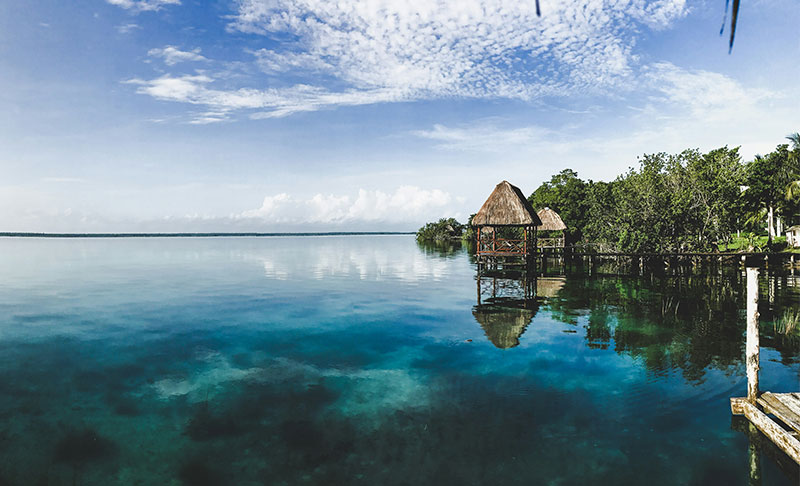
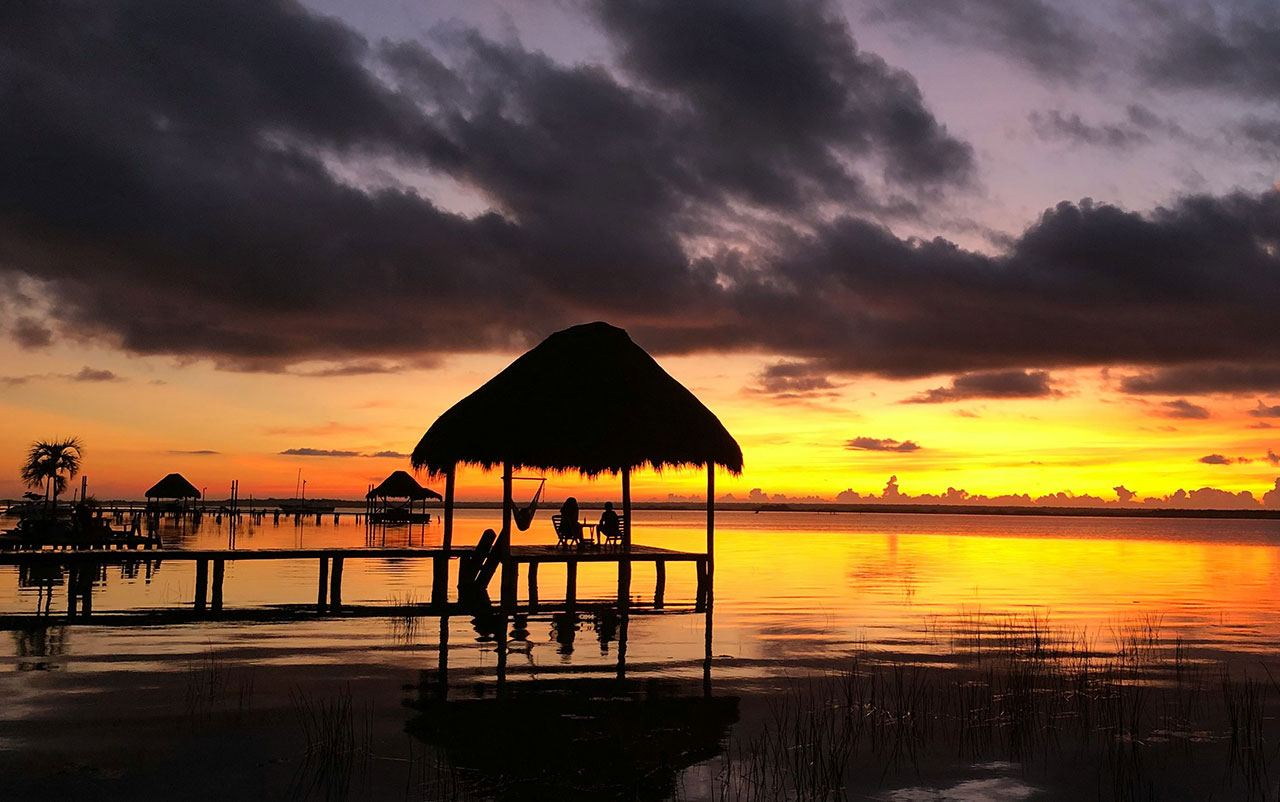
Overwater huts reflecting in the turquoise waters of Bacalar Lagoon, known as the Lagoon of Seven Colors.
Located near the Belize border, Bacalar is famous for the Lagoon of Seven Colors. It offers a quiet, eco-focused alternative to the busy Riviera Maya. The water is stunningly clear, fresh, and shallow. You can explore Cenote Azul and take sailboats across the lagoon.
Just a couple of hours up the East Cape from the luxury resorts of Cabo San Lucas, Cabo Pulmo feels completely wild. It is a protected national park featuring the only living coral reef on the west coast of North America. It is a legendary spot for scuba diving and snorkeling.
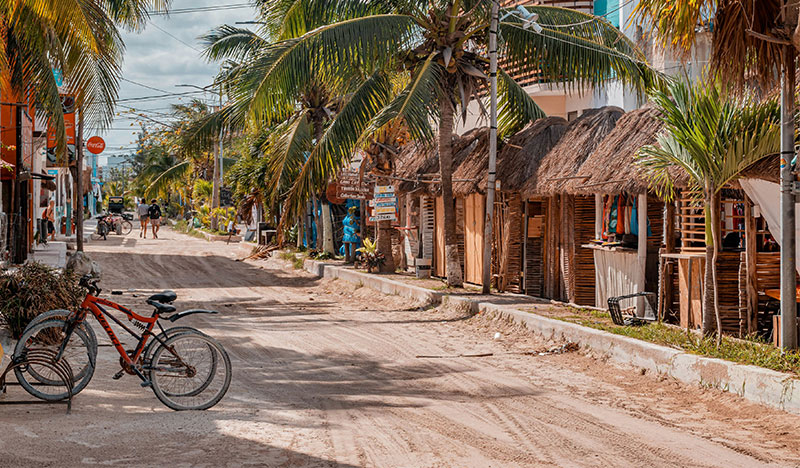
Sandy streets and bicycles define the relaxed island atmosphere of Isla Holbox in Quintana Roo.
A quiet island north of the Yucatán Peninsula where there are no cars and the streets are made of sand. It is perfect for a relaxing, laid-back vibe. It is famous for bioluminescence at night and seasonal whale shark tours during the summer months.
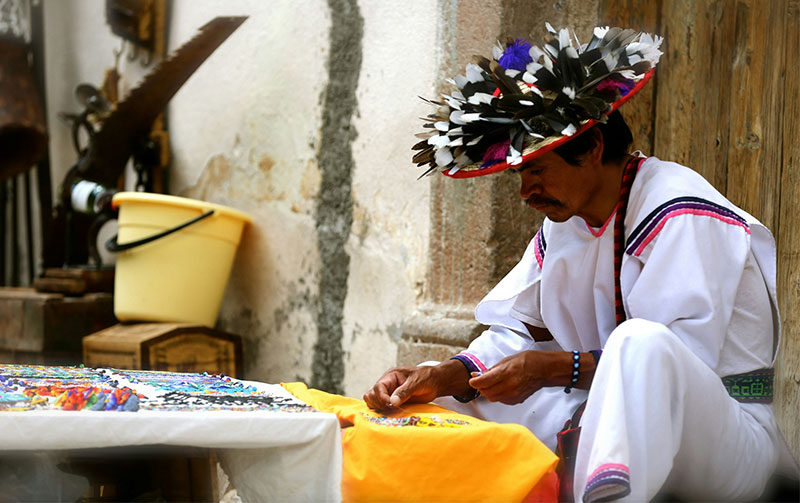
A Huichol artisan creating traditional beadwork in the historic mountain town of Real de Catorce.
An old silver mining ghost town located high in the desert mountains. It is incredibly unique because it is accessible only by driving through a long one-way tunnel carved into the rock. It offers a rustic, historic experience and has a deeply spiritual energy.
A charming, spiritual town nestled in the mountains just south of Mexico City. It is known for its vibrant weekend market, the steep hike up to the Tepozteco pyramid, and a strong bohemian, holistic vibe.
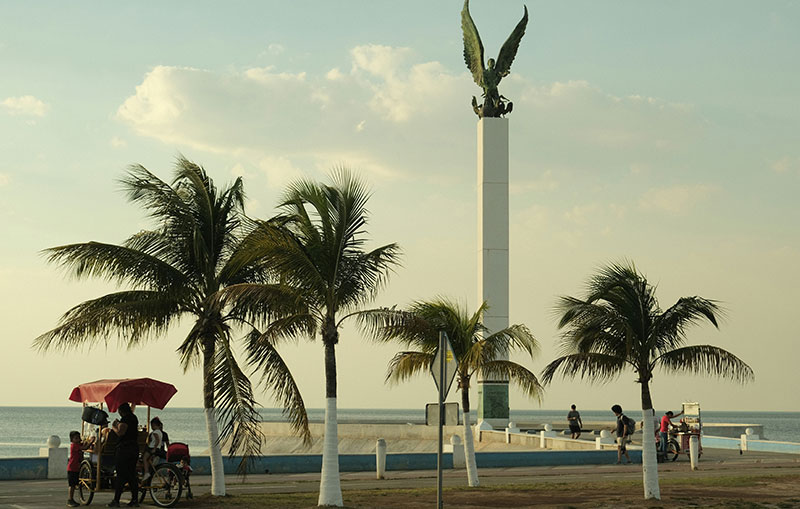
El Ángel Maya overlooking the boardwalk in the colorful colonial city of Campeche.
A fortified, colorful colonial city situated right on the Gulf of Mexico. It is often bypassed by travelers heading to nearby Mérida. Campeche is incredibly clean, safe, and known for its well-preserved pirate walls.
I have rented cars and driven across several Mexican states. It is completely doable and often the best way to travel, but you have to know the rules of the road.
| Season | Weather Vibe | Reality Check |
|---|---|---|
| Nov – Mar | Dry, cooler nights | The best overall time to go. |
| Apr – May | Very hot and dry | Great for beaches, but inland areas can feel sweltering. |
| Jun – Oct | Rainy, lush green | Rivers in Huasteca can run brown after heavy rain. |
Mexico rewards curious travelers. If you are willing to rent a car, leave the resort zones, and explore the mountains, jungles, and remote coasts, you will discover a completely different side of the country.
Explore Mexico’s hidden gems your way. Buen viaje.
For locations like Huasteca Potosina, Grutas de Tolantongo, and Cabo Pulmo, a rental car is highly recommended or essential. For places like Bacalar or Campeche, you can often use ADO buses and local transport.
Assume you cannot. While hotels may take cards, small restaurants, toll booths, and park entrance fees are often cash-only. Carry enough pesos before heading into remote areas.
Yes, if you follow the golden rules: drive only during the day, use the paid toll roads when possible, and watch closely for topes and changing road conditions.
Bacalar and Isla Holbox are fantastic for families. Rugged mountain areas like Tolantongo can involve more walking, stairs, and transit time, which may be tougher with younger kids.
Bacalar is better for travelers who want a quieter, more nature-focused experience with fewer crowds. Tulum has more dining, nightlife, and beach club energy, while Bacalar feels slower, simpler, and more relaxed.