Travel Planning Hub
Start here to plan your trip, compare options, and explore every TLGA planning guide.

Packing & Gear Guide
What to pack, what to skip, and how to build a lighter travel setup that works.

Last updated: February 2026 by Corey Gasman
Editor’s Note: Oaxaca is arguably the culinary heart of Mexico. It is a city of smoke, mezcal, complex moles, and vibrant indigenous culture. But it can also be overwhelming if you do not know how to pace yourself.
The secret to Oaxaca is treating it like a slow immersion. If you plan your trip around one market loop per morning, one major cultural site, and long mezcal-fueled dinners, it becomes magic. If you try to rush through it like a checklist, you will miss the soul of the city.
Oaxaca is not Cancun. It is not Cabo. It is not Mexico City. It is slower, deeper, and more rooted in indigenous tradition. The food culture here is not a trend. It is heritage.
Come to Oaxaca for flavors that take days to build, mezcal that takes years to mature, and villages where craft traditions are still passed down through families. If Mexico City is fast and cosmopolitan, Oaxaca is ancestral and intentional.
Oaxaca City (Oaxaca de Juárez) is highly walkable and safe, but the cobblestone streets and altitude (around 5,000 feet) mean you need to plan your days smartly. Build your trip around these two rules: stay in a neighborhood that matches your noise tolerance, and get out of the city for at least two day trips.
TLGA Rule: Do not just stay in the city. The true magic of Oaxaca lies in the surrounding valleys, artisan villages, and agave fields.
Start here: Mexico Customs and Immigration
Is Oaxaca still authentic, or has it gone fully mainstream? Here’s the honest, on-the-ground take before you go.
Read the Reality Check →
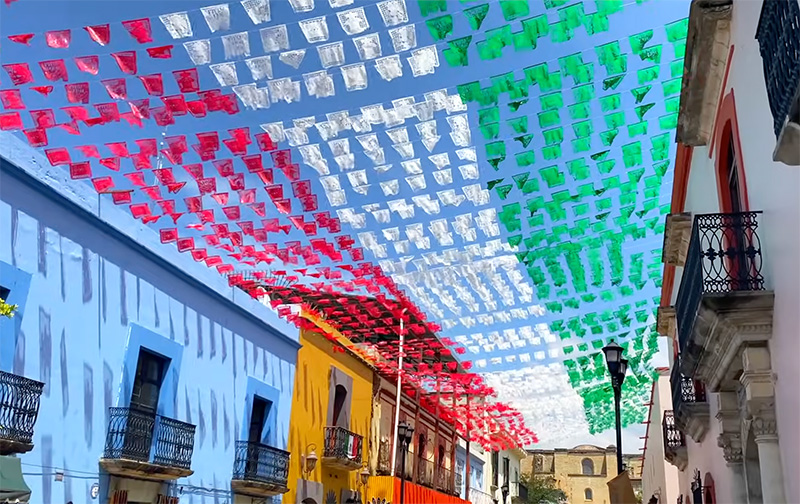
The colorful streets of Jalatlaco are perfect for a quiet morning coffee before the city wakes up.
Oaxaca is a walking city. Where you stay dictates how much noise you deal with at night and how quickly you can get to your morning coffee.
| Neighborhood | Vibe | Best For | Avoid If… |
|---|---|---|---|
| Centro Histórico | Bustling, historic, iconic | First-timers, dining access | You are a light sleeper. Parades and fireworks happen often. |
| Jalatlaco | Colorful, artsy, quieter | Photographers, boutique hotels | You want to be right next to the Zócalo. |
| Xochimilco | Local, traditional, slow | Longer stays, calmer nights | You do not want a 15-minute walk to the center. |
| Reforma | Modern, residential, more spread out | Families, modern amenities | You want colonial charm outside your door. |
This is the fastest way to pick your base without overthinking it.
| Traveler Type | Best Neighborhood | Why It Works |
|---|---|---|
| First-timer | Centro (Near Santo Domingo) | Walkable to major restaurants, markets, and museums. Book an interior courtyard. |
| Culture and charm | Jalatlaco | Street art, cafes, and photogenic cobblestones. |
| Luxury comfort | Centro boutique hotels | Restored colonial mansions with standout service and rooftops. |
Oaxaca is great year-round, but your experience changes dramatically by season. Dry season is easiest. Festival season is unforgettable, but you need to book early.
| Season | Weather | What to Expect |
|---|---|---|
| October to April | Dry, sunny, warm days | Peak season and best conditions for day trips. |
| Late October to Nov 2 | Dry | Día de los Muertos, full hotels, major atmosphere. |
| July | Warmer with rain possible | Guelaguetza month, parades, dance, major crowds. |
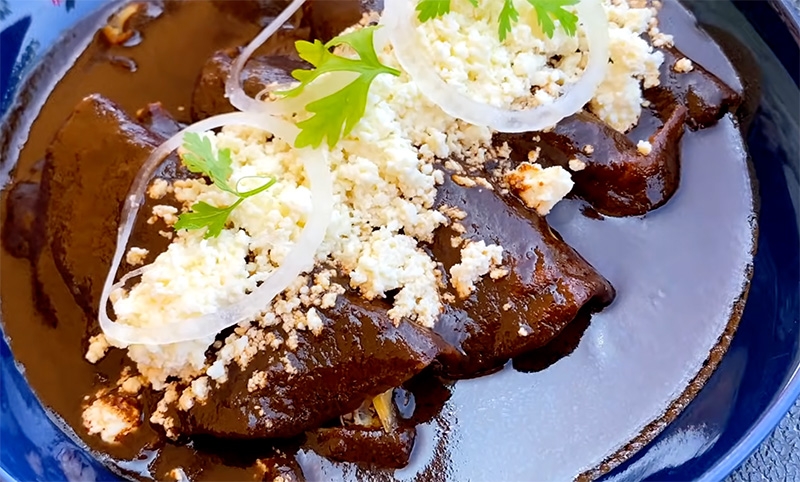
Mole negro is Oaxaca’s signature dish. Deep, complex, and built from layers of flavor that take days to prepare.
You do not diet in Oaxaca. This region is famous for the “Seven Moles” and legendary street food. You can eat extremely well here for a fraction of Mexico City prices.
| Time | Activity | Local Reality |
|---|---|---|
| 8:00 to 10:30 | Breakfast | Coffee, hot chocolate, pan dulce. Markets serve heavier breakfasts. |
| 10:30 to 14:00 | Sights and day trips | Best window for ruins or villages before heat and crowds. |
| 14:00 to 16:30 | Comida (lunch) | Largest meal of the day. This is when you go big on mole. |
| 18:00 to 20:00 | Mezcal hour | Tastings, small bites, and learning the agave story. |
| 21:00 to 23:00 | Cena (dinner) | Often lighter than lunch. Perfect time for a street tlayuda. |
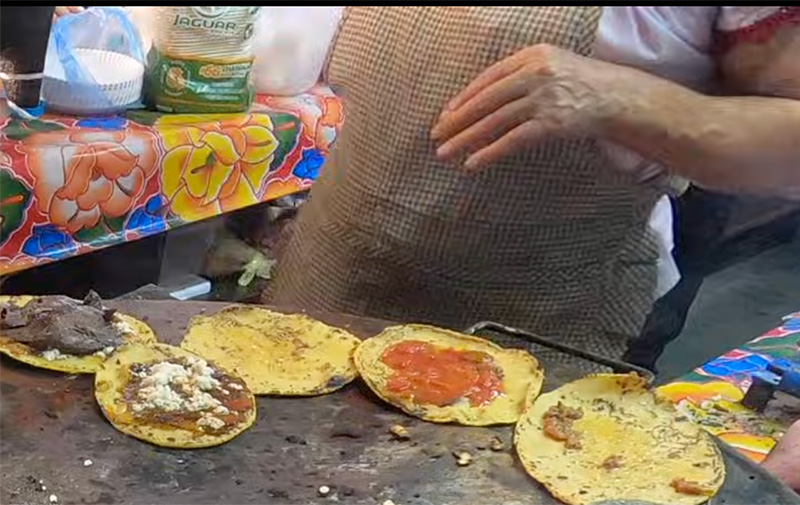
Market stalls are where Oaxaca’s food culture comes alive. Fresh tortillas, sizzling meats, and nonstop movement.
Oaxaca’s markets are not just places to eat. They are the foundation of the region’s entire food culture.
Often described as the epicenter of Mexico’s culinary world, Oaxaca’s reputation comes from a mix of deep indigenous traditions, unmatched ingredient diversity, and cooking methods that have barely changed in generations. This is where the cuisine actually begins.
The surrounding valleys produce ingredients you simply do not find elsewhere, and the markets are where it all comes together. What you eat in restaurants across Oaxaca almost always starts here.
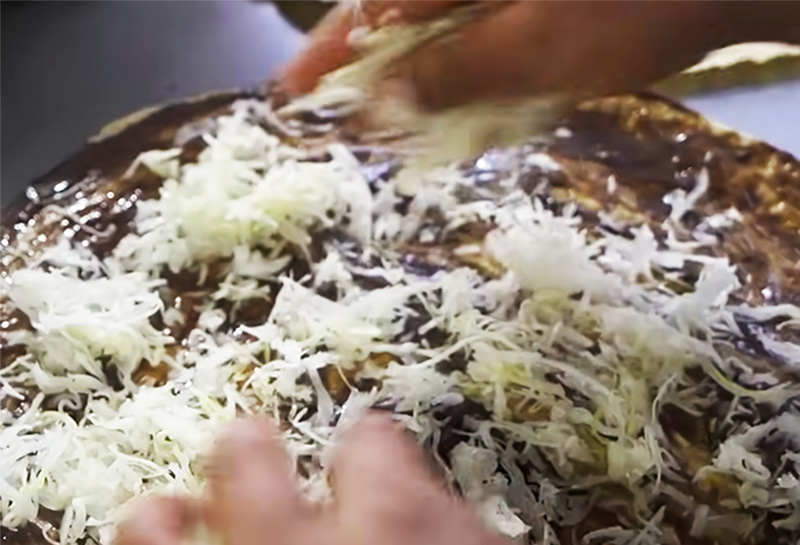
The Tlayuda is often called Oaxacan pizza, but it is in a league of its own. It is a massive, toasted tortilla layered with savory aciento, beans, and melted quesillo.
Cooking on a comal is a high-heat, interactive process. You will often see women hand-pressing fresh masa tortillas and placing them directly onto a large clay comal that has been treated with cal (limestone) to create a natural non-stick surface.
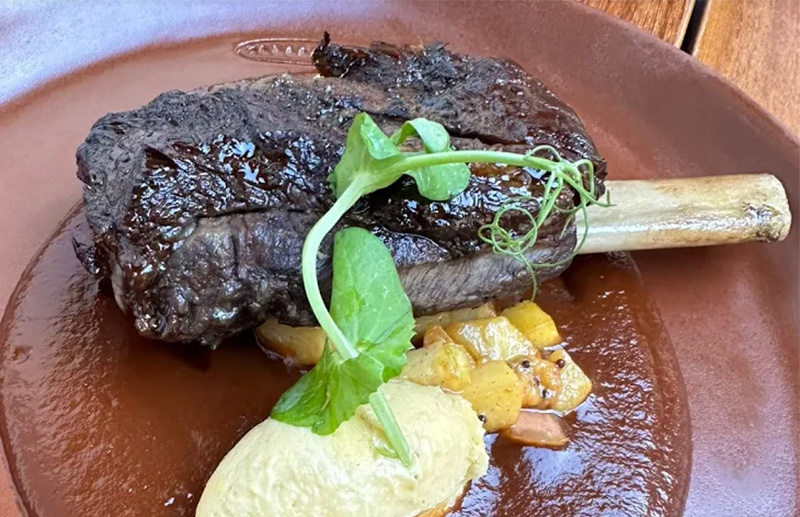
The signature beef rib at Casa Oaxaca is a masterclass in slow-cooked texture and deep, traditional flavor.
If you want a mix of iconic, traditional, and elevated meals, this short list hits hard without turning your trip into a reservation marathon.
Read: Mexico City Travel Guide
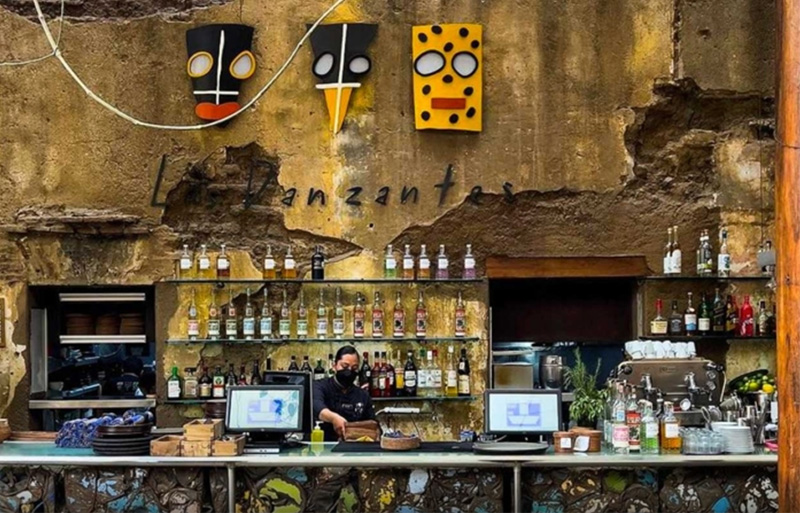
Mezcal tasting in Oaxaca is not about shots. It is about slowing down, learning the agave, and understanding the craft behind each pour.
Mezcal is not just a drink in Oaxaca. It is part of the region’s identity, tied to land, family, and generations of tradition. If you treat it like tequila shots, you are missing the entire point.
The goal is not to drink more. It is to understand what you are drinking.
Look for smaller, focused bars over big nightlife spots in Centro. You want staff who can explain what you are drinking. Many top restaurants also offer curated mezcal pairings with Oaxacan dishes.
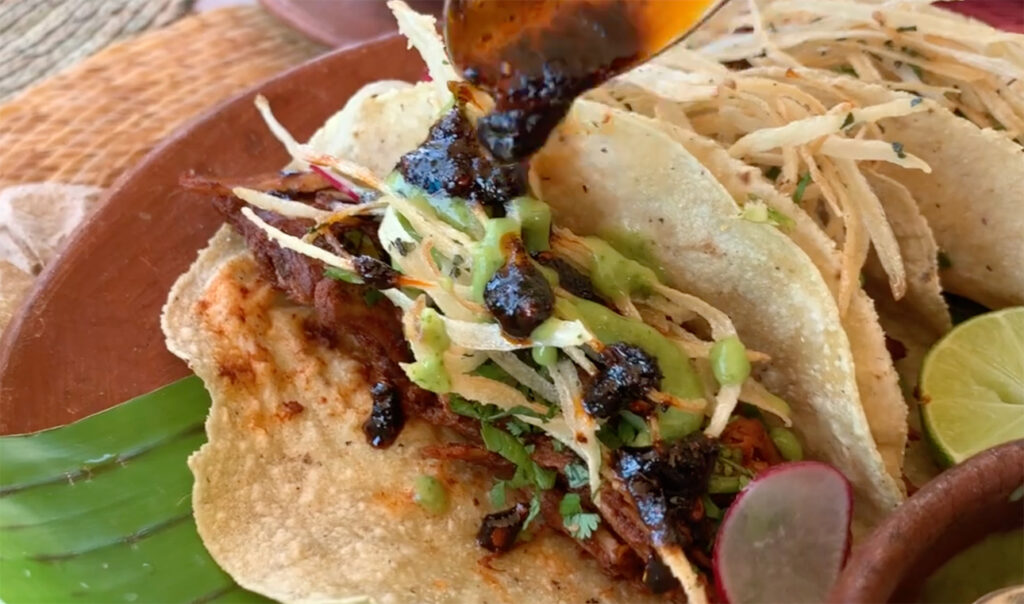
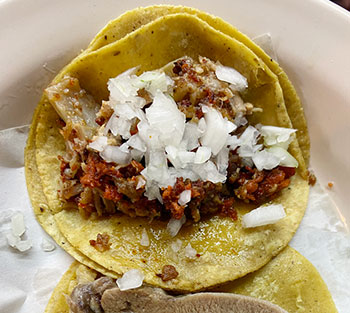
Whatever you do, don’t forget to leave time for those essential taco lunch stops! Street tacos in Oaxaca are simple, bold, and packed with flavor, just follow the smoke and you’ll find the best ones.
This is the pacing that makes Oaxaca click. You will eat well, see the big cultural hits, and still have breathing room.
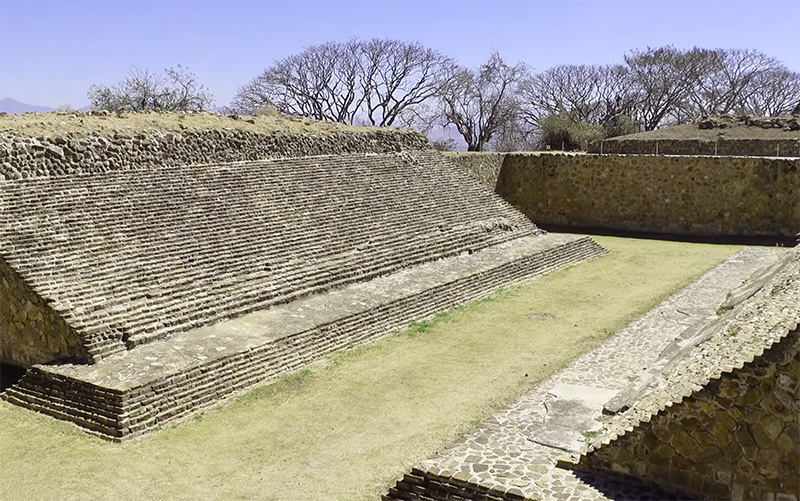
Monte Albán, the ancient Zapotec capital, offers a stunning look at some of the most significant archaeological ruins in the Oaxaca Valley.
The city is amazing, but the surrounding Central Valleys hold the real magic. You can book tours, hire a private taxi for the day, or rent a car.
One of the most impressive Zapotec archaeological sites in Mexico, sitting on a flattened mountaintop overlooking the valley. It is close to the city, which makes it the easiest win.
A set of natural, petrified waterfalls high in the mountains. Mineral-rich water has calcified over thousands of years, and you can swim in cliffside pools with insane views.
Mitla is known for intricate geometric stone mosaics: thousands of individually cut stones fitted together without mortar. Teotitlán del Valle is a world-famous weaving village where you can see natural dyes like indigo and cochineal in action.
If you want to understand mezcal, you need to visit a palenque where agave is roasted, crushed, fermented, and distilled. It is a full sensory experience.
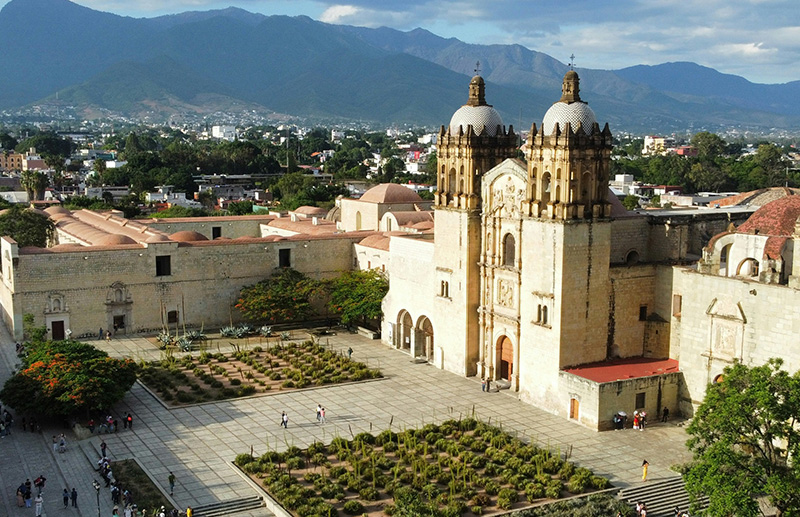
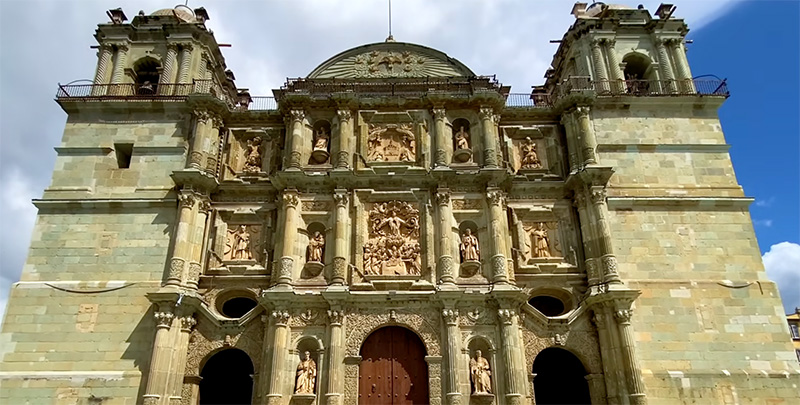
The Oaxaca Cathedral, built with the region’s iconic green cantera stone, stands as a centerpiece of the city’s colonial architecture and history.
Oaxaca City is incredibly walkable. You will spend most of your time on foot if you stay in the central neighborhoods. Wear comfortable shoes as the sidewalks are uneven and cobblestones are unforgiving.
For taxis, yellow city cabs are everywhere: always agree on a price before getting in. DiDi is currently the most reliable rideshare option in Oaxaca since Uber’s presence is limited.
To access day trips, colectivos (shared taxis) are cheap but require waiting. Hiring a private driver through your hotel is the best investment for a stress-free day in the valleys.
Oaxaca is experiencing a massive tourism boom. Be a good guest by asking before taking photos of market vendors. Buy textiles and clay directly from artisans in the villages rather than middlemen. Lastly, respect blockades: protests are a normal part of local life. If a street is blocked, pivot your plan and move on.
Oaxaca offers incredible value. Spend your money on private drivers for day trips, artisan crafts directly from the makers, and high-end mezcal tastings. Save money on food by mixing nice courtyard meals with street tlayudas and market lunches. Remember: cash is absolutely essential here.
City guides, food deep dives, and practical planning for Mexico trips.
You need a minimum of 4 to 5 days. This gives you time for markets and museums, plus at least two day trips into the valleys for ruins and mezcal.
October through April is the easiest window with dry weather and sunny days. Late October through early November is peak for Día de los Muertos. July is Guelaguetza season and hotels book up fast.
Yes. Oaxaca is widely considered one of the safest cities in Mexico for tourists. Use normal precautions, avoid quiet streets late at night outside the center, and watch your step on uneven sidewalks.
No. Only drink bottled or filtered water. Use bottled water for brushing your teeth if you are sensitive.
Hotel staff often speak English, but basic Spanish goes a long way in markets, taxis, and artisan villages. Even a few phrases will change your experience.