Travel Planning Hub
Start here to plan your trip, compare options, and explore every TLGA planning guide.
Packing & Gear Guide
What to pack, what to skip, and how to build a lighter travel setup that works.

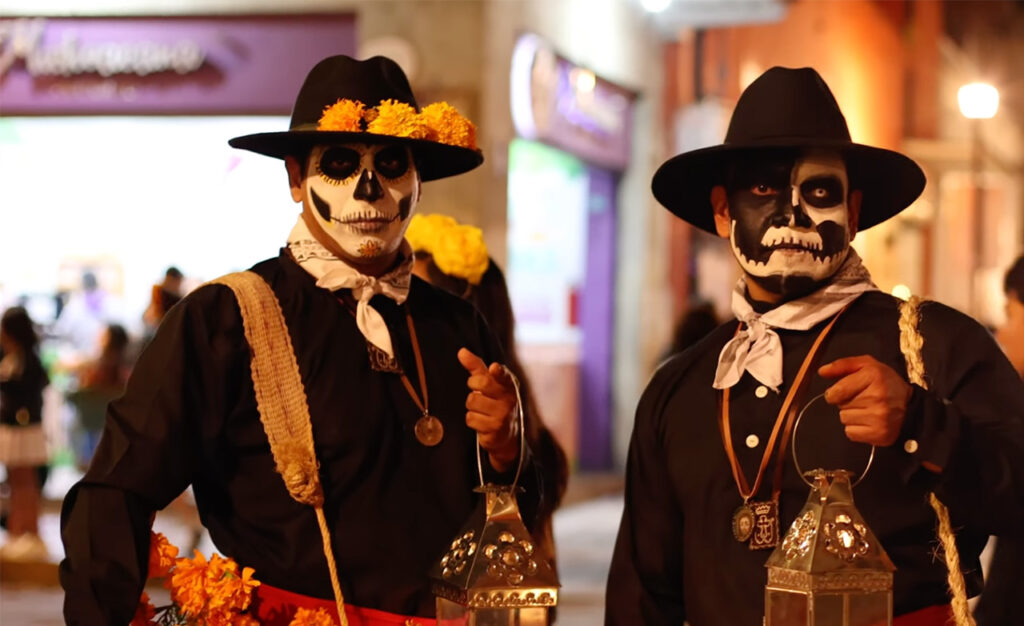
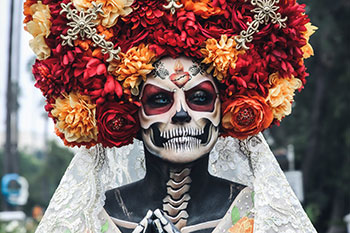
Street performers in Centro Histórico often dress in elaborate Catrina-style attire, offering a polished version of Mexican tradition for tourist photos.
In 2026, it is one of the most talked-about food cities in the world. Tourism has surged, international attention is high, and the word is fully out.
But here is the important distinction: Oaxaca has not turned into Cancun.
You will not find mega-resorts, party boats, or watered-down culture. The tourism here is still driven by food, mezcal, and tradition. What has changed is the scale and the visibility.
The biggest shift is not the culture. It is the pressure around it.
The Centro Histórico, along with neighborhoods like Jalatlaco, now operates as a global travel hub. You will see boutique hotels, design-forward cafes, and a steady presence of digital nomads alongside long-standing local businesses.
The contrast is real. Step just a few blocks outside the core, and the polished version of Oaxaca fades into a much more local, working city.
This is where most travelers get it wrong. They think Centro is Oaxaca. It is not. It is just the easiest version of it.
Oaxaca’s food culture is still one of the best in the world, but it now exists on two parallel tracks.
On one side, you have globally recognized restaurants, tasting menus, and reservation-heavy dining rooms that cater to international travelers.
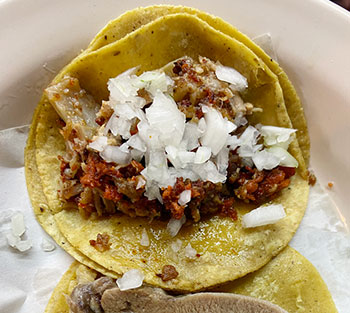
On the other side, nothing has changed. Markets are still chaotic, smoky, and alive. Corn is still ground by hand. Mole still takes days. Tlayudas are still eaten late at night on plastic chairs.
The authenticity is still there. You just have to choose it.
The strategy is simple. Use the city as your base, but do not treat it as the whole experience.
Oaxaca’s visual appeal is undeniable, but in 2026, it is important to distinguish between living culture and performance. The presence of costumed performers in the Centro Histórico is a clear sign of the city’s evolution into a global tourism heavyweight.
While these displays add to the vibrant atmosphere, they are often curated specifically for social media and international visitors. To find the authentic soul of the region, you have to look past the staged moments and observe the daily rhythms that have existed for centuries.
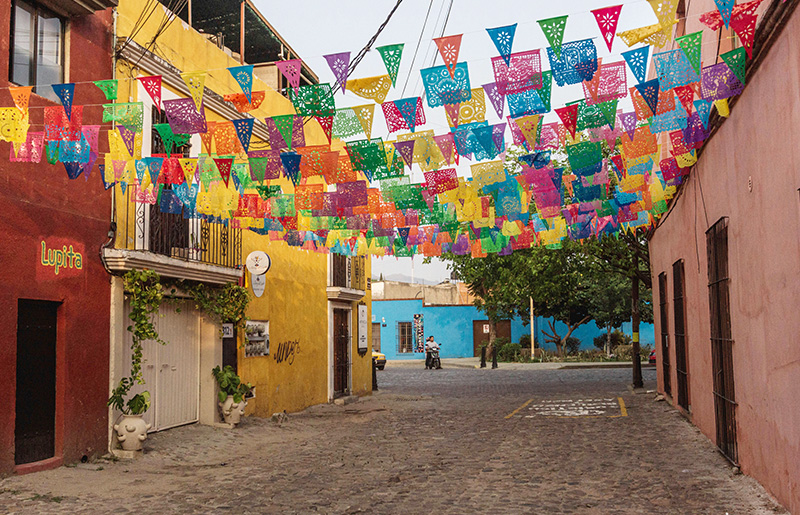
The colorful flags strung across Jalatlaco’s streets are a hallmark of the “Pueblo Mágico” aesthetic, often maintained to preserve the picturesque charm travelers expect.
If you feel like every photo you see of “authentic” Mexico features a canopy of colorful flags, you aren’t imagining it. In 2026, these displays known as papel picado have become the universal visual shorthand for a Mexican tourism destination.
While the craft itself is a deeply rooted tradition used for holidays and weddings, its permanent installation in neighborhoods like Jalatlaco or the Centro Histórico is often a deliberate choice to enhance Instagrammability and signify to travelers that they have arrived in a designated cultural zone.
Beyond the aesthetics, the surge in global popularity has brought real strain to the city. Oaxaca faces ongoing water scarcity issues, and the rise of short-term rentals has pushed many locals out of the central neighborhoods.
A true reality check means acknowledging your footprint. Stay in locally owned boutique hotels or guesthouses rather than unhosted apartments, be extremely mindful of your water usage, and tip generously. Loving Oaxaca means respecting the fragile infrastructure that sustains it.
Oaxaca is not ruined. It has evolved.
If you come expecting a quiet, undiscovered town, you will be frustrated. If you come understanding that it is a complex, growing cultural capital, you will have one of the best food and travel experiences anywhere in the world.
The move in 2026 is simple: sleep and eat well in the city, but spend your days in the markets, the villages, and the valleys.
That is where Oaxaca still feels real.