Travel Planning Hub
Start here to plan your trip, compare options, and explore every TLGA planning guide.
Packing & Gear Guide
What to pack, what to skip, and how to build a lighter travel setup that works.
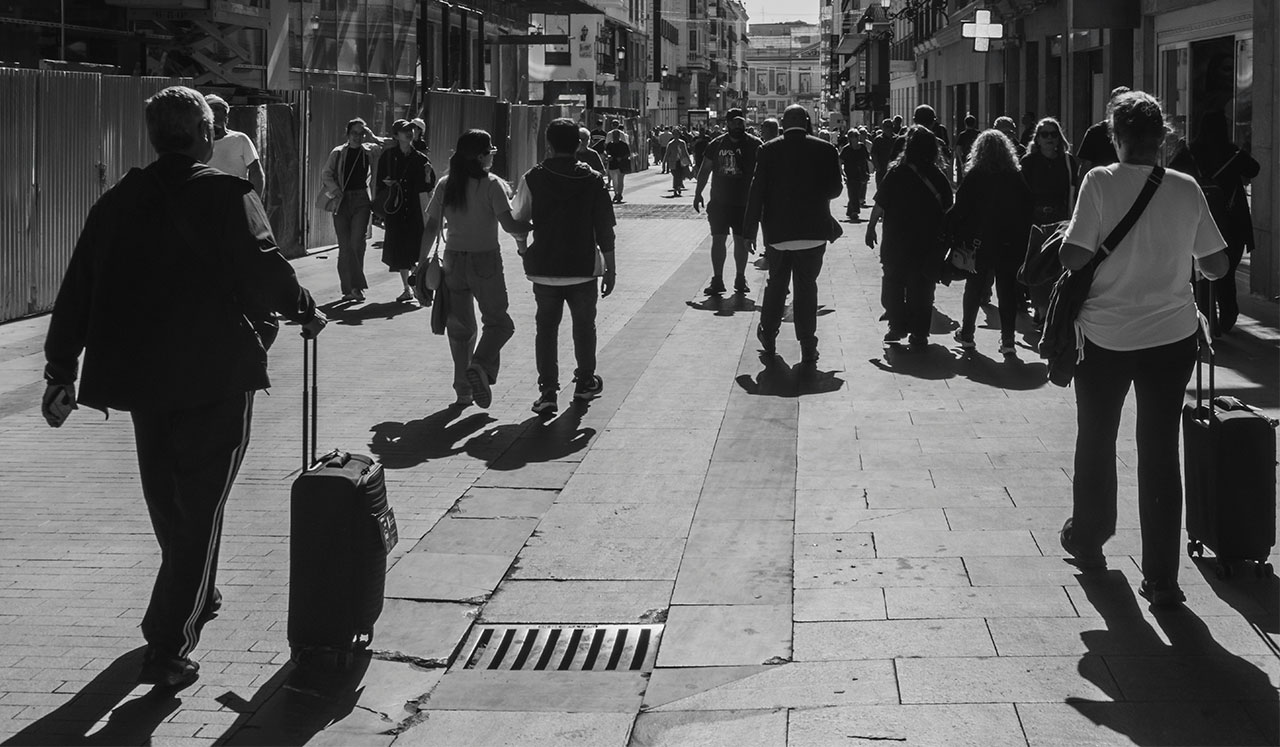

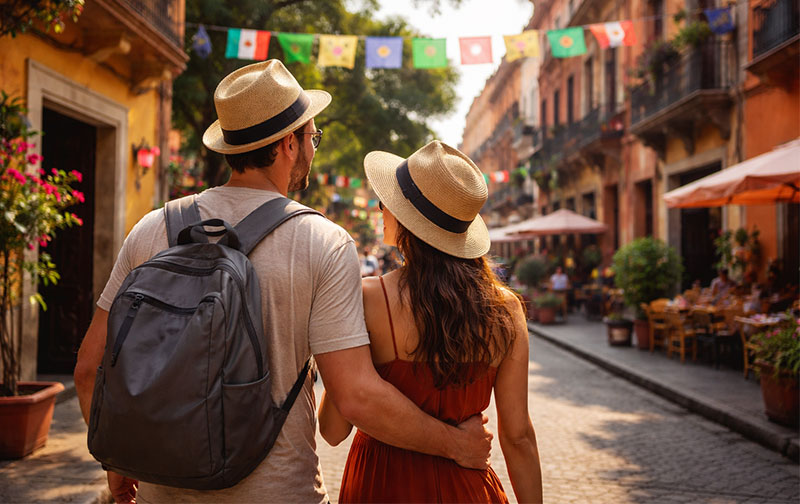
Walking around Puerto Vallarta or Mazatlán in the main tourist corridors often feels much more relaxed and normal than outsiders expect.
Last updated: April 2026 by Corey Gasman
From the Editor:
If you watch the evening news, you might think stepping off a plane in Mexico is a guaranteed disaster. The reality on the ground in the places most travelers actually visit is completely different. This is a calm, practical guide for normal travelers who want to enjoy Mexico and stay smart without overthinking it.
Start here: Mexico Travel Hub
TLGA Rule: Safety is rarely about the country. It is about the plan.
If you judge a destination only by its worst national headlines, you miss the vibrant, day-to-day reality happening in the streets.
If you have ever told someone you are going to Mexico and watched their face change, you are not alone. The first question is almost always the same: “Is it safe?”
Cable news thrives on fear. If you watched only the nightly coverage, you would think the entire country is a war zone. But think about your own city back home. Local news leads with murders, gangs, and major city problems every single night. If you judged your own destination only by those headlines, you would probably never leave the house.
I have traveled to Mexico over a dozen times across two decades. I spent a full month walking around Mazatlán this past winter, gone out to dinner at night, taken taxis, stayed in tourist zones, walked the Malecón in Puerto Vallarta, relaxed in resort areas, eaten in local restaurants, and moved around cities like a regular traveler. I have consistently felt safe.
That does not mean nothing ever happens. It means Mexico is a massive country with wildly different realities depending on the state, the city, the neighborhood, and how you move through it. Millions of travelers have a safe, normal trip to places like the Riviera Maya, Cabo, Mazatlán, Puerto Vallarta, Mexico City, and Oaxaca every single week. The point is not to be careless. The point is to stop treating Mexico like one blanket story.
Safety in Mexico requires you to look at the specific neighborhood, then the exact time of day.
Yes, it can be safe to travel to Mexico, especially if you stick to established tourist areas, good neighborhoods, and smart routines.
Most travel fear is fueled by headlines. Most travel safety is built with systems. If you stay in the right zones, avoid obviously bad decisions, and move with basic awareness, Mexico is still one of the most rewarding trips you can take.
People ask, “Is Mexico safe?” like it is one thing. It is not. The better question is whether your neighborhood, your plan, and your timing are smart. Look at the state, then the neighborhood, then the time of day. That is how real safety works in Mexico.
Major resort corridors are built around the tourist experience, offering a secure environment for families and solo travelers alike.
I am not writing this as a warning label. I am writing it based on repeated real travel. These are places where I have personally walked around, gone out at night, eaten in restaurants, and lived normally:
In Mazatlán, I was walking to coffee shops in the morning, heading out to dinner at night, and living a very normal routine. In Puerto Vallarta, the Malecón is full of families, couples, vendors, and tourists every evening. In major resort corridors, people are doing exactly what you think they are doing on vacation: going to the beach, taking cabs, drinking margaritas, eating seafood, and calling it a night.
The point is not that all of Mexico is automatically safe. The point is that the places most travelers actually go are not the same thing as the most troubled areas in national headlines.
Tourism is highly protected in Mexico. The localized issues you read about rarely spill into established vacation corridors.
It is impossible to talk about Mexico safety without addressing cartel headlines. They are real, and pretending otherwise is not helpful.
But here is the distinction that matters for travelers: cartel violence is overwhelmingly targeted at rival groups, government forces, or specific local disputes. It is typically not random violence aimed at tourists. Tourism is too economically important. Drawing international heat by targeting visitors is bad for business.
If there is cartel-related unrest in one part of a state, that does not automatically mean your resort corridor, beach town, or restaurant neighborhood is suddenly unsafe. You need to know what happened, where it happened, and whether it affects your specific destination.
Always check official advisories before you book to remove the guesswork from your trip planning.
Before any Mexico trip, I check official advisories. Not because I expect problems, but because it takes ten minutes and removes guesswork.
Mexico is evaluated state by state, not as one single country rating. That matters. It is the difference between informed travel and lazy travel planning. I am not obsessive about this. I just want to know if there is a flare-up, a transportation issue, or an advisory change that actually affects where I am going.
Skip the standalone street ATMs. Pulling cash from inside an established bank or hotel is one of the easiest ways to prevent a headache.
Most travelers in Mexico are not dealing with cartel violence. The real risks are much more boring and much more predictable:
The pattern is almost always the same: tired, distracted, a little buzzed, unfamiliar area, no ride plan, phone battery low, and now a totally avoidable situation feels complicated. For tourists, the most common Mexico problem is not a dramatic crime story. It is usually a stupid travel moment that could have been prevented with a calmer setup.
My travel system is designed to be boring. Keeping your passport locked up and carrying only what you need reduces your vulnerability.
I do not think I have avoided problems in Mexico because I am lucky. I think I have avoided problems because I am consistent. My system is boring on purpose, and that is why it works.
Once I arrive, my passport, backup credit cards, and extra cash stay secured at the hotel or Airbnb. I go out with one main card, a manageable amount of cash, my phone, and a secondary ID. If something ever went sideways, I want it to be annoying, not trip-ending.
My valuables are always in a zip pocket or somewhere I can physically feel them. I am not walking around with loose items in open pockets. The less available your stuff is to casual theft, the less you have to think about it.
No flashy watches, no jewelry, no expensive-looking nonsense that adds attention. The goal is not paranoia. The goal is to be forgettable. I look like a normal traveler, not a signal.
If someone approaches me and I did not initiate it, I keep it simple: “No gracias.” Then I keep moving. You do not need to debate, explain, smile too much, or win the interaction. You just need to exit it.
Nothing good happens when you decide to improvise late at night in an unfamiliar area. If it is late, I am not experimenting. I call the ride. Every preventable problem I have seen while traveling starts when somebody pushes it too far because they feel relaxed.
When traveling solo, choose central neighborhoods where foot traffic and easy transportation keep you connected.
Mexico can be a great solo destination. The key is reducing isolation and avoiding stacked risk. A lot of solo travel safety is not about being scared. It is about making sure you do not create unnecessary vulnerability for yourself.
That usually means staying in central, walkable neighborhoods, keeping your phone charged, planning how you are getting home before you go out, and not letting a cheap but far hotel deal put you in the wrong place at the wrong time.
Established restaurants in busy tourist zones rely on purified water systems to protect their reputation and their guests.
This is one of the biggest Mexico questions, so here is the real answer based on experience instead of rumor.
In tourist areas and established restaurants, I drink the water they serve, including ice. Resorts and busy restaurants are not in the business of getting guests sick. They use purified water systems because they have to. I have done this consistently in places like Puerto Vallarta, Mazatlán, Cabo, and Cancún without issues.
Where I change my behavior is in more rural areas, smaller towns, or places where I am less confident about the setup. That is when I switch to bottled water or bring my own filtration plan.
Navigating nightlife zones requires a clear boundary. If you are offered something illegal, walk away.
In places like Playa del Carmen, Puerto Vallarta, or some nightlife-heavy beach zones, you may get approached and quietly asked if you want drugs. It happens.
My take is simple: do not do it. Even if it looks casual, even if other tourists are laughing it off, even if it feels low-risk in the moment, it is not worth the uncertainty.
You do not want to deal with police, extortion, scams, hospital problems, or jail while on vacation in a foreign country. You are voluntarily stepping out of the safe tourist lane and into the exact kind of chaos you were trying to avoid in the first place.
Perspective is not denial. Context is what helps you make good travel decisions instead of fear-based ones.
Headlines compress a huge country into one story. Mexico is not one situation. It is dozens of regions with different realities. A violent incident in one part of one state does not automatically mean your beach town, resort area, or Mexico City neighborhood is suddenly unsafe.
When news breaks, ask three things: Where exactly did it happen? Who was involved? Does it affect my specific destination and neighborhood?
Most of the time, the answer is that the incident was targeted, localized, and unrelated to where tourists actually are. That does not mean you ignore it. It means you do not let a national headline override local reality.
In many established tourism regions and good city neighborhoods, yes. The key is being specific about your destination, checking current advisories, and avoiding stacked-risk situations late at night.
Most of the time, no. I keep my passport secured at my lodging and carry only what I need for the day. If you need it for a specific reason, bring it only for that window and keep it controlled.
I do not drink from random taps. In major tourist zones, established resorts and reputable restaurants generally use purified systems and serve safe ice and water. In rural areas or uncertain setups, switch to bottled or filtered water.
Stacking bad decisions. Late night, alcohol, unfamiliar area, low battery, no transportation plan, and too much confidence is a classic recipe for preventable problems.
Often yes, especially in well-trafficked tourist zones. I have done it many times. The rule is simple: stay in the good areas, keep your awareness up, and do not improvise your way home through unfamiliar streets after midnight.
Mexico rewards smart travelers. Pick good neighborhoods. Move with intention. Separate your valuables. Know your route home. Trust your instincts. Confident travel is not fearless. It is prepared.