Travel Planning Hub
Start here to plan your trip, compare options, and explore every TLGA planning guide.
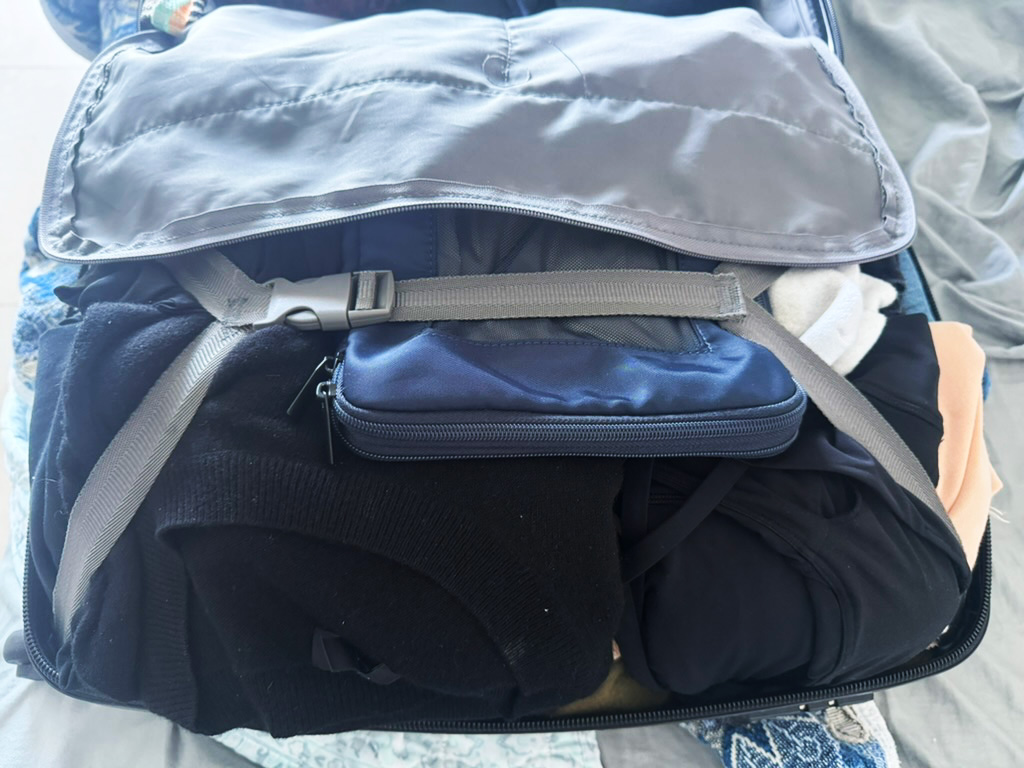
Packing & Gear Guide
What to pack, what to skip, and how to build a lighter travel setup that works.
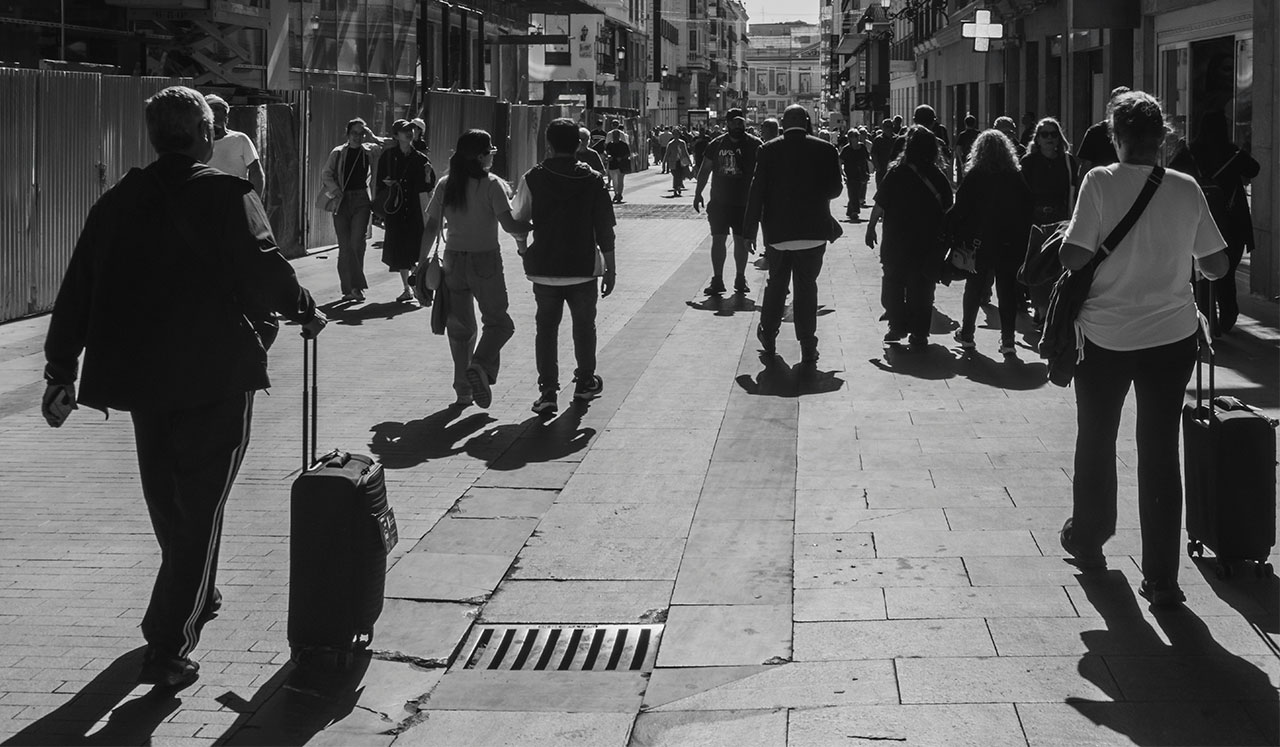

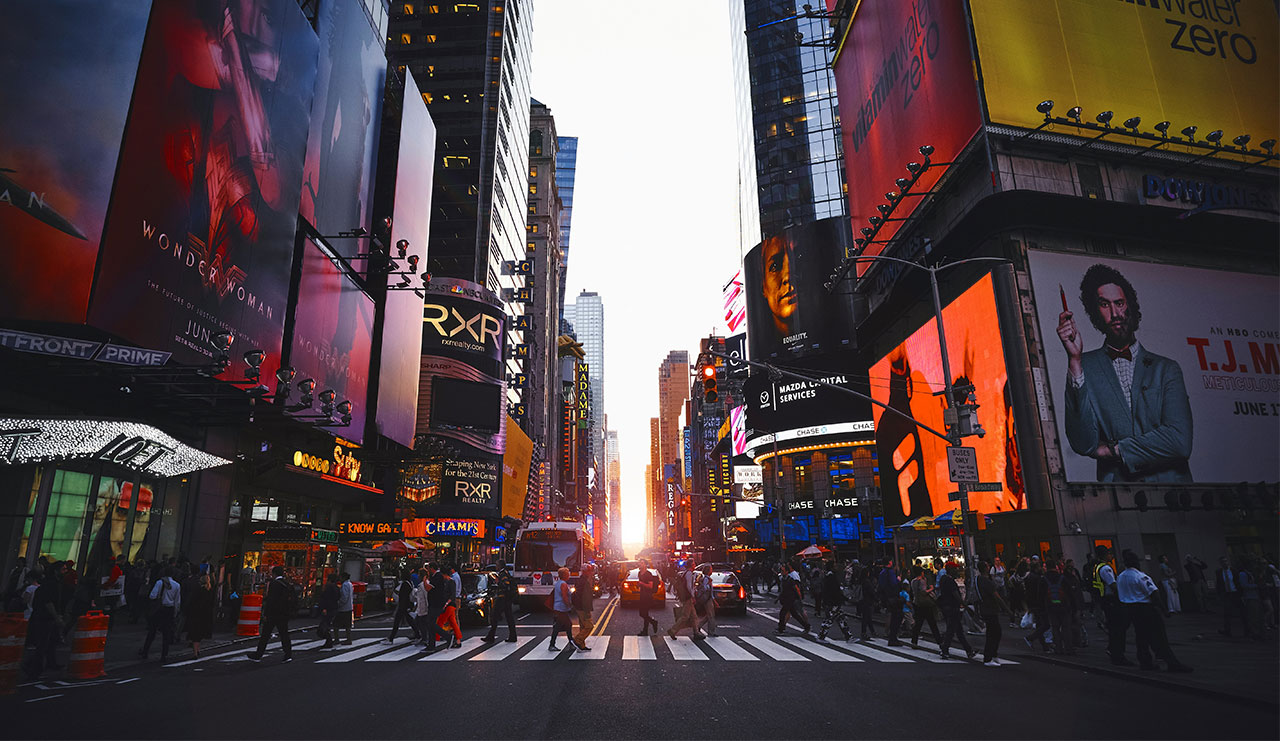
New York rewards structure. Plan by neighborhood, pick one anchor per day, and let the city do the rest.
Last updated: March 2026 by Corey Gasman
NYC isn’t one destination. It’s five boroughs and dozens of “mini cities.” The easiest way to enjoy it is to plan by neighborhood: one anchor activity, one great meal, and a realistic amount of walking.
| NYC Area | Best For | Stay Here If… | Signature Day |
|---|---|---|---|
| Midtown | First timers, transit convenience | You want the easiest subway access | Broadway + MoMA + skyline views |
| West Village / SoHo | Charm, nightlife, restaurants | You want the “movie version” of NYC | Downtown walk + iconic dinner |
| Lower Manhattan / FiDi | History, memorials, ferries | You want early mornings + water views | 9/11 + Brooklyn Bridge + ferry |
| Brooklyn | Cool factor, views, food | You’re repeat-visit or slower pace | Williamsburg + skyline sunset |
| Queens | Best global food value | You want real “local” energy | Astoria eats + park stroll |
If you only do NYC once, do it like this: base in a central area, build your days by neighborhood, and pick a few “big moments” that justify the trip (Broadway, a great museum, skyline views, and one iconic meal).
| If You Like… | Do This | Neighborhood | Anchor Move |
|---|---|---|---|
| Classic NYC | Broadway + skyline view | Midtown | Show night + observation deck |
| Food-first | One “big” dinner + one iconic deli | Downtown | Reservation dinner + daytime neighborhood walk |
| Museums | Pick 1 major + 1 manageable | Uptown/Midtown | Met or MoMA + Central Park |
| Views + vibes | Sunset roof + Brooklyn promenade | Brooklyn | Golden hour skyline loop |
NYC hotels are expensive and rooms are compact. The win is choosing the right base for your trip style.
Midtown: Archer Hotel New York (great central hub, boutique feel, rooftop bonus). Link your existing NYC playbook post here once published.
This is where NYC planning becomes easy. Choose a neighborhood, build a half-day loop, add one “big” meal, done.
Best for: dinner nights, people watching, iconic streets.
Do: Washington Square Park, easy downtown stroll, cocktail bar night.
Best for: High Line, markets, galleries, Hudson views.
Do: High Line + Chelsea Market loop.
Best for: 9/11 Memorial, ferries, early mornings.
Do: Oculus + memorial + waterfront walk.
Best for: Broadway nights, quick museum access, easy subway lines.
Do: MoMA + show night + rooftop drink.
Best for: park time, slower pace, classic NYC feel.
Do: Central Park loop + museum of choice.
Best for: skyline sunset, neighborhoods, restaurants.
Do: Dumbo + promenade + dinner in Williamsburg.
Best for: global food, lower prices, local energy.
Do: Astoria food crawl (perfect half-day add-on).
Pick the version that matches your trip length. Each is structured by neighborhood to reduce wasted travel time.
Best for first timers. Link to your existing post: The 2026 NYC Playbook: 5 Days of Food & Culture.
NYC food is too big for one list. Use this as your “decision tree” and build out deeper posts over time.
| Category | What to Know | Best Neighborhood for It | TLGA Move |
|---|---|---|---|
| Iconic Deli | Lines are part of the deal | Lower East Side | Go early and split a sandwich |
| Pizza | NY slice vs destination pies | Downtown/Brooklyn | One slice spot + one “best in city” spot |
| Steak | Old school service, big prices | Brooklyn/Midtown | Lunch can be the better value |
| Reservations | Hard tables require strategy | All | Use Resy alerts and aim for early/late slots |
Yes. NYC is one of the few cities where culture, food, museums, theater, and neighborhoods all hit at the highest level. The key is planning by neighborhood so you don’t burn time commuting across the city.
For a first trip, 4–5 days is the sweet spot. You can do the icons without sprinting. If you have 7 days, add Brooklyn and Queens and pace it slower.
Midtown is the easiest base because subway lines converge there. If you care more about charm and nightlife, the West Village / SoHo area is a better vibe, but you’ll spend more time in transit.
For the top tables, yes. Use Resy and set alerts. If you miss prime time, go for early or late slots. For pizza and delis, plan to wait in line.
Use the subway as your default, then walk neighborhoods once you arrive. Save rideshares for late night or when you want a break from stairs.