Travel Planning Hub
Start here to plan your trip, compare options, and explore every TLGA planning guide.
Packing & Gear Guide
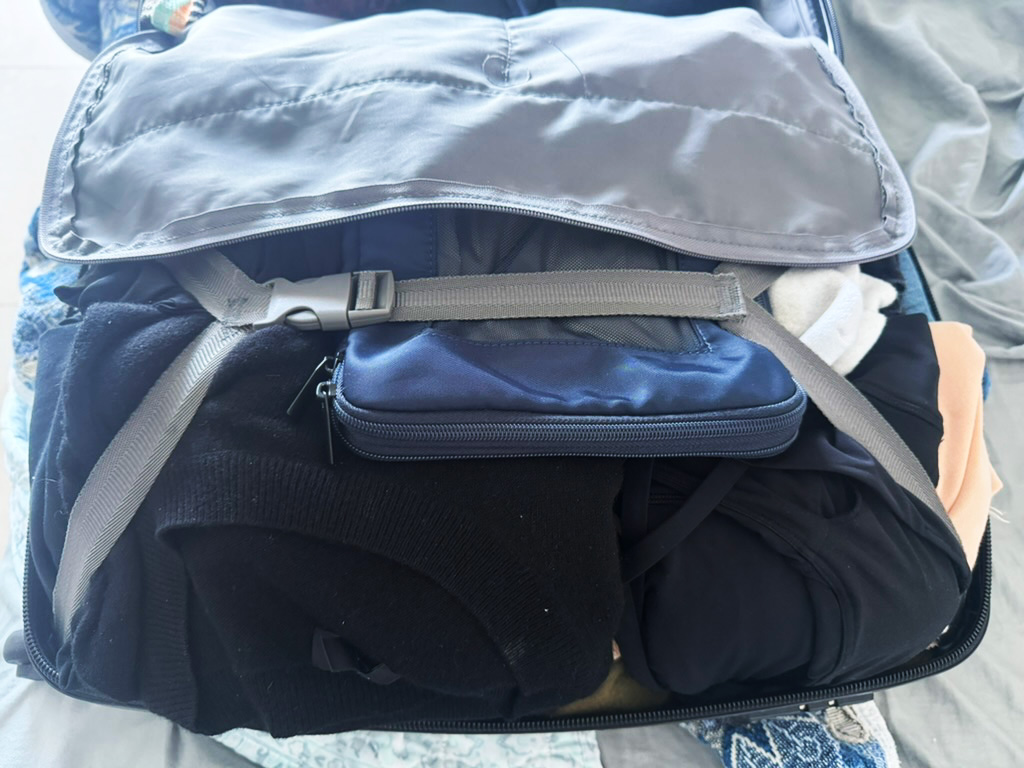
What to pack, what to skip, and how to build a lighter travel setup that works.
By Corey Gasman
Planning your first trip to Italy is an exercise in restraint. The urge to see everything, from the tip of the boot to the Alps, is strong. But if you have read my other guides, you know my philosophy: travel is about depth, not just distance.
There is a difference between truly experiencing Italy and merely photographing it. Treating this country like a checklist where you rush from monument to monument just to get the Instagram shot is the fastest way to miss the point of the dolce vita. That is not traveling. That is just verifying you were there.
This itinerary is the perfect compromise. We do move efficiently to hit the Big Three of Rome, Florence, and Venice, but we dedicate three full days to each city. This pace gives you permission to slow down, put away the map, and immerse yourself in the culture. Seeing less allows you to experience much more.
Local Guide Tip: The Reverse Route
While most people start in Rome and head north, starting in Venice and ending in Rome can sometimes be cheaper for flights. That said, we recommend the northbound route from Rome to Venice for a better crescendo of history and atmosphere.
Planning note: For 2026, booking Colosseum and Vatican tickets 60 to 90 days in advance is no longer optional. It is essential. If you miss the window, a guided tour is often your only reliable option.
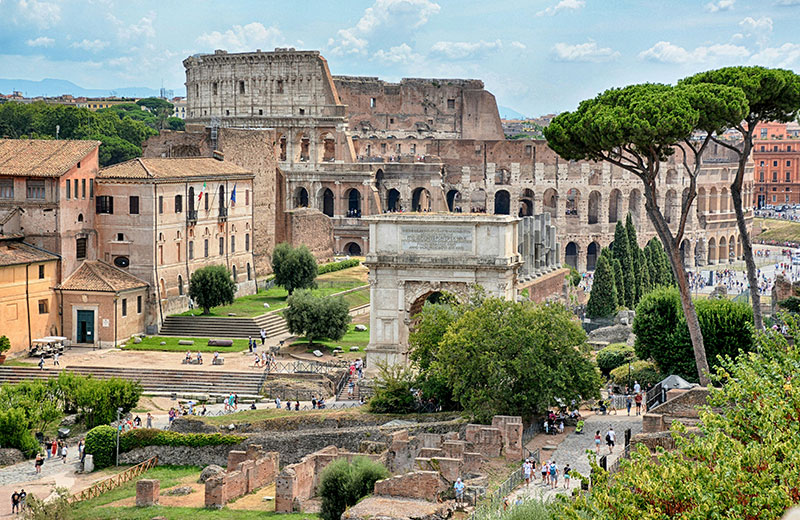
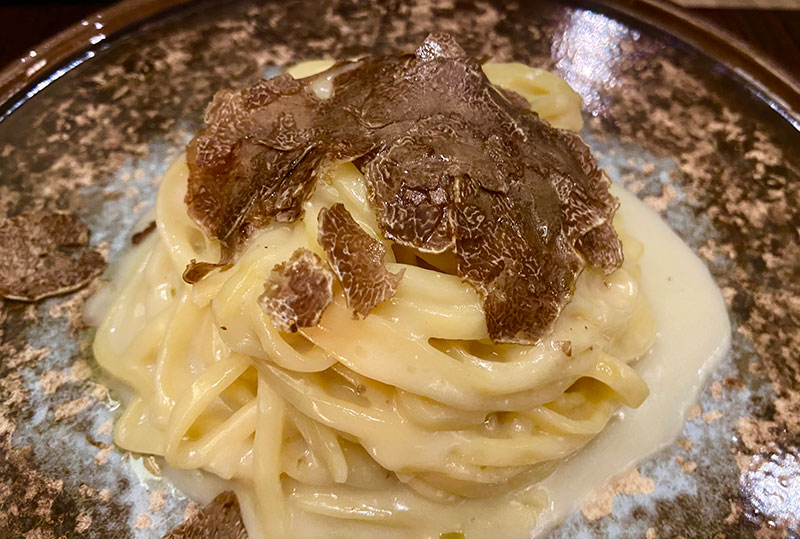
The classic start: Watching the sunset over the Roman Forum before your first authentic cacio e pepe dinner.
Your first three days are about the layers of history. Stick to a one major site per day rule to avoid burnout.
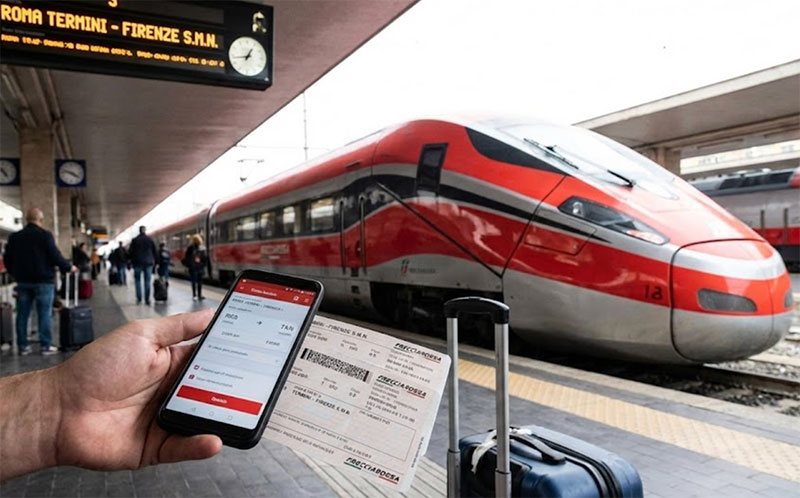
In 2026, high-speed rail is the best way to travel. It turns a long drive into a quick and comfortable journey.
Confused by Italian trains? The system is easier than it looks. I’ve written a complete breakdown covering ticket validation, Italo vs Trenitalia, and how to avoid fines at the station.
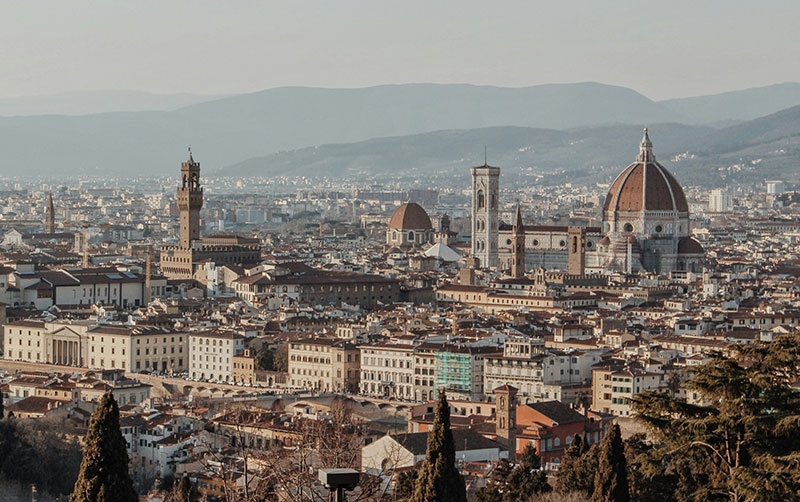
Florence from above: The view from Piazzale Michelangelo is the perfect reward after a day of art and history.
Florence is your base for the Renaissance and the rolling hills of the countryside.
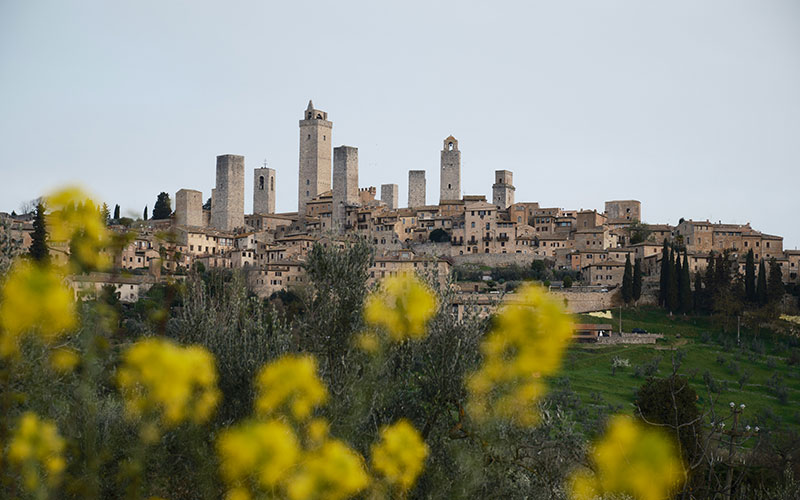
The Manhattan of the Middle Ages waking up. The skyline of San Gimignano still feels powerful centuries later.
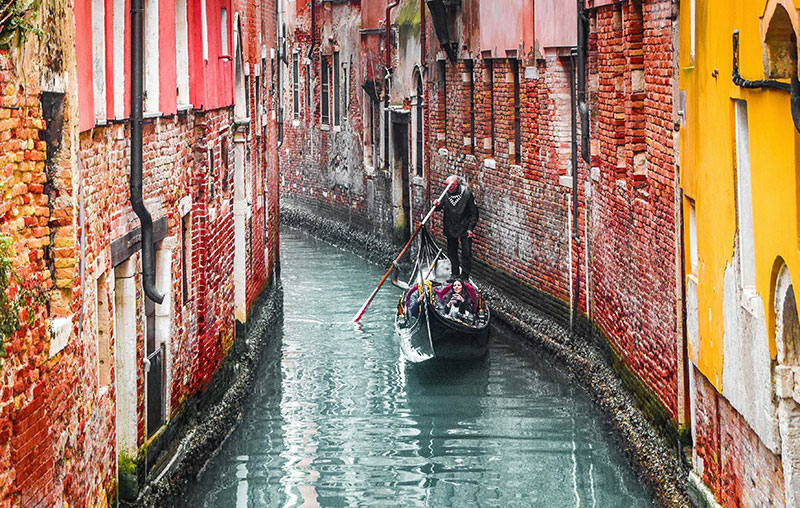
The best itinerary in Venice is to throw away the map. Some of the best moments come from getting lost.
Take the 9:20 AM high-speed train from Florence. As you cross the lagoon into Venice Santa Lucia, the car world disappears.
Venice is best experienced away from the crowds around St. Mark’s Square.
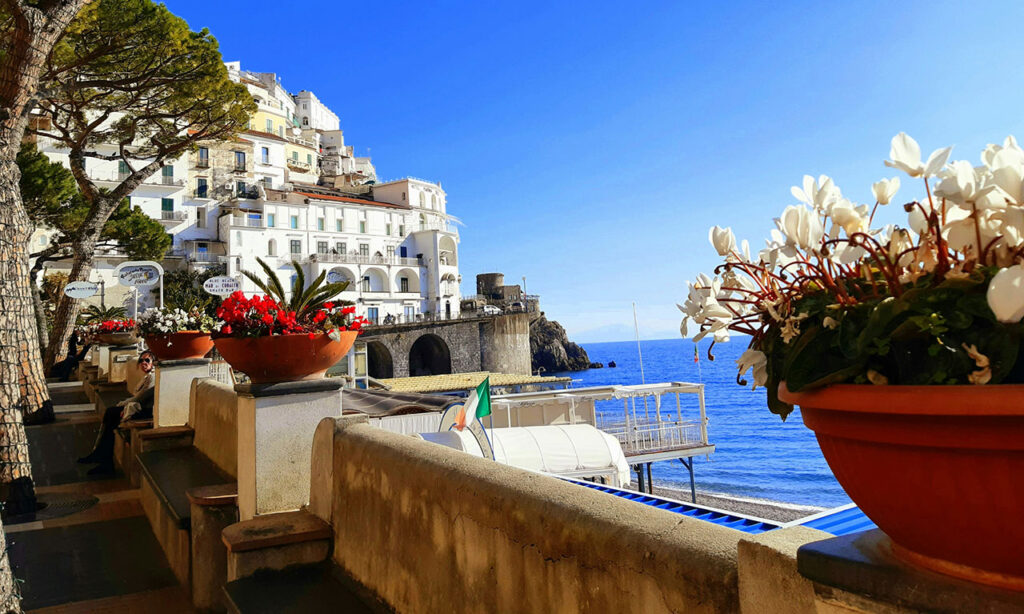
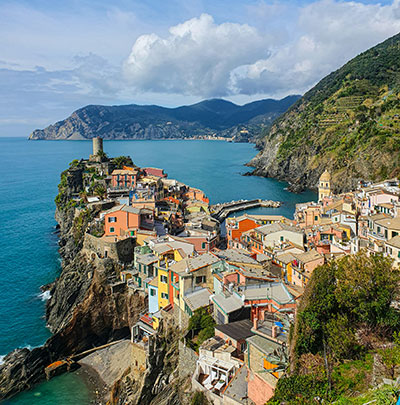
If you are traveling in summer, you may want coastline over canals.

There is nothing better than a simple Italian lunch done right. Fresh pizza, quality ingredients, and a glass of wine.
As a Local Guide, I believe you have not truly visited Italy until you have tasted it. These are the essentials across Rome, Florence, and Venice.
Local Guide Tip: Coperto & Service A small cover charge is normal in Italy. Tipping is not required, but rounding up is appreciated.
Cappuccino vs Espresso: Cappuccino is for mornings. Espresso is the all-day drink.
Cornetto: Slightly sweeter than a croissant and perfect with coffee.
Gelato: Look for natural colors. Avoid overly bright displays.
Pizza Margherita: Simple and essential.
Cacio e Pepe: One of Rome’s signature pasta dishes.
Prosciutto di Parma: Paper-thin and rich.
Parmigiano Reggiano: Aged and served in chunks.
Local Guide Tip: Pair cured meats with Chianti Classico for a perfect Tuscan lunch.
Explore Super Tuscans, Brunello, and more in this guide.
Seafood Pasta: Switch to seafood near the coast.
Aperol Spritz: The classic Venetian drink.
Limoncello: A traditional after-dinner digestif.
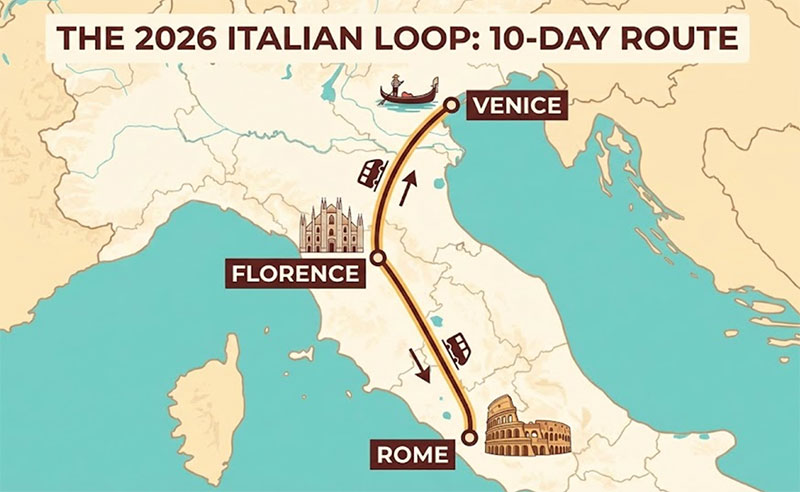
The classic 10-day route through Rome, Florence, and Venice.
You do not need a travel agent for this route.
Yes, but it requires a structured pace. You will see highlights, not everything.
Expect around €250 to €300 per person per day for a mid-range experience.
Generally no. Point-to-point train tickets are usually cheaper and easier.
It is doable but involves a lot of walking. Consider slowing down or cutting one city.
May or September to October offer the best balance of weather and crowds.